There’s a moment every cat owner knows well. You’re sitting quietly, maybe reading or watching something, and you feel it. That unmistakable sensation of being watched. You look up, and there’s your cat. Perfectly still. Eyes locked on you with a laser-like intensity that somehow manages to feel both deeply affectionate and mildly threatening at the same time.
The truth is, your cat is talking to you constantly through those extraordinary eyes. The shape of the pupil, the speed of a blink, the angle of the gaze. All of it carries meaning, rich, nuanced, and surprisingly scientific. Learning to read those messages is one of the most rewarding skills a cat owner can develop. So let’s dive in.
The Science Behind the Feline Gaze
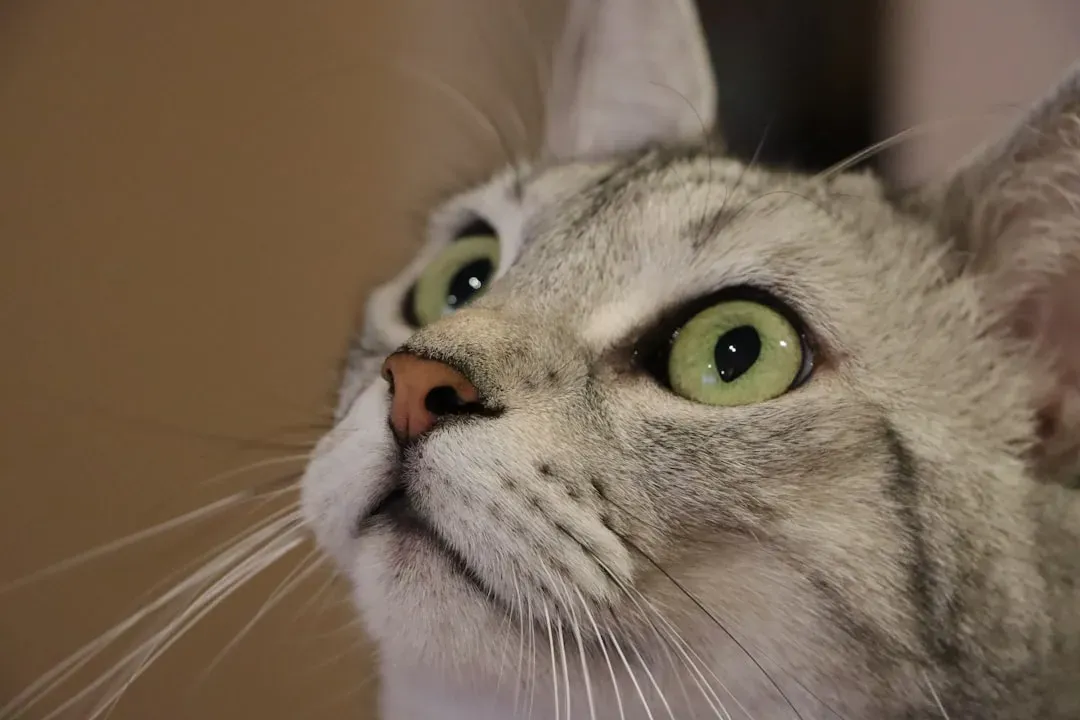
Domestic animals are sensitive to human cues that help bridge the gap between species, and the eyes turn out to be especially important in signaling emotions. The act of narrowing the eyes, in particular, appears to be associated with positive emotional communication across a wide range of species. This isn’t just feel-good pet owner folklore. It’s backed by peer-reviewed research, and the findings are genuinely fascinating.
For companion animals, humans act as key social partners, with these species often spending more time with humans than with other members of their own kind. The ability to engage in communication across species, not only by reading human-given cues but also by producing signals directed at humans, would have obvious adaptive advantages. Honestly, when you think about it that way, your cat’s expressive stare feels a lot less random and a lot more deliberate.
The Iconic Slow Blink: Your Cat’s Version of “I Love You”
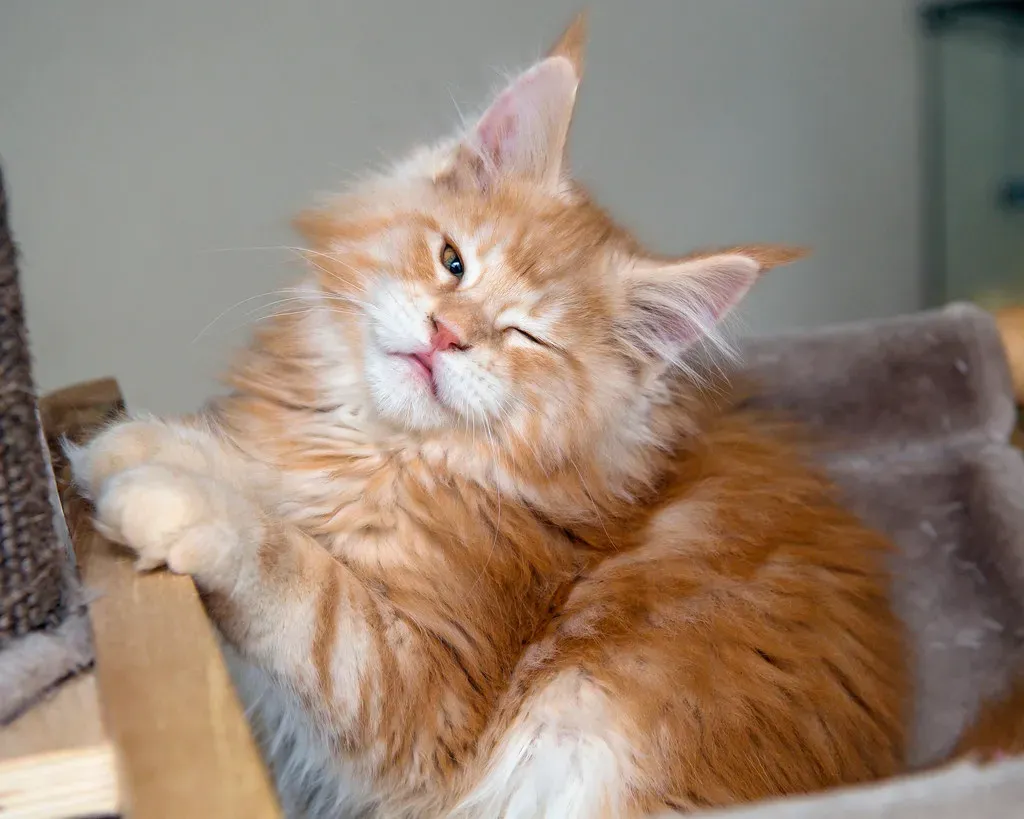
One of the most endearing cat behaviors is the slow blink, often referred to as a “cat kiss.” When your cat looks at you with a relaxed gaze and slowly closes and opens their eyes, they are expressing deep trust and affection. It’s a small, quiet gesture, but the meaning behind it is enormous. Think of it like a cat hug. No dramatic display, just pure, calm confidence in your presence.
Researchers have examined the communicatory significance of this widely reported behavior, referred to as the slow blink sequence. Slow blink sequences typically involve a series of half-blinks followed by either a prolonged eye narrow or an eye closure. Studies found that cat half-blinks and eye narrowing occurred more frequently in response to owners’ slow blink stimuli than in a control condition with no interaction at all. So when you slow-blink back at your cat, you’re not being silly. You’re actually speaking their language fluently.
What It Means When Your Cat Stares at You Without Blinking
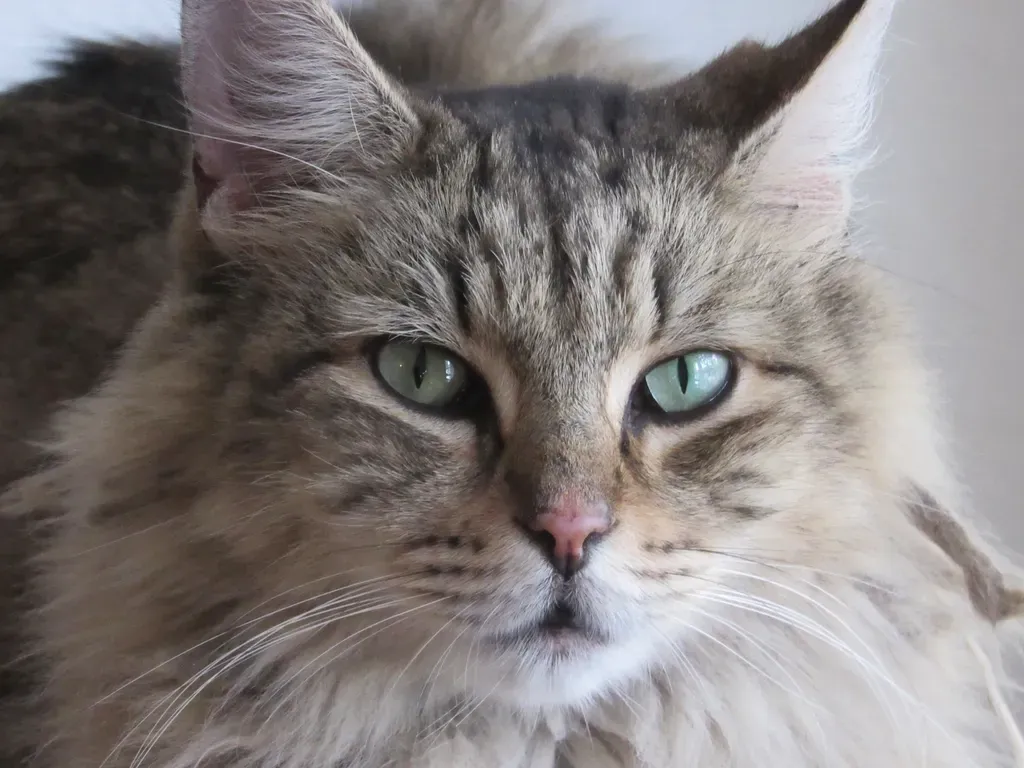
A long, steady stare without a slow blink accompanying it is a dominating move for cats. This can be a cat’s way of asserting control over another cat, indicating who “owns” what, or silently communicating “don’t do that.” Before you feel judged, though, keep in mind that context is everything. Not every unblinking stare from your cat is a power move directed at you personally.
A stare can reflect affection, interest, or reassurance just as easily as it can signal dominance. Many cats look at their owners the same way they would observe another trusted companion. Some cats use eye contact as a form of bonding. The key distinction is how the rest of the body looks. An agitated or scared cat will show an intense stare accompanied by a swishing tail, dilated pupils, and ears turned to the side or pinned back. If your cat is relaxed and soft in posture, that stare is almost certainly a compliment.
Decoding Pupil Size: The Emotional Thermometer
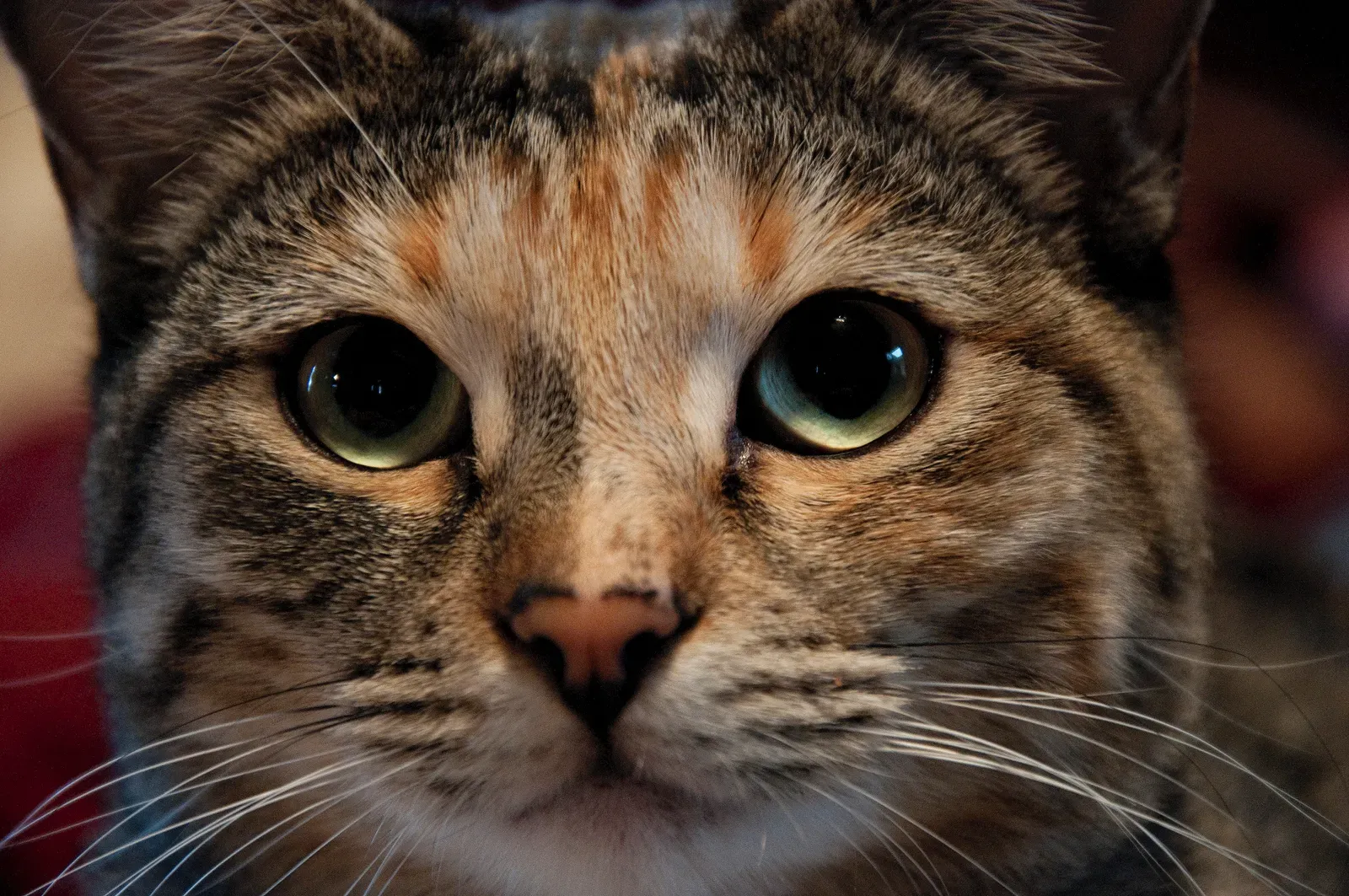
A cat’s pupils are one of the best ways to tell how relaxed or stimulated it is. Relaxed eyes usually belong to a cat that’s feeling comfortable. When a cat’s pupils are large and dilated, it means the cat is stimulated, which is not necessarily good or bad. Think of pupil size as an emotional thermometer. Wide and dark usually means something has turned up the heat, whether that’s excitement, fear, or intense focus.
More often, unexpected or dramatic dilation signals fear, surprise, anxiety, or stress. When a cat is overwhelmed, its pupils can dilate so wide they resemble dark, glassy discs, a phenomenon often called “saucer eyes,” and this is a clear indicator that the cat’s fight-or-flight response has been activated. On the flip side, when pupils narrow into thin vertical lines in moderate lighting, it is often a sign of offensive aggression. Two completely opposite shapes, two completely opposite messages.
Half-Closed Eyes: The Sign of a Truly Content Cat
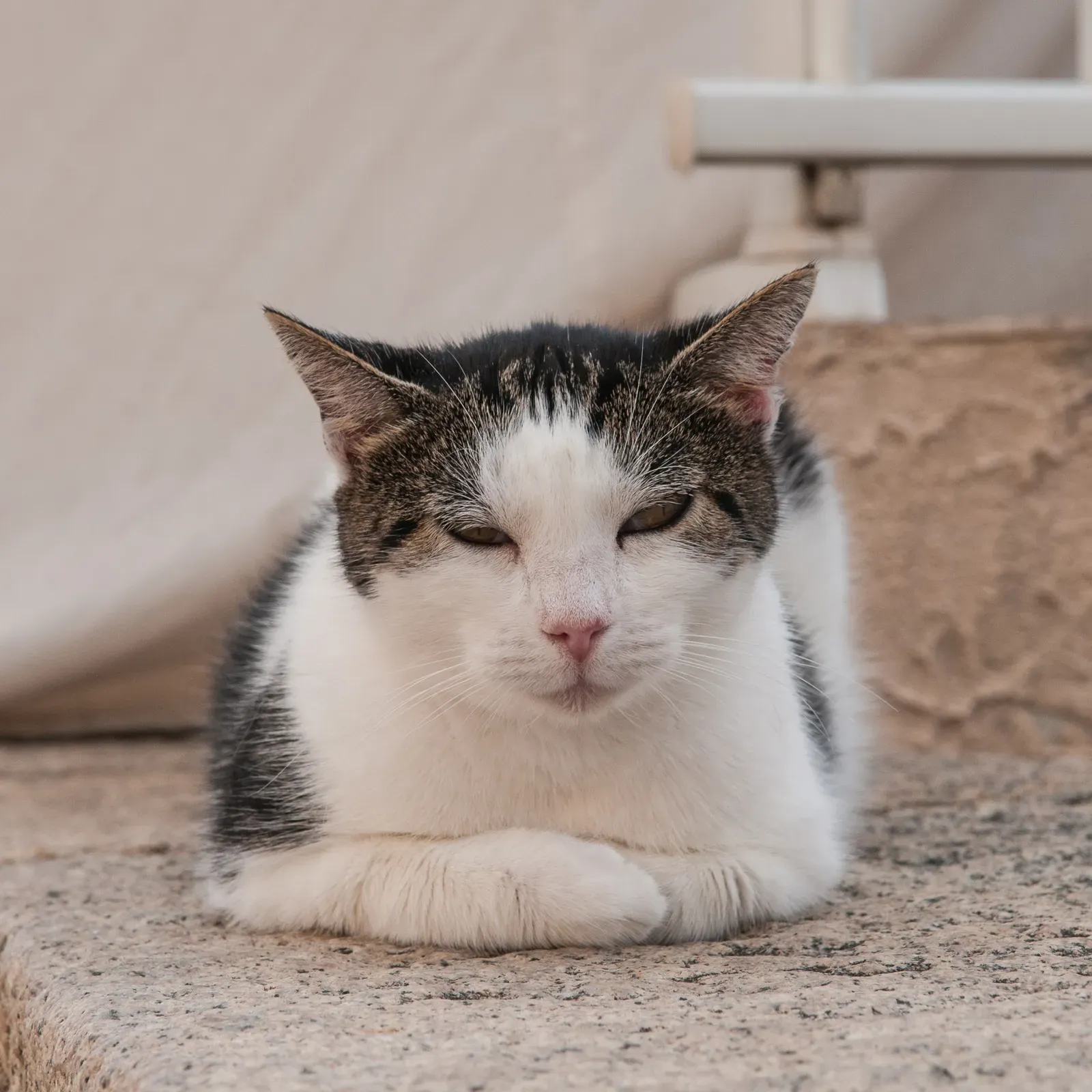
Wide-open eyes may indicate fear, interest, excitement, or aggression, while half-closed or drooping eyes convey relaxation and friendliness. This is one of the easiest signals to read once you know what to look for. Your cat lying with heavy, drooping eyelids in your presence isn’t being lazy or indifferent. It’s a statement of total comfort.
Slow eye blinks express love and trust. The eyes, with lids partially closed, take on a sleepy, dreamy appearance, as if the cat is in a state of bliss. Let’s be real, there is something profoundly satisfying about knowing that those half-closed, drowsy eyes directed at you are essentially your cat saying, “I feel completely safe when you’re around.” You’ve earned that look.
The Averted Gaze: Submission, Not Rudeness
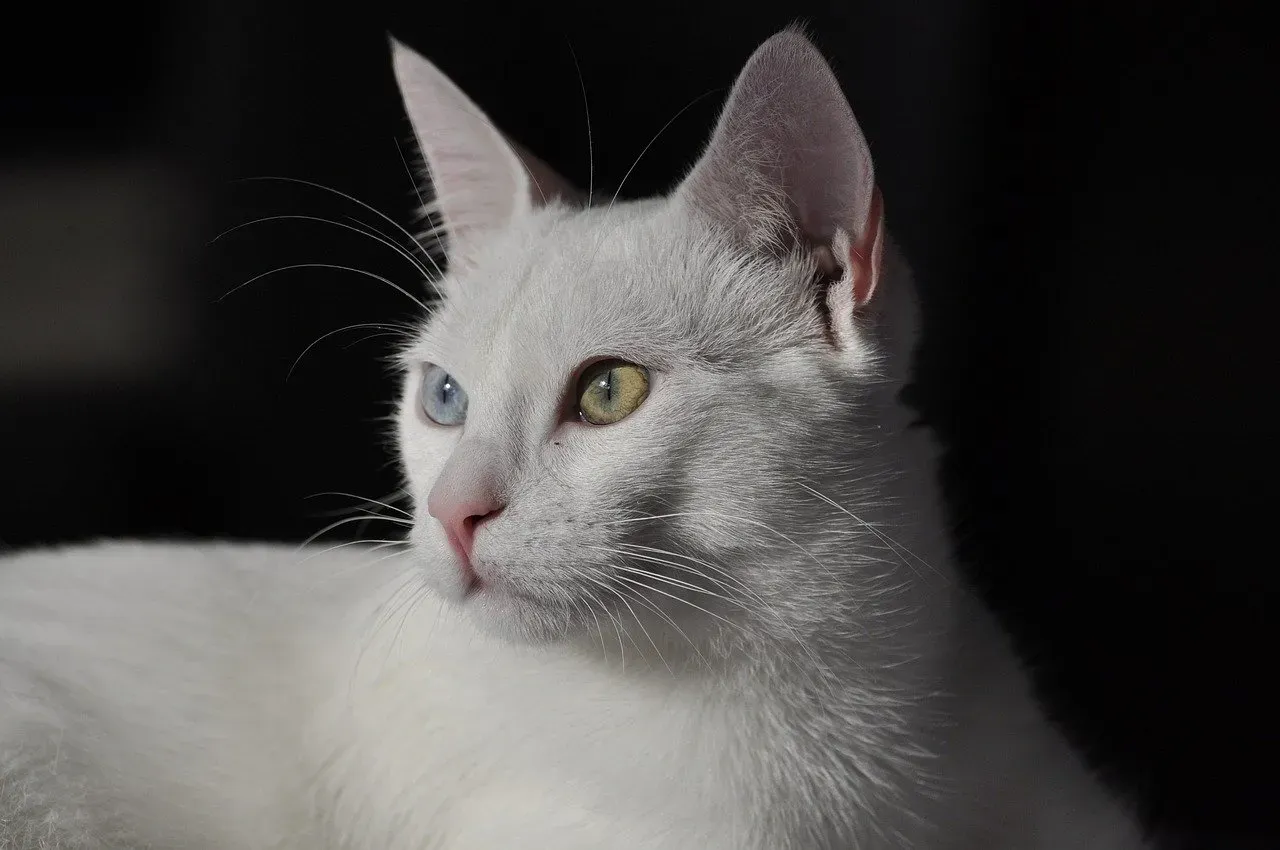
Averting eye contact is actually a surrender signal. Subordinate cats in feline social structures usually avoid direct contact with higher-ranking cats by looking away. If your cat avoids your eye contact, they may simply be showing submission or signaling that they’re comfortable and non-threatening. So when your cat glances at you and then deliberately looks away, don’t take it personally. They’re not ignoring you. They’re being polite in the most feline way possible.
While humans consider direct eye contact friendly, cats view it as more assertive or even intimidating. This is why, if you try to get your cat’s attention by calling their name and staring in their direction, the cat may choose to ignore you completely. They will actually be more likely to approach someone who is not paying close attention to them, because that person reads as less of a threat. It’s a bit like the rule of cats at parties. They always go to the one person who isn’t trying to pet them.
Eye Signals in Multi-Cat Households
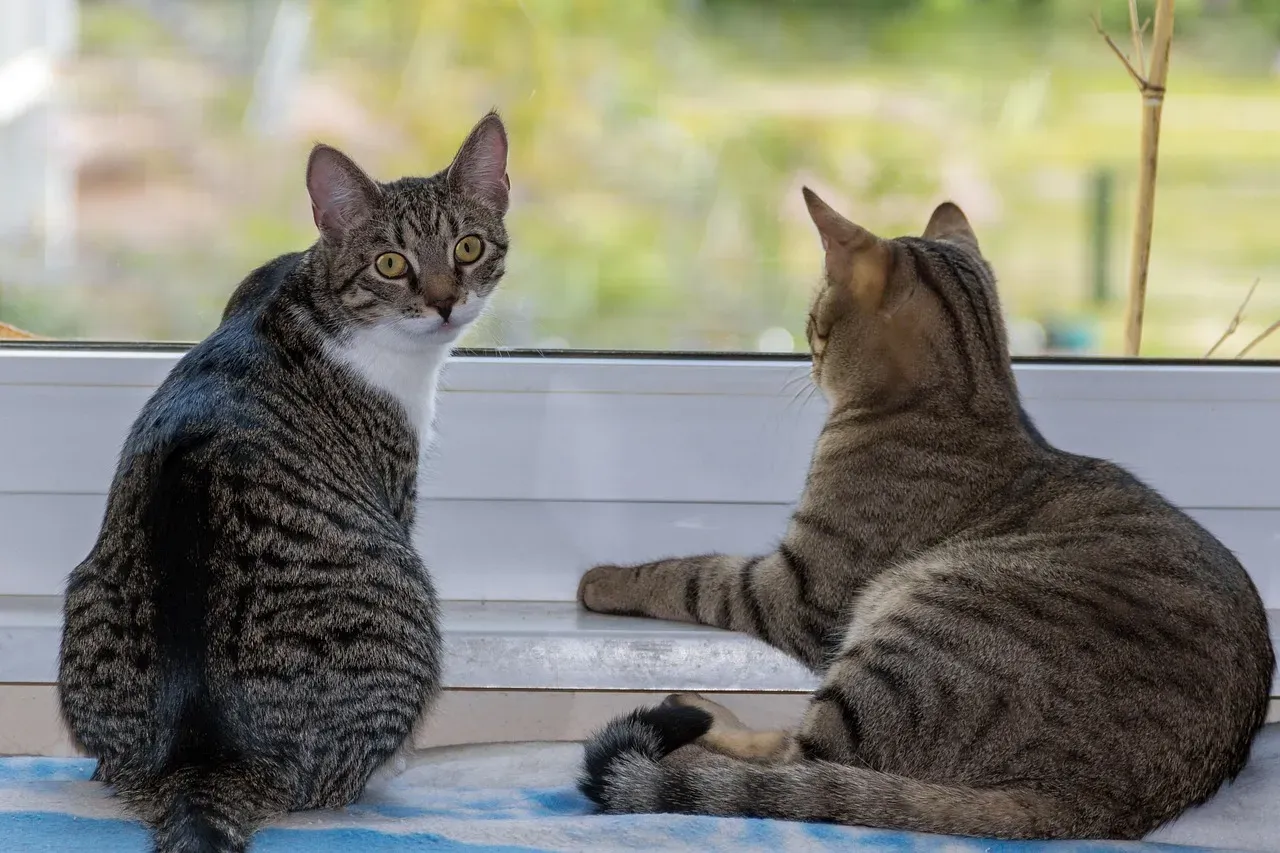
A prolonged and intense stare between cats can signal dominance or territoriality. Cats use direct eye contact in a stare-down to establish hierarchy and territorial boundaries. In these situations, the one who breaks eye contact first is typically the one deferring, signaling submission. If you’ve ever watched two cats square off from across the living room in total silence, now you know what you were actually witnessing. It’s a full-blown negotiation.
In multi-cat homes, staring between cats can be a display of dominance, given that cats are extremely territorial by nature. It can also ignite friendly play, wrestling, or aggression over sleeping spots, food, or litter box access. Visual contact is often the starting point for many interactions between cats. I think what makes this so fascinating is that the same gesture, that direct unblinking gaze, can be a war declaration or a play invitation depending entirely on what follows it.
When Your Cat’s Eyes Are Warning You About Health
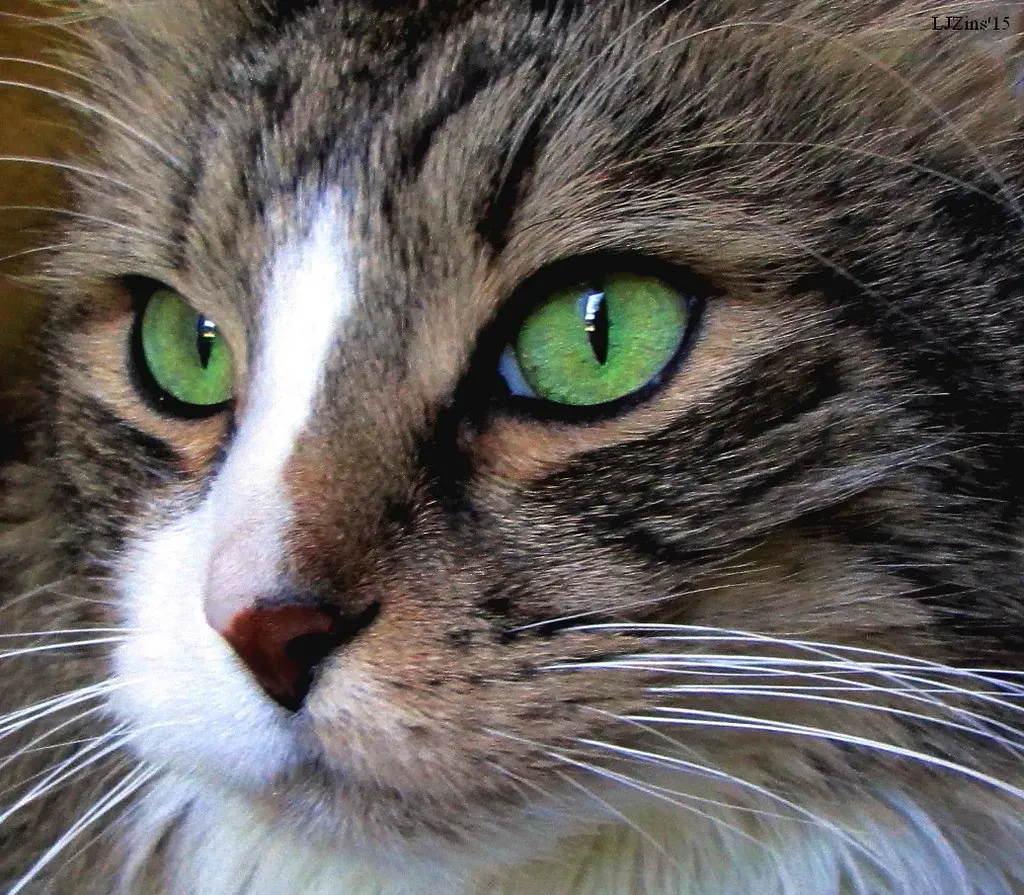
While cat eyes are expressive and communicative, they can also be indicators of underlying health issues. One of the most noticeable signs of eye problems in cats is changes in the appearance of the eyes themselves. Redness, swelling, or discharge from the eyes are all potential indicators of an issue. If you notice that your cat’s eyes appear cloudy, dull, or have a change in color, this could also signal a problem. In other words, not every odd-looking gaze is emotional communication. Sometimes it’s your cat’s body sending you a very different kind of message.
If one pupil is large and the other is small, this can be a major neurological red flag, potentially pointing to conditions like Horner’s Syndrome. Persistently dilated pupils could signify an underlying cause like eye problems, infectious disease, trauma, or cancer. Some related conditions include Progressive Retinal Atrophy, where the cells in a cat’s eyes weaken over time, and glaucoma, which involves increased intraocular pressure. The bottom line is this: if something about your cat’s eyes looks persistently off, trust your instincts and call the vet.
How to Use This Knowledge to Deepen Your Bond
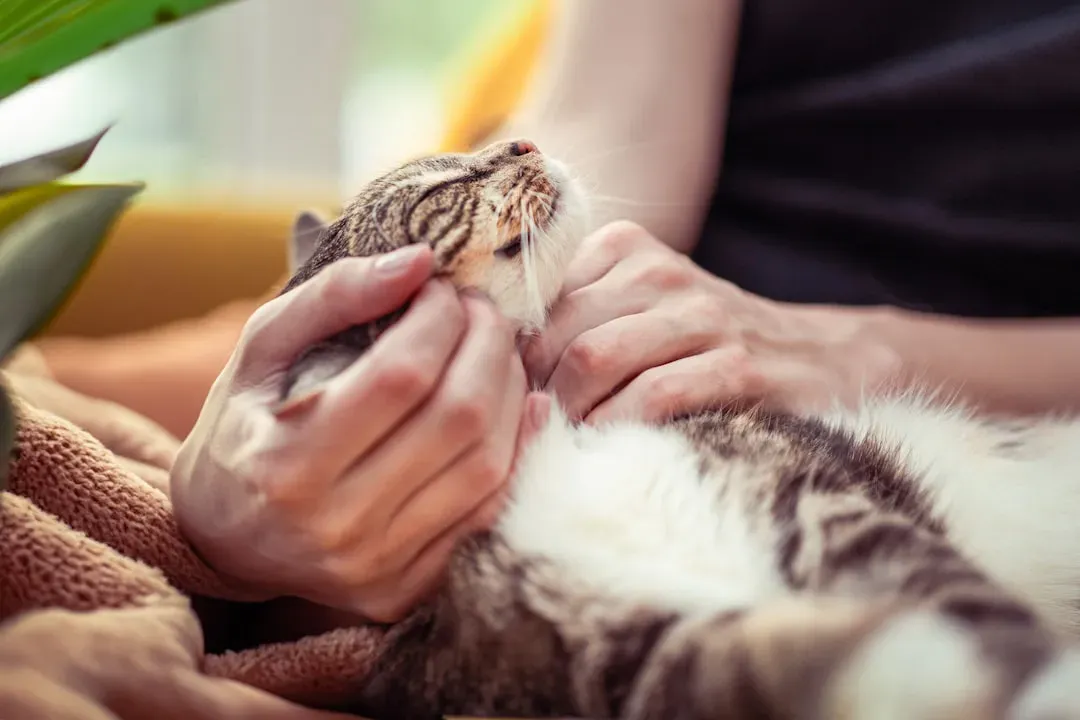
Research has confirmed that slow blinking is not just an anecdotal behavior observed by cat owners but a scientifically supported form of communication. A study conducted by the University of Sussex found that cats are more likely to slow blink at their owners when their owners slow blink at them. Furthermore, cats were more likely to approach an experimenter who had slowly blinked at them compared to one who maintained a neutral expression. So you have a genuinely science-backed way to tell your cat you love them. Use it.
When interpreting cat eye behaviors, it is crucial to consider the entire picture. A cat’s eyes are just one part of their complex body language. The position of their ears, the movement of their tail, and their overall posture all contribute to the message they are trying to convey. To bond with a cat who blinks slowly at you, return their gesture by blinking slowly back. This is a genuinely effective way to communicate warmth and trust with your cat. It takes a little practice, but the moment your cat slow-blinks back at you, it feels like a quiet, meaningful conversation.
Conclusion
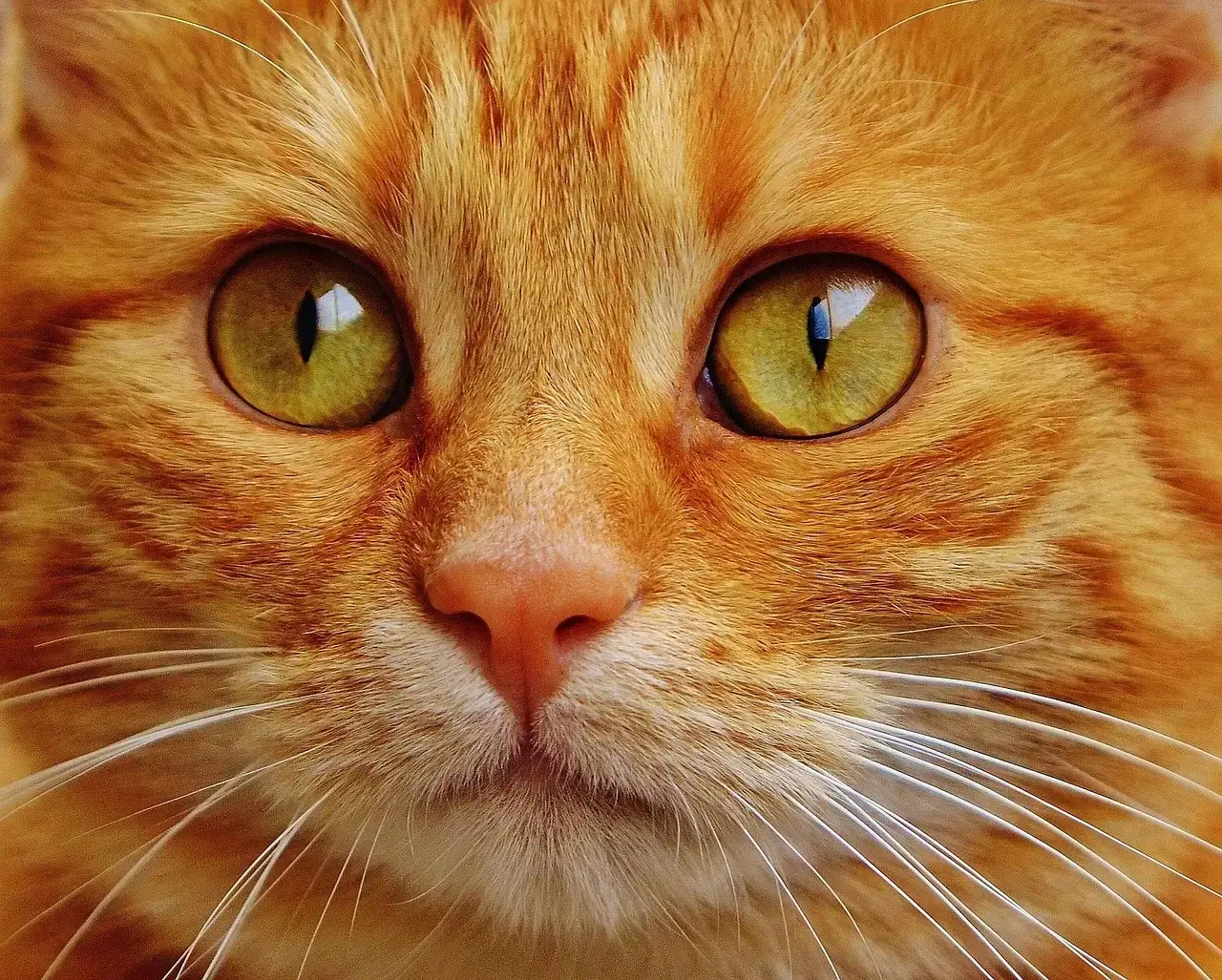
Your cat’s eyes are far more than a pair of striking, slit-pupiled features you admire from across the room. They are a living, shifting vocabulary. One that spans trust and aggression, affection and anxiety, curiosity and deep, bone-level contentment. The slow blink is their smile. The saucer-wide pupils are their gasp. The half-lidded drowsy gaze is their version of a long, comfortable sigh.
Once you understand the language, something subtle shifts in your relationship with your cat. You stop wondering what they want. You start actually knowing. And they, in their quietly perceptive way, seem to notice the difference too. The eyes really do have it.
Which of these eye signals have you noticed in your own cat? Share what you’ve observed in the comments. You might be surprised by what you’ve already been reading without even realizing it.