You know that feeling when you glance up from your phone or your dinner plate, only to find your cat locked onto you with an intense, unwavering stare? It’s unnerving at first. The eyes are wide, the body is still, and you can’t help but wonder what’s running through that fuzzy little head. Are they plotting your demise? Asking for something? Or just zoning out while you happen to be in their line of sight?
Here’s the thing: your cat’s stare is rarely just a stare. Feline eye contact is one of the most fascinating and misunderstood forms of communication between humans and their pets. While we tend to view sustained eye contact as polite or friendly, your cat sees it through a completely different lens. Understanding why your feline friend locks eyes with you can unlock a deeper level of trust, affection, and connection between the two of you. So let’s dive in and explore the mysterious world behind that gaze.
The Language of Love: When Your Cat Slow Blinks at You
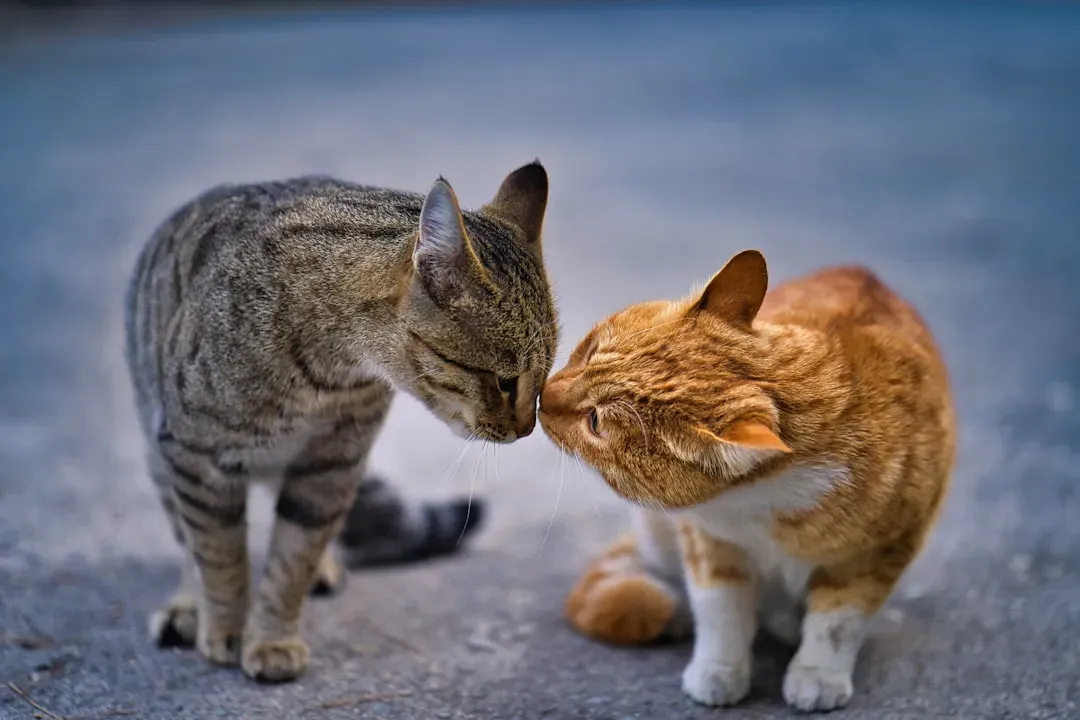
One of the most heartwarming ways cats communicate through their eyes is the slow blink, a behavior often referred to as a cat kiss, which studies have shown is a sign of affection and trust. Think of it as your cat’s way of blowing you a kiss without making a sound. In the wild, cats rely on body language to communicate, and closing their eyes makes them vulnerable, so when your cat looks at you and slowly blinks, it’s essentially saying they trust you enough to let their guard down.
This isn’t just some cute behavior we’ve projected onto our pets. Cats deliver more eye narrowing movements when their owners slow blink at them than when the owner is present but not delivering this stimulus, and when an unfamiliar experimenter gives the slow blink stimulus compared to adopting a neutral face, cats respond with a higher frequency of eye narrowing movements themselves. You can actually speak your cat’s language right back by mimicking this gentle eye closure. Next time your feline companion gives you that slow, deliberate blink, try returning it. You might be surprised at how much this simple gesture strengthens your bond.
The Hunger Games: That Relentless Food Stare
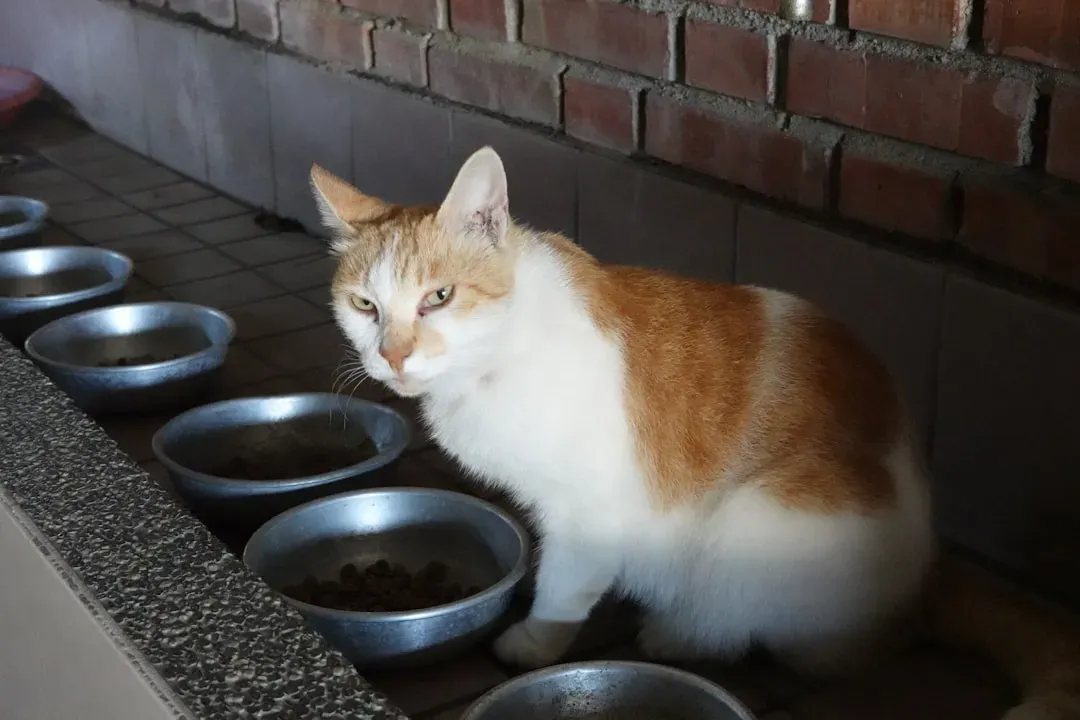
Food is often considered the primary motivator for most domestic cats, and as mealtime approaches, many kitties sit next to their food bowls, make direct eye contact with their humans, and unleash a relentless stream of meows and purrs. Let’s be real, you’ve probably experienced this countless times. Your cat plants themselves near the kitchen, fixes you with that unwavering gaze, and refuses to look away until you acknowledge their needs.
This behavior isn’t just cute or annoying, it’s calculated, as cats are intelligent and observant animals who learn that staring at their humans without blinking has proven to be remarkably effective. They’ve basically trained you, and they know it. The intensity increases when you move toward the cabinet where you keep their food, because they’ve learned to anticipate your patterns. Sometimes that stare is accompanied by a gentle paw tap or a strategically timed meow to really drive the message home.
Curious Observers: Your Cat Is Simply Watching You
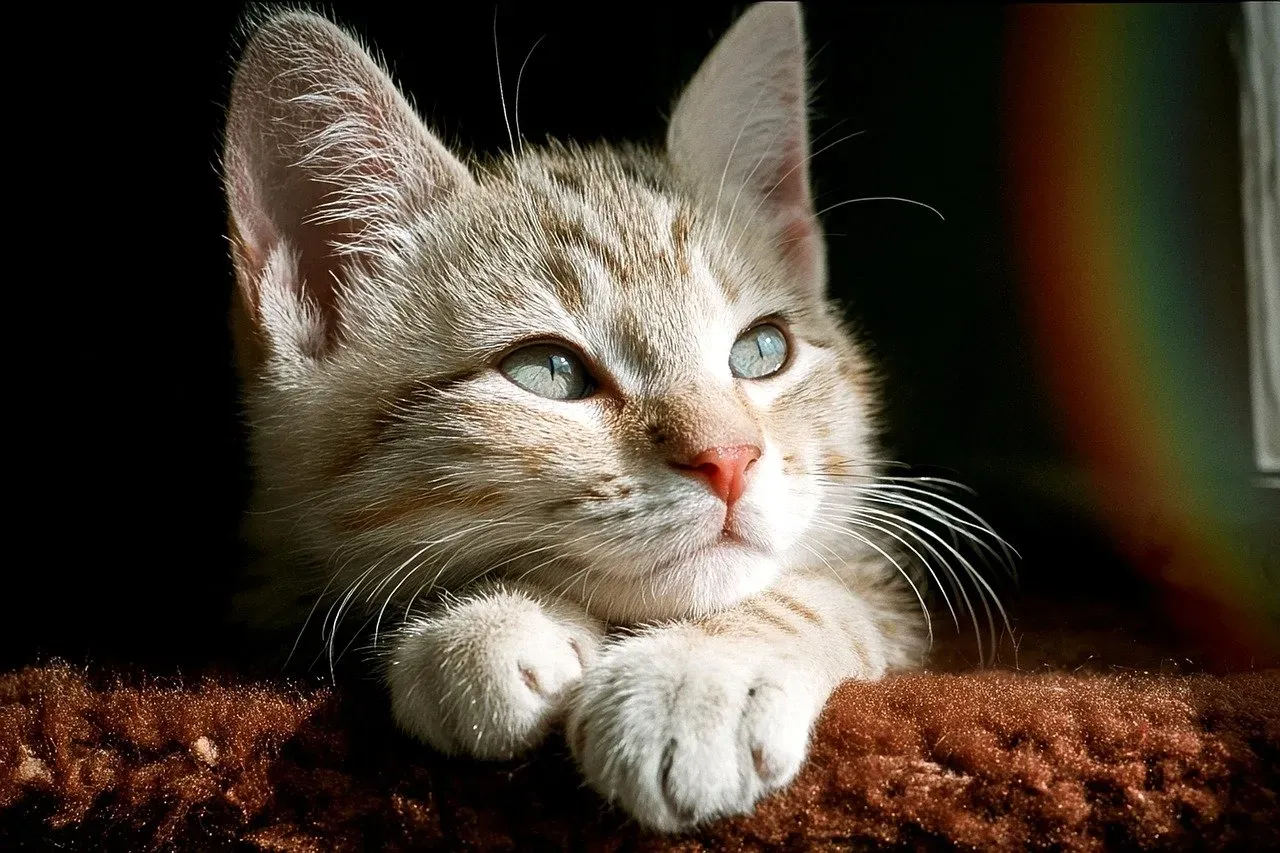
Cats are curious creatures with a penchant for taking in every detail around them, and this tenacious behavior is what makes them such troublemakers but also what makes them so intelligent. Maybe you’re doing something mundane like folding laundry or typing on your laptop, yet your cat is absolutely mesmerized. Cats are naturally observant animals and they may stare simply because they’re taking in what you’re doing.
It might seem odd that your everyday activities warrant such rapt attention, but to your cat, you’re endlessly fascinating. They’re constantly trying to understand your routines and predict your next move. Cats are highly observant creatures and may stare not just out of curiosity but as a way to assess their environment and the people in it, whether you’re folding laundry, doing yoga, or chatting on a Zoom call. Think of it as your cat conducting their own little behavioral study on you. Flattering, honestly.
The Hunting Instinct: When Prey Drive Kicks In
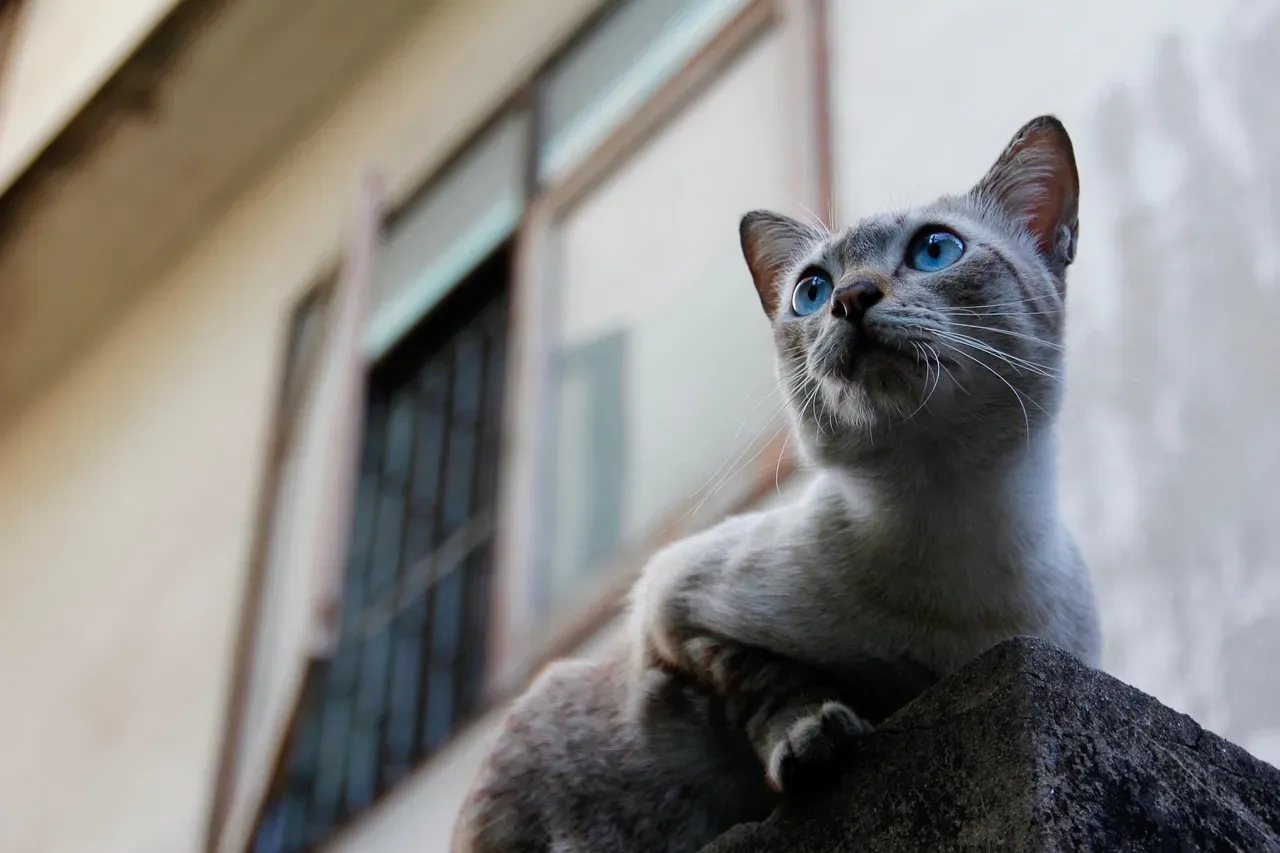
Staring is also part of your cat’s natural hunting behavior, as they may fixate on a bug, toy, or even something invisible to you, tracking even the tiniest movement. That laser focus your cat displays isn’t just for show. A cat will lock eyes with its target seconds before pouncing, usually followed by a classic butt wiggle before the big jump.
Sometimes you’re not even the target, you just happen to be nearby when your cat spots a dust particle floating through the air or hears a sound you can’t detect. Their incredible senses pick up on stimuli that are completely invisible to us. Their hearing range is about four times higher than ours and they have one of the widest hearing ranges of all mammals, plus they have a stronger sense of sight than humans do, as they can see better in the dark and even detect UV light, so your kitty may stare at things that they see and hear but that you can’t detect. Mystery solved, sort of.
Seeking Attention: The Deliberate Demand for Interaction
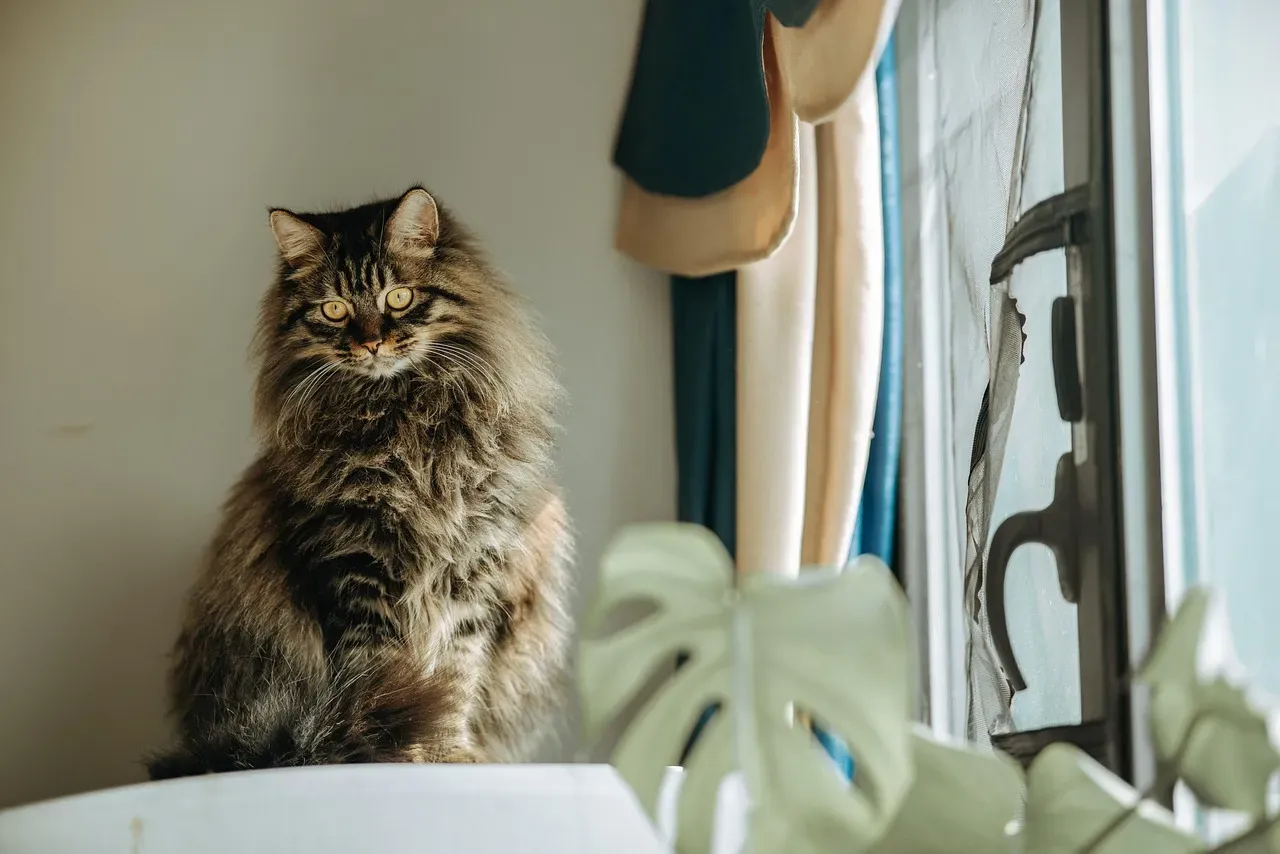
Cats are smart and they quickly learn that staring can be an effective way to grab your attention, and if your cat stares at you and meows or moves toward something they want like a toy or their food bowl, they’re likely trying to communicate a need or desire. This is especially true if your cat has learned that making eye contact with you produces results. They’re not above a little manipulation when it gets them what they want.
Cats often learn that staring produces results, whether it’s food, playtime or attention, and if you’re consistently rewarding their staring, they will keep on doing it, which is known as operant conditioning. If their stare is paired with other behaviors like pawing at you, rubbing against your legs, or positioning themselves between you and whatever you’re trying to focus on, then you can be pretty certain they want your undivided attention right now. It’s up to you whether you cave in or redirect their energy to something else.
Fear and Anxiety: When the Stare Signals Distress
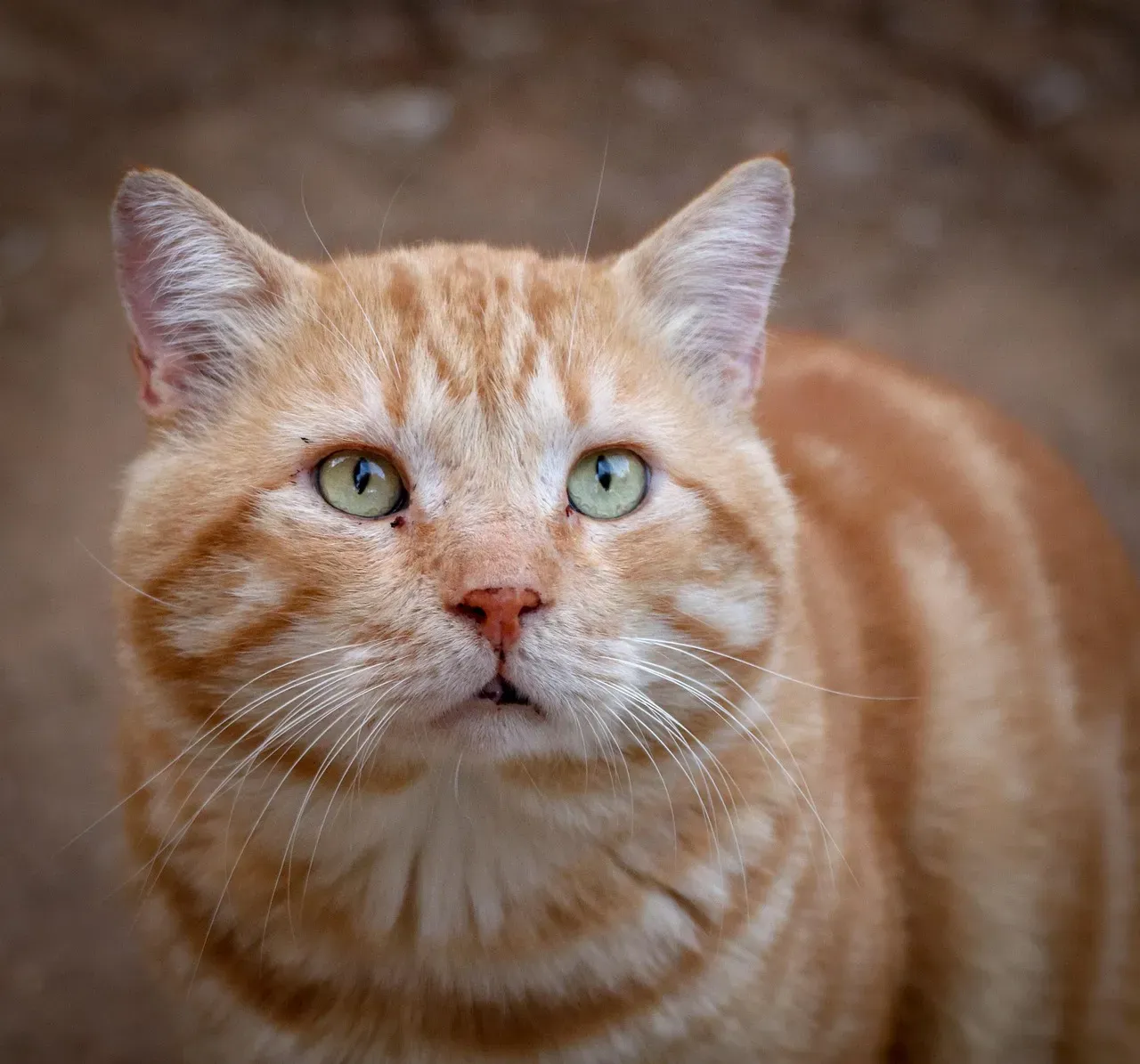
Sometimes a cat stares at a person, another animal, or an object out of fear, and the cat is staring to keep his eyes on the stimulus he’s worried about, maybe you made a loud noise or a quick movement that startled him. This kind of stare looks different from the others. If your cat’s eyes are wide, pupils dilated, and body tense, they may be hyper-alert.
If your cat’s staring at you whilst also in a crouched position with their tail tucked in, it’s generally a sign that your cat’s frightened, and you may also find them hiding somewhere like underneath a coffee table or bed and when they stare at you like this it’s because they’re keeping an eye on the potential danger. In these moments, your cat isn’t trying to communicate affection or ask for food. They’re monitoring a perceived threat and staying alert. The best thing you can do is give them space and remove whatever has spooked them if possible.
Affection Without Words: The Soft Gaze of Contentment
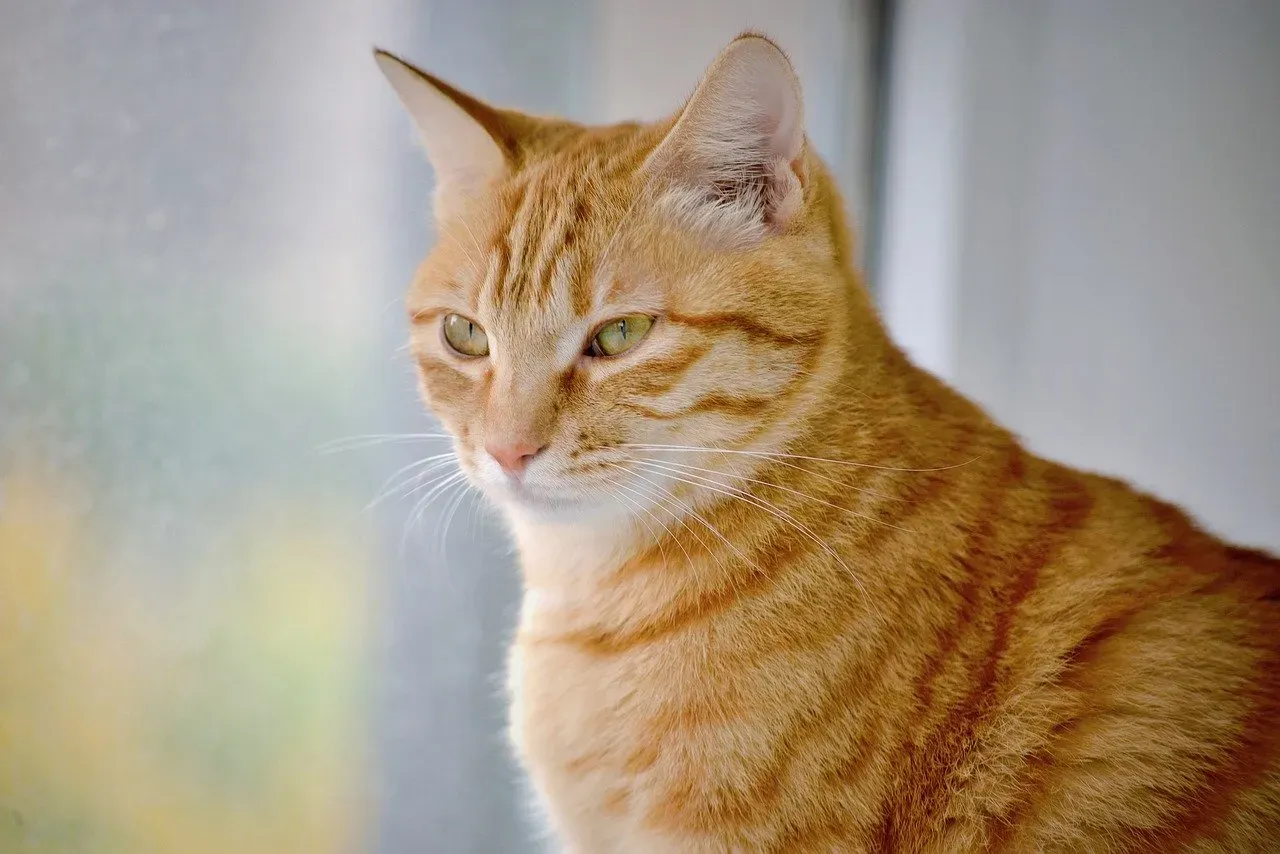
A soft, relaxed gaze accompanied by slow blinking often indicates love, trust, and contentment. This is the kind of stare that melts your heart, the one where your cat is curled up beside you, purring softly, and looking at you with half-lidded eyes. A cat stare accompanied by a purr is a positive sign, and purring and kneading while staring at you is another way cats and kittens show their love for us.
When your cat stares at you in this relaxed, gentle way, they’re not asking for anything. They’re simply enjoying your presence. One of the most heartwarming reasons your cat may stare at you is simply because they love and trust you, and in the cat world, prolonged eye contact with slow blinking is a clear sign of affection, as slow blinking at a cat and receiving one back is a mutual show of trust and holding eye contact in a relaxed posture shows your cat feels safe around you. It’s their way of telling you that you’re their person and they feel completely at ease in your company.
Asserting Dominance: The Hard, Unblinking Stare
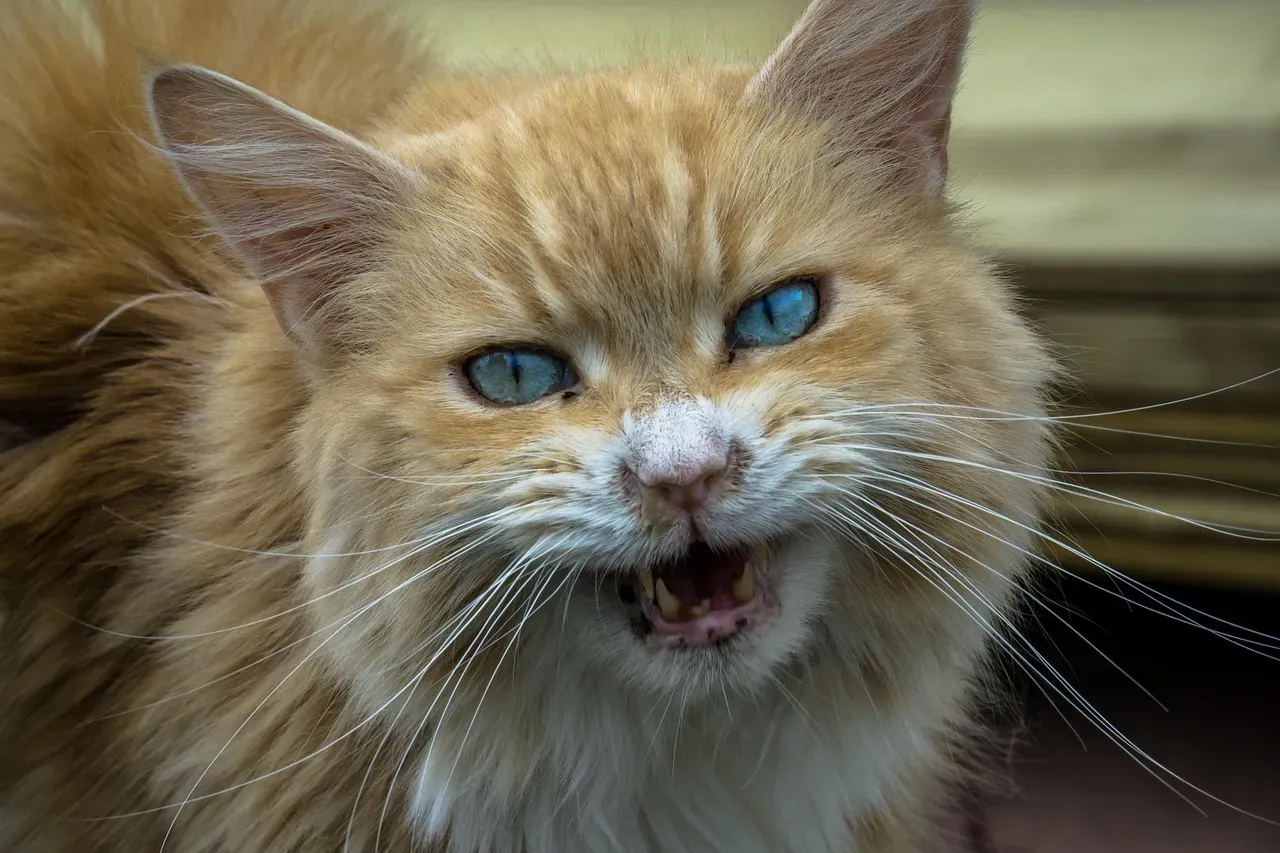
When a cat gives a hard, unblinking stare paired with stiff body language and piloerection along the back and tail, he is telling the other party that if they do not back off, there will be a confrontation, and the hard, unblinking gaze is a threat to the other person or animal. This isn’t the soft, loving gaze we talked about earlier. This is a challenge, pure and simple.
A cat staring at another cat is often asserting dominance and resource guarding, and in multiple-cat households, such interactions are most commonly observed in narrow areas such as a narrow hall leading to a staircase. You might notice this behavior between cats in your home or even directed at you if your cat feels their territory or resources are being threatened. Direct eye contact is considered intimidating for cats, and when a cat notices another cat staring at them, they both stop everything and begin a staring match, and if one of them blinks, it signals that they’ve given in and the one staring is deemed dominant. In these situations, breaking eye contact and giving your cat space is the wisest move.
The Zoned-Out Stare: When Your Cat Is Just Spacing Out
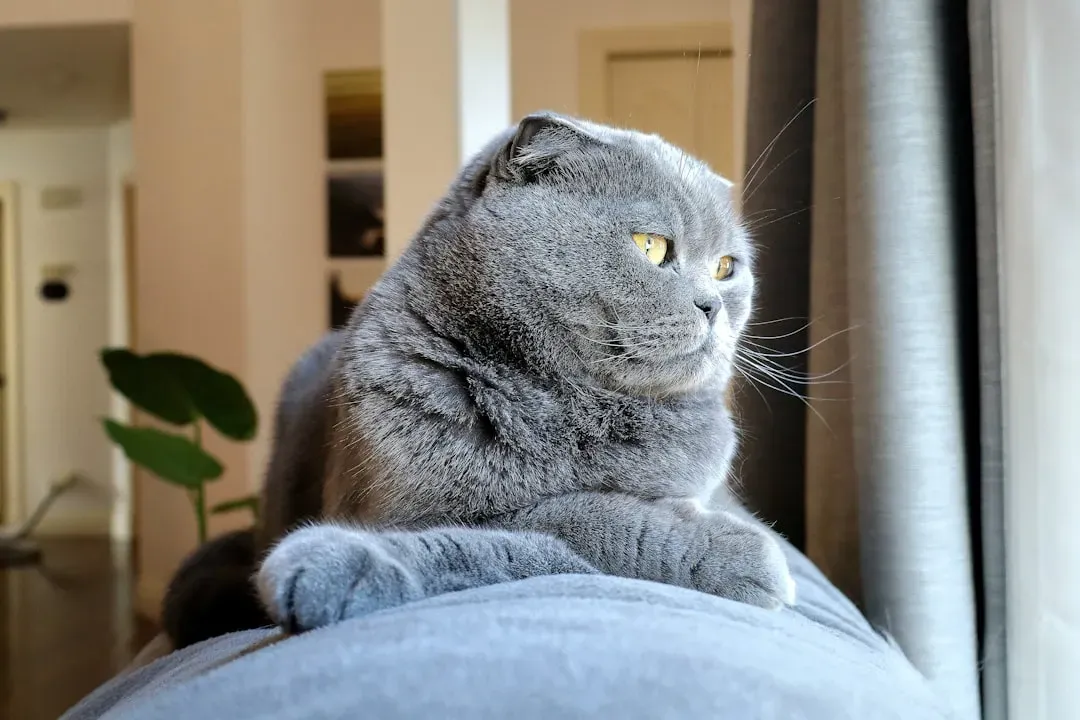
Sometimes a cat’s stare is just them spacing out, and whether lounging on their window perch or the couch, a vacant look often means they feel safe and relaxed. Not every stare has deep meaning behind it. Sometimes your cat is simply existing in the moment, their mind wandering to wherever cat minds go when they’re at peace.
Sometimes a cat’s stare means nothing, they’re simply lost in thought with you in the way, and just like their humans, sometimes cats zone out, they’re relaxed, their mind is elsewhere probably thinking about their next treat, and you happen to be in their line of sight. This is actually a good sign. It means your cat feels secure enough in their environment to let their guard down completely. They’re not monitoring threats or calculating their next move. They’re just being.
Health Concerns: When the Stare Signals Something More Serious
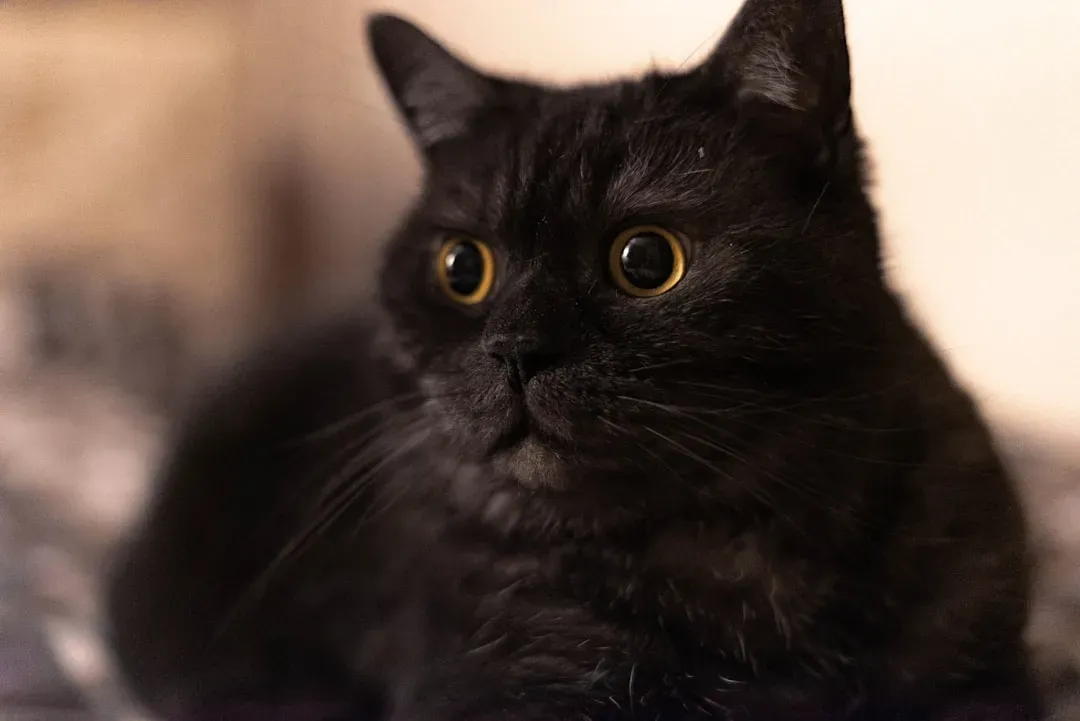
In rare cases, staring can signal pain or fear, and watch for other unusual behaviors such as hiding, limping, aggressive behavior, or avoiding touch, which could mean it’s time to call the vet. While most staring is completely normal behavior, there are times when it can indicate a health issue. If your cat’s staring behavior is accompanied by other unusual signs like lethargy, changes in appetite, or vocalizations, it could indicate a health problem, and additionally, eye issues like redness, excessive tearing, or cloudiness can cause your cat to appear fixated.
Prolonged staring at walls or empty spaces, especially accompanied by disorientation, can be a sign of feline cognitive dysfunction or hyperesthesia syndrome. If you notice your cat staring blankly into space more than usual, especially if they seem confused or disoriented, it’s worth scheduling a veterinary checkup. Trust your instincts. You know your cat better than anyone else, and if something feels off, it probably is.
Conclusion
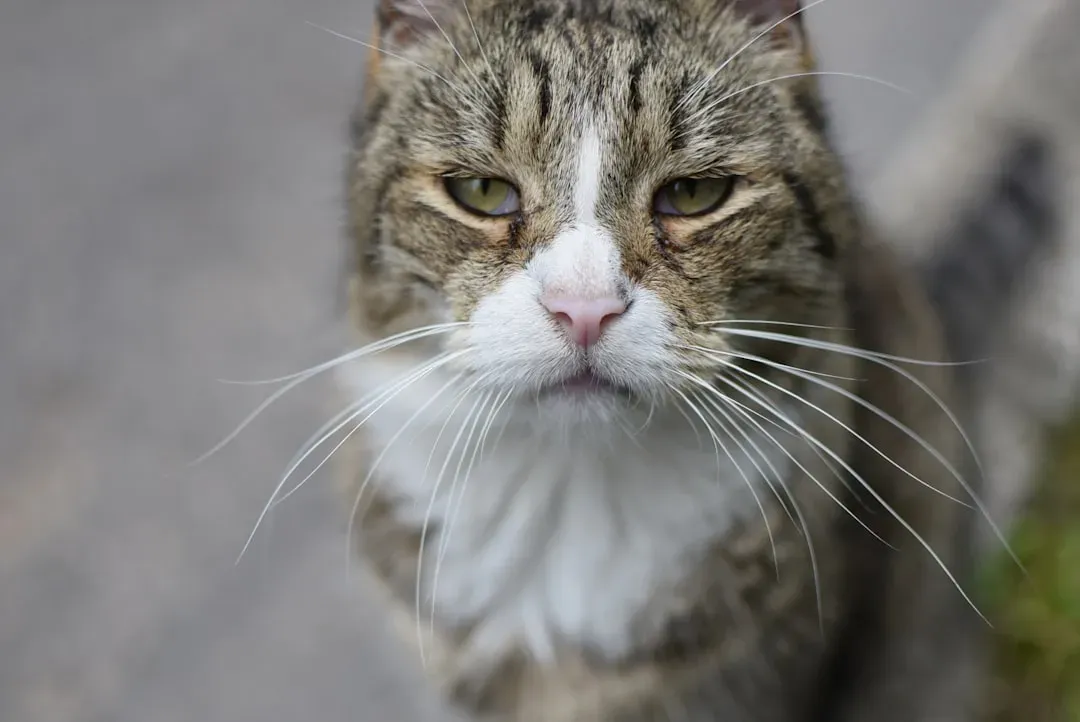
Your cat’s stare is a window into their complex emotional world. Whether they’re expressing deep affection through a slow blink, demanding their dinner with unwavering intensity, or simply observing your strange human behavior with mild curiosity, every gaze carries meaning. The key is learning to read the context, paying attention to their body language, and understanding that not all stares are created equal.
By tuning into these subtle signals, you’re not just interpreting behavior, you’re building a deeper, more meaningful connection with your feline companion. They’re constantly communicating with you, and now you’re equipped to understand what they’re really trying to say. So next time your cat locks eyes with you across the room, take a moment to consider what they might be thinking. Are they saying “I love you” or “Feed me now”? What do you think your cat is trying to tell you with their gaze?