There’s something uniquely unsettling, yet oddly enchanting, about locking eyes with your cat. One moment you’re just folding laundry, and suddenly you realize you’ve been silently stared at for the past three minutes by a creature weighing roughly five kilograms. It feels deliberate. Meaningful. Maybe even a little judgemental.
Here’s the thing: it absolutely is meaningful. Your cat’s gaze is one of the richest forms of communication in the animal world, and most people only scratch the surface of what it really says. Each stare has a story, a context, a message your cat desperately needs you to understand.
So whether you’re a first-time cat owner or a seasoned fur-parent who still can’t quite figure out what’s going on behind those luminous eyes, you’re in the right place. Let’s dive in.
Your Cat Is Speaking a Language You Haven’t Fully Learned Yet
Your cat uses staring as a nonverbal way of communicating. Think of it like a conversation happening entirely in silence, one that requires you to be fluent in body language, posture, and context. Honestly, it’s a lot more sophisticated than most people give it credit for.
Cats may have a reputation for being aloof, but they’re actually expressive and affectionate. One way they communicate is by staring. They also use subtle shifts in their posture, ears, eyes, and tail to signal their mood or health. When you start reading these cues together instead of in isolation, your understanding of your cat transforms entirely.
The Stare That Says “I Love You” More Than Words Ever Could
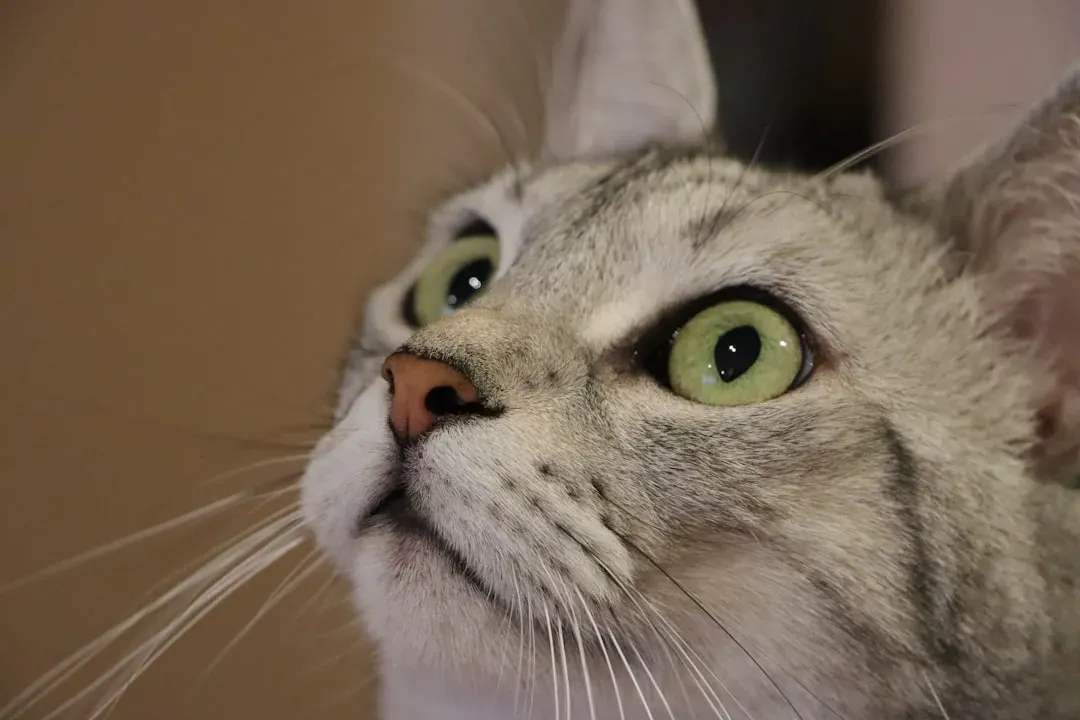
Your cat can display affection by making eye contact with you and performing soft blinks. The very act of making eye contact and voluntarily blinking indicates the cat’s feeling for you – you make them feel safe and comfortable enough to close their eyes. That is, quite literally, extraordinary trust from an animal whose survival instincts are always quietly running in the background.
When a loving stare is coupled with cat “eye kisses,” which is when a cat stares with half-closed eyelids and offers a few slow blinks, it means your kitty is showing some serious adoration for you. I think that’s one of the most beautiful things about cats. They found a silent, elegant way to say “I love you” that most people spend years learning to recognize.
The Science Behind the Slow Blink: It’s Not Just a Quirk
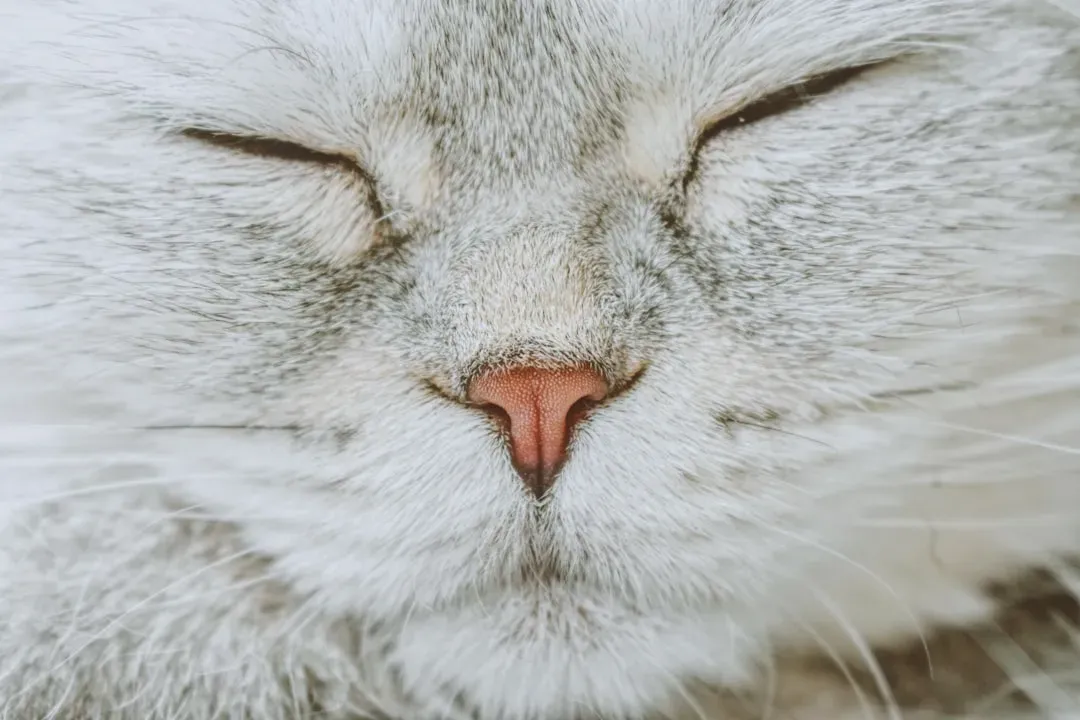
Research published in The Journal of Physiology notes that cat slow blinking, when both the closing and the opening of the eyelid happen at a slow pace, differs from the velocity of a typical cat blink, when the closing of the eyelid is rapid but the opening is slow. This observation is noteworthy because it shows that slow blinking is not a reflexive movement – it’s an intentional behavior. Your cat is making a conscious choice to show you something real.
A UK study published in the journal Scientific Reports examined the ability of slow blinking to provide communication signals between humans and cats. Slow blinking is a subtle feature that has been observed in cats for some time, and is thought to be used by cats to indicate a sense of calm and a positive emotional state. You can even try it yourself. Slow blink at your cat in a relaxed moment and see what happens next.
When Your Cat Stares Because They’re Hungry (and They Know You Know It)
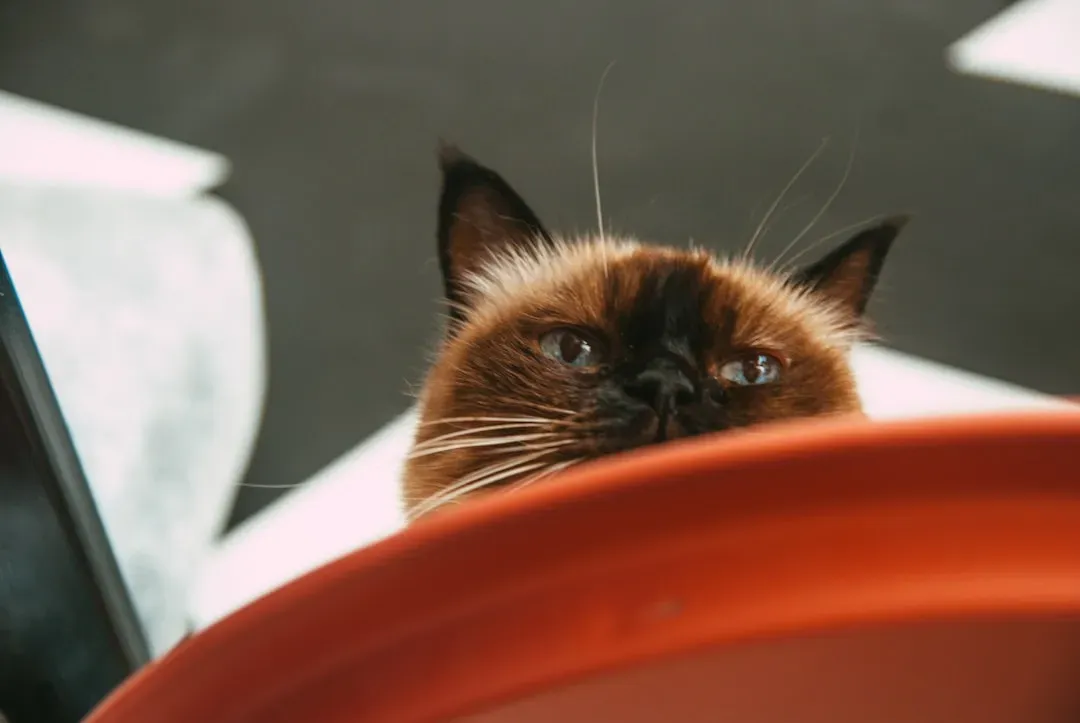
Some cats have been known to stare at their pet parents when it’s feeding time. Once you make eye contact, the cat may vocalize and rub on you. It’s almost comically calculated. Your cat has basically figured out that eye contact is the unlock code for your food-dispensing behavior, and they use it without shame.
Staring doesn’t come naturally to cats, but over a period of time they learn that if they stare at their human, they will get fed or receive a treat. It first happened by accident during mealtime, and the human made an educated guess that they were hungry and fed them. So now your cat knows that staring works like a charm every single time. Let’s be real, your cat has trained you just as much as you’ve trained them.
The Play Stare: Your Cat Is About to Launch a Tiny Ambush
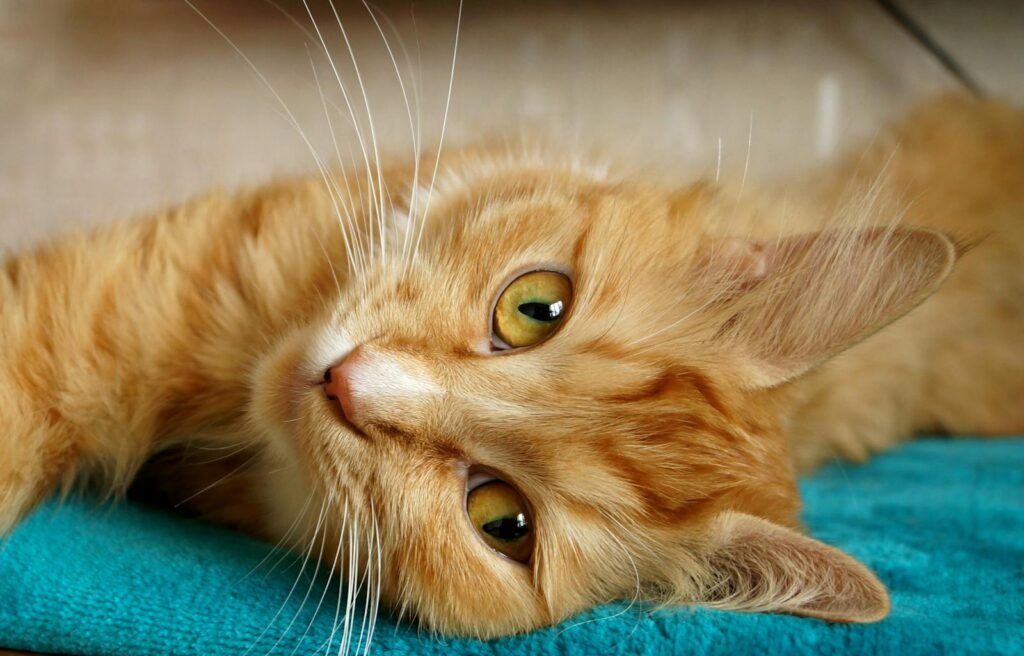
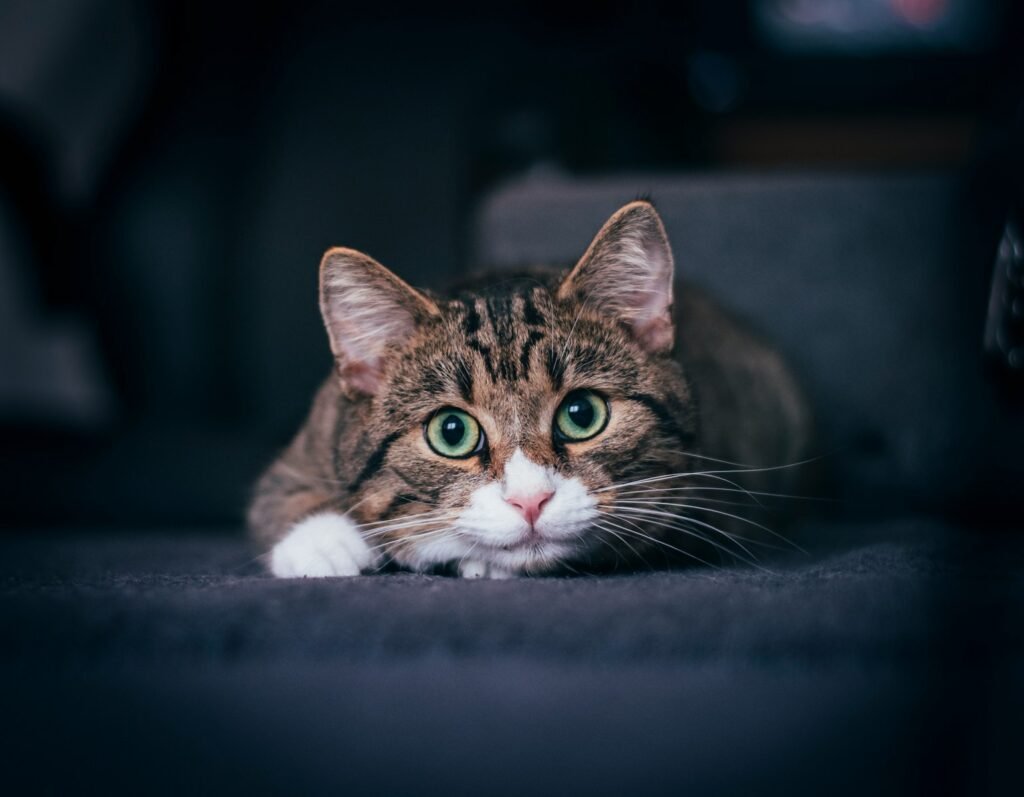
Some cats may crouch down and stare at you with their pupils dilated and tail swishing back and forth. Then, the staring cat may sprint toward you to swat at your foot or veer off before making contact. If you’ve lived with a cat long enough, you’ve almost certainly experienced this phenomenon, usually at two in the morning, directed at your feet under the blanket.
Staring is also part of your cat’s natural hunting behavior. They may fixate on a bug, toy, or even something invisible to you, tracking even the tiniest movement. It’s their way of prepping for a pounce. The play stare is playful in spirit, but it draws on instincts millions of years in the making. A small reminder that your adorable fluffball is still a miniature apex predator at heart.
The Curious Gaze: Your Cat Finds You Genuinely Fascinating
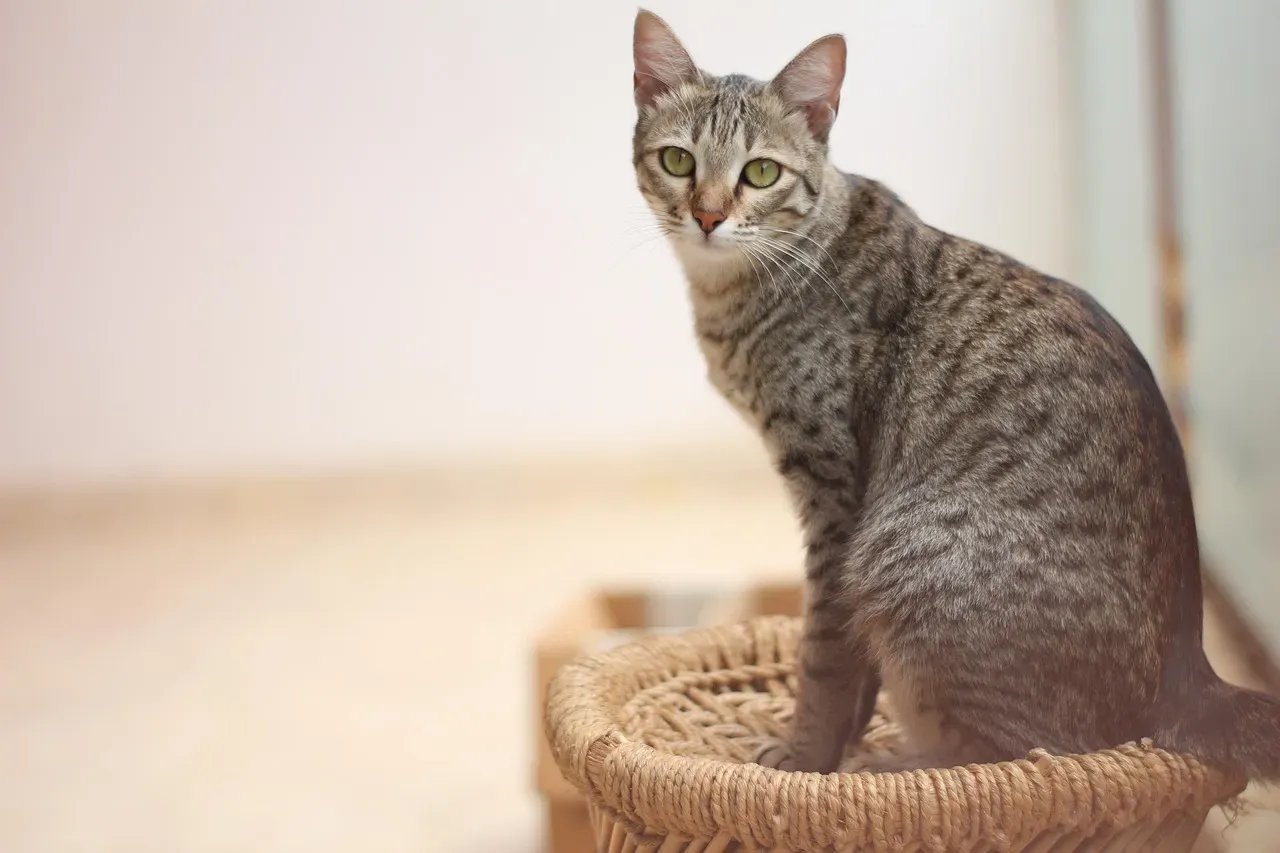
Cats will often stare at people and things when they are curious about them. They may be wondering what you are doing or be confused about a drastic change in appearance or behavior. Cut your hair, wear a new hat, or come home smelling like another animal, and expect a full investigative stare-down. Your cat notices everything.
Most of the time, curious cats will not appear to be frightened or angry. Instead, they are content and curious. This is pretty normal in cats, and it is nothing to worry about. Think of it like your cat’s version of scrolling through your social media. Pure, harmless nosiness, with significantly better posture.
When the Stare Signals Fear or Anxiety: Read the Room (and the Body)
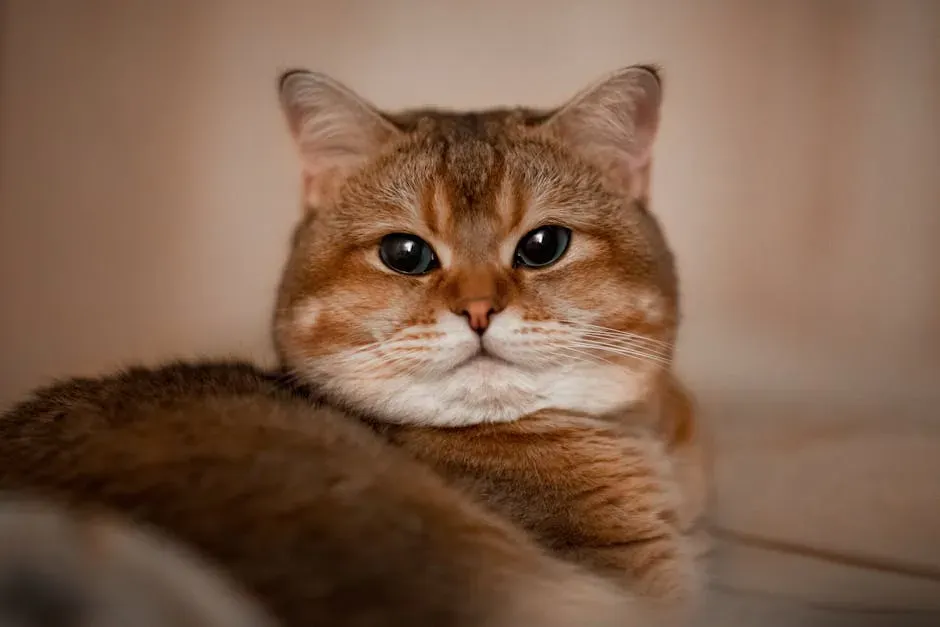
Sometimes a cat stares at a person, another animal, or an object out of fear. You should look for other indicators of fear and anxiety in your cat’s body language. The cat is staring to keep their eyes on the stimulus they’re worried about. Maybe you made a loud noise or a quick movement that startled them, or maybe they remember a past negative experience with a particular stimulus.
When your kitty finds themselves feeling bored or anxious, staring may become a coping mechanism. If it’s boredom, their staring might be a way of trying to engage with you or stimulate their senses. For anxiety, your cat may be on high alert and is therefore assessing their surroundings through staring. If you notice signs of boredom or anxiety in a cat’s gaze, creating a calm environment or introducing stimulating activities like toys can help enormously.
The Aggressive Stare: A Clear Warning You Should Never Ignore
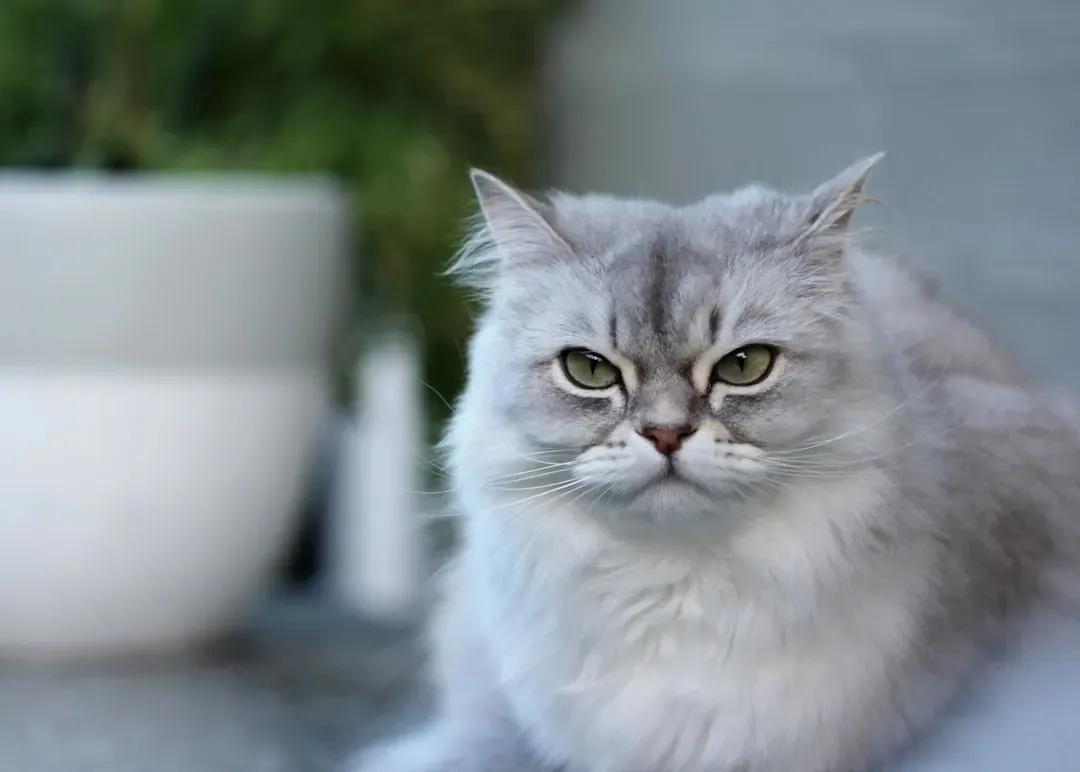
When a cat gives a hard, unblinking stare paired with stiff body language and piloerection along the back and tail, they are telling the other party that if they do not back off, there will be a confrontation. This is as close as your cat will get to raising their voice. Missing this signal can lead to a swipe or bite that, honestly, you probably could have avoided.
If the cat seems afraid or aggressive, avert your gaze, keep still, and perhaps take a few steps back to give the cat more space. Do not attempt to look at, talk to, or pet the cat. Once you’re at least five feet away from the cat, try to distract and redirect them to focus on another object or activity, such as tossing a cat toy to the other side of the room. De-escalation over confrontation, always.
The Late-Night Watch: Why Your Cat Stares at You While You Sleep
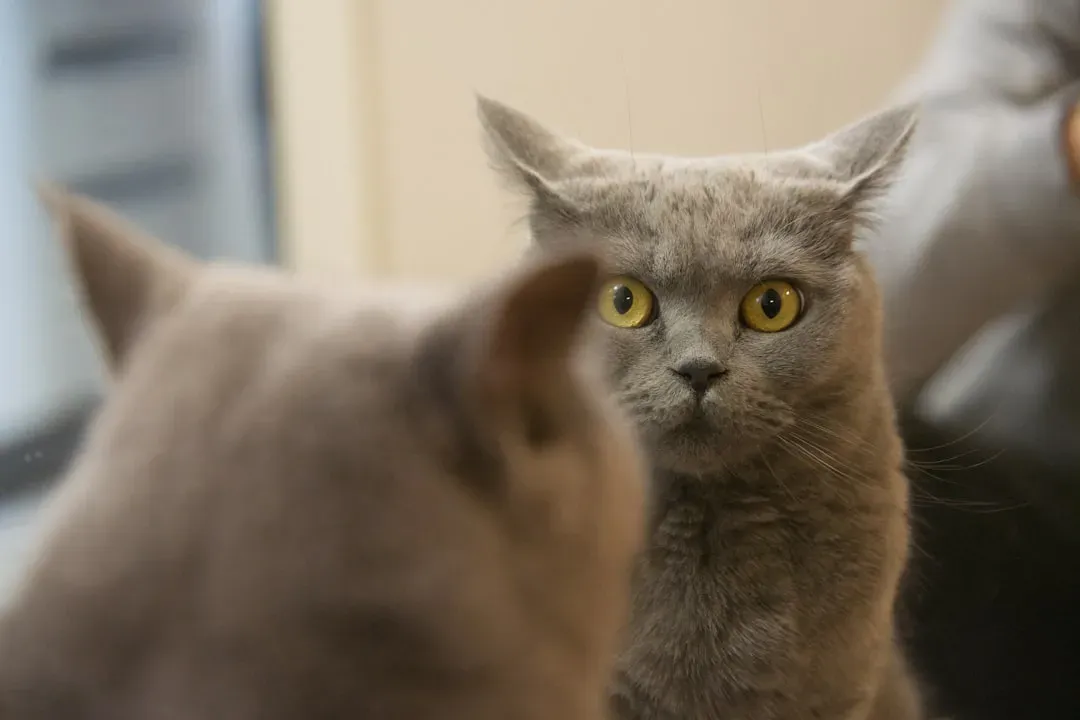
Your cat may stare at you while you sleep for various reasons, including showing affection, guarding over you, or simply curiosity about what you are doing. In most cases, your cat is likely expressing their unique way of connecting with you. It’s a little eerie the first time you notice it, but honestly, it’s mostly sweet once you understand the motivation.
Cats sometimes stare at their pet parents while they’re asleep, and it’s nothing to be alarmed about. While it can seem a bit spooky, it’s usually tied to curiosity or routine. They’re waiting for you to wake up, anticipating breakfast, or simply keeping watch. Your cat is essentially on night duty. Consider it a compliment, even if slightly unsettling to wake up to.
When Staring Means Something Is Wrong: Know the Warning Signs
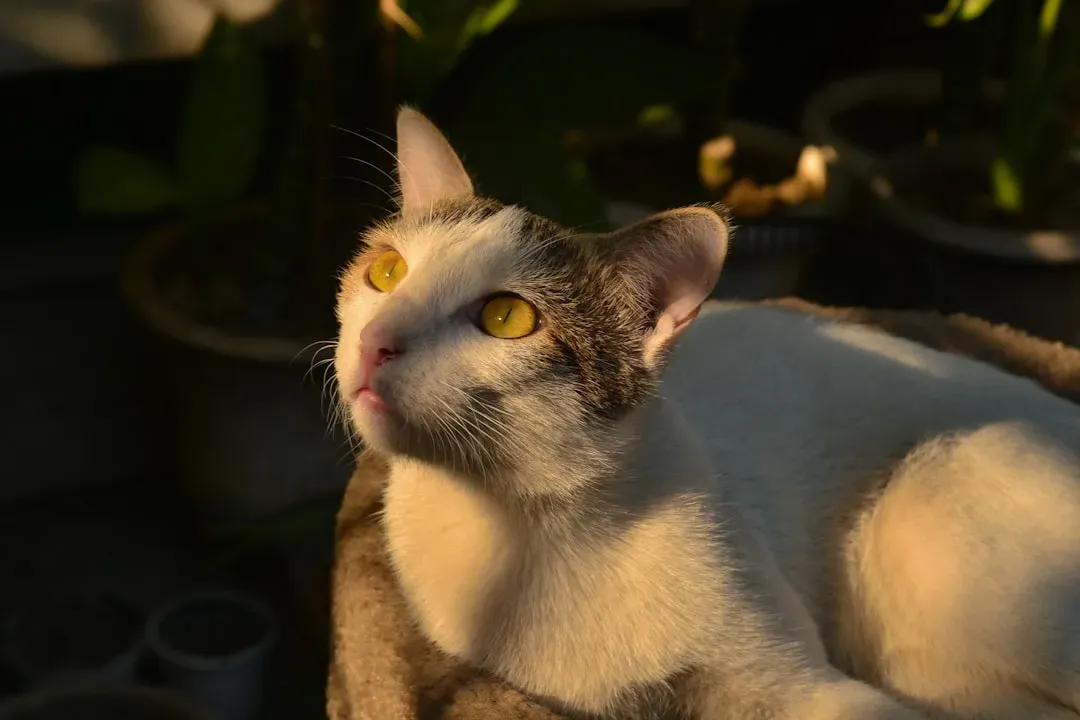
A fixed or vacant stare could signal health issues like neurological disorders, vision problems, or an injury. A cat’s pupils will also dilate if they’re in pain or experiencing certain health conditions, such as high blood pressure. The distinction between a loving gaze and a concerning one often comes down to context and accompanying behavior.
You should be on the lookout for signs like dilated pupils, frequent or excessive hiding, restlessness, or unusual vocalizations. These symptoms, when combined with intense or prolonged staring, may suggest your cat is experiencing discomfort, fear, or even pain. In more serious or rare cases, excessive staring, glassy or unfocused eyes, or a lack of blinking could be linked to vision problems, seizures, or neurological issues. Cats are notorious for hiding their pain, so subtle changes in demeanor and body language can often be the first clues that something is wrong. When in doubt, a vet visit is always the right call.
Conclusion: Your Cat’s Eyes Are a Window Worth Looking Through
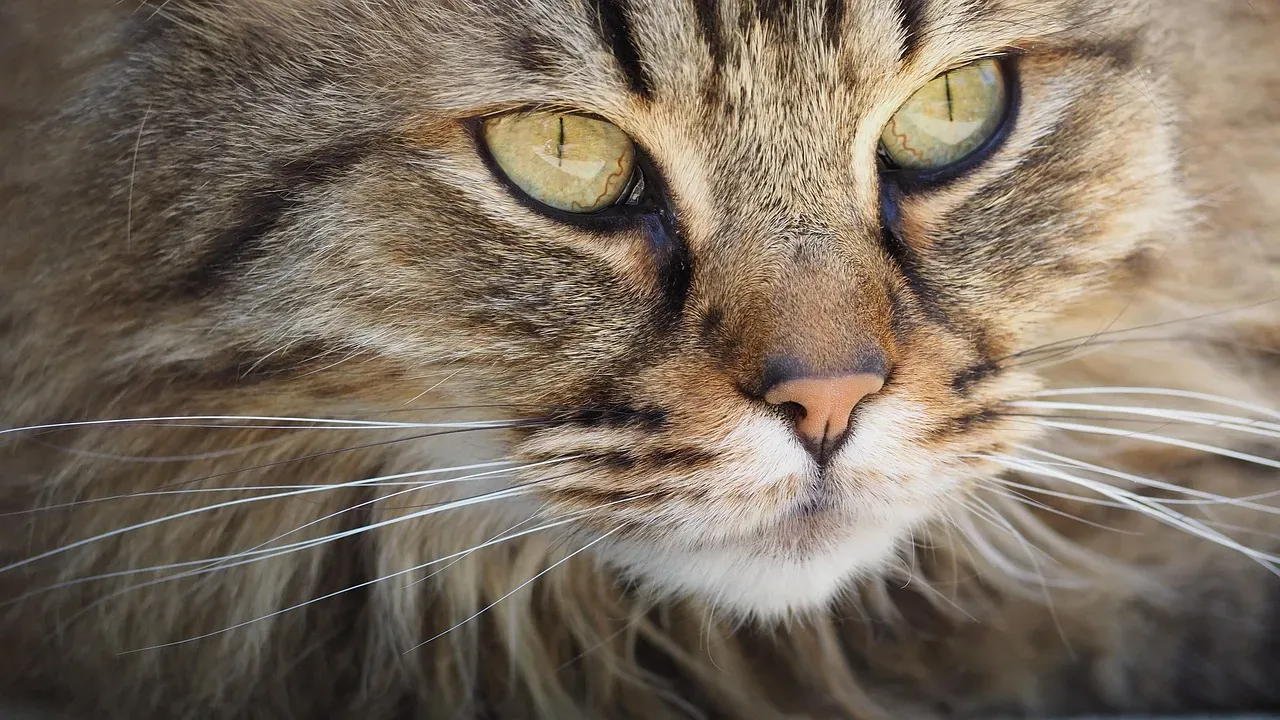
Learning to decode your cat’s gaze isn’t just a fun party trick. It’s a way to deepen one of the most uniquely rewarding relationships in your life. Every stare, every slow blink, every wide-eyed midnight vigil is a page in a language your cat has been trying to teach you from day one.
Understanding why your cat stares at you deepens the connection between you. Whether they’re curious, seeking attention, or communicating their feelings, paying attention to these cues can make your relationship even stronger. Most of the time, that steady gaze across the room is your cat’s quiet, dignified way of saying: “You matter to me.” That’s worth understanding.
Now that you know what to look for, the real question is: how many of these stares do you think you’ve been misreading all along? Drop your thoughts in the comments below.