You’ve probably spent countless evenings snuggled with your cat, feeling that rumbling vibration against your chest and thinking all was right in their world. That sound is comforting, right? It’s the universal sign your feline friend is content.
Except, here’s the thing – it’s not always that simple. Purrs can actually be produced when a cat is either in a positive or a negative emotional state. Your cat might be purring while secretly telling you something entirely different. Let’s dive into what your cat is really saying when they turn on that motor.
The Happy Purr: What Everyone Thinks They Know
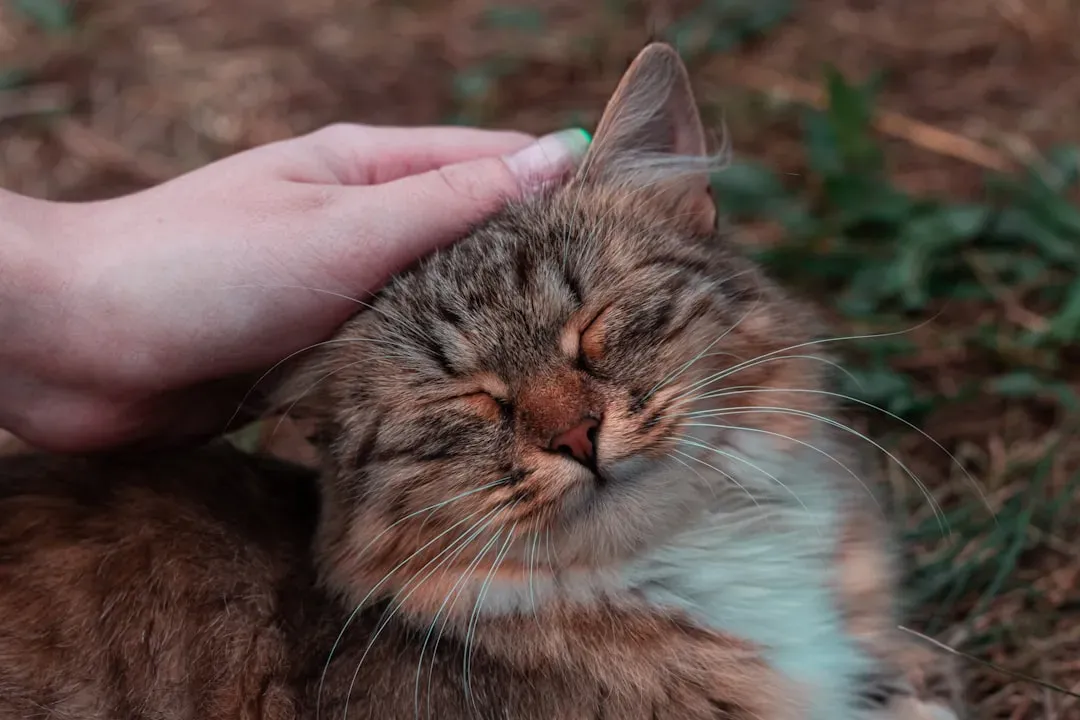
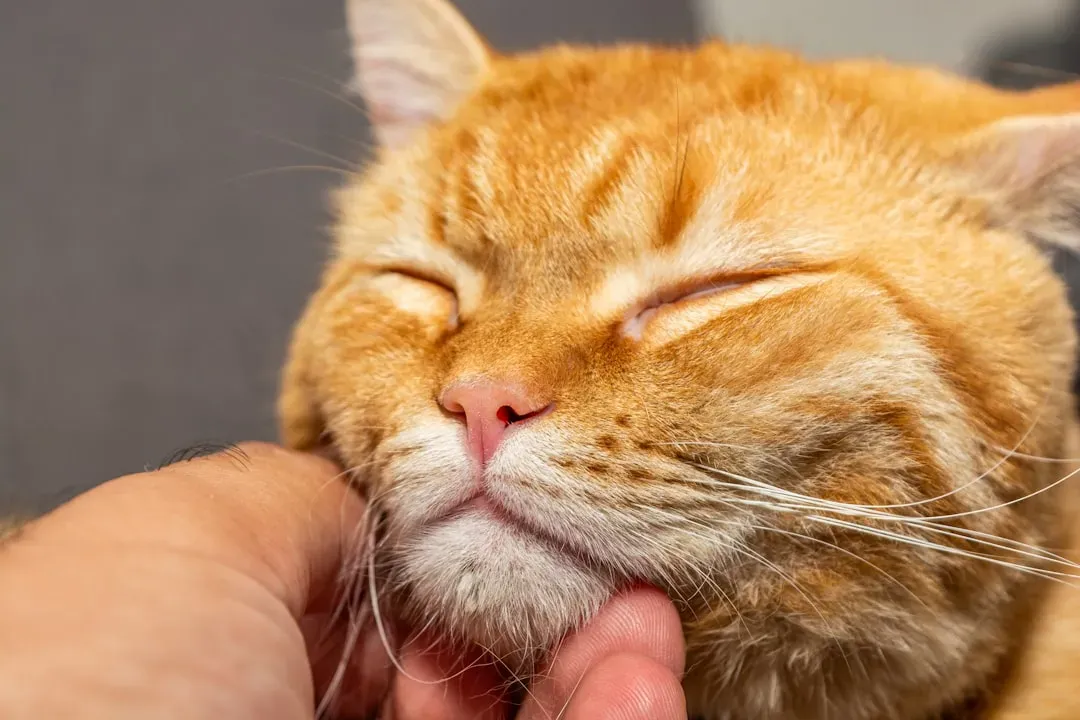
When a cat is purring with content, they have a relaxed facial expression and body language. This is the classic scenario most of us picture. Your cat curls up on your lap, eyes half-closed, maybe even kneading your leg with their paws like they’re making biscuits. You might notice that they curl up on your lap, kneading and purring with their eyes half-closed. This is a sign of pure joy and love.
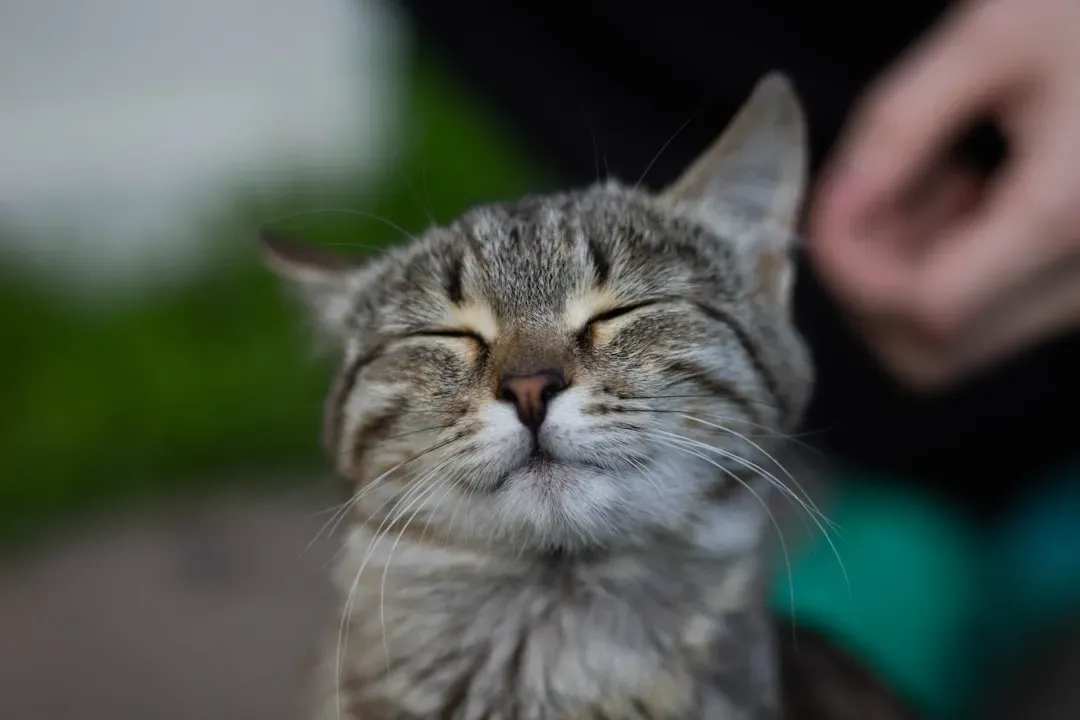
This contentment purr is what bonded us to cats in the first place. When a cat purrs while you pet them, it’s an indication that they like that interaction. It may also be a signal for you to continue petting the cat. Think of it as their way of giving you a thumbs up. In these moments, your cat genuinely feels safe, comfortable, and loved.
The Solicitation Purr: Your Cat Is Playing You
Let’s be real – cats are master manipulators. Purring appears to be a way for cats to signal their caretakers for food. This purring has a high-frequency component not present in other purrs. These are called solicitation purrs (when the cat is seeking a result) and non-solicitation purrs, and the two are distinguishable to humans.
Ever notice how your cat’s purr sounds slightly different, almost urgent, when they’re staring at their empty food bowl or headbutting you at 5 AM? That’s intentional. Humans regularly judged the solicitation purrs as less pleasant and more urgent than the non-solicitation purrs. Your cat has figured out exactly which frequency gets you out of bed or makes you reach for the treat jar. Clever little creatures, honestly.
The Stress Purr: When Purring Means the Opposite
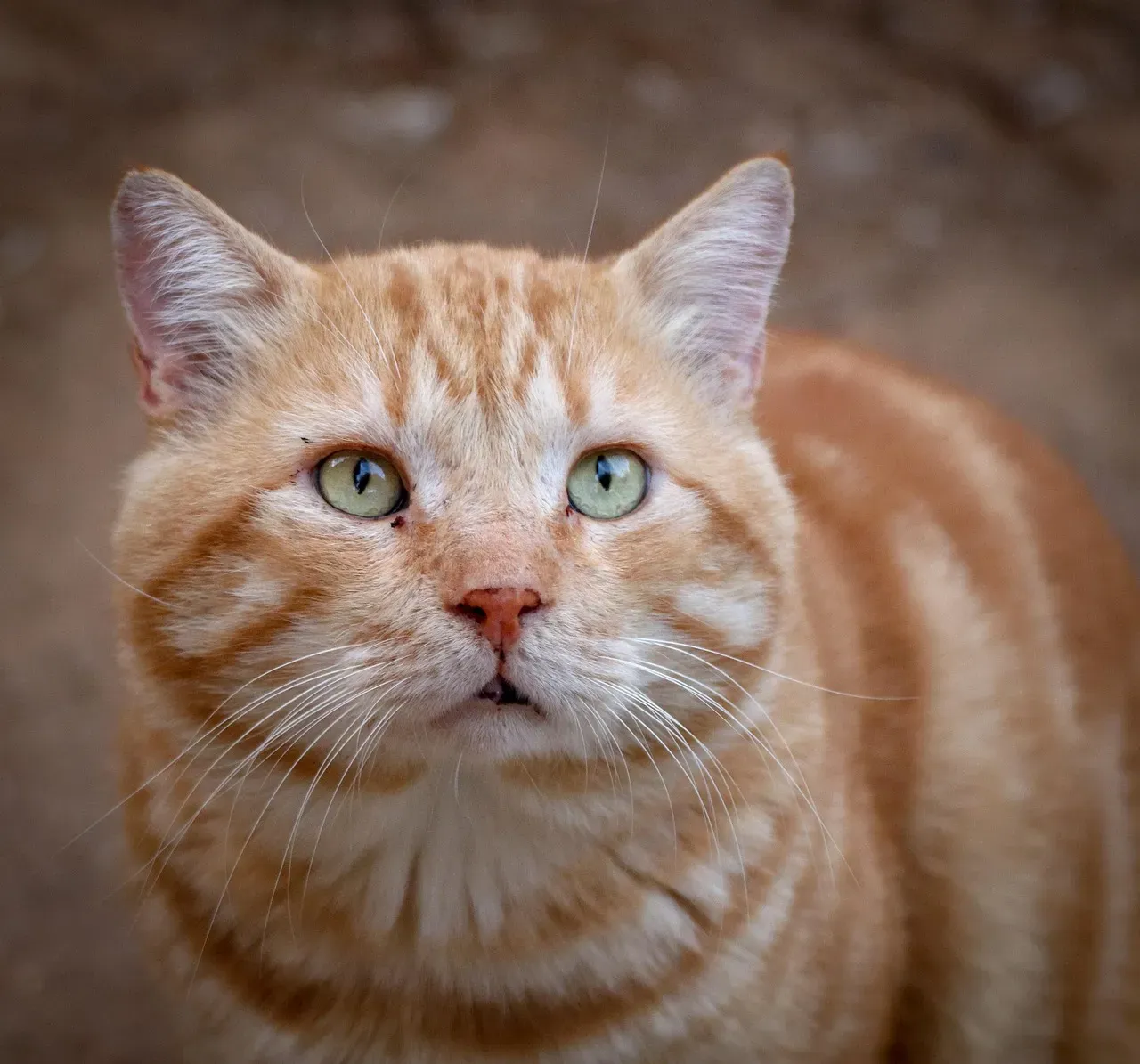
This is where things get tricky. Some cats purr when they are anxious. They may walk around the house alternating between purring and meowing. This may be a coping mechanism to help reduce their anxiety.
Other cats may purr when they are being examined by a veterinarian or once they get home from the veterinary clinic. If your cat is purring in these scenarios, they may be trying to recover and self-soothe from a stressful situation. I know it sounds crazy, but a purring cat at the vet might actually be terrified, not happy. They’re essentially trying to calm themselves down using their own built-in stress relief system.
The Pain Purr: The Most Misunderstood Signal
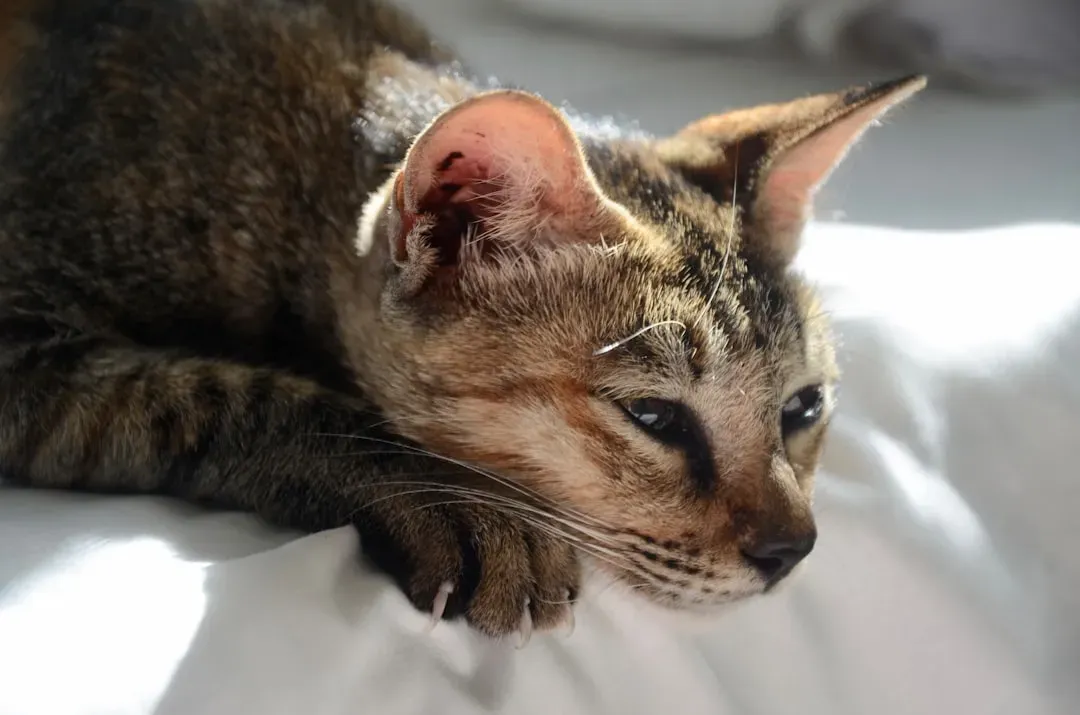
Here’s something that surprises most cat owners. Purring is usually thought of as a sign of contentment, but some cats purr when they are frightened or hurting. This is perhaps the most dangerous misunderstanding because it can delay critical veterinary care.
Purring does not mean happy. Sick cats purr to self-soothe severe pain. If your cat is lethargic, this is a red flag for internal illness, not contentment. If your cat is purring but hiding, refusing food, or showing other signs of illness, that purr is a cry for help, not contentment. Never let the sound of a purr convince you everything is fine.
The Healing Purr: Nature’s Built-In Medicine
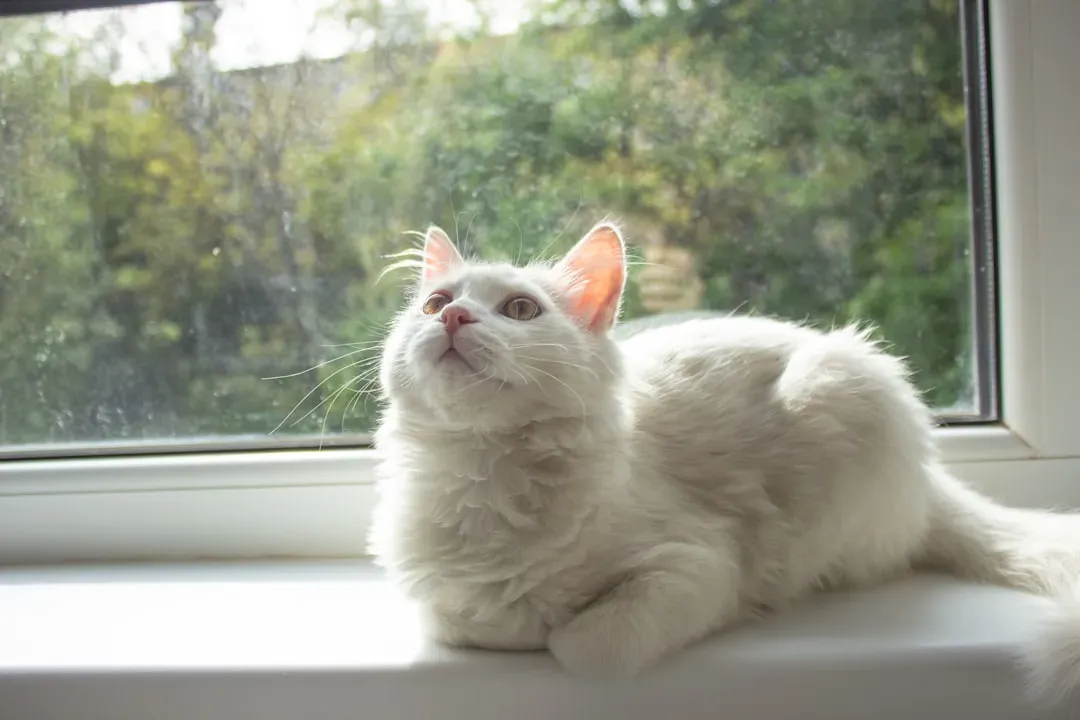
This might sound like something out of a fantasy novel, but science actually backs it up. Most purring happens at a frequency between 25 and 150 Hertz – sound frequencies that are not only audible but also associated with healing properties in some research.
Some studies suggest that the frequency range of a cat’s purr may promote healing, especially in muscles, tendons, and bones. The vibrations may also help reduce pain and inflammation. It’s like your cat has their own physical therapy device built right in. They can also purr when they are injured, and that’s not because they are happy. A cat’s purr is a biofeedback mechanism on a healing frequency. Nature truly is wild sometimes.
Reading Your Cat’s Body Language: The Real Truth Teller
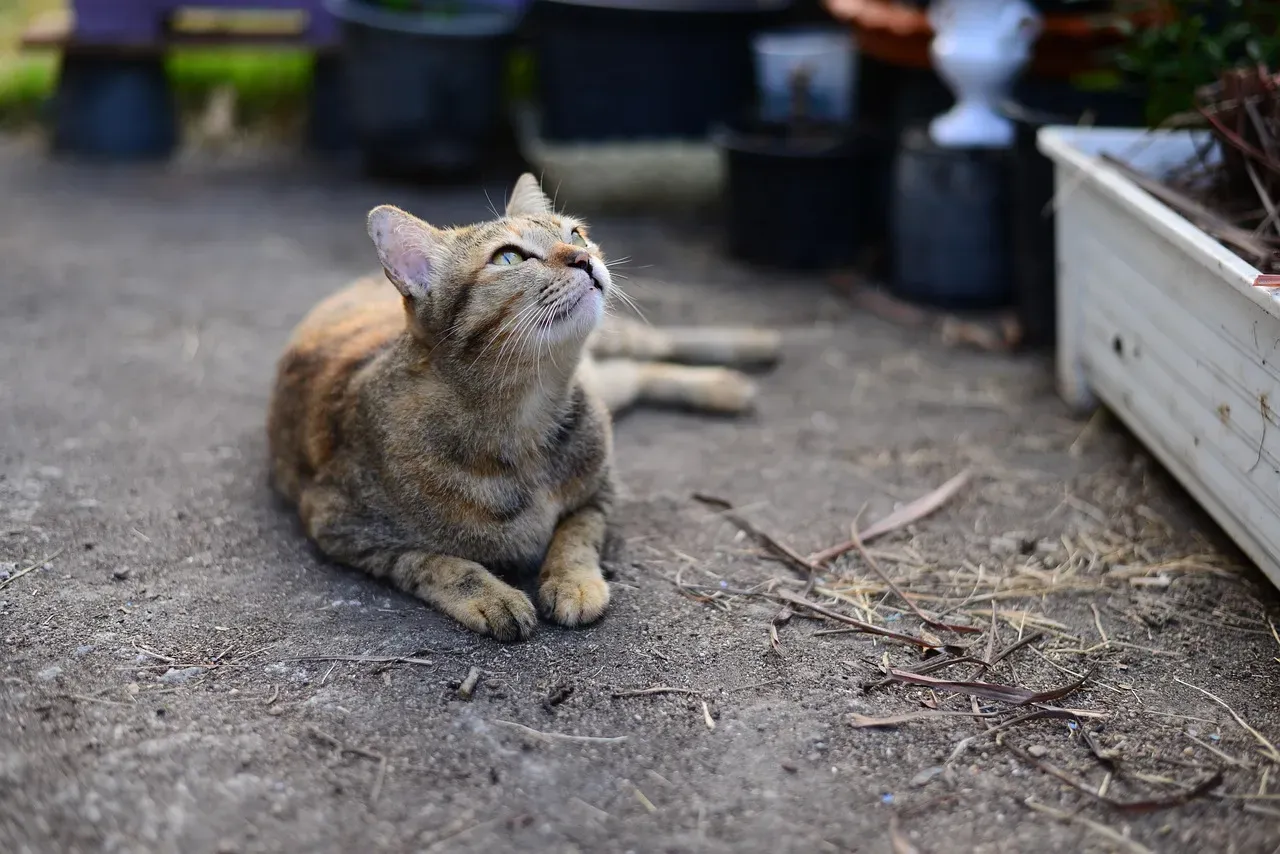
A purr alone tells you almost nothing. Look at the cat’s body language to determine the cause. This is absolutely critical. You need to become a detective, reading the full picture your cat is presenting.
A purring cat that approaches you with their tail held up may be greeting you and soliciting attention. But if the cat is crouched down with their ears pulled slightly to the side while purring, they may not be feeling well. See how the same sound can mean completely opposite things? The context makes all the difference.
When Your Cat Doesn’t Purr: Should You Worry?
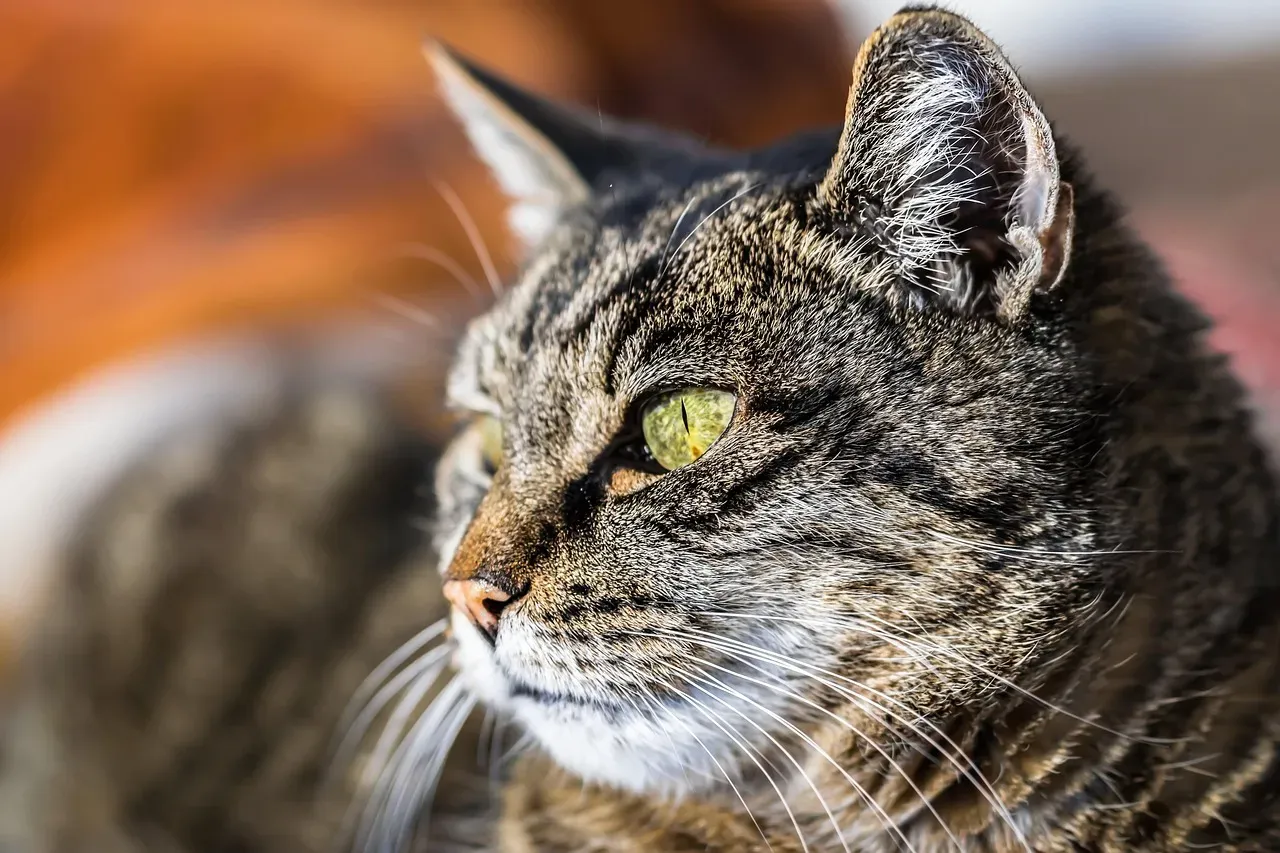
Interestingly, not all cats are big purrers. A cat’s purr can vary quite a bit from cat to cat. Some cats purr loudly and frequently. Others purr quietly, and you have to listen closely to hear them. Still others may not purr at all. This doesn’t mean the cat is unhappy; some cats simply don’t purr.
My own experience with cats has taught me this firsthand. Some cats save their purrs for ultra-special moments, while others are constant rumble machines. They are so happy! But they don’t purr. This is common when we have rituals we are performing that are both happy, and expected. Neither approach is wrong – it’s just cat personality.
The Mother-Kitten Connection: Where Purring Begins
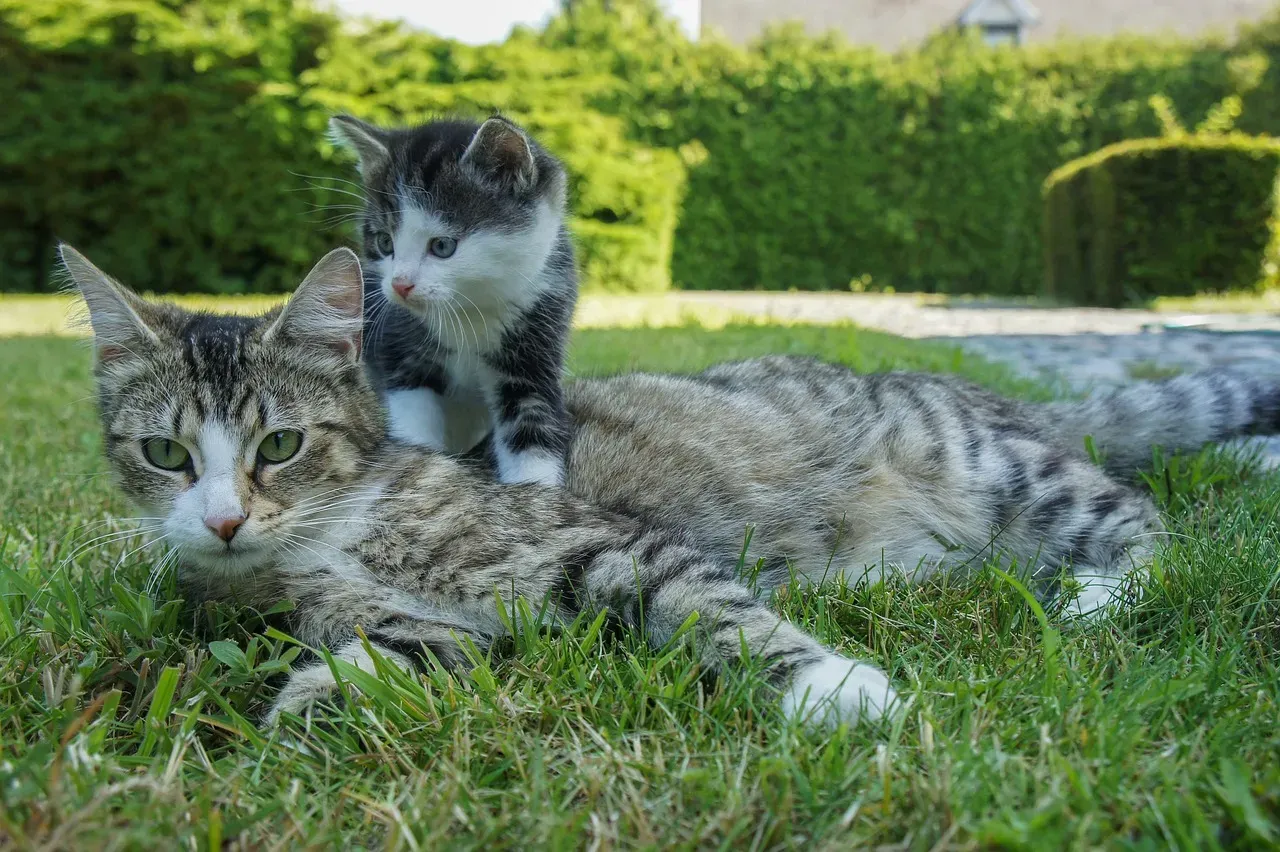
Purring begins early in a cat’s life – just a few days after birth. This early communication is vital for survival. Kittens are born blind and deaf, so purring helps them locate their mother and signal that they’re doing okay during nursing.
Purring during nursing helps strengthen the bond between mother and kittens. Kittens purr to communicate their well-being to their mother, while mother cats purr to soothe their kittens and create a calm nursing environment. It’s a beautiful feedback loop that continues influencing how cats communicate throughout their lives.
Warning Signs: When to Take Purring Seriously
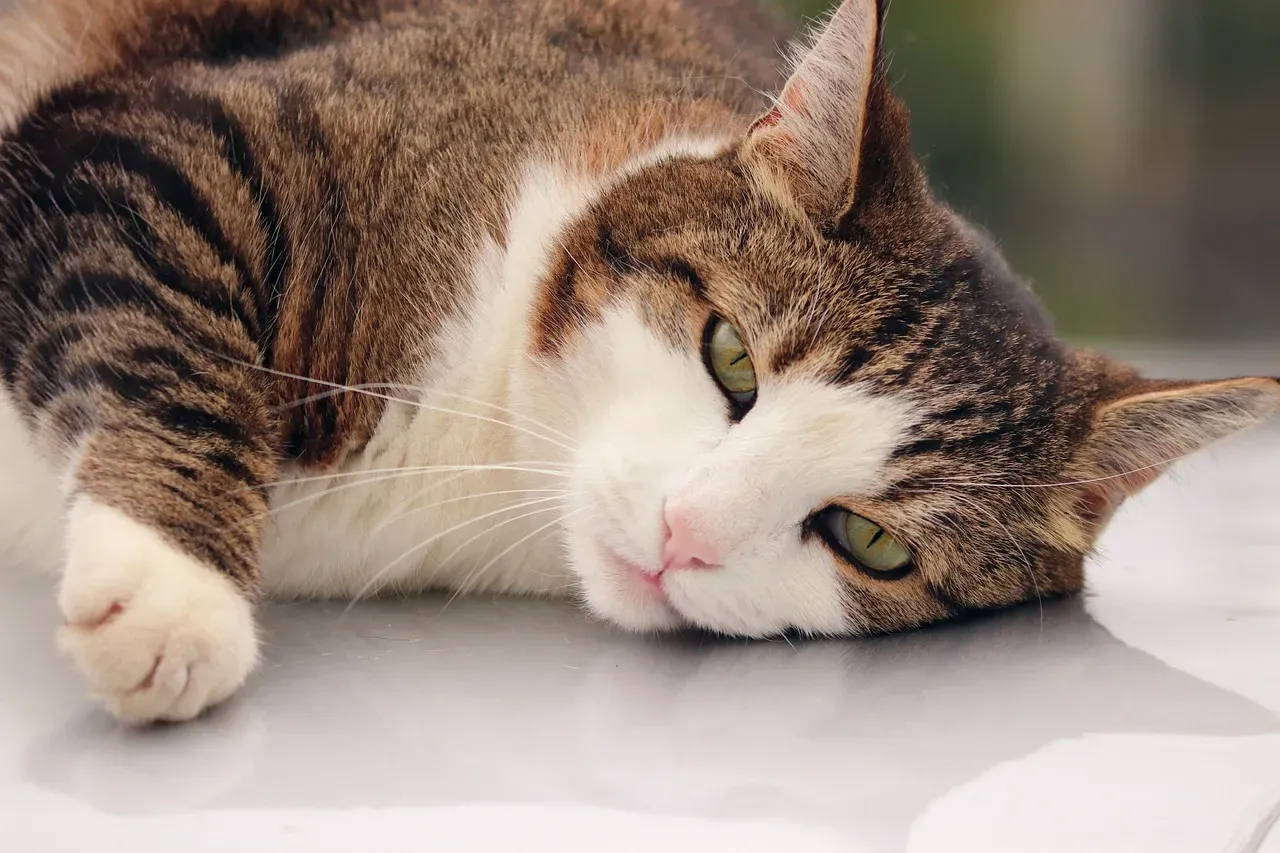
If your cat is purring while hiding, not eating, or acting lethargic, it’s time to consult your veterinarian. Purring doesn’t always mean things are fine – it may be their way of coping with discomfort. This cannot be stressed enough.
A noticeable change in how or when your cat purrs could be a red flag. For example, if a usually quiet cat begins purring constantly, or a typically vocal cat stops purring altogether, it’s worth scheduling a check-up. Changes in purring patterns deserve attention. Watch for combinations like purring plus hiding, purring plus aggression, or purring plus changes in eating habits.
Putting It All Together: Becoming Fluent in Purr
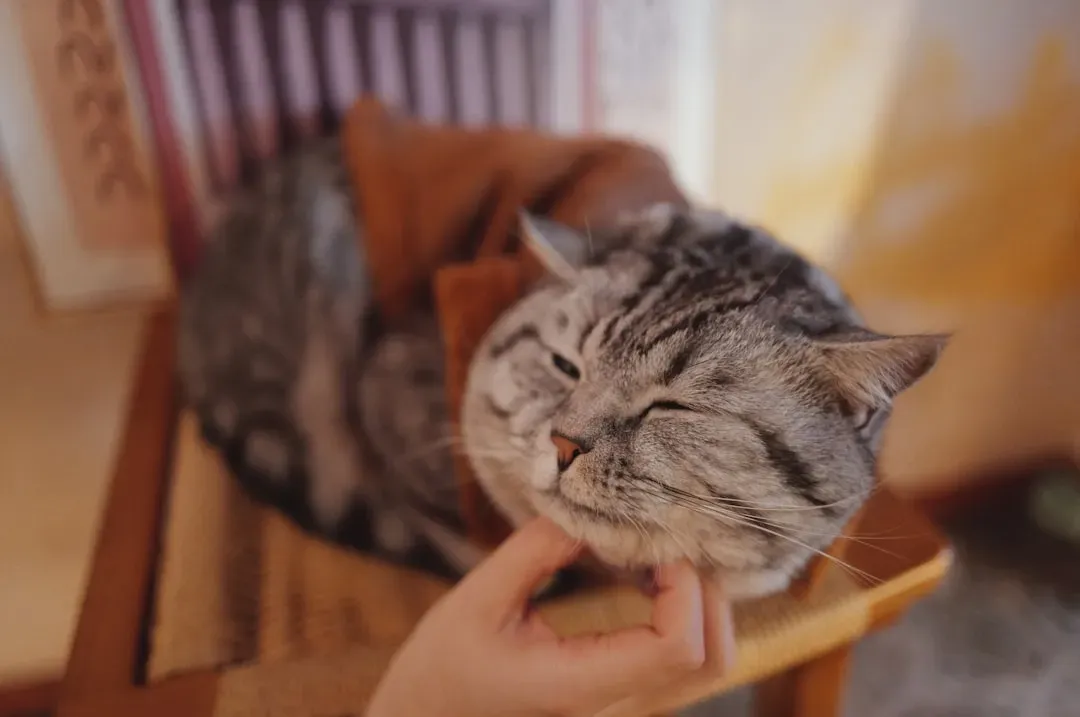
Cats vary so much in their reasons and thresholds for purring that we should not look at it as an uncomplicated “happy” signal like a dog’s wagging tail. This is a complex mechanism that is expressed very differently from cat to cat, and among differing situations.
The key is observation. Learn your individual cat’s patterns. Notice when they purr, what their body looks like when they do it, and what typically happens before and after. Whether your cat is purring because they’re happy or in pain, it’s important to pay attention to their body language and behavior to understand what they’re trying to tell you. Cats purr for a variety of reasons, and understanding the context in which they are purring can help you interpret their behavior and emotions.
Conclusion: The Language of Purrs
Your cat’s purr is far more sophisticated than most people realize. It’s not a simple on-off happiness switch – it’s a nuanced communication tool that serves multiple purposes, from expressing joy to self-healing to manipulation. The same sound can mean contentment on your couch or distress at the vet’s office.
Understanding why cats purr deepens your connection with them. It adds another layer to the relationship and helps you respond in ways that support your cat’s comfort, trust, and well-being. Whether your cat is basking in a sunny spot or seeking comfort during a vet visit, the purr is always telling you something – it’s up to us to listen closely.
So next time your cat starts purring, pause for a moment. Look at their whole body, consider the situation, and really listen. What are they actually trying to tell you? Did you realize your cat was such a complex communicator?