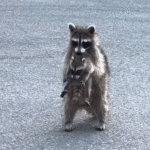
In a typical suburban neighborhood, a mother raccoon turned a homeowner’s garage into an impromptu sanctuary for her vulnerable newborns. Facing unknown threats, she meticulously relocated each kit to this sheltered spot, showcasing the raw power of parental drive. Such encounters between city dwellers and wildlife are on the rise, prompting questions about coexistence in expanding urban fringes. Local experts from Gates Wildlife Control soon arrived, turning a potential conflict into a story of successful reunion.
Maternal Instincts Fuel Garage Hideout
A mother raccoon’s unyielding commitment to her offspring led her to seek refuge inside a residential garage, away from predators and harsh elements. She carefully transported four tiny kits, each weighing just ounces, gripping them gently by the scruff to ensure their safety. This behavior reflects deep-seated instincts that prioritize protection above all else. Urban environments, with their abundance of food scraps and sheltered nooks, increasingly draw wildlife like raccoons into human territories. Homeowners often discover these surprise guests amid tools or coiled materials, sparking urgent calls for professional help. What stands out here is the mama’s calm precision, navigating obstacles without abandoning her mission.
Gates Wildlife Control Executes Flawless Reunion
Gates Wildlife Control, a father-daughter team renowned for humane interventions, responded swiftly to the homeowner’s alert. Their technicians, including expert Cassandra, assessed the scene with minimal disruption, locating all four babies and securing them in a heated release box nearby. The mother, already carrying one kit, returned undeterred, retrieving her family one by one for relocation to a safer wooded area. They sealed the garage entry points to prevent future visits, emphasizing non-invasive methods that preserve family bonds. This operation unfolded seamlessly, confirming the kits’ health and the mother’s capability. Residents praised the team’s empathy, noting how such expertise avoids the pitfalls of DIY removals.
Urban Sprawl Heightens Wildlife-Human Clashes
Raccoons frequently claim garages and attics as dens, drawn by warmth, seclusion, and easy access through open doors or gaps. Habitat loss from development has spiked these intrusions by nearly a third in recent years across suburbs. Vehicles, toxins, and pets pose grave dangers to both animals and people in these shared spaces. Prevention starts with simple steps like securing entryways and removing attractants such as pet food or garbage. Communities now push for wildlife-friendly zoning, including green corridors that offer natural alternatives. Experts stress education over extermination, fostering harmony in crowded landscapes.
Raccoon Parenting: Intelligence and Tenacity Unveiled
Wildlife biologists highlight raccoons’ high intelligence, enabling them to solve problems like den selection near water and food sources. Mothers remain devoted for up to a year, teaching foraging skills while defending fiercely against threats. Survival rates for kits exceed half in the wild, thanks to such relentless protection. This garage saga exemplifies evolutionary adaptations, with the mama’s poise under pressure ensuring her family’s escape. Over a million human-raccoon interactions occur yearly in the U.S., many resolved through understanding these traits. Public awareness campaigns amplify the call for compassionate management.
Community Echoes and Forward Strategies
Neighborhood residents shared awe at the rescuers’ efficiency, flooding social media with support for ethical wildlife practices. Local authorities now advocate garage inspections and early nesting detection to curb repeats. Pilot programs using deterrents have cut conflicts by a quarter in test zones. Partnerships with vets provide post-rescue check-ups, bolstering kit health. Motion cameras and workshops equip homeowners for proactive defense. These steps bridge wild instincts and modern life, promising reduced tensions.
This devoted family’s safe relocation reminds us that empathy triumphs over eviction in urban wildlife dilemmas. Raccoons thrive as ecosystem balancers, curbing rodents when given space. What prevention tactic would you try first in your garage?
Source: Original YouTube Video