You’ve always heard the old stereotypes. Cats are aloof, self-centered creatures who only tolerate you for the food supply. They’re independent to a fault, emotionally detached, and basically living rent-free in your house while judging your every move. Dogs? Well, they’re the real companions, the empathetic ones who actually care.
Let me stop you right there. It turns out most of what we believed about feline emotional intelligence has been completely backward. Recent scientific research is flipping the script on cats, revealing something genuinely astonishing about these mysterious animals. Your feline friend might understand your emotional world far better than you ever imagined. In fact, cats possess emotional recognition skills that rival some of the most socially intelligent animals we know. So let’s dive in and discover what science is telling us about these masterful empaths hiding in plain sight.
They’re Reading Your Face Right Now
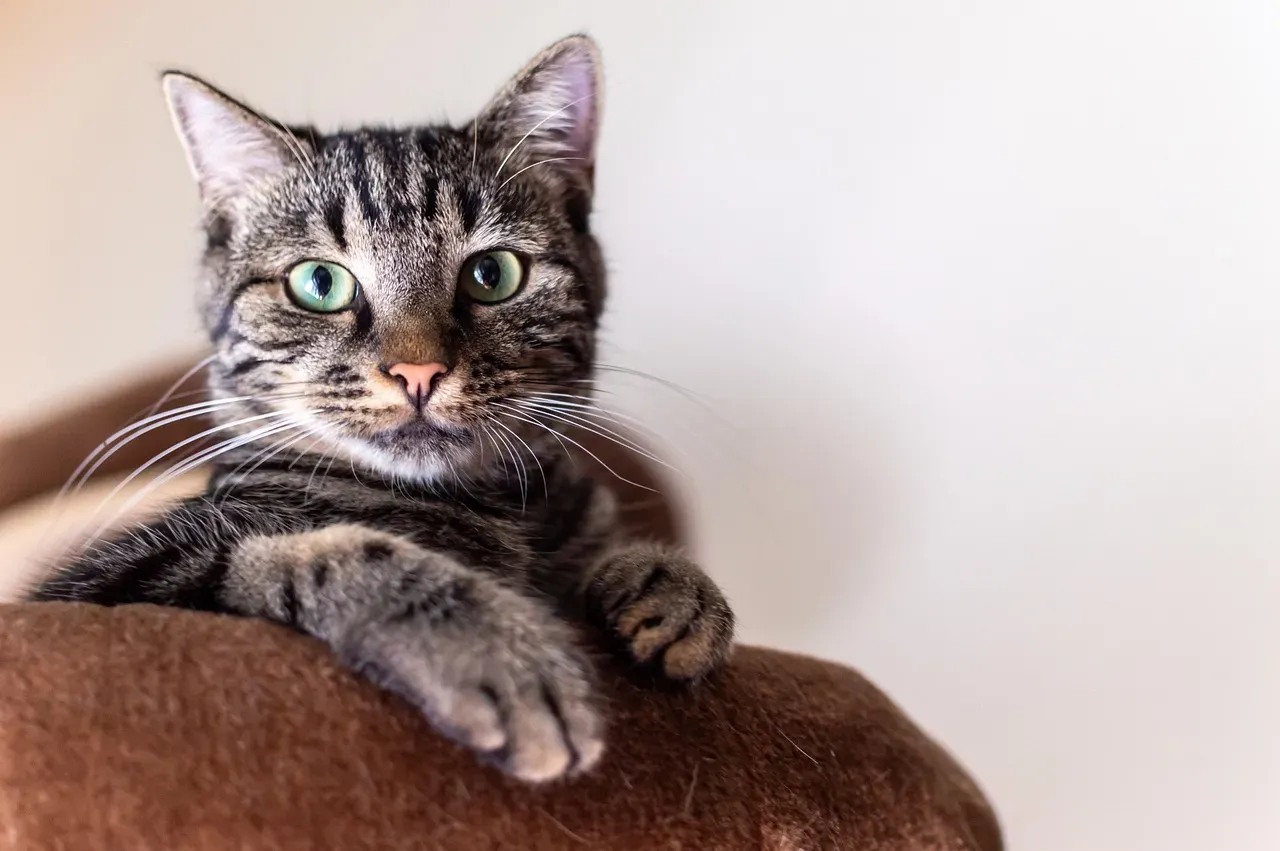
Cats can cross-modally match pictures of emotional faces with their related vocalizations, particularly for emotions of high intensity. When you’re upset and your voice changes, your cat doesn’t just hear a different sound. They’re actually connecting that vocal shift to the expression on your face. Think about that for a second. Your cat is processing multiple sensory inputs simultaneously and building a complete picture of your emotional state.
Cats are surprisingly tuned into human emotions, and studies suggest they can recognize happy and angry faces and adjust their behavior accordingly. They’re watching the subtle movements of your eyebrows, the tension in your jaw, the way your mouth curves downward. Scientists have discovered that cats don’t need extensive training to do this. It comes naturally to them, probably developed over thousands of years of living alongside humans.
Your Voice Tells Them Everything
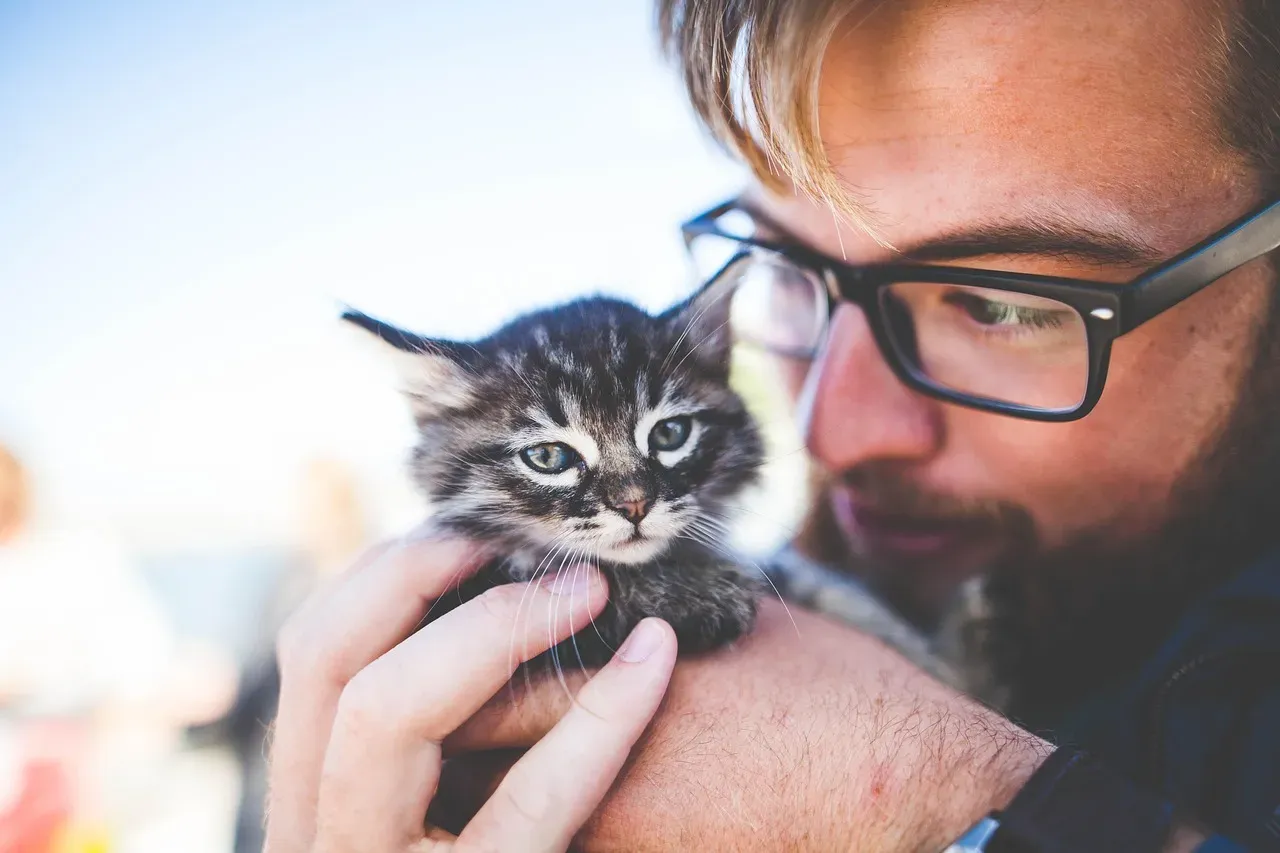
The tone you use matters more than you might realize. Research shows that cats were more likely to approach their human when they used a calm and gentle voice, and this suggests they can sense emotions and respond based on whether we want to interact. It’s hard to say for sure, but your cat might actually be giving you space when you need it, simply by listening to how you sound.
Cats are known for their high emotional intelligence which allows them to discern between different sounds associated with your feelings, and a happy or soothing tone might elicit a purr while an angry or frustrated tone could cause them to retreat. They’re not randomly reacting to noise levels. They’re interpreting meaning from the quality and emotion behind your voice, which is honestly pretty remarkable when you consider how different human and feline communication systems are.
Social Referencing: Cats Look to You for Guidance
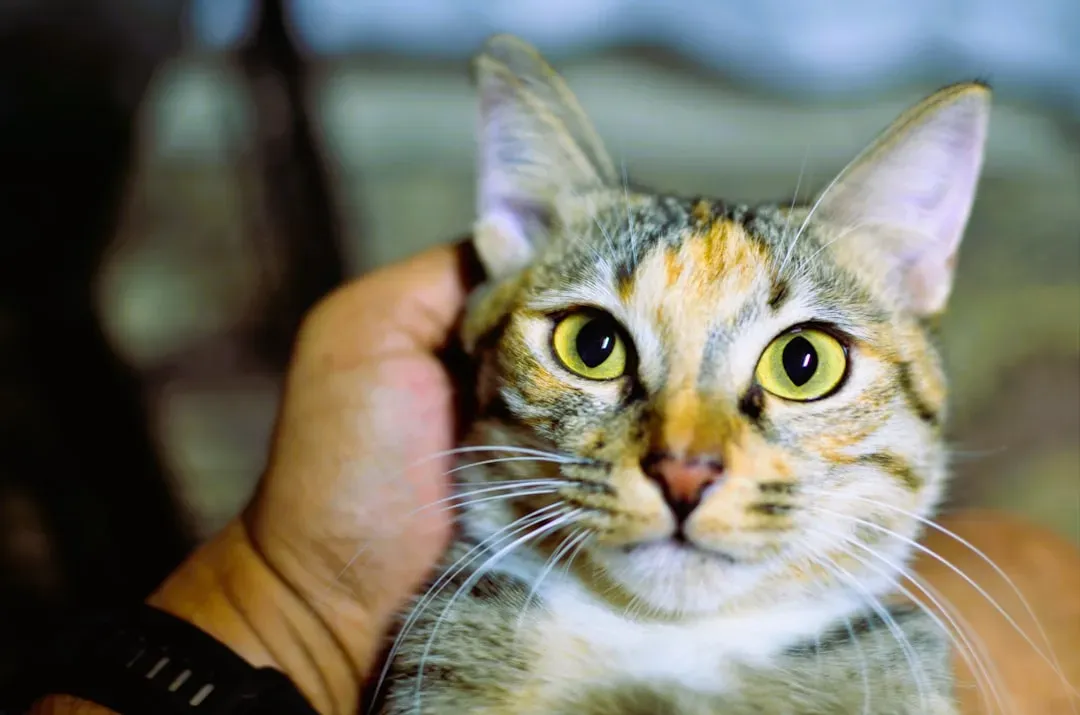
Here’s where things get really interesting. Remarkably, 79% of cats looked to their owners for guidance and adjusted their behavior based on the emotional cues they received from human faces. Nearly four out of five cats actively seek out human emotional feedback when they encounter something unfamiliar or potentially threatening. That’s not the behavior of an indifferent animal.
Research showed that whether a happy or fearful tone was used, roughly 80% of cats looked at their owners first before trying to determine how to act towards an uncertain object, and many based their behavior on their owners’ disposition at that time. Your cat is literally checking in with you, reading your emotional response, and then deciding how to proceed. They’re using you as an emotional compass for navigating their world.
They Can Actually Smell Your Stress
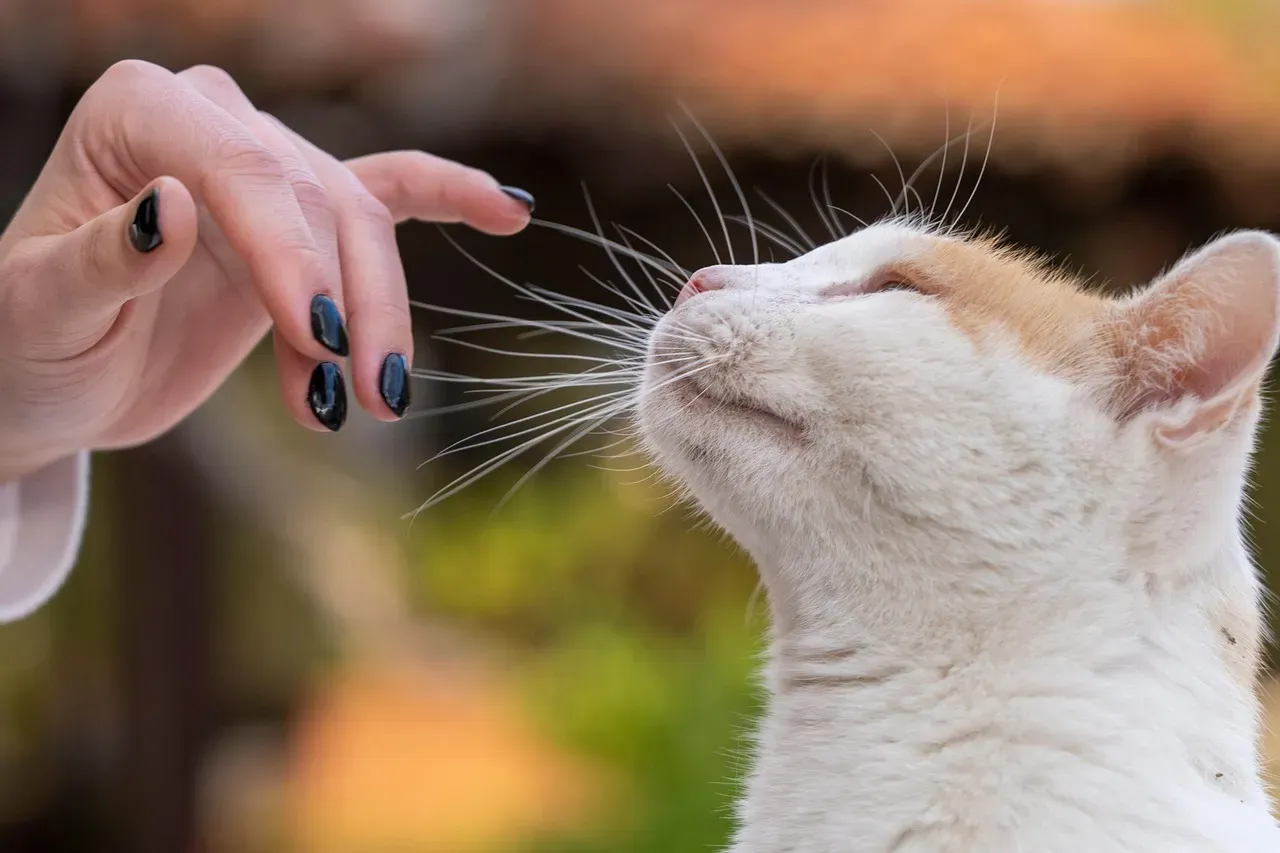
This one sounds like science fiction, but it’s real. Research shows that stress hormones like cortisol can be detected by cats through scent, and when humans experience stress or anxiety, physiological changes occur that release distinct odors which cats can perceive. Your body chemistry changes when you’re anxious or upset, and your cat picks up on those chemical signals through their incredibly sensitive nose.
Findings show that “fear” odours elicited higher stress levels in cats than “physical stress” and “neutral”, suggesting that cats perceived the valence of information conveyed by “fear” olfactory signals. They’re not just detecting that something smells different. They’re understanding the emotional content of those scents and reacting accordingly. When you’re scared, your cat knows it before you’ve even said a word.
The Comfort Response Is Real
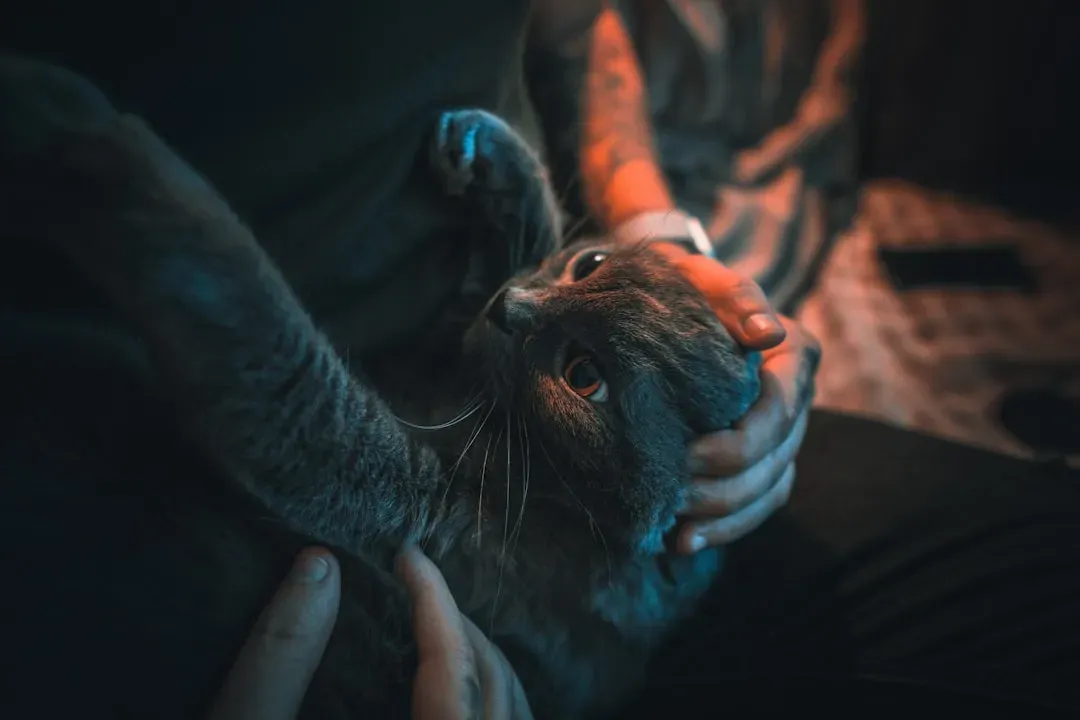
“When pet parents are depressed, cats rub against them more often, and it’s likely your cat is responding to your emotional state by trying to comfort you or draw your attention.” That behavior you’ve noticed when you’re having a terrible day? It’s not coincidental. Your cat is deliberately trying to make you feel better.
When you’re feeling sad, your cat may try to comfort you through physical exchanges like head-butting, kneading, and sitting on your lap. These aren’t random acts of affection. They’re targeted comfort behaviors that increase when you’re emotionally distressed. Some cats will bring toys to try engaging you in play, attempting to lift your spirits. Others will simply stay close, offering their quiet presence as support.
Mirroring Your Emotional State
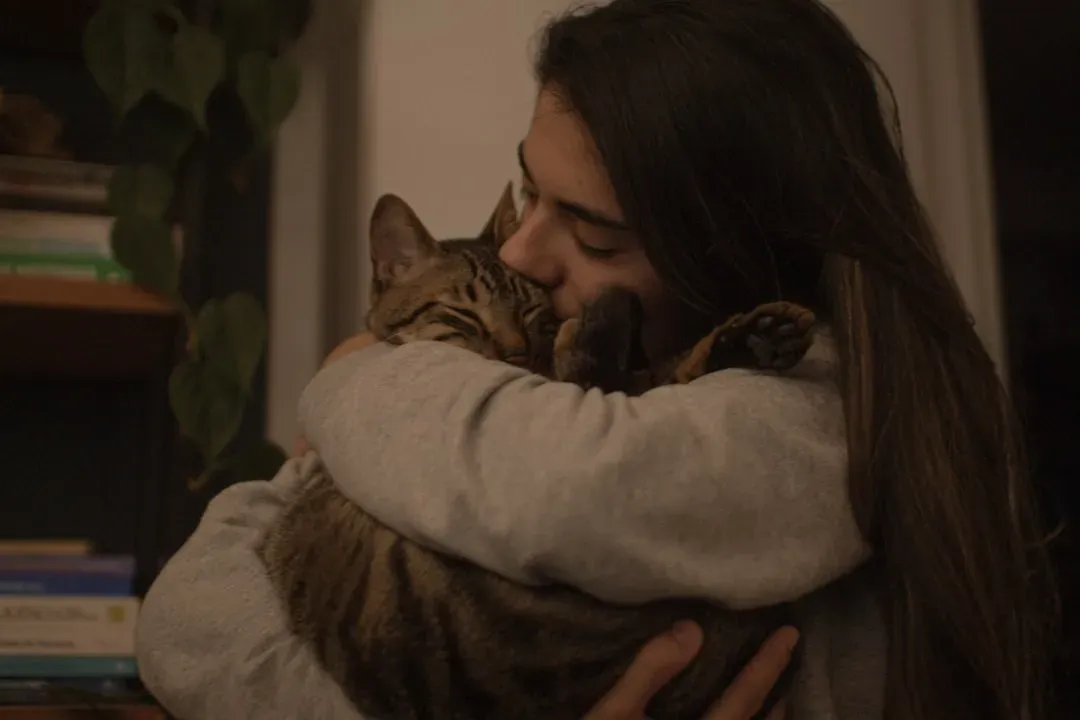
Research has found that owners and their cats mirror each other’s well-being and behavior, and roughly 71% of surveyed cat owners agree that they feel their cat is stressed when they are stressed. Your emotional state doesn’t just affect you. It ripples directly into your cat’s experience, creating a bidirectional emotional connection between you both.
Often, cats will mirror their owner’s mood, so if you’re stressed, it’s likely your cat will feel stressed too. This mirroring isn’t a weakness or a flaw. It’s evidence of deep emotional attunement. Your cat is so connected to you that your feelings become part of their emotional landscape. That’s actually a pretty profound form of empathy when you think about it.
Complex Emotional Intelligence That Rivals Dogs
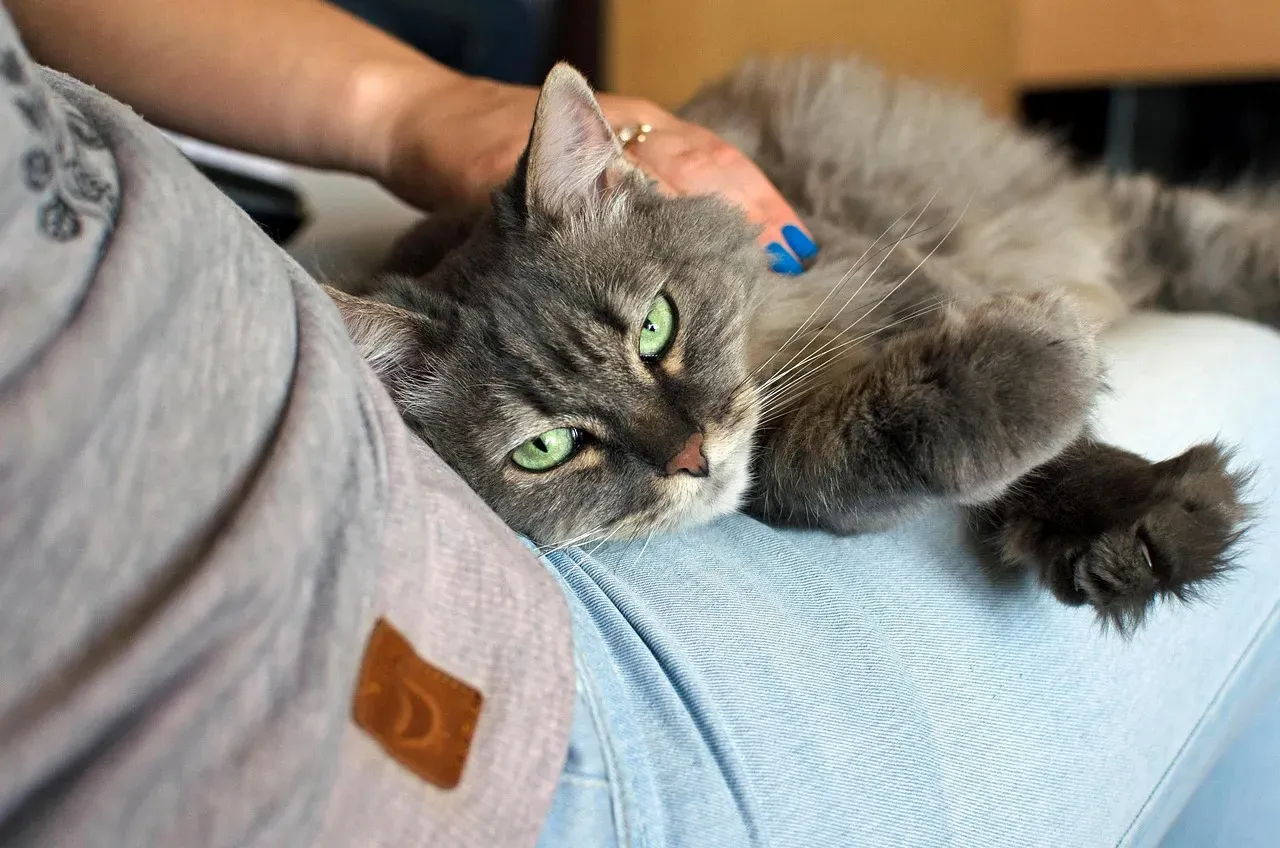
Research demonstrates that cats integrate visual and auditory signals to recognize human and conspecific emotions, and they appear to modulate their behavior according to the valence of the emotion perceived. They’re not responding to isolated cues. They’re synthesizing multiple streams of information into a coherent understanding of emotional states, both human and feline.
Overall findings demonstrate that cats have a general mental representation of the emotions of their social partners, both conspecifics and humans. Mental representation means they’re holding a concept of emotions in their minds, not just reacting reflexively to stimuli. This is sophisticated cognitive processing that places cats among the emotionally intelligent species we share our lives with.
Why We Got It Wrong for So Long
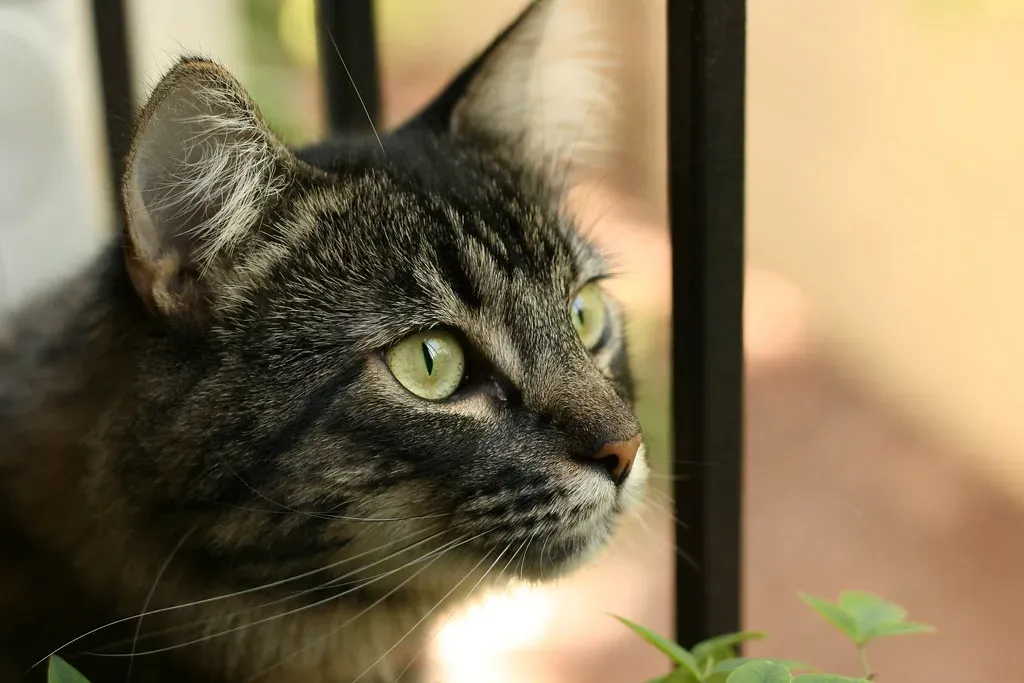
Historically cats have received less research attention than their canine counterparts and their cognitive abilities were less recognized, however in the last decade research focusing on trying to better understand felines has grown. We simply weren’t looking. Scientists concentrated on dogs, assuming cats were too independent or uncooperative to study effectively.
While dogs have earned the reputation of being emotionally intuitive, cats are often mischaracterized as aloof or indifferent, yet recent scientific research is challenging these assumptions and revealing surprising insights into the emotional intelligence of felines. The stereotypes stuck because they fit our cultural narratives about cats. Meanwhile, the actual evidence was pointing in an entirely different direction. Cats were reading us all along. We just weren’t reading them back.
The Healing Power of Feline Empathy
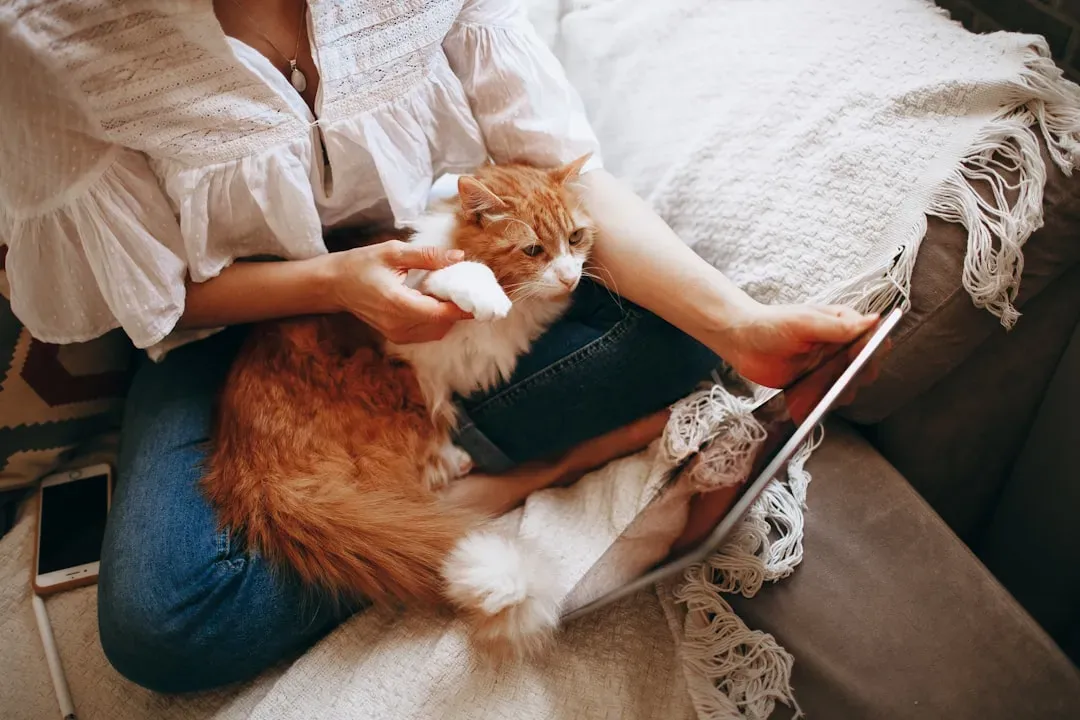
While fewer felines make the cut, cats with an outgoing temperament are as effective as therapy animals as canines. Therapy programs are increasingly recognizing what cat lovers have always known. These animals bring genuine comfort and emotional healing to people dealing with trauma, illness, and mental health challenges.
When cats comfort crying owners, they often purr at frequencies known to have therapeutic effects on humans, with these vibrations ranging from 25-100 Hz, which can help reduce stress, lower blood pressure, and promote emotional well-being. That soothing rumble isn’t just pleasant background noise. It’s physiologically beneficial, actively calming your nervous system while simultaneously signaling your cat’s emotional support. They’re offering both psychological comfort and physical healing in one elegant package.
Building an Even Stronger Bond

These findings challenge the stereotype of cats as indifferent to human emotions, and while they may not express attachment in the same overt ways as dogs, cats are clearly tuned into the emotional states of their humans, recognizing human emotions and responding in ways that reflect their own emotional states. Understanding this changes everything about how we relate to cats. They’re not distant. They’re communicating in their own language, one that’s subtle, sophisticated, and deeply connected to ours.
The next time your cat curls up beside you on a rough day, or slow-blinks at you from across the room, or suddenly appears when you’re crying, remember what science has revealed. They know. They care. They’re responding with empathy that’s been hiding in plain sight all along. What do you think about it? Does this change how you see your feline companion?