You come home after a long day, maybe a weekend trip, maybe a week-long vacation. You half-expect your cat to be perched somewhere, completely unbothered, acting as if you never existed. Sometimes they do exactly that. Other times, something quieter and more fascinating is happening. They’ve been waiting.
The idea that cats are emotionally detached little creatures who couldn’t care less about your presence has been passed around for decades. Honestly, it’s one of the most stubborn myths in the entire animal world. Science is slowly but surely dismantling it, piece by piece. So the real question isn’t just whether your cat misses you. It’s how, why, and what that actually looks like. Let’s dive in.
The “Independent Cat” Myth Needs to Go
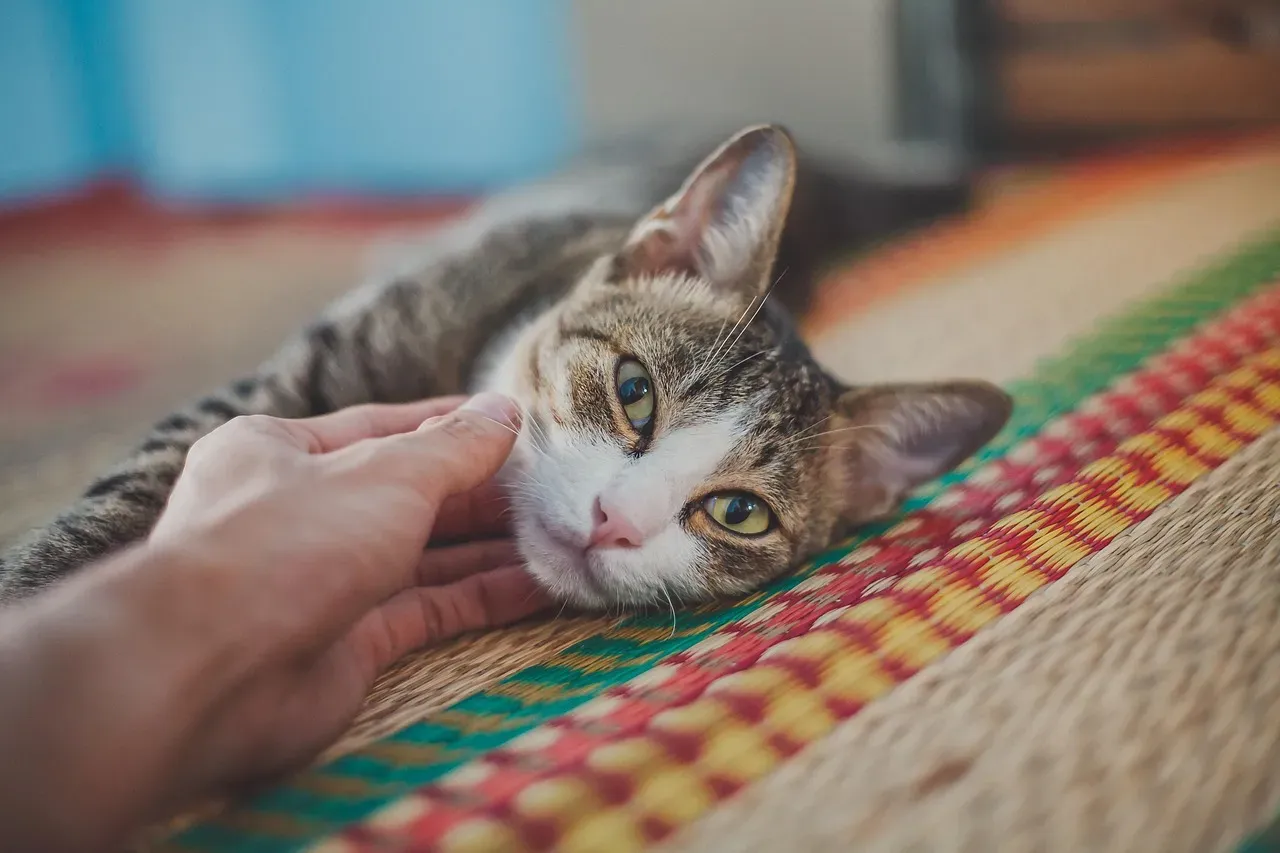
Let’s be real for a second. The idea that cats are completely self-sufficient emotional islands has never quite added up. For years, cats have been cast as aloof, solitary creatures. Recent studies have begun to challenge that stereotype, as researchers are increasingly discovering that cats form strong bonds with their human companions. The only difference is that cats are quieter about it, like a reserved friend who never gushes but would drop everything for you in a crisis.
Cats may be solitary, but they are also quite social when they choose. Felines may not have an innate need for human affection in the same way dogs do, but they will still look for it and enjoy it when it is on offer. Think of it this way: a cat’s affection is less like a golden retriever’s enthusiasm and more like a carefully chosen gift. Rare, but meaningful.
What the Oregon State University Study Actually Found
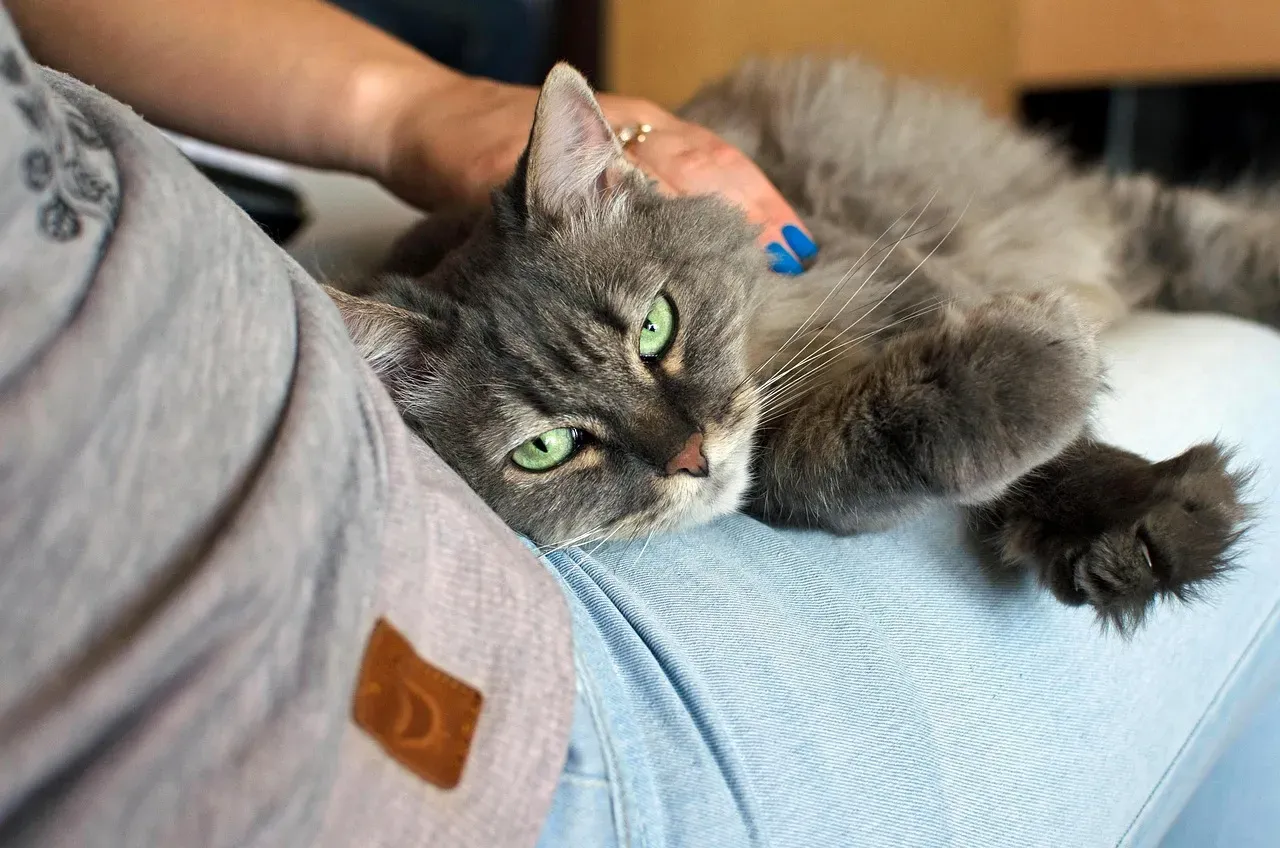
A groundbreaking Oregon State University study found that pet cats form attachments with their human owners that are similar to the bonds formed by children and dogs with their caretakers. It’s the first time that researchers empirically demonstrated that cats display the same main attachment styles as babies and dogs. That is not a small discovery. That is genuinely surprising, even for lifelong cat owners.
In their study, the OSU researchers had cats participate in a “secure base test,” similar to a test that has been given to infants and dogs to study attachment behaviors. During the test, the cat spends two minutes in a new room with their caregiver, followed by a two-minute alone phase, and then a two-minute reunion phase. Upon the caregiver’s return from the two-minute absence, cats with secure attachment to the person were less stressed and balanced their attention between the person and their surroundings. The parallels to infant behavior, if you’ve ever studied child development, are nothing short of remarkable.
The Three Attachment Styles Your Cat Might Have
Secure attachment is when your cat shows signs of distress when the owner is out of the room but recovers quickly when the owner returns. This cat likes their owner, is confident with the owner around, and regains confidence quickly when the owner returns. If your cat gives you a brief, dignified sniff when you walk in and then returns to their business, this is probably what you’re looking at.
Ambivalent insecure attachment is when the cat shows signs of distress when the owner leaves but remains stressed and does not recover when the owner returns, becoming clingy. This cat may not want to explore in a new environment, shows separation anxiety behaviors when the owner leaves, and overcompensates when the owner returns. Avoidant insecure attachment is when the cat doesn’t react much when the owner leaves or returns, and may not even show a change in behavior when the owner leaves or greet the owner when they return. Understanding which type you’re living with can change everything about how you interpret your cat’s behavior.
The Neuroscience Behind Feline Longing
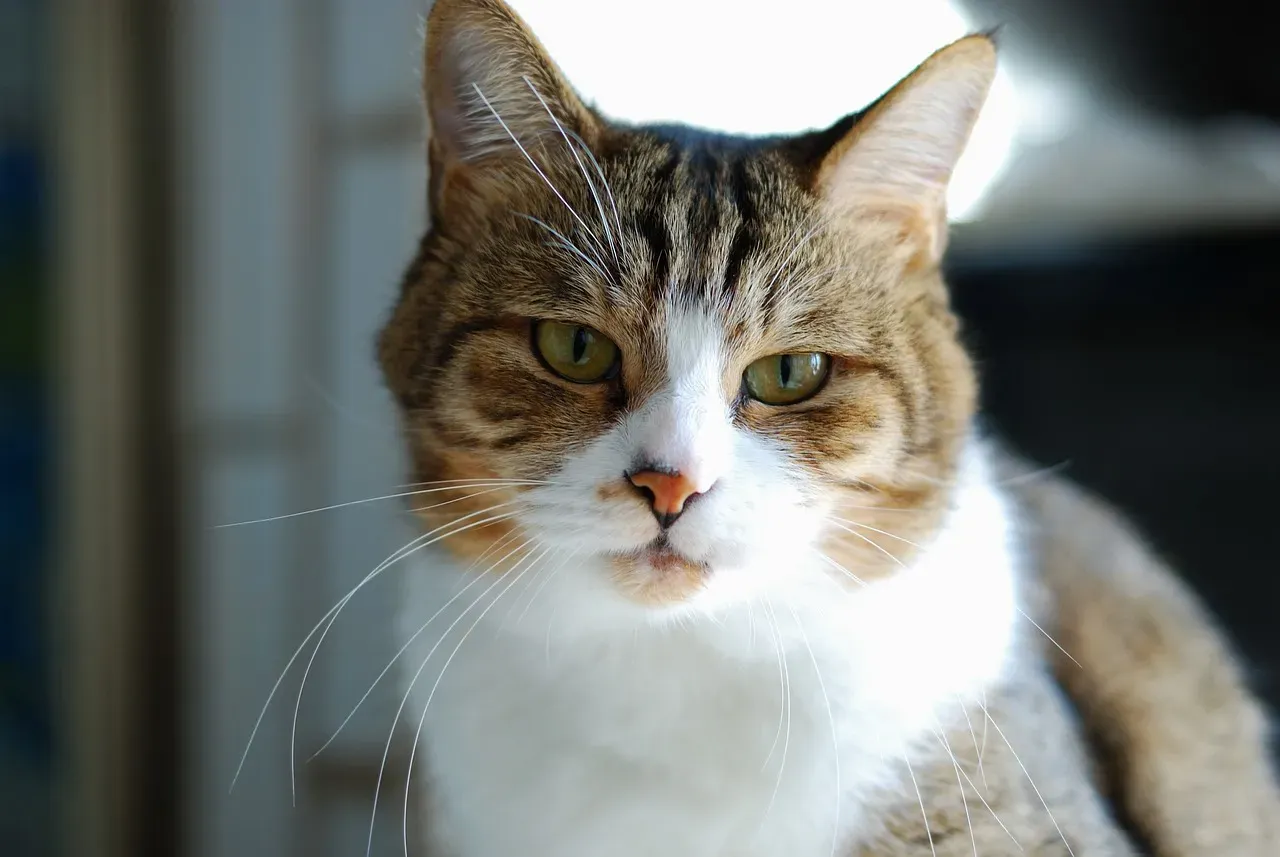
Cats possess complex emotional lives, though they express their feelings differently than humans. Research in feline neuroscience has shown that cats have similar brain structures responsible for emotions as humans do, including the amygdala and the limbic system. These structures process emotional responses including attachment, fear, and pleasure. In other words, the hardware is there. The wiring exists for genuine emotional experience.
Cats produce oxytocin, often called the “love hormone,” when interacting positively with their owners, suggesting a neurochemical basis for their attachments. However, cats evolved as both predators and prey, which influenced their emotional expression to be more subtle. Their emotional repertoire includes contentment, fear, anxiety, frustration, and attachment, all of which can contribute to feelings of missing an absent owner. The science here is actually stunning. Your cat feels, chemically and neurologically. They just don’t wear their heart on their paw.
How Your Cat Actually Shows You They Missed You
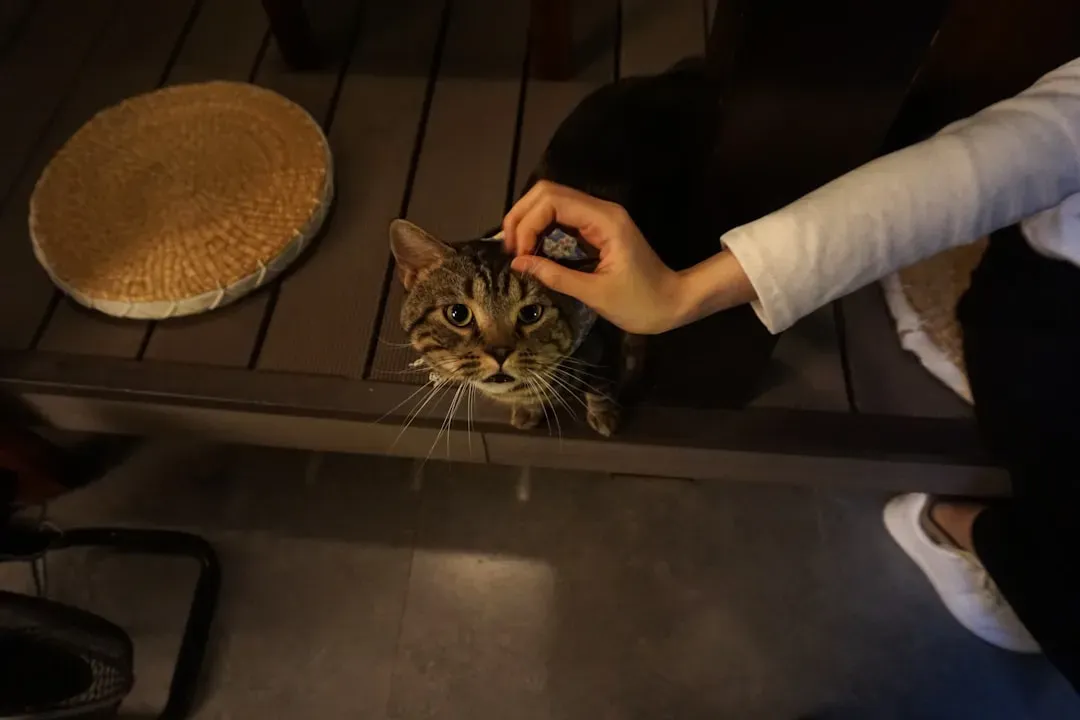
Research shows many cats display increased social behaviors such as seeking more attention, vocalizing, or rubbing against their owners after periods of separation. You’ve probably noticed this. After a longer trip, your cat might be unusually persistent, weaving between your legs, demanding attention in ways they normally wouldn’t. That’s not coincidence. That’s reunion behavior.
When guardians returned, cats were more likely to purr and stretch after a four-hour separation than after a shorter period of separation. Guardians were more likely to talk to their cats when they returned if they had been gone for a longer time, but the purring and stretching were not dependent on that human interaction. This is fascinating because it tells us that the cat’s response to reunion is internally driven, not just a reaction to the owner’s behavior. The emotion is genuinely coming from your cat.
Real Warning Signs of Separation Anxiety in Cats
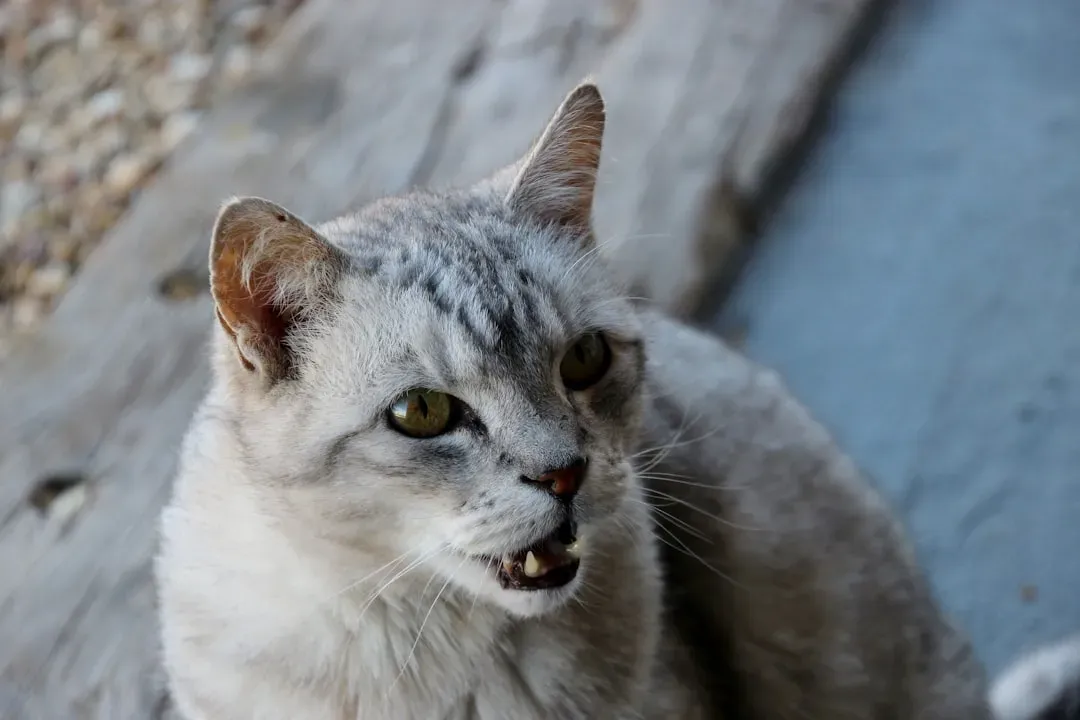
In cats, as in humans or dogs, separation anxiety is an emotional response of stress, fear, and sadness when they are away from the person or other animal with whom they are bonded and feel safe, secure, and loved. Separation anxiety can range from mild to severe and be harder to spot in cats. The tricky part is that cats are famously good at hiding discomfort. You might miss it entirely unless you know what to look for.
There can be many signs of separation anxiety in cats, including increased vocalization like meowing or crying, either when you leave or as you are getting ready to go. You may also notice your cat refusing to use their litter box. Other behaviors related to anxiety involve excessive grooming, destructive habits, extreme attachment, and attention-seeking behaviors whenever you are around. If your cat seems to fall apart a little every time you grab your keys, that is your cat telling you something important. Worth paying attention to.
How Long Your Cat Actually Remembers You
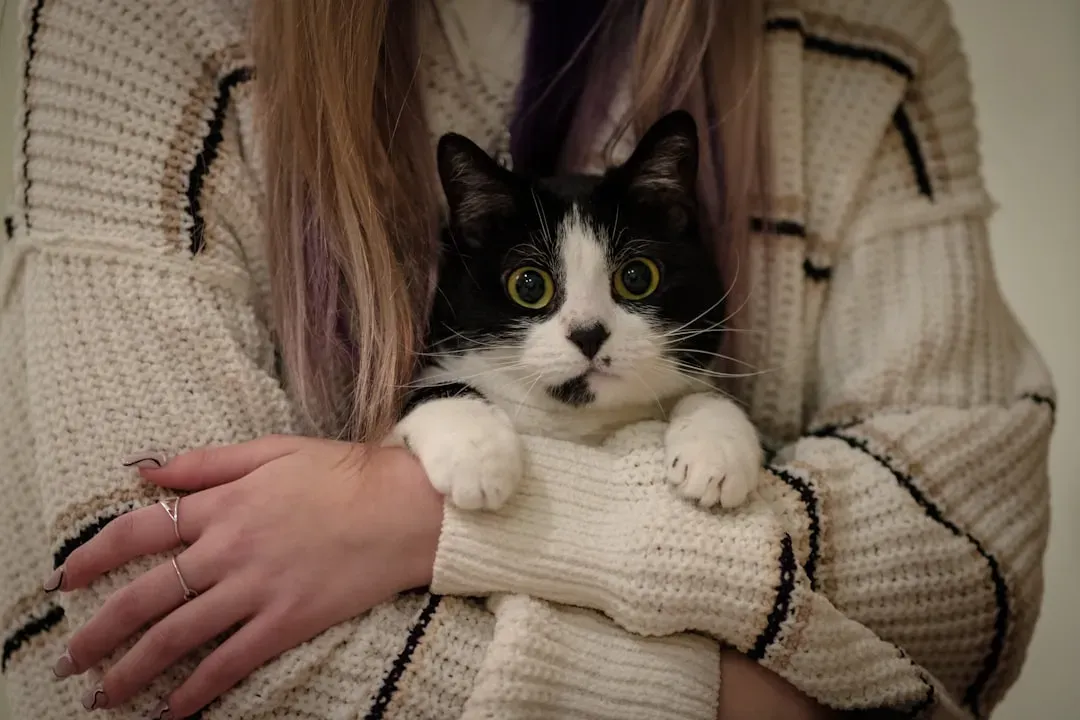
According to veterinary experts, a cat’s short-term memory lasts about 16 hours, but their long-term associative memory, especially tied to strong emotions, can last for years, often for their entire life. This blows apart the common assumption that cats forget you the moment you walk out the door. Your bond is genuinely stored in their brain for the long haul.
A cat’s attachment to its owner can last far longer than the typical three-year timeframe often associated with long-term memory. This happens because emotional associations are incredibly powerful. Repeated positive experiences, such as feeding, playing, or affection, create lasting imprints in the feline mind. As a result, even after a long separation, a cat may still recognize a former owner through their remarkable sense of smell. Think of it like muscle memory, but for love. The scent of you is one of the most powerful triggers for your cat’s emotional recall.
Does Your Cat’s Breed or Personality Make a Difference?
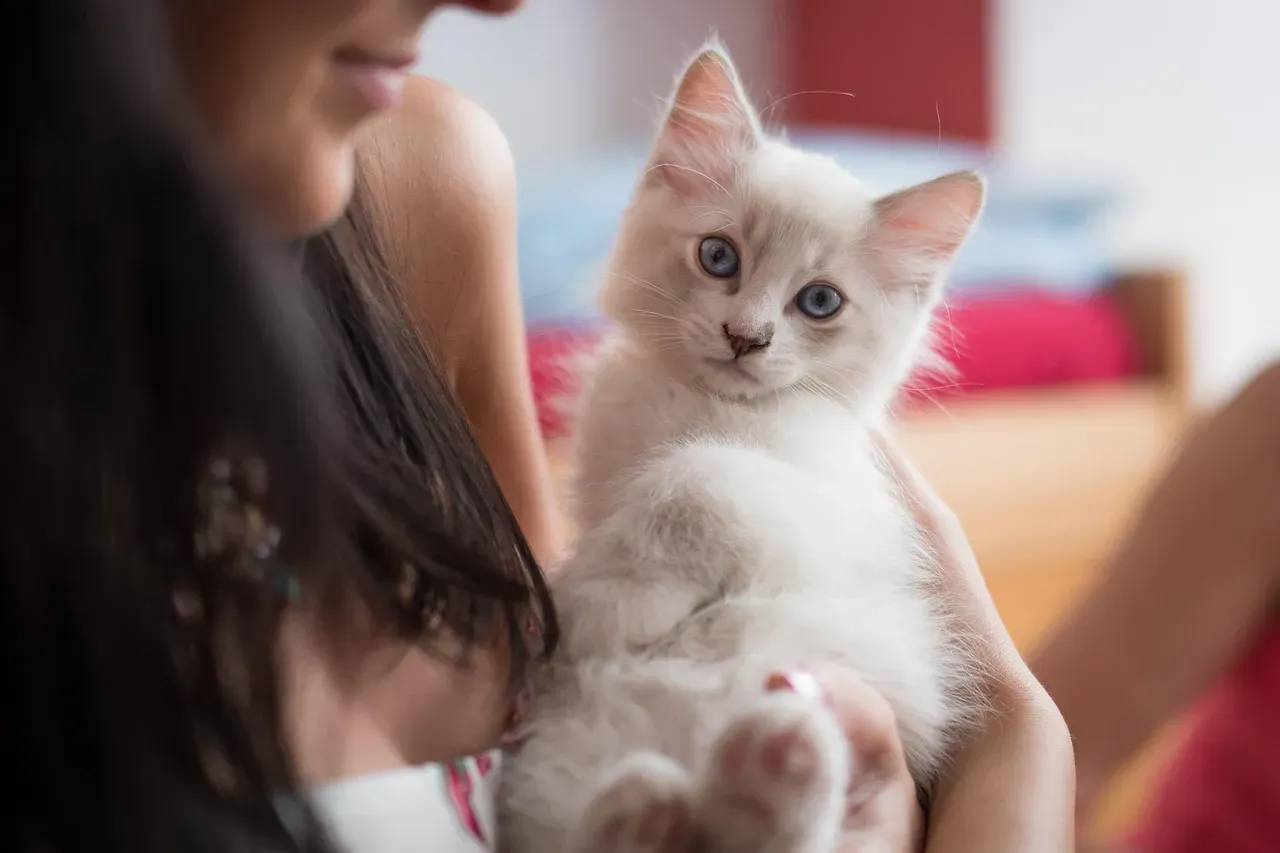
Not all cats form the same level of attachment to their owners. Like humans, cats have distinct personalities that influence how they bond with people. Research by animal behaviorists has identified various feline personality traits including sociability, boldness, and sensitivity. More sociable cats typically form stronger attachments and may be more likely to miss their owners. It’s hard to say for sure how much is nature versus nurture, but the evidence suggests it’s a meaningful combination of both.
Early socialization also plays a crucial role. Kittens exposed to positive human interaction during their critical developmental period, between two and seven weeks of age, often form stronger human bonds later in life. Additionally, breed tendencies can influence attachment behaviors, with some breeds like Siamese, Burmese, and Ragdolls typically showing more people-oriented traits. If you have one of these velcro-cat breeds, you’ve probably already figured this out the hard way when you tried to use the bathroom alone and couldn’t.
What You Can Actually Do to Help Your Cat While You’re Away
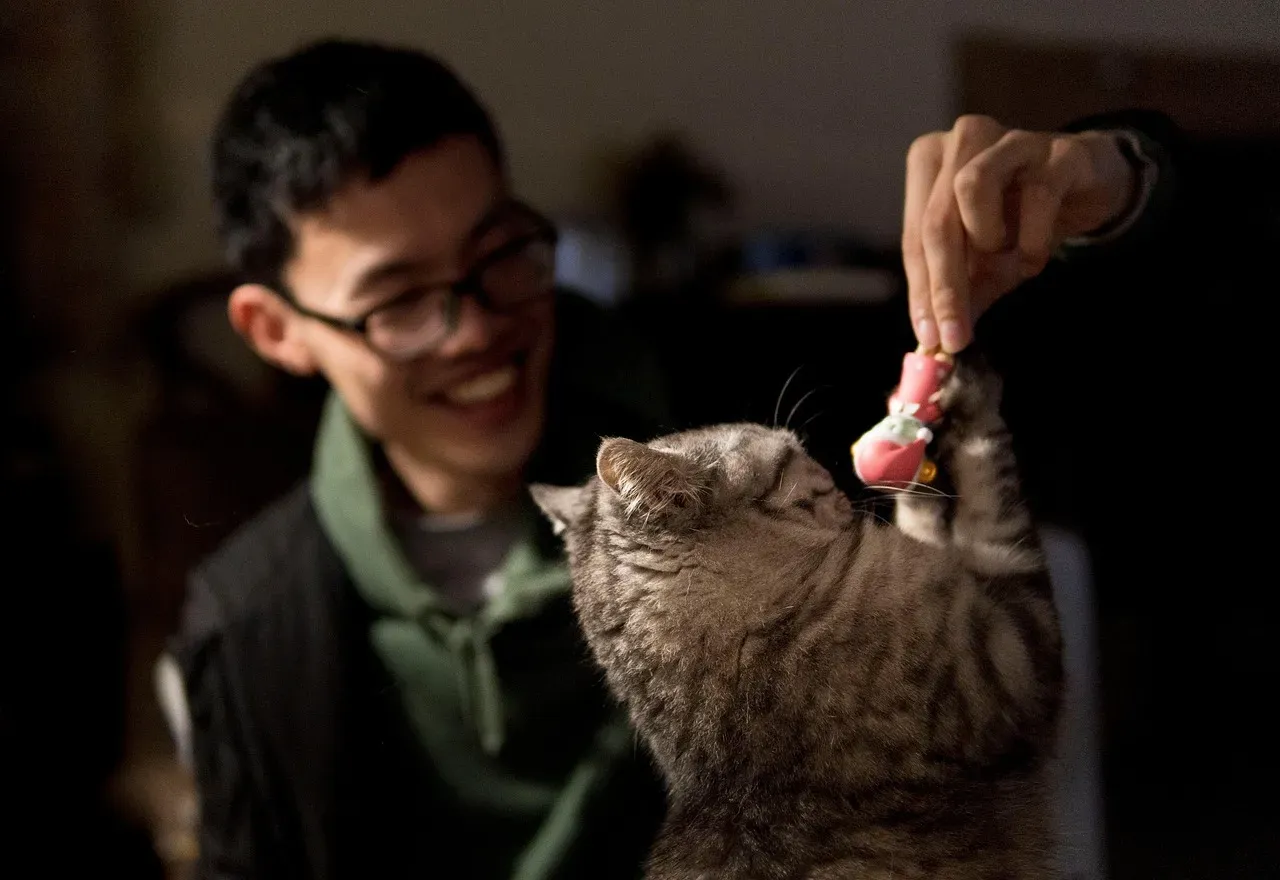
If you know you’ll be away, you can alleviate your cat’s anxiety by leaving something with your scent like a worn shirt, providing engaging toys and puzzles for mental activity, asking someone familiar to check in regularly, or installing a pet camera to monitor and talk to your cat remotely. These aren’t just feel-good gestures. They genuinely work on a neurological level because they engage your cat’s scent memory and maintain the sense of routine that makes them feel secure.
Playing with your cat in the morning before you leave, using interactive toys to tire them out, then feeding them breakfast, because feeding right after playtime makes them much more likely to sleep afterward. A tired, well-fed cat is a content cat. Consistent routines are also very beneficial for pets with anxiety disorders. Keeping to the same schedule as much as you can is good for them. Routine is essentially your cat’s emotional anchor, and disrupting it has real consequences for their wellbeing.
Conclusion: Your Cat Is More Attached Than You Think
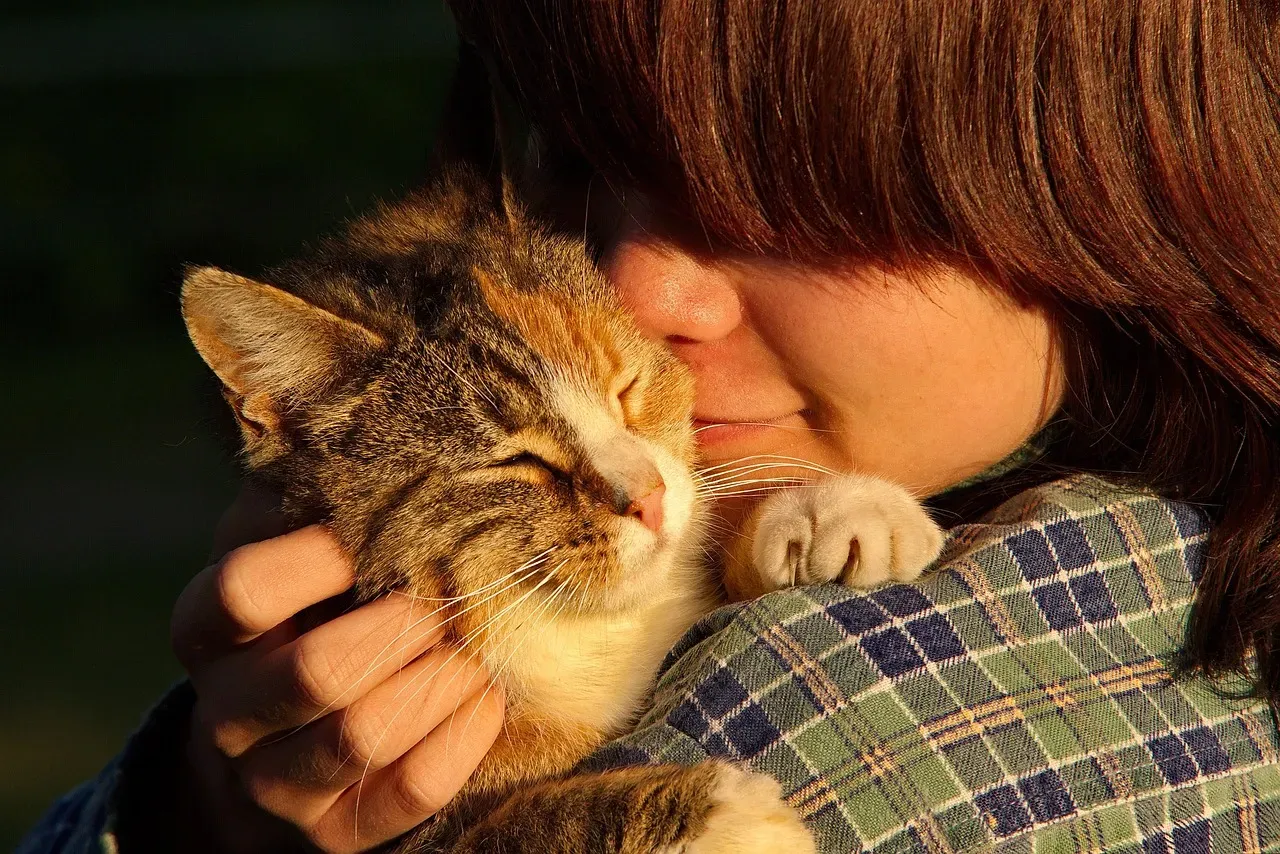
Here’s the thing: the science in 2026 is pretty clear on this. Cats are not the emotionally indifferent creatures popular culture made them out to be. They form genuine bonds, they experience something real when you leave, and they notice your return in ways that go far deeper than just “who fills the food bowl.”
The key is learning to read their quieter language. A slow blink here. An insistent head rub there. A cat sitting right outside the bathroom door. These aren’t quirks or annoyances. They are, in their own understated way, a form of devotion. The majority of cats use their owner as a source of security, and your cat is depending on you to feel secure when they are stressed out.
So the next time your cat meets you at the door and then immediately walks away as if they couldn’t care less, don’t be fooled. That brief moment of acknowledgment? That’s your cat saying everything. Did you expect that from the animal everyone swore didn’t need anyone? Tell us your thoughts in the comments below.