You’ve probably caught yourself staring at your sleeping cat, watching a tiny paw flutter, a whisker twitch, an ear flick with no obvious cause, and wondered what on earth is happening inside that fuzzy little head. It feels almost magical, doesn’t it? Like a secret world playing out right in front of you.
The science behind feline sleep is genuinely fascinating, and honestly, it draws you closer to your cat in ways you might not expect. From cutting-edge neuroscience to landmark studies that go back decades, researchers have been unraveling the mystery of what cats experience when they close their eyes. Get ready to be surprised by what they’ve found. So let’s dive in.
The Science That Confirms Cats Really Do Dream
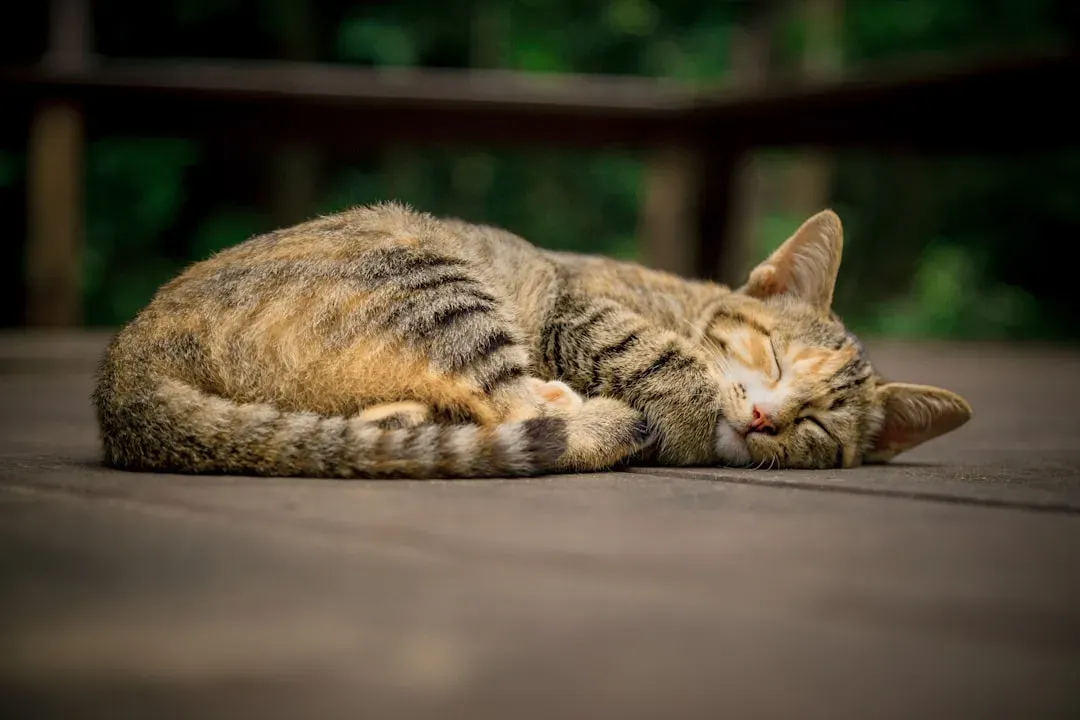
Yes, cats almost certainly dream. Research dating back to the 1960s shows that cats experience REM (rapid eye movement) sleep, the same sleep stage where human dreaming occurs. This isn’t just speculation or wishful thinking from devoted cat owners. It’s grounded in solid, repeatable neuroscience.
In the 1960s, sleep researcher Michel Jouvet conducted a breakthrough study. He found that when a cat’s brain lost its REM-related muscle paralysis, the cat would “act out” its dreams. While still asleep, it pounced, swatted, and hunted invisible prey, all while lying on the lab floor. That is, honestly, one of the most compelling pieces of evidence in all of sleep science.
The hippocampus, which processes memory and learning, lights up during REM in cats, just like in humans. This tells us they might be processing memories, replaying routines, or reinforcing learned behaviors. Think of it like your brain running a highlight reel from the day. Your cat’s brain does the exact same thing.
How Cat Sleep Cycles Compare to Human Sleep Cycles
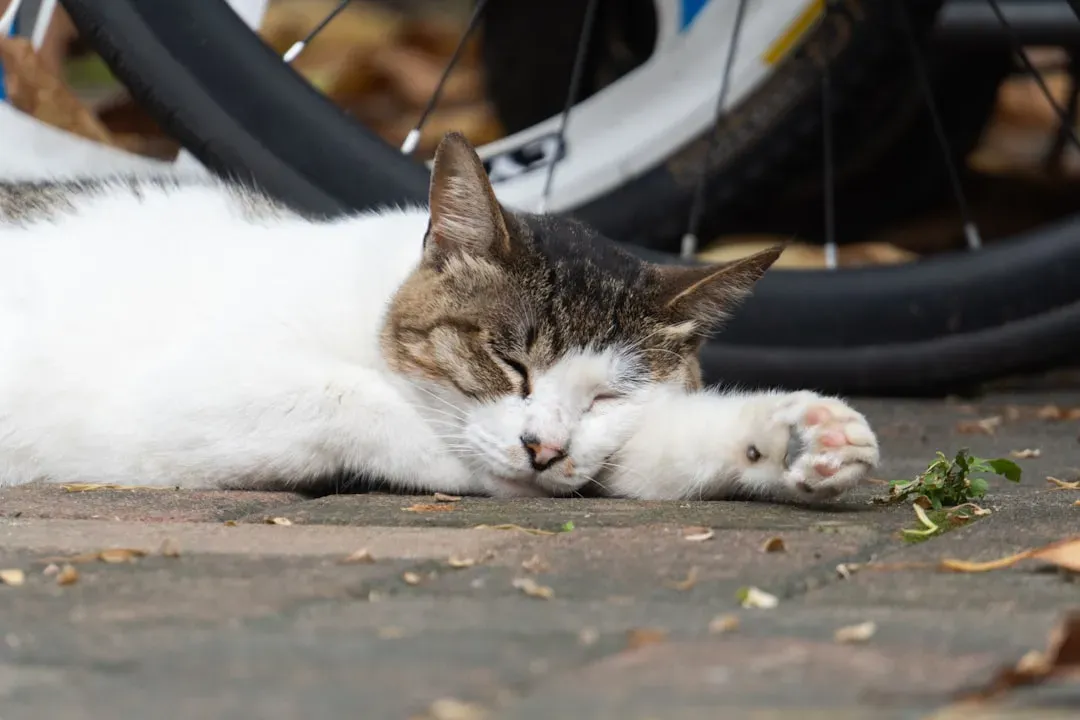
Both cats and humans cycle through multiple sleep stages, but the structure of those cycles differs in important ways. Human sleep typically runs in 90-minute cycles, with REM periods growing longer toward morning. Cats operate on a very different schedule, and it’s kind of mind-blowing when you look at the numbers.
Research tells us that cats have shorter REM cycles than humans, but they happen more often. While a sleeping human usually enters REM sleep every 90 minutes, cats hit that deep sleep about every 25 minutes. This means that cats dream even when they’re taking a quick catnap. So every little snooze on the couch may come with its own mini dream sequence.
According to researchers, the notable difference between a cat’s REM stage and a human’s REM stage is timing. While humans have longer periods of REM sleep spaced farther apart, cats cycle in and out of REM faster. In other words, your cat may pack more dream cycles into one afternoon nap than you get in an entire night.
What Your Cat Is Most Likely Dreaming About
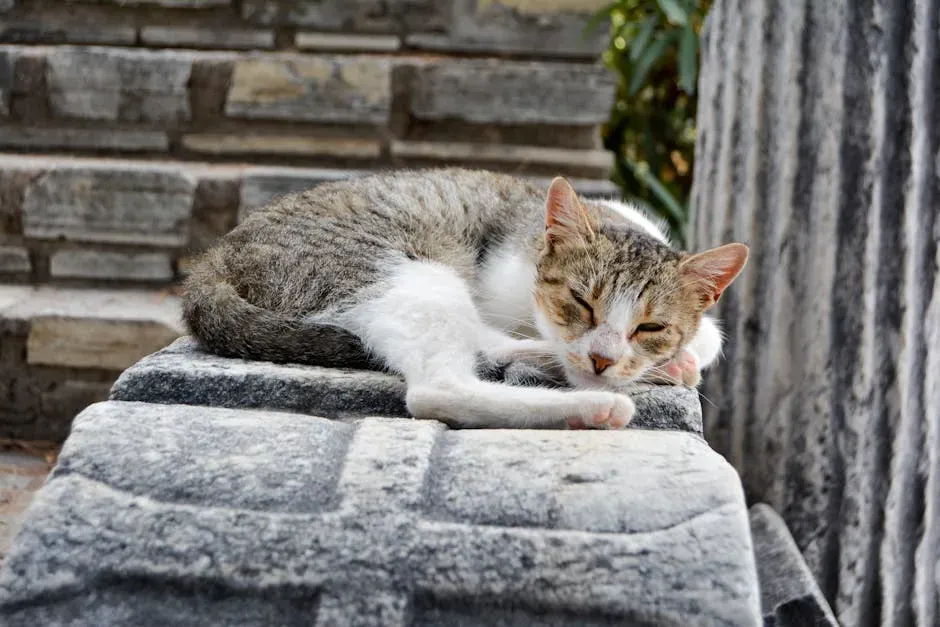
Jouvet’s lesion studies showed cats acting out recognizable behaviors during REM sleep, including stalking, pouncing, arching defensively, and even grooming. This strongly suggests that cats dream about the activities that fill their waking hours. Let’s be real, that’s not too different from how your own dreams tend to mirror your daily life.
If your cat’s dreams are just re-enactments of their day, that likely means your cat is dreaming about the exciting things that happened before falling asleep, such as the bird they saw from the living room window, the treat they got before bed, or even how good it felt to be cuddled on your lap while you watched TV. That last one might actually be the most heartwarming scientific fact you’ll read all day.
Dream researcher Deirdre Barrett of Harvard considers it “a very safe assumption” that cats dream about stalking and pouncing on prey. She also expects cats’ dreams to follow the continuity hypothesis, meaning their daily experiences shape their dream content. Other cat dreams might include lying in the sun, stretching, and playing with toys.
The Role of the Brain During Feline REM Sleep
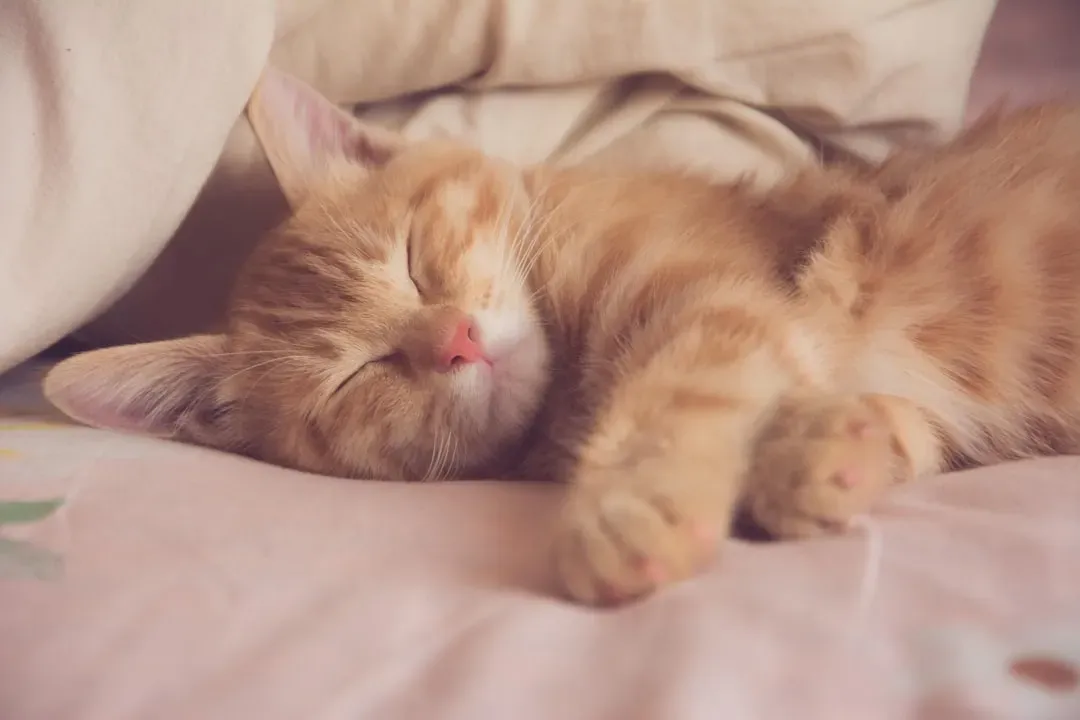
A 1960s study by neuroscientist Michel Jouvet found that the pons area of the brain, located in the brainstem between the midbrid and the medulla, prevents movement during dreams. Cats with damage to this area displayed movements during REM sleep that appeared consistent with hunting, such as pouncing on imaginary prey or reacting to nonexistent predators. This region is basically the brain’s “stay-still” switch during sleep.
The brain restricts the movement of the body during REM sleep. Cats appear to experience cycles of paradoxical sleep, where there is a loss of muscle tone, preventing both humans and cats from moving much. As much as your cat can dream about climbing the curtains, their brain only allows so much as a little paw to twitch here and there.
Based on the brain maturation hypothesis, Jouvet suggested that innate behaviors are rehearsed during REM sleep to prepare for their application in waking life. Think of it as nature’s own training simulation, running on repeat, every night, inside your cat’s sleeping brain.
What Those Sleep Twitches Actually Mean
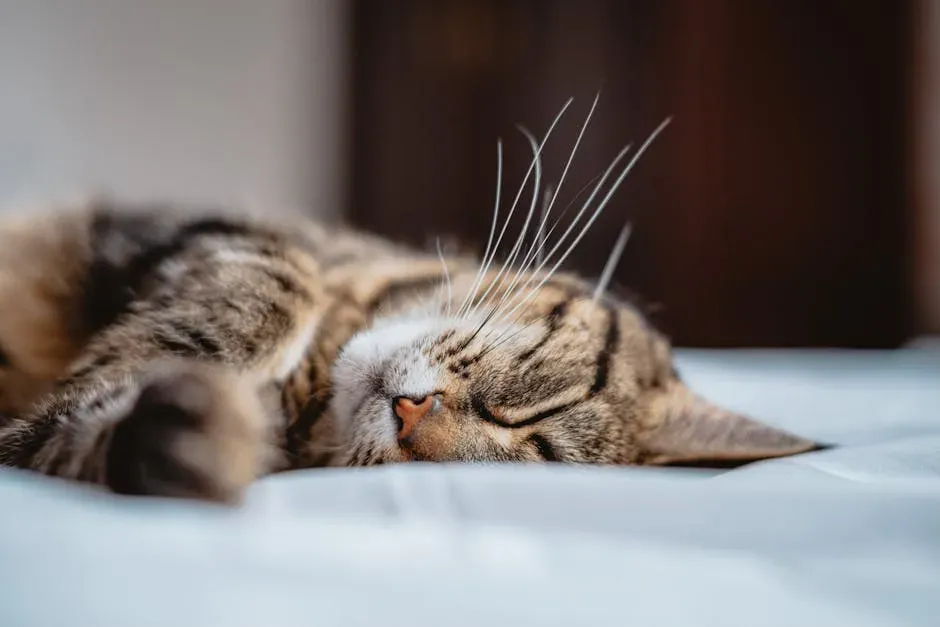
During REM sleep, cats display twitching paws, flickering eyelids, and soft vocalizations that suggest active dream states. If you’ve ever witnessed this, you already know it’s equal parts adorable and mysterious. But there’s a very real neurological explanation behind every single flicker.
The number one reason your cat twitches during sleep is REM sleep. This is the dreaming stage, where brain activity increases to levels similar to when your cat is awake. During REM, your cat may twitch her whiskers, paws, tail, or ears, and even make soft vocal sounds. Experts believe these movements mimic dream actions like chasing prey or playing.
Some nerve signals may make their way through the sleep paralysis, causing a twitch of a paw or whisker. It’s a tiny signal escaping through the brain’s gate. Like a leak in a dam, small, harmless, but deeply revealing.
Why Kittens Twitch So Much More Than Adult Cats
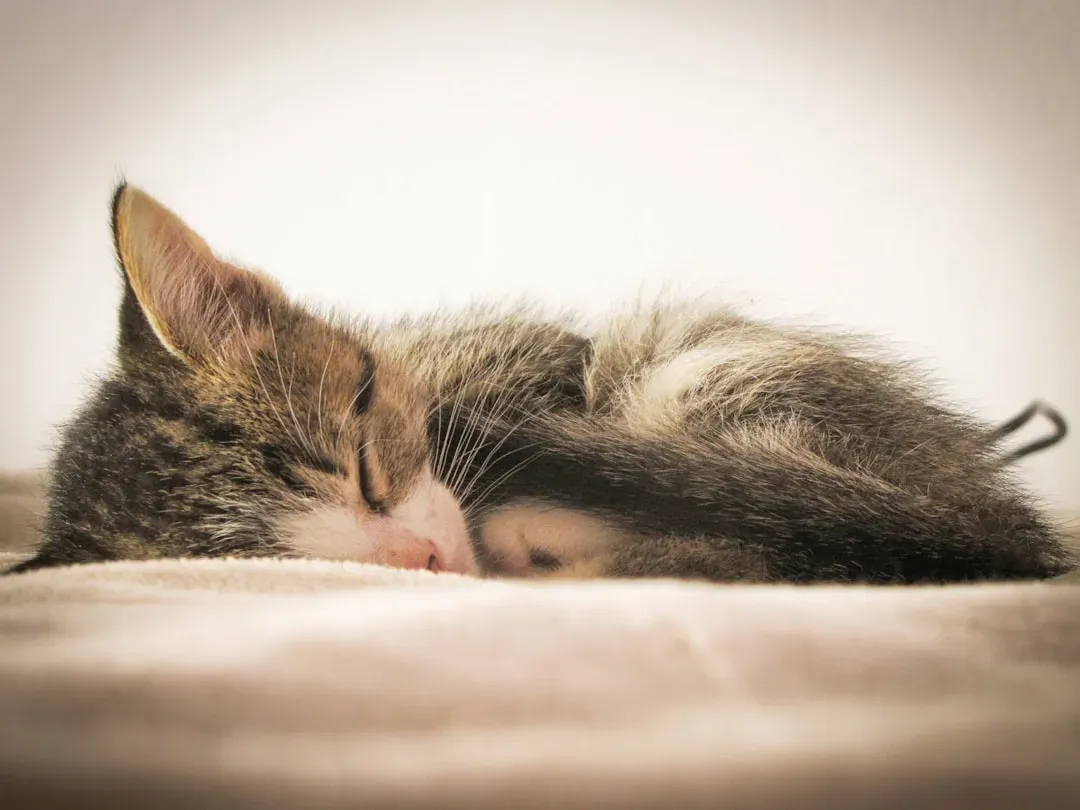
Interestingly, the amount of REM sleep your cat experiences will decrease as they get older, therefore it is assumed that kittens are much more likely to dream than adult cats. This could also be due to the fact that kittens have a lot more to learn about the world around them, therefore they have a significant amount of information to process. Honestly, it makes perfect sense when you think about it.
Some experts say kittens spend up to roughly four-fifths of their sleep in REM, while adult cats only spend around a quarter to nearly a third. More dream time means more twitching! A kitten’s brain is a whirlwind of incoming information, and sleep is where it all gets sorted and stored.
Twitching helps stimulate and develop motor skills and neural pathways as kittens grow. As long as the twitching is limited to sleep and does not involve symptoms like stiffness, excessive trembling, or difficulty waking, it is completely normal. So that squirmy, twitchy little kitten bundle you’re watching? It’s growing, developing, and dreaming, all at once.
Can Cats Have Nightmares Too?
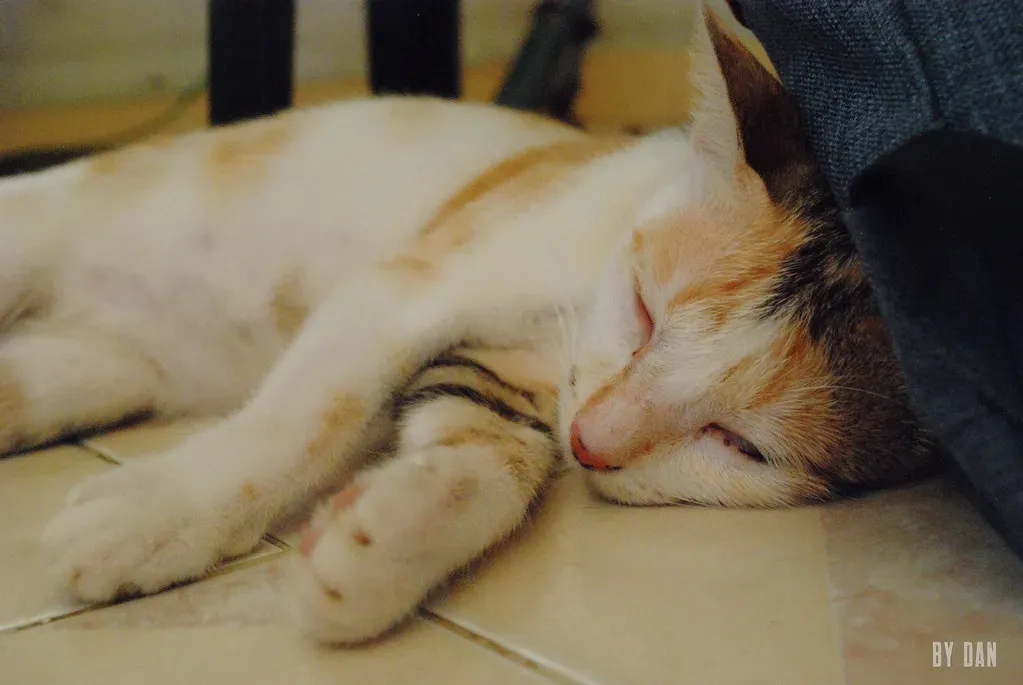
While there is no definitive scientific proof that cats can have nightmares like humans do, experts say we can make educated guesses based on what we know about human dreaming. The truth is, if a brain can produce pleasant dreams, it can almost certainly produce unpleasant ones too. That much follows logically.
Anecdotal evidence seems to suggest that cats can wake up and appear frightened, indicating a bad dream. You may have seen this yourself, a cat jolting awake, looking around with wide eyes, slightly disoriented, before settling back down. That startled look is telling.
You might notice your cat having a bad dream when they start twitching uncomfortably in their sleep. You have no way of knowing what is going on in their mind, and it is usually best to let them keep sleeping. Waking a cat in the middle of a nightmare could be dangerous. They might react with aggression before realizing they are awake. So as tempting as it is to comfort them, the kindest thing is often to simply let the dream run its course.
Do Cats Dream in Color, and Through Other Senses?
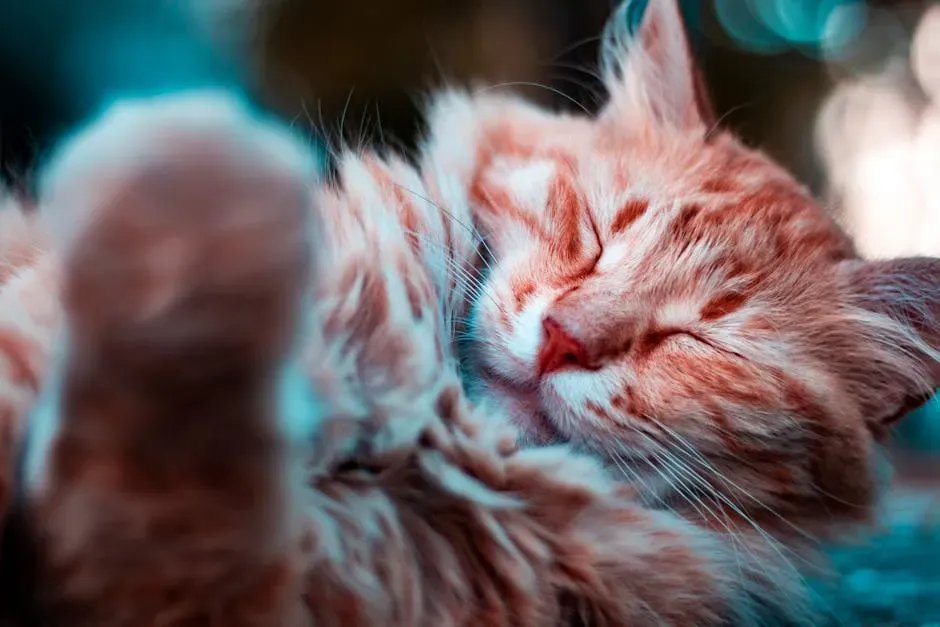
While we can’t know for sure, it’s safe to assume that when cats dream, they do so in color. However, cats don’t see color the same way humans do. Since they are colorblind to most shades, cats only see variations of blue, gray, green, and yellow. Given this information, it’s likely cats only dream in variations of those four colors. Imagine your world filtered through a cool, muted palette. That’s probably your cat’s dreamscape.
An even more intriguing idea is that animals might dream using more senses than humans do. Because smell is very important for both cats and dogs, their dreams might focus more on odors than ours do. This suggests that dogs and cats may dream in smells. So your cat might be literally sniffing their way through a dream, which, when you think about how scent-driven cats are, actually makes complete sense.
Some researchers, including Dr. Deirdre Barrett of Harvard, believe animals may dream in richer sensory formats than humans, possibly smelling or hearing things in dreams more vividly than we can imagine. The idea that your cat’s dream world might be more sensory-rich than yours is a little humbling, to say the least.
When Sleep Twitches Become a Warning Sign
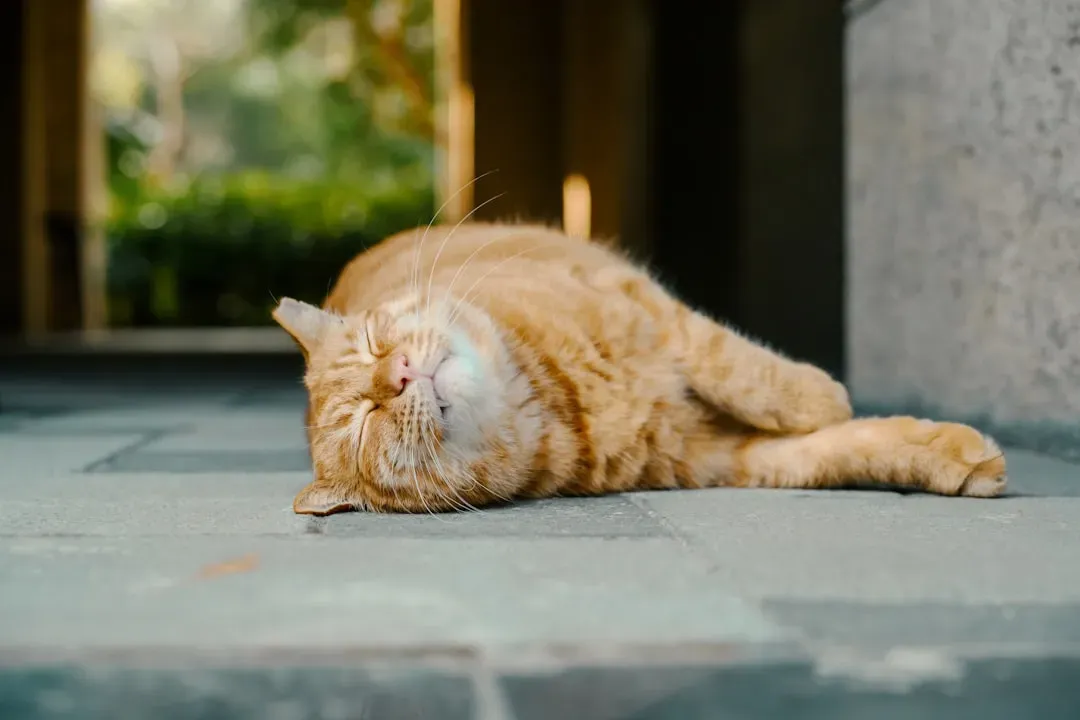
Twitching is a normal part of sleeping for cats, and it means they are comfortable enough to get into a deep sleep. It’s harmless for cats to jerk, meow, or move in their sleep. However, if there are tremors or seizures present, you should consult your vet immediately. The key is learning to tell the difference, and it’s usually not that hard once you know what to look for.
Normal sleep twitches in cats are characterized by small movements, flicks, relaxed breathing, and an ability to wake up quickly. Some or all of the following symptoms may be present: small, sporadic movements like paw flexing or ear flicking; relaxed breathing or soft noises like chirps or purring; and a cat that remains easily rousable if gently woken.
Seizures during a cat’s sleep, by contrast, are characterized by more intense jerking, a regularity to the movements, stiffened limbs, drooling, vocalizations, and even a difficulty waking up. Seizures may cause one or more of these symptoms, but not necessarily all of them. If anything like that sounds familiar, a vet visit should be your very next step, no hesitation.
How to Support Your Cat’s Sleep for Better Dreaming
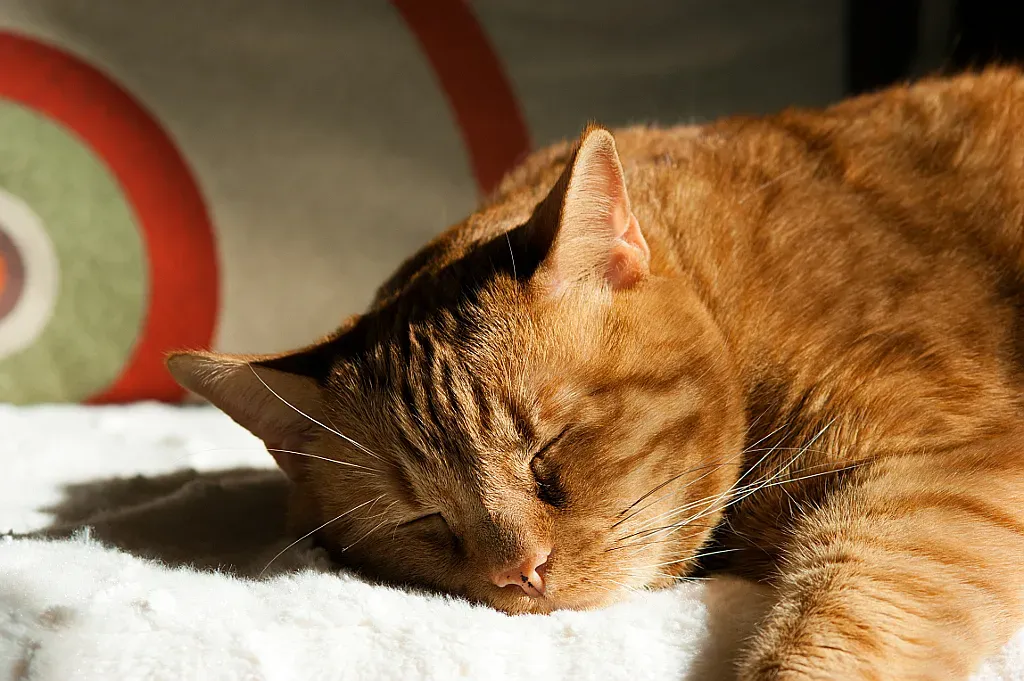
To ensure your cat gets quality sleep, provide a safe sleeping area. Every cat should have a quiet, warm spot to call their own, such as a cat bed or blanket. Keep a consistent routine. Regular feeding and play times can help regulate your cat’s sleep cycles and allow them to know what to expect every day, which can make them less anxious. Routine, it turns out, matters just as much to cats as it does to humans.
It is important that when your cat is sleeping, you don’t wake them. You should leave them to rest as much as possible. It is usually a good idea to provide them with cozy, secluded spaces that they feel safe enough to enter the deep sleep phase. A safe, undisturbed sleep environment isn’t just comfortable. It’s genuinely essential for your cat’s mental and physical health.
The fact that your cat is comfortable enough to sleep while you’re around means they trust you and feel safe. So if your cat regularly curls up and drifts into a twitchy, dream-filled nap in your presence, that’s actually one of the greatest compliments a cat can give you.
Conclusion
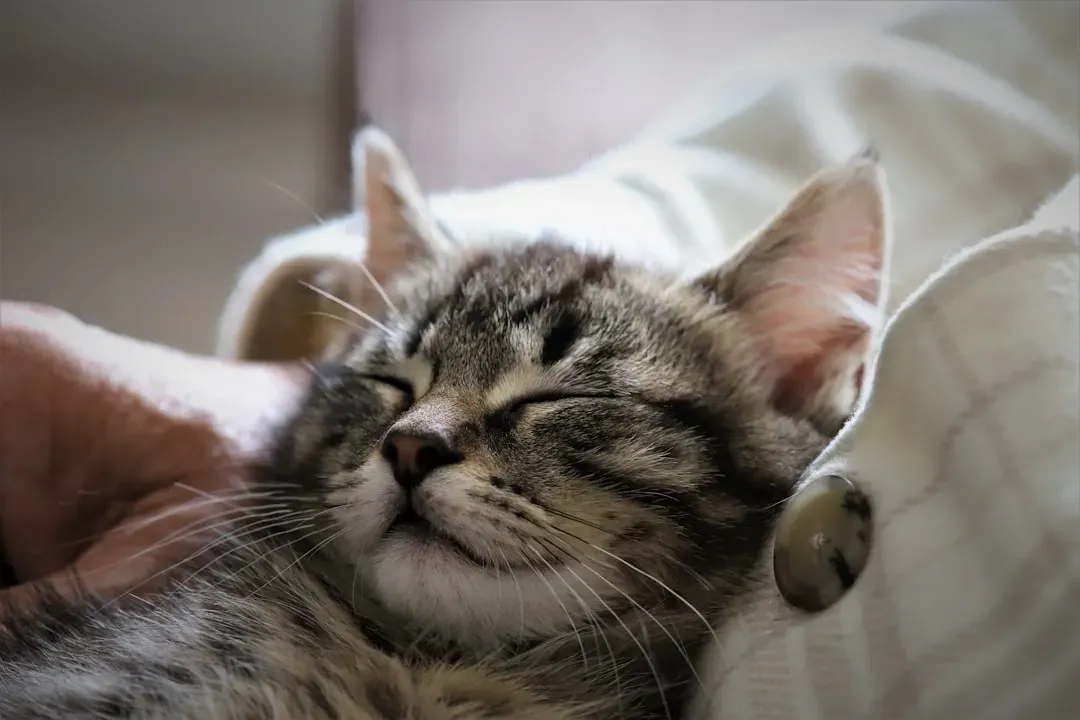
The evidence is clear, compelling, and, honestly, quite wonderful. Your cat is not simply “turning off” when they sleep. They are cycling through rich sleep stages, processing their day, replaying instincts, and very likely experiencing something that functions much like dreaming. Every paw twitch, whisker flutter, and soft sleepy chirp is a tiny window into a deeply active inner life.
The more you understand about your cat’s sleep, the more you realize how similar, and yet how beautifully different, feline consciousness is from our own. They dream in muted colors, perhaps vivid smells, and scenes of hunting, exploring, and yes, possibly even cuddling with you.
Next time your cat twitches in their sleep, don’t disturb them. Just watch, appreciate, and smile. You’re witnessing something genuinely extraordinary. What does your cat do in their sleep that makes you wonder what they’re dreaming about? Drop it in the comments. We’d love to know.