You’ve probably watched your cat twitch, flick a paw, or let out a tiny chirp while fast asleep and thought, “What on earth is going on in that little head?” It’s one of those small, quiet mysteries that lives right inside your home. Cats are famously enigmatic, and even their sleeping habits seem designed to keep us guessing.
The truth is, science has been quietly unlocking the secrets of feline sleep for decades, and the answers are far more fascinating than most people expect. You might share more with your cat at night than you realize. Let’s dive in.
The Science Behind Sleep: Why Dreaming Happens at All
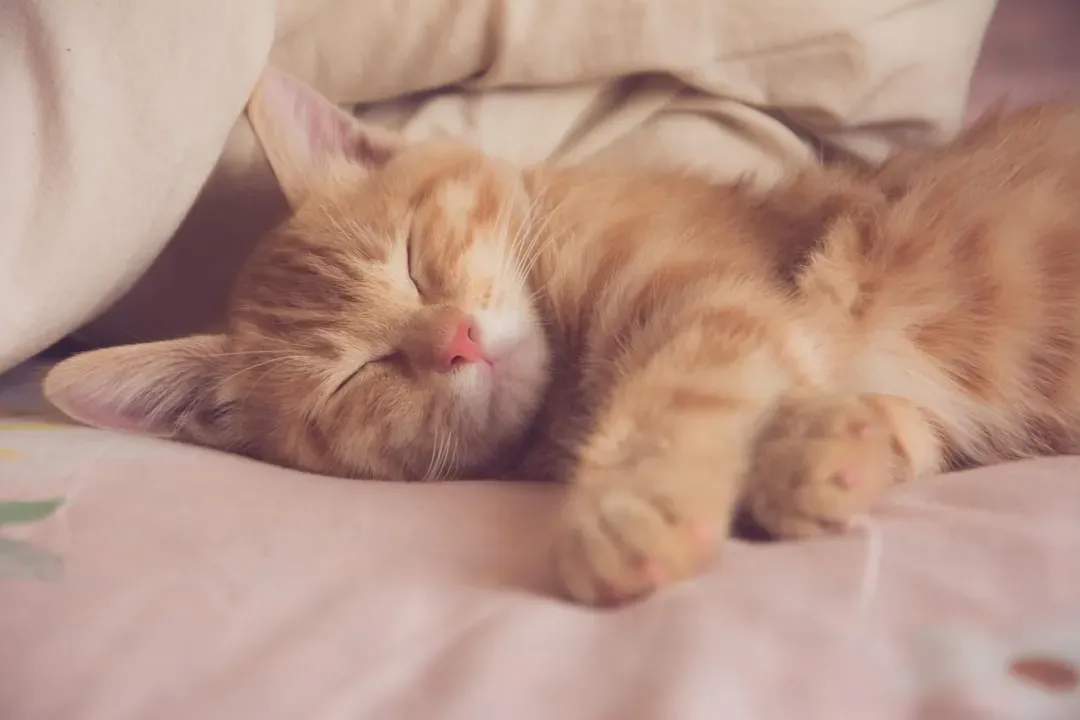
Before diving into what cats experience, it helps to understand why any creature dreams in the first place. Dreams are powerful experiences that happen while the body is resting, as the mind seems to go into overdrive creating stories and visual images that evoke deep emotion. Think of it like a nightly mental filing system, sorting through what matters and quietly discarding the rest.
Many sleep researchers believe that dreaming is how we organize and store information, process our emotions, and even clear our minds of incomplete, flawed, or unnecessary information. It’s not just a random slideshow of weird images. Dreaming occurs primarily during a stage of sleep known as rapid eye movement (REM) sleep, when the brain shows activity similar to wakefulness, and the brain is likely reviewing the day’s activities, consolidating memories, and processing various experiences.
How Cats Sleep: More Than Just Lazy Napping
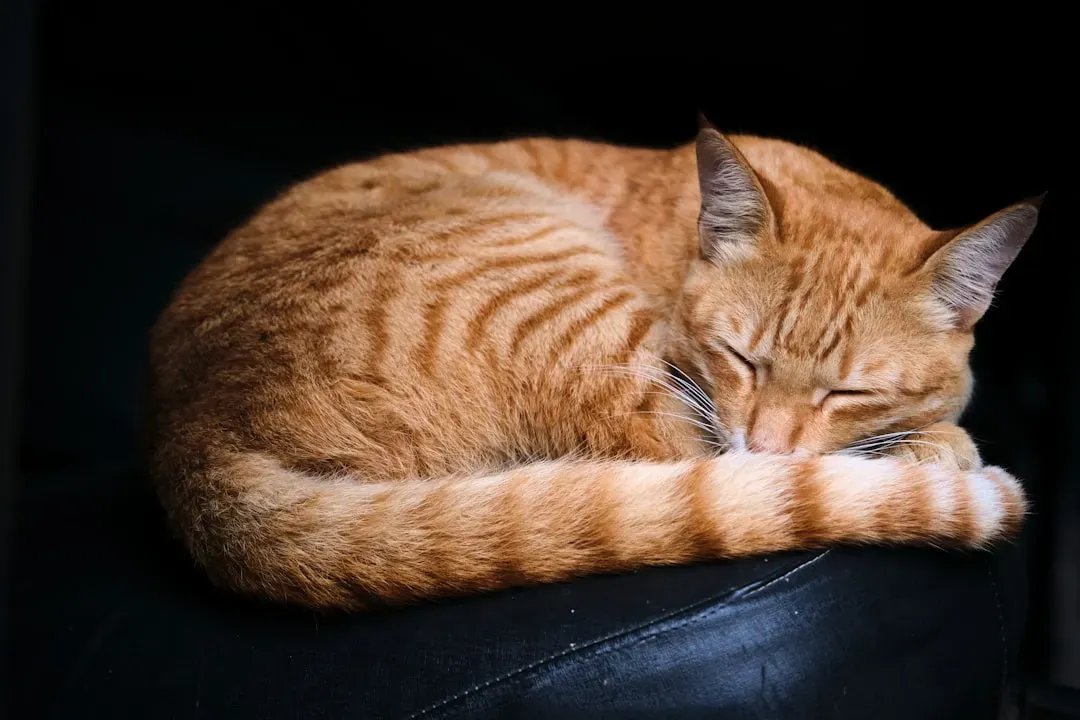
Cats sleep about 12 to 18 hours a day, more than most mammals, and during this time, they cycle through different sleep stages. Honestly, if sleeping were an Olympic sport, cats would take gold every time. What looks like lazy lounging is actually a highly structured biological process.
During the light sleep phase, cats are relaxed but easily disturbed and will be ready to pounce at the slightest noise, while the REM phase is when the cat is reliving and dreaming of the adventures of their day, with brain activity similar to when they are awake. The non-REM sleep phase is also important for cats, as kittens build their muscles and bones, and older cats use the time to repair and regenerate, with their immune systems strengthening and revitalising during this phase too.
Michel Jouvet’s Groundbreaking Discovery in the 1960s
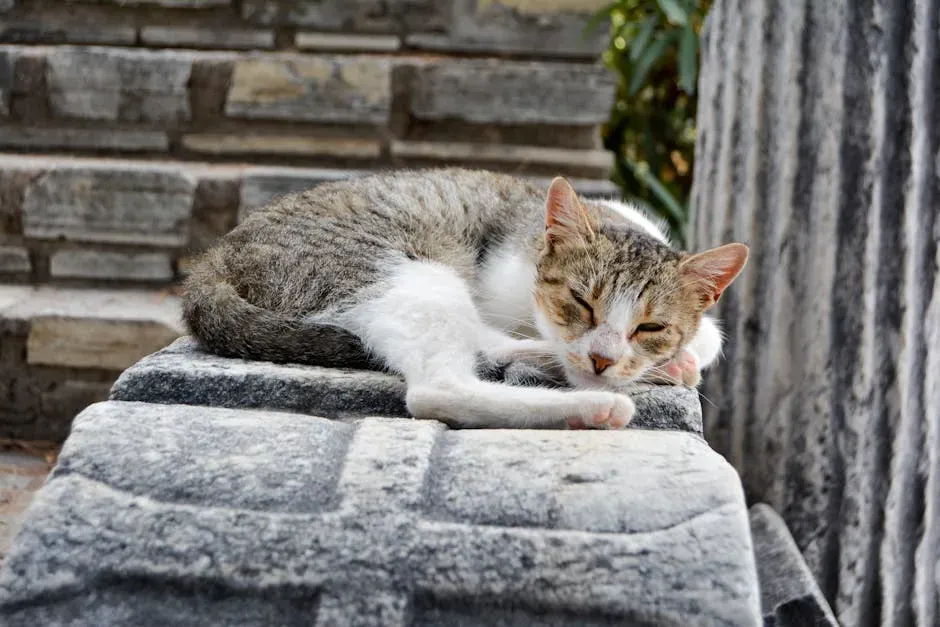
Here’s where it gets really exciting. A 1960s study by neuroscientist Michel Jouvet found that the pons area of the brain, located in the brainstem between the midbrain and the medulla, prevents movement during dreams. This was a landmark moment for animal sleep science, and it happened to place cats right at the center of the conversation.
Cats with damage to this area displayed movements during REM sleep that appeared consistent with hunting, such as pouncing on imaginary prey or reacting to nonexistent predators, providing some scientific support for the content of cat dreams. The cats began to hunt prey in their sleep, crouching, jumping, and catching imaginary mice, which for many researchers was proof that cats dream and do so vividly.
Do Cats Really Experience REM Sleep Like Humans?
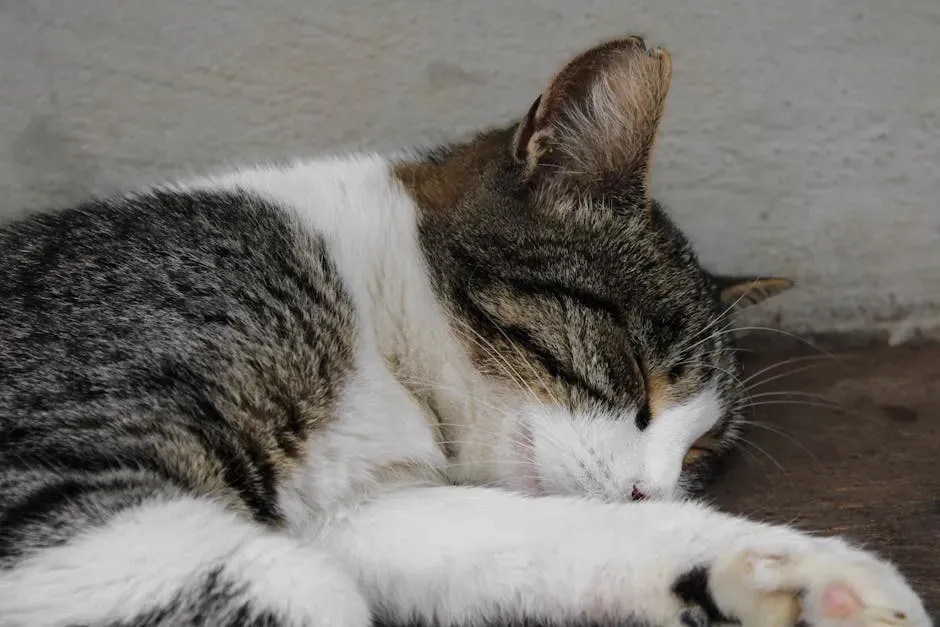
Jouvet proved that cats have a similar low voltage of electrical activity in the brain, tend to twitch their eyes, and have a relaxed muscle state, which are all the characteristics associated with REM sleep in humans. The neurological parallels are striking. Cat brainwaves in REM sleep look strikingly similar to those of dreaming humans.
Research tells us that cats have shorter REM cycles than humans, but they happen more often, and while a sleeping human usually enters REM sleep every 90 minutes, cats hit that deep sleep about every 25 minutes, meaning that cats dream even when they’re taking a quick catnap. So while you’re squeezing in one dream cycle overnight, your cat might be running through several. Let that sink in.
What Do Cats Actually Dream About?
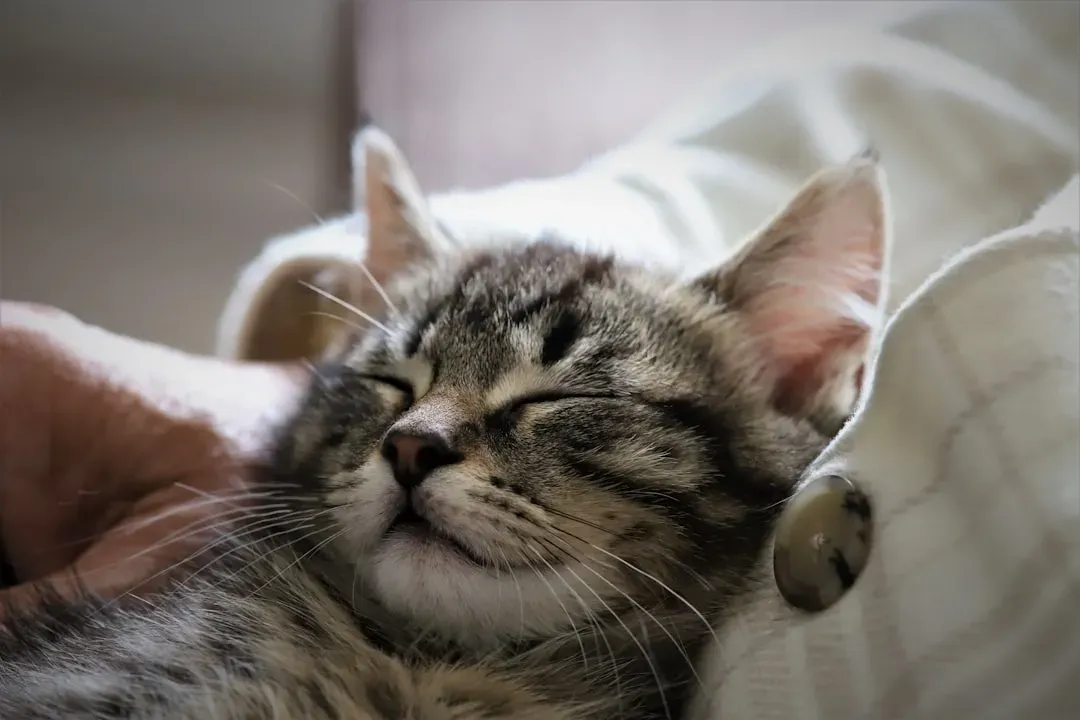
The theory of dreaming holds that animals, including cats and humans, relive natural behaviors during sleep, and in the case of cats, that might be hunting, playing, eating, fighting, or grooming. It’s likely they dream about chasing toys, exploring the house, or watching birds from the window, anything that makes an impression on them during the day. Cats are basically replaying their personal highlight reel every single night.
The so-called continuity hypothesis comes into play here: dreams reflect the day’s experiences and interests, so what intensely occupied a cat during the day, such as watching a bird on the balcony, is likely to appear in its dream world. Cats are also territorial animals that spend considerable waking time patrolling and scent-marking, so dreams may replay familiar routes through the house or garden.
Can Cats Dream About You?
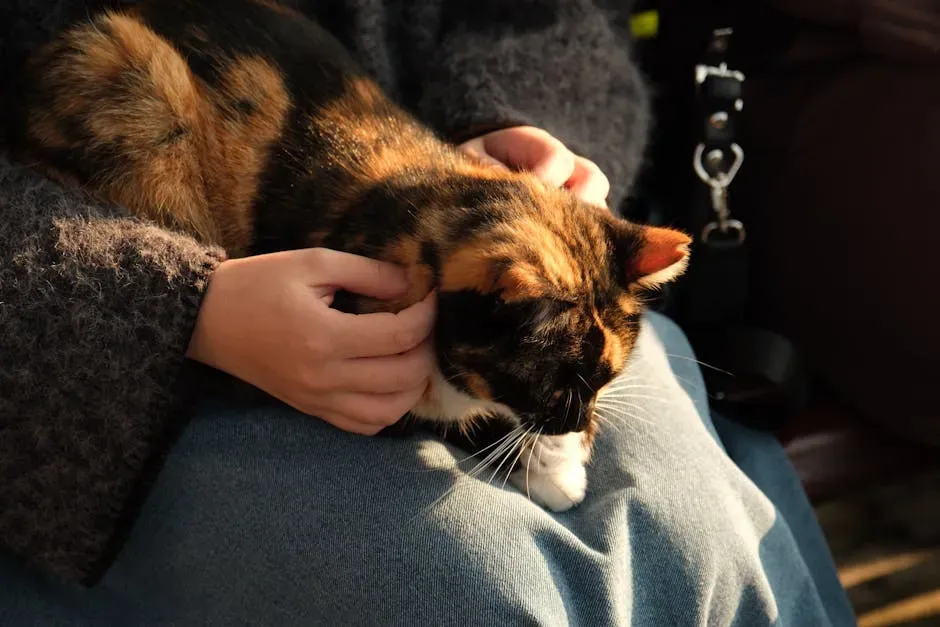
This is the question every cat owner secretly wants answered. There’s even a good chance that your face makes regular appearances in your cat’s dream, since humans dream about people they care about, and cats likely do the same. I think this is one of those facts that quietly makes you feel a little warmer about that indifferent creature sitting across the room.
Cats form strong emotional bonds, and many experts believe they dream about interactions with their human companions, other cats, or even dogs in the home, with these moments possibly replaying in their sleep as a way to reinforce social memory. You would kind of expect that cats with a fairly strong attachment to their owners would dream about those owners some, though perhaps not as much as dogs. Still, the thought of starring in your cat’s dreams is oddly charming.
The Physical Signs That Your Cat Is Dreaming
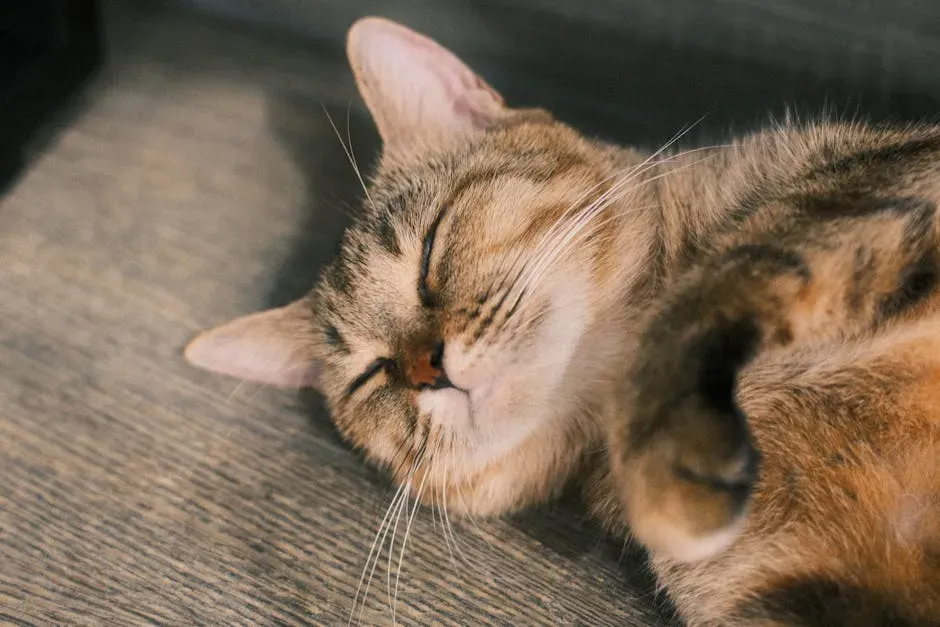
Common signs that your cat is dreaming include twitching paws, flickering eyelids, whisker movements, soft vocalisations like chirps or quiet meows, and rapid eye movements visible beneath closed lids. You’ve almost certainly witnessed these, maybe without knowing what they meant. These signs typically appear 15 to 20 minutes after your cat falls asleep, once it has cycled through initial light sleep and entered its first REM period, while any twitching in the first few minutes is more likely a normal part of settling into sleep.
A cat twitching in their sleep is a pretty sure sign that they’re dreaming, as cats are likely acting out part of their dreams, whether they’re chasing a housemate, stalking a bird, or playing with their pet parent, and as the brain replays these vivid activities, cats may move and twitch as they relive the events, resulting in twitches, running motions, and even sounds like purrs and meows. Honestly, watching a cat dream is one of the most endearing things you’ll ever see.
Do Cats Dream in Smells? The Sensory Dimension
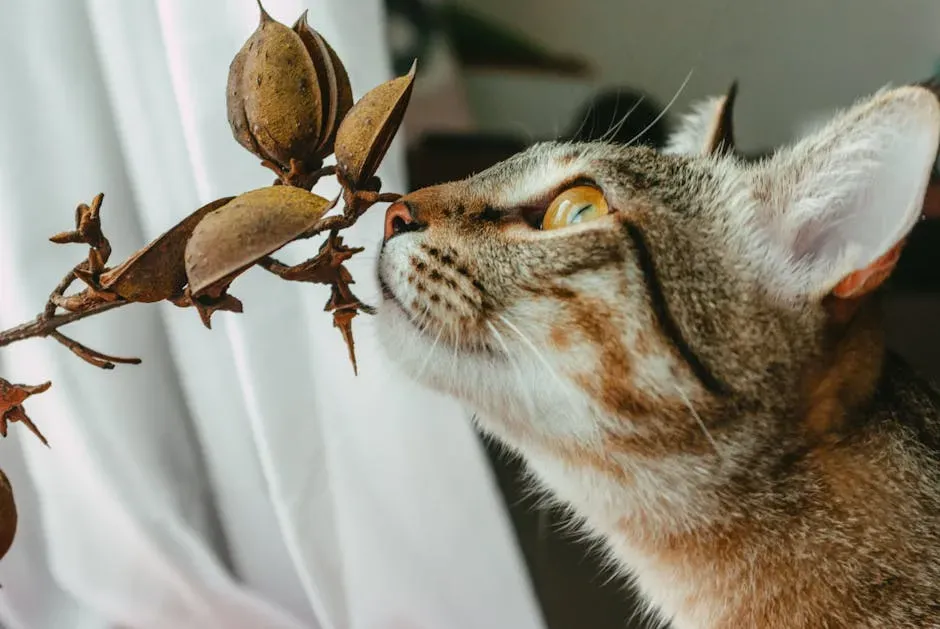
Here’s something that will genuinely surprise you. An even more intriguing idea is that animals might dream using more senses than humans do, and because smell is very important for both cats and dogs, their dreams might focus more on odors than ours do, suggesting that dogs and cats may dream in smells. When you think about it, a cat’s nose is its primary tool for understanding the world.
Some researchers, including Dr. Deirdre Barrett of Harvard, believe animals may dream in richer sensory formats than humans, possibly smelling or hearing things in dreams more vividly than we can imagine. While we rarely dream of smells ourselves, this could indeed be the case for cats, since their sense of smell is highly developed and plays a central role in their lives. Imagine dreaming almost entirely in scent. That’s a fundamentally different inner world than our own.
Can Cats Have Nightmares?
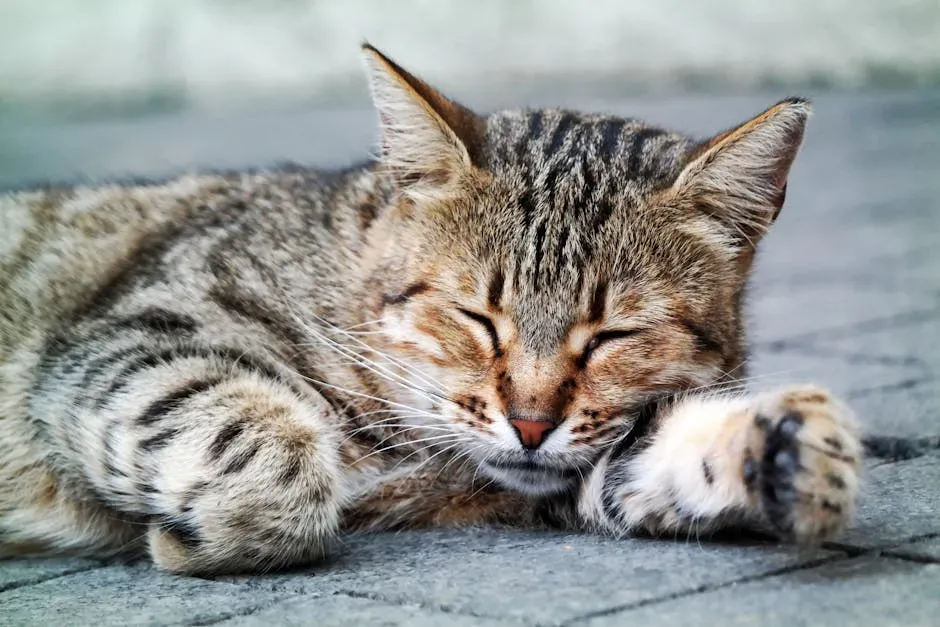
It’s a sobering thought, but yes, the evidence suggests they can. It is possible that cats can have nightmares, and while it seems likely that cats can dream, anecdotal evidence seems to suggest that cats can wake up and appear frightened, indicating a bad dream. There are incidents where cats have been through traumatic events and would make stressed sounds whilst sleeping and would suddenly wake up and display noticeable signs of distress.
While there is no definitive proof, many veterinarians believe cats can experience unpleasant dreams, and cats that wake suddenly with dilated pupils, hissing, or signs of distress may have experienced something similar to a nightmare, especially if they have a history of trauma or chronic stress. Waking a cat in the middle of a nightmare could be dangerous, as they might react with aggression before realizing they’re awake. It’s best to simply let the dream pass on its own.
Kittens vs. Senior Cats: How Age Changes the Dream World
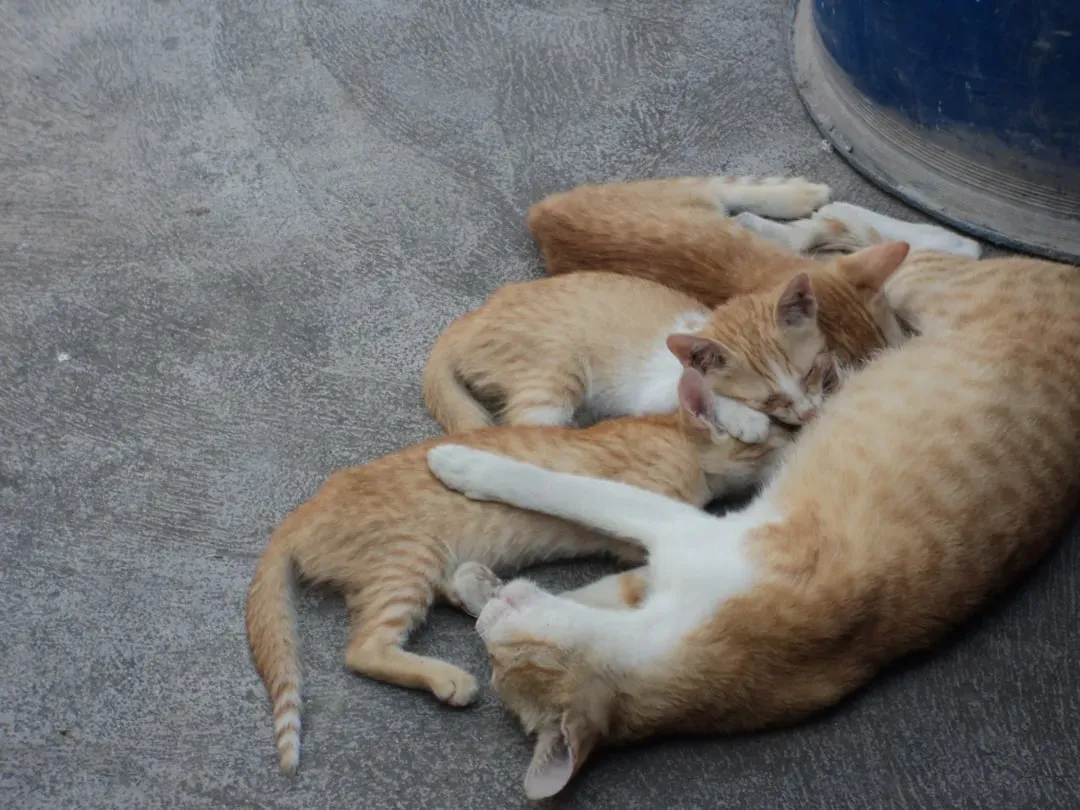
The amount of REM sleep a cat experiences will decrease as they get older, and it is assumed that kittens are much more likely to dream than adult cats, possibly because kittens have a lot more to learn about the world around them and therefore have a significant amount of information to process. It’s essentially the same reason human babies sleep so much. Growing a brain is hard work.
One especially interesting parallel is that both cats and humans experience more fragmented sleep and less REM as they age, and senior cats, like older adults, may sleep more total hours but spend less of that time in restorative deep sleep and REM. Dreams help cats process information, consolidate memories, and maintain important survival skills, and they’re particularly crucial for kittens, who use dreams to process new experiences and develop natural instincts. So if you have a kitten that sleeps like the world is ending, there’s a very good reason for it.
What Your Cat’s Dreams Tell You About Their Wellbeing
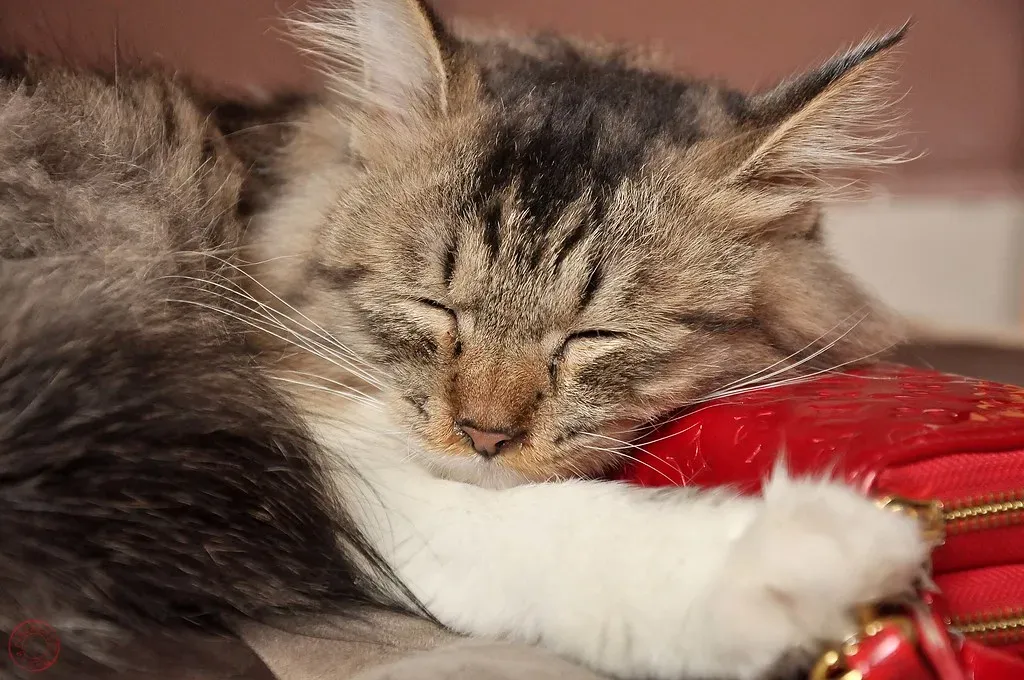
Sleep is just as vital for our feline friends as it is for us, and it’s when your cat can rest, recharge, and allow their body to heal, protecting their immune system and overall health. A cat that sleeps well and dreams regularly is, in many ways, a cat that is thriving. The quality of those rest cycles reveals a surprising amount about how your cat is doing emotionally and physically.
If you frequently catch your cat in REM sleep or even just dozing while sitting upright, the fact that your cat is comfortable enough to sleep while you’re around means they trust you and feel safe. While you can’t directly control your cat’s dreams, providing enriching daily experiences through play and positive interactions may influence their dream content, as cats tend to dream about their daily activities. The richer the day you give them, the richer the night they’re likely to have.
Conclusion
The idea that your cat curled up on the end of your bed is actively dreaming, reliving hunts, replaying your face, and possibly even catching imaginary mice in slow motion, is not a fantasy. It is, as far as science can tell us, remarkably close to the truth. While we cannot know exactly what a cat perceives during dreams, the neurological patterns are remarkably similar to those observed in human dreamers.
What makes this all so quietly wonderful is that it means the bond you share with your cat doesn’t end when they close their eyes. In their own mysterious, feline way, your cat is still living their life with you, even while they sleep. The next time you watch those little paws twitch, smile. You might just be making a cameo appearance. What do you think your cat dreams about most? Tell us in the comments.