Picture this: your beloved feline companion is curled up in that perfect circle position, whiskers twitching slightly, paws paddling against the air as if chasing something invisible. You can’t help but wonder what’s happening inside that furry head of theirs. Is your cat dreaming? More importantly, are you starring in their nocturnal adventures?
The world of feline dreams has captivated researchers and cat lovers alike for decades. Recent scientific discoveries reveal that your cat’s sleep isn’t just a period of rest, but a complex journey through their subconscious mind. These nighttime adventures might hold clues about how deeply they bond with you and process their daily experiences. So let’s get started on this fascinating exploration into your cat’s dreamy world.
The Science Behind Feline Dreaming
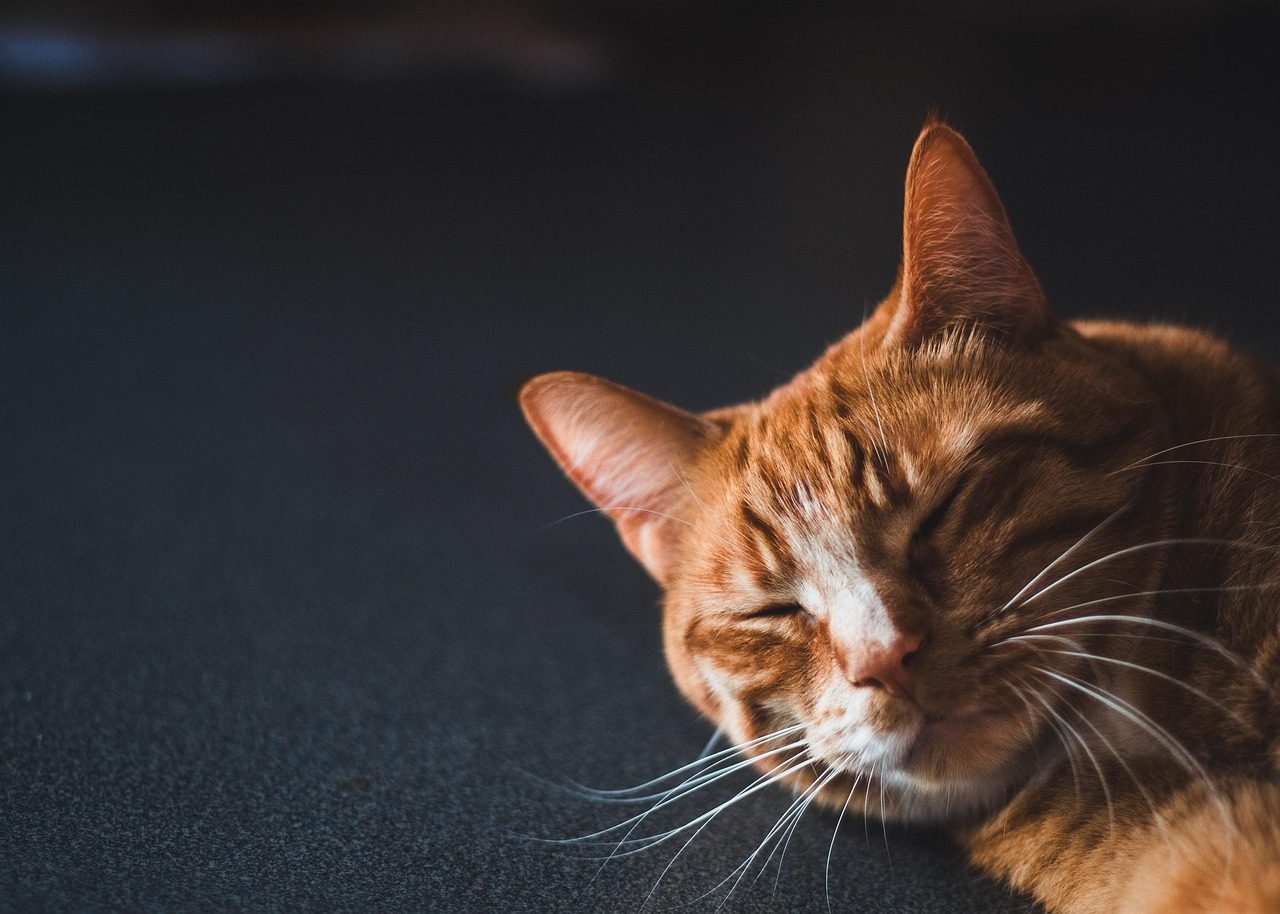
Your cat’s brain activity during sleep tells an incredible story. Research shows that cats, like most mammals, do dream and experience REM sleep phases similar to humans. During these periods, a cat’s brain activity increases dramatically, resembling patterns seen during wakefulness, with their eyes moving rapidly beneath closed lids.
The groundbreaking work of French researcher Michel Jouvet in the 1960s provided the first concrete evidence of cat dreams. When Jouvet disabled the brainstem mechanism that prevents physical movement during REM sleep, cats displayed behaviors that mimicked hunting, playing, and exploring, suggesting these activities were being “acted out” from dream scenarios. This discovery opened up a whole new understanding of what goes on in your cat’s sleeping mind.
Your Cat’s Sleep Cycle Secrets
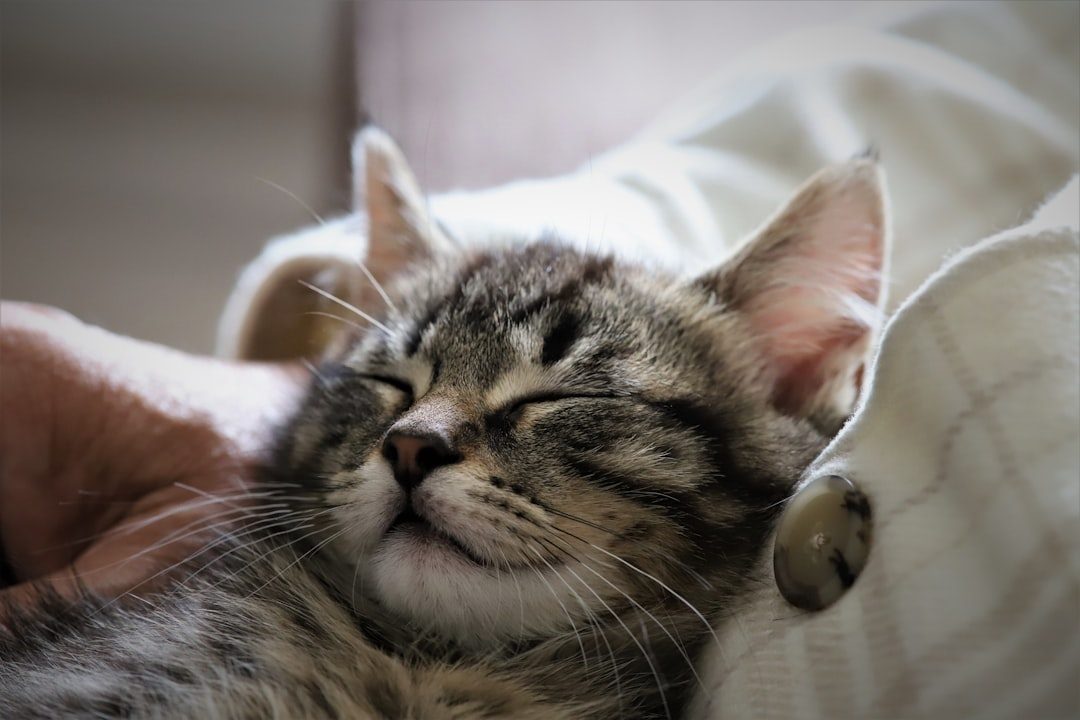
Understanding when your cat dreams requires a peek into their unique sleep architecture. Cats experience two sleep cycles: REM sleep and deep sleep, with the REM phase being when cats are most likely to dream. Most dreams typically occur in the REM stage, which happens approximately 15 minutes after cats fall asleep and typically lasts 6-7 minutes.
What makes this particularly interesting is that kittens and senior cats spend more time in REM sleep than adult cats, with kittens spending up to 40-50% of their sleep time in REM state. This suggests that dreams play a crucial role in brain development and memory processing throughout different life stages. Your cat’s dreaming patterns might actually reveal important information about their age and cognitive health.
Do Cats Actually Dream About Their Owners?
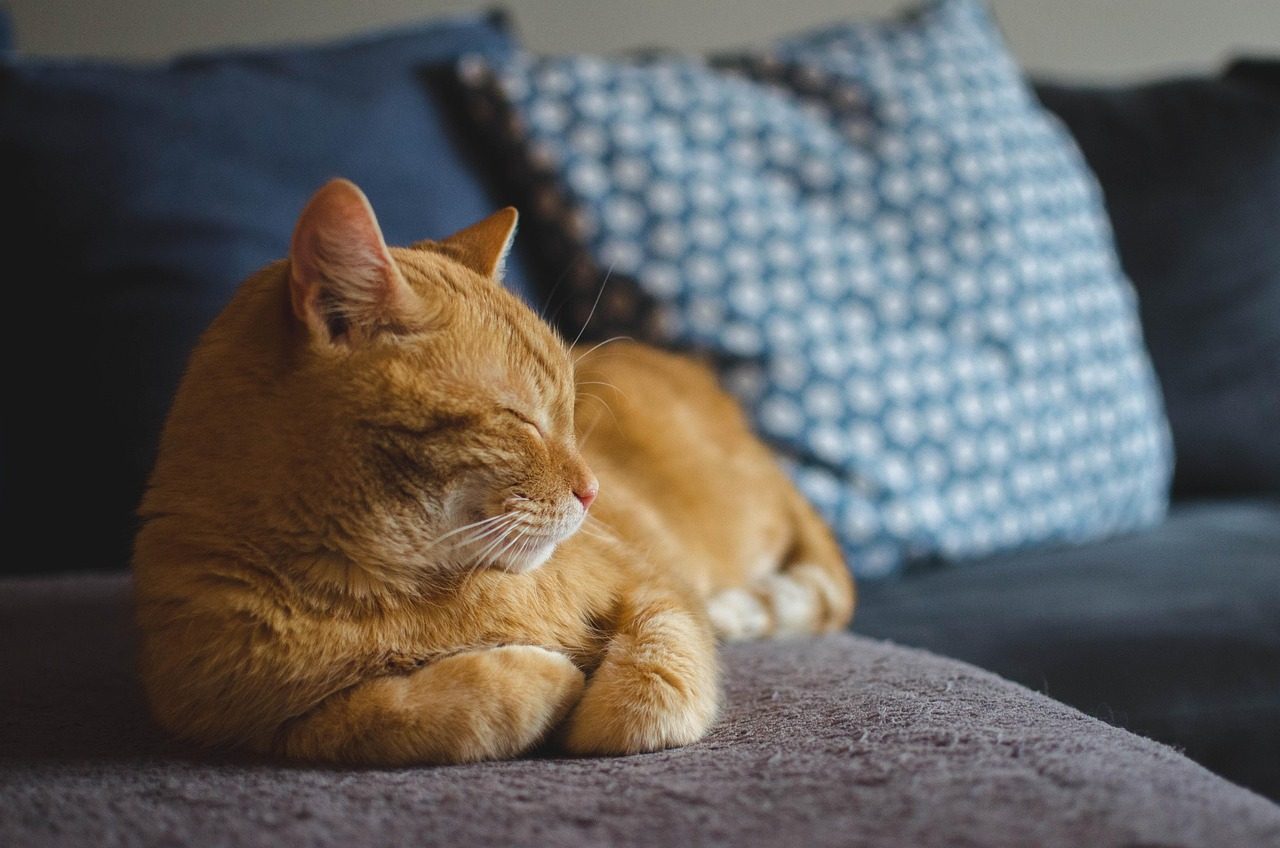
Here’s the heartwarming answer you’ve been waiting for: cats probably do dream about their pet parents, their kitty friends, and even their enemies. Research suggests that cats, like dogs, are dreaming about their humans, though probably not as much as dogs due to their more independent nature.
The owner plays an important role in the cat’s life, with most cats being highly attached to their human parents and spending much time with them, which makes them appear often in their dreams. Cats might replay moments of affection or play in their dreams, processing the day’s interactions and solidifying memories, so when you see your cat’s paws twitching or hear a soft purr as they sleep, they could very well be dreaming of cuddling with you.
The Role of Scent in Cat Dreams
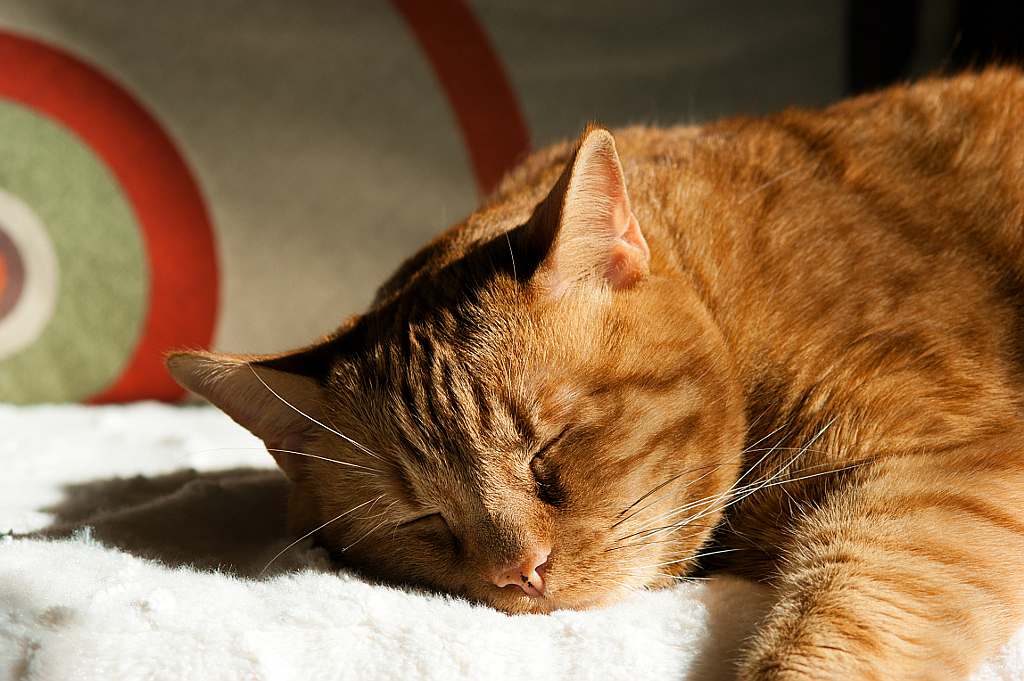
Your scent plays a powerful role in your cat’s dream world. Animals might dream using more senses than humans do, and because smell is very important for both cats and dogs, their dreams might focus more on odors than ours do, suggesting that cats may dream in smells. Cats have an incredibly sensitive sense of smell, and your scent is likely a powerful trigger for memories and associations, with your scent lingering even when you’re gone, reminding them of you.
This sensory connection runs deeper than you might imagine. Cats have more than 200 million odor receptors in their nose while humans have only 5 million, and their well-developed olfactory system allows them to detect very faint odors at much closer ranges. In their dreams, your familiar scent could trigger vivid memories of cuddle sessions, feeding times, and play moments you’ve shared together.
What Cats Dream About Most
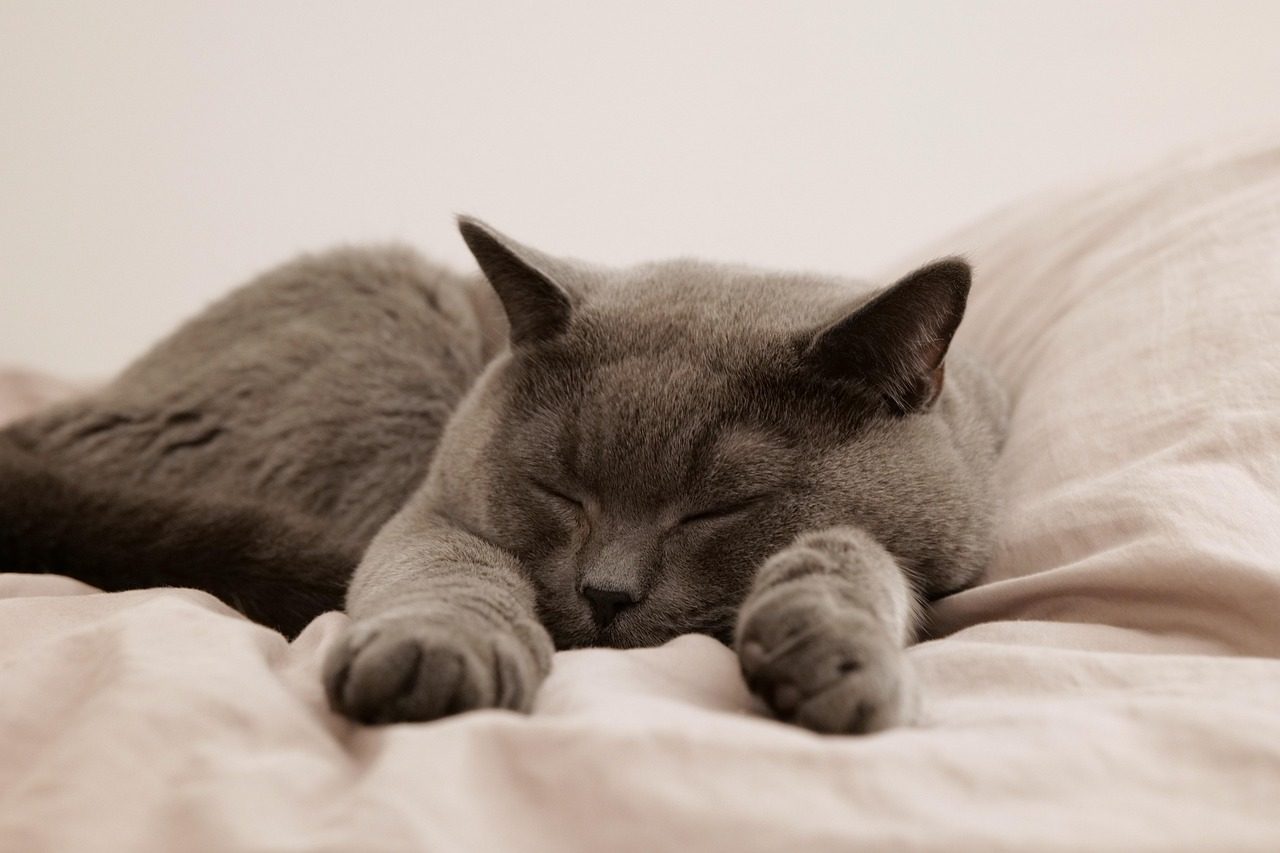
Cats use dreams to process the events they’ve experienced, so it’s reasonable to expect that cats relive their daily experiences at night, with whatever a kitty was interested in during the day likely playing a role in their dreams that night. Scientific studies show that cats display behavior during REM sleep that suggests they dream about stalking and pouncing on prey, which researchers consider a very safe assumption.
However, domestic cats have a much richer dream repertoire than their wild counterparts. Cats also likely dream about activities such as hunting, eating, and playing fun games, and providing your cat with enrichment like wand toys, treat-dispensing toys, and cat trees can help them have fun things to dream about. Your daily interactions with your cat directly influence their dream content, making you an active participant in their subconscious adventures.
How Sleep Strengthens Your Bond
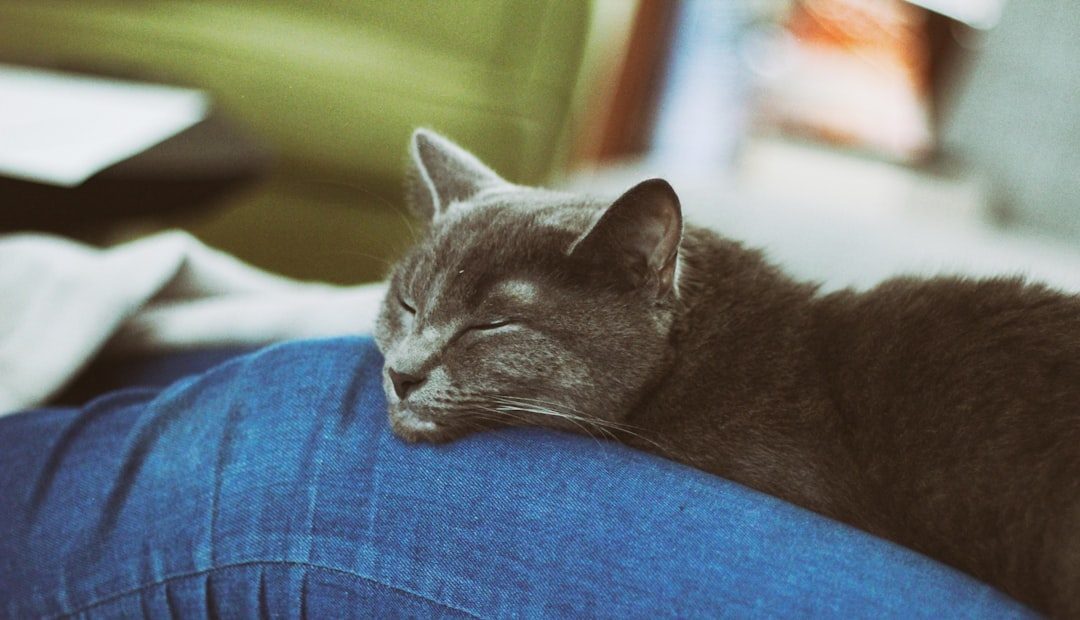
The connection between sleep and bonding goes beyond dreams. Cats form bonds with their carers and the people who make them feel the most secure and protected, and co-sleeping with your cat can deepen the bond that you share. Cats feel most vulnerable when sleeping and will curl up next to the person they love and trust the most, similar to how bonded cats sleep next to each other in the wild.
When your cat chooses to sleep near you, they’re making a profound statement of trust. If you find your cats sleeping and snuggling together with you, it’s a sure sign that they have formed a strong bond, especially noteworthy because sleeping is when cats are at their most vulnerable. This vulnerable state makes their choice to sleep with you even more meaningful.
Signs Your Cat Is Dreaming
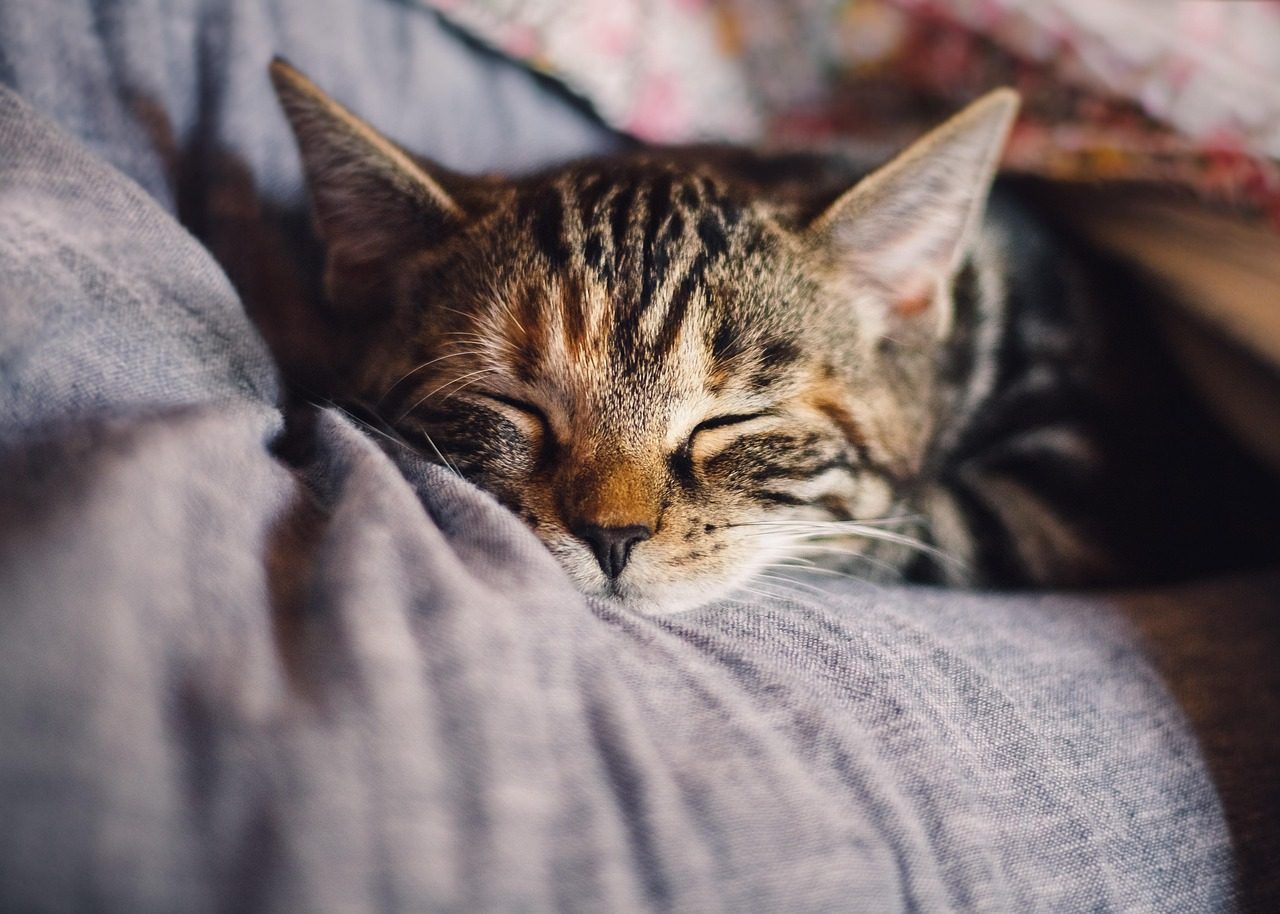
Recognizing when your cat is dreaming can help you better understand their sleep patterns and overall well-being. A cat twitching in their sleep is a pretty sure sign that they’re dreaming, as cats are likely “acting out” part of their dreams, whether they’re chasing a housemate, stalking a bird, or playing, resulting in twitches, running motions, and even sounds like purrs and meows.
Other telltale signs include facial expressions and vocalizations. Cats can display facial expressions during sleep that mimic their waking reactions, with whiskers twitching and subtle changes in ear positions, while some cats emit soft chirps, meows, or even growls while sleeping. These behaviors offer you a window into their active dream life and the rich experiences happening in their sleeping minds.
Creating Sweet Dreams for Your Cat
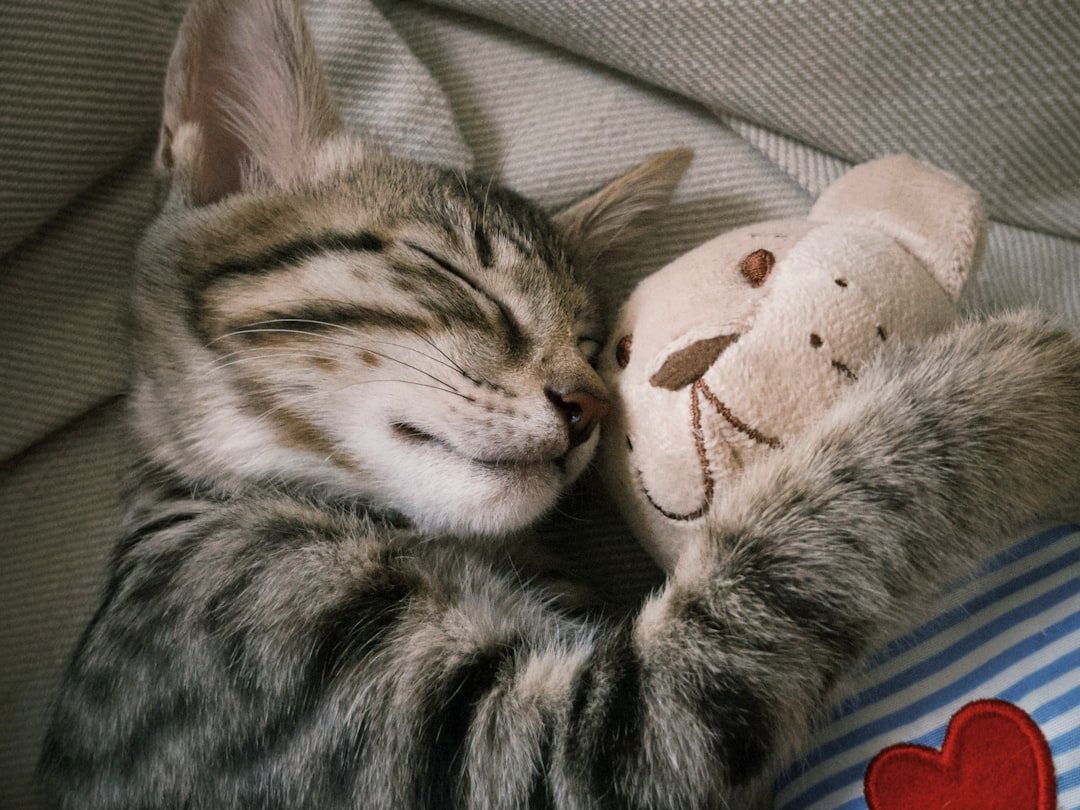
You have more influence over your cat’s dream content than you might realize. Providing your cat with wand toys, treat-dispensing toys, cat trees, and other forms of enrichment can help them have fun things to dream about. Your sleeping cat may be having happy dreams pertaining to their human families, animal friends, food, treats, or toys, though if your cat recently experienced high levels of stress, they may experience nightmares.
Similar to humans, a cat’s mental health is closely aligned with their physical health, and improving your cat’s memory, mental focus, motor skills, and overall brain function can actually improve the likelihood that your feline will have happy dreams rather than nightmares. Creating a calm, enriched environment filled with positive experiences gives your cat pleasant memories to revisit in their dreams.
Conclusion
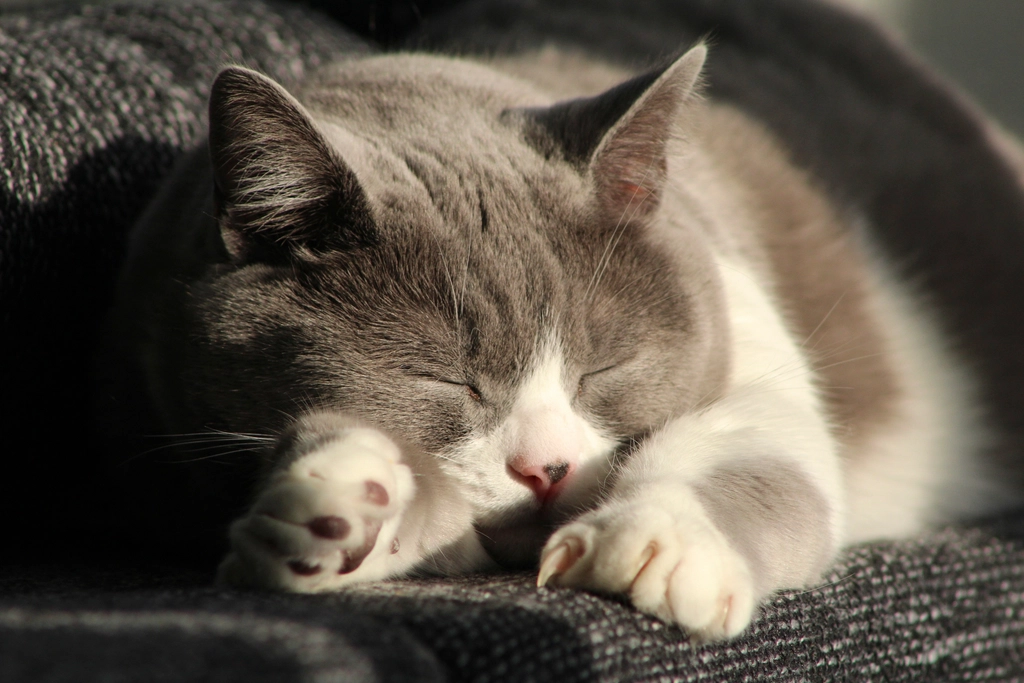
The scientific evidence confirming that cats dream offers a fascinating window into the rich inner lives of our feline companions, showing that cats not only dream but likely experience vivid mental imagery related to their daily activities, instinctual behaviors, and emotional experiences. Your role in your cat’s waking life extends beautifully into their sleeping world, where memories of your shared moments play out in their subconscious theater.
The next time you catch your cat in the middle of what appears to be an active dream, remember that you might very well be the star of their nighttime adventures. While we can’t climb into a cat’s mind, the behavioral cues they display during sleep suggest a fascinating parallel with human dreaming experiences, and your feline friend might be embarking on fantastical adventures inside their minds. What do you think your cat dreams about when they see you in their sleep? Tell us in the comments.