You’ve probably noticed something strange happening in your home. Your typically sweet feline suddenly hisses when you pet your other cat. Or maybe your kitty glares at you from across the room while you cuddle your partner. These behaviors might have you wondering whether your furry companion is experiencing jealousy – or if something else entirely is going on. Let’s be real, understanding your cat’s emotions isn’t always straightforward. Yet figuring out what triggers these reactions is crucial if you want to restore peace to your household and ensure your cat feels secure. So let’s dive in.
What Does Feline Jealousy Actually Look Like?
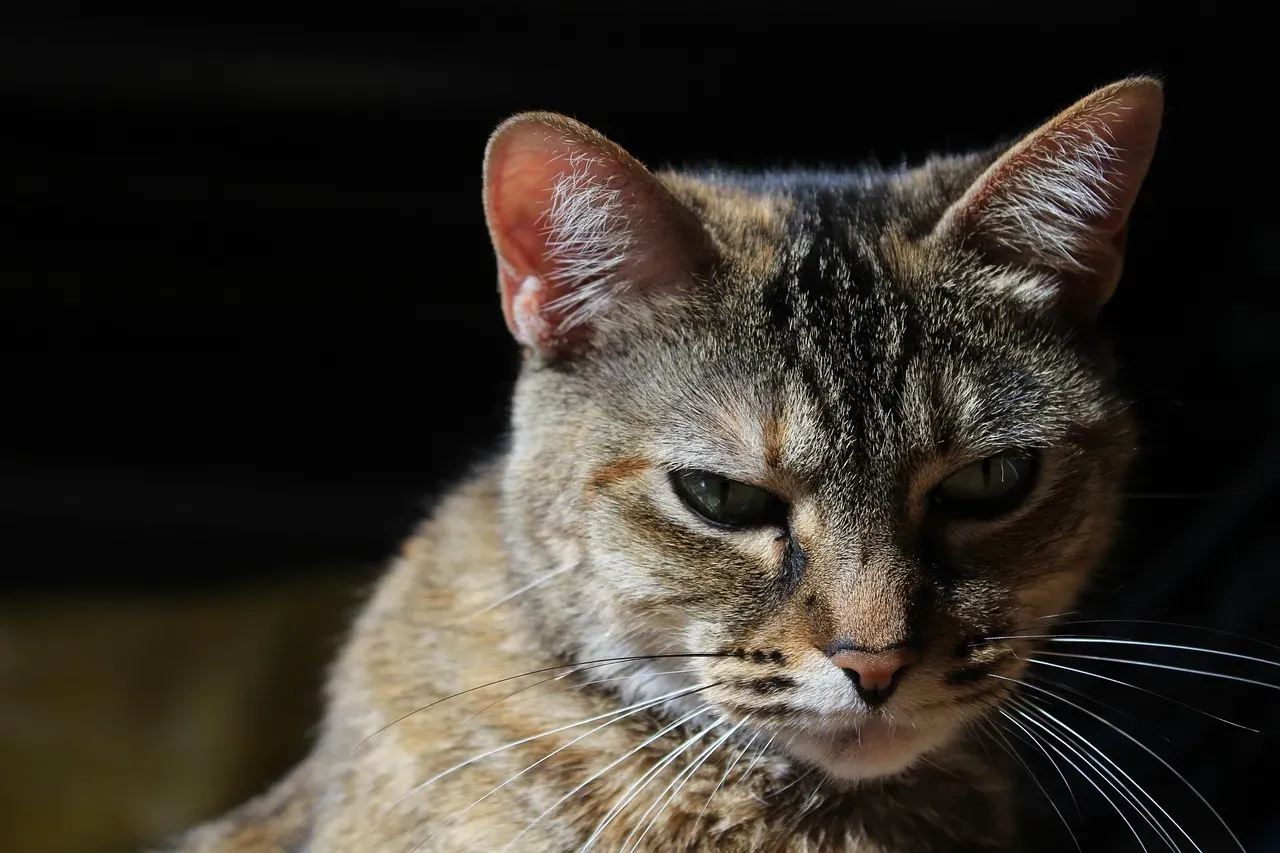
Here’s the thing: cats don’t get jealous of other cats or people in the same way humans do, but they can experience an emotion similar to it. Think of it more as territorial anxiety or resource guarding. Cats can show jealousy because they feel threatened when their bond with their owner is challenged or their territory is disrupted.
What you might interpret as your cat being a green-eyed monster is actually them feeling insecure about losing access to something important – whether that’s your attention, their favorite sleeping spot, or even their food bowl. Rather than jealousy, they usually change their behavior based on higher stress or anxiety levels. It’s not that they’re plotting revenge because you gave the new kitten a treat. Instead, they’re reacting to what feels like a genuine threat to their survival.
The Tell-Tale Signs Your Cat Is Feeling Threatened
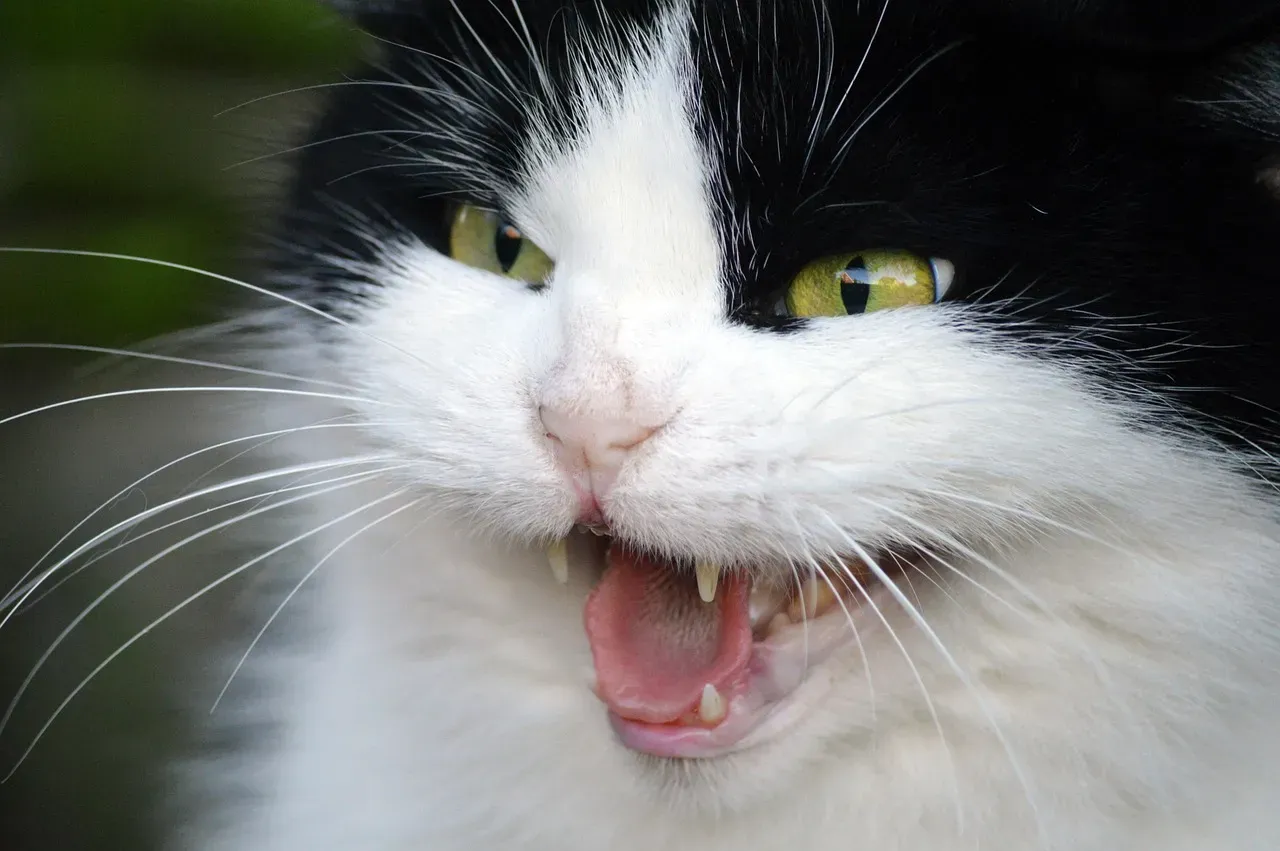
Key signs a jealous cat might show include: hissing, growling, swatting, or scratching at objects, animals, or people they see as rivals. Some cats become incredibly vocal, meowing loudly and incessantly as if to say, “Hey, remember me?” Others go the opposite direction and withdraw completely.
Physically pushing between their owner and the source of jealousy, such as sitting on laps or blocking access, is another classic move. You might also notice destructive behaviors. Destructive actions like chewing furniture, knocking over items, or shredding household objects can signal distress. Perhaps most concerning, some cats resort to marking territory outside the litter box, which is their way of reclaiming spaces they consider important.
Why Your Cat Suddenly Feels Insecure
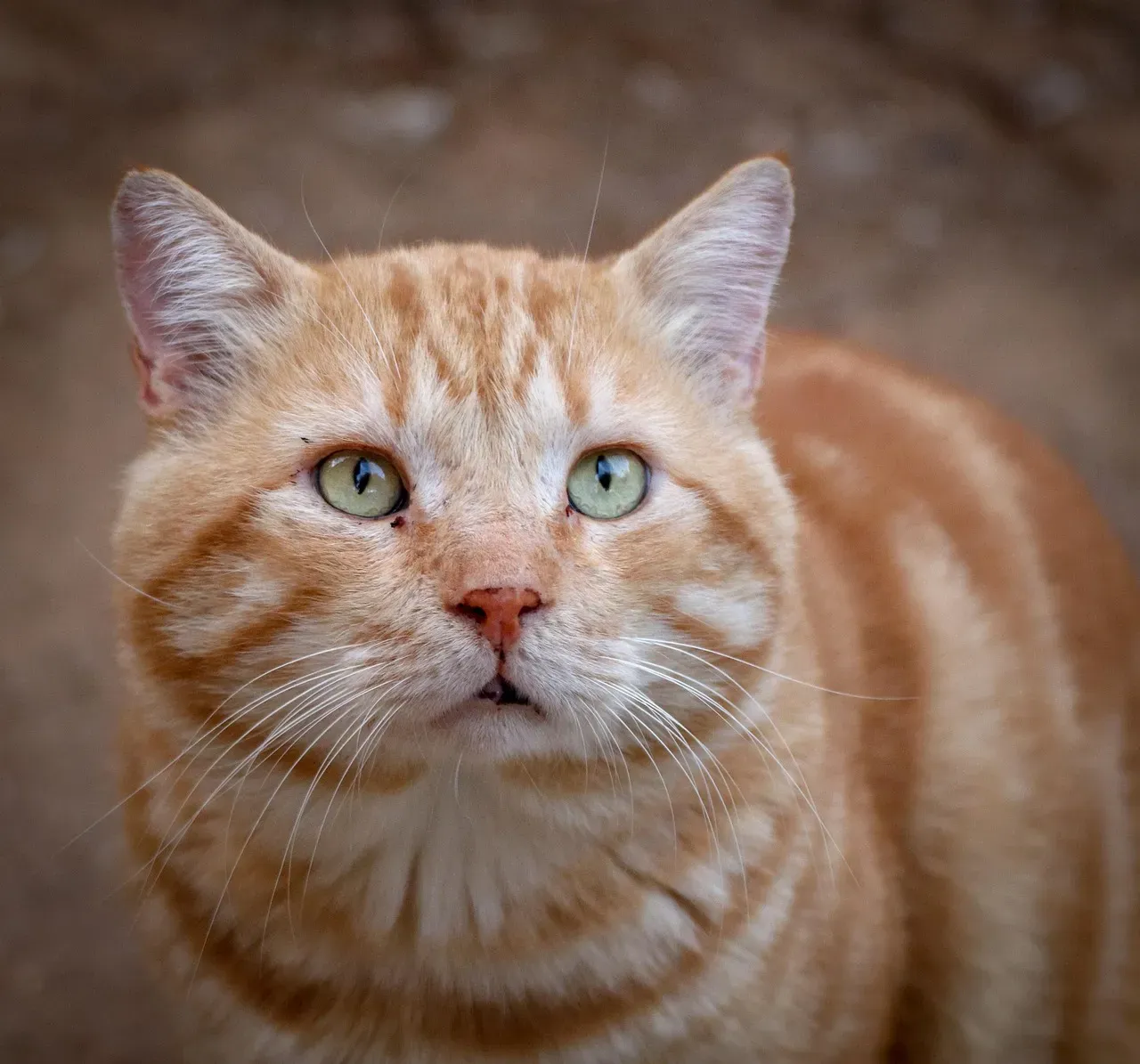
Their territorial nature, wanting to maintain control over their space and owner, drives much of this behavior. Cats are creatures of habit who thrive on predictability. When that predictability gets disrupted, they panic a little.
Changes in routine, household dynamics, or new additions that cause stress or anxiety are common triggers. Maybe you’ve started working from home and your schedule has shifted. Or perhaps you’ve brought home a new baby, partner, or pet. A need for attention, feeling insecure when it is redirected to others like new pets or people, makes cats act out in ways that seem jealous but are really just desperate attempts to feel safe again.
It’s worth noting that psychological triggers hit cats harder than physical ones. Psychological triggers (a change in routine or a new person in the house) are more potent than physical triggers, such as an illness.
New Pets Can Shake Your Cat’s World
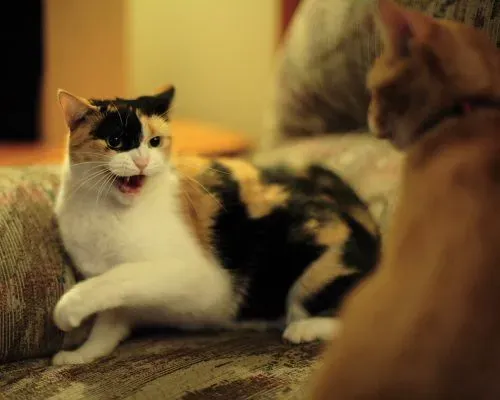
Jealousy over the presence of another cat is very common. When you bring home a new kitten or dog, your resident cat might feel like their entire kingdom has been invaded. Honestly, can you blame them?
You may see inter-cat aggression when two cats are stressed about having to live in close proximity to one another. This stress manifests differently depending on personality. Some cats become the bullies, while others retreat and hide. Many cats show aggression and other signs of insecurity toward new animals, and that includes dogs and puppies.
The key here is to understand that your cat isn’t being mean for the sake of it. They’re genuinely worried about competition for resources – including you.
When Human Relationships Trigger Catty Behavior
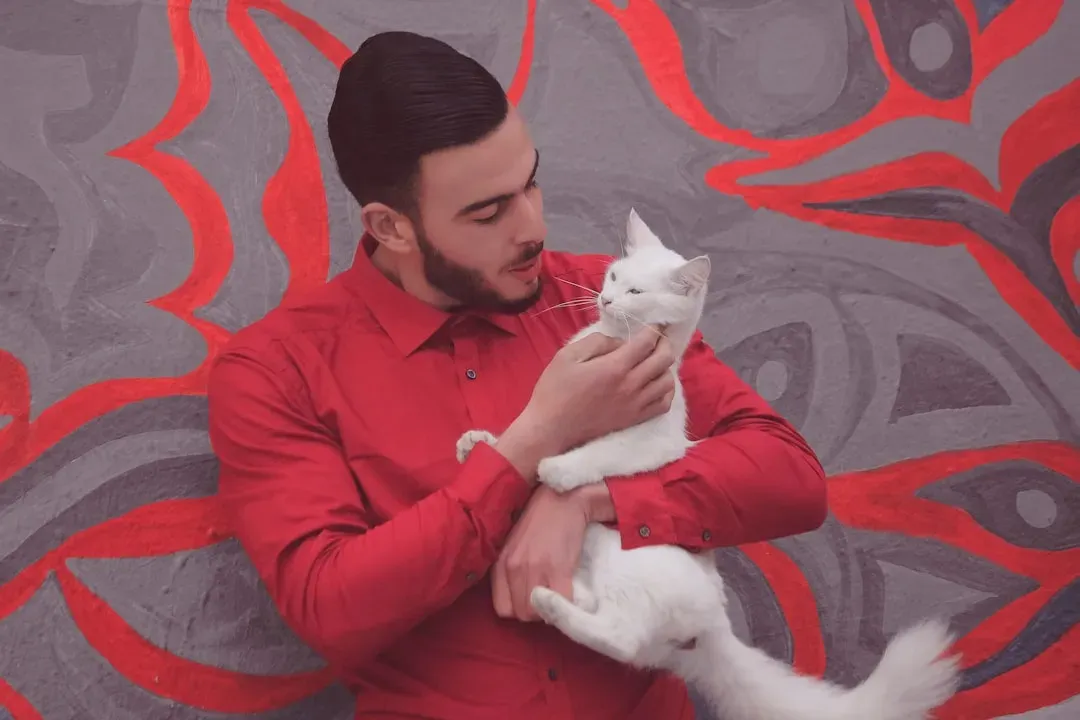
If your cat starts acting out when you’re showing affection to someone else, it could be a sign of jealousy. This jealousy stems from the deep bond cats form with their owners. They see you as their primary caregiver and source of affection. So when a new romantic partner moves in or even when you’re spending more time with a friend, your cat notices.
Babies present a particularly challenging situation. Babies tend to upend a cat’s environment. They make unexplainable noises and produce strange smells (from your cat’s point of view). Suddenly, nighttime isn’t quiet anymore, and your attention is divided in ways your cat never anticipated.
Your cat might respond by becoming excessively clingy or, conversely, by avoiding you altogether. Both reactions stem from the same insecurity.
Are Certain Breeds More Prone to Jealous Behavior?
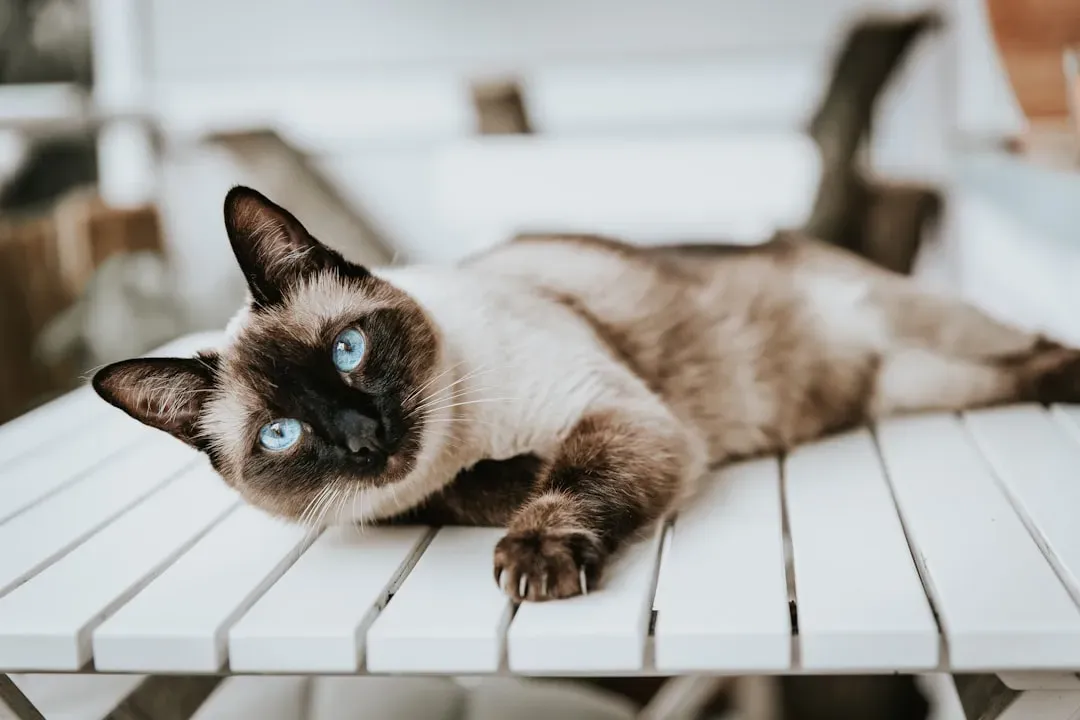
There is no such thing as certain breeds acting more jealous than others, but some high-energy cat breeds might be more demanding of your attention or more prone to anxiety. Siamese cats, for instance, are incredibly vocal and social creatures. They can become more clingy or chatty if they feel their needs aren’t being met.
Abyssinians and Bengals are similarly high-energy and require lots of stimulation. Bengal cats need lots of human interaction and can become mischievous if they feel they are not getting enough attention. Even Persian cats, known for being calm, can become stressed by environmental changes.
Still, personality matters more than breed. All cats have different personalities, and some will be made insecure and display jealousy more easily than others.
Give Each Cat Their Own Safe Space
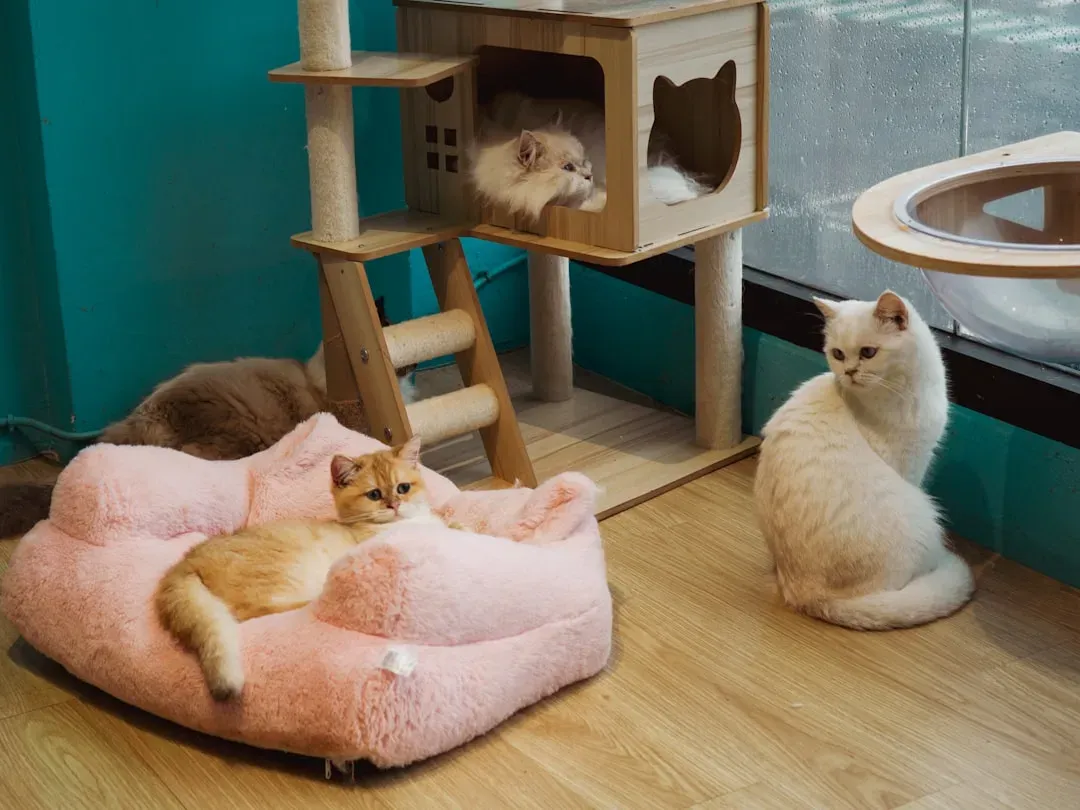
Managing jealousy involves giving cats consistent attention, slow introductions to new pets or people, and creating separate safe spaces for each cat. This is non-negotiable in multi-cat households. Each cat needs their own territory where they can retreat when feeling overwhelmed.
Make sure there is enough food, water, enrichment toys, resting areas, and litter boxes around the home if you have more than one cat. The general rule? One litter box per cat, plus one extra. This minimizes competition and reduces territorial disputes.
Creating vertical space helps too. Cat trees, shelves, and perches give cats options for escaping and observing from a safe distance. When they have choices, they feel more in control.
Maintain Routines and Offer Consistent Attention
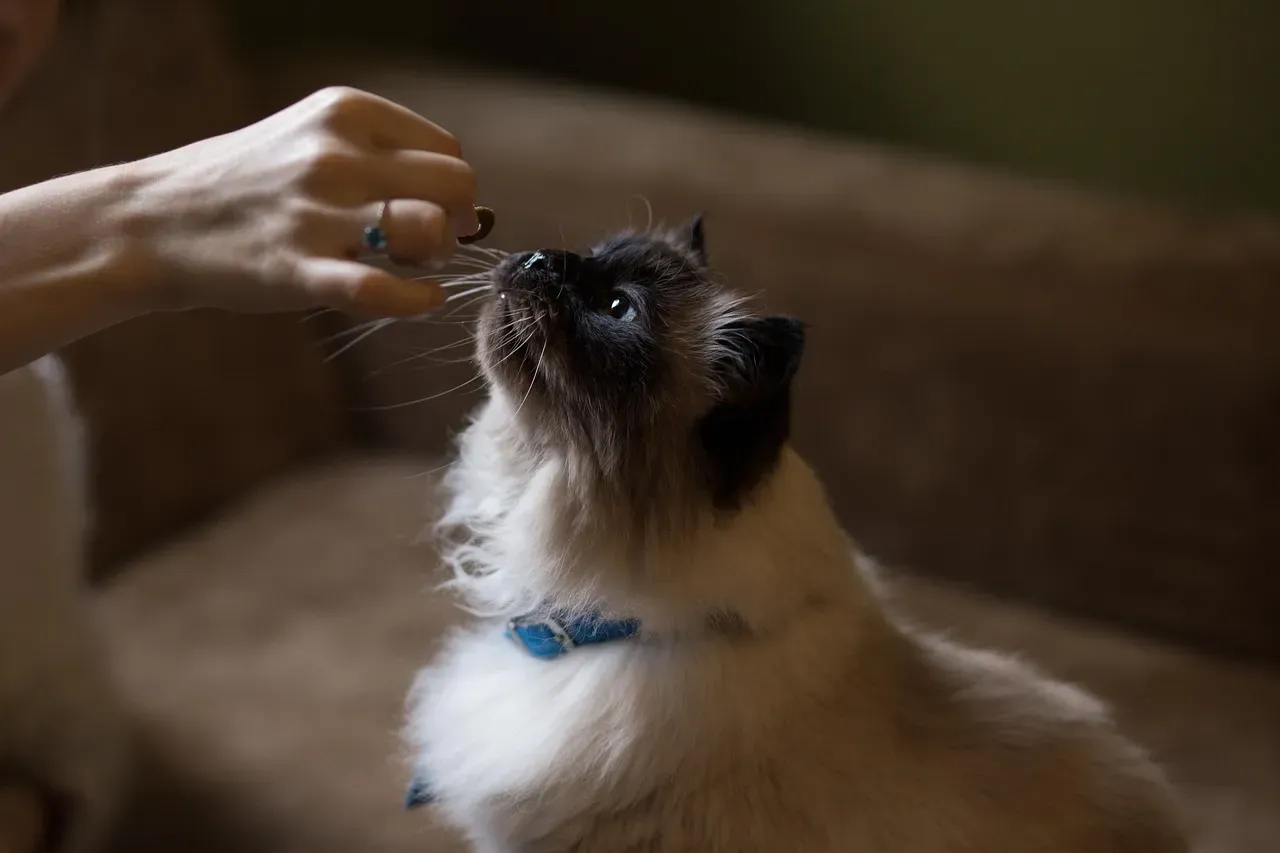
Cats love a routine, and by sticking to feeding, playtime, and grooming schedules, they know what to expect and can be less anxious about day-to-day activities in the house. Predictability is everything to a cat. If you usually feed your cat at seven in the morning, stick to that schedule even when life gets hectic.
Offering quality time to your cat to play, cuddle, or do enrichment activities can help tire their brains out and make them more mellow. Set aside dedicated one-on-one time with each pet. This reassures them that they haven’t been replaced or forgotten. Interactive play sessions using wand toys or laser pointers can burn off anxious energy while strengthening your bond.
Even just sitting quietly with your cat while you read or watch TV can make a difference. Your presence matters.
Slow Introductions Are Your Best Friend
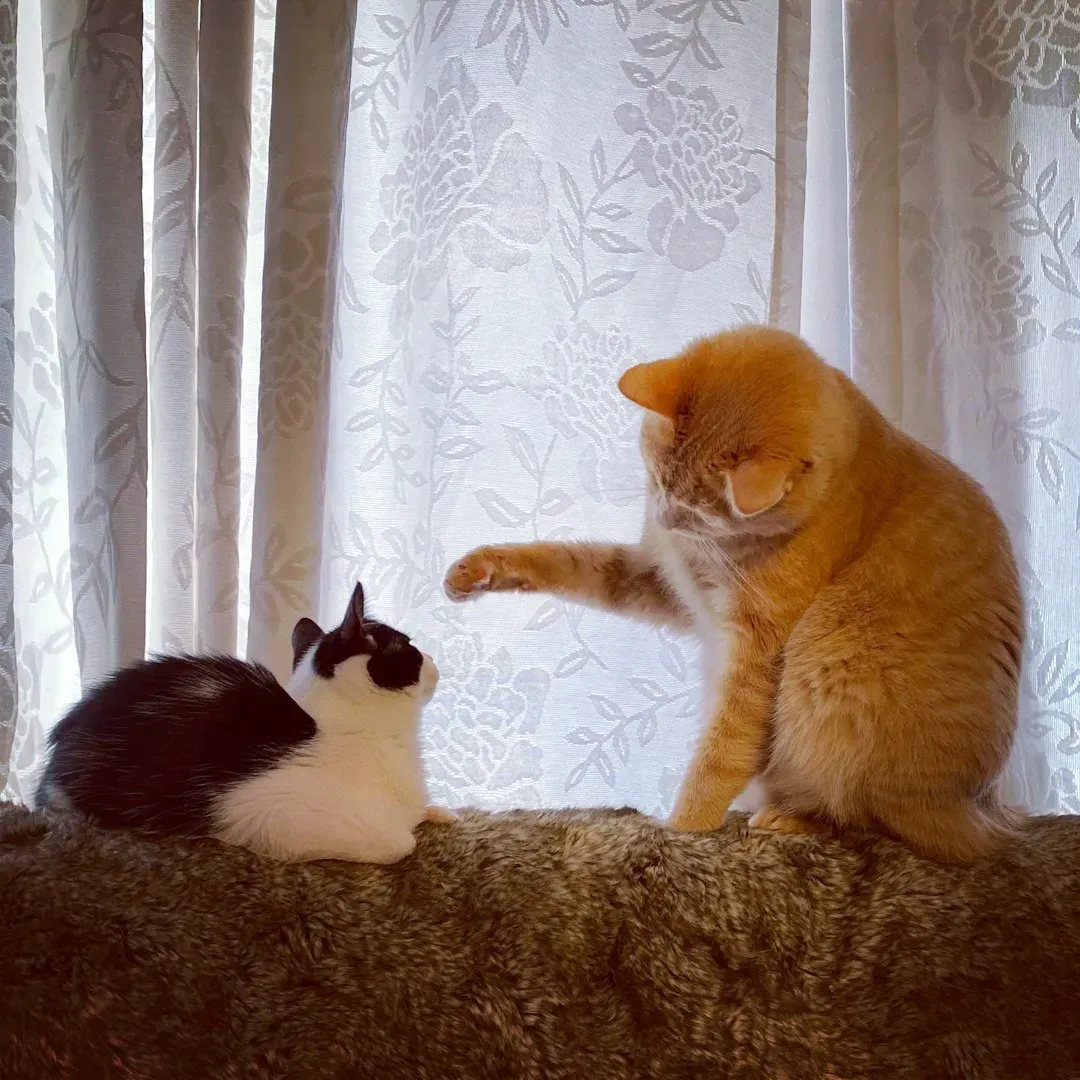
Rushing introductions between pets is a recipe for disaster. It is especially important to take care when introducing a new cat to your household. Start by keeping the new pet in a separate room. Let your resident cat sniff under the door and get used to the new scent before any face-to-face meetings.
Exchange bedding between the animals so they can investigate each other’s smell without the stress of direct contact. When you finally allow them to meet, keep the sessions short and supervised. Managing jealousy involves slow introductions to new pets or people.
Reward calm behavior with treats and praise. If tensions rise, separate them and try again later. Patience is crucial. Some cats adjust within days, while others need weeks or even months.
Redirecting Negative Behaviors Without Punishment
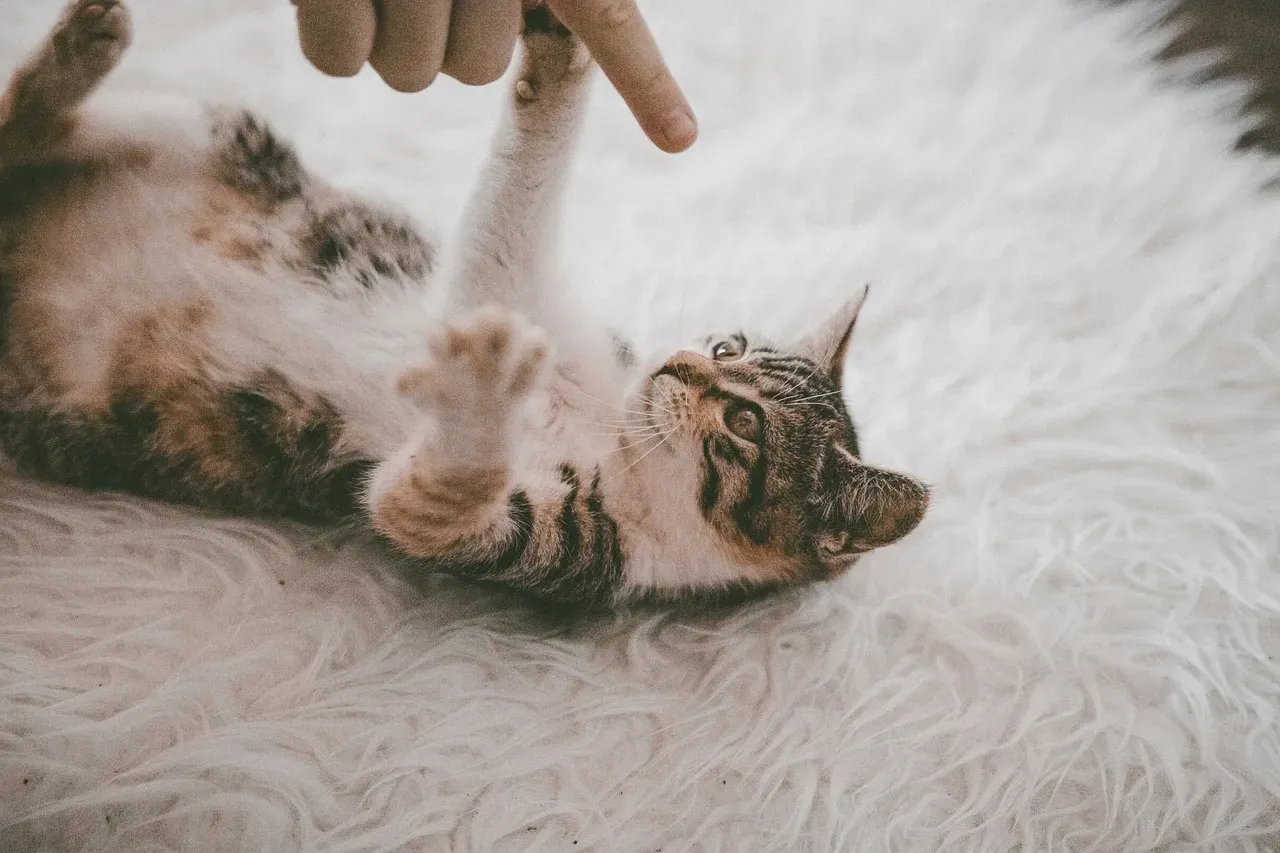
Punishing your cat will only exacerbate their anxiety and worsen the problem. Instead, focus on positive reinforcement and rewarding good behavior. Yelling at your cat or using physical punishment will only make them more stressed and insecure.
Instead, redirect their attention when you see negative behaviors starting. If your cat is about to swat at another pet, distract them with a toy or a treat. Provide resources that allow them to express natural behaviors in acceptable ways, like scratching posts instead of furniture.
Catch your cats being good. When they’re calm around each other or when they tolerate a visitor without hissing, reward that immediately. Positive associations build over time and can significantly reduce jealous behaviors.
When to Call in Professional Help
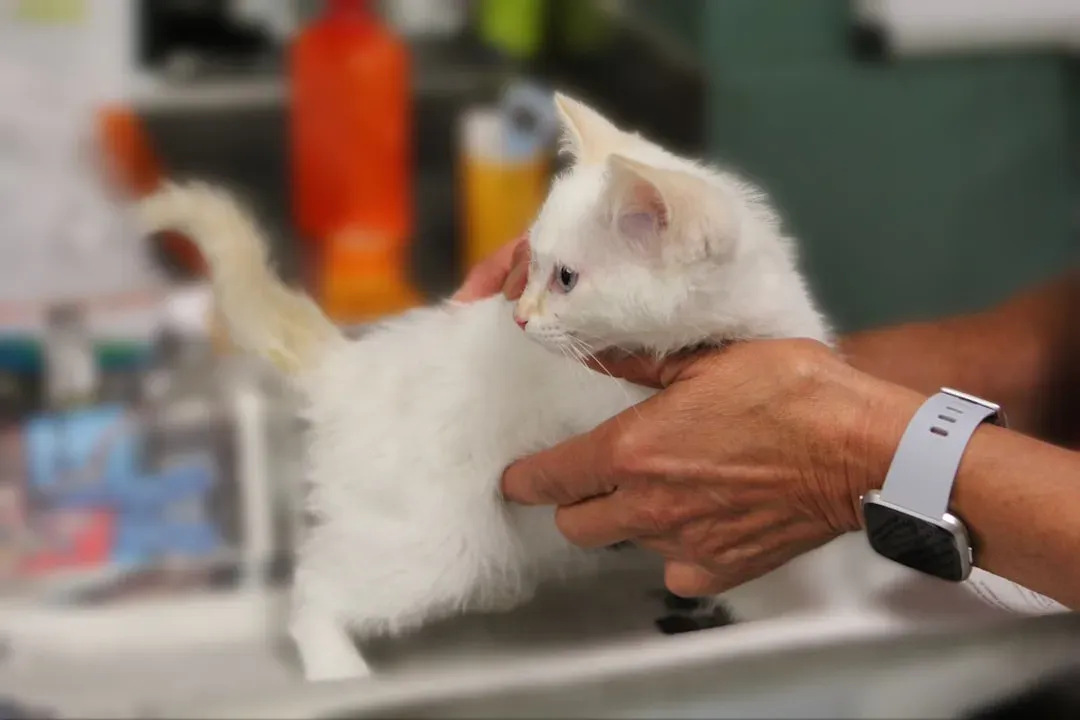
Sometimes, despite your best efforts, the situation doesn’t improve. Ask your veterinarian or an animal behaviorist for help if your cat is not adjusting well. There’s no shame in seeking professional guidance.
People who specialize in cat behavior can help you. These experts have conducted research in behavior and have studied behavior extensively. Behavior modification will often be a part of what they do to help cats, though they may also advise changing some routines that affect your cat or advise you on the best types of enrichment.
In some cases, your veterinarian might recommend anti-anxiety medications or pheromone diffusers to help ease your cat’s stress. These aren’t permanent solutions, but they can make behavior modification more effective by taking the edge off your cat’s anxiety.
Creating Long-Term Harmony in Your Home
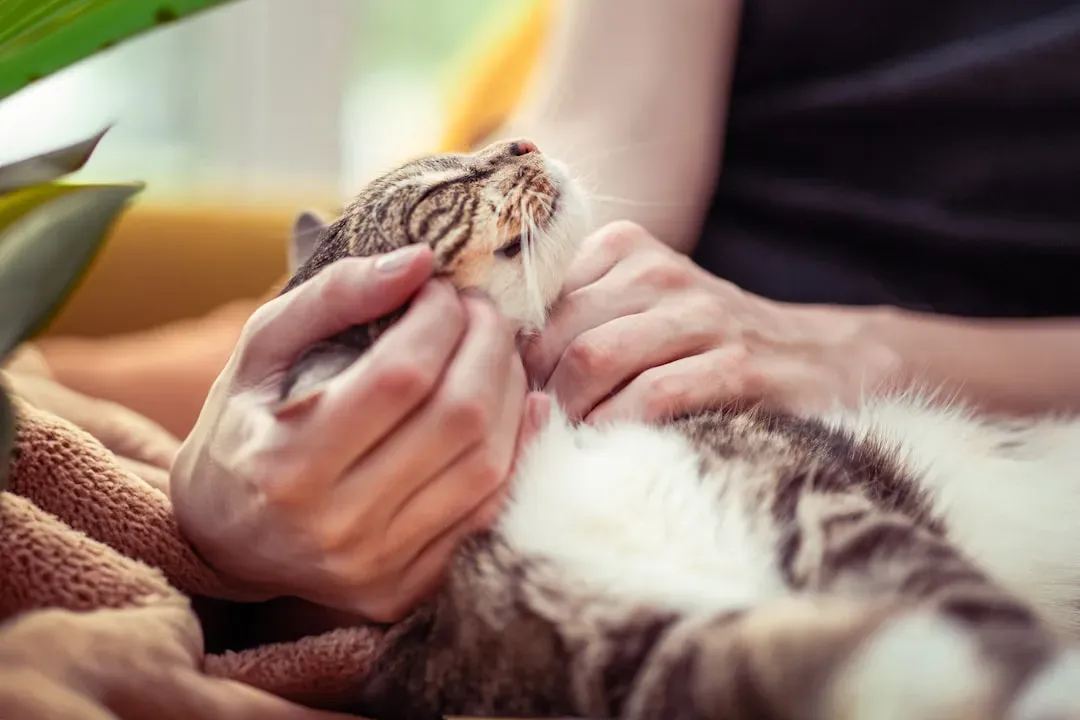
Managing feline jealousy isn’t a one-time fix – it’s an ongoing commitment to understanding your cat’s emotional needs. The best way to stop jealous behavior in cats is to identify and eliminate the underlying cause. Sometimes the problem might be another animal or person in their environment. Cats thrive in steady, consistent environments where they can exert control.
Make sure you are giving your cat plenty of attention and time with you. If they need to adjust to a major life change, allow them to do so at their own pace. Remember, every cat is different. What works for one might not work for another. Stay observant, stay patient, and be willing to adjust your approach.
Your cat’s seemingly jealous behavior is really just their way of communicating insecurity and fear. By addressing the root causes – whether that’s lack of resources, disrupted routines, or insufficient attention – you can help your cat feel safe again. What changes have you noticed in your own cat’s behavior? Share your experiences in the comments.