Have you ever tiptoed out of a room, hoping your cat wouldn’t notice you leaving? Or maybe you’ve watched your feline stretch out in their sunbeam, looking so serenely content that you wondered if they even noticed you were gone. Cats are mysterious creatures, both fiercely independent and quietly affectionate. But how do they really feel when left alone in their favorite spot? Are they secretly thrilled, or do they pine for our company? Let’s unravel the truth behind this feline mystery and peek into the secret lives of our cats when they’re left to their own devices.
The Nature of Cats: Solitary or Social?
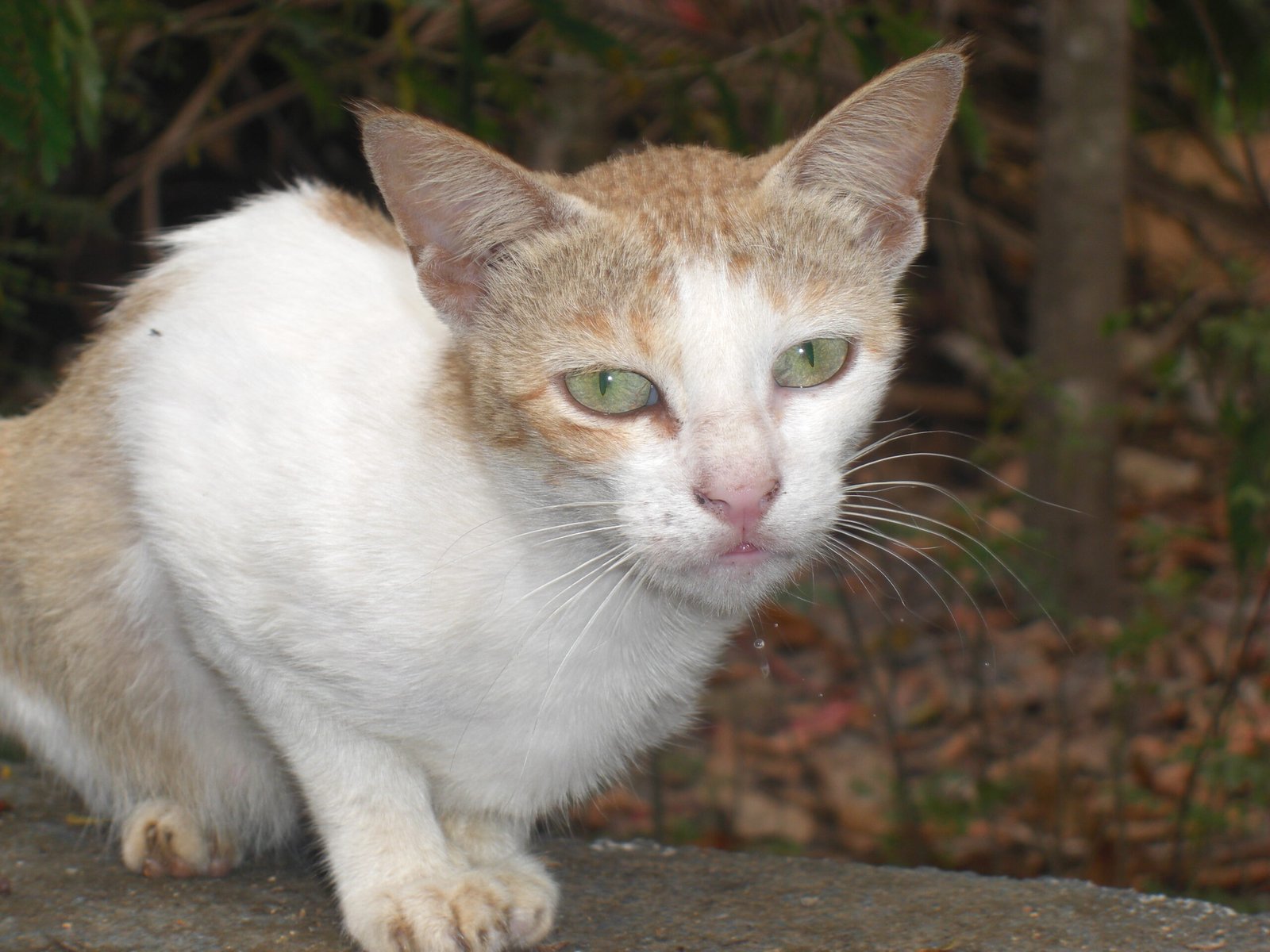
Cats are often labeled as independent, but that doesn’t mean they’re loners by nature. In the wild, cats are both solitary hunters and, at times, social creatures—think of lions relaxing together in a pride. Most domestic cats enjoy a healthy mix of alone time and social interaction. However, their need for independence can vary from one cat to another. For example, some cats prefer to nap alone, while others seek out their humans for comfort and warmth. You might notice your cat wandering off to a quiet corner, only to return and curl up beside you a few minutes later. This blend of independence and sociability makes it tricky to generalize about all cats. The bottom line? Each cat is unique, with their own preferences about being left alone.
The Allure of the Favorite Room

There’s something magical about a cat’s favorite room. It could be the living room, a cozy bedroom, or even that tiny sun-drenched laundry space. Cats have a knack for picking spots that make them feel safe and happy. Often, these rooms offer comfort, warmth, and a good vantage point for watching the world go by. A favorite room becomes their personal sanctuary, a place where they can stretch, snooze, and observe in peace. Sometimes, it’s the scent of their humans lingering in the air, or the soft blanket that they knead before settling down. Whatever the reason, when a cat claims a room, it’s like they’re setting up their own little kingdom.
Why Cats Choose Solitude
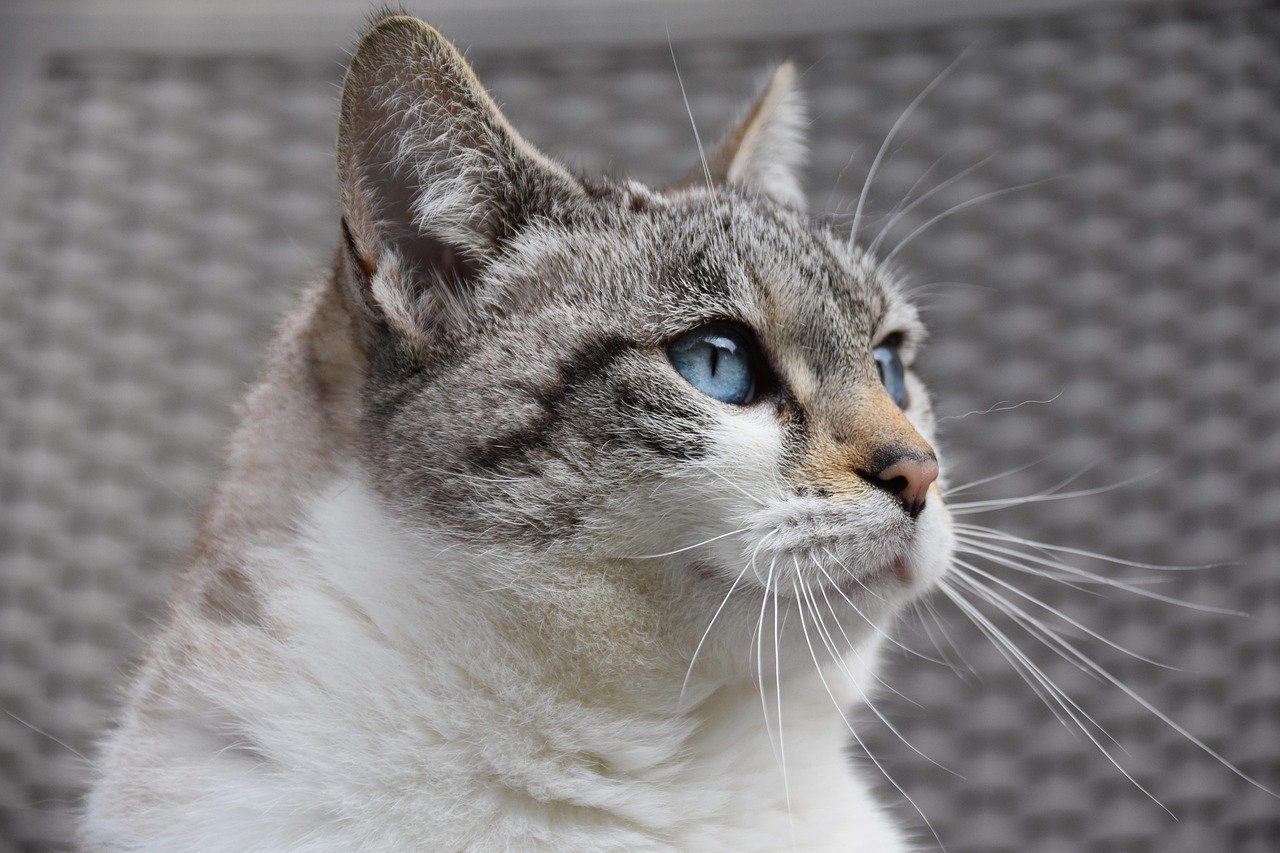
Solitude is not loneliness; for cats, it can be a form of self-care. When a cat retreats to their favorite room, it’s often because they crave a break from the hustle and bustle. The quiet lets them recharge, much like we might after a long day. Some cats use solitude to process what’s happening around them, while others just want a nap without any interruptions. Interestingly, cats are masters at finding peaceful moments, even in busy households. They may also use their alone time to groom, hunt imaginary prey, or simply bask in a sunbeam. For many cats, being alone is essential to their well-being.
Signs Your Cat Enjoys Being Left Alone

If your cat relaxes, purrs, or sleeps soundly when you leave them alone, it’s a good sign they enjoy their own company. You might find them stretched out, eyes half-closed, or even softly snoring. Some cats knead their favorite blanket or pillow as a comforting ritual. Another clue is the lack of distress behaviors—no yowling, scratching at the door, or pacing around anxiously. If you return to find your cat calm and content, it’s a clear message: alone time suits them just fine. On rare occasions, you might even catch your cat playing by themselves, chasing shadows or batting at toys.
When Alone Time Becomes Too Much

While many cats appreciate solitude, too much isolation can lead to sadness or anxiety. Signs of distress include excessive meowing, destructive behavior, or changes in appetite. Some cats may start grooming excessively or hiding more than usual. If your cat seems less playful or avoids you when you return, it could be a red flag. Like people, cats need a balance between alone time and interaction. If you notice these signs, it’s important to adjust their environment or schedule to include more social time. Remember, cats are creatures of habit, and sudden changes can throw them off balance.
Understanding Cat Body Language
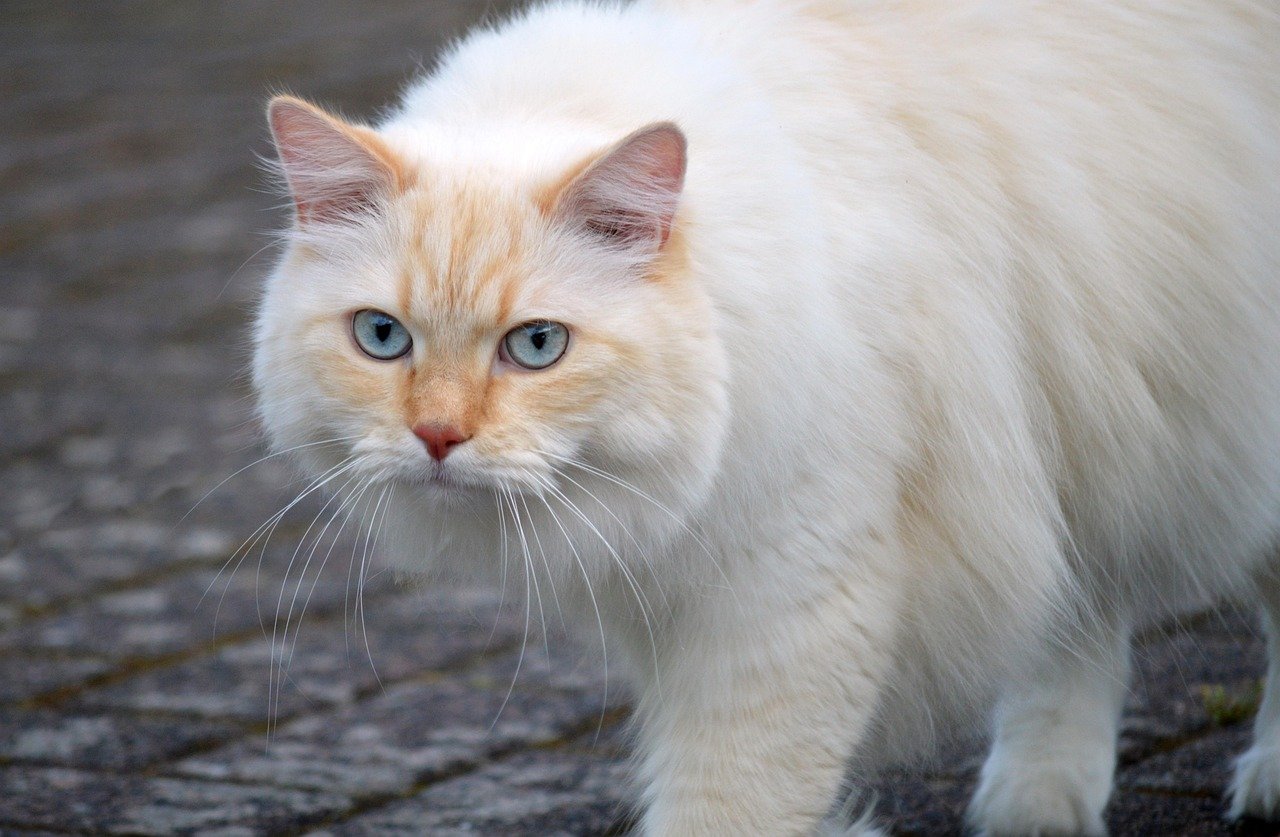
Reading your cat’s body language is like learning a new language—subtle, but revealing. A cat that’s comfortable being alone will have relaxed ears, a soft tail, and a loose, stretched-out body. Eyes may be half-closed, signaling trust and contentment. On the other hand, flattened ears, a twitching tail, or wide, staring eyes can indicate discomfort or anxiety. If your cat greets you with a slow blink when you return, it’s a sign they felt safe in your absence. Paying attention to these small cues helps you understand how your cat really feels about being left alone.
Favorite Room Features: What Do Cats Look For?

Cats are picky about their favorite rooms, and it’s not by accident. They gravitate toward spaces that are quiet, warm, and offer a sense of security. A window with a view of birds or passing cars is often a top choice. Soft, cozy surfaces like blankets, cushions, or even laundry piles are irresistible. Many cats like rooms where they can hide if needed—under a bed, behind a curtain, or inside a box. The presence of familiar scents, especially their own or their favorite humans’, adds to the comfort. All these features combine to create a perfect feline haven.
The Role of Routine in Alone Time
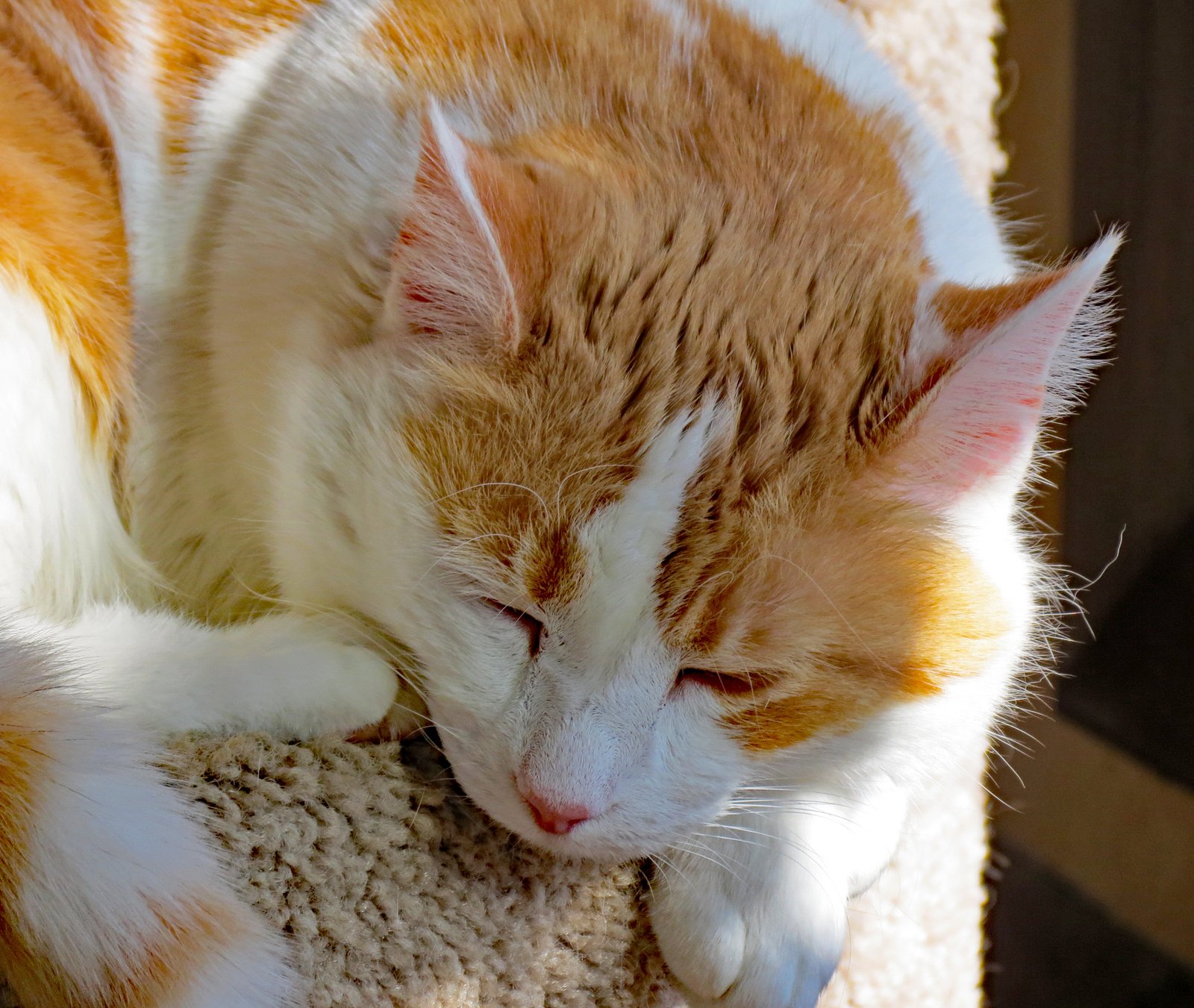
Cats are creatures of habit, just like people who stick to their morning coffee or evening walk. They thrive on routine, and knowing when alone time will happen helps them feel secure. If a cat knows you’ll be gone for a predictable amount of time, they often settle in more easily. Unpredictable schedules, on the other hand, can make even a confident cat feel uneasy. Establishing a routine—feeding times, play sessions, and quiet periods—can help your cat embrace their alone time without stress. It’s like giving them a daily rhythm they can count on.
Does Age Affect a Cat’s Preference for Solitude?
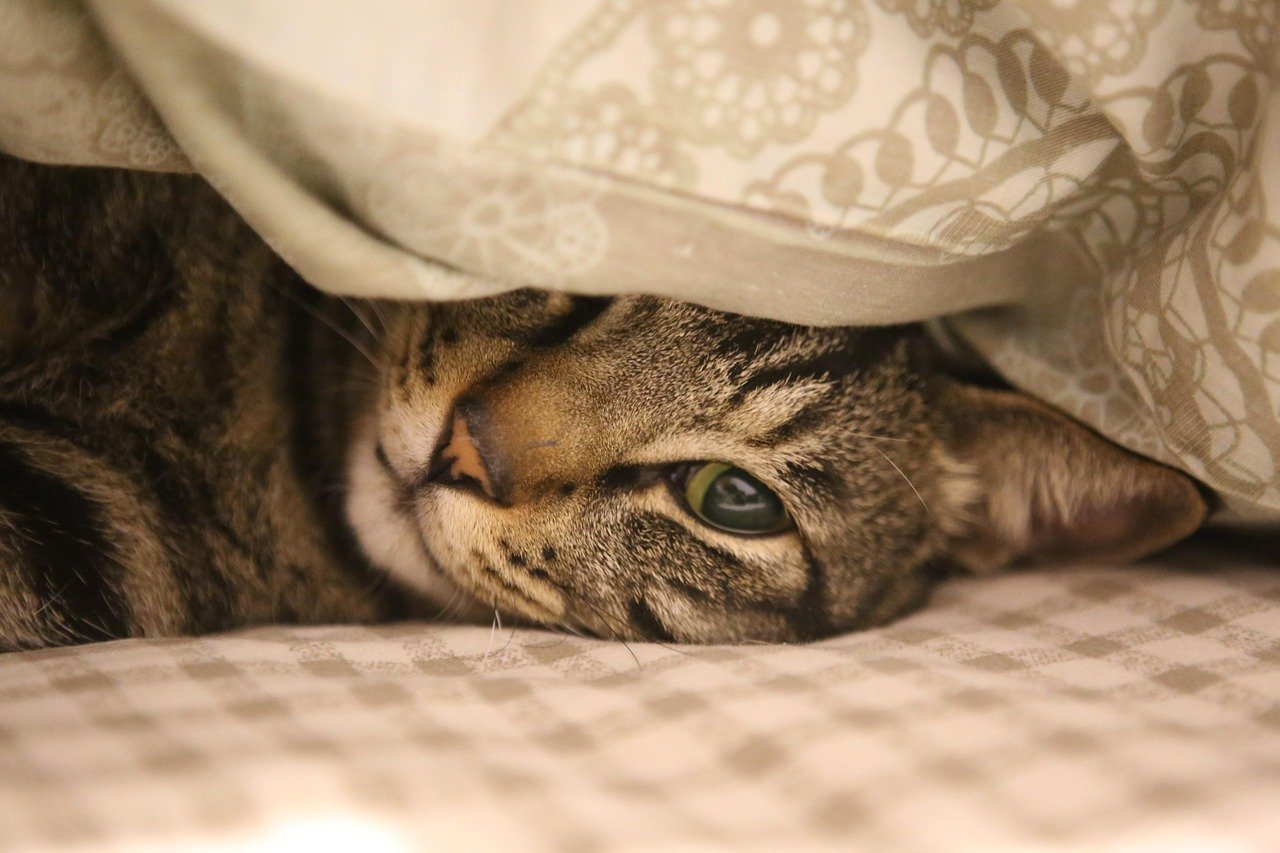
A kitten’s approach to solitude is wildly different from that of a senior cat. Young cats are playful and curious, often craving more interaction and playtime. Being left alone for too long might make them anxious or bored, leading to mischief. Adult cats, especially those in their prime, usually balance social time and solitude with ease. Older cats, meanwhile, may seek out quiet, familiar rooms for long naps and comfort. Their need for peace grows as they age, and they might relish their alone time more than ever. Paying attention to your cat’s age helps you tailor their environment to their needs.
Does Personality Play a Role?

Just like people, cats have unique personalities that shape how much alone time they enjoy. Some are bold and outgoing, always seeking attention and following you from room to room. Others are shy or reserved, preferring a quiet corner over a crowded living room. Even within the same household, two cats can have wildly different preferences. A confident, adventurous cat may love exploring new rooms, while a timid cat sticks to their favorite safe spot. Understanding your cat’s individual personality helps you decide when and where alone time is best.
How Long Is Too Long?
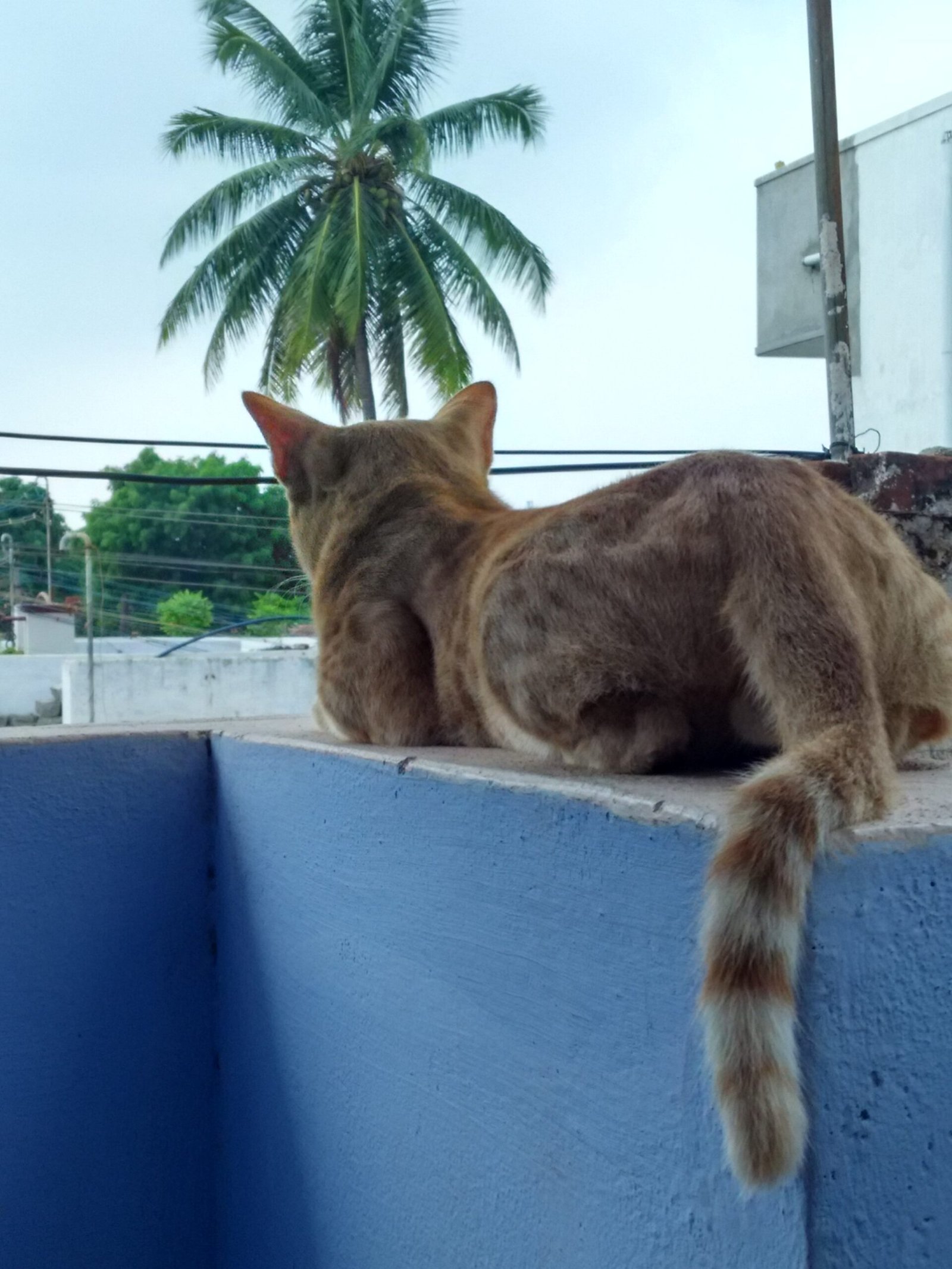
Leaving a cat alone in their favorite room for a short time is usually harmless, but what about longer periods? Most adult cats handle a few hours alone with no trouble, especially if they have toys, food, and a comfy spot. However, leaving a cat alone for an entire day or overnight can be stressful, especially if they’re not used to it. Extended isolation can lead to boredom or anxiety. If you need to be away for longer, consider enlisting a cat sitter or providing extra enrichment. The key is to balance independence with connection.
Enriching the Favorite Room for Alone Time
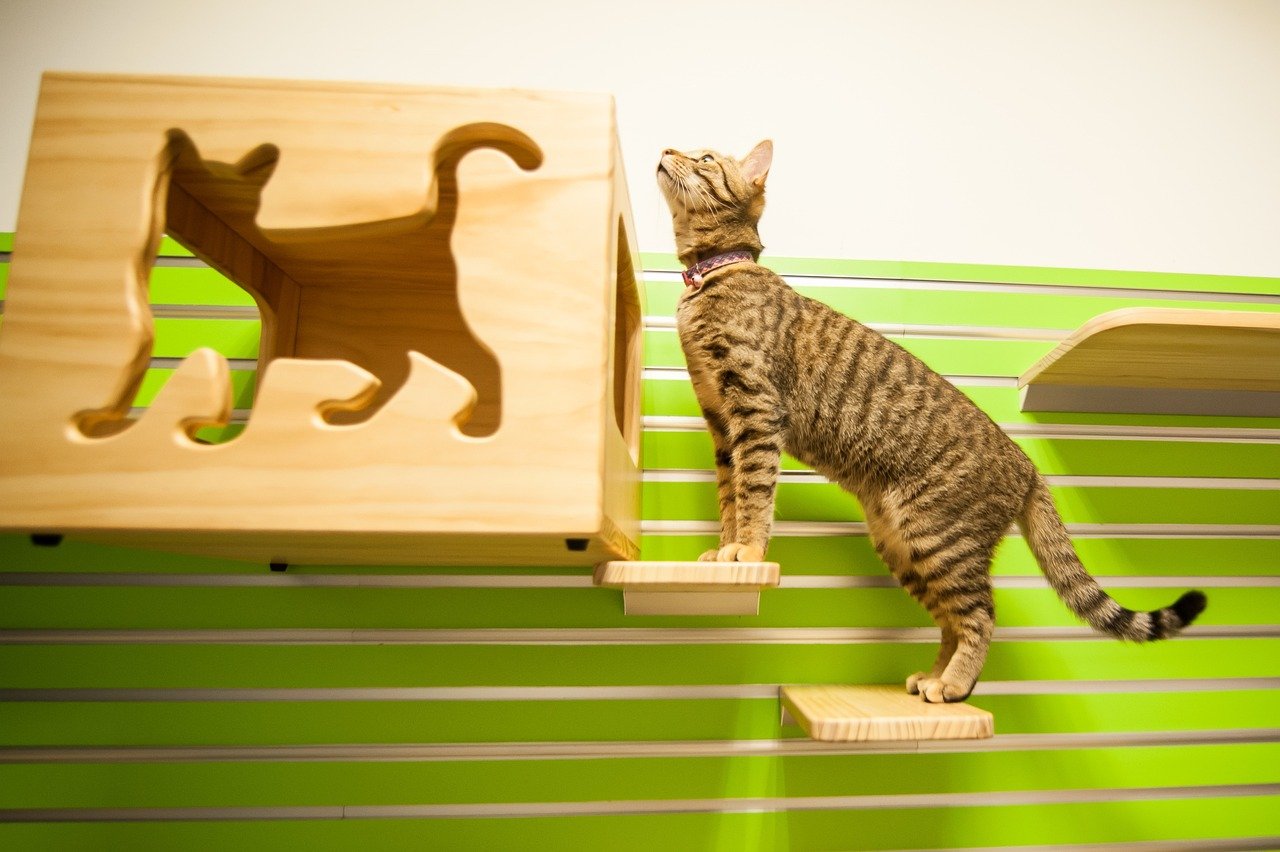
A favorite room can become even more special with a few thoughtful touches. Cat trees, scratching posts, and window perches give your feline places to climb, scratch, and watch the world. Puzzle feeders or treat-dispensing toys keep their minds engaged, so they don’t get bored. Soft blankets and cozy beds turn any room into a luxurious nap zone. Even a cardboard box or paper bag can offer hours of entertainment. By enriching your cat’s favorite room, you help them enjoy their solitude without feeling lonely.
When Cats Get Bored Alone

Boredom can sneak up on even the most independent cat. If your cat’s favorite room lacks stimulation, they might start inventing their own fun—sometimes at your expense. Scratched furniture, knocked-over plants, or mysterious messes can all be signs of boredom. To combat this, rotate toys or introduce new textures and scents. Play soothing music or nature sounds to create a calming atmosphere. If you notice your cat acting out, it might be time to mix up their environment and offer more interactive play when you’re home.
Separation Anxiety in Cats

Yes, cats can suffer from separation anxiety, even if they seem aloof. Signs include excessive meowing, following you from room to room, or destructive behavior when you leave. Some cats may even stop eating or over-groom as a way to cope. These behaviors often appear when routines change suddenly or after a stressful event. Helping your cat adjust to alone time takes patience—gradually increasing their time alone and rewarding calm behavior can make a big difference. Creating a secure, enriched environment helps reduce anxiety and build confidence.
How to Prepare Your Cat for Alone Time

If you know you’ll be leaving your cat alone, a little preparation goes a long way. Make sure they have fresh water, food, and access to their litter box. Leave out their favorite toys and a cozy bed. Spend a little quality time with them before leaving—a quick play session or some gentle petting goes a long way. Some cats find comfort in your scent, so leaving an unwashed t-shirt in their favorite room can help. By preparing the space and your cat, you set the stage for a peaceful alone time.
What Happens When You Return?
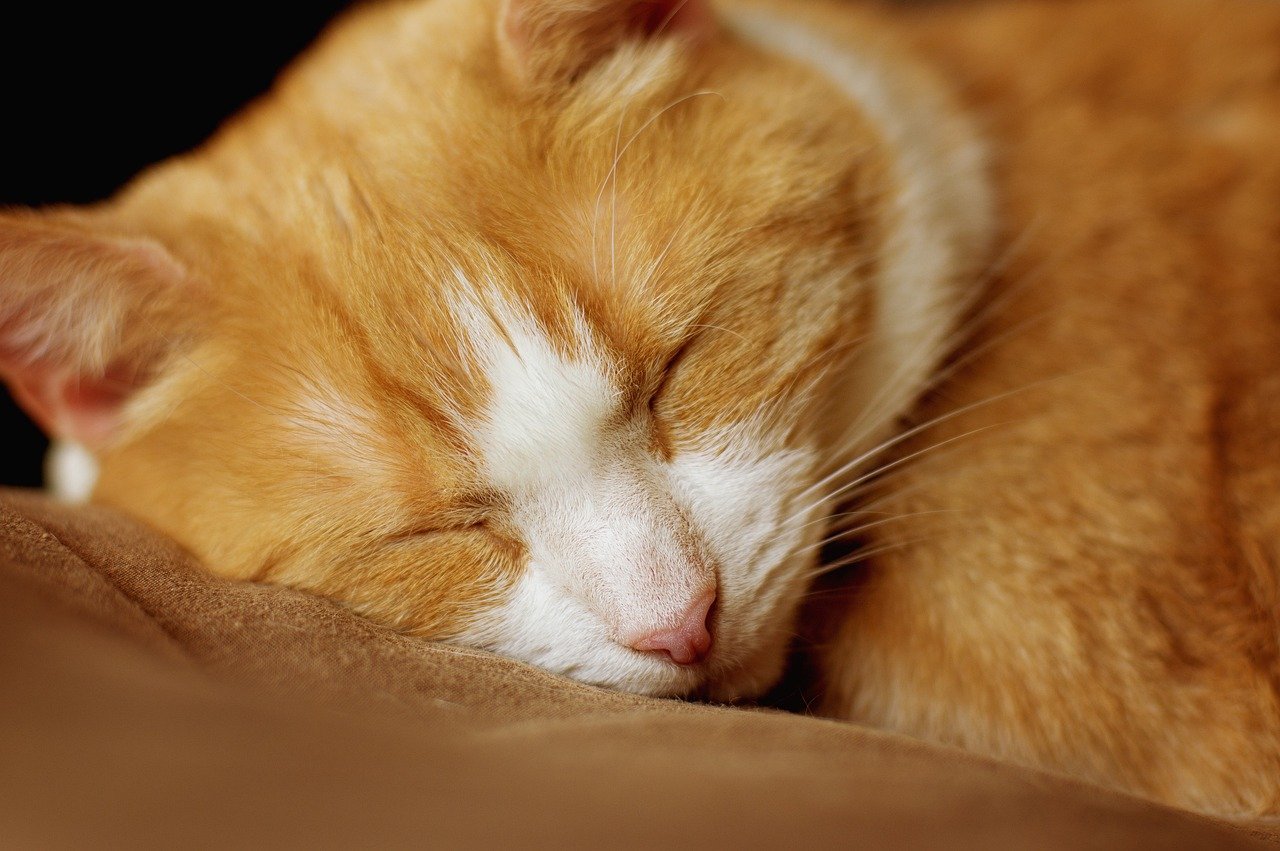
The moment you walk back into the room can tell you a lot about your cat’s feelings. Some cats greet you at the door, tails high and purring—a clear sign they missed you. Others may barely lift their head, content to stay put in their cozy spot. Occasionally, a cat might seem aloof, but this is often just their way of transitioning from solitude to social time. Watch for signs of stress or relief, and try to match your greeting to your cat’s mood. Over time, you’ll learn what your cat prefers.
The Impact of Other Pets

If you have a multi-pet household, your cat’s alone time might look different. Some cats enjoy sharing their favorite room with a canine or feline companion, while others prefer solitude. Interactions with other pets can bring comfort or stress, depending on their relationships. It’s important to observe how your cat reacts when left alone with other animals. Sometimes, the presence of another pet can alleviate loneliness; other times, it may cause tension. Respecting your cat’s boundaries helps ensure their favorite room remains a true sanctuary.
Environmental Stressors: Noise, Light, and Disruption
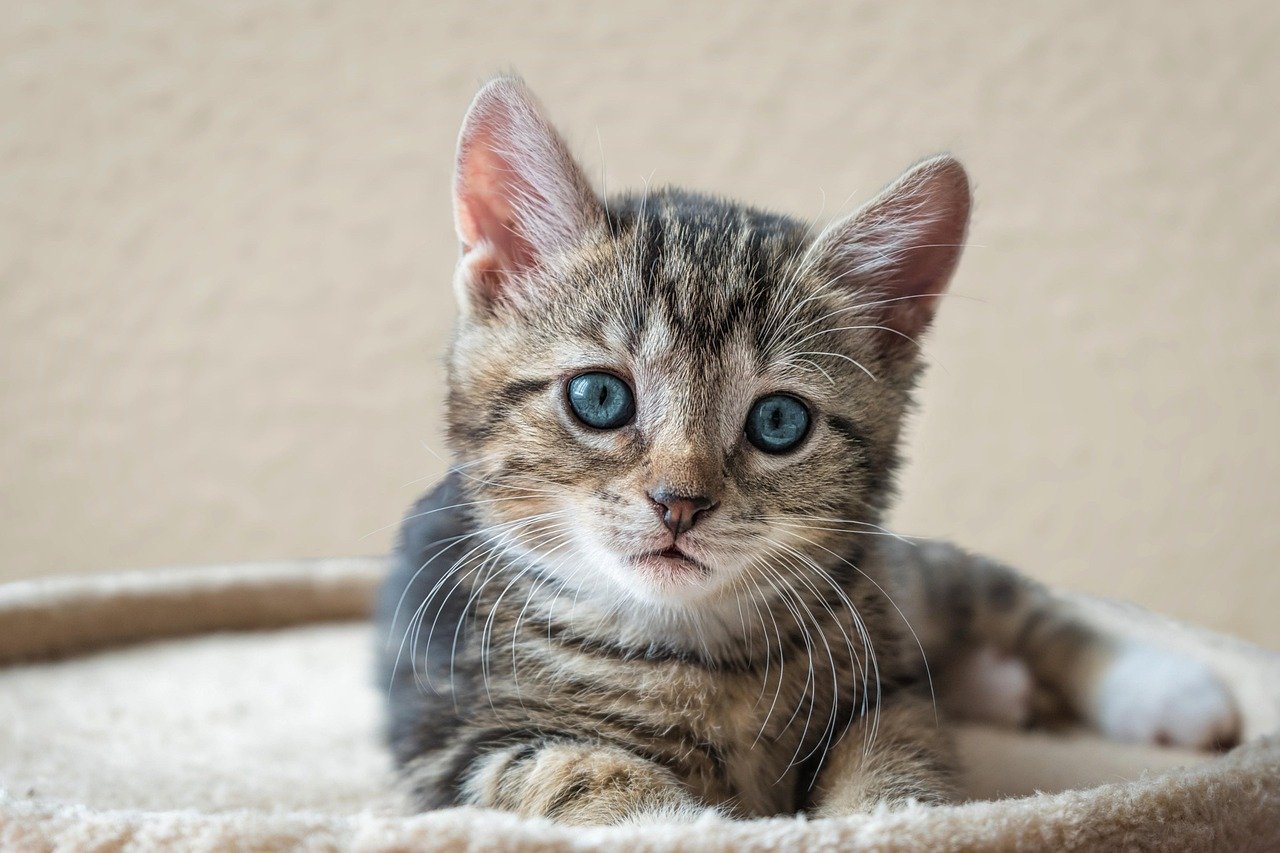
The environment plays a huge role in whether your cat enjoys being left alone. Loud noises, sudden movements, or bright lights can make even the coziest room feel unsafe. Cats are sensitive to changes in their surroundings, so keeping their favorite room calm and consistent is key. Try to minimize disruptions, especially if your cat is easily startled. Soft lighting, familiar scents, and a predictable routine help create a sense of security. A peaceful environment makes alone time truly restful for your feline friend.
Communication: Do Cats Miss Us?

It’s easy to wonder if our cats think about us when we’re gone. Some cats clearly miss their humans, waiting by the door or vocalizing when you return. Others seem unaffected, content to lounge in their favorite spot until you reappear. Cats express their feelings in subtle ways—rubbing against your legs, following you from room to room, or simply giving you a slow blink. While they may not pine for us in the same way dogs do, many cats form deep bonds and appreciate our presence, even if they enjoy their alone time.
Balancing Alone Time and Togetherness
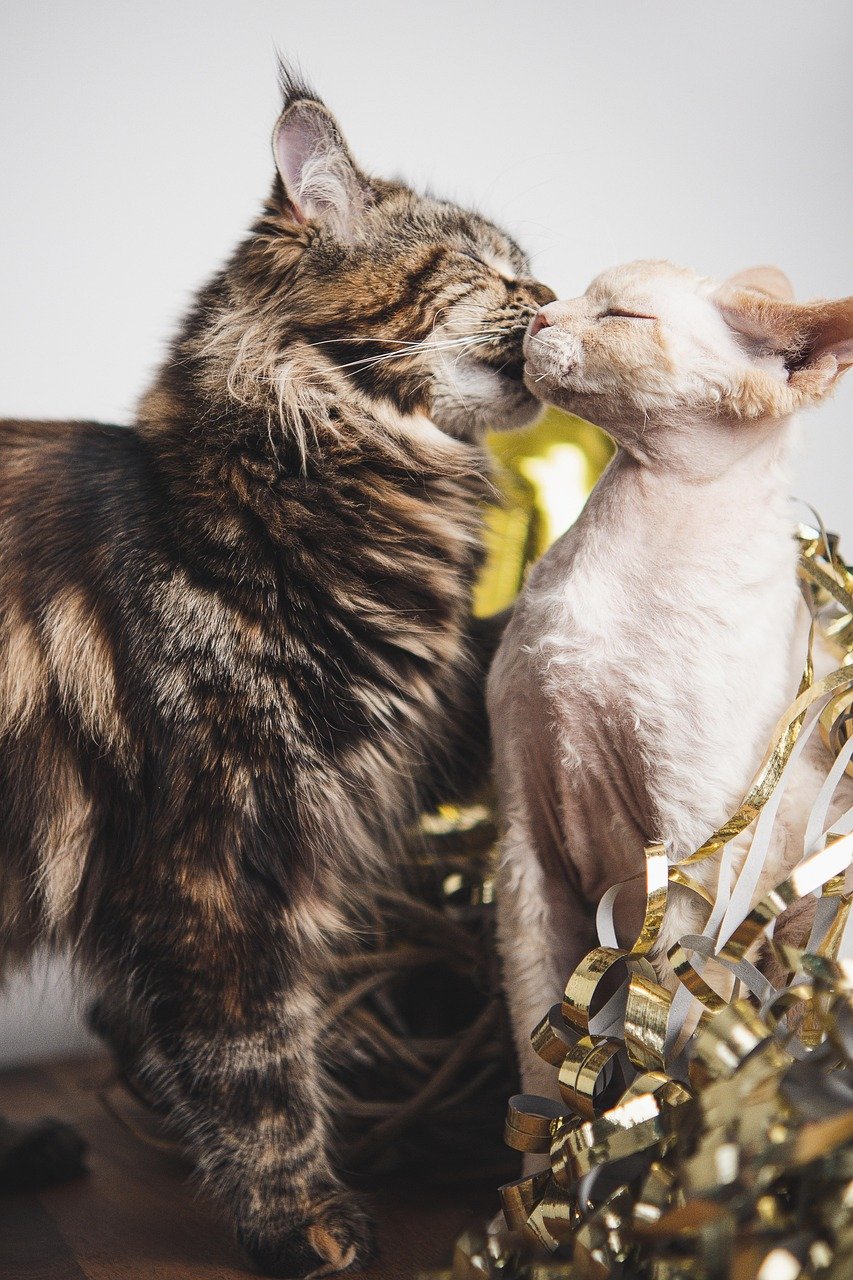
Finding the right balance between letting your cat have alone time and offering companionship is a dance. Too much solitude can lead to boredom or anxiety, while too much attention might overwhelm a more introverted cat. Pay attention to your cat’s cues, adjusting your routine as needed. Encourage independence but make time for play and affection. Every cat is different, and what works for one may not suit another. With patience and observation, you’ll find the perfect rhythm for your unique feline companion.
Personal Reflections: My Cat’s Favorite Room

Every cat owner has a story about their cat’s favorite room. In my home, my tabby, Luna, loves the sun-drenched corner of the guest room. She’ll sprawl out, belly up, completely at ease—even when I leave her there for an hour or two. Sometimes, I peek in and find her softly snoring, utterly content. It’s taught me that cats can treasure their alone time, especially when their environment feels safe and familiar. Watching her has made me appreciate the balance between giving her space and being there when she wants company. Have you ever wondered what your cat does while you’re gone?

Hi, I’m Bola, a passionate writer and creative strategist with a knack for crafting compelling content that educates, inspires, and connects. Over the years, I’ve honed my skills across various writing fields, including content creation, copywriting, online course development, and video scriptwriting.
When I’m not at my desk, you’ll find me exploring new ideas, reading books, or brainstorming creative ways to solve challenges. I believe that words have the power to transform, and I’m here to help you leverage that power for success.
Thanks for stopping by, Keep coming to this website to checkout new articles form me. You’d always love it!