Have you ever caught your cat staring at you, then suddenly copying your stretch or curling up right when you do? It’s almost uncanny—like your feline friend is reading your mind. But could there be more to this than meets the eye? The question of whether cats mirror their humans, especially when they feel emotionally safe, has sparked both scientific curiosity and heartfelt wonder among cat lovers everywhere. Let’s journey through the fascinating world of feline behavior and see just how deeply our cats connect with us.
The Mysterious Bond Between Cats and Humans

Cats have long been seen as independent creatures, but their relationship with humans is more complex than many realize. When a cat feels emotionally safe, it often forms a strong attachment to its human companion. This bond can result in behaviors that seem almost like mimicry. Observing your cat’s actions and responses may reveal subtle signs of connection, such as following you from room to room or matching your level of relaxation. This mysterious bond grows deeper over time, especially in homes where mutual trust and love flourish. Sometimes, it’s in the quiet moments—when your cat settles beside you without a sound—that you sense this invisible thread tying you both together. Just as humans seek comfort in the presence of loved ones, cats do the same when they feel secure. The more emotionally safe a cat feels, the more likely it is to express these mirroring behaviors.
Understanding Emotional Safety for Cats

For a cat, emotional safety means feeling secure in its environment and trusting the people around it. Cats are highly sensitive animals; small changes in their surroundings or routines can cause anxiety. When a cat feels safe, it lets its guard down, showing vulnerability through relaxed body language and open affection. This state of comfort allows cats to be more attuned to their humans’ moods and actions. A sense of safety is built through consistent care, gentle interactions, and a stable routine. Over time, emotionally secure cats become more open to interacting and even mirroring their humans. The journey to emotional safety is unique for every cat, but the reward is often a deeper, more meaningful bond.
Mirroring Behavior: What Does It Look Like?

When people talk about cats mirroring their humans, they usually mean that cats copy behaviors, habits, or emotional states. This can be as simple as a cat yawning after you do or sitting beside you just as you settle in for a movie. Some cats mimic the way their humans walk, stretch, or even sleep. These behaviors aren’t always conscious but can emerge from the deep bond and attentiveness that comes with emotional safety. Mirroring can also show up as matching energy levels; a calm human often has a calm cat, while a playful mood can bring out your cat’s wild side. Watching for these moments can be both hilarious and heartwarming, making the bond feel truly magical. It’s almost as if your cat is silently saying, “I’m with you.”
Why Do Cats Mirror Their Owners?
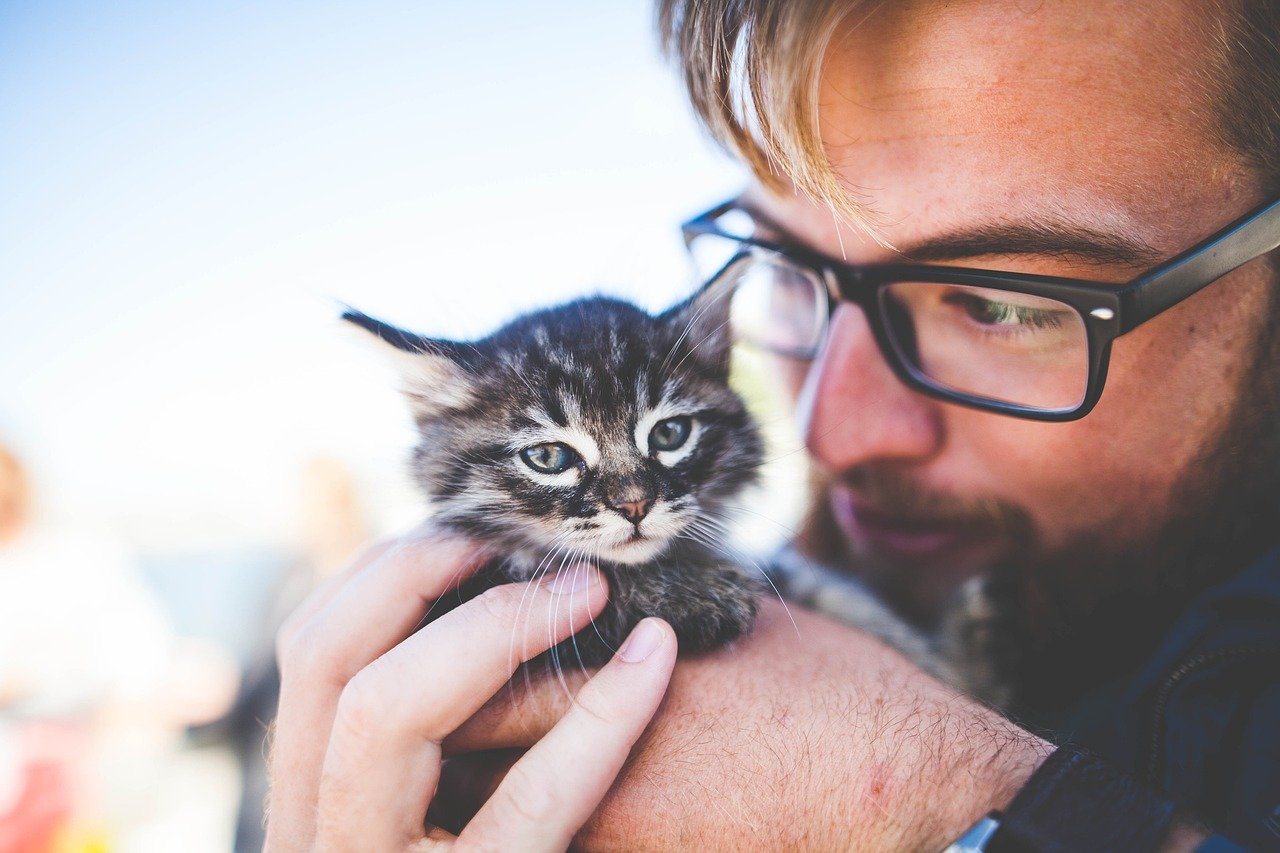
The reasons behind feline mirroring are as layered as a cat’s personality. One key factor is social learning—cats observe and learn from their closest companions. If a cat sees its human acting relaxed or playful, it may respond in kind as a way of bonding. Mirroring may also be rooted in survival instincts; matching the behavior of a trusted figure signals safety and belonging. For some cats, copying human actions becomes a way to seek attention or affection. Others simply feel more at ease syncing their rhythms with those of their humans. The stronger the emotional safety, the more likely these behaviors will shine through. Mirroring, in essence, is a silent, loving conversation between cat and human.
Signs Your Cat Feels Safe with You

There are clear signs that a cat feels emotionally secure with its human. One of the most obvious is a cat’s willingness to expose its belly, a vulnerable spot. Purring, head-butting, and slow blinking are other classic signs of trust. If your cat seeks out your company, follows you around, or chooses to nap near you, it’s showing signs of emotional safety. Some cats even initiate play or gently paw at you to get your attention. When your cat mirrors your actions—like stretching when you do or matching your tone—it’s another strong indicator of trust. These moments, though subtle, reveal the depth of your cat’s comfort and affection.
The Impact of Human Emotions on Cats

Cats are incredibly perceptive when it comes to human emotions. They can sense happiness, sadness, stress, or excitement, often before we even speak. When their favorite person is feeling down, many cats respond with comforting gestures, like sitting on their lap or purring quietly. Conversely, a joyful mood might encourage your cat to be more playful or affectionate. This responsiveness is heightened when a cat feels emotionally safe, allowing it to read and mirror human emotions more freely. The emotional climate of a home can deeply affect a cat’s behavior and well-being. In many ways, our moods set the tone for our feline companions.
Body Language: The Silent Conversation

A significant part of the mirroring process happens through body language. Cats are masters at reading subtle cues, picking up on posture, gestures, and even facial expressions. When you stretch, yawn, or relax, your cat may do the same without realizing it. This silent conversation becomes even more pronounced when trust is established. Paying attention to your own body language can help you understand the feedback loop between you and your cat. Simple actions, like sitting calmly or lying down, can invite your cat to join you in a moment of peace. Over time, this shared body language strengthens your emotional connection.
How Routine and Consistency Affect Cat Behavior

Routine is vital for cats. Predictable schedules and familiar patterns help them feel secure and reduce stress. When a human maintains a consistent routine, their cat is likely to mirror that sense of order and calm. For example, if you always wind down at the same time every evening, your cat might start to do the same, settling in beside you as part of the nightly ritual. Consistency in feeding, playtime, and affection reassures your cat that its needs will be met. This sense of predictability is a cornerstone of emotional safety, making mirroring behaviors more likely to emerge. A steady routine isn’t just good for your cat—it’s good for your bond, too.
Play and Imitation: More Than Just Fun

Playtime is one of the clearest opportunities for cats to mirror their humans. When you dangle a toy or mimic stalking movements, your cat is likely to respond in kind. This shared activity builds trust and strengthens your connection. Sometimes, your cat might even invent new games, taking cues from your actions. The back-and-forth of play is a form of communication, where imitation becomes a sign of affection and comfort. Through play, your cat learns your rhythms and preferences, deepening the sense of emotional safety. In these moments, the line between human and feline blurs, and you’re simply two friends having fun.
The Role of Vocalizations in Mirroring
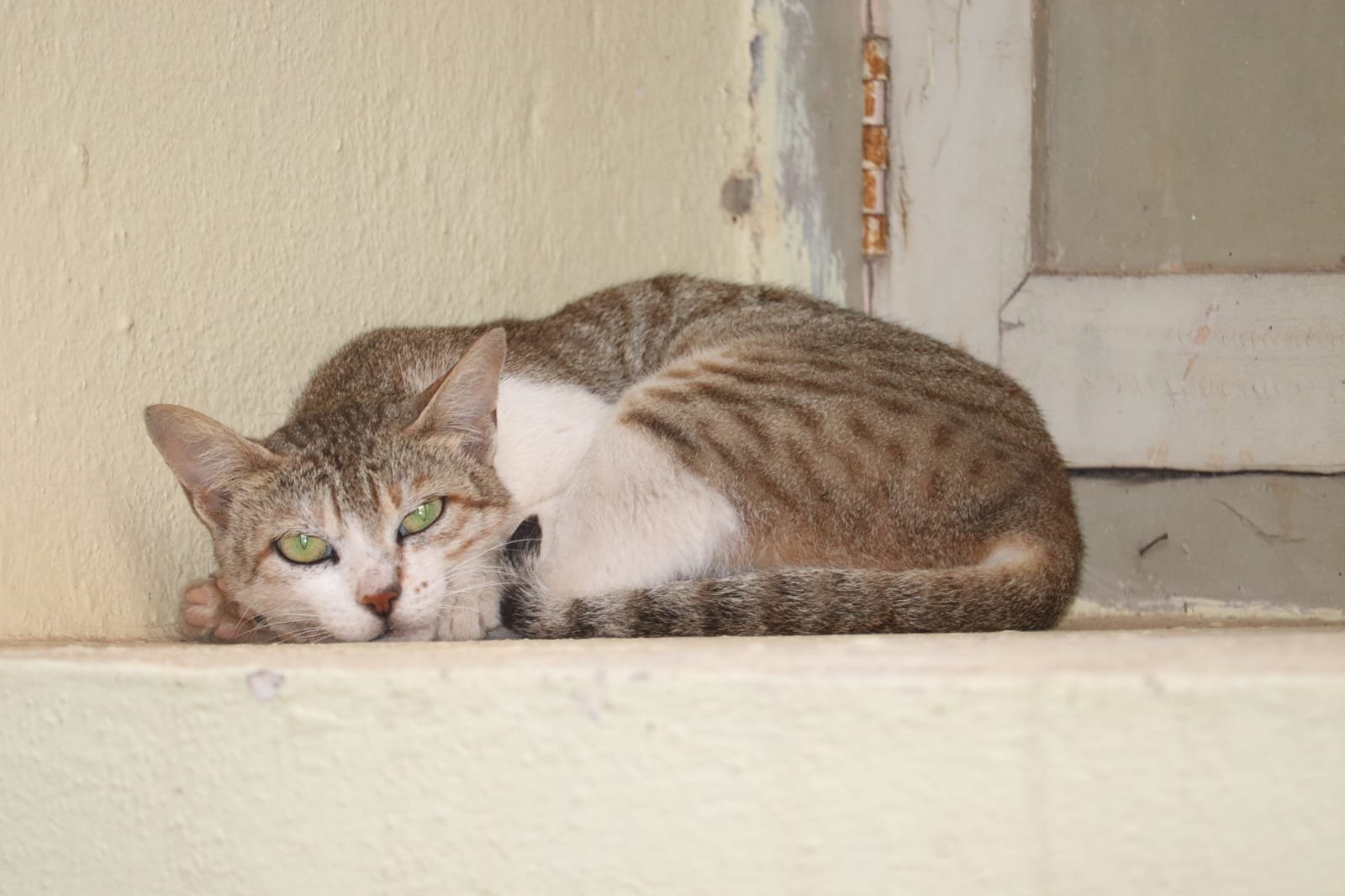
While cats are not as vocal as dogs, they do use meows, purrs, and chirps to communicate with their humans. Interestingly, some cats will adjust the tone, pitch, or rhythm of their vocalizations to match those of their owners. If you speak softly, your cat may reply with gentle meows; if you’re more animated, you might hear excited chirps. This mirroring of vocal patterns is another layer of emotional attunement. Cats seem to intuitively know how to get your attention or comfort you through sound. Paying attention to these vocal cues can reveal just how closely your cat is tuned into your emotional state.
Mirroring in Multi-Cat Households
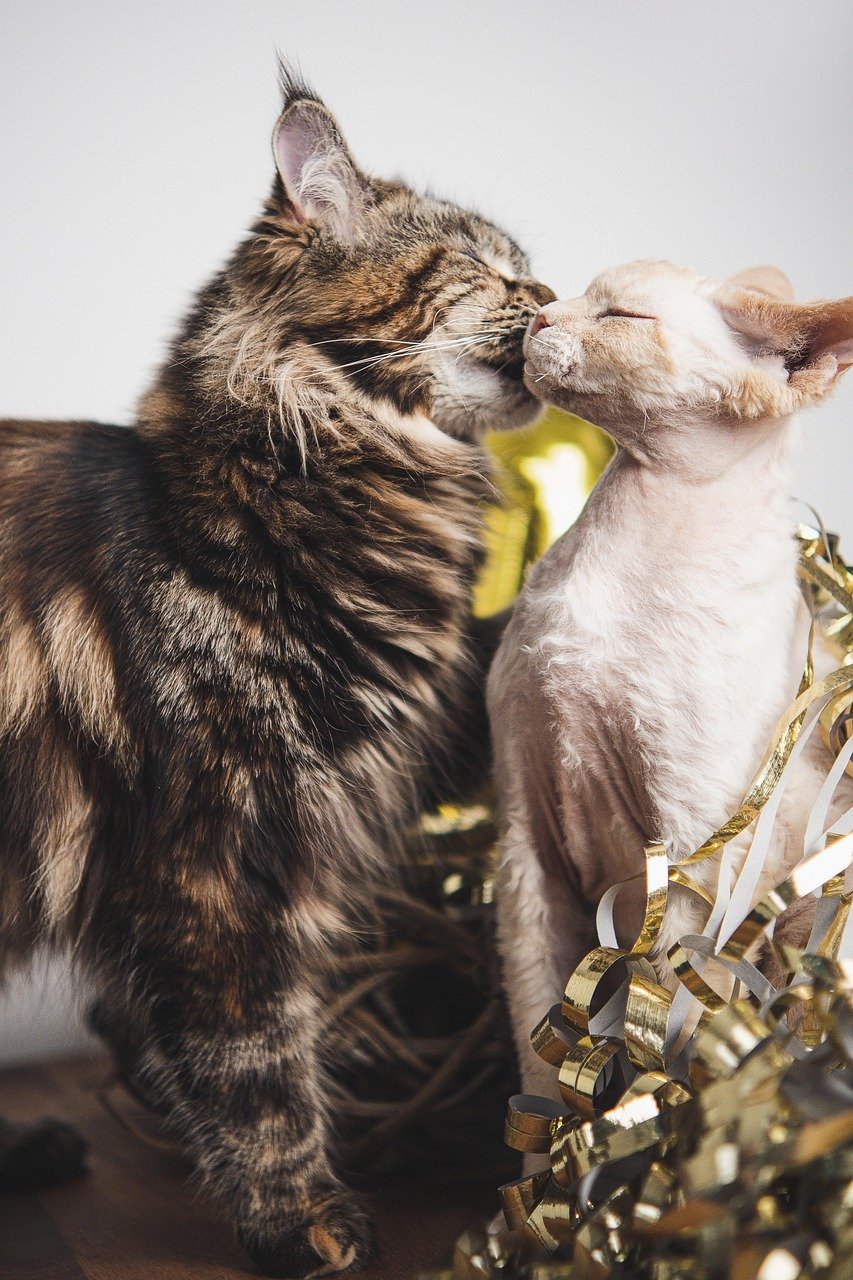
In homes with more than one cat, mirroring can take on extra dimensions. Cats may mimic not only their humans but also each other, creating a dynamic web of behaviors. If one cat feels safe and content, others may follow suit, copying routines or play styles. Human behavior acts as a central influence in this mix, setting the tone for the entire household. When all cats feel emotionally safe, you might notice synchronized grooming, group naps, or playful chases that mirror your own family interactions. In these environments, emotional safety and mirroring reinforce each other, creating a peaceful and harmonious home.
Stress and Its Effects on Mirroring

Stress can disrupt the delicate balance of mirroring behaviors in cats. When a cat feels anxious or threatened, it’s less likely to copy or engage with its human. Changes in the home—like moving, loud noises, or new people—can erode a cat’s sense of security. In these moments, mirroring may turn into avoidance or withdrawal. However, restoring emotional safety can bring these behaviors back. Gentle reassurance, patience, and stability help rebuild trust and encourage your cat to reconnect. Recognizing the signs of stress and addressing them quickly is key to maintaining the special bond you share.
The Influence of Early Socialization
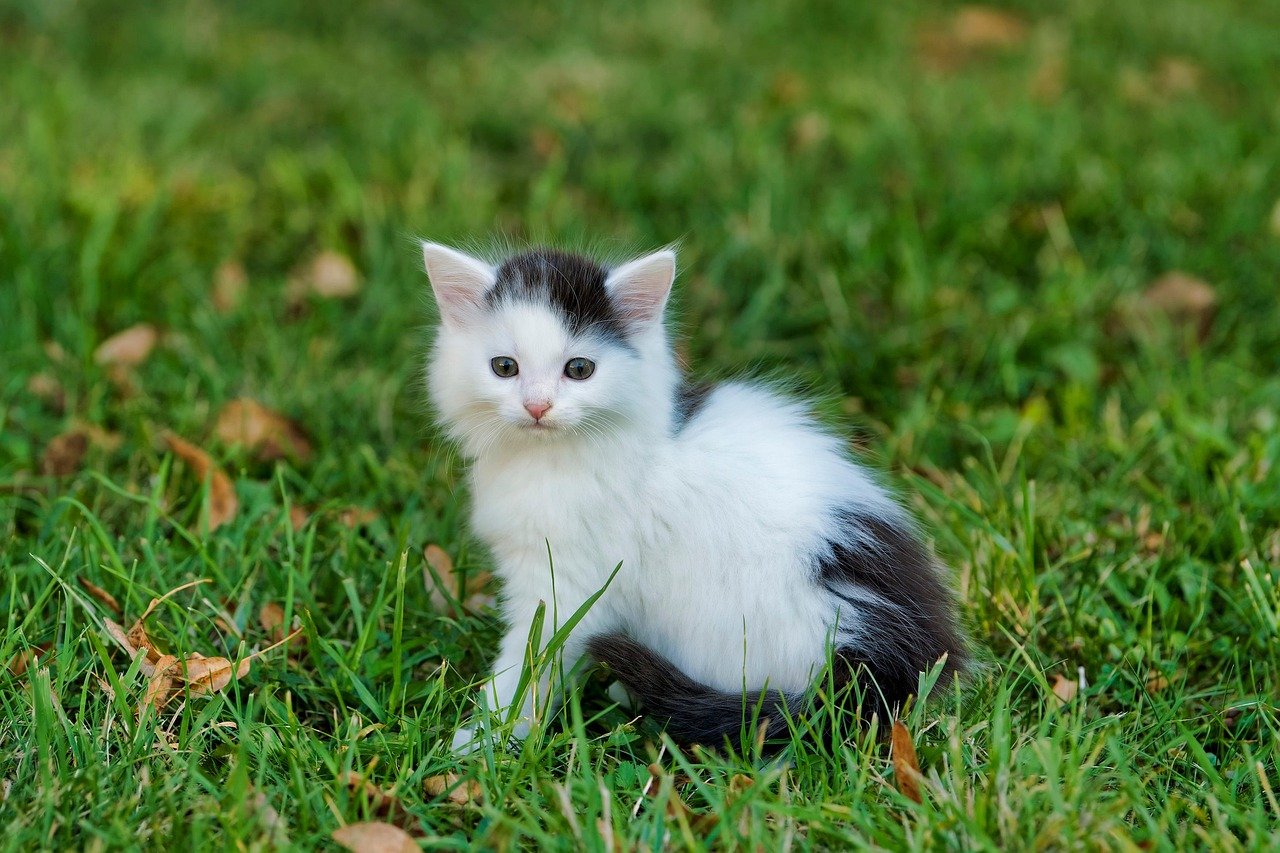
Early experiences play a huge role in shaping a cat’s behavior. Kittens that are exposed to gentle handling, positive human interaction, and a stable environment are more likely to feel emotionally safe as adults. These well-socialized cats often develop strong bonds with their humans and are more open to mirroring behaviors. On the other hand, cats that experience trauma or neglect early on may struggle to trust or connect. Socialization isn’t just about exposure—it’s about building positive associations that last a lifetime. Investing time in early socialization pays off with a cat that feels safe enough to truly mirror your actions and emotions.
Personal Space: Honoring Feline Boundaries

Cats value their personal space, and respecting these boundaries is essential for building emotional safety. Forcing interaction or ignoring signs of discomfort can break trust and reduce mirroring behaviors. Instead, let your cat approach you on its own terms. Offer gentle affection and observe how your cat responds. When your cat chooses to be near you or mimic your actions, it’s a sign of genuine comfort. Honoring your cat’s need for space strengthens your bond and encourages more mirroring over time. Think of it as a dance—sometimes you lead, sometimes your cat does.
Training and Positive Reinforcement

Positive reinforcement is a powerful tool in shaping your cat’s behavior. By rewarding mirroring behaviors—like coming when called or copying a simple trick—you encourage your cat to repeat these actions. Training sessions, when done gently and patiently, can become a shared experience that builds trust. Cats respond best to treats, praise, and gentle touch. Over time, positive interactions create a feedback loop of safety and mirroring. Training isn’t about control; it’s about collaboration and understanding. Every small success is a step toward a deeper, more emotionally connected relationship.
Recognizing Your Cat’s Unique Mirroring Style

Just like people, every cat has its own personality and way of expressing affection. Some cats are natural mimics, quick to copy your actions or moods. Others are more reserved, showing their comfort through subtle behaviors or occasional gestures. Observing your cat closely will help you understand its unique style of mirroring. Celebrate the little things—whether it’s a matching yawn, a synchronized stretch, or a quiet moment shared side by side. These personal quirks make your relationship with your cat one-of-a-kind. Mirroring isn’t about perfection; it’s about connection and understanding.
How Age and Health Influence Mirroring
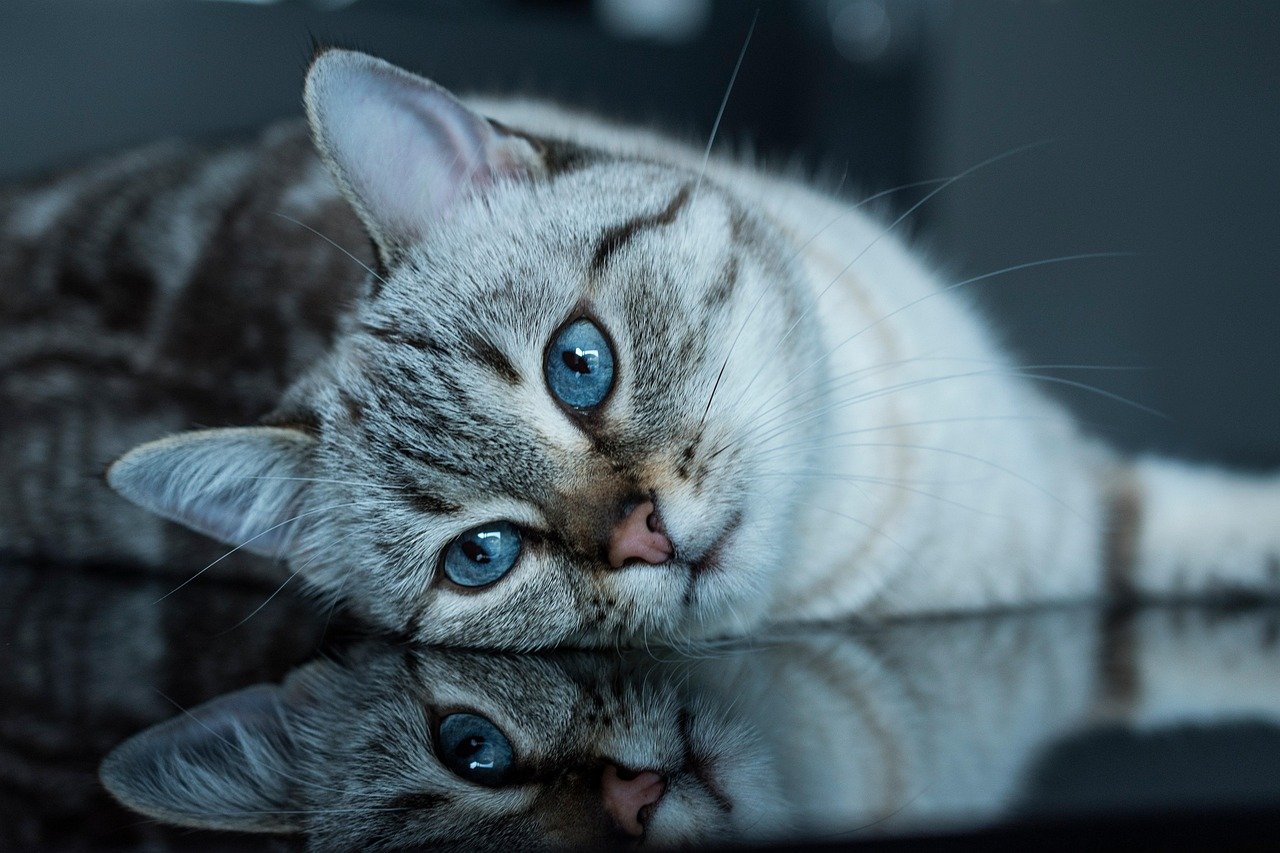
A cat’s age and health can have a big impact on its willingness and ability to mirror its human. Kittens and young cats are generally more curious and energetic, often eager to copy and play. Older cats may be more set in their ways, but can still show subtle mirroring behaviors, especially if they feel safe. Health issues like pain or illness can reduce a cat’s interest in interaction, so it’s important to be patient and attentive. Always consider your cat’s physical and emotional state when looking for signs of mirroring. A healthy, comfortable cat is more likely to engage and connect.
Mirroring Across Different Cat Breeds
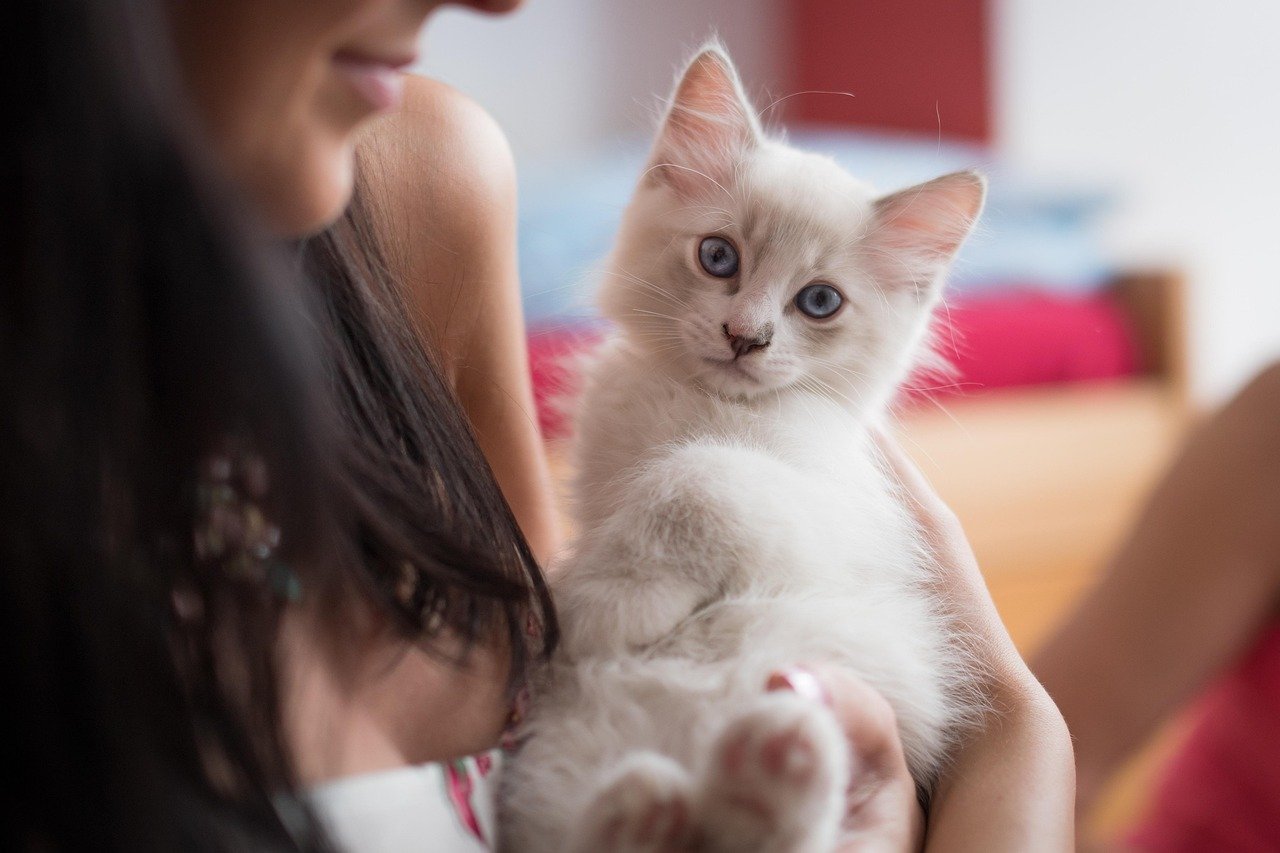
Different cat breeds can display varying levels of mirroring behavior. Some breeds, like Siamese or Maine Coons, are known for their social and interactive natures, making them more prone to copying their humans. Others, like Persians or British Shorthairs, may be more reserved but still express mirroring in subtle ways. Breed tendencies are just one piece of the puzzle; individual personality and upbringing play an even bigger role. Regardless of breed, the foundation is always emotional safety. With trust and patience, any cat can develop its own special way of connecting and mirroring its favorite person.
The Role of Scent and Touch in Feline Mirroring

Cats rely heavily on scent and touch to interpret their world and communicate with their humans. Rubbing against your hand, “head bunting,” or kneading your lap are all ways cats mirror and share comfort. These physical gestures are more than just affection—they’re a form of bonding and reassurance. Sharing a familiar scent, like sleeping on your clothes, can also signal a cat’s desire to connect and emulate your presence. Touch and scent are powerful tools in reinforcing emotional safety and mirroring. The more your cat trusts you, the more likely it is to seek out these comforting rituals.
Practical Tips for Deepening the Cat-Human Bond
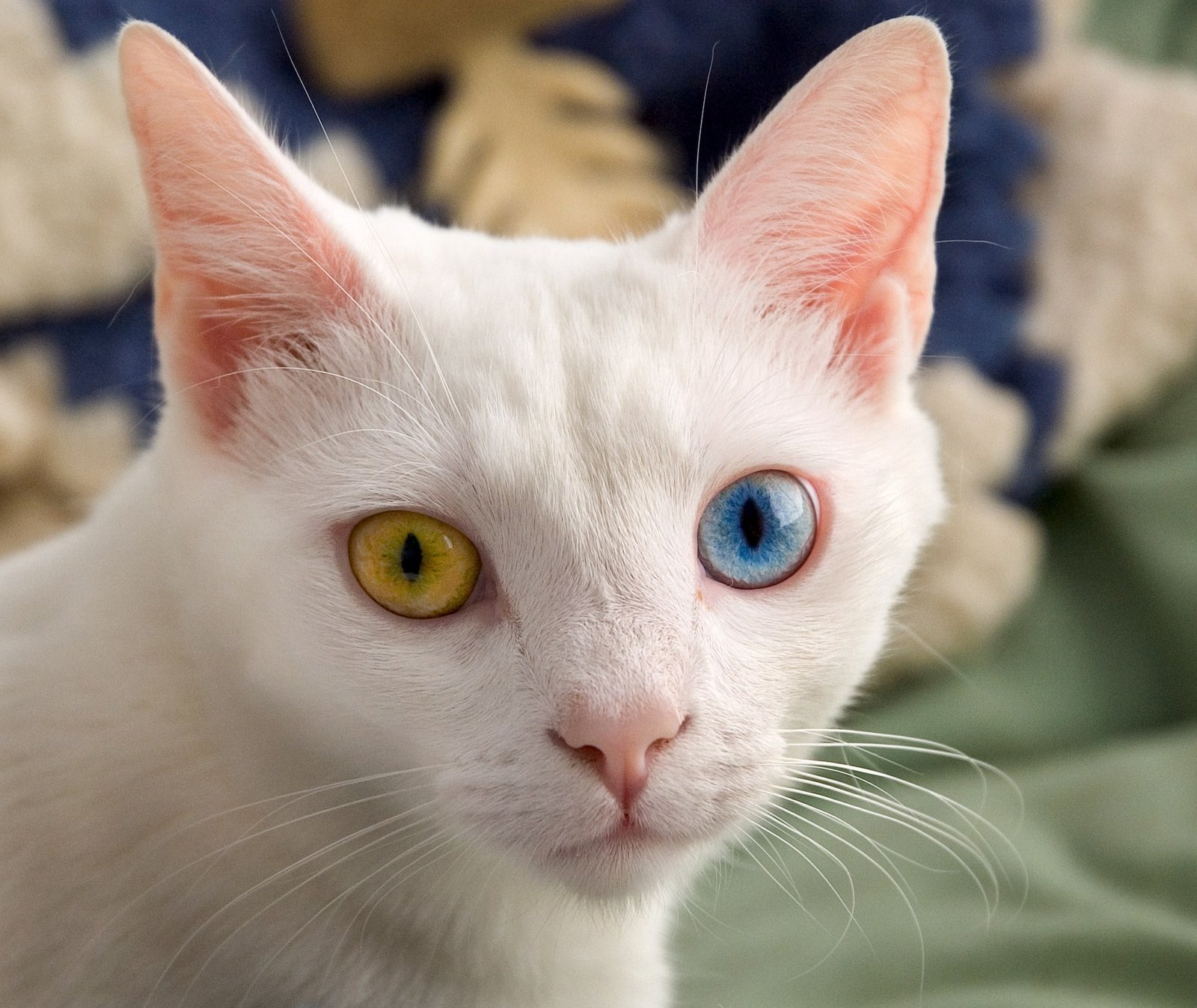
Building a relationship where your cat feels safe enough to mirror you takes time and patience. Start by creating a calm, predictable environment with plenty of cozy spaces for your cat to retreat to. Engage in regular play, offer gentle affection, and respect your cat’s boundaries. Use positive reinforcement to encourage interaction and mirroring. Pay close attention to your cat’s cues and adjust your behavior accordingly. The more consistent and loving you are, the more emotionally safe your cat will feel. With time, you’ll notice your feline companion responding in ways that reflect your own moods and actions, making every day together even more special.

Hi, I’m Bola, a passionate writer and creative strategist with a knack for crafting compelling content that educates, inspires, and connects. Over the years, I’ve honed my skills across various writing fields, including content creation, copywriting, online course development, and video scriptwriting.
When I’m not at my desk, you’ll find me exploring new ideas, reading books, or brainstorming creative ways to solve challenges. I believe that words have the power to transform, and I’m here to help you leverage that power for success.
Thanks for stopping by, Keep coming to this website to checkout new articles form me. You’d always love it!