You’ve heard it since childhood, probably from your grandmother or in some old cartoon. Cats have nine lives. It’s one of those sayings that gets tossed around so casually, you might’ve never stopped to question it. Yet there you are, watching your cat leap from the top of the refrigerator without a scratch, and you think, “Maybe there’s something to it.”
Let’s be real. Your cat doesn’t have nine lives. Not even close. Still, the myth persists across cultures and centuries, woven into folklore and everyday conversation. So where did this curious idea come from, and why do we still believe it? The truth is far more fascinating than fiction, blending ancient mysticism, remarkable biology, and sheer survival instincts that would make any action hero jealous.
Ancient Egypt and Divine Feline Energy
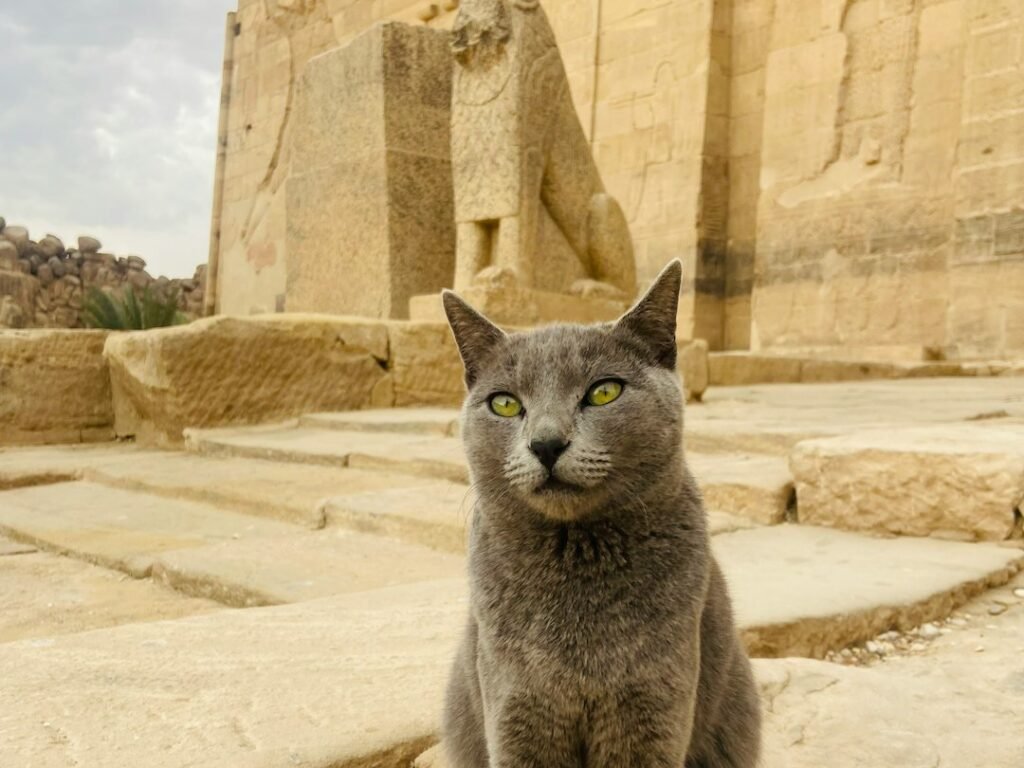
Ancient Egypt plays a huge role in the origin story of this myth, where cats were revered as divine creatures and often associated with the goddess Bastet, who was believed to have protective powers. Honestly, if you lived thousands of years ago and saw how gracefully cats moved and survived, you’d probably think they had supernatural abilities too. The sun god Atum-Ra was said to take the form of a cat when visiting the underworld, and according to Egyptian culture, this god gave birth to eight other gods.
The mythological Egyptian god Atum was considered to represent nine lives – his own and the eight other original gods and goddesses of Egypt that were his descendants. This connection between the number nine and divine completeness likely fueled the idea that cats possessed multiple existences. In various cultures, the number nine is often seen as special, representing total perfection or deep magical meaning, and this reverence for cats as guardians and symbols of divine completeness likely contributed to the mythical attribution of extra lives.
Why Nine and Not Another Number?
Here’s the thing. Not every culture settled on nine lives. Some Spanish-speaking areas believe cats have seven lives, while Arabic and Turkish mythology give cats six lives. The number varies depending on where you are in the world, which tells you this myth is less about biology and more about cultural symbolism.
The idea of nine lives is most prevalent in Western societies, especially in Anglo-Saxon cultures where nine is often seen as an auspicious number. Think about it. Nine appears throughout history and religion with mystical significance. Some numbers seem to have a special significance, and in the Bible, nine was used many times and stands for completion, with Christ dying on the ninth hour of the day. Whether it’s ancient numerology or simple coincidence, nine stuck as the magic number in English-speaking countries.
Shakespeare and Literary Roots
William Shakespeare referenced nine lives in his 1597 tragedy Romeo and Juliet, appearing in Act 3, Scene 1 during a fight between Tybalt and Mercutio. The saying was already well-established by the late sixteenth century, proving this wasn’t some modern invention. An old English proverb of unknown origin directly references the idea, stating “A cat has nine lives. For three he plays, for three he strays, and for the last three he stays.”
This proverb wasn’t meant to be taken literally. It was more of a lighthearted observation about the different phases of a cat’s life and personality. Yet the phrase caught on and became embedded in our collective consciousness. Literary references like these helped cement the myth into popular culture, making it nearly impossible to separate folklore from feline reality.
The Righting Reflex That Defies Gravity

Now we get to the science, and it’s genuinely mind-blowing. The cat righting reflex is a cat’s innate ability to orient itself as it falls in order to land on its feet. This isn’t magic or luck. The righting reflex begins to appear at three to four weeks of age and is perfected at six to nine weeks, possible because cats have an unusually flexible backbone and no functional clavicle.
As a cat starts to fall and senses disorientation, the back bends, creating two separate axes of rotation, with the head and front half of the body rotating first in one direction while the front legs tuck in close to the face. Simultaneously, the back half rotates separately with the back legs outstretched. By bending at the waist, the cat can twist the two halves of its body in opposite directions, causing their opposing angular momenta to largely cancel, and when it unbends, its body will be oriented in a different direction, even though the cat had no angular momentum to start with. It’s like watching a physics demonstration, except with fur and attitude.
Surviving Falls From Astonishing Heights
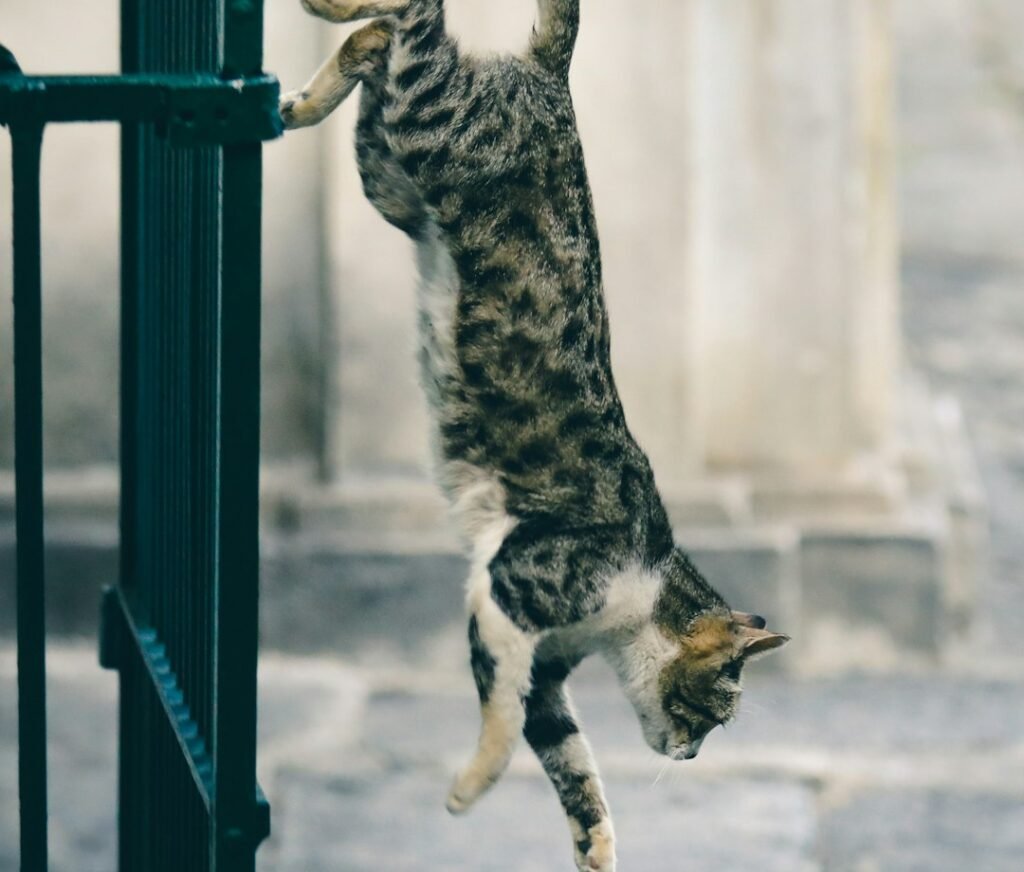
Here’s where things get wild. In one documented case, a pet cat in New York City survived a fall of 32 storeys with only relatively minor injuries. You read that right. Thirty-two floors. Cats have other features that reduce damage from a fall, including their small size, light bone structure, and thick fur that decrease their terminal velocity, and while falling, a cat spreads out its body to increase drag, achieving a terminal velocity of about 60 mph, around half that of an average-sized man.
It’s hard to say for sure, but researchers discovered something fascinating. Cats land with less impact when they fall from higher than the seventh floor than from lower heights, mostly because of air resistance, which slows the cat’s body enough to allow it to turn. This doesn’t mean you should test your cat’s abilities. With their righting reflex, cats often land uninjured, however this is not always the case, since cats can still break bones or die from extreme falls.
The Biology Behind Feline Flexibility

Your cat’s body is basically built like a tiny acrobat. The vertebrae of the spinal column are held together by muscles rather than by ligaments, allowing the cat to move with great agility, and the construction of the shoulder joints permits the cat to turn its foreleg in almost any direction, allowing for quick turns when chasing prey. This skeletal arrangement is nothing short of engineering brilliance.
Cats have a more flexible skeletal system than humans, allowing for greater agility and movement, with their spine being particularly flexible and having more vertebrae than humans, enabling cats to twist and turn their bodies when falling or jumping. That flexibility isn’t just for show. It’s a survival mechanism honed over millions of years of evolution. Their collarbones are attached to muscle, not bones like humans’, so if their head fits, they can shift their collarbones so their body can follow, and their shoulder blades are also attached to muscle, allowing them to quickly change direction and lengthen their strides while running.
The Reality of One Life
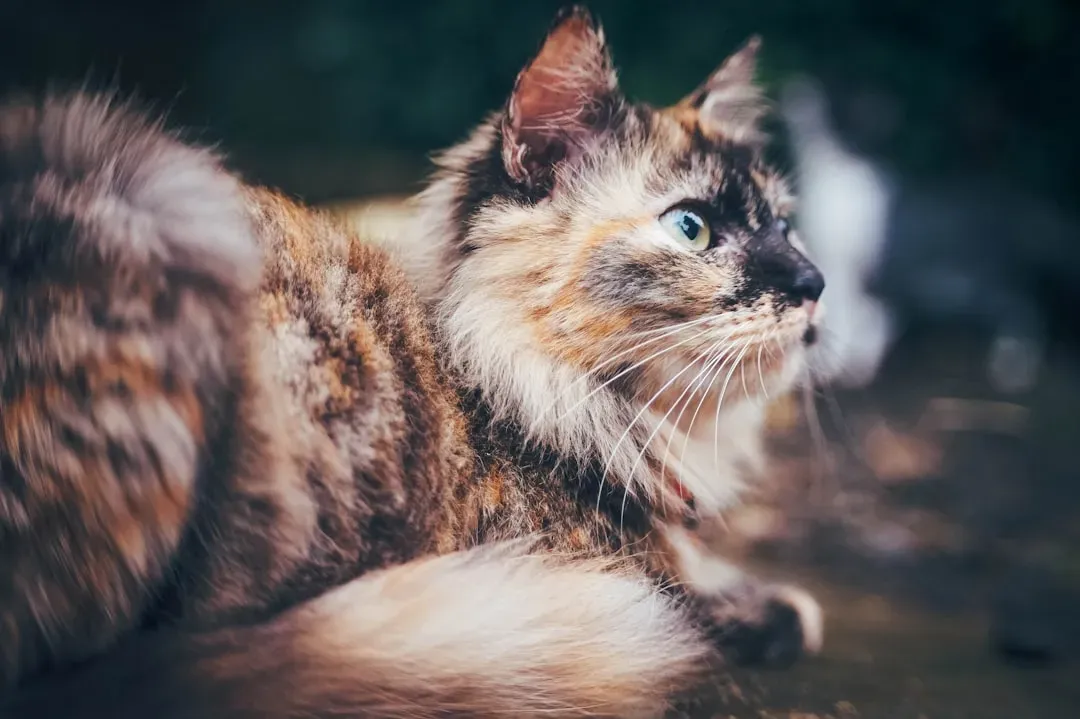
Despite popular belief, cats actually have just one life, and the saying that cats have nine lives is a myth, as cats, like all other animals, have only one life. The legend persists because of those incredible survival skills we just discussed. Their agility, the skill of landing on their feet, and cautious behavior make them seem like they can escape death easily, with cats surviving high falls or dangerous situations contributing to the myth of their nine lives.
The normal lifespan of domestic cats is in the range of 13 to 20 years, with estimates of mean lifespan in studies ranging between 13 and 20 years, with a single value in the neighborhood of 15 years. Indoor cats typically live longer than outdoor cats, with proper care being the biggest factor. On average, indoor cats live 13 to 17 years, while an outdoor cat’s life expectancy is just two to five years. So while your cat may seem invincible, they still need your care and protection to thrive.
Lessons From the Myth

What makes this myth endure isn’t just folklore or ancient beliefs. It’s observation. With their incredible agility and apparent ability to avoid certain death on a semi-regular basis, the saying that cats have nine lives has resonated across societies and generations, with the message being the same regardless of the number: Cats are survivors, and there are countless stories of cats who’ve fallen from high-rise buildings, survived being stuck in car engines, or made it home after being lost for months.
The nine lives myth highlights something deeper about our relationship with cats. We admire their independence, their resilience, their mysterious nature. They survive situations that would devastate other animals, and they do it with an almost arrogant grace. So maybe the myth isn’t about cats having multiple lives at all. Maybe it’s about recognizing that cats possess an extraordinary will to survive, coupled with biological advantages that border on the miraculous. They don’t need nine lives when one is lived this well.
Conclusion
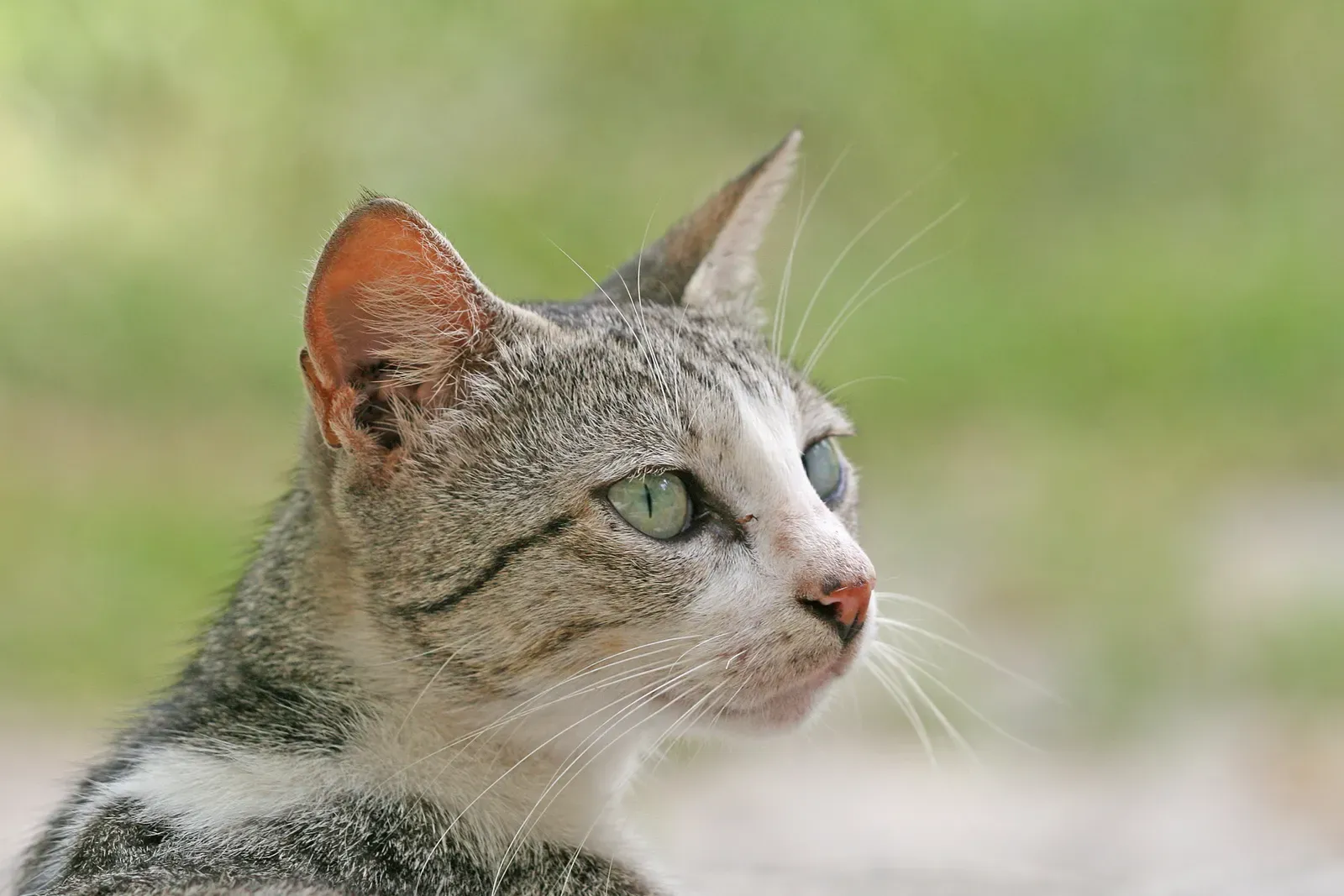
So do cats really have nine lives? Absolutely not. They have one precious life, just like every other creature on this planet. Yet the myth endures because it captures something true about cats – their uncanny ability to survive, adapt, and land on their feet when life throws them off balance. From ancient Egyptian gods to Shakespearean drama, from physics-defying reflexes to flexible spines, the story of nine lives is really a story about resilience and wonder.
Your cat might not be immortal, but watching them navigate the world with such confidence and skill, you can understand why people throughout history believed they possessed something extraordinary. What do you think about it? Did you expect the science behind their survival skills to be this fascinating?