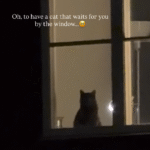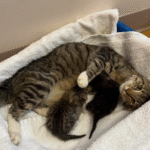
Have you ever locked eyes with a cat you haven’t seen in years and wondered: “Does she remember me?” The bond between humans and cats can be magical, mysterious, and sometimes heartbreakingly brief. If you’ve ever shared your life with a cat—felt its trust blossom, watched it curl up on your lap—you know how special that connection is. But what happens to that bond over time and distance? Do cats truly remember every human who’s earned their trust, or does their memory fade like a distant purr in the night? The truth might surprise you, tug at your heartstrings, or even challenge what you thought you knew about your feline friend.
The Mysterious Memory of Cats

Cats have a reputation for being aloof, but their minds are far more complex than we often imagine. Unlike dogs, which seem to never forget a friendly face, cats are more selective about what and whom they remember. Their memory is shaped by both instinct and experience, with emotional events leaving the deepest marks. You might be shocked to know that some studies suggest cats remember certain people for years—especially if those interactions were meaningful or emotional. It’s almost as though cats keep a secret diary in their minds, recording those they’ve trusted and shared special moments with. But not every human makes the cut, and their memory isn’t as black-and-white as we wish. When a cat gives you its trust, it’s not easily forgotten, but time, trauma, and new experiences can sometimes blur those memories.
How a Cat’s Memory Works

A cat’s memory can be divided into short-term and long-term types, just like ours. Short-term memory helps cats remember recent events, such as where their food bowl is or which door leads outside. Long-term memory, on the other hand, stores information about important people, places, and experiences. Scientists believe cats use associative memory—meaning they remember people based on specific interactions, smells, or sounds. So, if you were the one who always fed or played with them, your scent or voice might trigger an old, comforting memory. However, if a cat’s environment changes drastically or it experiences stress, those memories might be harder to access. It’s not about forgetting completely, but more about how easily those memories come back when something familiar happens.
Emotional Bonds: The Power of Trust

When a cat trusts you, it’s a bond forged through patience, gentle touches, and shared routines. Trust isn’t given lightly in the feline world; it’s earned over time, sometimes in tiny steps—a slow blink, a soft head-butt, or a cautious approach. Once a cat lets its guard down, that emotional connection becomes part of its mental landscape. These positive interactions are often stored in the long-term memory, making it more likely the cat will remember you even after a long separation. On the flip side, if a cat is mistreated or frightened by someone, that negative memory can also stick, sometimes for life. So, the memories cats keep are not just about faces, but about feelings—warmth, safety, or fear.
Familiar Faces and Forgotten Friends

Not every human a cat meets will become an unforgettable friend. Cats are discerning creatures, and only a select few earn a place in their hearts—and memories. If you’ve lived with a cat for years, created daily rituals, and shared quiet moments, you’re far more likely to be remembered than someone who only visited occasionally. It’s a bit like flipping through an old photo album: the most cherished faces stand out, while others fade into the background. Cats may respond with recognition to the sound of your voice, your scent, or even your footsteps, but if too much time passes, or if their life changes dramatically, some memories can become fuzzy. Still, many cat owners have experienced joyful reunions after years apart—proof that those bonds can endure.
The Role of Scent and Routine

For cats, scent is everything. They live in a world where smells tell stories—who’s been where, what’s changed, and who belongs. When a cat trusts a human, it often rubs its face or body on them, leaving behind subtle scent markers that signal comfort and familiarity. Even if a cat hasn’t seen you for a long time, a whiff of your old shirt or favorite blanket can spark a wave of recognition. Routine also plays a role: cats remember the people who feed them, play with them, or sit in their favorite chair. These patterns become part of their daily life, woven into their memory. Disrupt the routine, and a cat might become anxious or distant, but reintroduce a beloved scent, and you might just see that spark of recognition return.
Separation: Do Cats Miss Their Humans?

Separation can be tough on cats—especially if they’ve built a strong bond with a particular person. While some cats seem indifferent when their favorite human leaves, others show signs of anxiety or depression. You might find your cat searching the house, meowing more than usual, or withdrawing from play. These behaviors suggest that cats do miss their humans, and that absence makes the heart (and memory) grow fonder. When reunited, some cats rush to greet their person, purring and rubbing against them as if no time has passed. Others might act aloof at first, but eventually warm up, proving that the memory of trust can outlast even the longest separation.
Building Lasting Memories with Your Cat

If you want your cat to remember you forever, focus on building positive, consistent interactions. Cats thrive on routine—feeding them at the same time, playing together, and offering gentle affection. Speak softly to them, use their name, and create rituals that are just yours. Over time, these shared experiences form the foundation of trust and recognition. If you ever have to be apart from your cat, leaving behind a favorite toy or a piece of clothing that smells like you can help keep that memory alive. Remember, in the world of cats, it’s the little things—kindness, patience, and love—that linger the longest in their hearts and minds.
Growing up traveling and experiencing new cultures and wonders, I have had a passion for nature, adventuring, photography, and videography. I am currently working towards a BSc in Biodiversity and Ecology at Stellenbosch University, and I hope to specialise in Marine Sciences one day.
Please send any feedback to Feedback@animalsaroundtheglobe.com