There is something quietly heartbreaking about watching a newly adopted cat sniff the air and go still, as if chasing something invisible. You might wonder what they’re searching for. You might wonder if they carry someone else’s scent in their memory, someone who once scratched behind their ears and called them by a name you don’t yet know. It’s one of the most emotionally loaded questions in all of cat ownership – and the answer is far more profound than most people expect.
Cats have long been painted as indifferent, self-serving creatures who barely notice when you leave the room. Honestly, I think that reputation has been wildly unfair. The science of feline memory is catching up to what devoted cat owners have always known in their guts. So let’s dive in, because what researchers are uncovering about how cats remember the people they love is both astonishing and deeply moving.
The Science of Feline Memory: More Impressive Than You Think
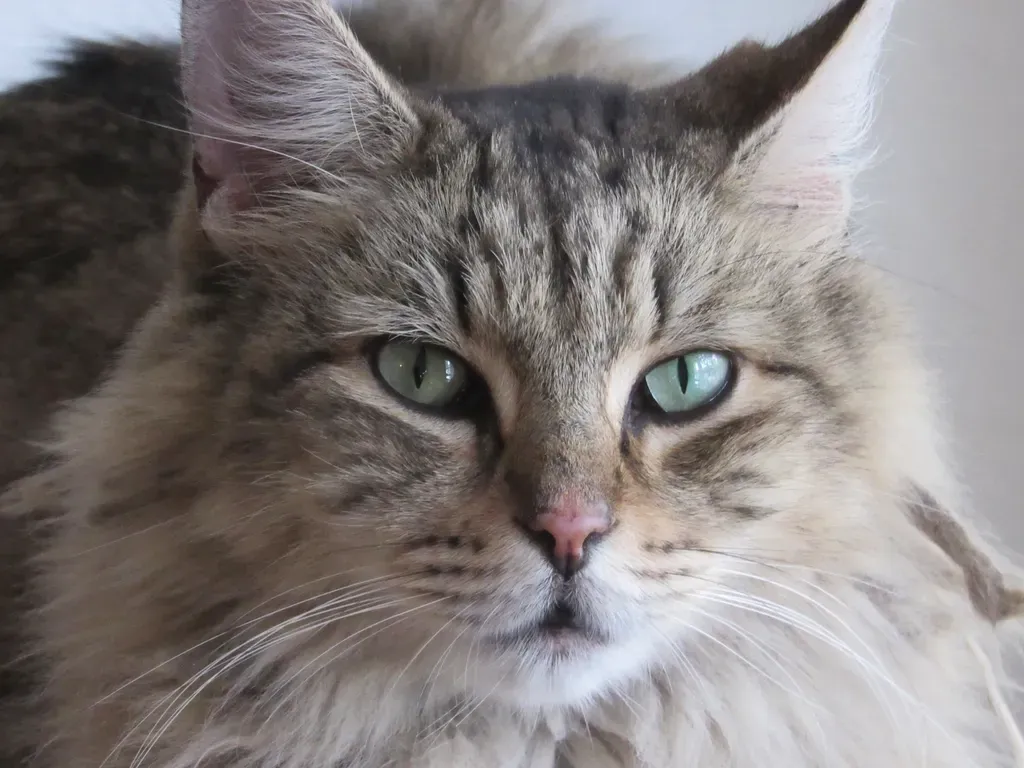
Most people assume cats have forgettable little minds, built only for napping and judging you. But here’s the thing – that assumption couldn’t be further from the truth. Studies indicate that cats have both long-term and short-term memory, like dogs and humans. That’s not a small thing. That’s a rich, layered memory system operating quietly behind those unblinking eyes.
Memory originates from an area of a cat’s brain called the hippocampus – the very same region that governs human memory and emotional processing. Cats are known to be intelligent animals, and their memory is linked to their survival skills, helping them to withstand and adapt to their environment. Think of it like a built-in filing cabinet, one that prioritizes what matters most for survival, comfort, and connection.
Short-Term Memory: The Everyday Recall That Surprises Everyone
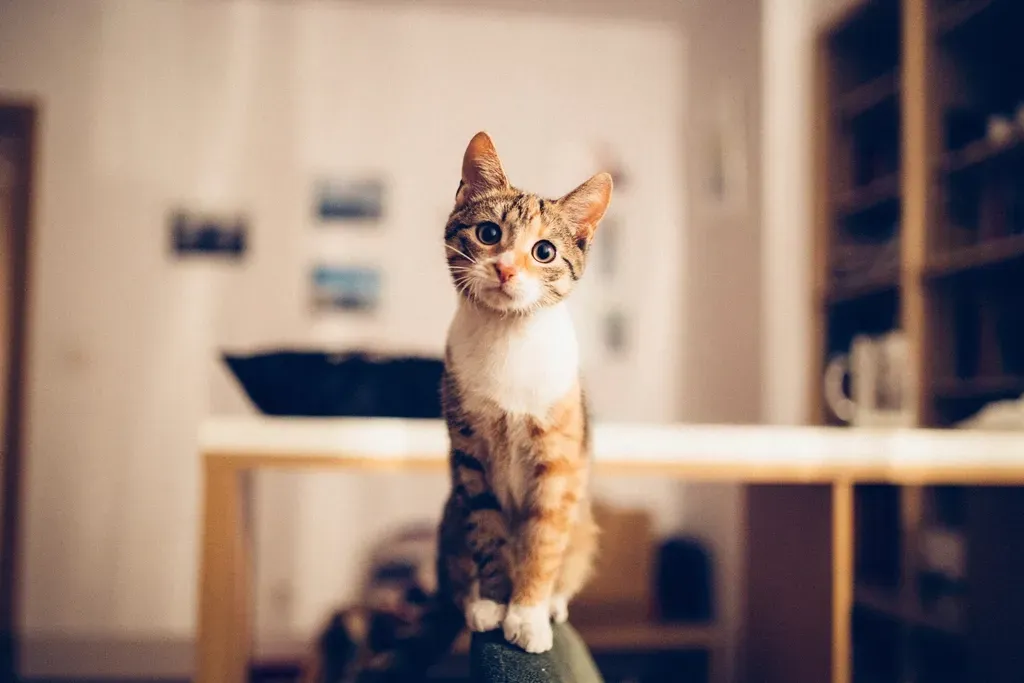
You’ve probably watched your cat track a toy under the sofa and then walk away, only to return minutes later and bat at exactly the right spot. That’s short-term memory in action. Cats have a short-term memory span of about 16 hours, meaning they can recall details about their environment, like where their toy rolled under the couch or which cupboard holds their food. That’s remarkably longer than most other animals.
Experts believe that a cat’s short-term memory can last up to 16 hours, which is much higher than other animals, that is, 27 seconds only. To put that in perspective, most non-human animals forget what just happened almost immediately. Your cat, meanwhile, is practically keeping a mental diary. Short-term memory in cats is crucial for any kind of problem-solving and shapes how they interact with you every single day.
Long-Term Memory: Where the Real Magic Happens
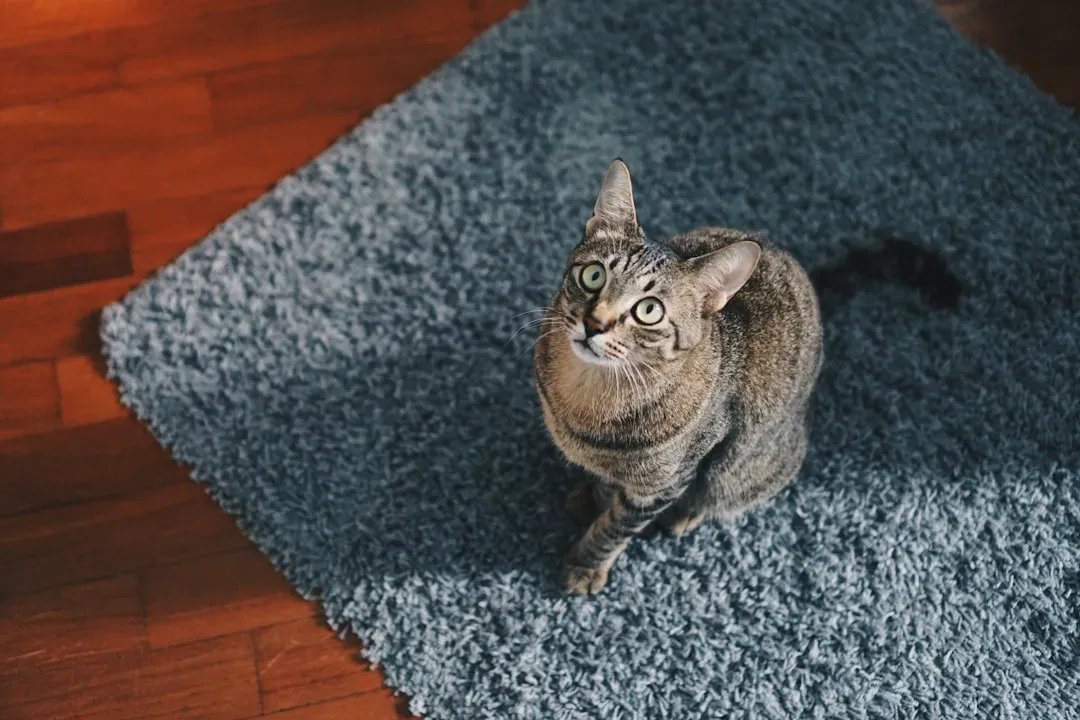
Long-term memory is where things get more interesting. Cats can remember people, places, and experiences for months or even years, especially if there’s a strong emotional impact or the event happens repeatedly. This is the layer of memory where previous owners live on. It’s where the echoes of love actually linger.
Both cats and dogs have long-term memories of past events, and these memories share many characteristics with human involuntary autobiographical memory. Both species reportedly remembered single-occurrence events that happened years ago. So that one afternoon a previous owner spent teaching a cat to play fetch? It may well be archived somewhere in that feline mind, waiting to resurface.
How Cats Actually Recognize the People They Love
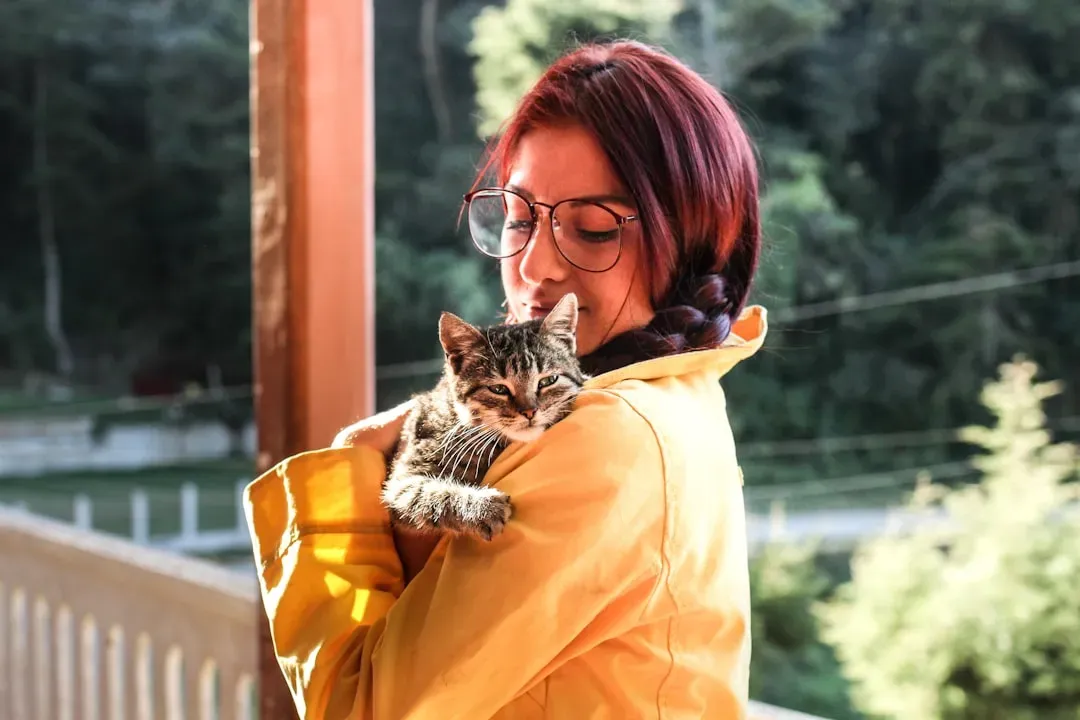
Here’s something that tends to shock people: cats don’t primarily recognize you by your face. Cats see us as “moving grey blobs,” which means visual cues aren’t how cats remember us. Instead, a cat will find smell more important than sight. Your scent is essentially your unique signature to them – more reliable than any face.
Cats know their owners by seeing their faces, hearing their voices, smelling their scent, and watching their habits. It’s a multi-sensory portrait they build of you over time. Thanks to an incredible sense of smell, your cat likely knows the difference between you and other humans who live in the same house – and especially between you and your neighbor from down the street. Honestly, that level of perceptual detail is astonishing.
Do Cats Remember Previous Owners After Rehoming?
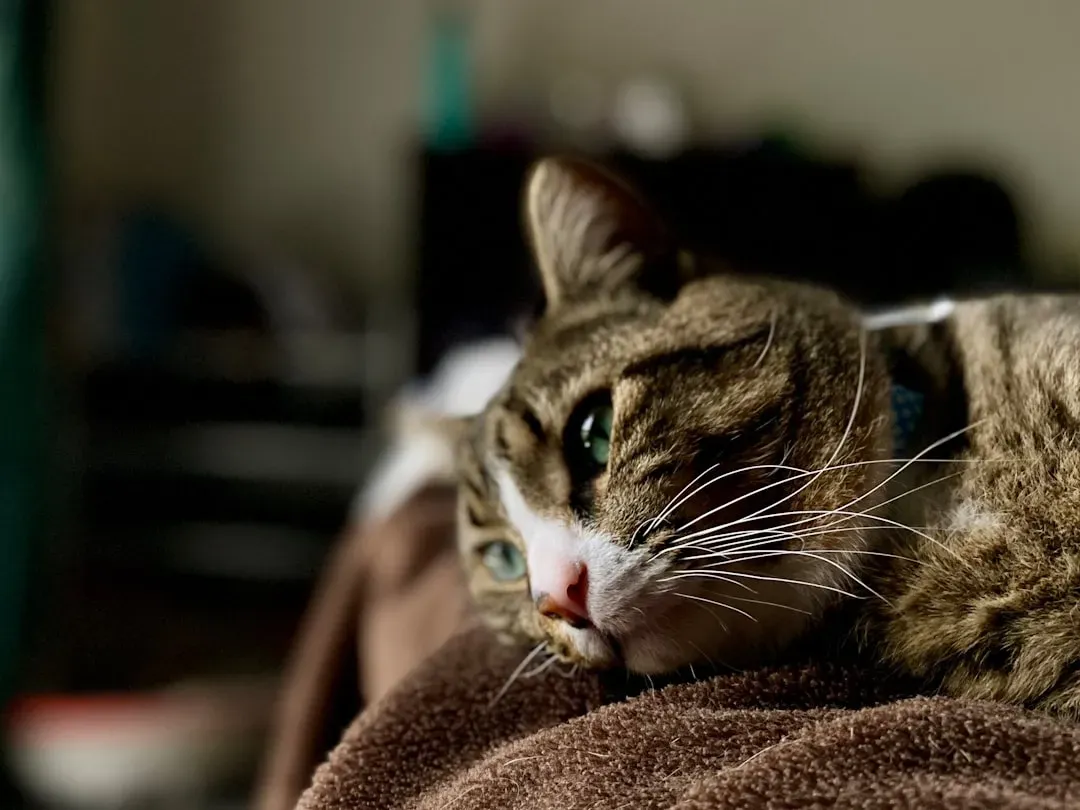
This is the question that really hits home for anyone who has ever adopted a cat with a history. The short answer? Yes – and profoundly so. Yes, cats carry memories of their past with them. When you adopt a cat, you are also adopting their history. Every nervous flinch, every unexpected preference, every strange behavior might be a memory playing out in real time.
If a cat flinches at loud noises, it could be a sign of a negative memory. On the other hand, if a cat shows a strong preference for a certain type of toy, it might be a fond memory from a past home. Cats don’t forget their owners. Cats remember the time spent with owners, good or bad, for months or years. The people who shaped them leave a lasting impression – one that new owners inherit whether they realize it or not.
The Role of Scent and Sound in Keeping Memories Alive
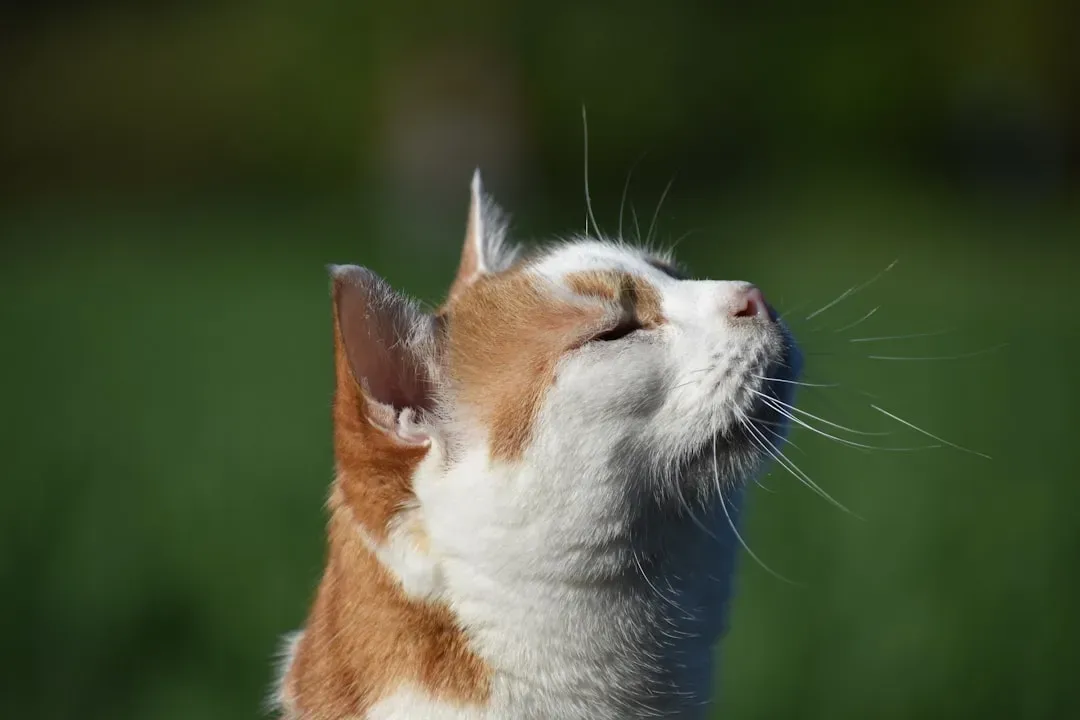
Think of your cat’s nose as a time machine. In humans, there is a strong link between memory and smell, and given that cats have a much more powerful sense of smell than humans, it is possible, even likely, that familiar scents will reach through the years to help our feline friends remember places and people. That’s an evocative image – a smell cutting across years like a thread pulling the past into the present.
A 2013 study published in the journal “Behavioral Processes” found that cats were able to recall the voice of their owners for up to 10 years, even after long periods of not seeing each other. Ten years. Let that sink in. The evidence of cats forming associations with smell and sound in particular strongly suggests their brains have multiple mechanisms for storing us in their memory. You are not just a face to your cat. You are a full sensory experience, encoded and saved.
Emotional Memory: Why Love and Fear Stick the Longest
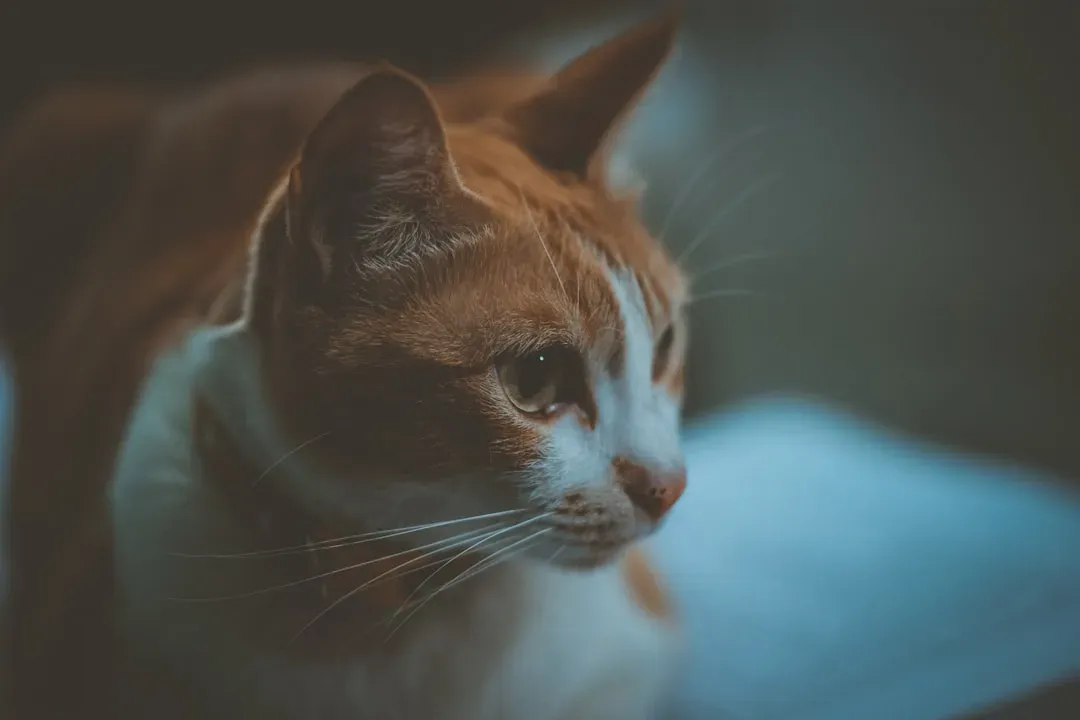
Cats don’t store every moment equally. Think of their memory like a highlight reel, not a complete recording. While limited studies have been done, they have shown that a cat’s memory is best when attached to a strong emotion. This emotion could be from the love they share with their family or even the role food plays in making their belly happy. Emotions can also be associated with negative experiences, such as abuse or neglect.
Cats remember people who make them feel safe, loved, or even scared. Their brains store emotion-tagged memories, which tend to last much longer than random ones. It’s a bit like how you might forget an ordinary Tuesday from ten years ago but vividly remember the day something wonderful or terrible happened. Cat memories that last the longest usually have to do with very positive or very negative events. Kindness and cruelty both leave a permanent mark.
What Happens to a Cat After Rehoming – Behavioral Echoes of the Past
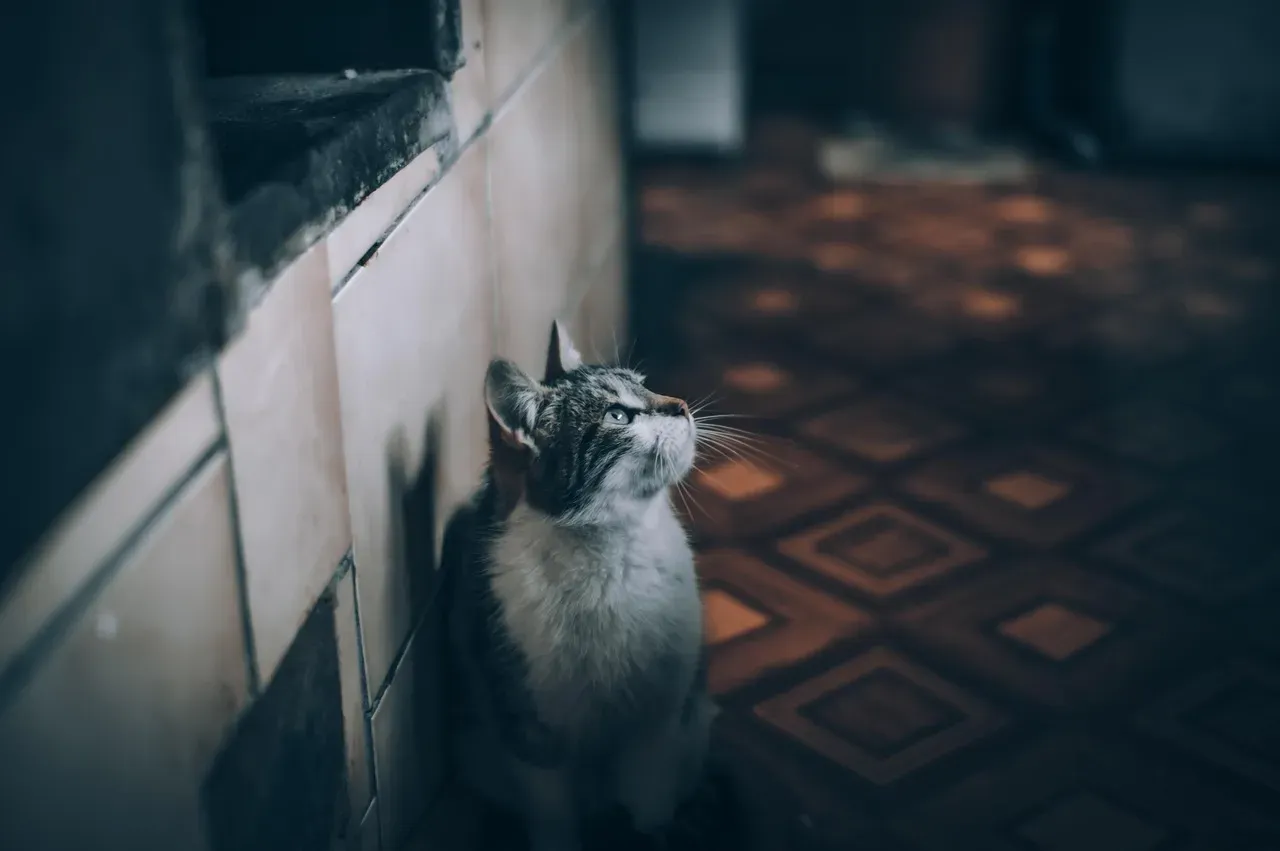
When a cat moves to a new home, they don’t arrive as a blank slate. How quickly a cat will become accustomed to new surroundings and people depends on many factors, like the cat’s age and personality, experience with the previous owner, and how the new owner deals with them. Some cats settle in within days. Others take weeks, months, even longer. And much of that difference comes down to what they’re carrying from before.
A cat that was treated well by the old owner is more likely to accept the new owner easily than a cat that was mishandled or abused in the past. You may notice your cat reacts negatively to certain scents, sights, or other stimulations. They may run from men with beards, for example, or lash out at people who wear a certain scent. In these cases, your cat could associate the sight or smell with a negative past memory. Patience, then, isn’t just a virtue with a newly adopted cat. It’s an absolute necessity.
Can You Strengthen Your Cat’s Memory of You?

Let’s be real – knowing that cats have strong memories is one thing. But knowing how to make yourself unforgettable to them is another matter entirely. Routine is a big part of how they remember. Regular activities like feeding times, play sessions, or bedtime rituals become strong memory cues. When these routines are consistent, they help your cat feel secure and make it easier for them to remember you. Consistency is essentially the love language of cats.
Cats are more likely to remember things associated with strong emotions. The closer the bond you build with your cat, and the more positive the associated memories, the more likely they are to remember you for longer. If you want to stay in your cat’s memory long after you’re out of sight, the key is repetition, routine, and emotional safety. Use the same tone and words when calling their name, and feed and play at consistent times. If they associate you with warmth and calm, they’re far more likely to hold onto that memory, even across long gaps.
Conclusion: The Lingering Echoes Are Real
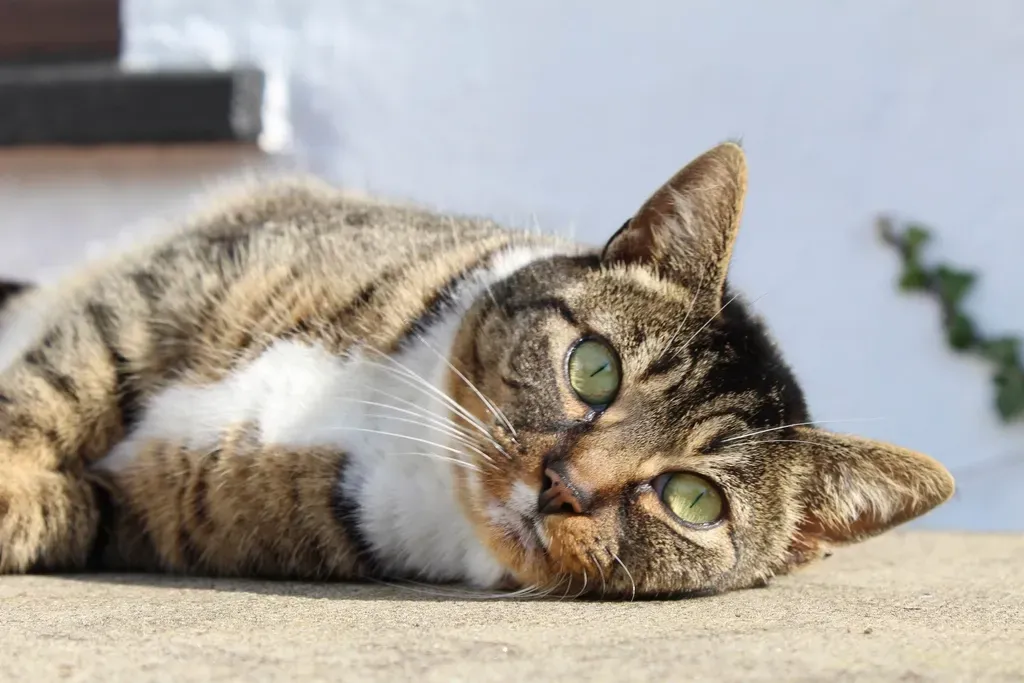
So, do cats remember their previous owners? They absolutely do. Not the way a photograph preserves a face, but the way a melody lodges itself in your chest and surfaces when you least expect it. A cat’s memory of a beloved owner doesn’t simply expire. Because their bond with you is built on a mountain of positive associations like warmth, food, and safety, the memory becomes a deep and permanent part of who they are.
Every purr, every slow blink, every insistent head-butt is not just instinct. It is memory made physical. Since it’s their owner who provides for their basic survival needs like food and shelter, cats typically remember their human companions for life, up to the point where memory degradation might occur. When you welcome a cat with a past into your home, you are not erasing that history. You are becoming the next chapter in it.
The love a cat carries isn’t always visible. It doesn’t bark or wag. It waits, quiet and patient, in the archive of everything they’ve ever felt. And that, I think, is more beautiful than any outward display could ever be. What memories do you think your cat is carrying right now? Tell us in the comments.