You’ve probably experienced it before. Your cat suddenly stops mid-stride, their entire body goes rigid, and they stare intensely at a corner of the room where absolutely nothing exists. At least, nothing you can see. Their pupils dilate, their tail puffs up slightly, maybe they even release a low, guttural growl that sends a chill down your spine. It’s enough to make you wonder if there’s something lurking just beyond your perception.
For centuries, cat owners have whispered about their feline companions’ ability to see beyond the veil. Ancient cultures revered cats as mystical creatures, companions to gods and guides to the afterlife. Even today, when your tabby fixates on empty space with unblinking focus, it’s hard not to feel a little spooked. The question lingers in the back of your mind: are cats really seeing ghosts, or is something else going on? Let’s dive into what science and folklore reveal about these mysterious behaviors.
The Superior Sensory Arsenal Your Cat Possesses
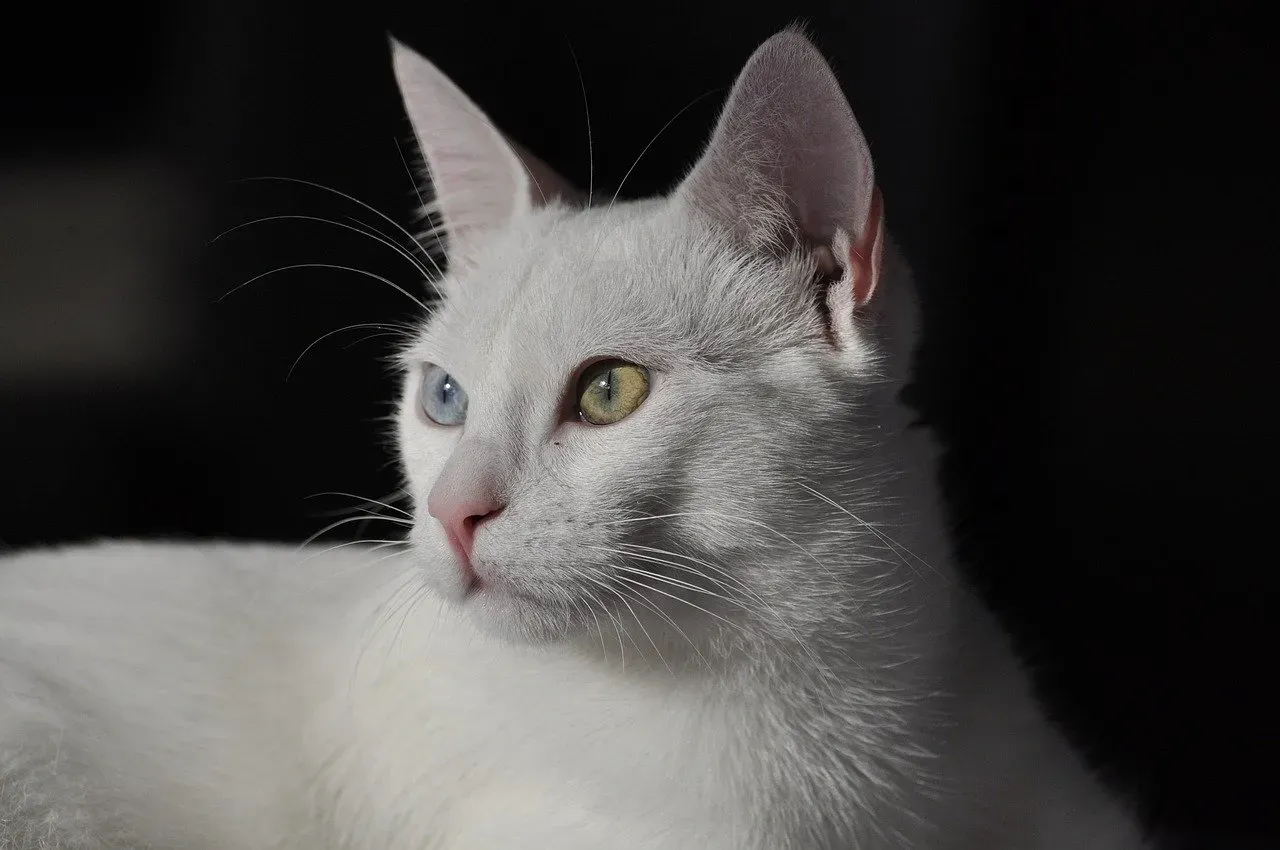
Let’s be real, your cat’s sensory equipment makes your own perception look primitive by comparison. Cats have one of the broadest ranges of hearing among mammals, detecting sounds up to 64 kHz, which is 1.6 octaves above human range. Think about what that means for a moment. While you hear only the faint hum of your refrigerator, your cat might be hearing a symphony of electrical buzzes, pipe vibrations, and sounds you couldn’t detect even if you tried.
Their vision isn’t just good; it’s optimized for a completely different world than yours. Cats have a tapetum lucidum, a reflective layer behind the retina that sends light back through their eyes, plus a high number of rods in their retina that are sensitive to dim light. In practical terms, they can see in conditions six to eight times dimmer than what you need. That spider rappelling down a single thread in the shadowy corner? Invisible to you, but crystal clear to them.
The Ultraviolet Mystery That Changes Everything
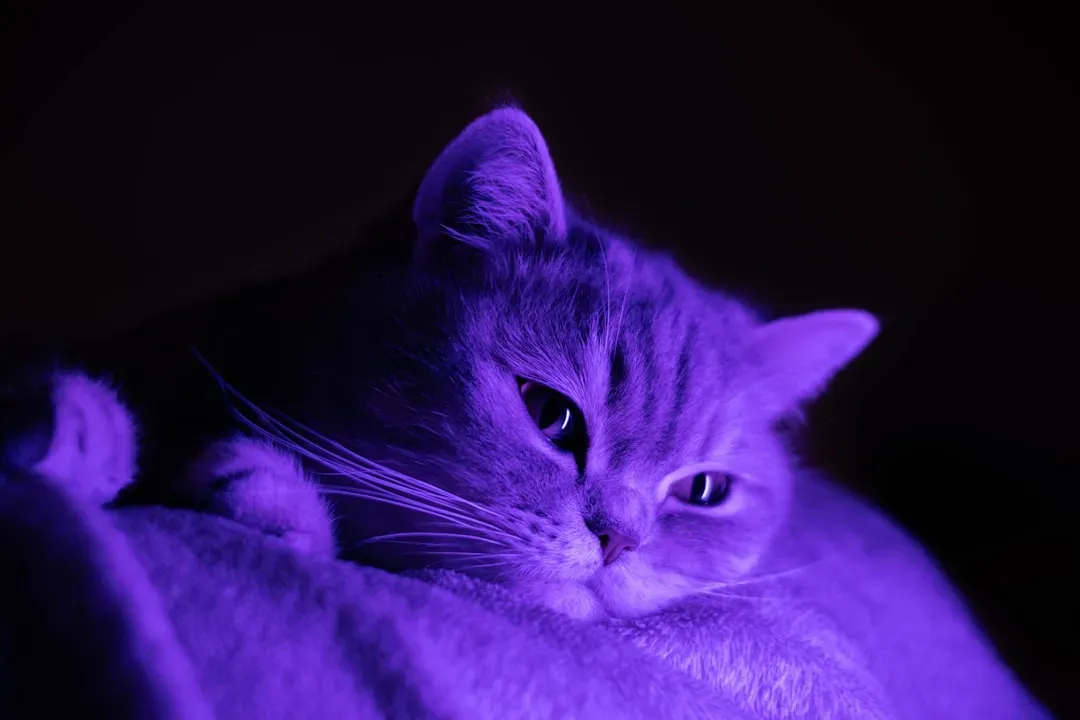
Here’s where things get truly fascinating. A 2014 study found that cats’ lenses transmit significant amounts of ultraviolet light, suggesting they possess sensitivity to this part of the spectrum. Imagine an entire dimension of light that exists all around you but remains completely invisible to your eyes. That’s the world your cat experiences every single day.
Research found that cats have lenses that allow some ultraviolet light through, suggesting these animals may see in the ultraviolet. This means they might spot urine trails from rodents, see patterns on surfaces that appear blank to you, or detect subtle movements in light wavelengths you can’t even begin to perceive. Honestly, when you consider this ability, their intense stares at “nothing” start making a lot more sense.
What Your Cat Hears That You Don’t
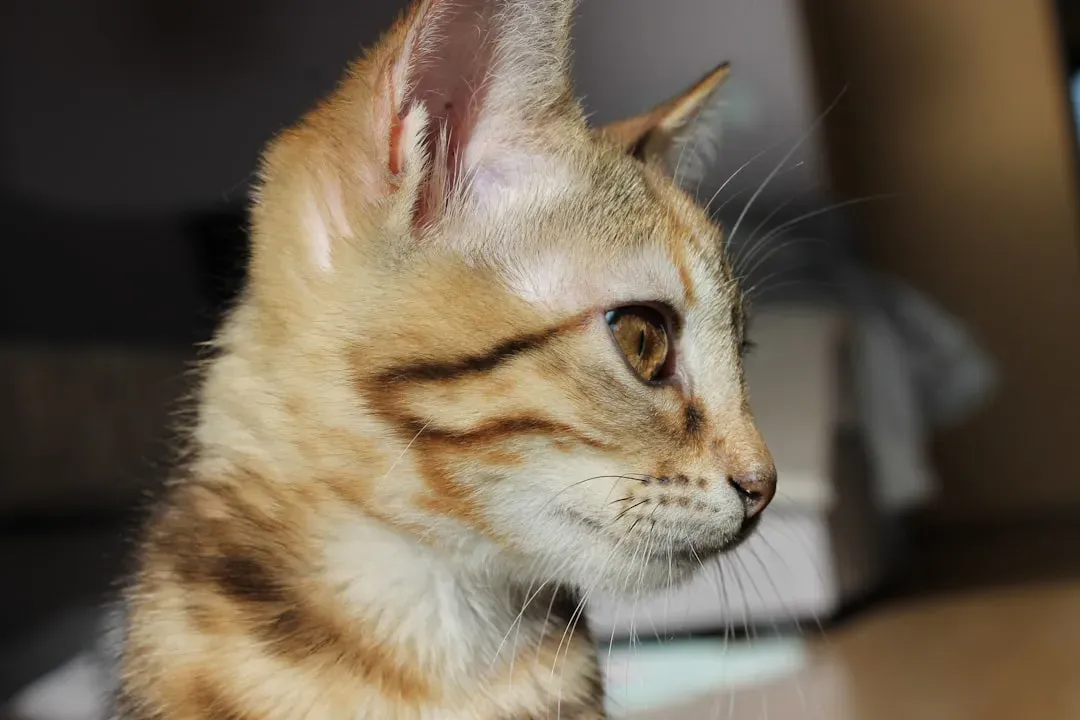
You know those moments when your cat’s ears suddenly swivel toward the wall? Cats can hear from about 80 Hz up to 85,000 Hz, so they may be hearing something on the other side of the wall, whether it’s a clanking pipe, a mouse scampering around, or someone chatting outside. Their auditory system is essentially a biological surveillance device, picking up frequencies that bypass your ears entirely.
I think about this whenever my own cat fixates on the ceiling. What seems like supernatural behavior is probably just her tracking the tiny scratching of an insect walking between floors, or detecting the high-pitched whine of electrical wiring. Cats’ ears are sensitive to noises and sounds, picking up high frequencies that’s hardly audible to humans, therefore explaining another reason why cats stare at nothing.
The Hunting Instinct Never Sleeps
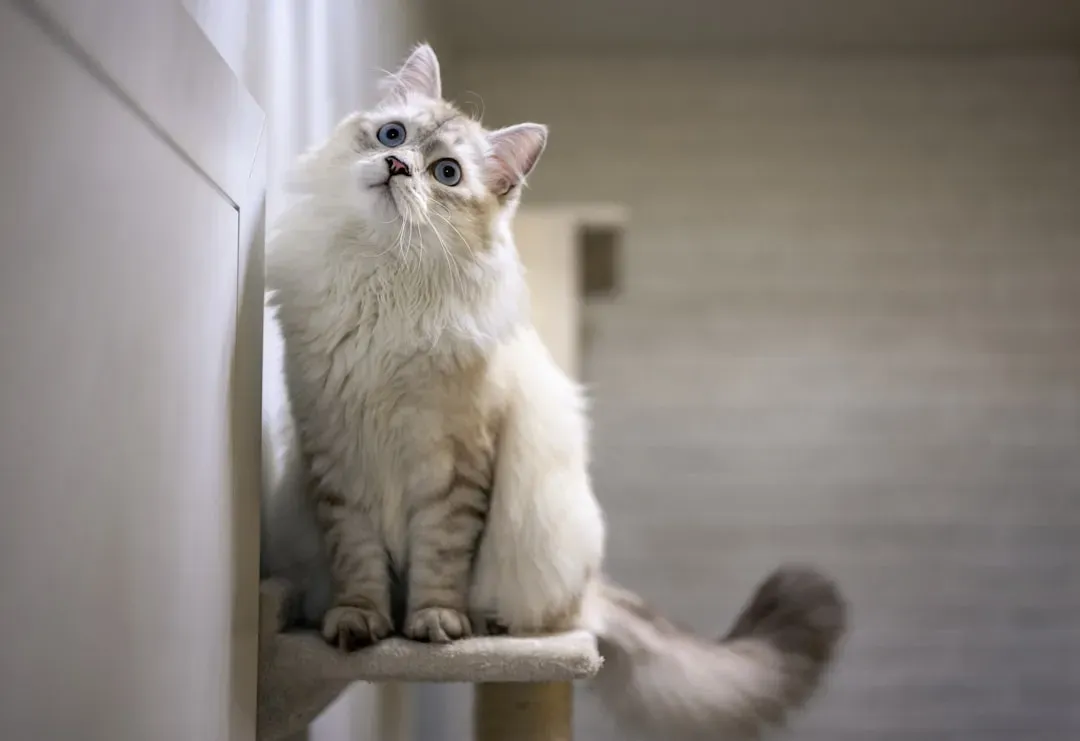
Most of the time, a cat seemingly staring at nothing is indeed alert to something, as natural predators with highly tuned senses to pick up minor movements and faint traces of prey. Remember, your domesticated fluffball is just a few genetic tweaks away from a wild hunter. Those instincts don’t disappear just because they have a comfortable bed and regular meals.
Cats can see tiny insects that humans can’t; therefore, it may look like they’re staring at nothing when there’s an army of bugs they have their eyes fixed on. Maybe it’s a microscopic spider, a dust mote floating through a beam of light, or the barely perceptible movement of air currents in the room. To your cat, these are legitimate targets worthy of intense surveillance.
When Your Cat Is Simply Zoning Out
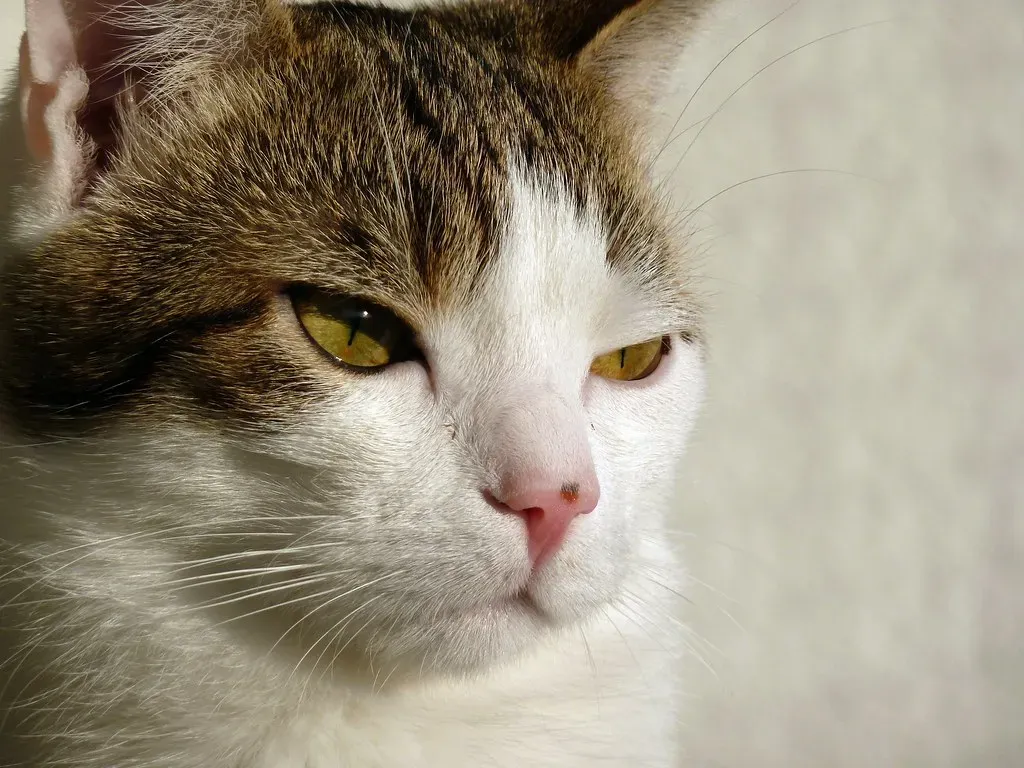
Sometimes the answer is surprisingly mundane. Cats might just stare off into space, their brain not really engaged with what they’re seeing, just processing. Humans do this constantly. You drive home on autopilot, stare blankly at your computer screen during meetings, or gaze out the window while washing dishes. Your cat experiences the same thing.
In quiet moments between napping and wanting a meal, they might pause, replaying the events of their morning patrol, contemplating the bird they saw on the windowsill, or simply enjoying a moment of pure, meditative feline zen. Not every stare is loaded with meaning. Sometimes your cat is literally just vibing.
The Ghost Theory: Folklore Versus Science
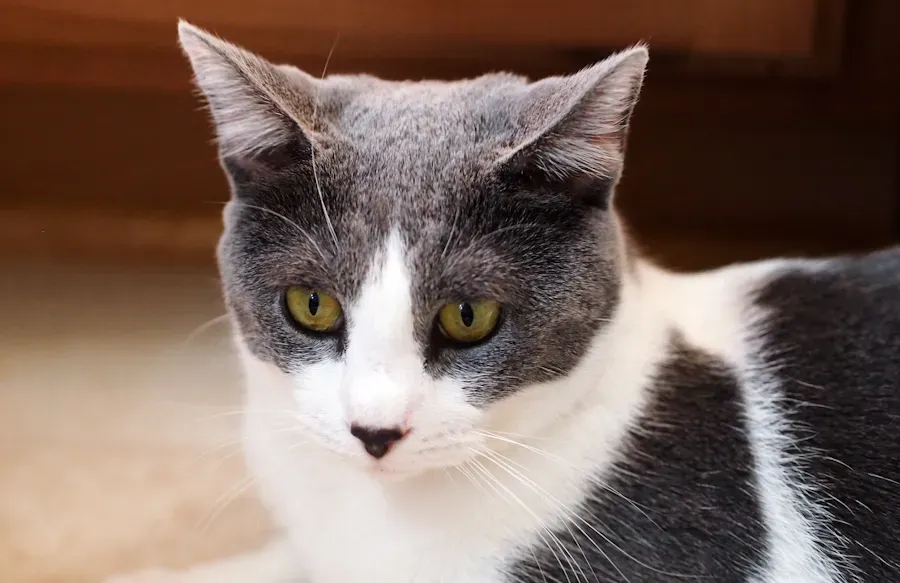
Throughout history, countless cultures have attributed supernatural abilities to cats. In ancient Egypt, cats were revered as sacred to the goddess Bastet, regarded as protectors of homes and guides to the afterlife. Medieval Europeans feared them as witches’ familiars. Japanese folklore speaks of shape-shifting cats with ghostly abilities. These beliefs persist because the behaviors seem so… otherworldly.
Yet science is out on whether ghosts even exist, much less whether cats can perceive them, however cats do have more heightened senses than humans, so they’re more likely to pick up on subtle stimuli that we can’t see. The scientific community remains skeptical about paranormal explanations. Still, the lack of evidence doesn’t necessarily disprove the possibility, especially when so many people have witnessed genuinely unsettling behaviors.
Environmental Stimuli You’re Completely Missing
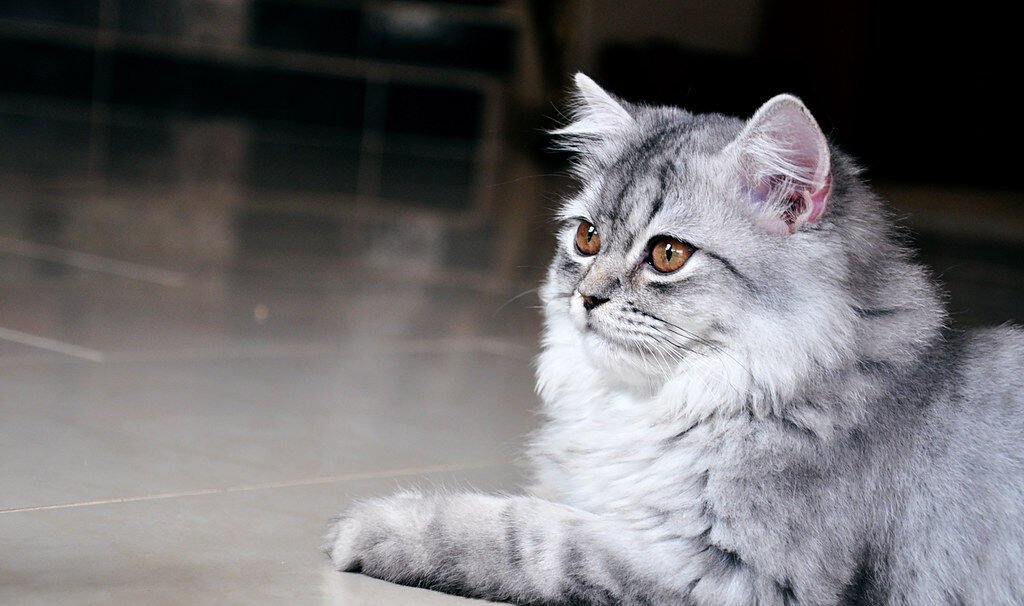
Cats have senses tuned to detect subtle environmental shifts that most humans simply can’t register, responding to subtle light, sound, and scent cues that simply bypass human perception. Think about everything happening in your home right now that you’re oblivious to: changes in barometric pressure, electromagnetic fields from appliances, vibrations from traffic outside, temperature fluctuations from heating systems.
One person discovered their cat had been monitoring a slow leak behind a wall for weeks, hearing the faint drip that was entirely beyond human hearing range. A plumber discovered a tiny, slow leak in a pipe behind a wall, making a faint drip that was entirely beyond human hearing, but the cat hadn’t been staring at nothing; she’d been monitoring the situation for weeks. Your cat isn’t crazy. They’re just aware.
When Staring Behavior Signals Health Concerns
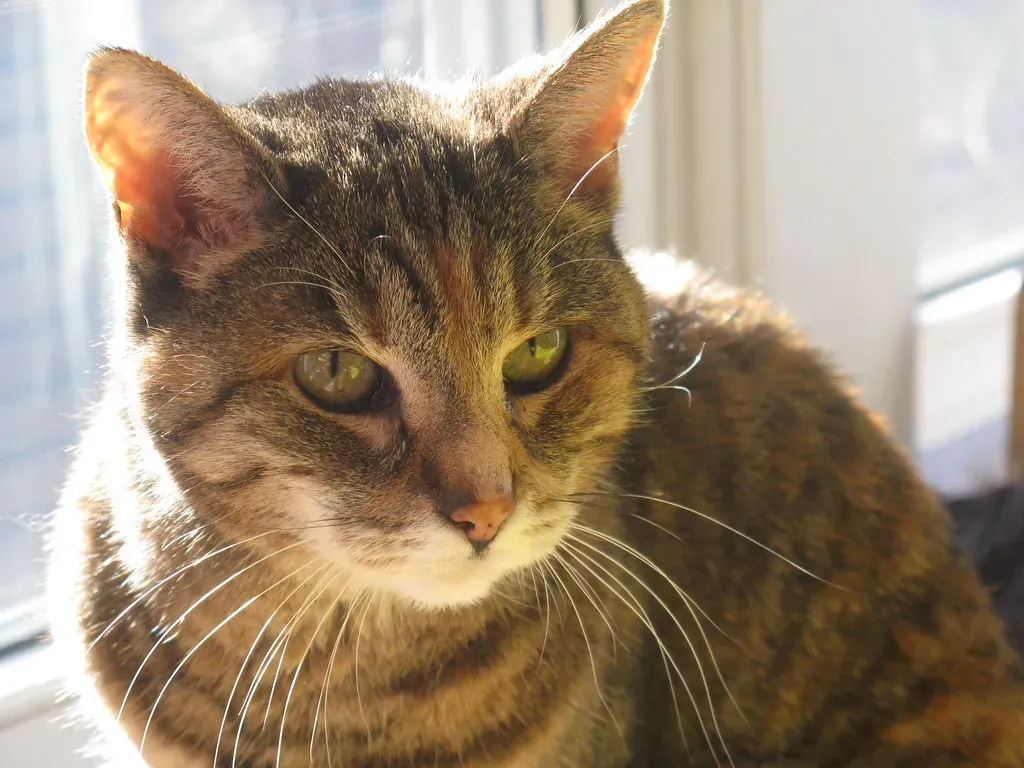
Here’s something crucial that often gets overlooked in ghost discussions. Cognitive dysfunction is a common occurrence as cats age, with most cats experiencing some form of cognitive decline over 11 years old, with memory, awareness, learning ability, and sensory perception potentially failing gradually. Sometimes that blank stare isn’t supernatural or sensory, it’s medical.
Altered mentation may happen during a focal seizure, causing cats to stare blankly at nothing. If your cat’s staring behavior suddenly increases, especially if accompanied by disorientation, changes in sleep patterns, or other unusual behaviors, it’s worth consulting your veterinarian. Not every mysterious behavior has a mysterious explanation.
The Anthropomorphization Factor
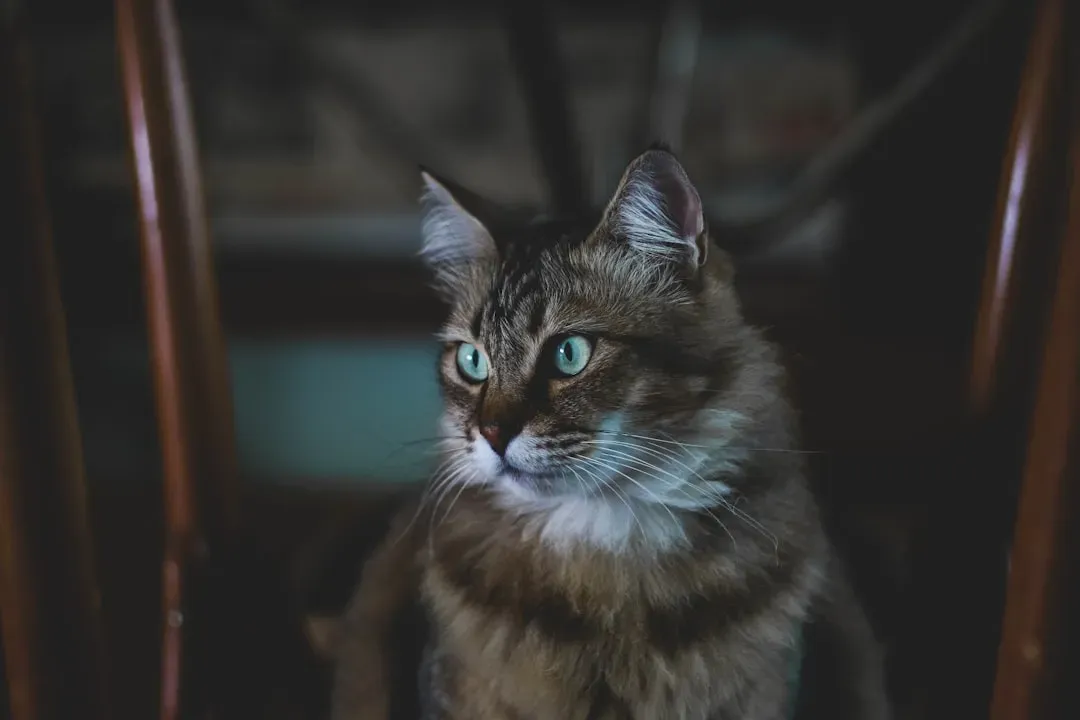
When we spend a lot of time with our pets, we tend to anthropomorphize their behaviors, so if you believe in ghosts, you may project that belief onto your cat to add meaning to their actions, like when they stare fixedly at the wall. We’re hardwired to find patterns and assign meaning to ambiguous situations. It’s comforting to think our cats are protecting us from spirits or perceiving dimensions beyond our understanding.
The truth is probably less dramatic but equally fascinating. Your cat lives in a sensory universe vastly different from yours. What appears supernatural is often just natural from their perspective. Still, that doesn’t make the behaviors any less intriguing.
The Verdict: Science Meets Mystery
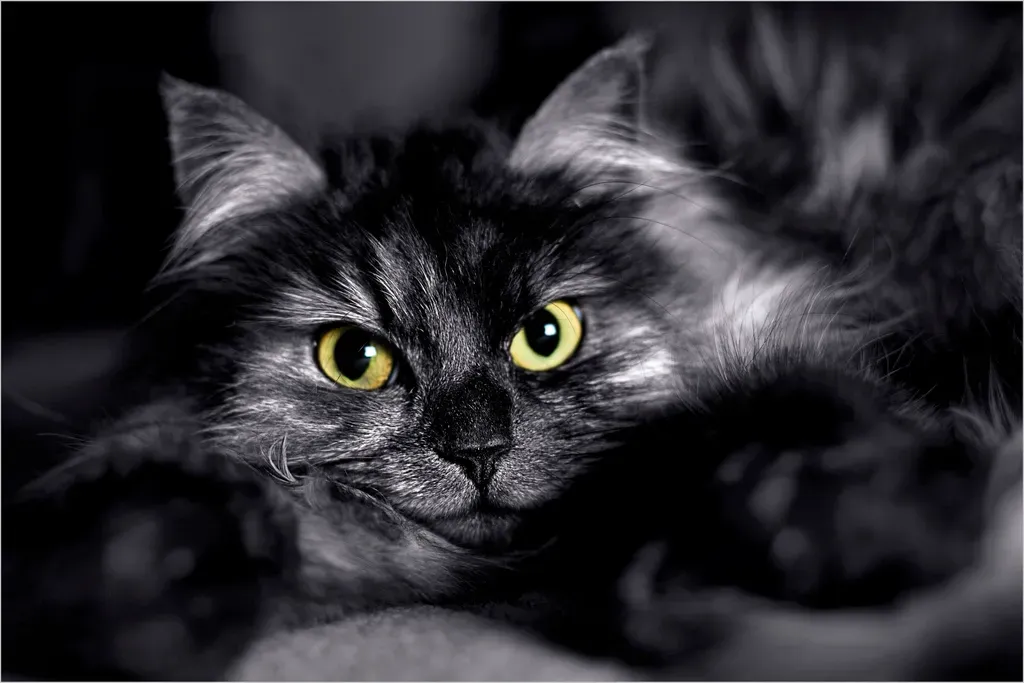
In reality, your cat isn’t seeing ghosts, but cats have exceptional sensory abilities that allow them to pick up on sights, sounds, and scents far beyond human perception. The scientific evidence strongly suggests that when your cat stares at “nothing,” they’re actually detecting something very real, just something outside your perceptual range.
While there is no definitive scientific evidence to support the idea that cats see ghosts, the unique sensory perceptions of cats and their historical associations with the supernatural contribute to this belief, and understanding cat behavior requires a balanced approach that considers both scientific insights and the personal experiences of pet owners. Maybe that’s the most satisfying answer: acknowledging both the rational explanations and the enduring mystery that makes cats so captivating.
The next time your cat locks eyes on an empty corner, you can rest assured they’re probably tracking an insect, hearing a sound, or detecting ultraviolet light patterns. They’re not losing their mind, and you probably don’t need to call an exorcist. Their reality is simply richer and more complex than yours, filled with stimuli you’ll never experience. Whether that’s less exciting than ghosts or more amazing than any supernatural explanation is entirely up to you. What do you think your cat is really seeing? Have you noticed patterns in their behavior that science alone can’t quite explain?