You’ve probably heard it a million times. Dogs and cats are sworn enemies, locked in an eternal battle like two feuding neighbors who just can’t stand each other. Cartoons show it. Movies dramatize it. Even our everyday language is full of it – we say people “fight like cats and dogs” when they clash. It’s easy to assume this rivalry is real, hardwired, and totally unavoidable.
Here’s the thing though. What if that’s not the whole story? What if the relationship between dogs and cats is way more complicated than we’ve been led to believe? You might be surprised to learn what animal behavior experts actually have to say about this age-old myth. Let’s dive in.
The Big Myth: Are Dogs and Cats Natural Enemies?

Let’s be real for a second. Cats do not inherently hate dogs, according to certified behavior consultants. The whole idea that these two species are destined to despise each other is mostly fiction. Sure, they might have their moments of tension, yet that doesn’t mean there’s some deep-rooted animosity baked into their DNA.
Often, like most relationships, whether dogs and cats get along comes down to communication. Think about it. They’re speaking completely different languages. A wagging tail means excitement for a dog, irritation for a cat. It’s no wonder misunderstandings happen all the time.
What’s Really Happening: It’s All About Instincts

So why do dogs chase cats if they don’t actually hate them? Dogs enjoy chasing cats not because they hate cats, but because a fast-moving feline triggers a strong, natural instinct. It’s less about aggression and more about biology kicking in. When something small and speedy darts across their field of vision, a dog’s ancient hunting instincts wake up.
It is the predator instinct in their nature that makes them want to chase and capture smaller animals. To your pup, it’s not personal. It’s just… fun. The thrill of the chase is rewarding all on its own, even if they have zero intention of actually catching or harming the cat.
Communication Breakdown: Dogs and Cats Speak Different Languages
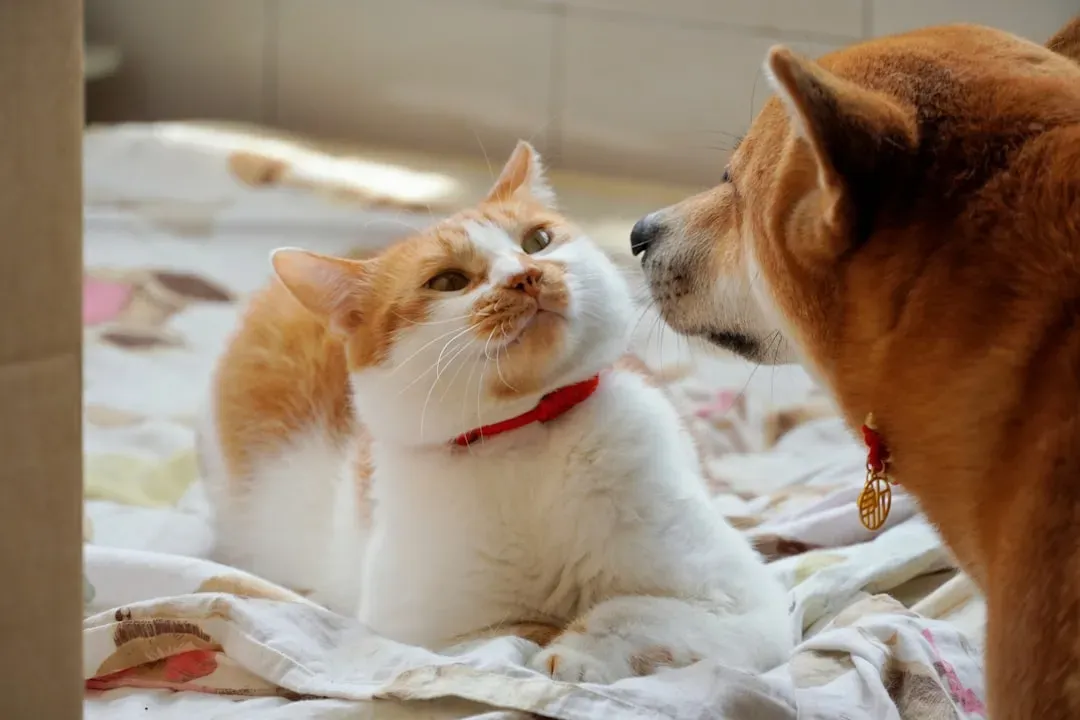
Honestly, imagine trying to have a conversation with someone who doesn’t speak your language. That’s basically what’s happening here. Cats and dogs also communicate differently – a wagging tail on a Golden Retriever often indicates playfulness, while a twitching, swishing cat tail is usually a sign of irritation.
Interestingly, research has found something pretty cool. research suggests dogs and cats can sometimes interpret each other’s body language correctly despite differences. So maybe they’re better at understanding each other than we give them credit for.
The Role of Prey Drive in the Chase
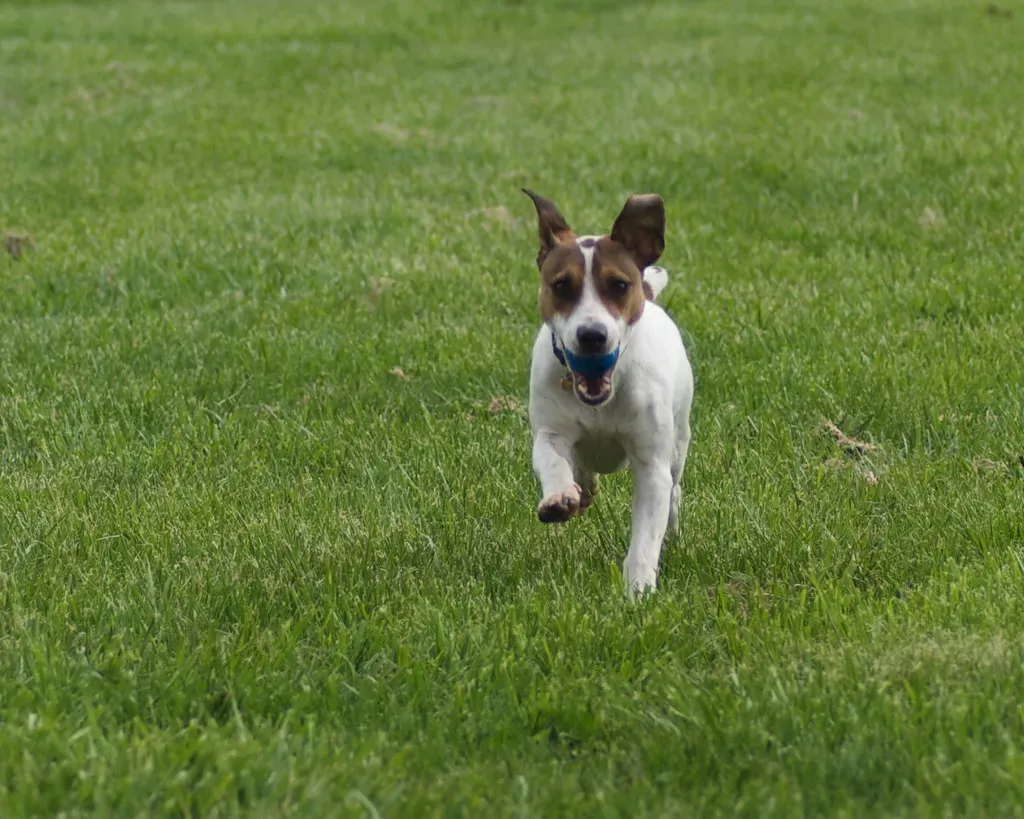
A dog’s prey drive greatly depends on the breed and overall temperament – some dog breeds are completely geared towards having a high prey drive because their intention or purpose is hunting. Terriers, hounds, and herding breeds are especially prone to this behavior. They were literally bred for it.
Still, not every dog has the same level of intensity. There are the couch potatoes that seem to love or be unbothered by just about any critter that walks around. Your Basset Hound might be perfectly content to snooze while the cat struts by, whereas a Jack Russell Terrier might lose its mind.
Early Socialization Makes All the Difference

Socialization is vital from a very early age – as soon as you bring your puppy home, it is important to acclimate them to all kinds of faces, both furry and human alike, and the more they are exposed to cats and other types of animals, the more likely they are to be accepting of them. This is where timing really matters.
If your dog didn’t meet cats in their puppy socialization period, they can develop a fear response to them as cats will be a ‘new thing’. That critical window matters more than you might think. Puppies who grow up around cats tend to see them as part of the family, not prey.
Can Dogs and Cats Actually Be Friends?
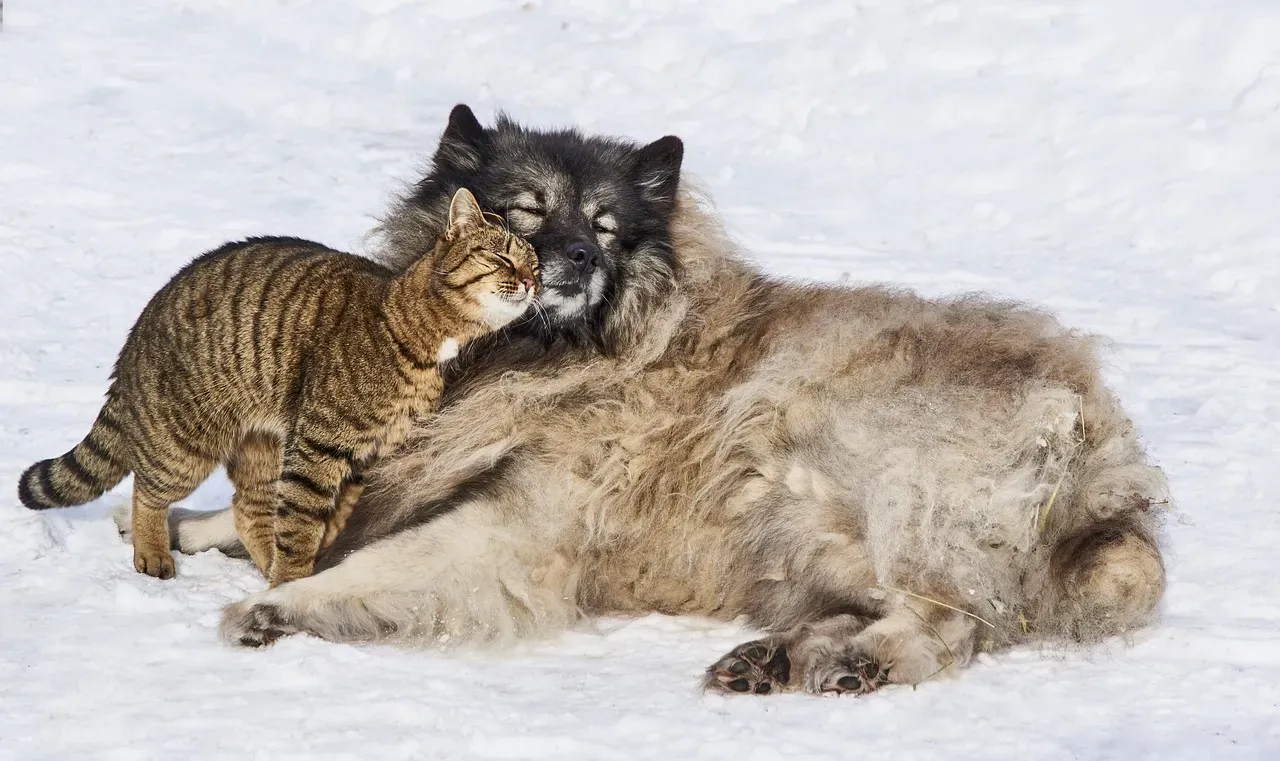
Absolutely. Many dyads experience amicable relationships, according to behavioral studies. That’s more than half! Many households with both species report that their pets get along just fine – some even cuddle together.
Eventually, many dogs and cats end up being very good friends, and some cuddly kitties even love snuggling up with dogs in their beds to have a snooze. The idea that they can’t coexist peacefully is just not supported by what we see in real homes every day.
Who’s Really in Charge? The Cat, Of Course

Here’s a fun twist. Cats are pretty good at asserting dominance, and your dog is much more likely to be scared of or run away from your cat, knowing that they’re the ones that rule the roost. Ever seen a dog back away from a hissing cat? Exactly.
Cats might be smaller, yet they’ve got confidence for days. One swipe of those claws and most dogs learn pretty quickly who’s boss. It’s almost funny how often the supposed “enemy” is actually the one calling the shots.
Training Your Dog to Respect the Cat
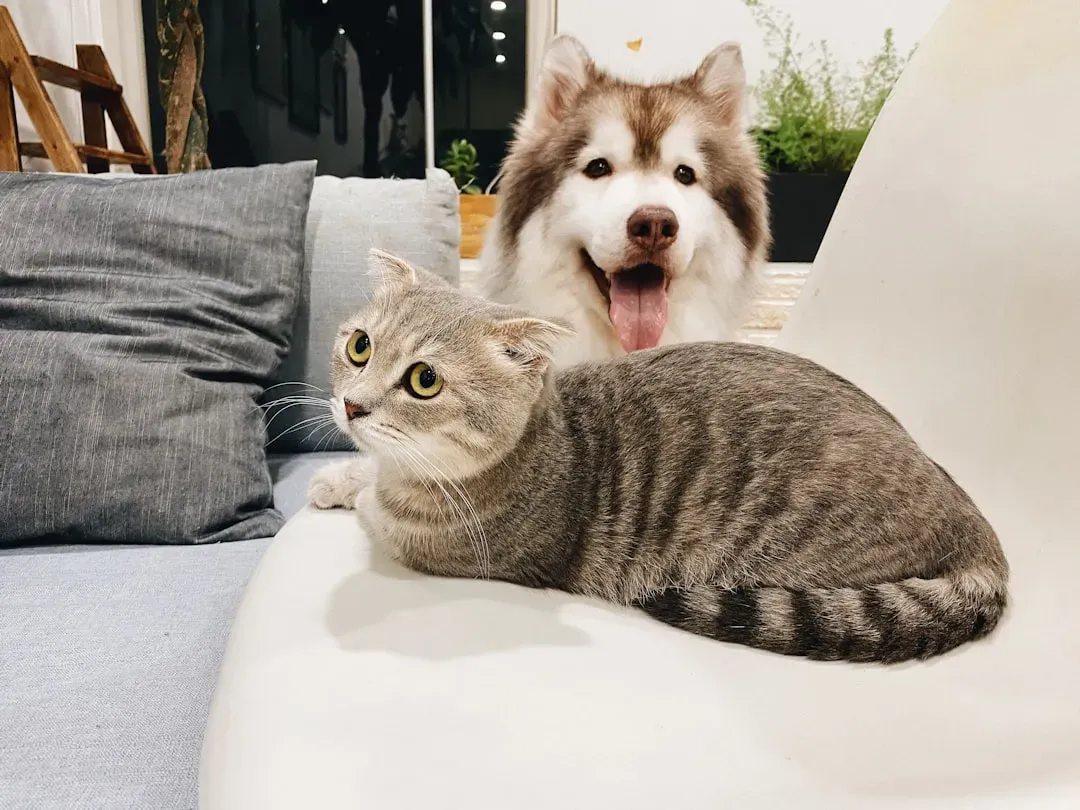
Reward your cat and dog with the best treats, affection and praise when they are near each other and exhibiting calm behavior – this helps them associate positive experiences with being in each other’s presence. Positive reinforcement is your best friend here. Every time your dog ignores the cat or stays calm around them, make it rain treats.
Chasing is very self-reinforcing for dogs – basically, it is innately reinforcing. That means you need to interrupt the cycle before it becomes a habit. Redirect their attention. Teach commands like “leave it” or “look at me.” Consistency is everything.
When to Seek Professional Help
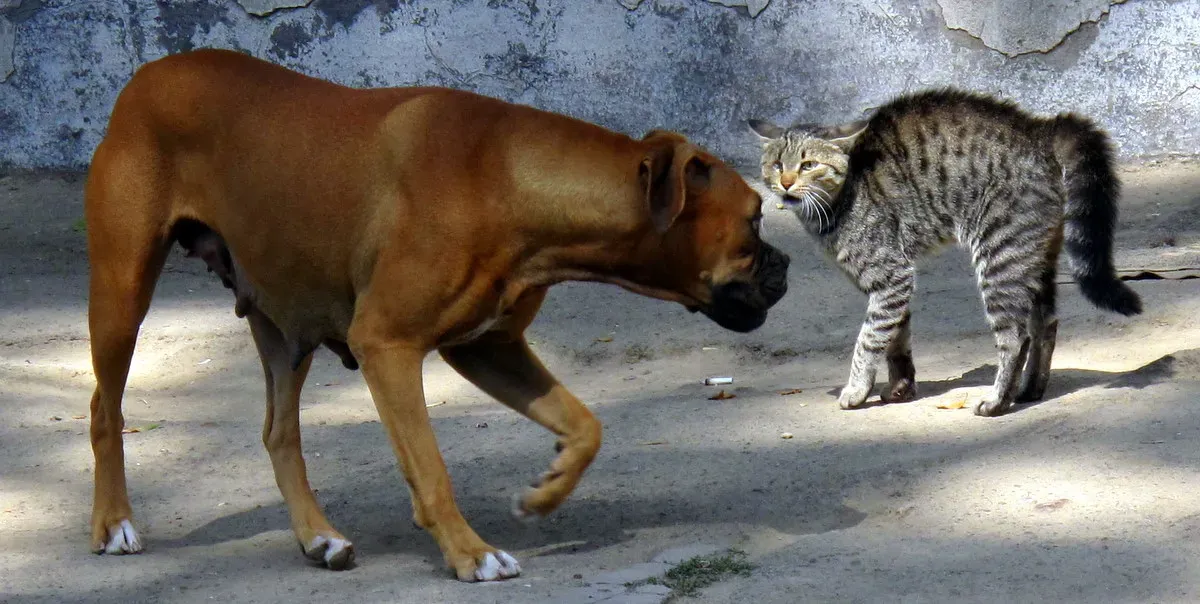
If you feel your dog is acting dangerously or aggressively toward your cat, is showing signs it needs obedience training or seems to be staring, stalking or freezing when they see the cat, then seek out a qualified, professional animal trainer to help you. Sometimes the situation is beyond what you can handle on your own, and that’s totally okay.
There’s a difference between playful chasing and predatory behavior. If your dog is growling, snapping, or showing intense fixation that feels threatening, don’t wait. Get help from a certified behaviorist who understands both species.
The Bottom Line: It’s Complicated, Not Hopeless
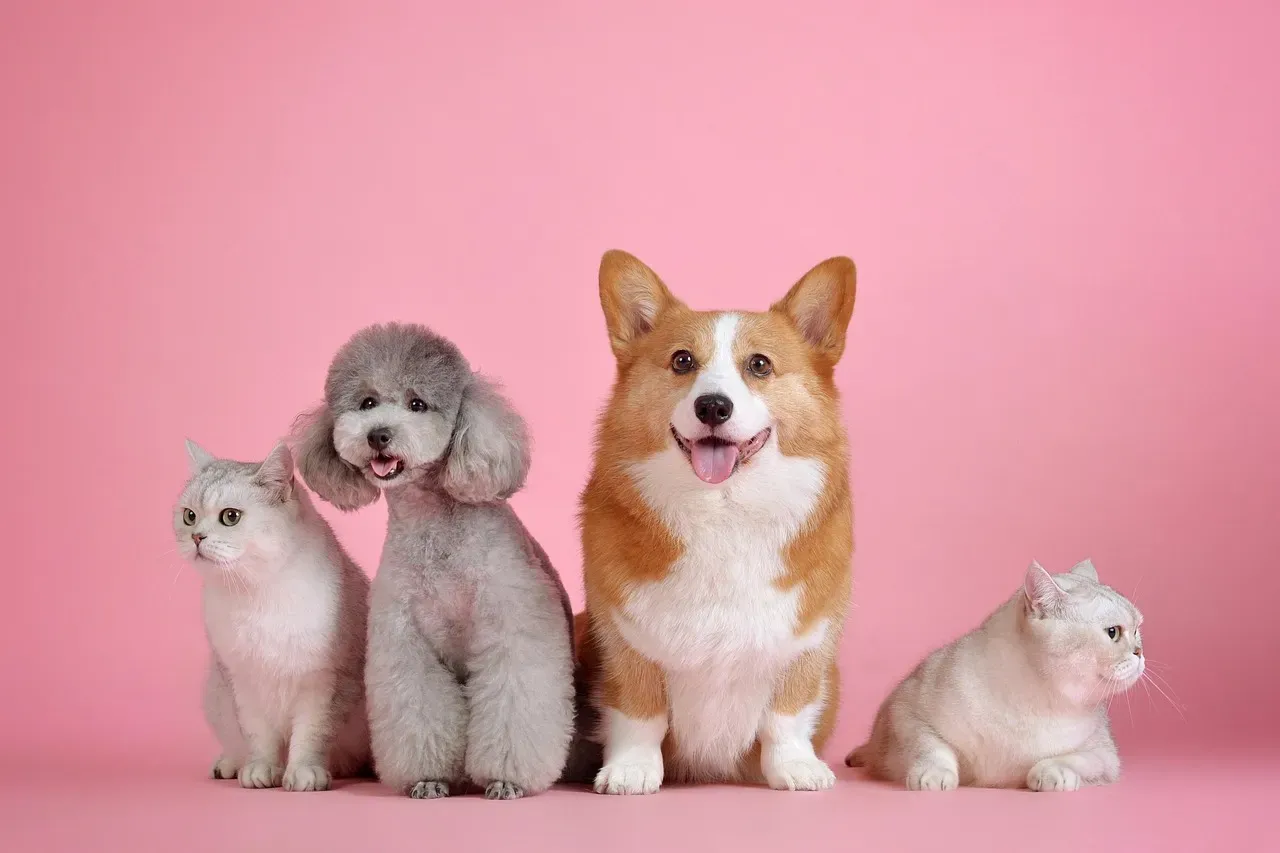
Although popular culture describes them as mortal enemies, more and more often, dogs and cats live under the same roof – questionnaires collected from 1270 people owning both dog(s) and cat(s) revealed that most dogs and cats living together are playful with familiar humans, though dogs have a more sociable approach towards strangers and conspecifics than cats, and the percentage of dogs that have a playful relationship with the owner was higher than cats.
The truth is that dogs don’t hate cats. They’re just wired differently, and sometimes those wires get crossed. With patience, proper introductions, and a little training, most dogs and cats can learn to coexist peacefully. Some even become best friends. The key is understanding what’s really going on beneath the surface and working with their instincts, not against them. Did you expect that? What would you have guessed about your own pets’ relationship?