You’ve probably had that moment. Your cat walks into the room, locks eyes with you, and lets out a long, drawn-out sound that could mean absolutely anything. Is it dinner time? Are you in trouble? Did something happen while you were out? Most of us smile, say something back, and carry on with our day. But here’s the thing – your cat is actually trying to tell you something specific. Every single time.
Cat communication is one of the most underestimated and genuinely fascinating systems in the animal world. It’s richer, more layered, and far more deliberate than most people realize. You don’t need to be a scientist or a veterinarian to start decoding what your furry companion is saying. You just need to start paying attention. So let’s dive in, because what you’re about to discover might completely change how you see every meow, chirp, and slow blink from your cat.
The Meow Was Made Just for You
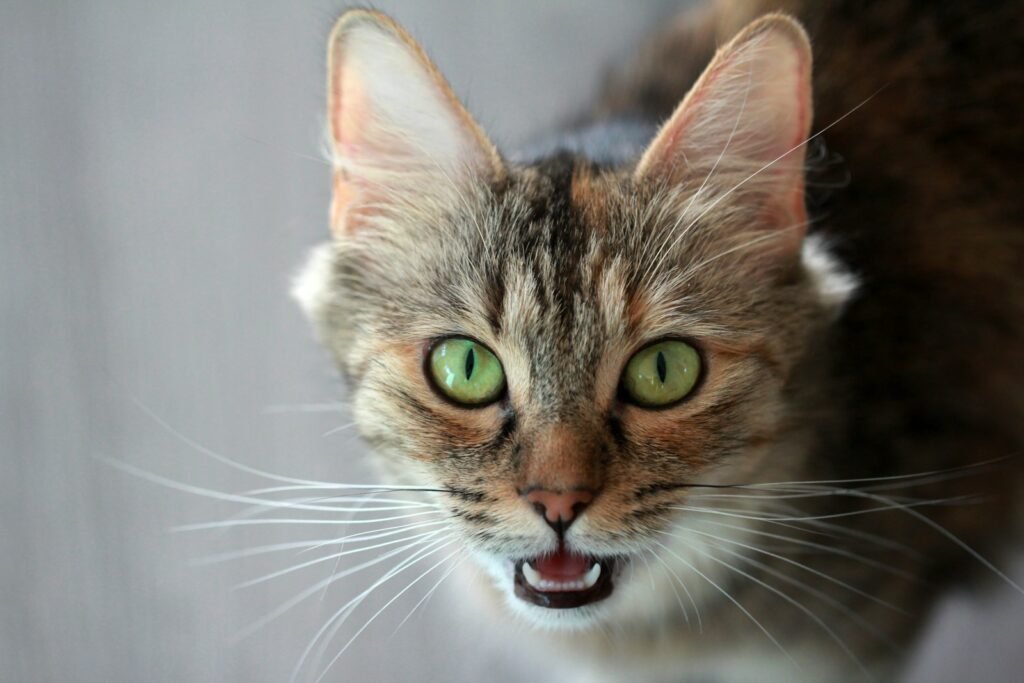
Here’s a fact that might genuinely blow your mind: your cat’s meow is not a universal animal sound. Studies have shown that domestic cats tend to meow much more than feral cats, and they rarely meow to communicate with fellow cats or other animals. Think about that for a second. Your cat reserves this whole vocal tool almost exclusively for interactions with you.
Adult cats rarely meow to each other, and so adult meowing to human beings is likely to be a post-domestication extension of mewing by kittens. In other words, when your cat looks at you and meows, they are essentially treating you the way a kitten treats its mother – as the most important, most responsive presence in their world. Honestly, that’s kind of touching once you think about it.
10,000 Years of Learning to Talk to You
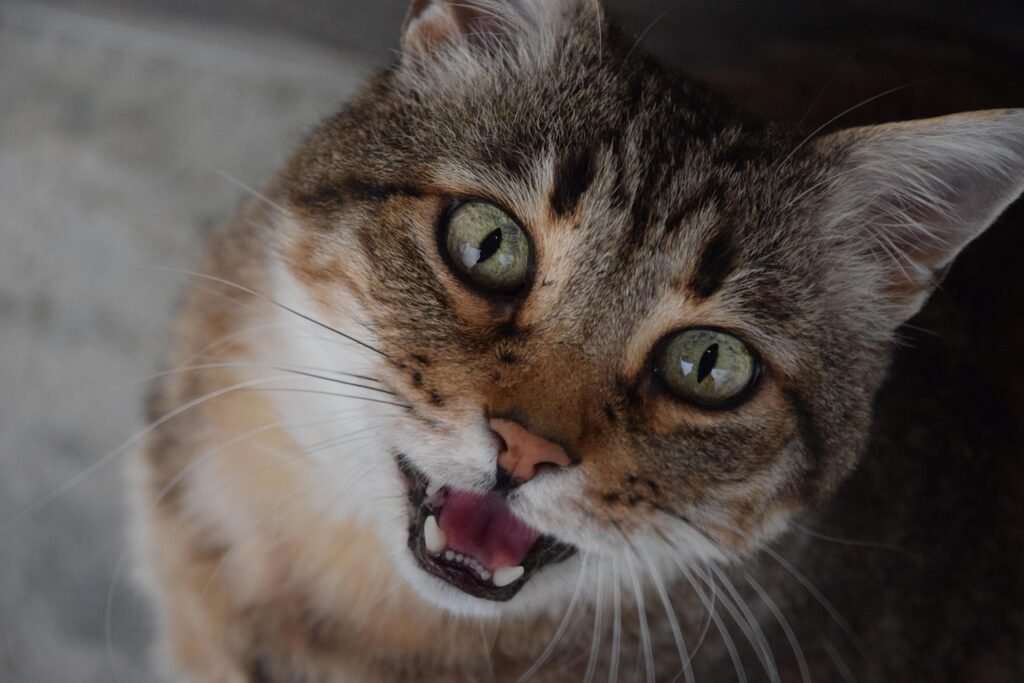
Cats probably first encountered humans roughly 10,000 years ago, when people began establishing permanent settlements. These settlements attracted rodents, which in turn drew cats looking for prey. The less fearful and more adaptable cats thrived, benefiting from a consistent food supply, and over time, these cats developed closer bonds with humans. So your cat’s communication style has been evolving and sharpening across thousands of generations.
Unlike dogs, which were bred by humans for specific traits, cats essentially domesticated themselves. Those that could tolerate and communicate with humans had a survival advantage, leading to a population well-suited to living alongside people. The meow, as weird as it sounds, is a product of thousands of years of refinement. Your cat’s ancestors that were the best at getting a human’s attention were the ones that survived and passed those traits along.
Your Cat Is Honestly Kind of Manipulating You
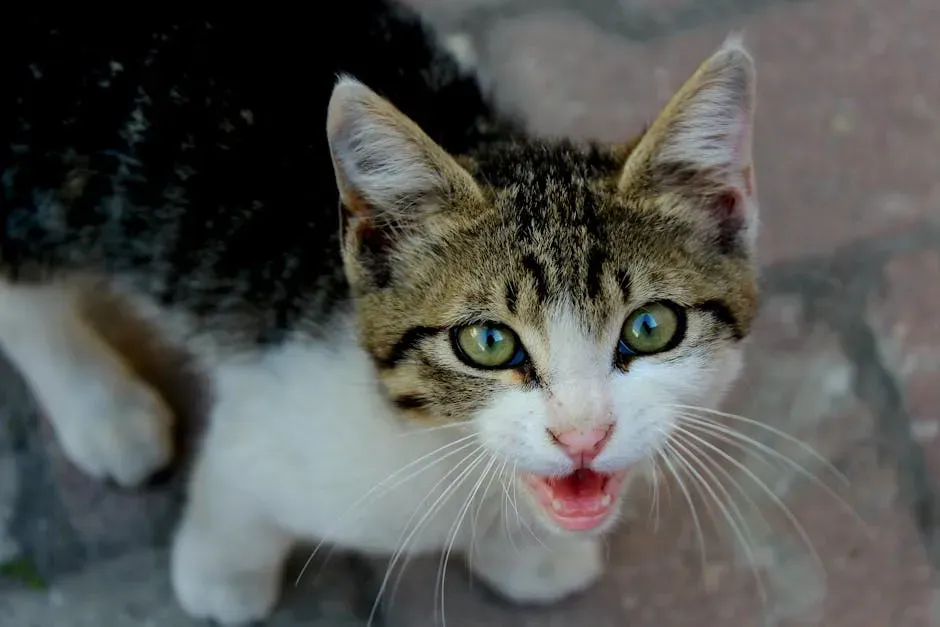
Let’s be real about something most cat owners suspect but rarely say out loud. Most cat sounds are generally negative in nature – expressing things like hunger, pain, or frustration – and cats almost never express positive emotions with a meow. Many researchers think meows are purely manipulative, and cats learn what to say to get what they want. Still, that doesn’t mean they don’t love you. It just means verbal communication isn’t exactly their love language.
Humans also tend to respond when cats meow at them, which creates a cycle that cats learn: cat meows, and the human does something. Perhaps if a cat meows by the door, the human will open it; if a cat meows by its food, the human will feed it. In effect, your cat is training you as much as you’re training your cat. So beware how you respond when your cat meows, because you could be conditioning them to associate certain behaviors. You’ve been warned.
The Pitch and Tone Tell You Everything
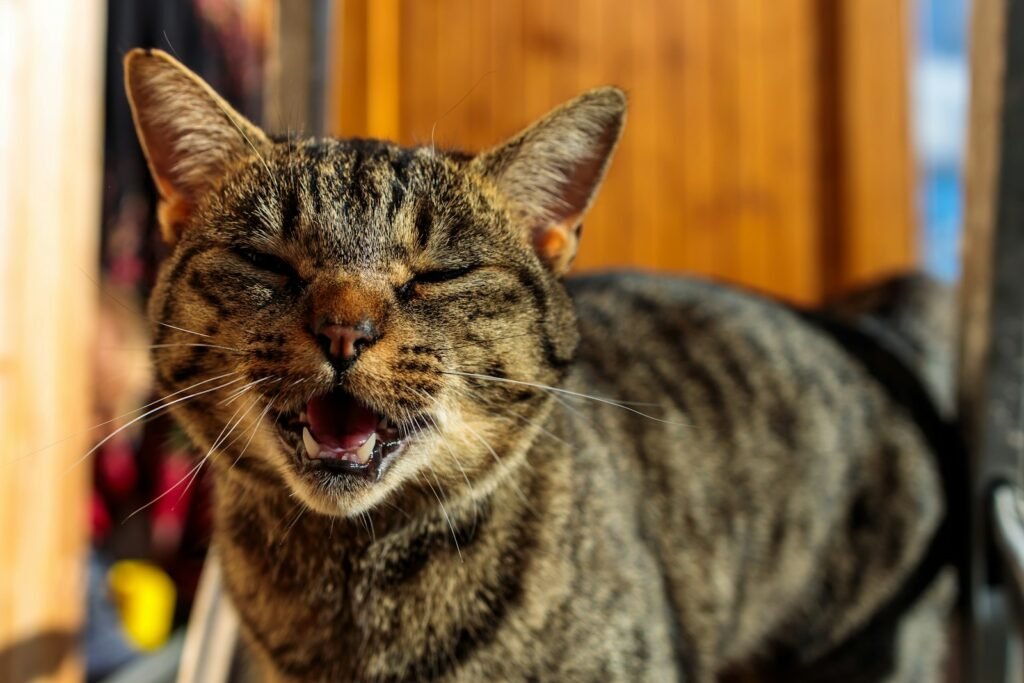
Not all meows are created equal. A short, upbeat chirp sounds nothing like a long, low complaint – and that difference is intentional. A meow can be assertive, plaintive, friendly, bold, welcoming, attention-soliciting, demanding, or complaining. It can even be silent, where the cat opens its mouth but does not produce any sound. That silent meow, by the way, is absolutely precious and is often interpreted as a gesture of deep trust.
A cat may use a shorter, higher-pitched meow to express hunger and a longer, lower-pitched meow to indicate displeasure. This adaptability enhances their ability to communicate effectively with humans. You can train your own ear to hear these differences over time. It’s a bit like learning a new language – the more you listen, the more patterns start to emerge. Many cats even develop a repertoire of meows to express different needs and feelings or elicit different responses. For example, your cat might trill at you in greeting, squeak a friendly request to go outside, or demand food with a loud meow.
Chirps, Trills, and Chatters: The Other Sounds in the Vocabulary
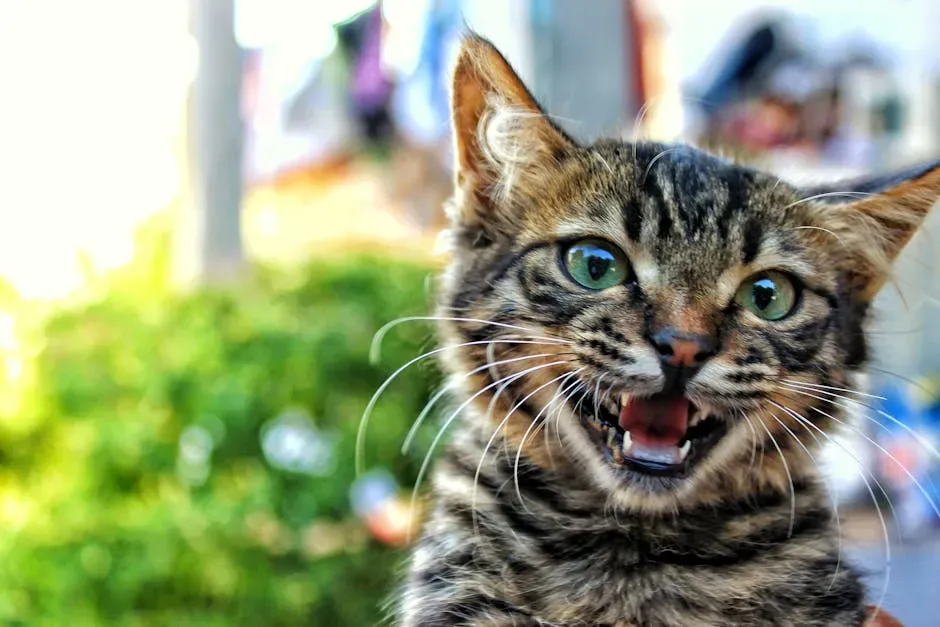
If you think meowing is the only sound your cat makes to communicate, you’re barely scratching the surface. Up to 21 different cat vocalizations have been observed. Each one carries its own meaning and context. Chirping and trilling tend to be warm, friendly sounds, while chattering is something altogether more primal.
Cats sometimes make excited chirping or chattering noises when observing or stalking prey. These sounds range from quiet clicking sounds to a loud but sustained chirping mixed with an occasional meow. You’ve probably seen your cat pressed against the window, making that rapid jaw-chattering sound at a bird. It’s thought to be a kind of frustrated hunting response – the instinct is firing, but the glass is in the way. The chirr or chirrup sounds like a meow rolled on the tongue and is commonly used by mother cats to call their kittens. Kittens recognize their own mother’s chirp but do not respond to the chirps of other mothers. It is also used in a friendly manner by cats when they are greeted by another cat or a human.
What Your Cat’s Purr Is Really Saying
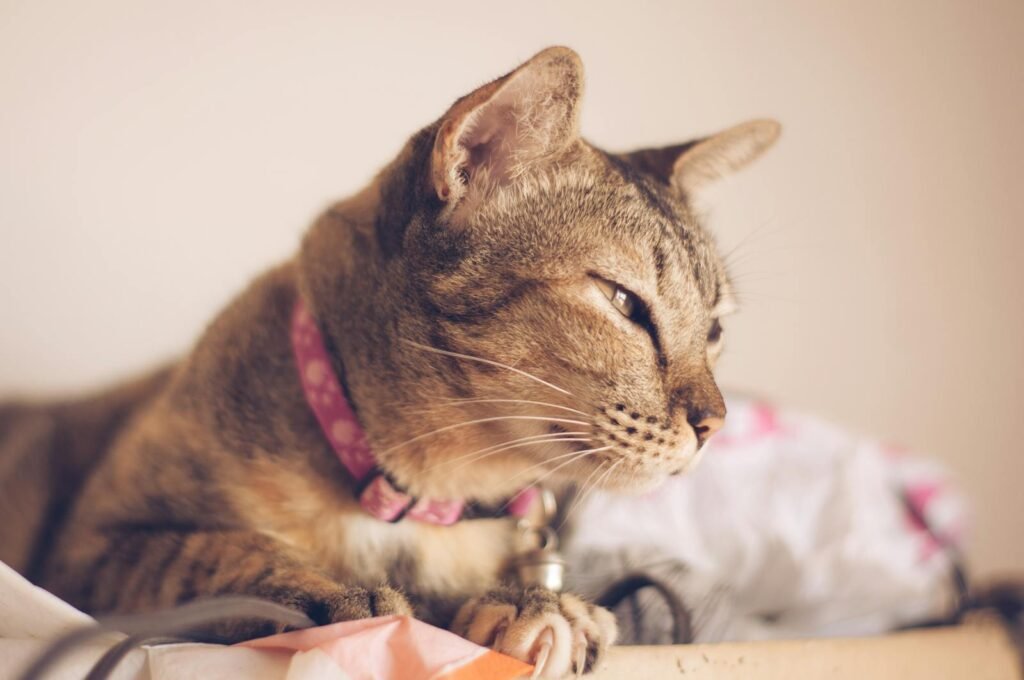
Everyone knows that a purring cat is a happy cat. Except – that’s not always true, and this is where things get interesting. Purring is believed to indicate a positive emotional state, but cats sometimes purr when they are ill, tense, or experiencing traumatic or painful moments such as giving birth. So the purr is not a simple happiness meter. It’s more nuanced than that.
The purr you hear when your cat is curled up on your lap typically signals happiness and relaxation, and their body language will also be relaxed with no tension in their muscles. However, cats also purr when they are frightened, such as during a vet visit or when exposed to an unfamiliar environment – and this is a form of self-soothing. Think of it like a human humming nervously. The act of purring can be genuinely calming for your cat, regardless of the emotional trigger. It has also been suggested that purring can act as a soothing mechanism and can promote healing.
Cats Meow More at Men – and Science Has an Explanation
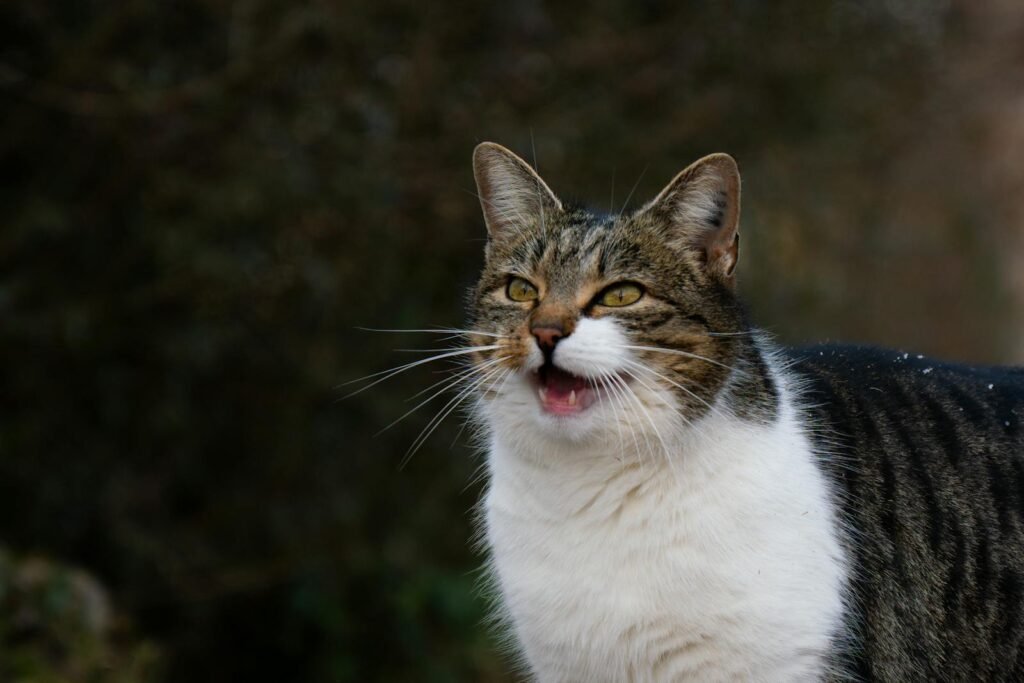
This one is genuinely surprising, and recent research backs it up. A new study published in the journal Ethology has revealed that domestic cats meow more frequently when male caregivers walk through the front door. You might be thinking this sounds oddly specific – but the numbers are pretty clear. On average, cats produced 4.3 meows in the first 100 seconds of greeting men compared to just 1.8 with women.
Researchers suggest that because male caregivers tend to talk less to their cats and are generally less attentive, the cats adjust their communication to get their attention. In other words, your cat sizes you up as a communicative partner and adjusts its strategy accordingly. This increased frequency was the same across the board, regardless of the cat’s age, breed, sex, or even the size of the household. So if you’re a man and you feel like your cat never stops talking when you get home – now you know why. You’ve been assessed, and action has been taken.
The Slow Blink: Your Cat’s Way of Saying “I Love You”
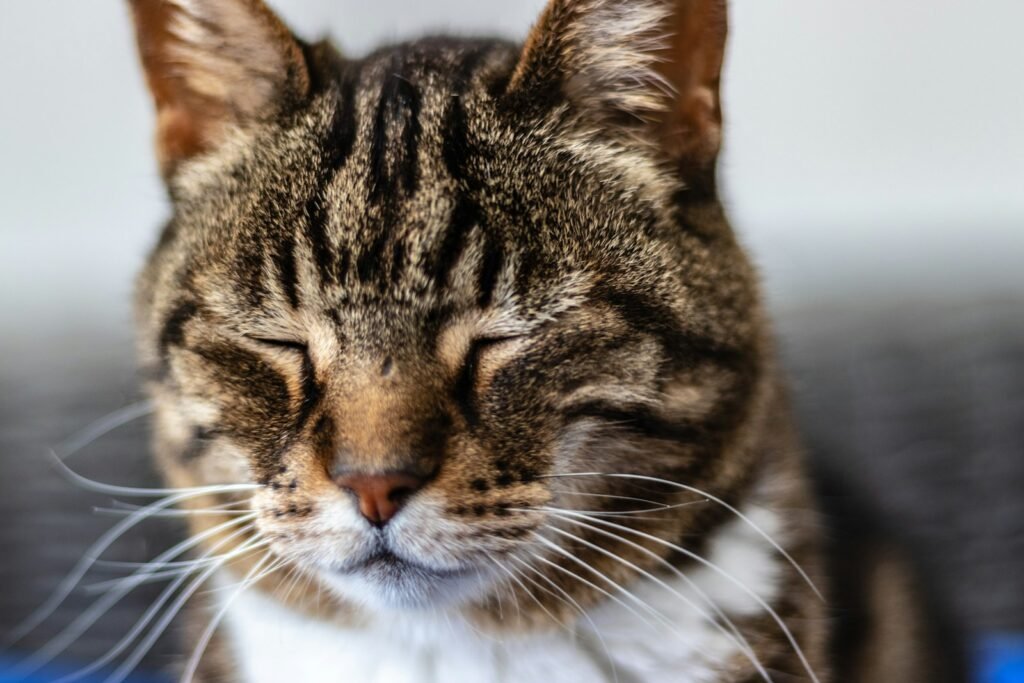
If you’ve ever caught your cat gazing at you and slowly closing their eyes, you’ve received one of the most meaningful gestures in feline communication. Slow blinking is often referred to as a “cat kiss” – a sign of trust and affection. If your cat slowly blinks at you, try returning the gesture to strengthen your bond. It’s one of those moments that feels almost too simple, but it’s deeply significant.
Researchers feel the slow blink is supposed to indicate a cat is open to interaction and does not intend to be intimidating. It may be the kitty equivalent of a welcoming smile between humans. I think this is one of the most charming things in the entire world of animal behavior. A human offering a slow blink and an outstretched hand to a cat they do not know is more likely to be approached by that cat when compared to a human who does not offer a slow blink. You can actually use this to introduce yourself to unfamiliar cats. Try it next time you meet one – the results might surprise you.
The Tail Is a Telegraph System
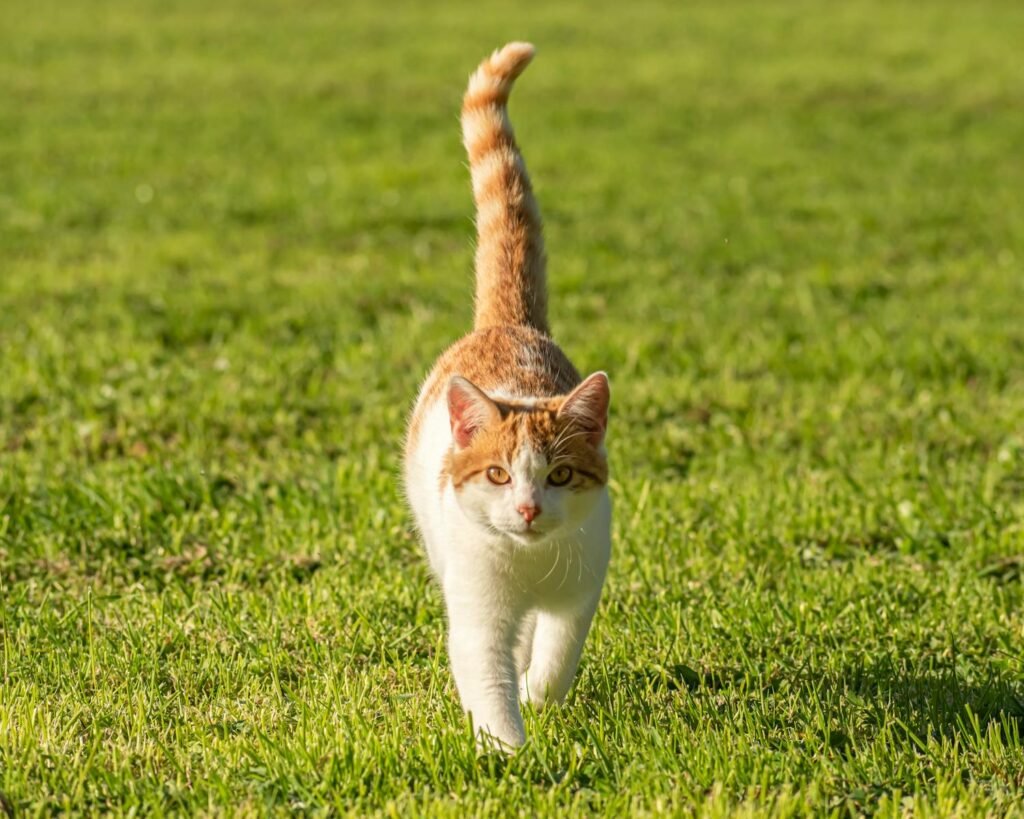
Your cat’s tail is not just a fluffy accessory. It’s a real-time broadcast of their emotional state. One of the ways cats express themselves most clearly is through their tails. A cat walking with an upright tail is relaxed and friendly, and interlocking of tails between two cats is a sign of affection. A tail swishing back and forth quickly can mean a cat is angry or curious. If a cat’s tail is fluffy and the hair standing on end, that means the cat is threatened and is trying to make itself look bigger to scare away a threat.
When your cat wraps their tail around you, they’re basically giving you a kitty hug. A cat’s scent glands are in the tail, so when they wrap it around you, they’re sharing their scent with you – a sure sign of affection. Meanwhile, tail wagging in cats means something entirely different from dogs. Sometimes referred to as “swishing,” swift movements of a cat’s tail often indicate agitation or frustration and could be a precursor to a bite or scratch. Don’t confuse the two – your cat is not being friendly when the tail is whipping back and forth rapidly.
You Can Actually Talk Back – and Your Cat Will Listen
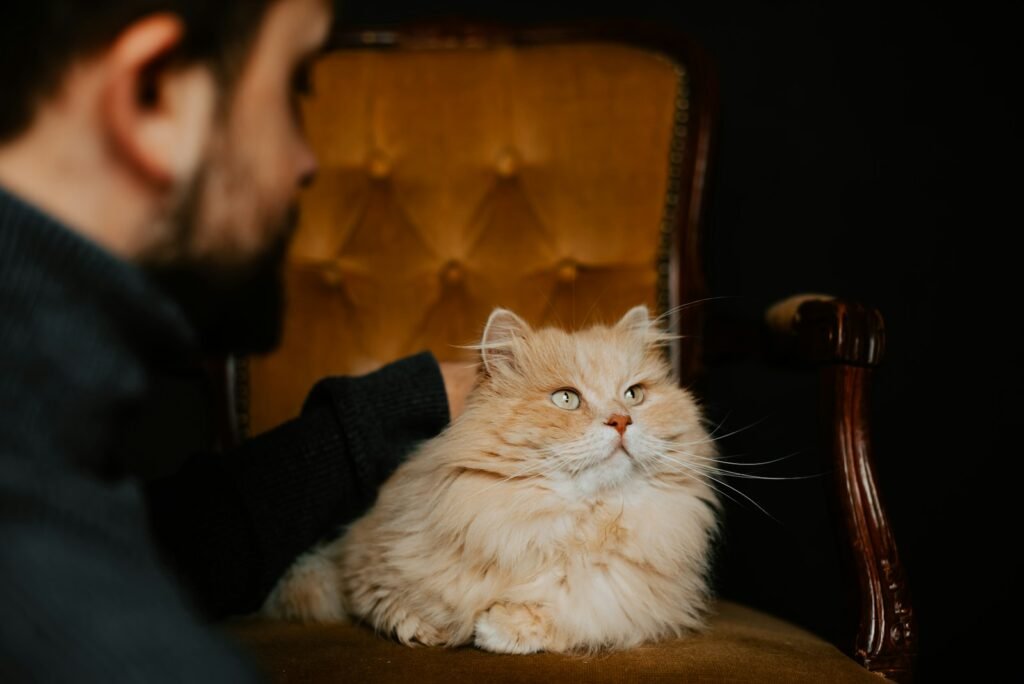
Here’s something genuinely encouraging: the conversation between you and your cat doesn’t have to be one-sided. Recent research suggests that cats respond to pet-directed speech. A 2022 study by animal behaviour researcher Charlotte de Mouzon and colleagues found that cats could distinguish between speech addressed to them and speech addressed to adult humans. This pattern of discrimination was particularly strong when the speech came from the cats’ owners. Your cat literally recognizes when you’re talking to them.
Cats speak more when they are spoken to, and like it better when you use positive words alongside their name rather than negative ones. So talking to your cat in a warm, upbeat tone is not just cute – it’s communicatively meaningful. The more you watch and listen to your cat, the easier it will be to understand what they are communicating. Notice patterns in their behavior – do they make one type of meow when they are hungry and another when they first see you? It genuinely gets easier the more attention you pay.
Conclusion
Understanding your cat’s language is one of the most rewarding things you can do as a pet owner. It’s not about learning some rigid code or memorizing a chart. It’s about paying attention, noticing patterns, and building a genuine two-way relationship with an animal that has, over thousands of years, developed a surprisingly sophisticated way of reaching out to you specifically.
Your cat is not random. Not mysterious for the sake of it. Every meow, chirp, slow blink, and tail position is part of a deliberate, evolved communication system that your cat uses precisely because you are important to them. The more you tune in, the more you’ll realize just how much they’ve been saying all along.
So the next time your cat walks into the room and locks eyes with you before letting out that unmistakable sound – stop, observe, and listen. They’re speaking. The real question is: are you ready to listen back? What does your cat do that you’ve never been able to figure out? Drop it in the comments – you might be surprised how many other cat owners are wondering the exact same thing.