You live with them, feed them, maybe even talk to them more than you talk to some family members. Yet despite all that time together, your cat remains somewhat of a mystery. You watch as they stare at you with those unblinking eyes, twitch their tail in seemingly random patterns, or headbutt your shin at precisely 6:47 AM. What are they actually saying to you?
Here’s the thing. Cats aren’t mysterious just for the sake of it. They’re speaking to you constantly through a complex, nuanced language that most of us simply haven’t learned to decode. While dogs wear their hearts on their furry sleeves, cats communicate in whispers and subtle gestures. Once you crack the code, though, you’ll realize they’ve been declaring their devotion all along.
The Silent Conversation: Why Body Language Matters More Than Meows
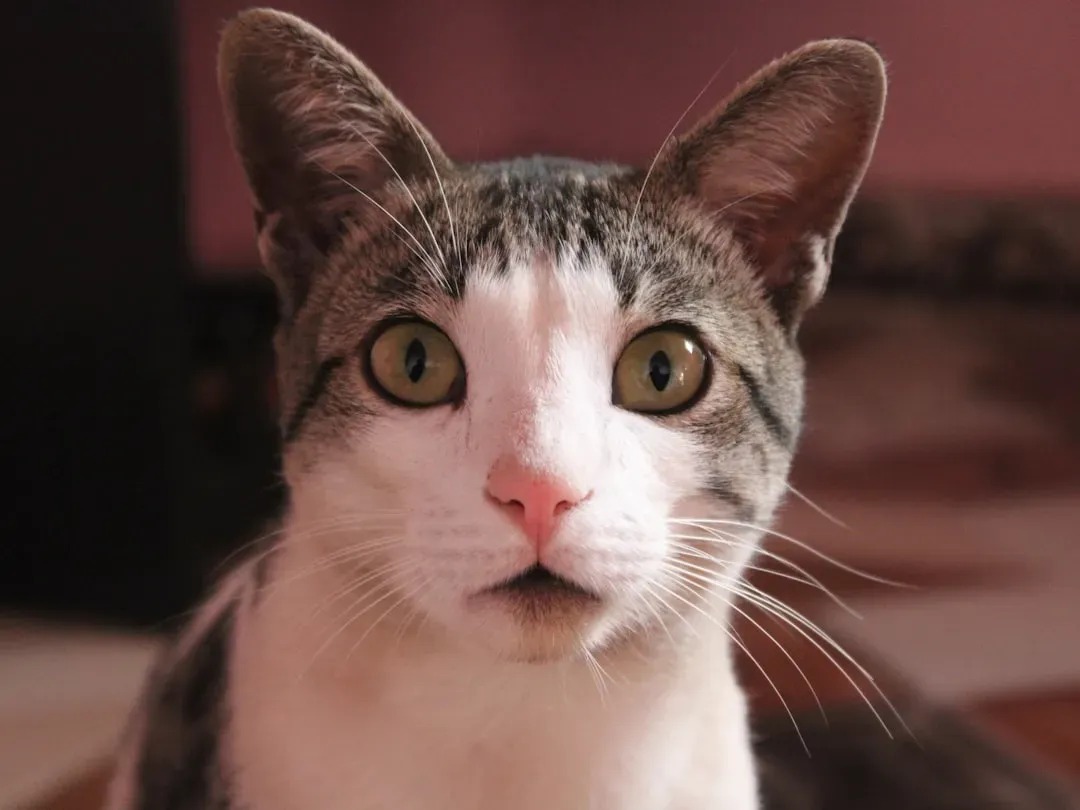
Vocalizations are just a small part of cat communication, as all felines use cat body language to share their emotions with us and other animals. Think about that for a second. Your cat’s entire body is basically one giant messaging system, constantly broadcasting how they feel about you, their environment, and whether they’re planning to knock that glass off the counter.
Cats rely heavily on nonverbal communication, as in the wild, clear signals prevent unnecessary fights and help cats navigate social interactions. Your domestic fluffball has inherited this sophisticated system. Everything from their ears, eyes, and whiskers to their toes and the tips of their tails give us clues as to what our cats think of us and the world around them. Let’s be real, you probably spend more time analyzing text message punctuation than you do reading your cat’s body language. Time to flip that ratio.
The Tail Tells All: Decoding Your Cat’s Emotional Antenna

Generally, the tail up position (where the tail is held vertically in the air, at a right angle to the ground) signals friendly intent when a cat approaches another cat, animal or person. If your cat greets you with this confident flagpole tail, congratulations. You’ve officially been deemed worthy of their presence.
When a cat bends its tail in the shape of a question mark, this is good news, especially if you have a few minutes to spare and some cat toys at the ready, because the question mark shaped tail position is a cat’s way of asking you, Would you like to play? Still, not all tail positions are invitations. If your cat is swishing their tail or thumping it against the floor while seated, it means they’re ticked off, and it’s best to leave a cat alone if they show this kind of tail communication.
When a cat tucks their tail under their body or wraps it around themselves, this can be a sign of uncertainty that may indicate feelings of fear and submission, especially when this tail position is accompanied with wide eyes, dilated pupils and flattened ears. Meanwhile, that puffed up Halloween cat tail? Your cat’s hair stands on end so they can appear to be larger, which is a defensive reaction indicating that your cat wishes to be left alone, often triggered by feeling threatened.
The Language of Love: Those Slow, Deliberate Blinks
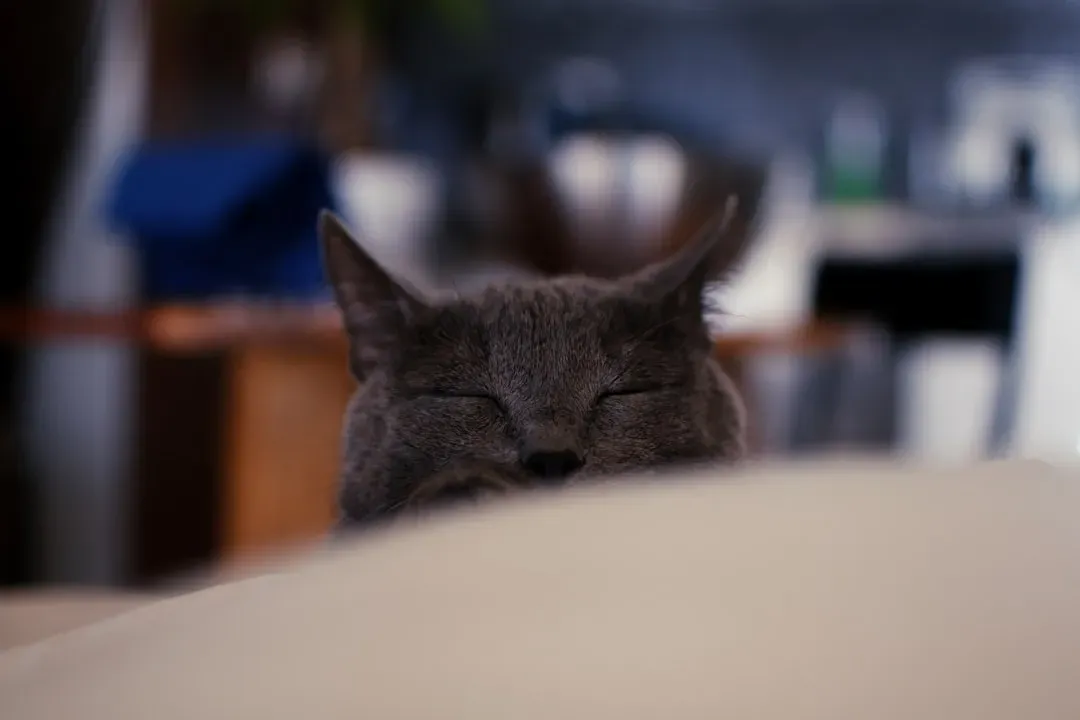
Perhaps one of the most enchanting ways cats communicate affection is through what researchers call the slow blink. When a cat slow blinks at you, they are often expressing a sense of trust, contentment, and affection, as in the feline world, closing their eyes in the presence of another creature makes them vulnerable.
Cats blink slowly to show affection and relaxation, and if a cat blinks slowly at you, they are not threatened by you and in fact, they trust you. Scientists have actually studied this behavior. Results showed that cats are more likely to slow blink at their humans after their humans have slow blinked at them, compared to the no interaction condition.
Want to speak this dialect fluently? Try narrowing your eyes at them as you would in a relaxed smile, followed by closing your eyes for a couple of seconds, and you’ll find they respond in the same way themselves. It might feel awkward at first, like you’re having a staring contest in slow motion. Yet this simple gesture can genuinely strengthen your bond.
Head Bunts and Cheek Rubs: The Scent of Belonging
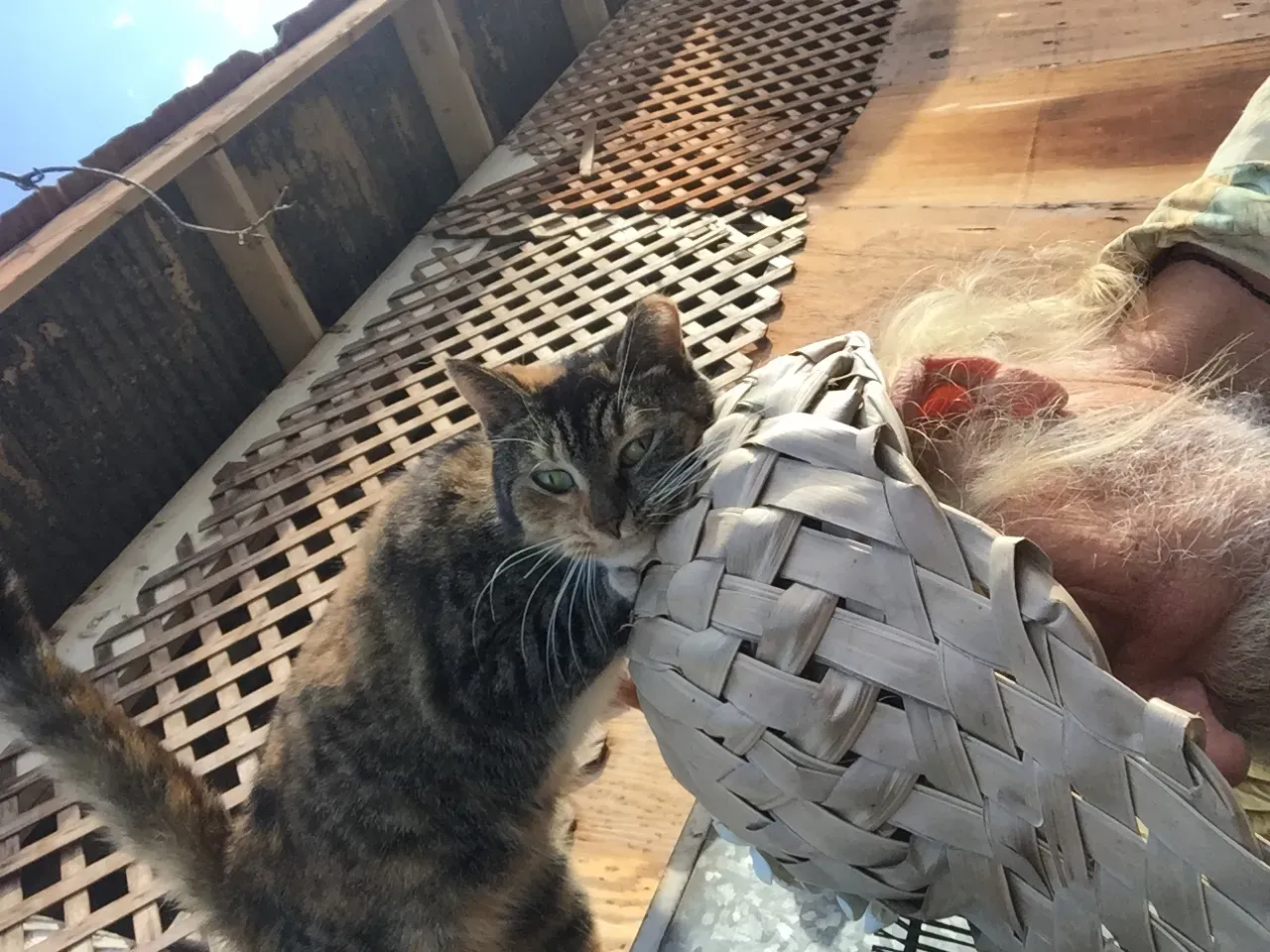
Head butts and chin rubbing are clear signs that your cat loves you because cats have scent glands in their faces that allow them to claim friends and objects as their own. This isn’t about territorial dominance in an aggressive way. It’s not a territorial mark claiming you as the cat’s property, but rather an affiliative behavior of scent mingling.
Your cat may bump their head against you or rub their cheeks against you to show affection, as this is a social behavior formed in kittenhood through headbutting other kittens and their mother, often an attempt to mark you with their scent to claim you as one of their own. Essentially, when your cat bonks their forehead into yours at an ungodly hour of the morning, they’re giving you the highest compliment in feline language. You smell like family.
Kneading: That Adorable (Sometimes Painful) Massage
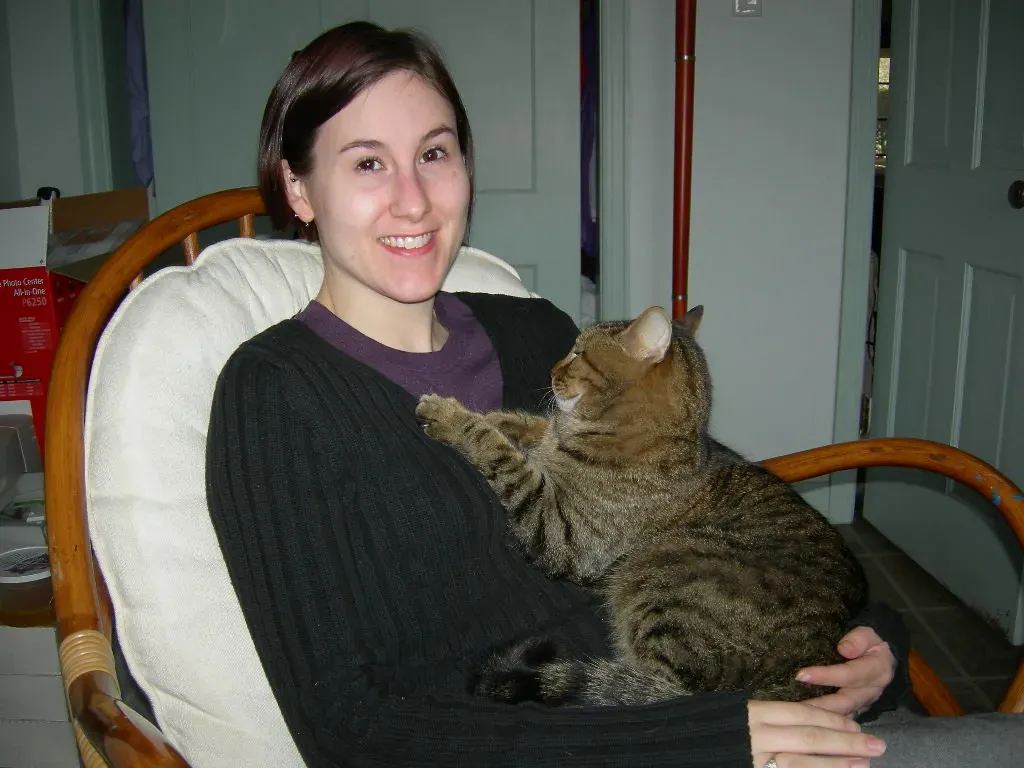
When your cat is spending some time cuddling on your lap, you might notice them kneading (aka making biscuits), another sign of enjoyment because it mimics feeding behavior in nursing kittens. The behavior is deeply rooted in contentment and security from their earliest days.
This front paw motion traces its origins back to when kittens are nursing, where they instinctively flex and relax their front paws to stimulate milk flow from the mother cat, and for kittens, this behavior is associated with a sense of calm, contentment, and security, often carrying over into adult cat life. Honestly, if your cat is kneading you with those needle sharp claws extended, take it as a compliment even while you wince. They’re essentially telling you that you make them feel as safe and loved as they did with their mother.
When your cat kneads you, they’re being very clear that you make them feel loved and comfortable.
The Purr: More Complex Than You Think
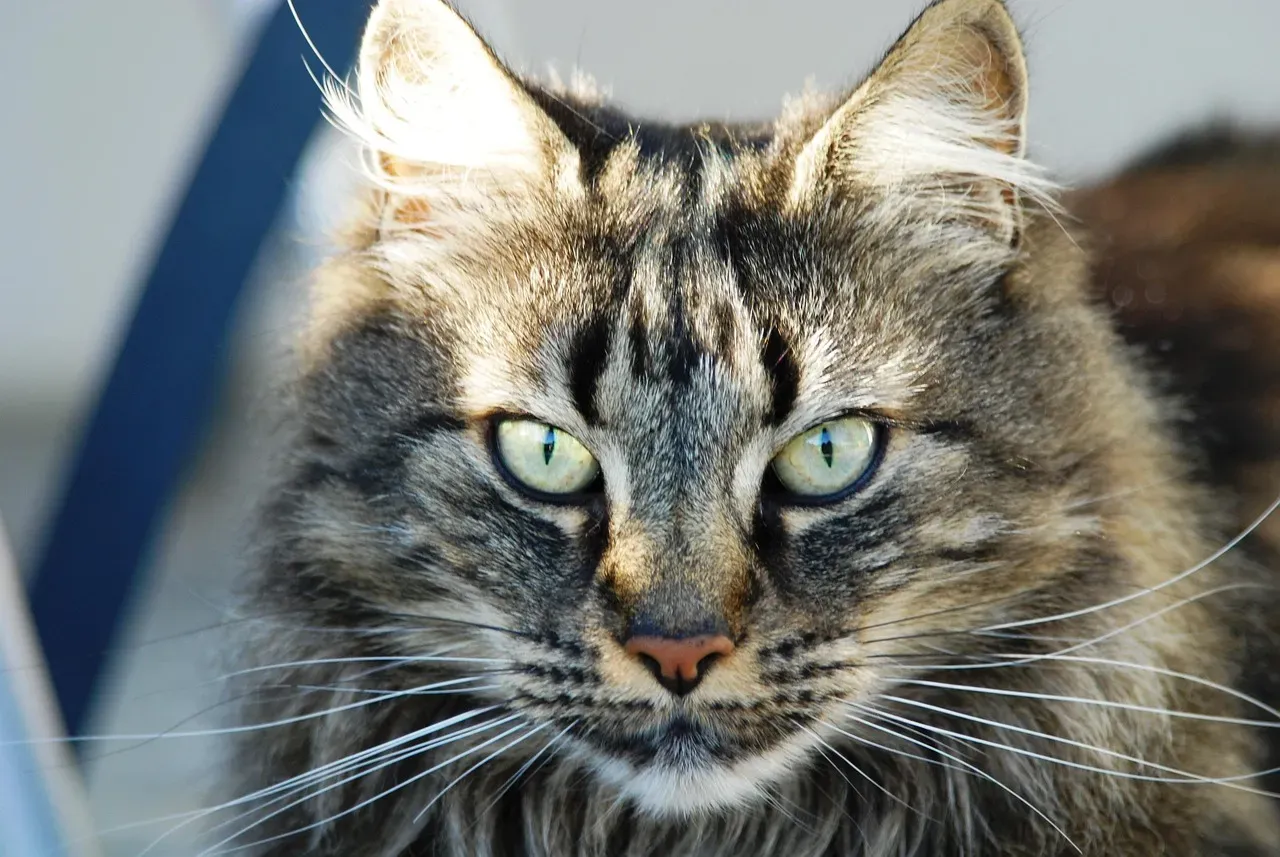
A cat who’s purring is showing a classic sign of contentment. Most of us have been conditioned to believe that purring equals happiness, full stop. The reality is somewhat more nuanced. Cats may purr for a variety of reasons, including when they are hungry, happy, or anxious, and in some cases, purring is thought to be a sign of contentment and encouragement for further interaction.
Cats sometimes purr when they are ill, tense, or experiencing traumatic or painful moments such as giving birth. A cat in pain may purr as a way to self soothe, and the real magic of a cat purring lies in its healing properties, as the low frequency at which the sound waves oscillate when your cat purrs is believed to promote bone and tissue growth and lessen pain and swelling. Context matters enormously. A relaxed cat purring in your lap sends a very different message than a tense cat purring at the vet’s office.
Meows: A Language Created Just For You
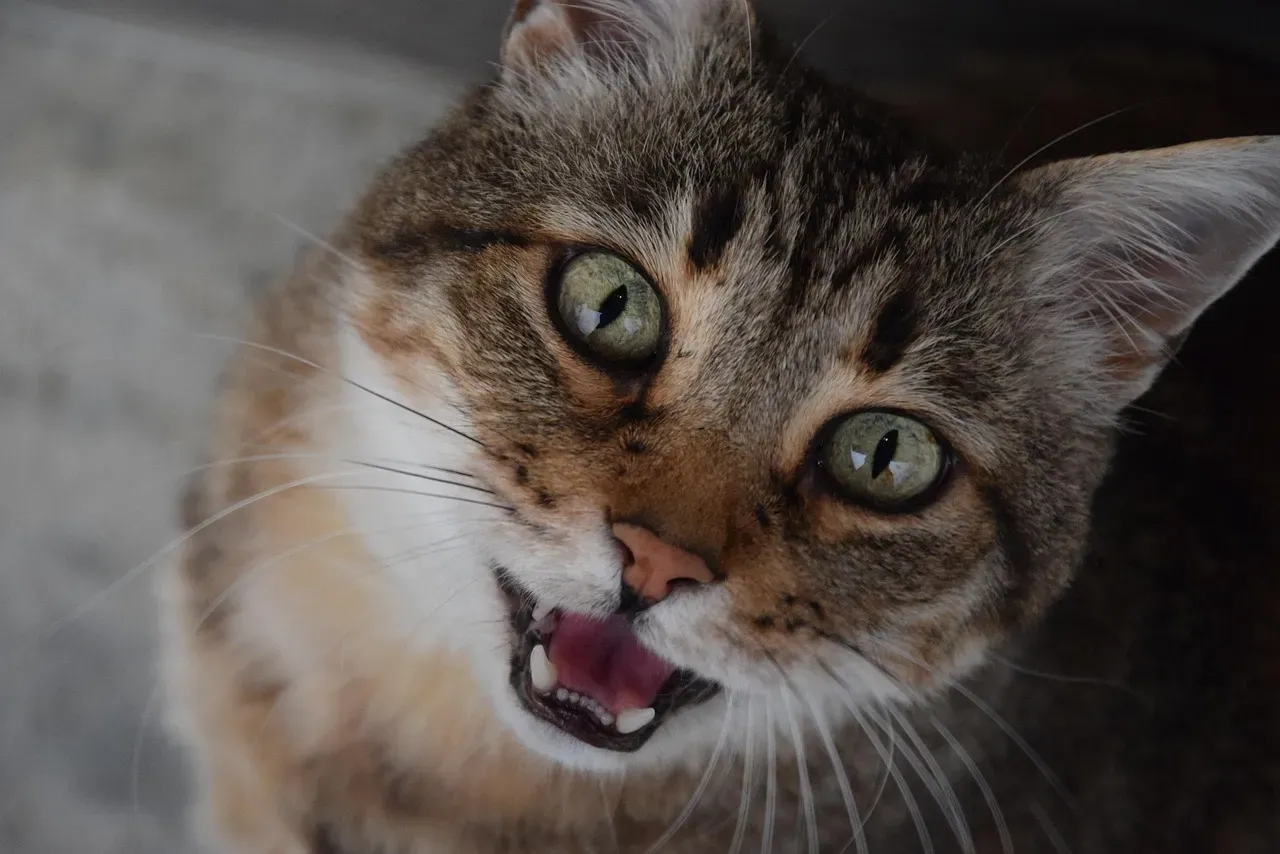
Meowing is an interesting vocalization in that adult cats don’t actually meow at each other, just at people, as kittens meow to let their mother know they’re cold or hungry, but once they get a bit older, cats no longer meow to other cats, yet they continue to meow to people throughout their lives, probably because meowing gets people to do what they want.
That’s wild when you think about it. Your cat has essentially developed a communication method specifically designed for interacting with humans. Cats have a vast vocabulary, as up to 21 different feline vocalizations have been described in scientific research, but their vocal repertoire probably contains even more, and cats can use these vocalizations to create complex phrases.
Trilling sounds a bit like purring but has a much higher pitch almost like a bell on a bicycle, as mother cats trill to communicate with their kittens, and when a cat trills, it’s probably feeling friendly and familial, with cats often trilling to their owners to greet them. Different cats develop different vocabularies with their humans. Some are chatty, some are silent, and some reserve specific meows for specific requests. It’s like each cat human relationship develops its own dialect.
Reading the Room: Understanding Context and Combinations
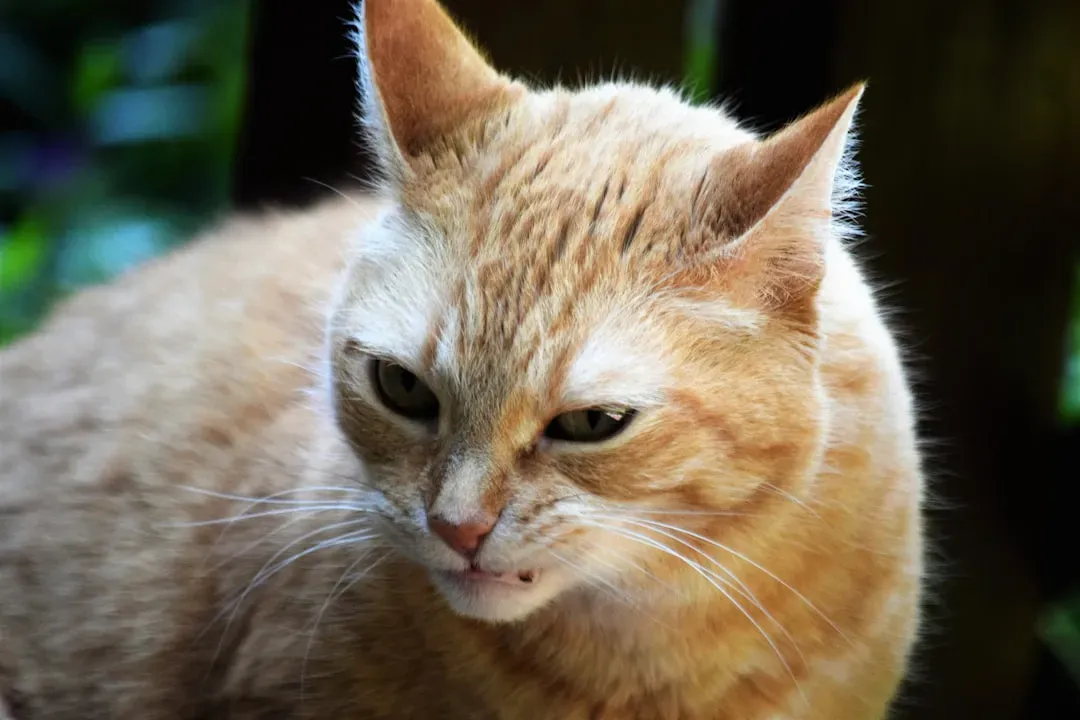
Cats combine ears, eyes, tails, and posture into a full message. You can’t just look at one signal in isolation and declare you understand what’s happening. By deciphering the subtle non verbal communication cues provided by their ears, eyes, tail, whiskers and behaviors, we can gain valuable insights into a cat’s current emotions and cattitude, and this knowledge allows us to respond appropriately, ensuring positive and respectful interactions.
Behavior is always contextual, so pay attention to the cat’s entire body and to what’s going on in the environment. A twitching tail during focused playtime means something entirely different from a twitching tail when you’re trying to pick them up. Relaxed cats’ ears and whiskers will be at their neutral positions or maybe slightly forward, and their pupils will be average size (somewhere between wide circles and thin slits), and their eyelids will be soft, perhaps blinking slowly. Learning to read these combinations transforms you from a cat owner into someone who genuinely speaks the language.
Conclusion
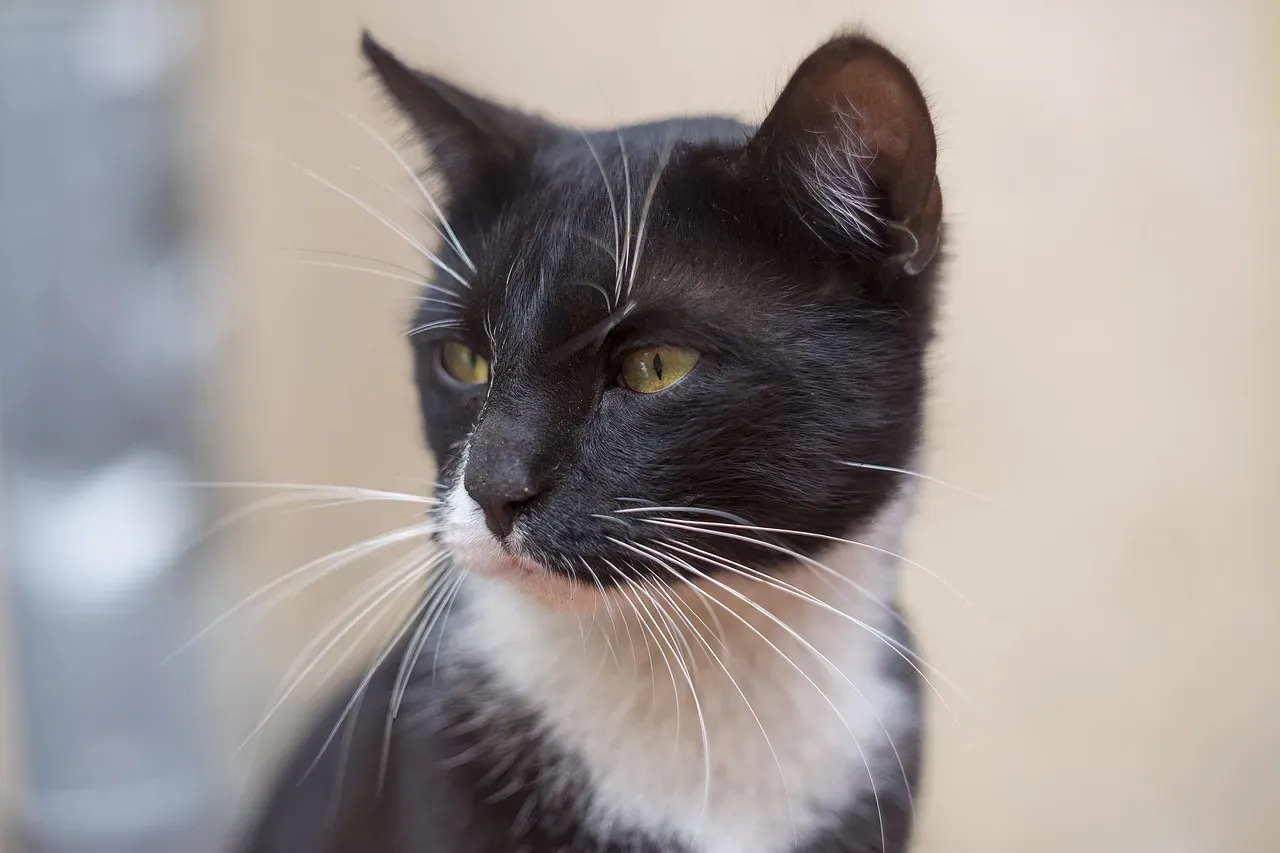
Understanding a cat’s body language is vital for cat owners and enthusiasts to establish a strong bond and communicate effectively with their feline companions, as by deciphering the subtle non verbal communication cues provided by their ears, eyes, tail, whiskers and behaviors, we can gain valuable insights into a cat’s current emotions. Your cat has been talking to you all along. Every slow blink, every head bump, every inexplicable 3 AM yowl is part of an intricate conversation that predates human language by millions of years.
The beautiful thing about learning to speak cat is that it transforms your relationship. Suddenly those weird behaviors make sense. That aloofness you thought was rejection? Probably just your cat feeling content and secure. Cats are much more subtle in showing their love, though that does not mean that the shared bond between cats and humans is any less than with dogs, and it just means that you’ll need to work harder to understand your cat’s love language and boundaries to build trust.
So next time your cat stares at you and slowly closes their eyes, blink back. When they weave through your legs with that question mark tail, pause for a moment of play. When they knead your stomach at dawn with those painful little paws, remember they’re saying they love you in the only way they know how. What do you think about your cat’s unique way of communicating? Have you noticed any special signals between you two?