Picture this: you’re peacefully reading on your couch when suddenly transforms into a furry tornado, tearing through the house at breakneck speed. They leap onto furniture, skid around corners, and race from room to room with wild eyes and a puffed tail. Then, just as quickly as it started, they settle down for a nap like nothing happened.
Welcome to the fascinating world of cat zoomies. This behavior has a scientific name: frenetic random activity periods (FRAPs), and while these energetic outbursts might be startling in the moment, they’re perfectly normal feline behavior. Understanding why does this can help you appreciate these moments rather than worry about them. So let’s dive into the wild world of feline energy bursts.
What Exactly Are Cat Zoomies?
Cat zoomies are episodes when cats frantically run around the house, and then, almost as quickly as they started, the zoomies end and your kitty is back to snoozing on the couch. During these episodes, cats might sprint at top speed, leap onto furniture, or engage in what looks like combat with invisible enemies.
Zoomies appear almost out of control, whereas play is often more measured. The behavior has been described as a sudden, “switch-flipping” burst of energy. These episodes typically last only a few minutes, though they can feel much longer when your cat is ricocheting off your walls at three in the morning.
The Science Behind the Madness
Most veterinarians agree that the zoomies are simply a release of energy in our cats and dogs, and it is a pretty normal behavior that most pets experience. Think of it as your cat’s way of hitting the reset button on their energy levels.
Zoomies are caused when your cat experiences a build-up of excess energy. They can be a sign that your cat isn’t getting enough physical or mental stimulation. It is simply an effective way to burn off excess energy for these creatures who sleep much of the day (anywhere between 12 to 16 hours a day). After a long snooze, mad dashes around the house are the ideal way for cats to awaken their mind and body.
Post-Sleep Energy Explosions
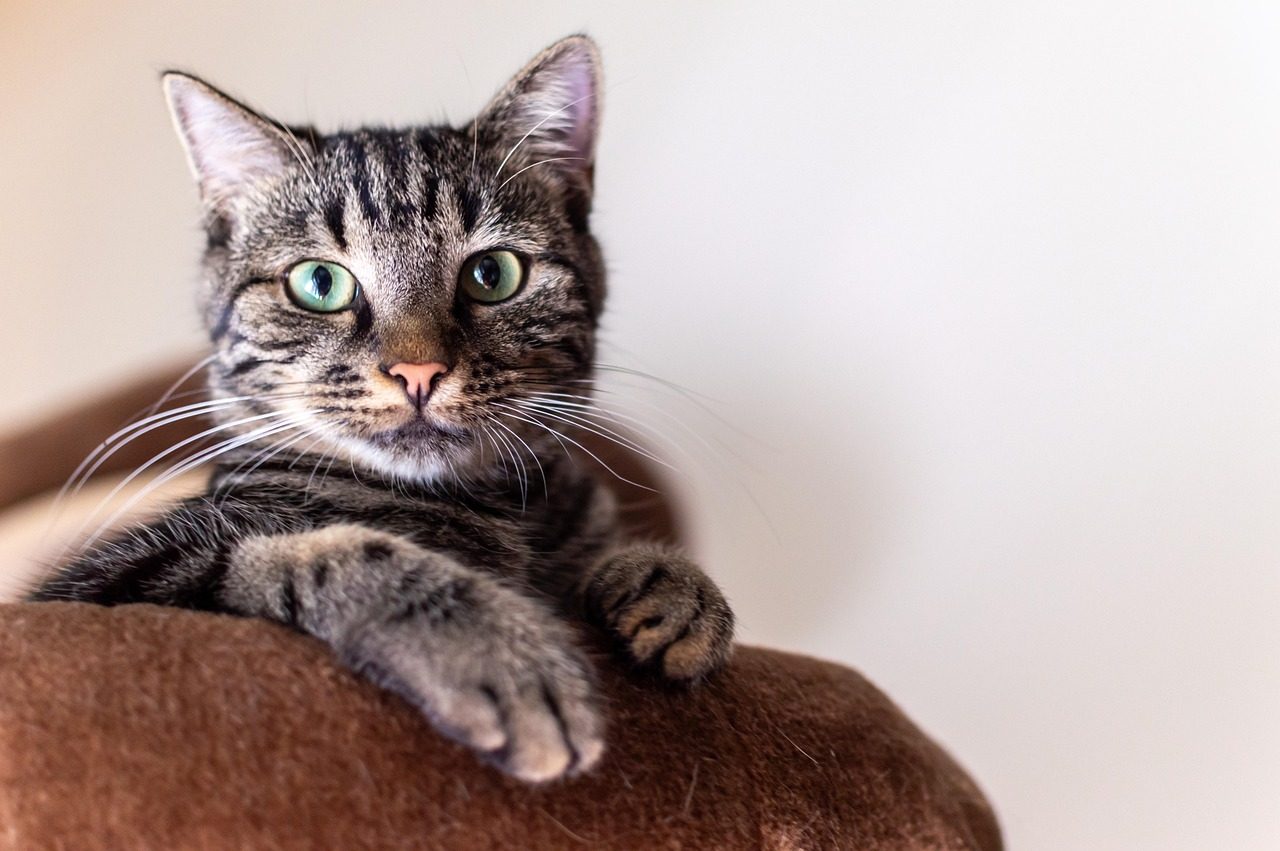
Cats often get the zoomies after a long snooze. Because cats sleep much of the day in order to conserve energy (your feline friend can sleep anywhere from 12 to 16 hours a day), when they’re awake, they’re really awake. This is probably the most common trigger for zoomies.
Many cats who have zoomies experience them after they’ve been asleep for several hours at a time. When cats are deeply asleep and resting throughout the day, they store up energy to use during their waking hours. Some cats may need to burn off a lot of this energy all at once after they wake up, and they may do this through zoomies. It’s like they’re making up for lost time in the most dramatic way possible.
The Mysterious Post-Bathroom Sprint
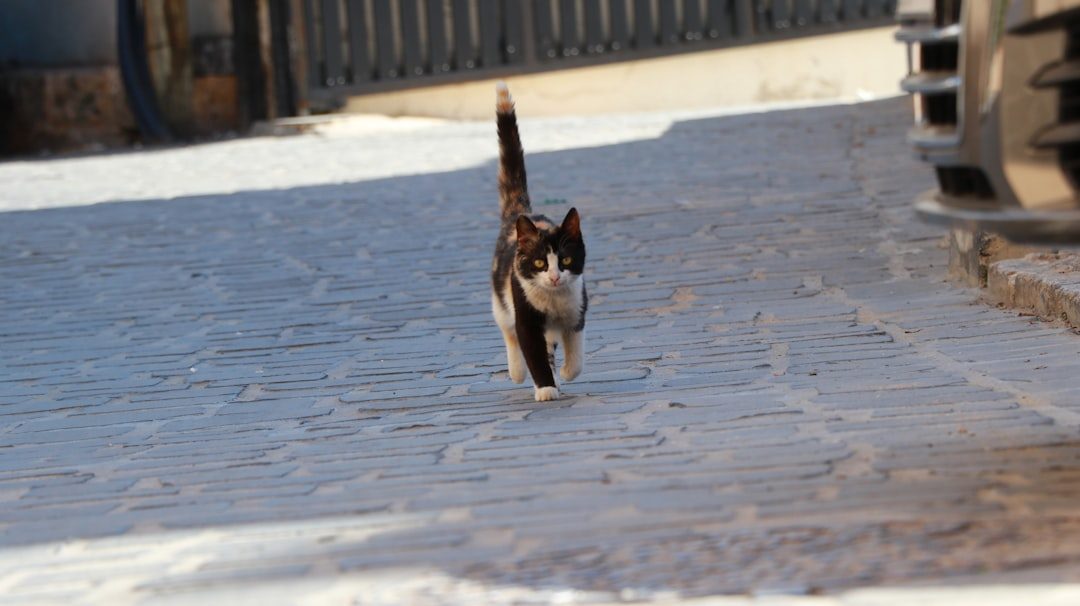
One of the quirkiest aspects of cat behavior is the post-litter box zoomie session. Some cats seem to enjoy a victory lap after a trip to the litter box. Some cats will get the zoomies just after having a bowel movement. Although this is not necessarily a sign of a cat having issues using the litterbox, it can be.
Some feline behavioral specialists believe this habit comes from nature, where wild cats would want to distance themselves from their waste quickly to avoid predators finding them. While no one knows the true cause of litter box zoomies, if your cat starts charging around the home after pooping, this is normal! It could be due to the drop in heart rate and blood pressure that occurs when a cat goes for a poo, which causes a euphoric feeling.
Hunting Instincts in Action
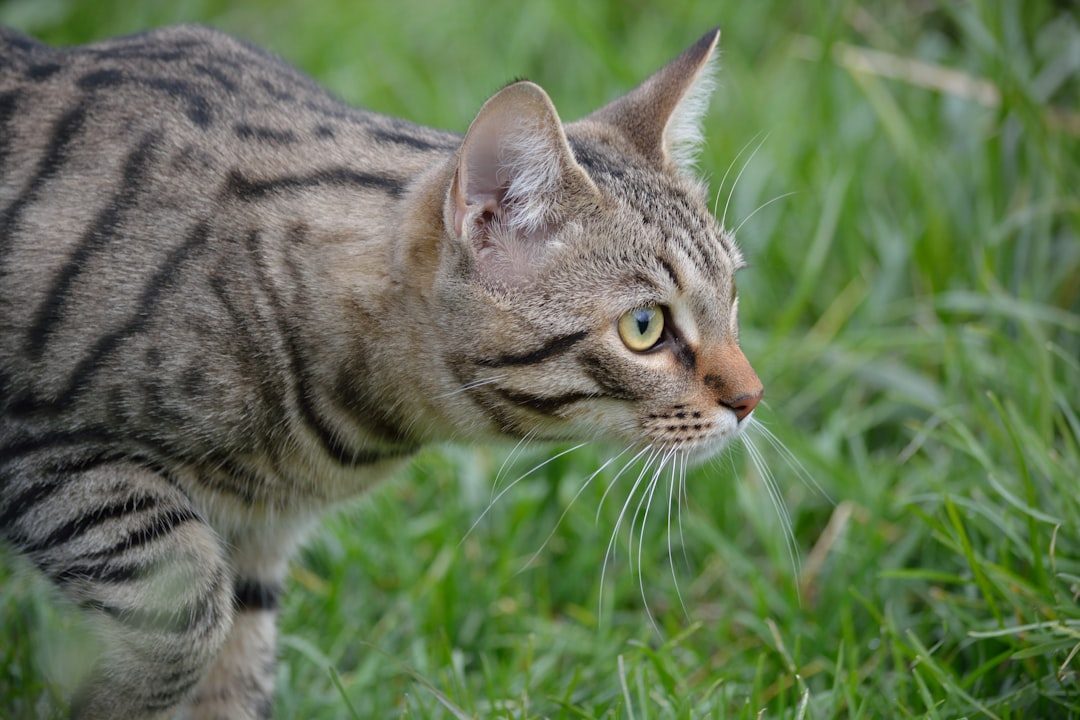
Despite getting all the food they need from their pet parents, cats are innate hunters and have a predatory instinct. Sometimes it may seem as if your cat is chasing nothing, when, more than likely, they’re pursuing imaginary prey. These phantom hunting sessions can trigger intense zoomie episodes.
Some cats will also get the zoomies when they are practicing their hunting skills. This could suddenly cause a cat to have the zoomies out of the blue, and many cats will get this when they see a bird or rodent outside. The cat has the urge to chase and hunt the animal but is not actually able to. As a result, they start running around the house. Your living room becomes their personal hunting ground for invisible mice.
The Midnight Madness Phenomenon
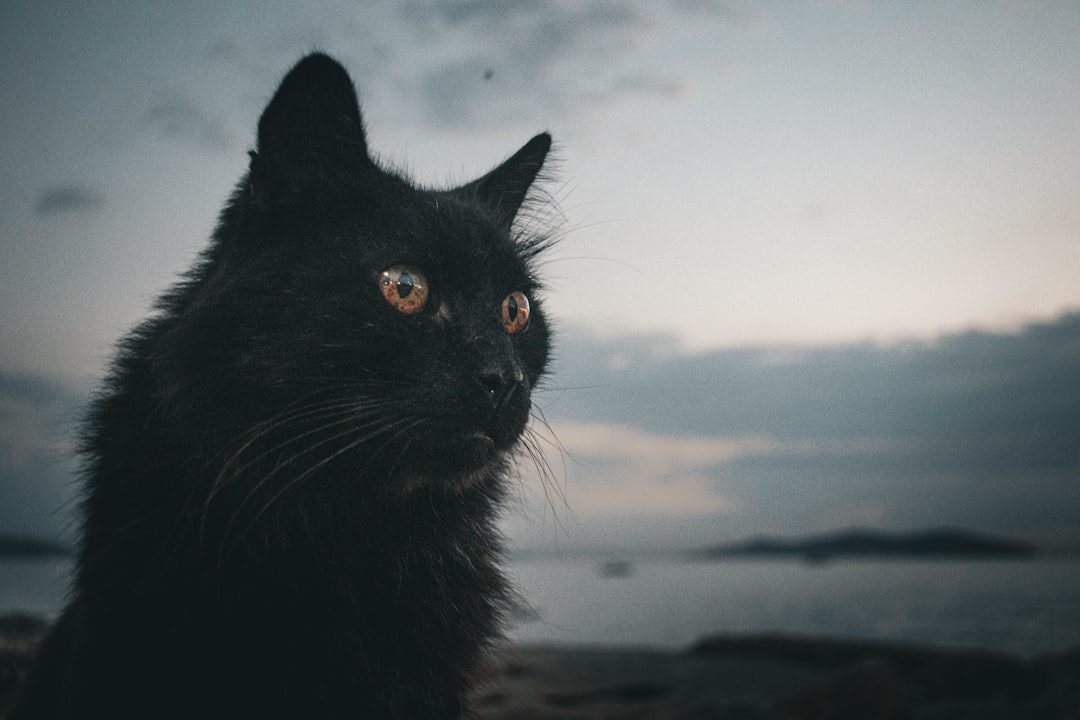
Contrary to popular belief, cats are not nocturnal but are crepuscular instead! If you are unfamiliar with the term, this means that they are naturally most active at dawn and dusk due to their biological need to take advantage of cooler times of day in order to more effectively hunt. This is why cats so often exhibit FRAP late at night, even if their owners are tucked away in bed.
Cats are most active at dawn and dusk as this is when they would hunt. They spend most of the hours a day napping, so by nighttime they’re full of energy and ready to hunt or play. This explains why your peaceful slumber might be interrupted by what sounds like a stampede of tiny hooves thundering through your house.
When Zoomies Signal Excitement
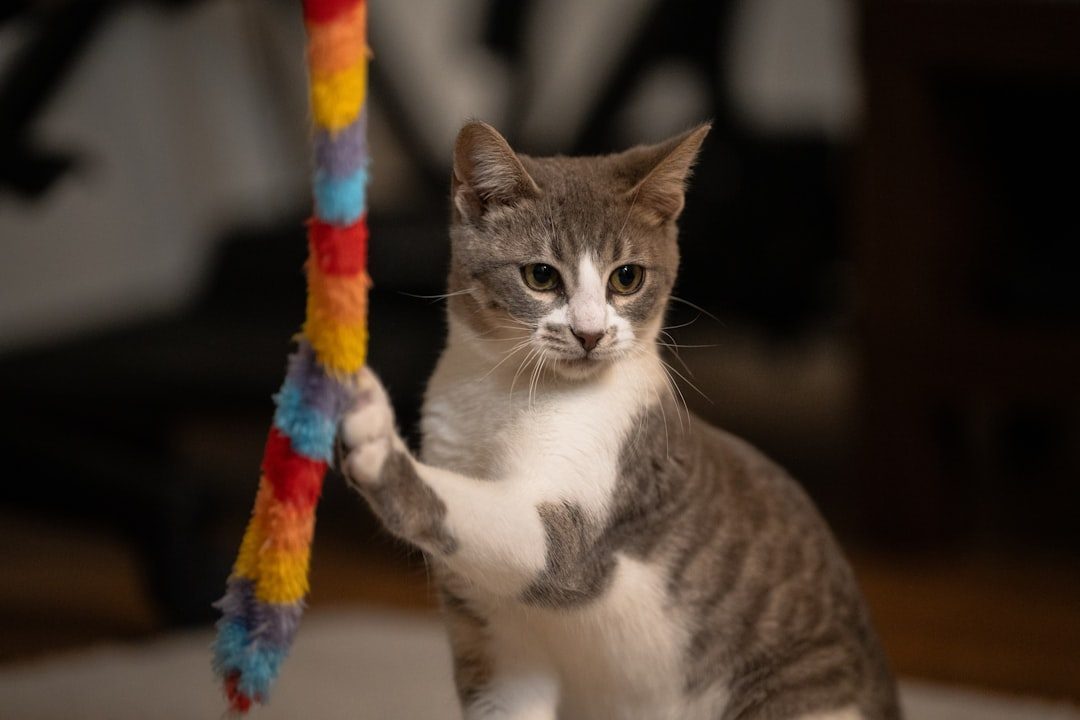
Some cats are so happy about their owners returning home after being gone for the day that they can’t contain their energy and must zoom around the home for a little while. Some cats may become so excited about mealtime that they develop a few rounds of zoomies. Although this behavior is less common in cats than it is in dogs, zoomies of excitement about getting fed can still happen in cats as well.
In fact, it’s one of the most common reasons why cats get the zoomies. For the most part, it’s just a completely normal expression of their quirky personality! These happy zoomies are like your cat’s way of celebrating the good things in life, whether that’s your return home or the arrival of dinner.
When to Be Concerned
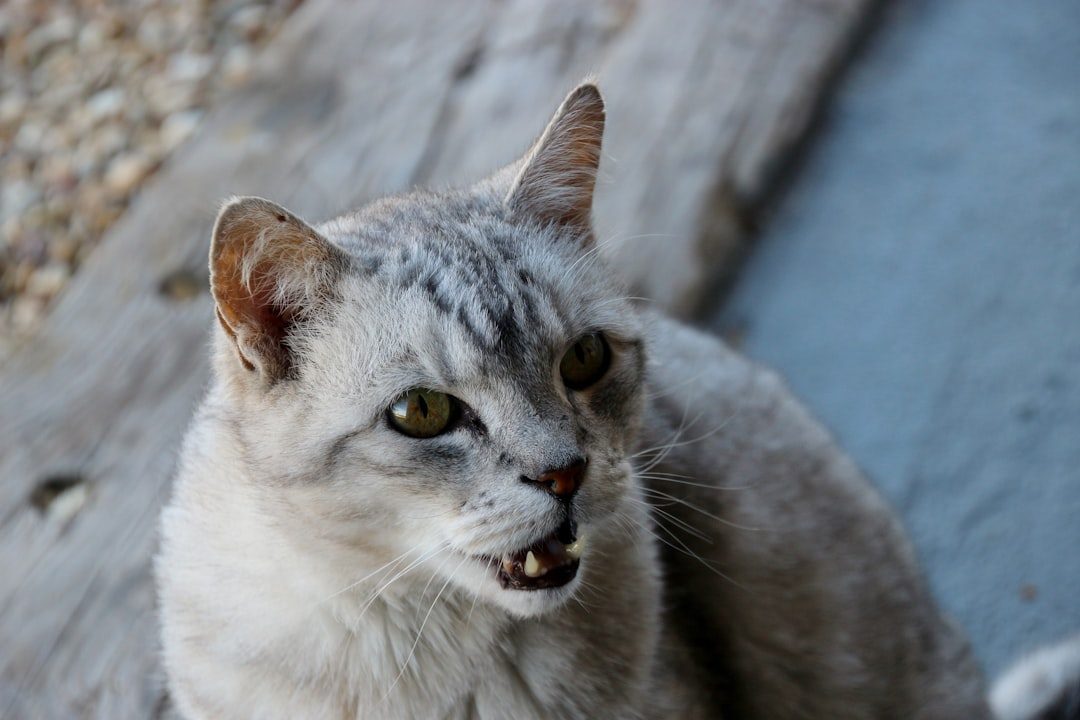
While zoomies are typically harmless, there are times when they might indicate something more serious. Anxiety or distress can trigger zoomie-like behavior, though these episodes typically look different from playful ones. Anxious cats often appear uncoordinated or frantic during these moments.
However, if your cat starts to exhibit above average levels of activity, it may indicate an underlying health condition such as hyperthyroidism, which increases energy levels in older cats. While acute pain is a far less common reason for cat zoomies, it’s important to know when the behavior may indicate your kitty is in pain. If you do suspect pain is the culprit, get them to the vet as soon as possible for relief.
Managing the Midnight Express
If nighttime zoomies are disrupting your sleep, there are strategies to help redirect this energy. Helping your cat play during the day can reduce late-night zoomies and lead to better sleep for you. Interactive playtime is one of the best ways to prevent overly wild zoomies. Use wand toys, feather teasers, or small balls to mimic the chase-and-pounce sequence of hunting. Aim for at least two to three short play sessions each day, especially in the evening to help your cat settle down at night.
Try feeding your cat their main meal just before your bedtime to encourage them to sleep through the night. Just like us, cats benefit from a bedtime routine. About an hour before you hit the lights, start creating a chill vibe. Dim the lights, keep the noise low, and offer some cuddles or quiet time. Add a cozy blanket or favorite nap spot, and you’re setting the stage for a peaceful night.
Embracing the Chaos
In most cases, you don’t have to do anything if your cat gets the zoomies (except take a funny video or two). You can try tossing your cat a toy if they seem interested, but know this isn’t typically necessary during these episodes. In healthy cats, the zoomies can be normal and behaviorally-appropriate. Some cats just love a good romp and run about the house to burn off excess energy. After all, it’s all in good fun.
One of the best parts about having a furry companion is discovering their unique personality and eventually learning how to predict when your feline likes to let out their “crazies.” Treat the cat zoomies as an invitation to enjoy some extra-special bonding time with your best friend! Sometimes the best approach is simply to sit back and enjoy the show as your cat performs their own personal Olympics in your living room.
Cat zoomies are one of those delightfully mysterious behaviors that remind us why we fell in love with these fascinating creatures in the first place. For most cats, zoomies are a sign of a healthy, happy animal who has energy to burn. While they might startle you the first few times, zoomies are also a great reminder that cats have a playful side no matter their age. Rather than trying to eliminate this behavior entirely, learn to appreciate it as part of your cat’s unique personality. After all, life would be pretty boring without a little controlled chaos from our feline friends. What do you think about your cat’s zoomies? Tell us in the comments.