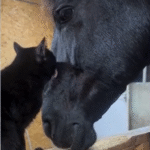
You’ve probably wondered about it more than once. There your cat sits, staring at you with those unreadable eyes, and you can’t help but think: does my cat actually love me, or am I just the convenient food dispenser? Dogs practically wear their hearts on their fur, but cats? They’re a different story altogether. The relationship between you and your feline companion operates on a completely different wavelength than what most of us expect from pets.
Here’s the thing, though. Your cat might be more attached to you than you realize. Recent scientific studies have started unraveling the mystery of feline affection, and the results are pretty fascinating. Cats form attachment bonds to their human caretakers in very much the same way that dogs and human children do, with over 65% of cats and kittens showing key secure attachment behaviors. Turns out, your suspicions might be right after all. Your cat does love you, but they’re just not shouting it from the rooftops like a golden retriever would. Instead, they communicate through subtle gestures that many of us completely miss. So let’s dive in and decode what your cat has been trying to tell you all along.
The Slow Blink: Your Cat’s Secret Love Letter
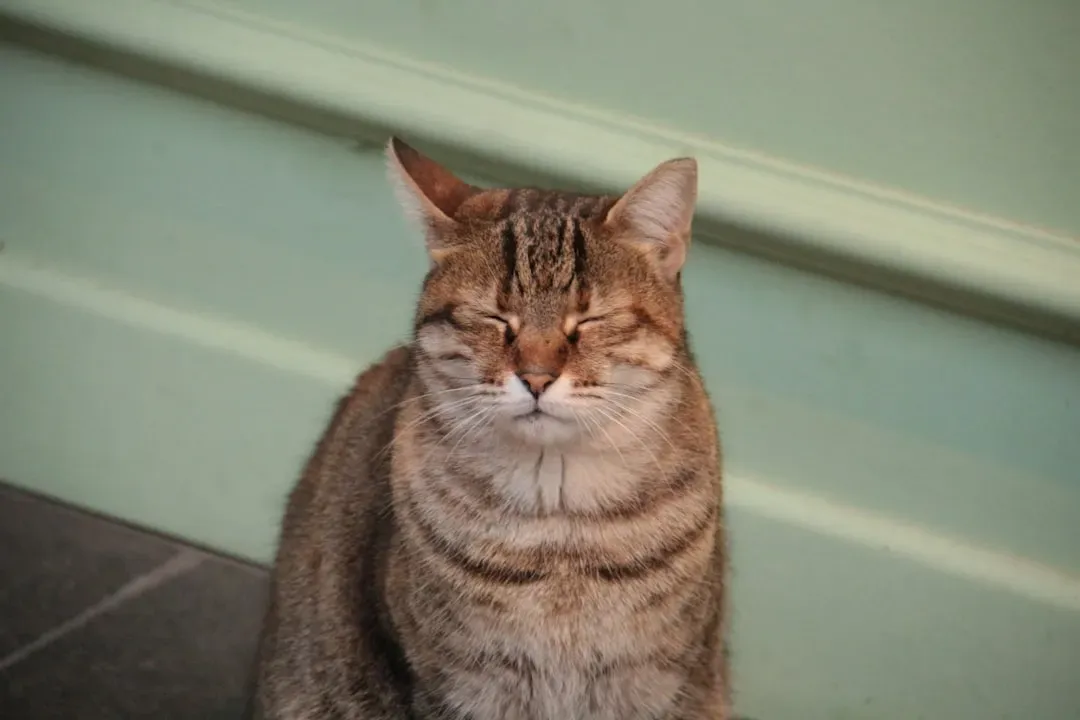
Ever catch your cat staring at you with half-closed eyes, blinking slowly like they’re about to doze off? That’s not sleepiness. A slow blink is a cat’s way of showing you that they trust you and feel safe with you. Think about it from their perspective: closing their eyes around you makes them vulnerable. In the wild, that moment of blindness could mean danger, but your cat does it anyway because they feel completely secure in your presence.
Research suggests slow blinks are associated with a positive emotional state and can be a sign of trust, contentment and affection, similar to a human smile. It’s basically a cat kiss. The best part? You can actually return the gesture. Try narrowing your eyes and blinking slowly back at your cat next time they do it. Cats are more likely to slow blink after their owners slow blink at them, and when a researcher slow blinked at an unfamiliar cat, the cat approached the researcher’s outstretched hand. This simple exchange creates a positive loop of trust and affection between you both.
Head Bunting and Face Rubbing: Claiming You as Family
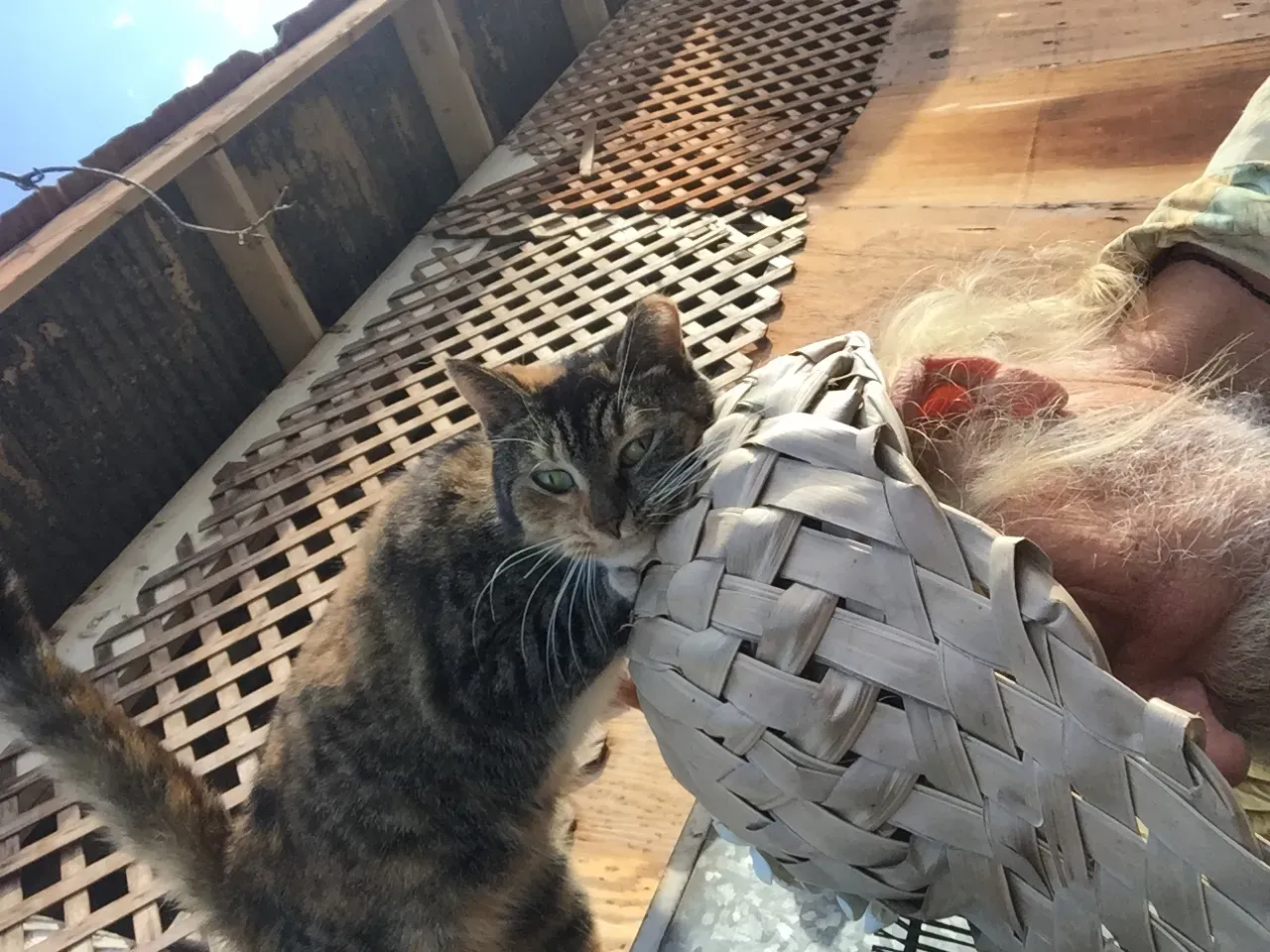
Does your cat headbutt you or rub their face against your legs, hands, or even your face? This behavior has a name: bunting. Cats do this to create physical contact and deposit pheromones, leaving their scent on you to claim you as one of their own. Those scent glands located on their cheeks, forehead, and chin are marking you as part of their territory, but in the most affectionate way possible.
Cats use scent to identify members of their social group or family by sharing a group scent profile, and often rub their heads against people and objects that are familiar and comforting. This isn’t just mindless rubbing. Your cat is essentially saying, “You’re mine, and I’m yours.” It’s one of the most intimate gestures a cat can make. When they wrap around your ankles as you walk through the door, they’re not trying to trip you. They’re greeting a beloved family member and refreshing their claim on you after you’ve been out in the world picking up other scents.
Following You Around: Your Feline Shadow
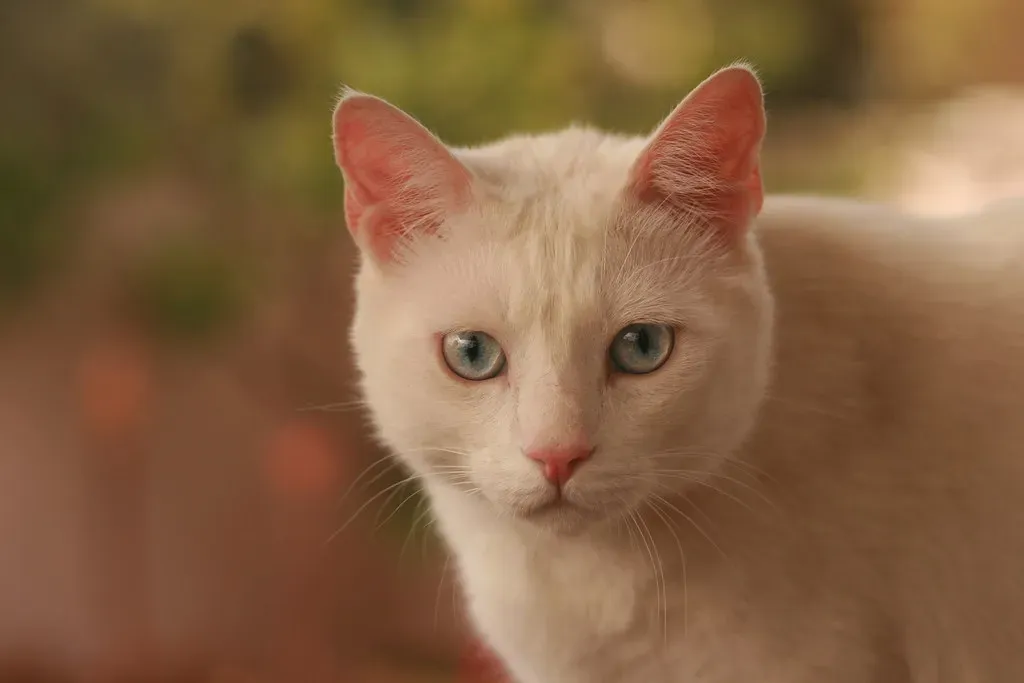
You get up to grab a snack from the kitchen, and suddenly your cat materializes behind you. You head to the bathroom, and there they are again. Some people joke that their cats are like furry little stalkers, but this behavior reveals something deeper. When it’s not close to feeding time and your cat isn’t acting like they want anything, chances are they are just trying to bask in your presence.
Cats often follow those they love and trust around the home. They genuinely enjoy your company and want to be near you, even if they’re not demanding attention or physical contact. It’s their way of staying connected to you throughout the day. Let’s be real, if your cat didn’t care about you, they’d be perfectly content napping in some sunny spot across the house. Instead, they choose to shadow your every move, which is a pretty clear indicator that you matter to them far more than they let on.
Kneading: The Ultimate Sign of Contentment
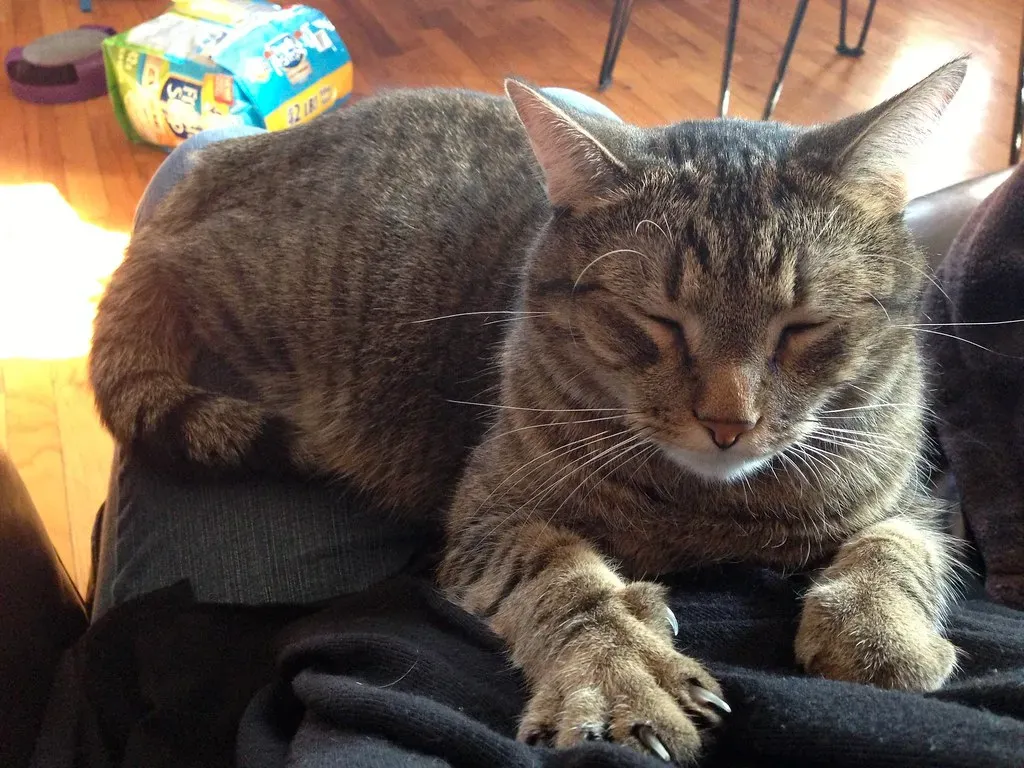
That rhythmic pressing motion your cat makes with their paws, often called “making biscuits,” is one of the sweetest displays of affection. Cats usually knead with their front paws, and this is a behavior that begins in kittenhood and is associated with nursing on their mother. When kittens nurse, they knead their mother’s belly to stimulate milk flow, creating an association between kneading and comfort, safety, and nourishment.
When your adult cat kneads on you, they’re essentially reverting to that kitten mindset. Kneading is believed to bring comfort by releasing endorphins to reduce stress and promote relaxation. Sure, those claws can be a bit uncomfortable when they really get into it, but try to appreciate what they’re communicating. Your cat feels so relaxed and happy with you that they’re exhibiting behavior reserved for the most comforting moments of their early life. You’ve become their source of ultimate contentment and security.
Bringing You Gifts: A Questionable Token of Love
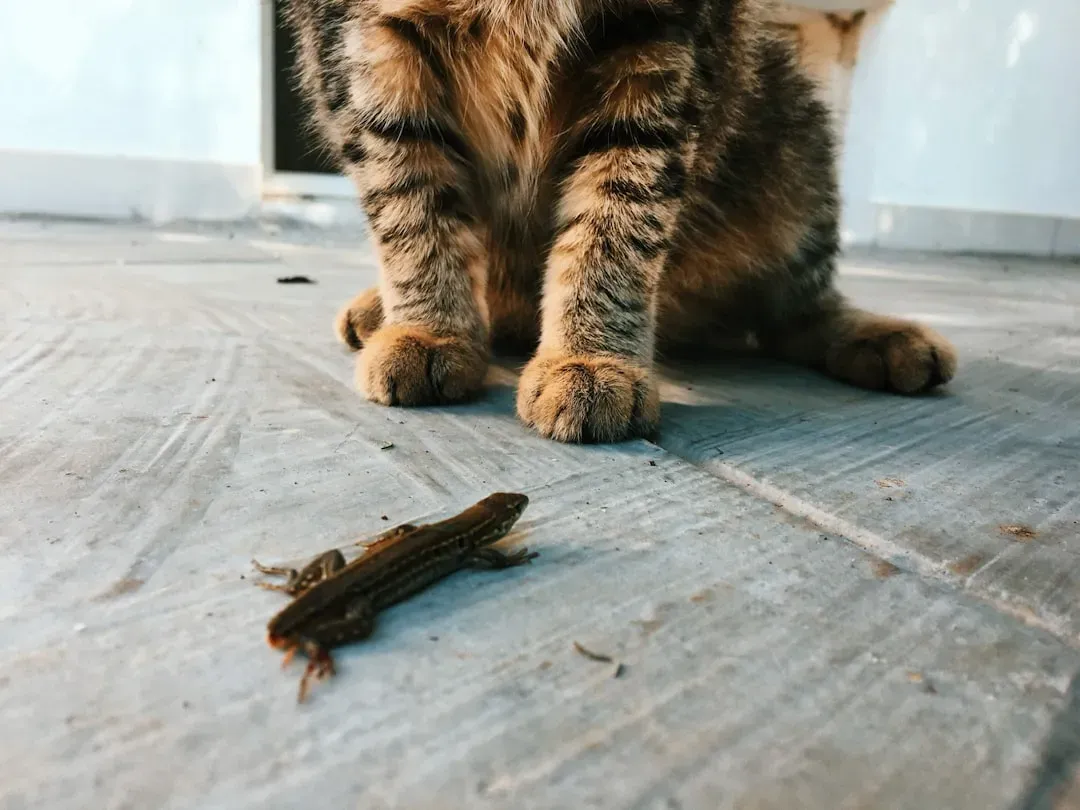
Okay, let’s address the less pleasant sign of feline devotion. Finding a dead mouse, bird, or insect at your doorstep or on your pillow isn’t exactly what most people want. Yet, this behavior actually demonstrates how much your cat values you. Cats are hunters at heart, and sometimes a cat that catches a mouse or insect will bring the remains back to their humans as a gift, and though this may turn your stomach, it truly is a sign of love and pride as your cat wants to reward you for your love.
Your cat sees you as part of their family, and they’re sharing their bounty with you. In their world, this is an incredibly generous gesture. Cats will also do this with toys if they don’t have the option to hunt live prey. If your indoor cat brings you their favorite toy mouse in the middle of the night, they’re offering you the same kind of gift. Honestly, it’s hard to stay annoyed when you realize your cat thinks you’re important enough to share their prized possessions with. They might not understand why you react with horror instead of gratitude, but the intention behind the gesture is pure affection.
Conclusion
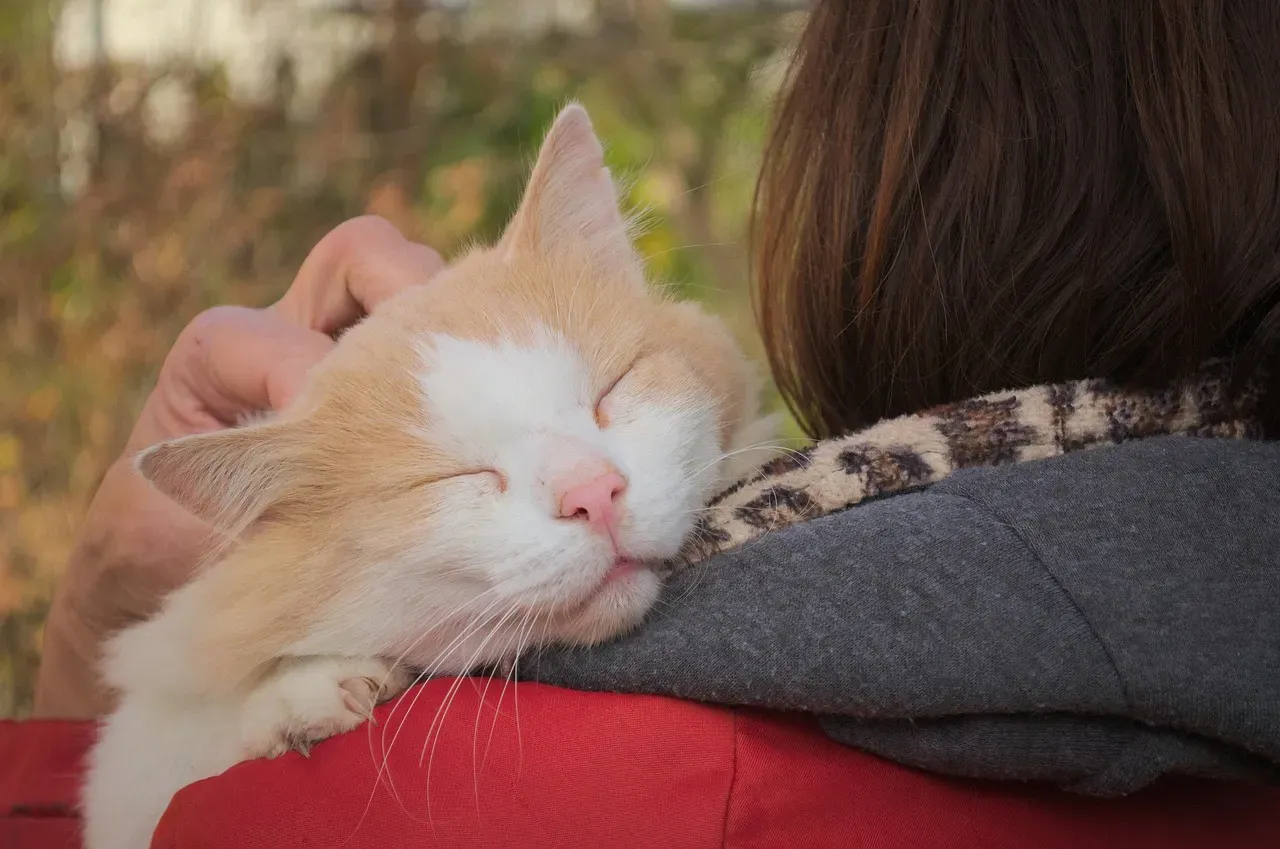
Your cat’s love might not look like the tail-wagging, face-licking enthusiasm of a dog, but it’s there nonetheless. Those slow blinks, head rubs, shadowing behavior, kneading sessions, and yes, even those unwanted gifts, are all ways your feline friend tells you they care. Cats can form strong, loving bonds with their owners, and understanding their unique language of affection only strengthens that bond.
Next time you wonder whether your cat really loves you, pay attention to these subtle signs. They’re speaking to you constantly in their own special way. The relationship you share with your cat might be quieter and more understated than other pet relationships, but it’s no less meaningful. Did your cat slow blink at you today? What’s your favorite way your feline friend shows their love?