You’ve probably asked yourself at least once while watching your feline friend stare blankly at a wall: does my cat actually love me, or am I just the person who opens the tuna cans? It’s a question that plagues cat owners everywhere, especially when your kitty seems more interested in cardboard boxes than cuddles. Here’s the thing though: cats do love us. They just speak an entirely different language than the slobbery, tail-wagging canines we’re used to.
Cats are much more subtle in showing their love, and understanding your cat’s love language and boundaries helps build trust. While dogs wear their hearts on their furry sleeves, cats prefer to keep things mysterious. Think of it this way: if dogs are extroverts at a party, cats are the cool introverts in the corner, watching everything unfold. Yet beneath that composed exterior lies genuine affection waiting to be decoded. So let’s dive into the secret signals your cat uses to say “I love you” without ever uttering a meow.
The Slow Blink: Your Cat’s Version of a Kiss
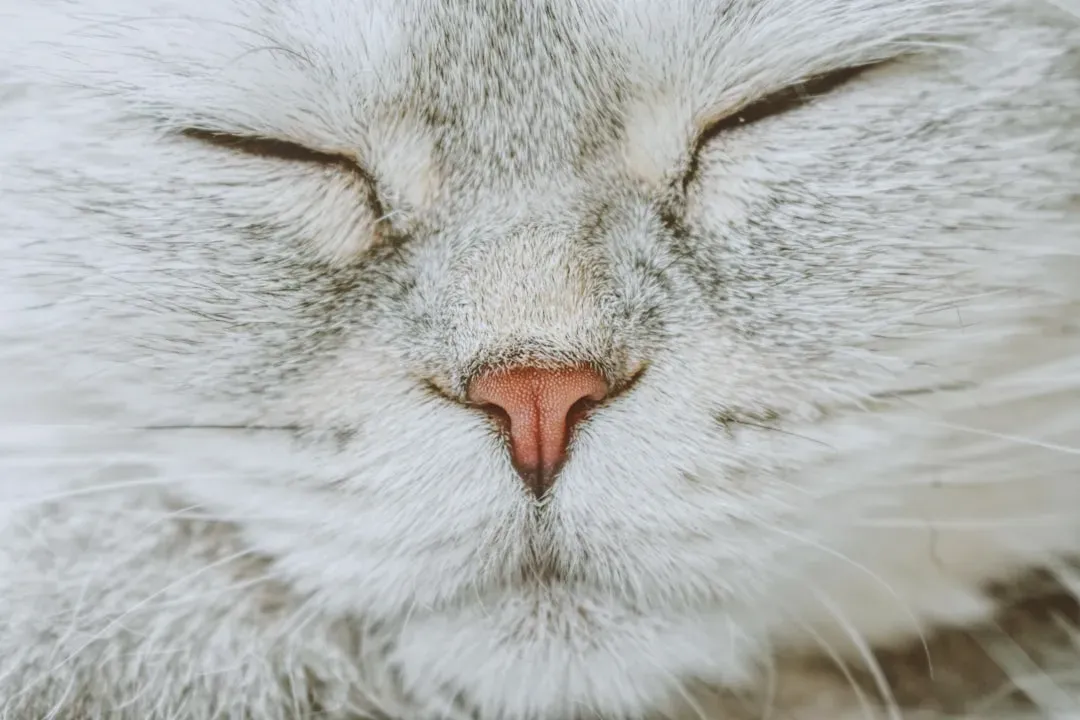
Ever notice your cat gazing at you with half-closed eyes, blinking slowly like they’re about to drift off to sleep? This is considered a feline version of a kiss, and you can even try slow blinking to show love back to cats. Honestly, it’s one of the most tender things cats do, even if it looks a bit creepy at first glance.
A slow blink shows you that they trust you and feel safe with you, and when a cat slow blinks at you, they are showing you that they feel calm and safe in your presence. Try it yourself next time you lock eyes with your kitty. Slowly close and open your eyes, and watch what happens. Many cats will blink right back, creating this silent conversation of trust. It’s like a secret handshake, but with eyelids.
Head Butts and Cheek Rubs: Marking You as Family
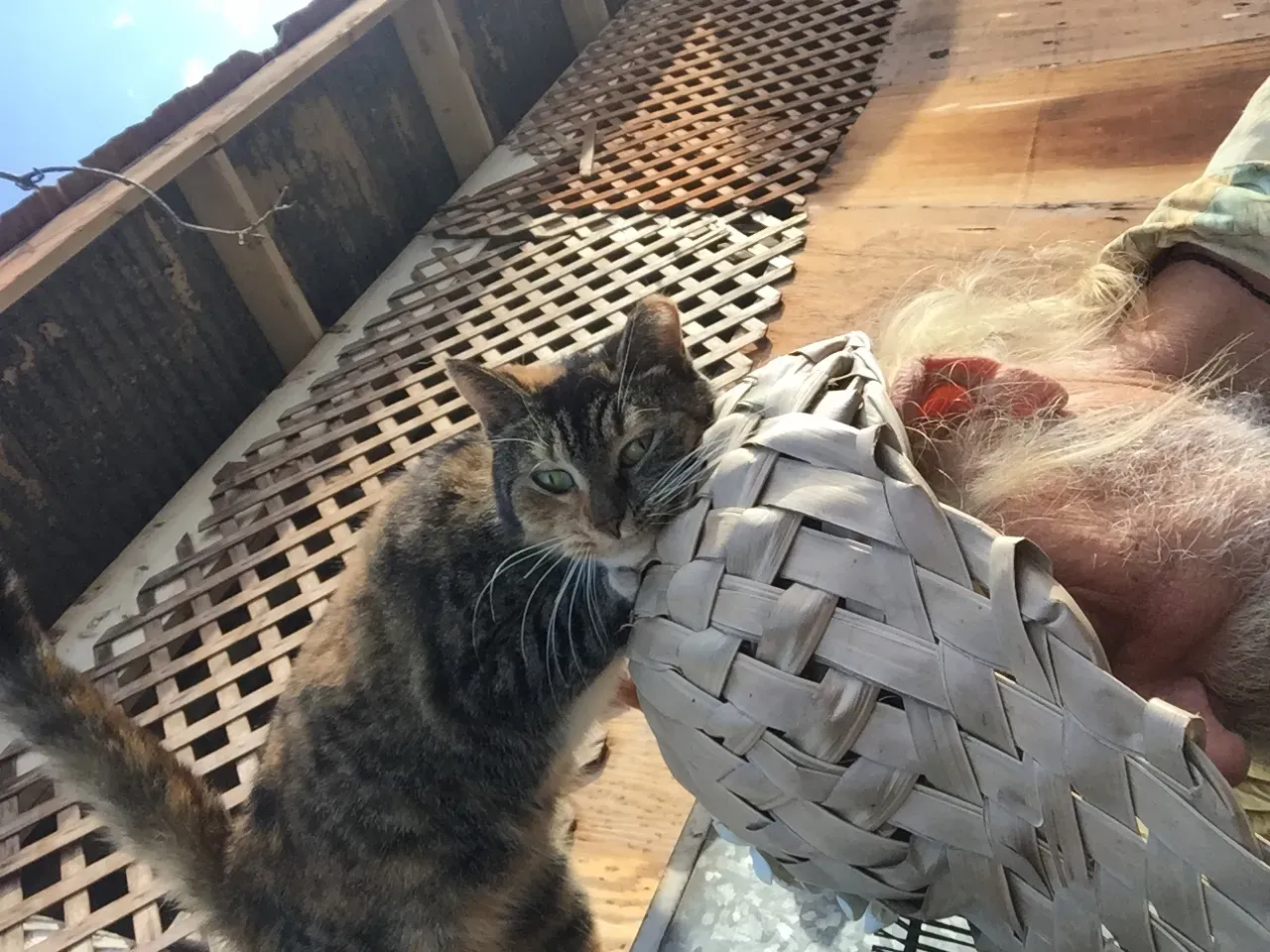
Your cat may bump their head against you or rub their cheeks against you to show affection, and headbutting is often an attempt to mark you with their scent to claim you as one of their own. This behavior, called bunting, isn’t just cute – it’s deeply meaningful in cat society.
Your cat has glands in their cheeks and heads that release happy messages, and when your cat nuzzles their face against you, they are marking you with their scent. Basically, they’re telling every other cat in the neighborhood that you belong to them. So the next time your cat rams their forehead into your leg at 6 AM, remember they’re not being annoying – they’re declaring their love. Well, maybe they also want breakfast.
The Kneading Motion: Making Biscuits on Your Lap
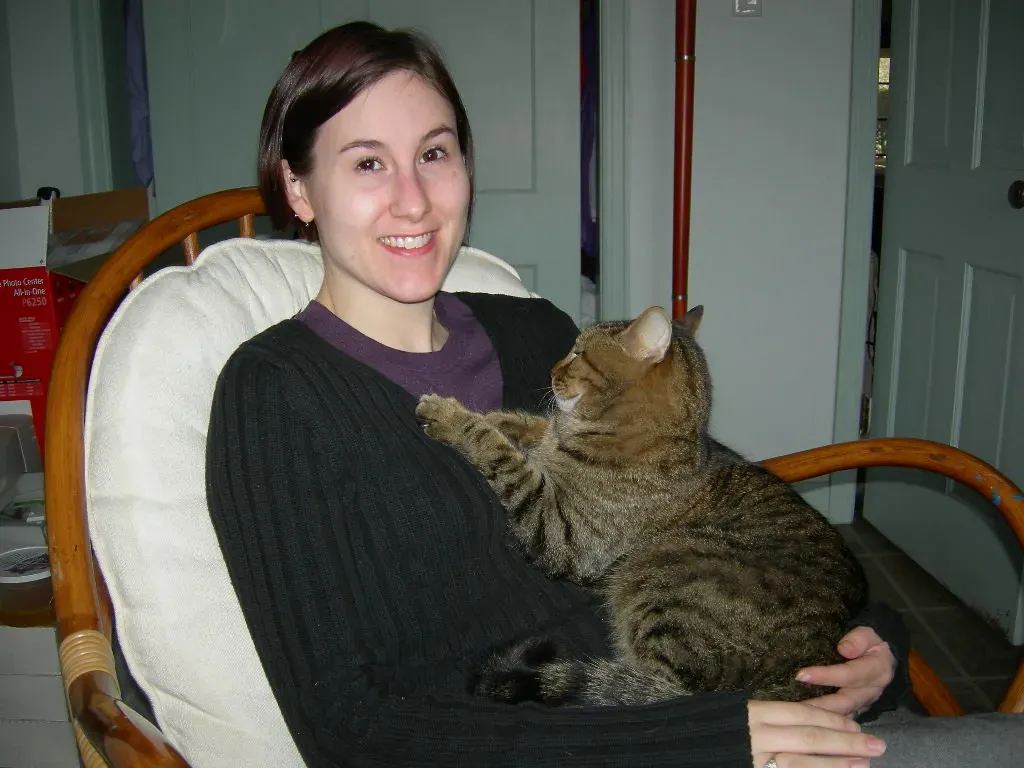
Cats usually knead with their front paws, a behavior that begins in kittenhood and is associated with nursing on their mother, and kneading is believed to bring comfort by releasing endorphins to reduce stress. When your cat pushes their paws rhythmically into your lap, blanket, or even your stomach, they’re essentially saying they feel safe and content.
When your cat kneads on you, it’s a sign of deep contentment and a throwback to their kittenhood days. Sure, those claws can be a bit much sometimes, especially when they forget to retract them. Keep a blanket handy if your cat is an enthusiastic biscuit maker. The slight pain is a small price to pay for knowing your cat sees you as their comfort zone.
Purring: The Rumbling Sound of Contentment
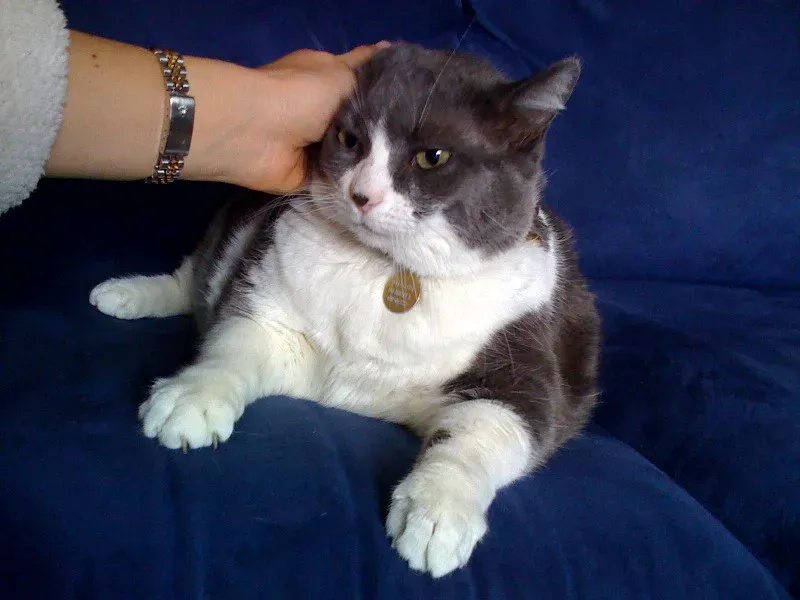
If you’re petting a cat and they enjoy being petted, you can stimulate purring, and purring makes cats feel calm and secure while building a bond between felines and their humans. That low rumbling vibration you feel when your cat settles into your lap is one of the most universally recognized signs of feline happiness.
However, context matters here. Not every purr is an I love you serenade, as sometimes cats purr when hungry or to soothe themselves when they’re not feeling well. Pay attention to their body language. A happy purr usually comes with a relaxed posture and soft eyes. If they’re purring but seem tense or hiding, they might be stressed rather than content.
Following You Around: Your Personal Shadow
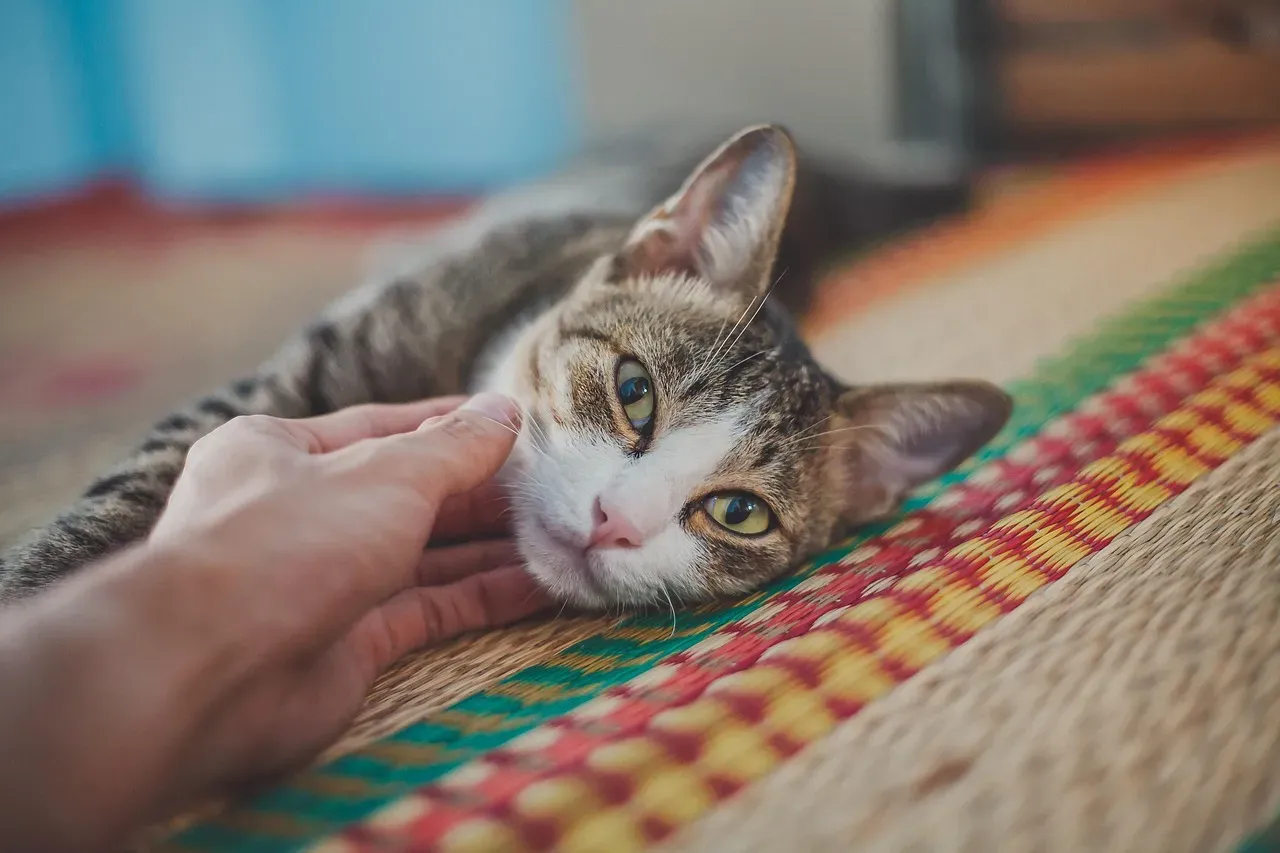
Some cats don’t really enjoy physical contact but that doesn’t mean they don’t want your companionship, and if your cat follows you from room to room, they want to be close to you. Let’s be real: it can be slightly unnerving when you turn around and nearly trip over your cat for the fifth time that day.
Cats often follow those they love and trust around the home, keeping you in sight at all times. This includes bathroom visits, by the way. Privacy becomes a foreign concept when you own a cat. But this behavior shows they genuinely enjoy your presence and want to be part of whatever you’re doing, even if that’s just brushing your teeth.
Belly Exposure: The Ultimate Trust Signal
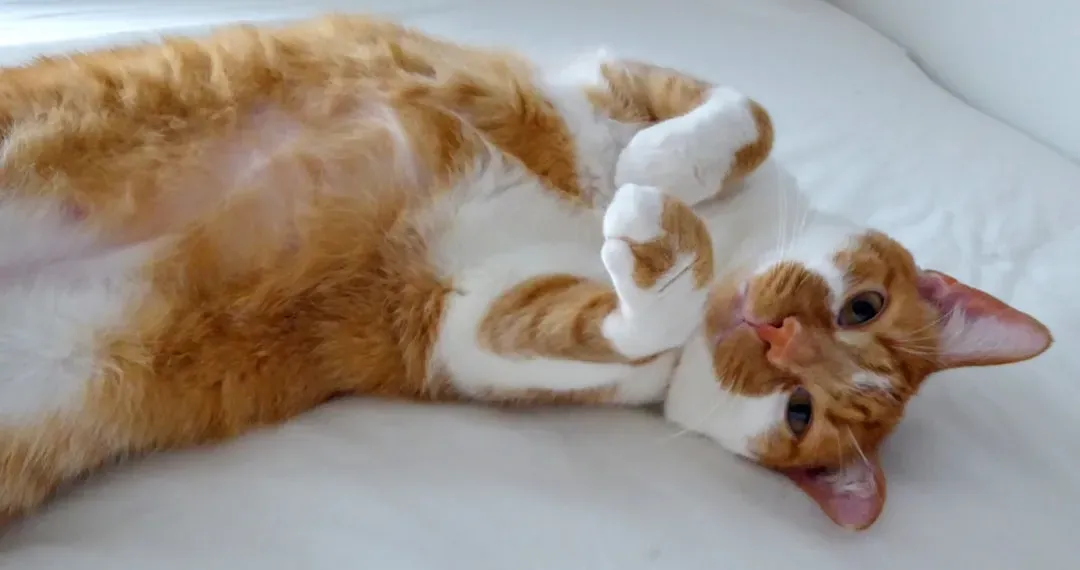
A cat’s most vulnerable position is lying on their back and presenting their stomach to the world, and in the wild, cats would never voluntarily expose this delicate part of their anatomy, so if your cat rolls over and shows you their stomach, it’s a sure sign that they feel comfortable and safe around you. This is huge.
Before you reach for that fluffy tummy though, hold up. A cat’s belly is a vulnerable spot for them, and for a cat to go on their back and show you their belly, they trust you not to hurt them. Showing their belly doesn’t always mean they want it rubbed. Many cats will show their trust but still react defensively if you actually touch their stomach. Appreciate the gesture from a respectful distance unless you know your particular cat enjoys belly rubs.
Bringing You Gifts: A Hunter’s Offering
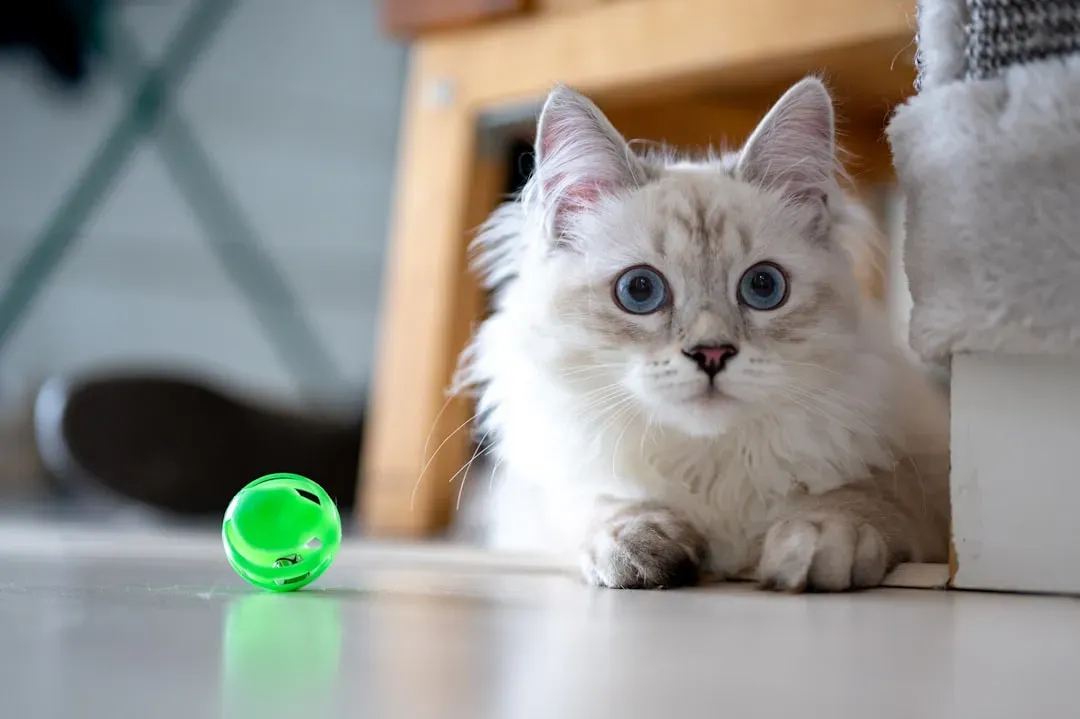
Cats are hunters by nature and an outdoor cat will often bring their human dead rodents as tokens of affection, while indoor cats might bring toys, pieces of string, or whatever else they find around the house. I know, I know – finding a dead mouse on your doorstep isn’t exactly romantic by human standards.
Sometimes cats will bring you gifts, toys and even prey, which is their way of showing you they want to share and they see you as their family. Try to see it from their perspective. They’re proud of their hunting skills and they’re literally trying to provide for you. Accept their gift graciously (maybe with gloves on), and give them some affection in return. Your cat thinks they’re taking care of you.
Greeting You at the Door: The Welcome Home Committee
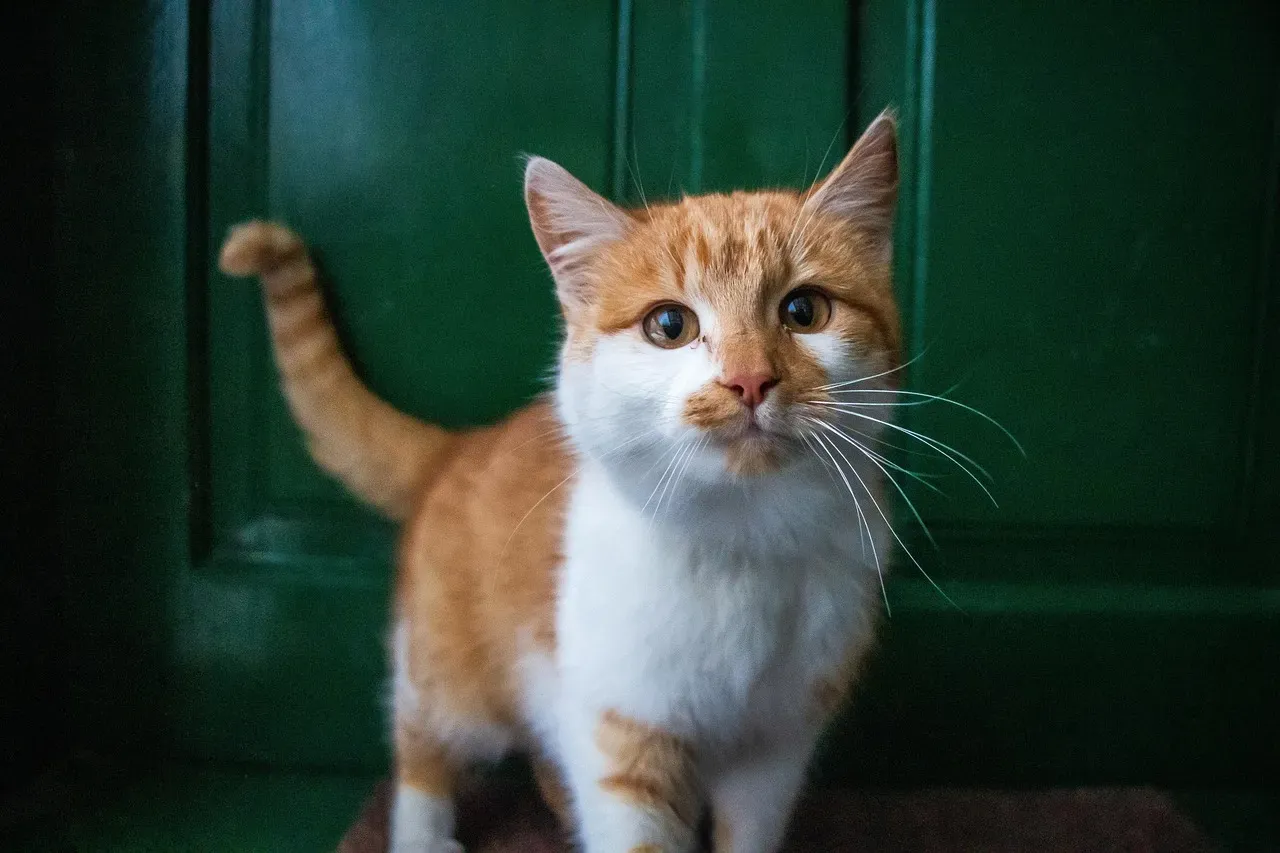
Your cat is trying to show you that they missed you when they greet you at the door, often followed by walking between your legs and curling their tail around your legs, sometimes accompanied by meowing. If your cat comes running when you walk through the door, that’s a clear demonstration of affection.
Cats are incredibly perceptive and they know the sound of your footsteps, the jingle of your keys, and if you open the door and your cat is waiting right there with a happy tail, they’re trying to tell you that they’ve missed you and are happy you’re home. Sure, sometimes there’s also an agenda involving dinner time. Yet even if they’re subtly hinting at their empty food bowl, the fact that they rush to greet you shows they feel comfortable communicating their needs to you – and that requires trust and affection.
Conclusion
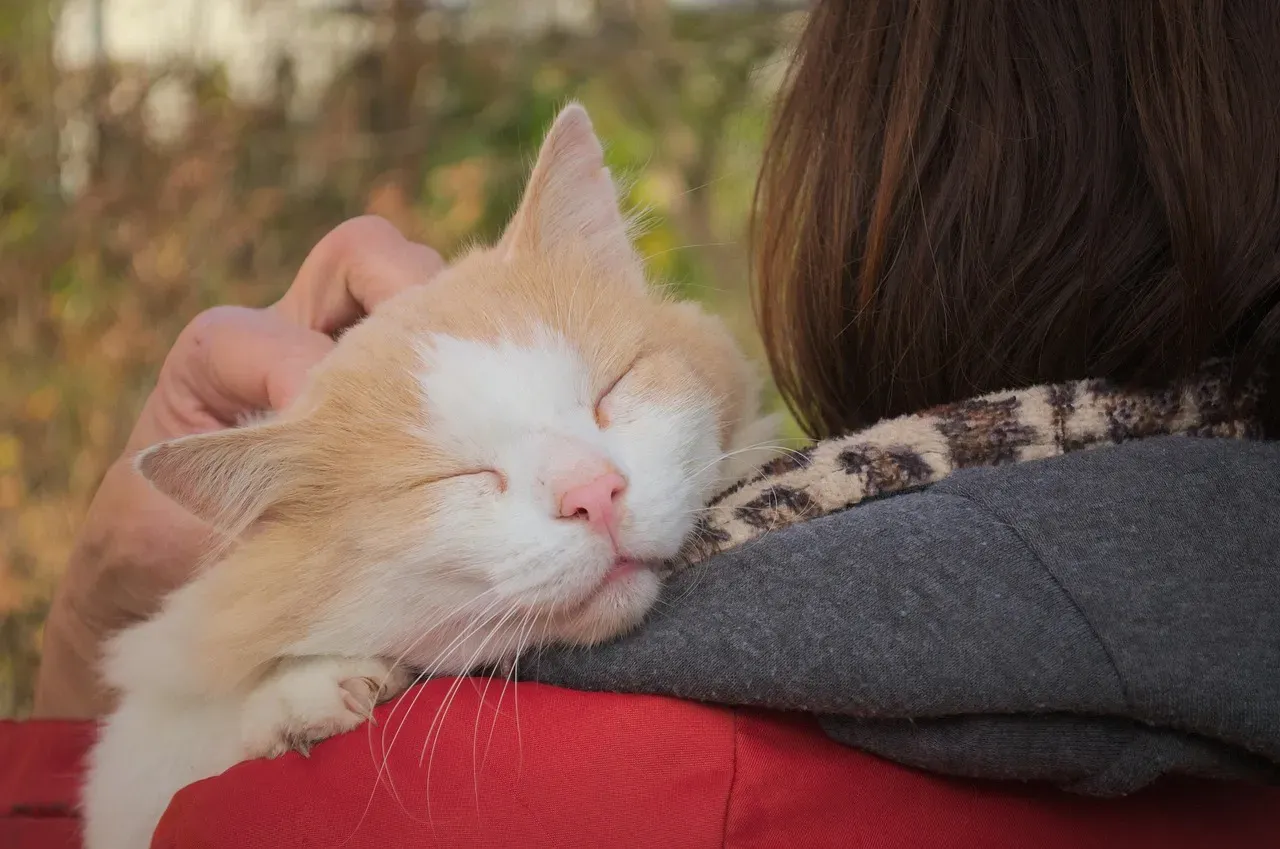
So does your cat really love you? If you’ve noticed even a few of these subtle signs, the answer is absolutely yes. Cats are social and affectionate animals that can grow to love their pet parents, they just express it differently than other pets. Learning to read their unique language transforms your relationship from simply cohabiting to truly understanding each other.
The next time your cat stares at you with those slow blinks, or headbutts your hand while you’re trying to work, remember: you’re witnessing love in its feline form. It might not be as obvious as a dog’s enthusiastic greeting, but it’s just as genuine and perhaps even more special because it’s reserved for those they truly trust. What subtle sign does your cat show most often? You might be surprised how much they’ve been saying “I love you” all along.