You’ve probably watched your cat stretch languidly across your lap, purring contentedly as though you’re just another member of their furry family. Or maybe you’ve noticed them bringing you a “gift” – usually a dead mouse or bird – as if teaching you how to hunt properly. These behaviors feel strangely familiar, don’t they? Like something they’d do with another cat.
Here’s the thing. According to John Bradshaw, an expert on cat behavior and author of a bestselling book on cat science, there’s plenty of evidence that points to the fact that cats see humans as nothing more than fellow cats. That’s right. Your cat might actually see you as just a really large, somewhat awkward, and notably hairless version of themselves. It’s both endearing and slightly humbling when you think about it. Let’s dive into the fascinating world of feline perception and uncover what your cat truly thinks when they look at you.
The Science Behind How Cats View Their Human Companions
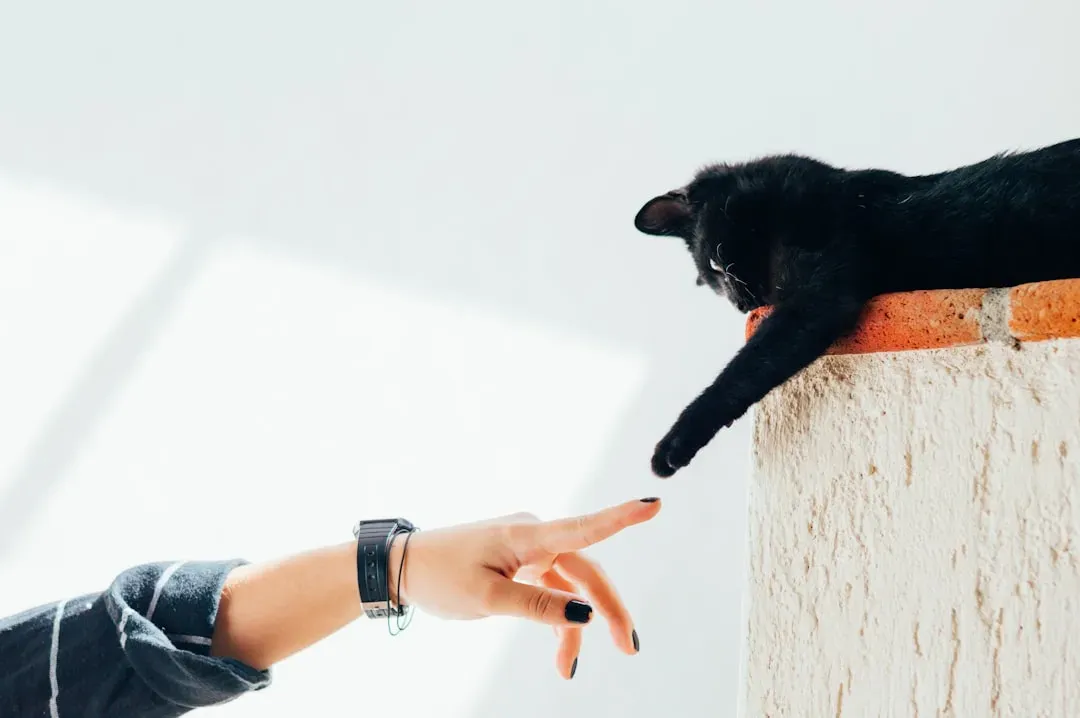
Research reveals that cats haven’t yet shown any behavior suggesting they have a separate category for humans when socializing with us, they obviously know we’re bigger than them, but they don’t seem to have adapted their social behavior much, putting their tails up in the air, rubbing around our legs, and sitting beside us and grooming us are exactly what cats do to each other. This is fascinating when you contrast it with dogs, who clearly recognize humans as a different species entirely.
Unlike dogs, who change their behavior significantly when interacting with humans versus other dogs, cats largely treat their owners the same way they treat other cats. Think about the last time your cat headbutted you or rubbed their face against your leg. That wasn’t some special human greeting they invented. That’s precisely how they’d greet another cat they consider part of their social circle.
The Clumsy Giants Theory
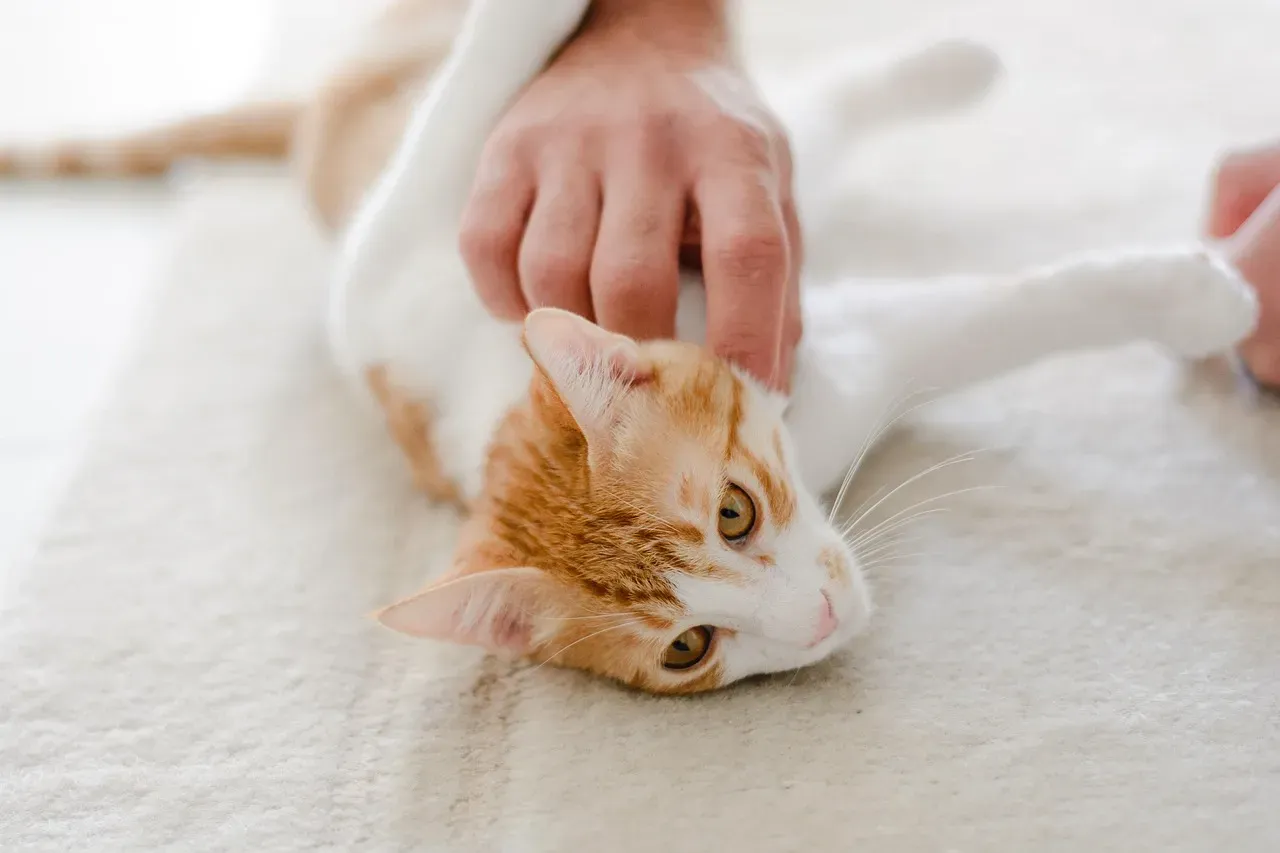
Let’s be real, from your cat’s perspective, you’re probably not the most graceful creature. As Bradshaw shared, they do think we’re clumsy, not many cats trip over people, but we trip over cats. It’s hilariously accurate, isn’t it?
Cats treat us as though they think we are giant, clumsy fellow cats, and cat behavior researchers suggest that cats probably see us as especially clumsy by cat standards. Your cat isn’t judging you maliciously though. They’re simply observing that you lack their ninja-like agility and grace. You bump into furniture. You make loud noises when you walk. You can’t squeeze through impossibly small spaces like they can.
Still, despite legions of Internet memes, they do not see us as foolish inferiors, after all, in feline social circles, rubbing and purring are not how one greets a social inferior. So while they might notice your comparative clumsiness, they’re not looking down on you. They see you as an equal – just one who happens to be considerably larger and less coordinated.
How Your Cat’s Vision Actually Works
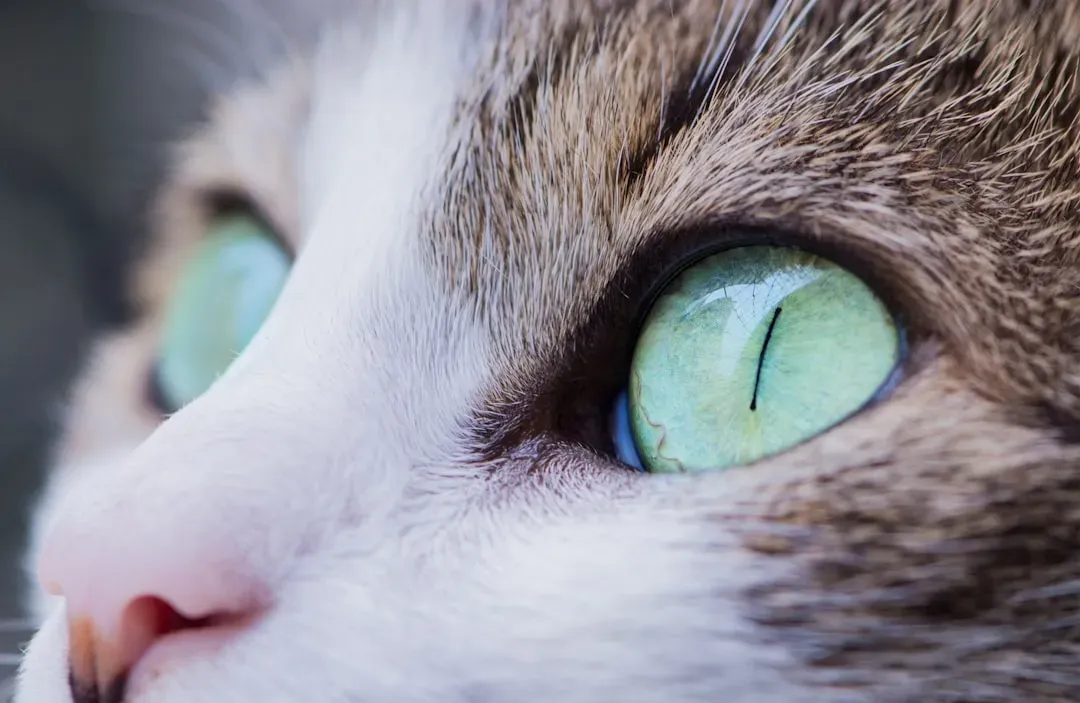
Understanding how cats physically see the world helps explain why they might not perceive us as dramatically different from themselves. Cats have very few of the cones that respond to red light, so their world appears blue, gray, and yellow, and reds and greens are impossible for cats to tell apart. If you have bright red hair, your cat probably sees it as a muted brownish tone.
Cats can really only clearly see objects and humans when they are between about six inches and twenty feet away from them, and anything farther away is likely blurry in their eyes. This means when you’re standing across the room calling your cat, they’re probably identifying you more by your voice and scent than by your visual appearance. Their world is more about movement, shadows, and sounds than crisp, colorful details.
The Mother Figure Paradox
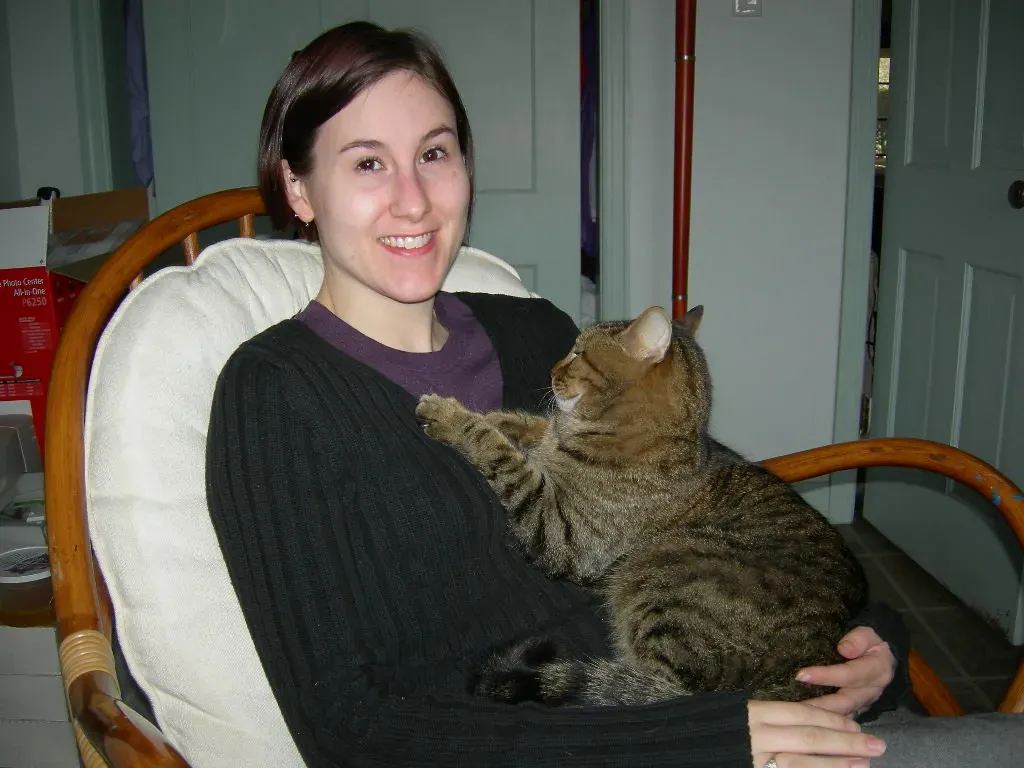
Here’s where it gets really interesting. Not only do cats treat you like another cat, but they often treat you specifically like their mother. They are using behavior that they would use toward their mother, all the behavior they show toward us is derived in some way from the mother-kitten relationship.
Ever wonder why your cat kneads you with their paws? When a cat kneads you with her paws, she is treating you as a kitten treats its mother; kneading is a kitten’s way of asking for milk. When a cat kneads your body or the surface of a bed, it’s a behavior that’s meant for its mother’s belly, a message to keep milk flowing. Obviously, your cat figured out long ago that you’re not actually producing milk, but they continue this behavior anyway. It’s a sign of comfort, contentment, and trust – treating you like their cat-mom, even though you’re clearly not feline.
The Meow That’s Just For You
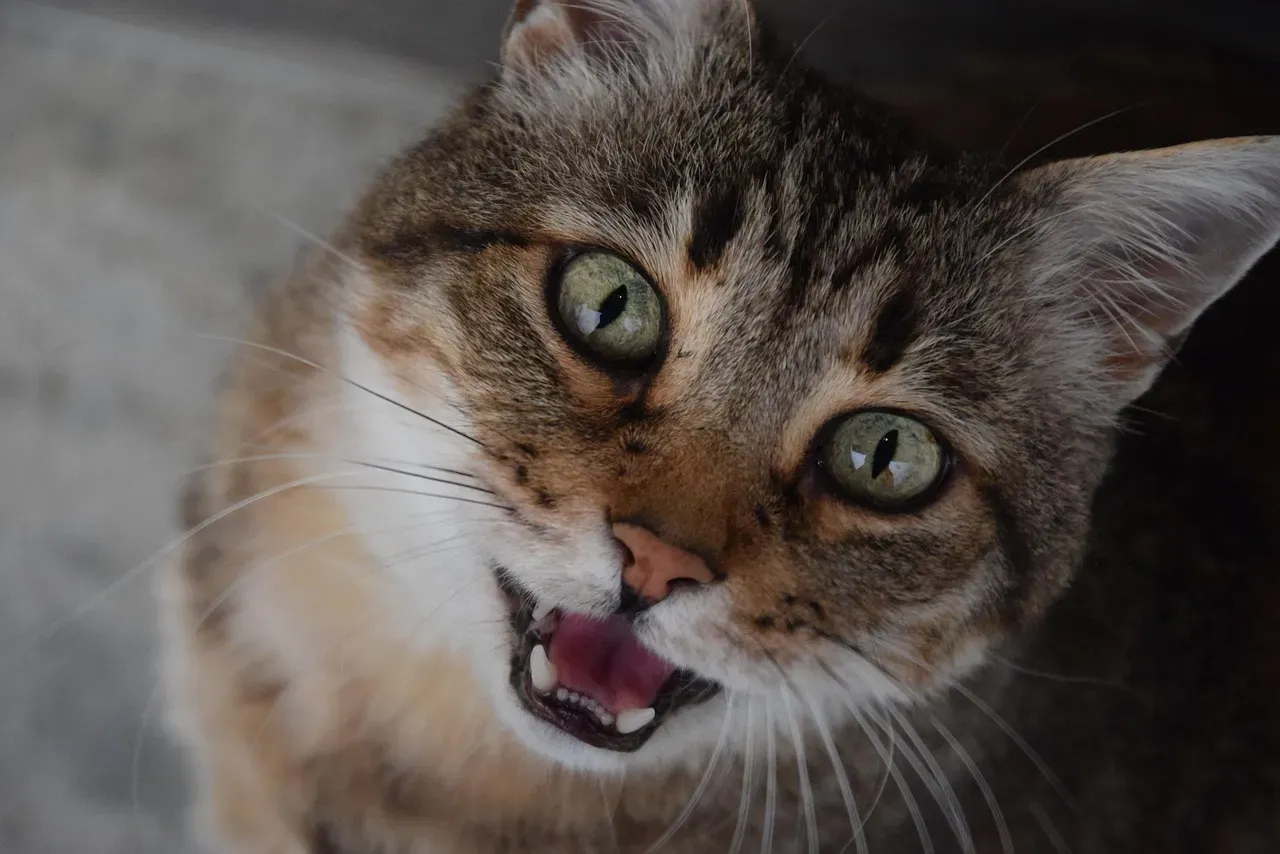
Unlike dogs, who bark at both humans and other dogs, adult cats almost exclusively meow at humans, and in the wild, cats do not use meowing as a primary form of communication with each other. So why do they meow at us?
Research suggests that cats develop unique vocalizations specifically for communicating with their owners, mimicking the pitch and urgency of a human infant’s cry to get attention. Your cat has essentially learned to manipulate you – in the most endearing way possible – by adapting their communication style to something you’ll respond to. They figured out that humans respond to vocal cues more than subtle body language, so they adapted. Pretty clever, right?
Social Behavior: Treating You Like Family
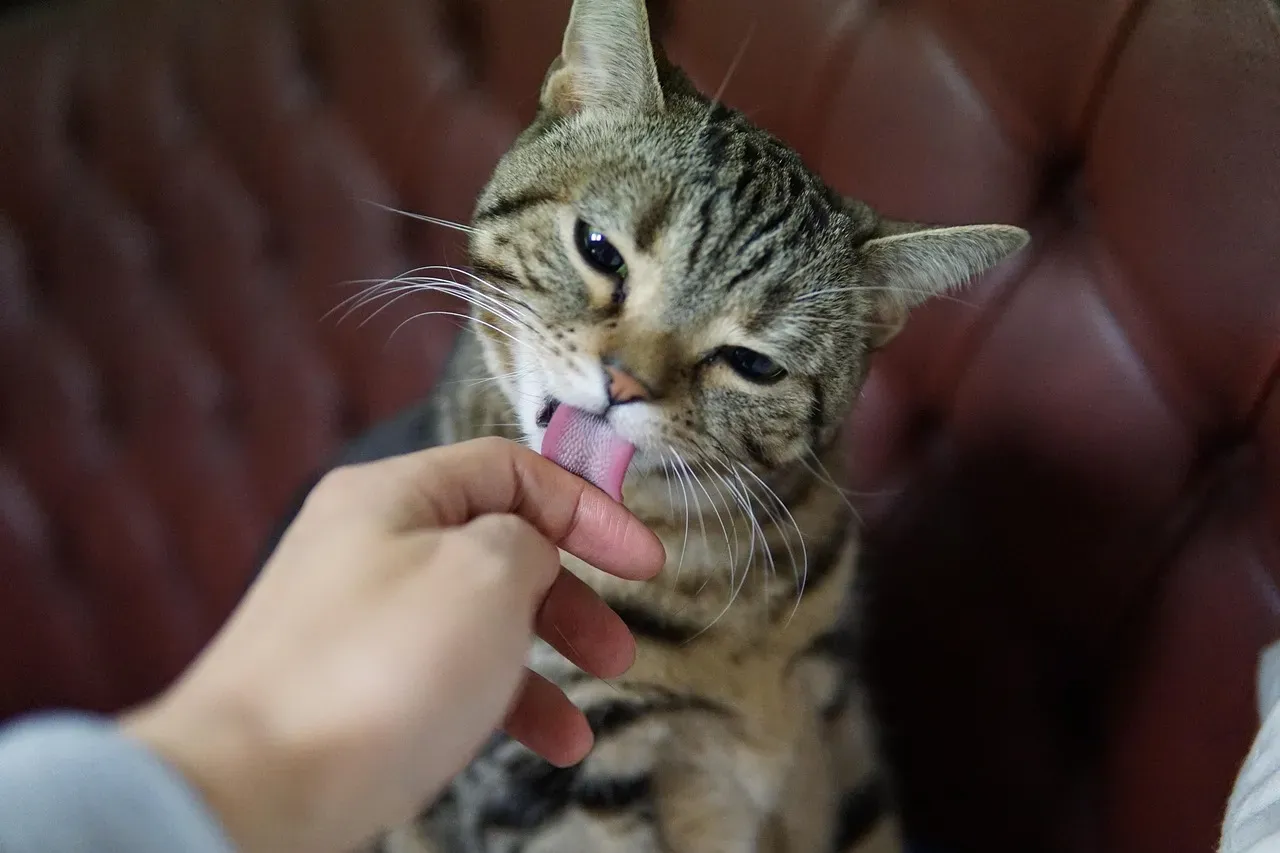
Cats behave the same way when they socialize with other cats, and cats rub against one another, groom one another, and knead one another exactly the way that domestic cats perform these behaviors on their human owners. When your cat licks your hand or face, they’re grooming you just as they would groom a cat companion they care about.
Most cats see us as equals. Research suggests that cats won’t do this to other cats that are “inferior” to them. The fact that your cat grooms you, rubs against you, and presents their tail in the air when greeting you indicates they view you as a respected member of their social circle. Not a servant. Not a predator. Just another cat – albeit a weird, oversized one.
What Experts Debate About Cat Perception
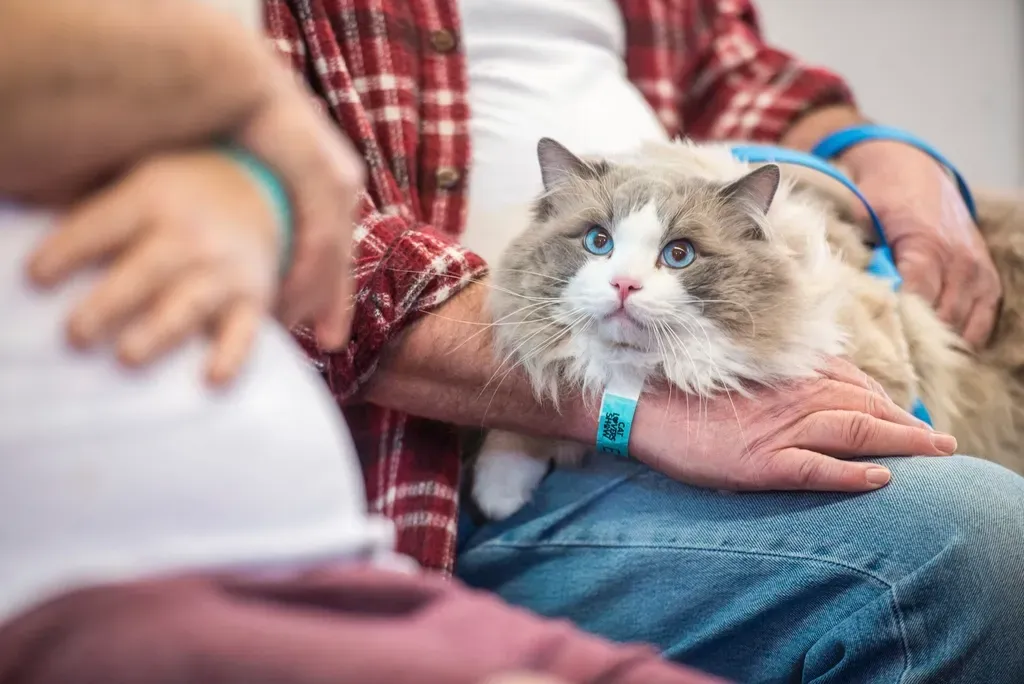
Not everyone agrees on the “big hairless cat” theory. A certified feline behavioral specialist named Molly DeVoss and other experts believe that the claim of cats seeing humans as other cats are nothing more than conjecture because there are no reputable studies available that support the position, and they believe that cats are definitely able to distinguish the difference between felines and humans or other mammals.
Studies on dog cognition do not support the idea that dogs view humans as bigger dogs, and it’s likely cats behave similarly, rather, cats view us as social companions and a valuable resource – as a provider of food. It’s hard to say for sure. Honestly, the scientific community is still figuring this out. What we do know is that cats don’t modify their behavior much when interacting with us compared to how they interact with other cats, which suggests at minimum they don’t see us as a completely separate category of being.
Recognizing You Without Really Seeing You
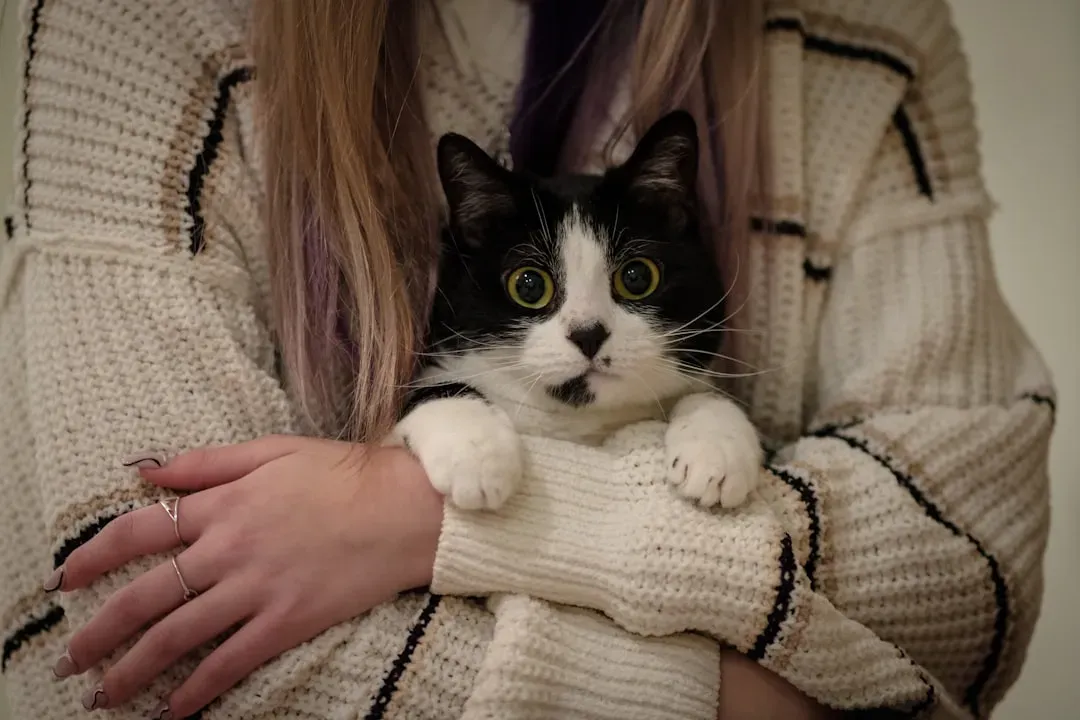
Cats don’t rely on facial recognition, but rather than relying on facial recognition, cats actually identify us by the sound of our voice, our scent, and the way we physically feel to them. Your cat knows you intimately – just not necessarily by looking at your face.
Studies indicate that cats recognize their owners’ voices and respond more positively to familiar human sounds than to strangers, suggesting a complex understanding of human presence beyond visual recognition. When you walk through the door, your cat doesn’t need to see you clearly to know it’s you. They’ve already identified you by the sound of your footsteps, your particular scent, and probably even the way you breathe.
The Evolution of This Unique Relationship
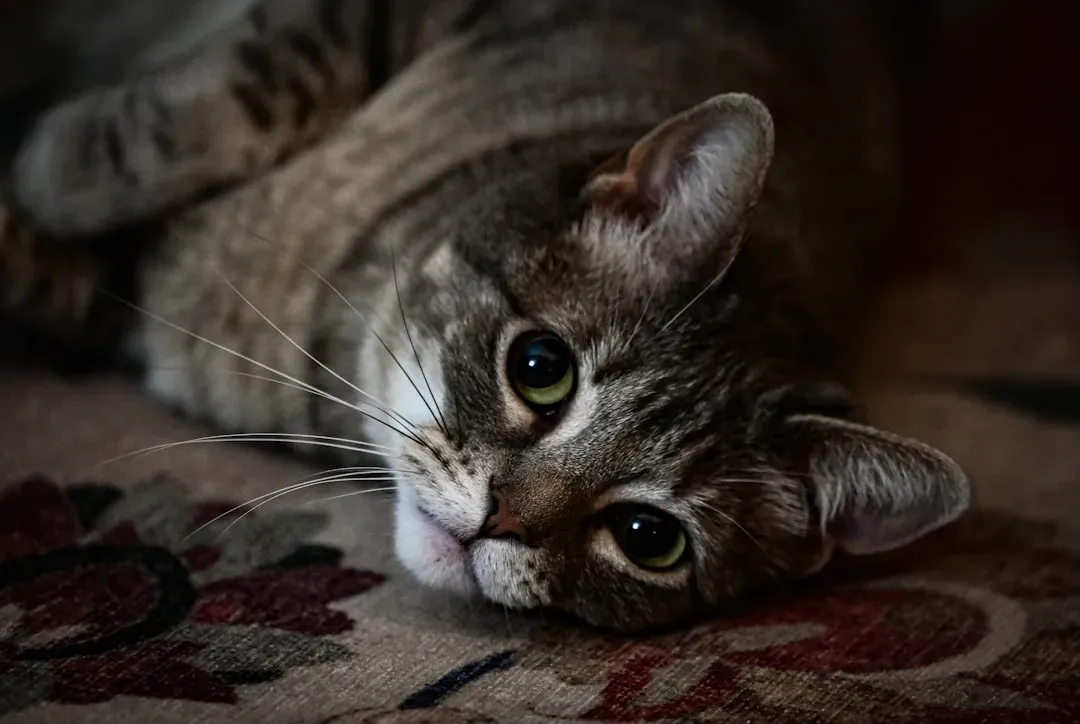
Cats essentially domesticated themselves with little to no interference from humans, and as a result, domesticated cats are very similar to wild cats in terms of their genetic makeup. This self-domestication explains a lot. Cats didn’t undergo the intensive selective breeding that dogs did, so they retained more of their wild social behaviors.
The reason for this is that cats entered human society more or less on their own terms, they moved into human villages about nine thousand years ago, chasing rats that had also come to town to pillage stored grain, and people eventually took cats into their homes, but with much less behavioral conditioning than occurred with dogs several thousand years earlier, and as a result, cats seem to take the initiative in human-cat interaction. Your cat isn’t following your lead. You’re negotiating a relationship between equals.
The Attachment Bond That Proves They Care
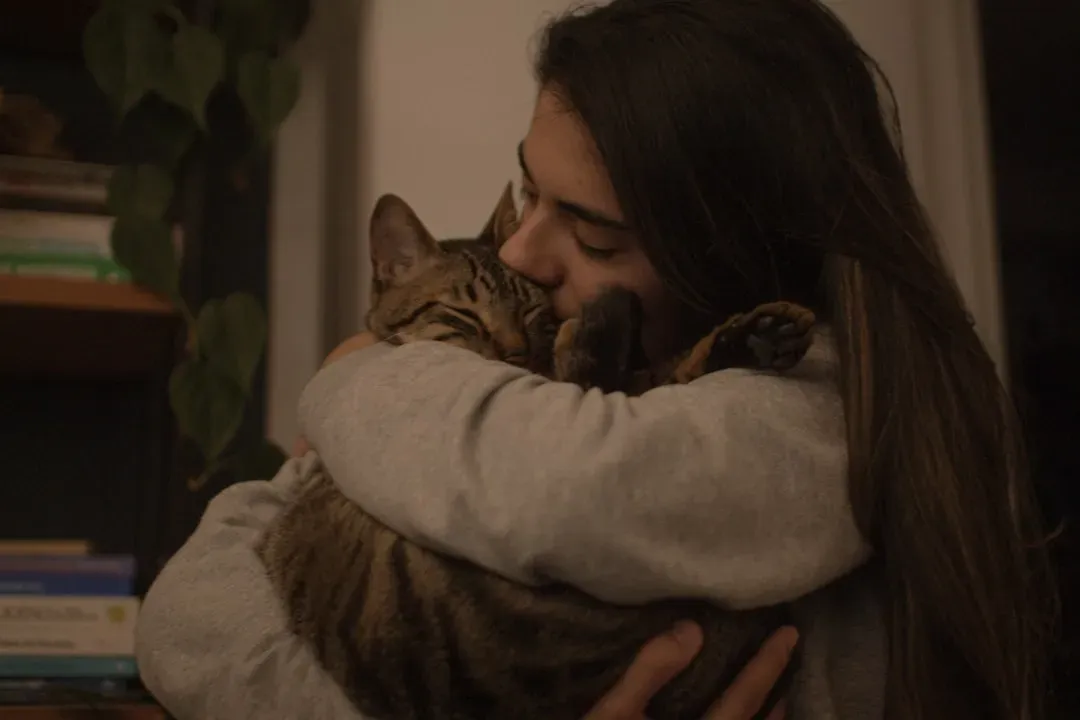
One study looked at the attachment bonds between domestic cats and humans and determined that about sixty-four percent of cats showed a secure attachment to their guardians or caregivers, higher than the fifty-eight percent of dogs. That statistic might surprise you. Cats get a reputation for being aloof and independent, yet they form secure attachments to their humans at a higher rate than dogs.
These attachment bonds are strongest between cats and other cats, and for this reason, it implies that a cat may see us as a similar being. The way your cat bonds with you mirrors how they bond with other cats. They seek your company when they’re stressed, they feel more secure in your presence, and they show distress when separated from you. Sound familiar? That’s exactly how they’d behave toward a favored feline companion.
Conclusion: You’re Part of the Pride
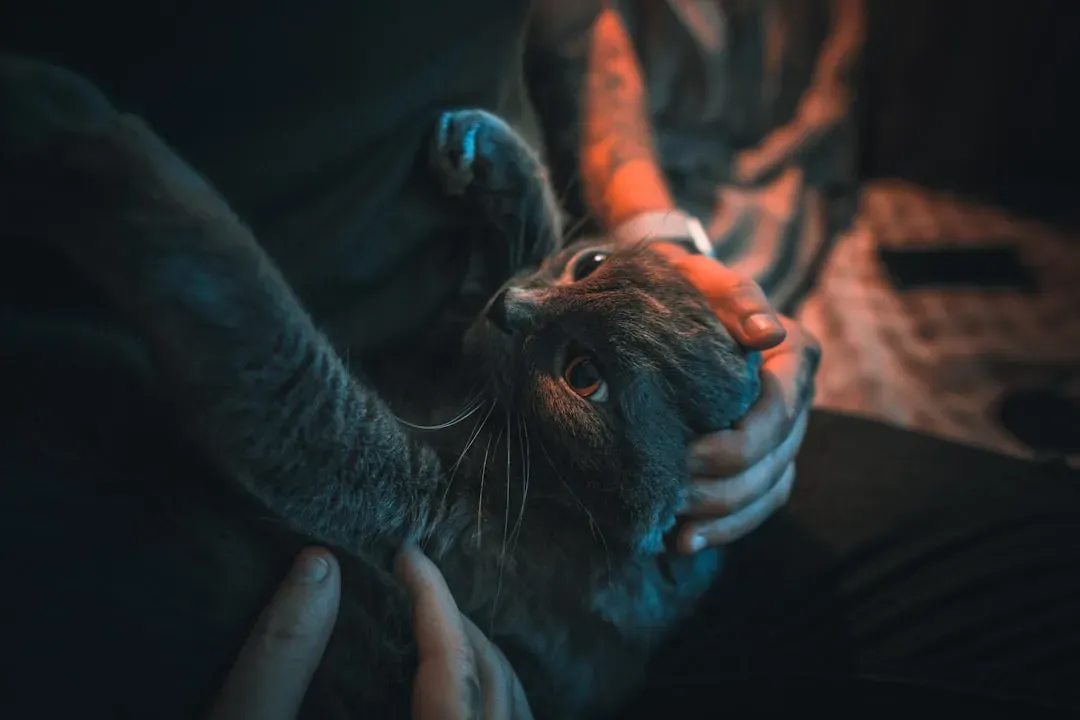
So The evidence strongly suggests yes – or at least something very close to it. Your cat doesn’t treat you like a human. They don’t modify their social behaviors for you the way dogs do. Instead, they use the same tail-up greetings, the same grooming behaviors, the same rubbing and kneading that they’d use with another cat.
Remember that they view you as a non-hostile cat, not a human, yes, you’re a tall, weird-looking, non-meowing cat in their eyes. You might be clumsy by their standards, and you definitely don’t have the hunting skills they wish you had (hence the “gifts”), but you’re still family. You’re part of their pride, their social circle, their world.
What do you think about being seen as an oversized, awkward cat by your feline friend? Does it change how you view those head bumps and midnight kneading sessions? Share your thoughts – your cat probably has an opinion too, even if they’re not telling you in words.