You talk to your cat every single day. You narrate your morning routine, you greet them when you get home, and yes, some of us absolutely give full monologues about the state of the world while our cats stare blankly from the windowsill. It feels natural, almost necessary. Yet the nagging question never really goes away: is any of it landing? Are you being heard, or just tolerated?
The truth is surprisingly nuanced. Your cat is not ignoring everything you say the way you might think, but they’re also not hanging on your every word like a loyal golden retriever. What’s actually happening inside that fluffy little head sits somewhere in between, and honestly, it’s far more fascinating than most people expect. Let’s dive in.
Your Cat Hears More Than You Think
Research and behavior experts agree that cats are aware of human communication, they just tend to respond on their own terms. That’s the most important baseline to understand before anything else. Your cat is not a stone wall. They are actively processing what you say, just through a completely different lens than you’d expect.
Cats can hear sounds at frequencies far beyond what humans can detect, and their ears are designed to catch the smallest rustle or squeak, making them excellent hunters and excellent listeners. Think about that for a second. Every word you whisper across the room registers on their radar. The question is never really about whether your cat hears you. It’s about what they actually do with that information.
The Science of Cat-Directed Speech
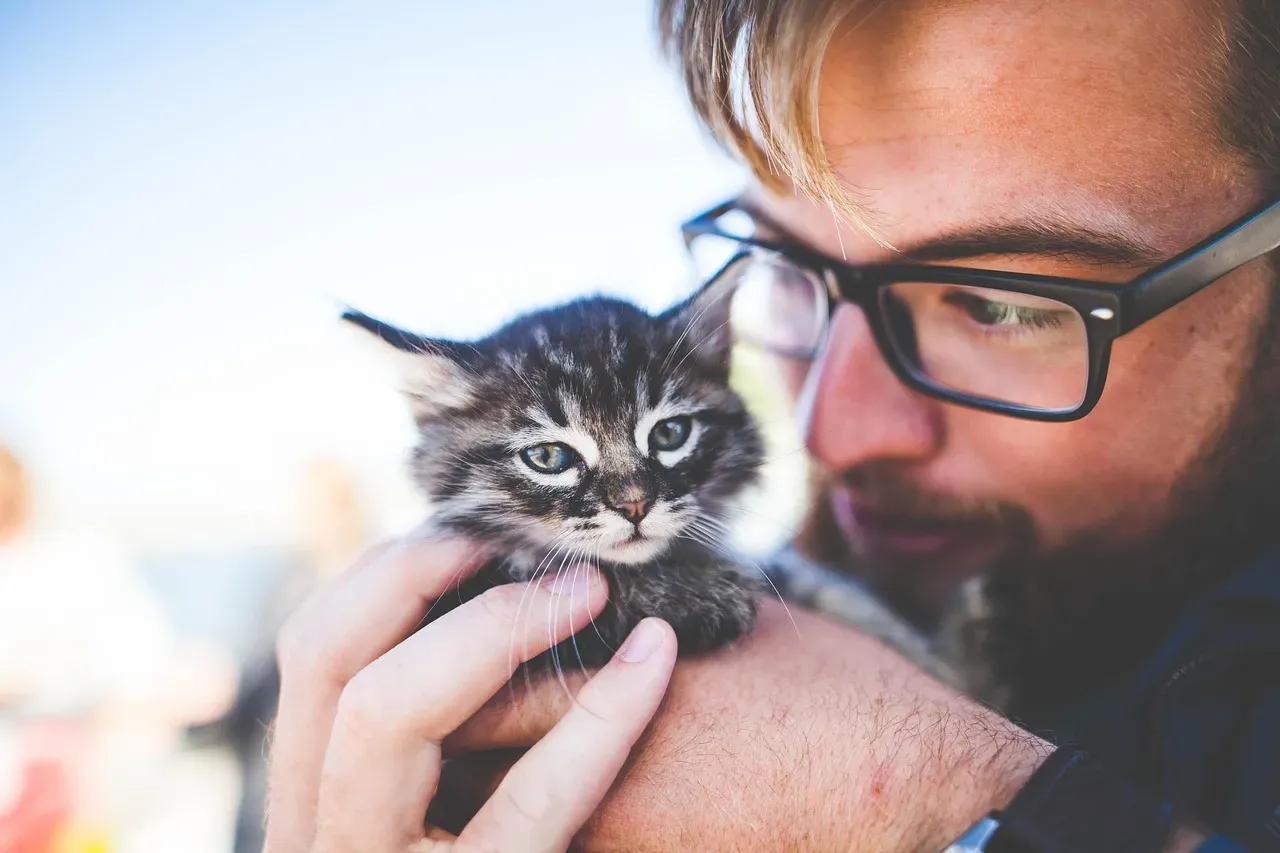
Here’s the thing that caught even scientists off guard. A study found that cats may change their behaviour when they hear their owner’s voice talking in a tone directed to them, but not when hearing the voice of a stranger or their owner’s voice directed at another person. The study is published in the journal Animal Cognition and adds to evidence that cats may form strong bonds with their owner.
When their owners’ voices called their names or directed speech at them, the cats displayed behaviors that lined up with telltale signs of recognition: their ears twitched and rotated towards the source of the sound, they moved around more, and their eyes dilated. So yes, that “baby voice” you use when you talk to your cat? It actually works. Your cat notices it, and they respond specifically because it’s coming from you.
Do Cats Actually Know Their Own Names?

Scientists have discovered a lot about how cats respond to human language in the past several years. In 2019, a team in Tokyo showed that cats “know” their names, responding to them by moving their heads and ears in a particular way. That’s not a coincidence or an accident. It’s recognition, plain and simple.
Researchers found that cats respond more strongly to their own names than to other words. When neutral nouns were played for the cats, they did not respond. This is known as habituation. However, at the sound of their own names, the cats responded with orienting behavior such as head and ear movements. It doesn’t even matter whether a stranger or their owner calls their name. The recognition is there. What changes is how much they actually bother to respond.
Words Are Associations, Not Language
Let’s be real here. Just because your cat reacts when you say “treat” or “dinner” does not mean they understand the English language the way you do. Cats learn to understand words through something called associative concept training. By using positive reinforcement such as treats, you can teach your cat to associate the sound of certain words with a specific activity.
When your cat responds to words like “dinner” or “treats,” they’re actually reacting to a learned association between that sound and a positive outcome, rather than understanding the word’s meaning. Unlike humans, cats process language primarily through pattern recognition and sound association. Think of it less like a vocabulary lesson and more like a memory map. Your cat has mapped specific sounds to specific outcomes. It’s clever, it’s practical, and it’s very cat-like.
How Many Words Can Your Cat Actually Learn?
Research indicates that cats can typically recognize and respond to between 20 and 40 human words, though this number varies based on individual cats and their exposure to human interaction. That’s genuinely more than most cat owners would guess. Honestly, some people probably don’t even realize they’ve been unknowingly building that vocabulary bank with their cat for years.
In 2022, some of the same researchers demonstrated that cats can “match” photos of their human and feline family members to their respective names. That’s a remarkable finding. Your cat doesn’t just know your name, they can connect it to your face. It’s a level of cognitive sophistication that completely dismantles the old myth about cats being indifferent creatures with no real attachment to the people around them.
Tone Is Everything to Your Cat
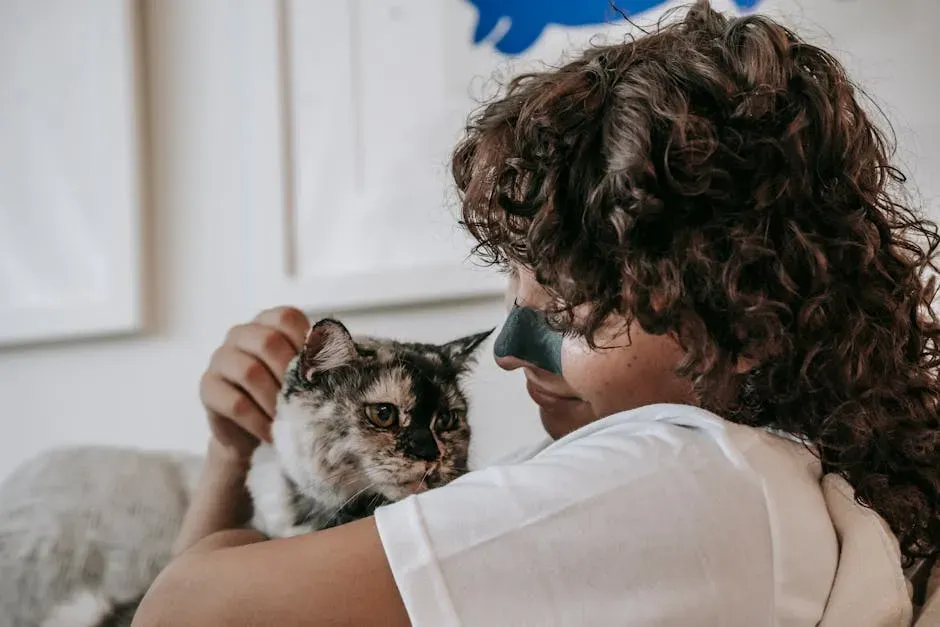
Cats tune into the pitch, volume, and rhythm of human speech to gauge mood. High-pitched tones often signal happiness or excitement, while low-pitched or harsh tones may indicate anger or frustration. This is actually something most cat owners pick up on intuitively, even if they can’t fully explain it. Your cat is not listening to your words. They’re listening to the music of your voice.
Cats can distinguish between happy, soothing tones and sharp or angry tones, and they often respond more positively to high-pitched, gentle voices. You’ve probably seen this in real life. A sharp “no” stops a cat mid-pounce. A gentle coo brings them padding over to your side. The words themselves matter far less than the way you deliver them.
Your Cat Knows When You’re Talking to Them, Not Someone Else
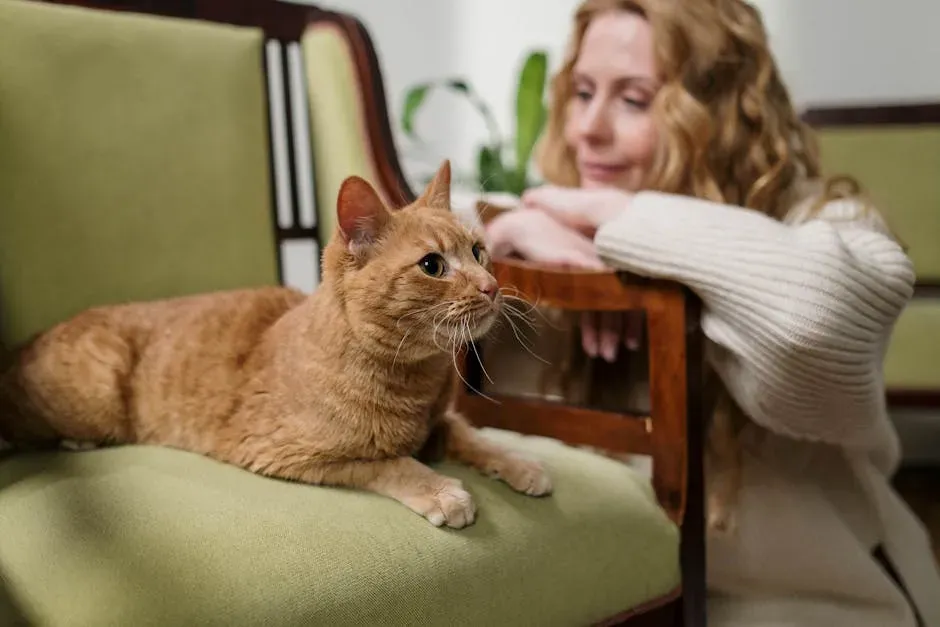
This one is genuinely surprising. Cats understand far more complex speech than just simple words. They also make clear distinctions between types of speech. They know when a person is talking to another person and essentially ignore this communication. So when you’re on the phone or having a conversation with someone in the room, your cat files that away as background noise.
Research published in the journal Animal Cognition found that cats can discriminate speech specifically addressed to them from speech addressed to adult humans, and interestingly, this pattern of discrimination was found only when sentences were uttered by the cats’ owners. Your bond is doing more work than you realize. A stranger using the same tone and the same words simply doesn’t produce the same response. Your voice carries a weight with your cat that belongs entirely to you.
Cats Can Even Emotionally Read Your Face
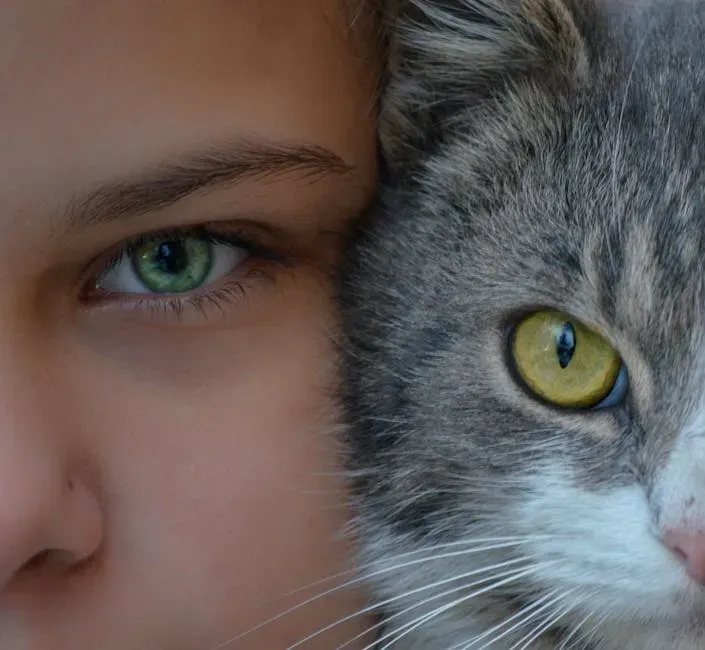
Research demonstrates that cats integrate visual and auditory signals to recognize human and conspecific emotions and they appear to modulate their behavior according to the valence of the emotion perceived. That means your cat isn’t just listening. They’re also watching your face, your posture, and the way you move, assembling a full emotional picture of how you’re feeling right now.
Cats are highly attuned to facial expressions, especially if they have spent a lot of time with you. A relaxed smile or narrowed eyes can signal calmness, while a furrowed brow might indicate stress. It’s hard to say for sure whether cats feel genuine empathy the way humans do, but the evidence strongly suggests they are tracking your emotional state with impressive accuracy. That’s not nothing. That’s actually quite a lot.
How to Actually Improve Communication with Your Cat

Since your cat learns through association rather than language, the smartest thing you can do is build consistent verbal habits. Cats learn to understand words through associative concept training. By using positive reinforcement such as treats, you can teach your cat to associate the sound of certain words with a specific activity. Repetition and reward are your most powerful tools.
Despite scientific evidence that your cat is very independent, it’s important to regularly engage in conversation with your pet. Talk to them during petting sessions, while you’re folding the laundry or at bedtime. Regularly interacting with your cat using positive vocalization and gestures such as smiling and speaking in an upbeat tone of voice will reinforce the bond between the two of you. You don’t need to be a cat behavior expert to do this right. You just need to be consistent, patient, and present. The bond you build through this kind of ongoing communication is real, and your cat feels it too.
Conclusion

So does your cat understand what you’re saying? The honest answer is: yes and no. Your cat doesn’t decode grammar or process sentences the way another human would. Cats do not have the cognitive skills to interpret human language. However, they are able to recognize when you’re talking to them. That distinction is actually beautiful in its own way. Your cat has built a personalized listening system tuned entirely to you.
They know your voice from a stranger’s. They know their name. They recognize whether you’re calm or upset. They notice when your words are meant for them and when they’re not. And through years of living alongside you, they’ve assembled an emotional and acoustic map of who you are. Is that the same as understanding language? No. Is it a form of deep, genuine connection? Absolutely, and perhaps that matters even more. What do you think your cat knows about you that you haven’t given them credit for? Let us know in the comments.