You’re sitting quietly at home, maybe half-watching something on TV, when you notice your cat. She’s completely still, pupils wide, tail barely twitching, eyes locked onto an empty corner of the room. You look. You see nothing. Absolutely nothing. Yet your cat is mesmerized, entirely unblinking, as if tracking something you simply cannot perceive.
It’s one of the most unsettling, oddly fascinating things a cat does. Millions of cat owners have been there. Millions of cat owners have witnessed this eerie yet oddly familiar behavior, and not one of them can honestly say they didn’t feel at least a tiny shiver run down their spine. So what’s really going on? Ghosts? Biology? Something stranger still? Let’s dive in.
The Ancient Bond Between Cats and the Supernatural
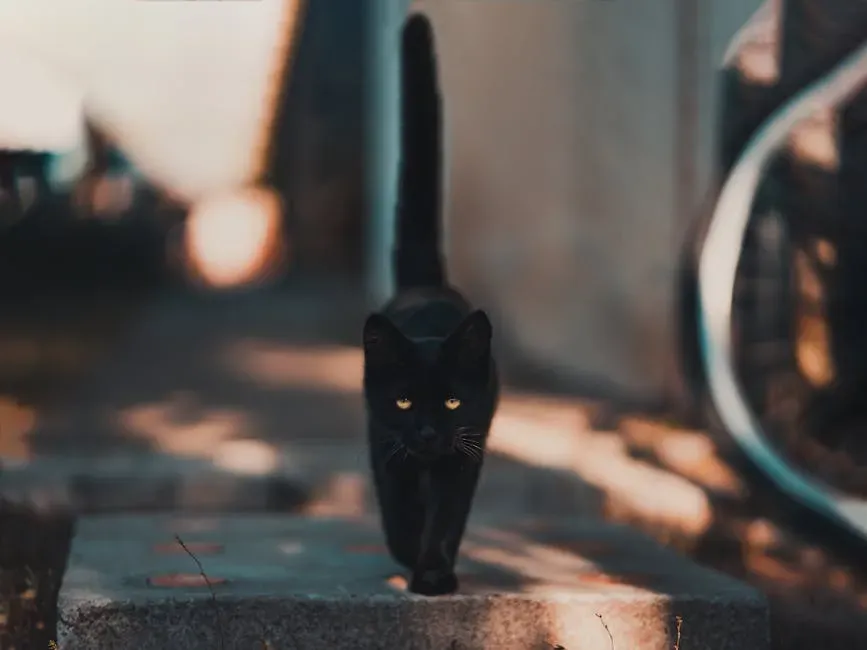
For thousands of years, humans have thought there’s something a little spiritual about cats. Ancient Egyptians believed felines were full of divine energy, and sailors used to bring cats along on voyages for good luck. That’s a tradition stretching back millennia, not just a modern internet obsession.
From ancient Egypt to Viking lore, cats have captured the human imagination with their mysterious gaze and graceful demeanor, their presence deeply woven into countless stories. In Egyptian society, they were revered as divine protectors aligned with the goddess Bastet. Celtic legends link cats to the Otherworld, bridging mortal and spiritual realms, while in many Asian traditions, feline figures represent good luck, warding off misfortune and malicious spirits. Honestly, it’s hard to look at your cat’s glowing eyes at 2 AM and not think maybe, just maybe, the ancients were onto something.
Your Cat’s Vision Is Unlike Anything You Can Imagine
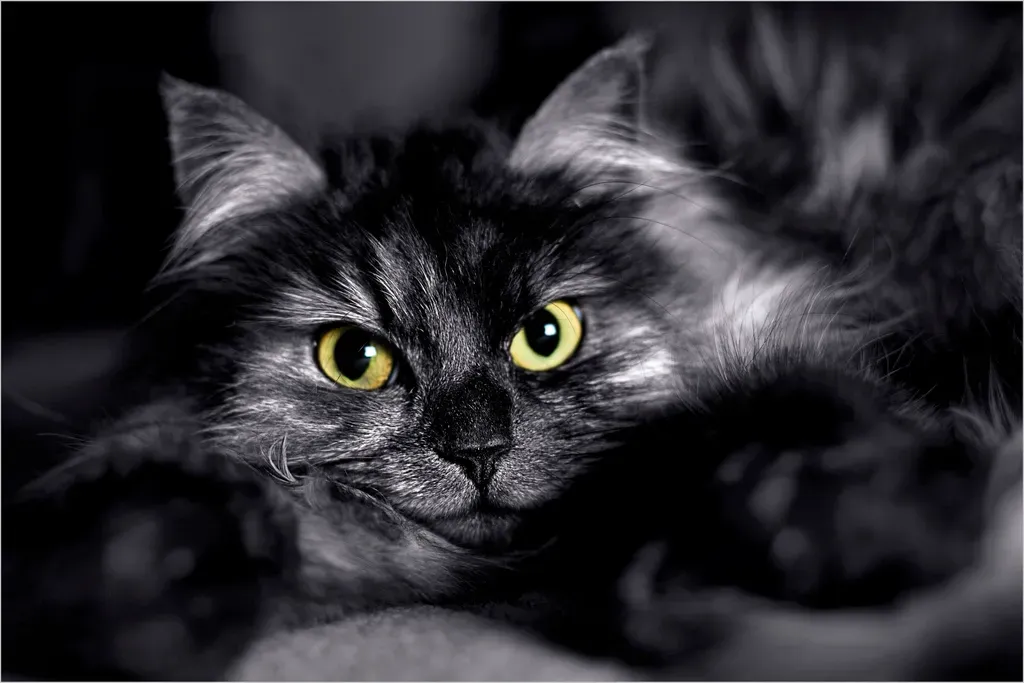
Here’s the thing. When your cat stares at what appears to be nothing, she is almost certainly not staring at nothing. Cats see about six to seven times better than humans in dim light, according to veterinary research. Cats have more rod cells in their retinas, plus the tapetum lucidum, a reflective layer that bounces light back through the retina. Think of it like having built-in night-vision goggles, constantly active.
A 2014 study found that, along with several other mammals, cats’ lenses transmit significant amounts of ultraviolet light, which suggests they possess sensitivity to this part of the spectrum. This fascinates many people because many ghost hunters use ultraviolet light to try to detect the supernatural, which makes the connection feel a little too convenient to dismiss entirely. Still, science leans toward biology over the paranormal.
Those Extraordinary Ears Are Probably the Real Culprit
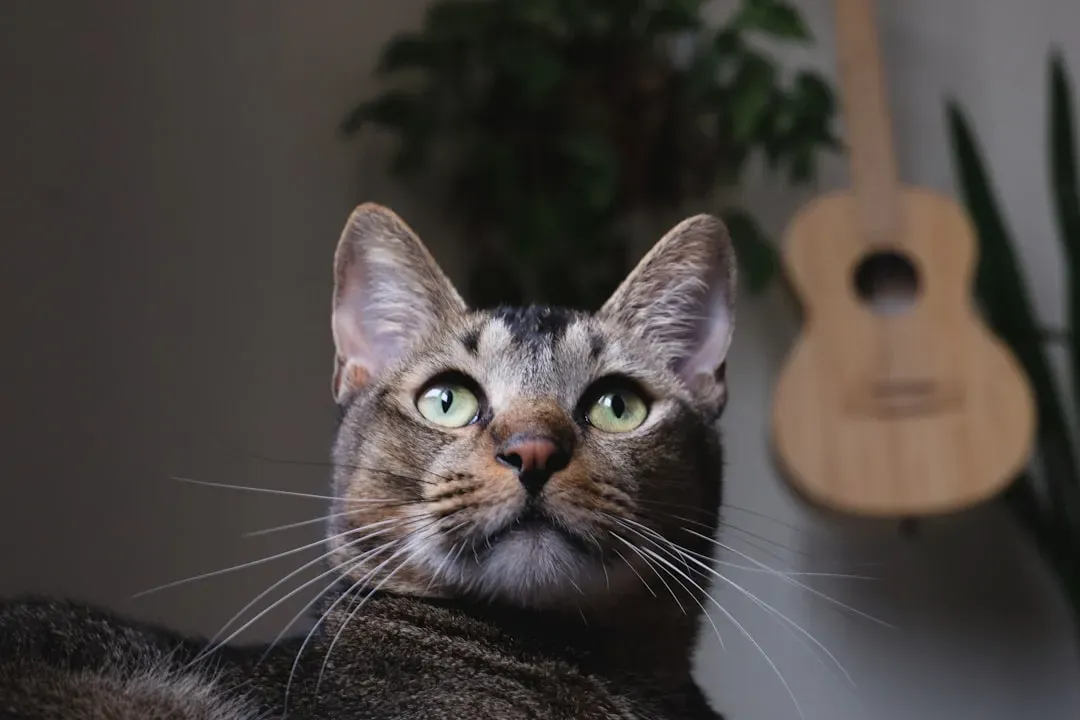
If cat vision is impressive, cat hearing is extraordinary. Cats can hear frequencies up to 64,000 Hz, three times higher than the human limit of 20,000 Hz. This ultrasonic range picks up the high-pitched communications of rodents that are completely inaudible to us. So when your cat tilts her head toward an empty wall, she might literally be listening to a mouse inside it.
Cat ears can rotate 180 degrees independently, allowing them to pinpoint sound sources with remarkable precision. They can locate a sound’s source to within 5 degrees of its actual location, which is accurate enough for a perfectly timed pounce. When your cat stares at the wall, they are probably hearing something moving inside it. That should actually be reassuring. Unless there’s something in your walls. That’s a whole other problem.
The Whisker Factor: A Sixth Sense That Isn’t Really Supernatural
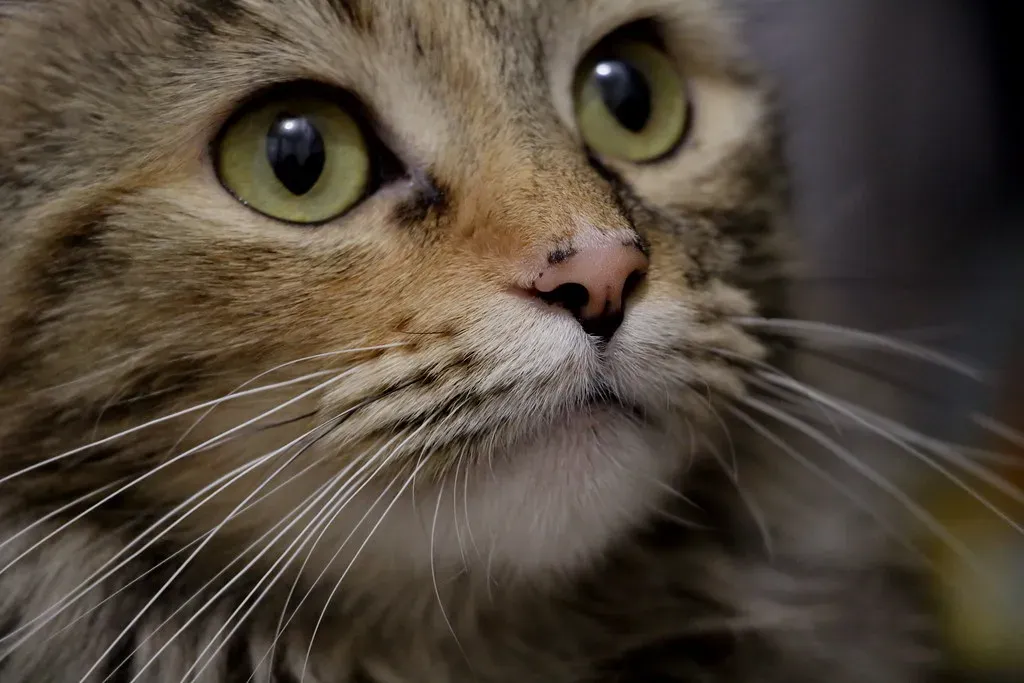
People love to talk about cats having a “sixth sense,” but honestly, the reality is almost more impressive. A cat’s whiskers are more than twice as thick as ordinary cat hairs, and their roots are three times deeper in a cat’s tissue than other hairs. They have numerous nerve endings at their base, which give cats extraordinarily detailed information about nearby air movements and objects with which they make physical contact.
Cat whiskers are also highly sensitive, detecting even the slightest changes in air currents, allowing them to sense changes in airflow and temperature that we might not even notice. Imagine being able to feel a draft so subtle it’s completely invisible to every other sense you have. Your cat essentially walks around with an air-current radar system permanently attached to her face. No wonder she notices things before you do.
The Smell Story: 200 Million Reasons to Stare
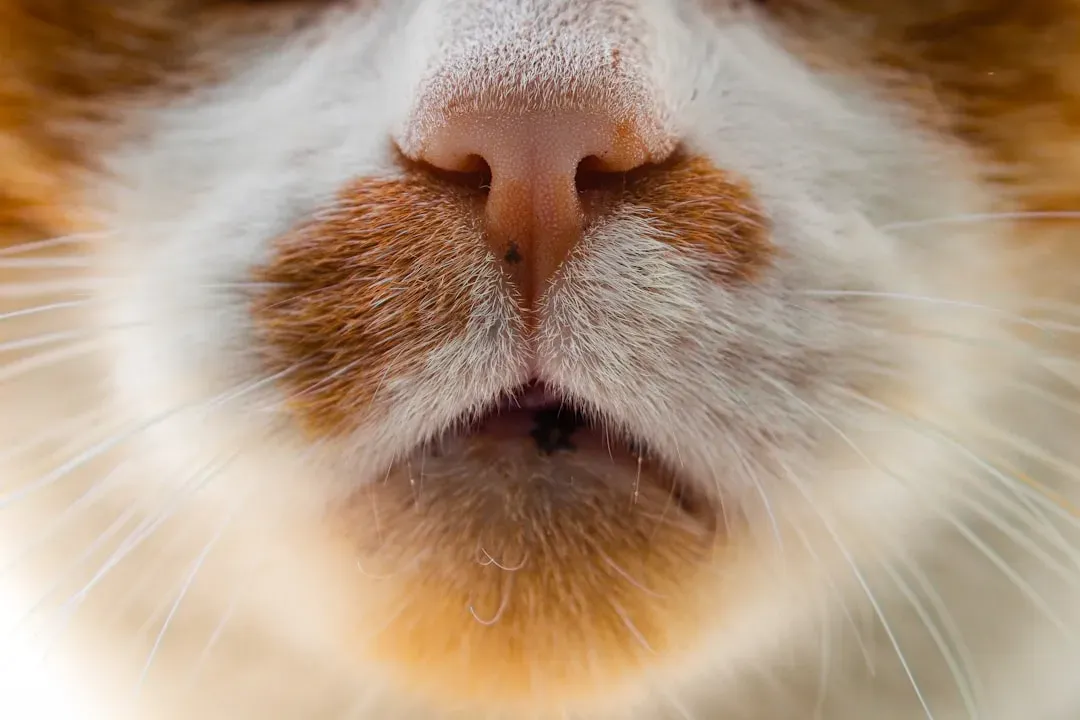
Let’s be real, we dramatically underestimate how much our cats rely on smell to understand their world. Felines have 200 million odor sensors, while in comparison, we have a mere five million. That difference is staggering. It’s like comparing a professional symphony orchestra to someone humming in the shower.
Cats also have a second “nose” located in the roof of the mouth, called the vomeronasal organ. This has a slightly different use, as it picks up pheromone signatures that regular scent receptors can’t detect. These pheromones are important for social, mating, and territorial information. So when your cat stares blankly at the spot where another animal once walked three days ago, she isn’t spacing out. She’s reading a story you didn’t even know existed.
Cats, Mythology, and the Worldwide Belief in Feline Spirits
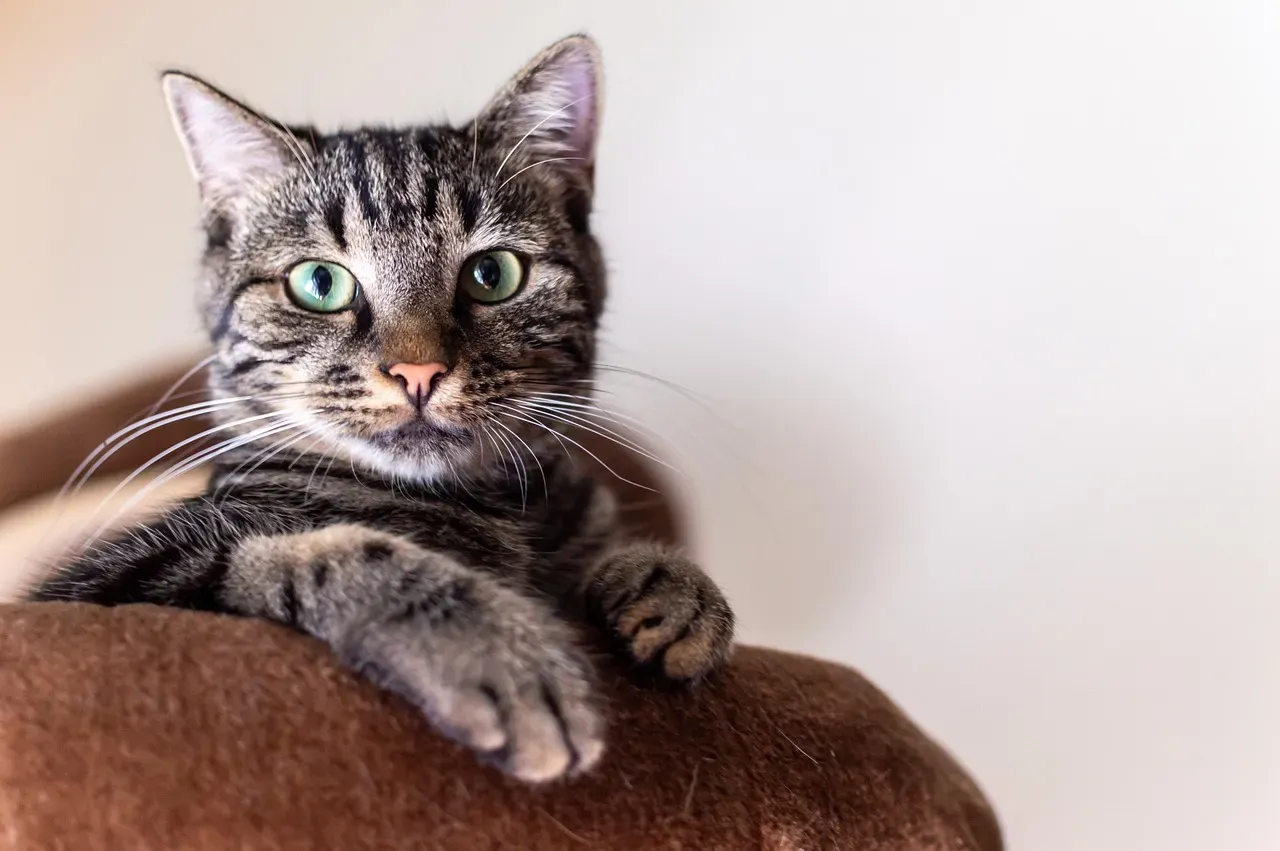
The ghost connection didn’t come from nowhere, and the cross-cultural consistency of it is genuinely fascinating. Throughout history, cats have held a mystical place in human culture, appearing as divine beings, supernatural creatures, and powerful symbols in mythologies worldwide. From the sacred temples of ancient Egypt to the folklore of medieval Europe, cats in mythology have shaped our understanding of these enigmatic creatures, with different civilizations viewing cats as bridges between the mortal and spiritual realms.
In Japanese folklore and mythology, cats are often seen as mystical creatures possessing both protective and malevolent qualities. The Maneki-neko, or beckoning cat, is one of the most iconic symbols, believed to bring good luck and fortune to its owner. Conversely, the Bakeneko and Nekomata are mythical cat spirits known for their shape-shifting abilities and vengeful nature, particularly if mistreated. These folklore characters reflect the dual nature of cats in Japanese culture, embodying both benevolence as guardians of good luck and potential malevolence as powerful spirits. Every culture that lived alongside cats developed its own supernatural story about them. You have to wonder why.
What Science Actually Says About Cats and Ghosts
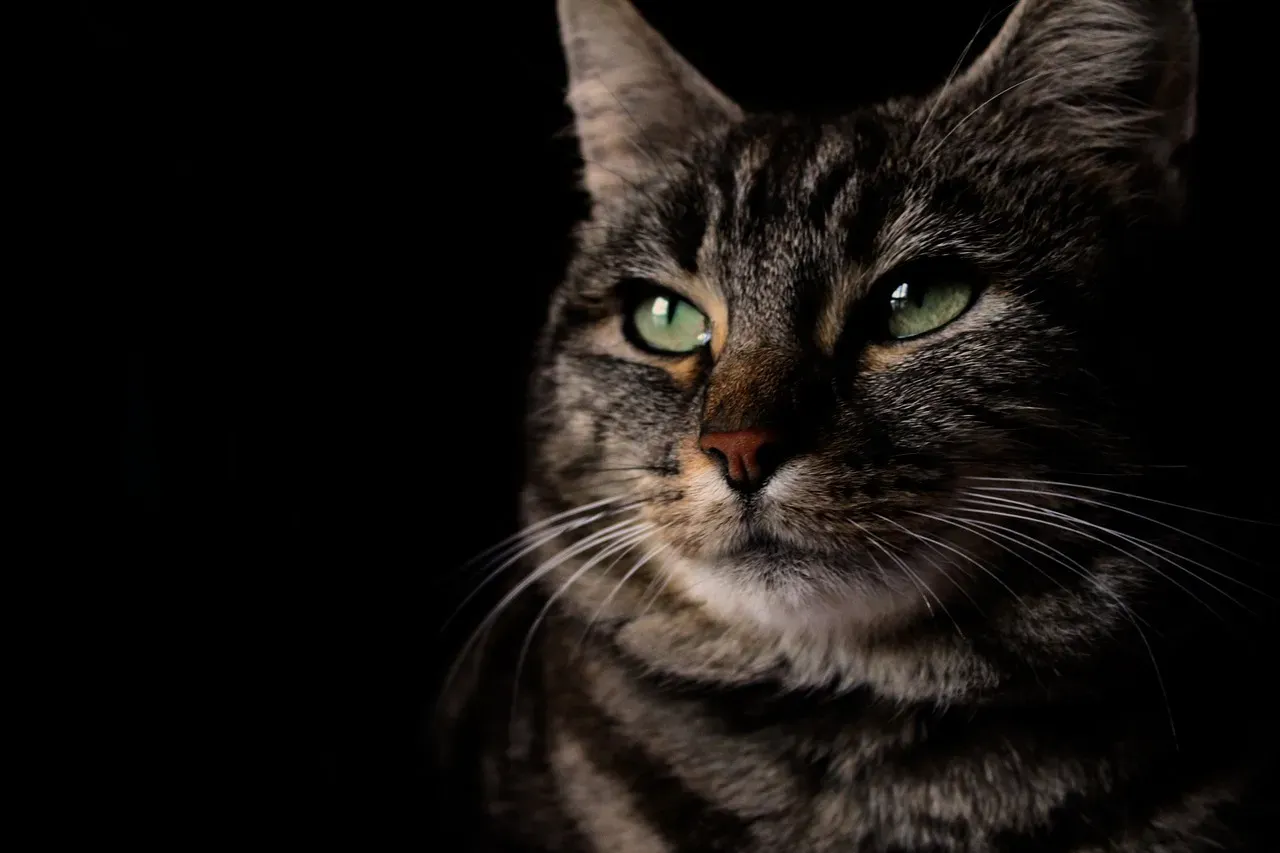
I know it sounds crazy to some, but the question does get taken seriously enough to investigate. As a general answer, there is no evidence at all that cats can see ghosts and spirits. The science on this is inconclusive in part because there’s also insufficient evidence to confirm the existence of ghosts and spirits in the first place. It’s a bit of a philosophical dead end.
The idea that cats see spirits is a persistent myth, rooted in centuries of cultural symbolism. In ancient Egypt, cats were believed to guard the threshold between worlds. Japanese folklore speaks of the Bakeneko, supernatural cats with mystical powers. Even today, viral videos of cats hissing at “empty space” fuel speculation about sixth senses. But science offers more plausible explanations. Cats react to things we can’t detect not because they see ghosts, but because evolution optimized them to notice subtle threats and opportunities. That said, it’s hard to say for sure, and the debate isn’t going away anytime soon.
When the Staring Might Actually Be a Health Warning
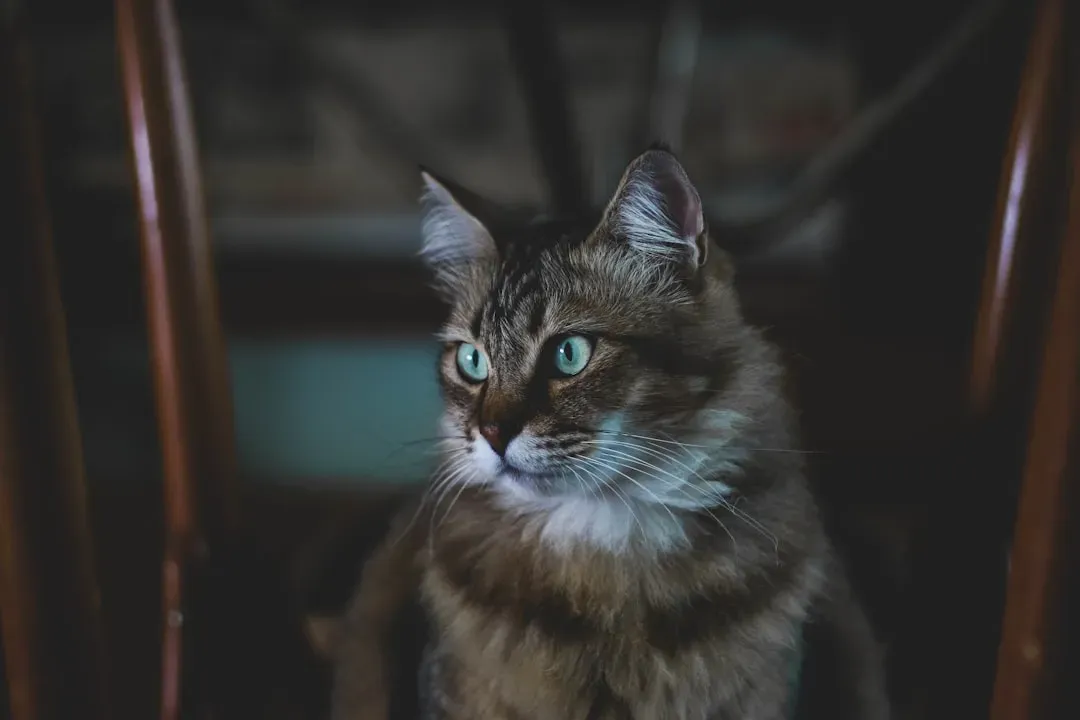
Here’s where things take a more serious turn. Most of the time, your cat’s mysterious gazing is completely harmless. Yet not always. Feline cognitive dysfunction syndrome can occur in older cats as the brain ages. Affected cats suffer a decline in cognitive abilities such as attention, memory, learning, and spatial awareness. It can be hard to distinguish the behavioral changes from other medical issues seen in aging cats.
If your cat is having trance-like periods of staring at the wall in-between episodes of manic behavior, they could be suffering from feline hyperesthesia syndrome. Affected cats often meow or howl loudly, are sensitive to the touch, groom themselves frantically, especially at the tail base, and have enlarged pupils. Various treatment options have been suggested, so contact your veterinarian without delay if this sounds like your feline companion. The moral here is clear: if something feels off and the staring is new or intense, trust your gut and call the vet. Don’t just blame it on ghosts and move on.
How to Tell the Difference Between Quirky and Concerning
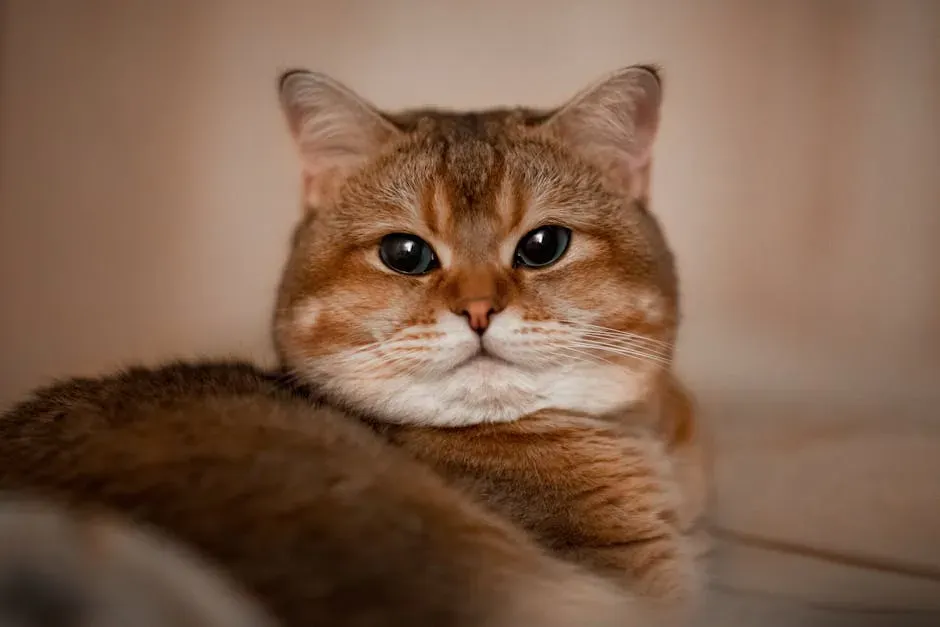
So how do you actually know when to worry? It can be normal for a feline to stare at walls as long as it is not accompanied by any other concerning symptoms. Your cat could see or hear something you cannot, or they may just be curious. If your cat is older, they may be experiencing cognitive decline, which can be normal as they age.
Occasional wall-staring is likely just your cat being a cat, curious, alert, and attuned to a world you can’t perceive. But when the behavior becomes frequent, intense, or paired with other changes, it’s time to dig deeper. Health issues like hypertension, seizures, or cognitive decline don’t announce themselves dramatically. They whisper through subtle shifts in routine and attention. The best thing you can do is simply pay attention. You know your cat’s personality better than anyone. When something shifts, you’ll feel it.
Conclusion: Ghost Detector or Just a Superior Being?
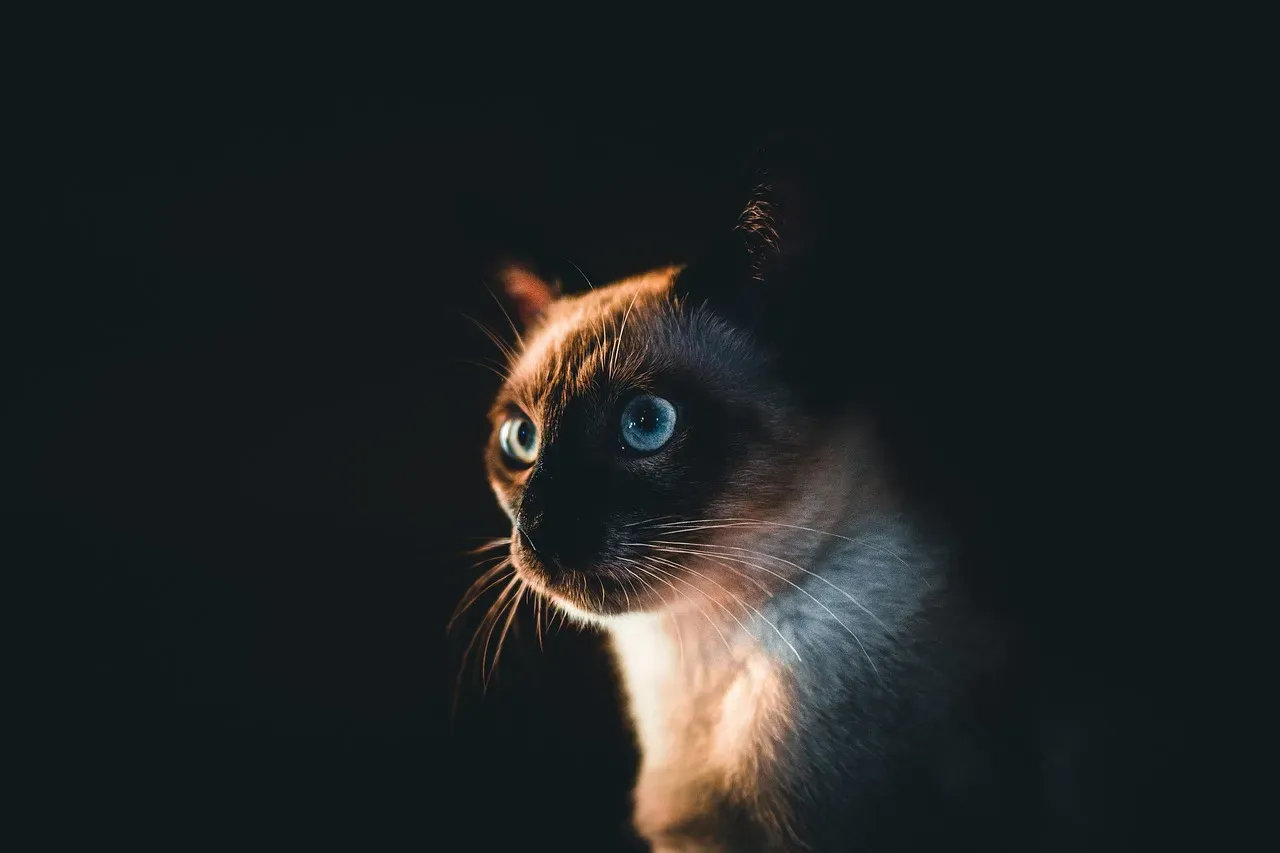
Your cat isn’t necessarily communing with the spirit world every time she locks her eyes on an empty corner. Cats aren’t psychic, but they are equipped with senses that operate on a different plane than humans. What looks like “nothing” to us may be teeming with stimuli to a cat. That is both the scientific truth and, depending on your worldview, perhaps the most unsettling answer of all.
The deeper you look into feline behavior, the more you realize your cat exists in a version of the world you will never fully access. She hears sounds inside your walls, sees light you can’t detect, and feels air move in ways you’d never notice. Whether cats possess supernatural powers or not is entirely up to what you believe. What we all know to be true is that cats are amazing, curious communicators, and observing their behavior can lead to some very interesting questions. So next time your cat stares past you at something unseen, just remember: it’s probably not a ghost. But it’s definitely something. Does that make you feel better, or worse?