You’ve probably caught yourself having full conversations with your cat more times than you’d care to admit. Maybe you tell them about your day while they blink slowly from their perch. Perhaps you ask them questions about their napping schedule or their opinion on dinner options. If you’ve ever wondered whether your feline friend actually gets what you’re saying, you’re not alone. This question has puzzled cat owners for generations, and honestly, the answer might surprise you more than you’d think.
Recent scientific discoveries have started pulling back the curtain on what’s really going on inside that fuzzy head. Let’s dive into what researchers have uncovered about your cat’s ability to process human speech.
Your Cat Knows Your Voice Better Than You Think
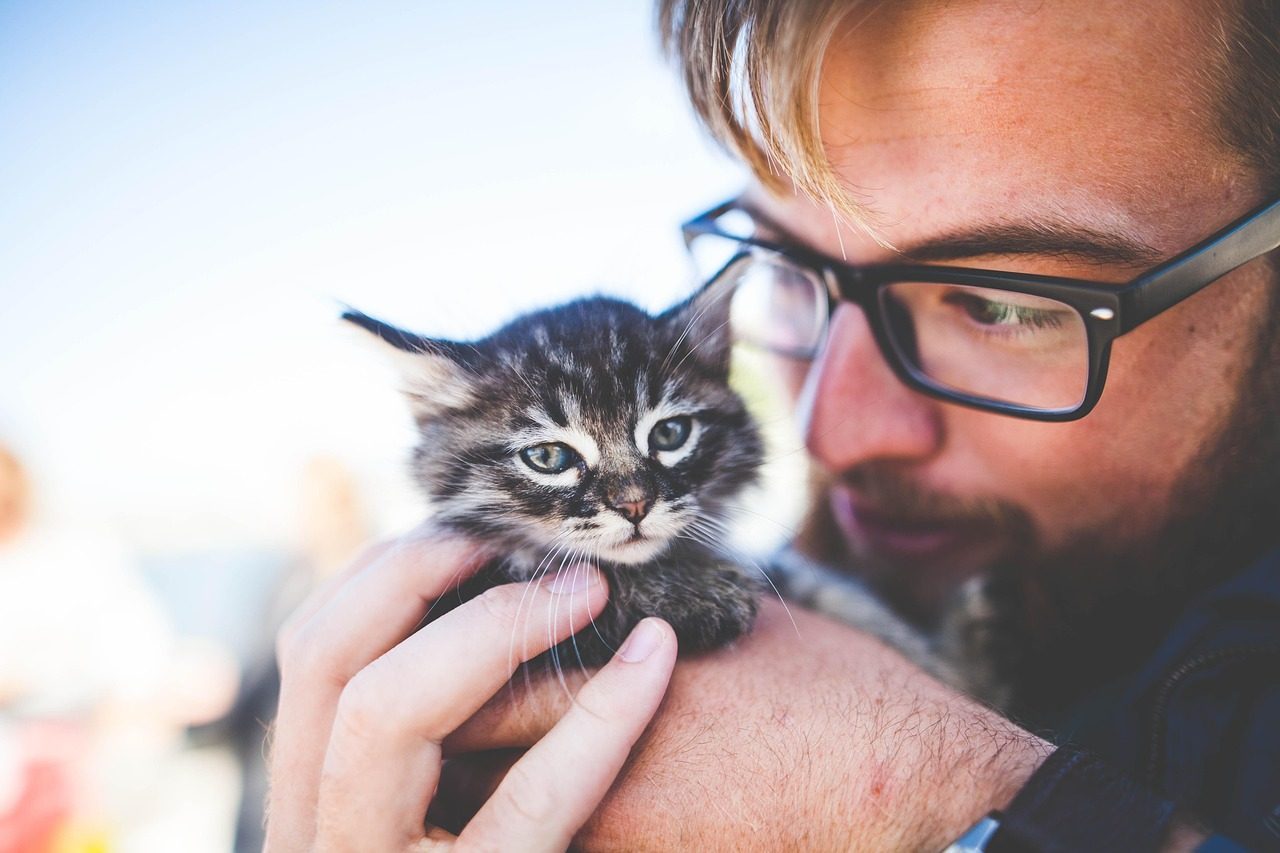
Here’s something that might make you feel a little less silly about your one-sided chats. Cats respond when they hear their owners using cat-directed speech, but not when their owners use regular adult conversation, and they don’t respond to strangers’ voices regardless of tone. This means your cat can absolutely tell when you’re talking specifically to them versus when you’re chatting with another human.
Research shows cats recognize their owner’s voice but often can’t be bothered to react to it. Let’s be real, anyone who’s lived with a cat knows this feeling all too well. Your kitty hears you calling from across the house and chooses to continue grooming that one spot on their leg for the fifteenth time. It’s not deafness. It’s selective listening at its finest.
They’re Learning Words While You’re Not Looking
This is where things get fascinating. A sample of 31 cats picked up basic human language skills by listening to human speech without any training, and at a faster rate than babies. Think about that for a second. Your cat is essentially eavesdropping on your daily life and building a mental dictionary.
Cats reportedly learn about twenty to forty words throughout their lives, though with more vigorous training from a young age, that vocabulary can be expanded or even doubled. Words like “treat,” “dinner,” or “vet” probably trigger immediate reactions in your home. That’s because cats excel at associative learning, connecting specific sounds with outcomes that matter to them.
The Science Behind Feline Word Recognition
Researchers at Kyoto University put cats through their paces with a clever experiment. Cats watched videos where meaningless words like “keraru” were paired with images, and researchers found that cats can understand human speech to a certain extent. When the word and image pairing switched unexpectedly, the cats stared longer at the screen, clearly noticing something was off.
Even more intriguing? Cats spent roughly 33% more time looking at the screen when words didn’t match images, and they formed these associations after just two nine-second trials. Meanwhile, human babies often need more repetitions to grasp the same concept. Your cat might actually be processing information faster than a toddler in certain situations.
They Recognize Names, Including Yours
Cats expect a specific face when hearing a companion’s name, demonstrating spontaneous learning similar to human children without any training. This goes beyond just knowing their own name. Your cat likely knows the names of other pets in your household and possibly even your family members’ names.
Research indicates cats living in homes showed better name recognition than cats in café settings. Cats can identify photographs of their human family members when their names are spoken without specific training, hinting at deeper language comprehension than previously suspected. So when you mention your partner’s name, there’s a decent chance your cat knows exactly who you’re talking about.
The Special Language You Share
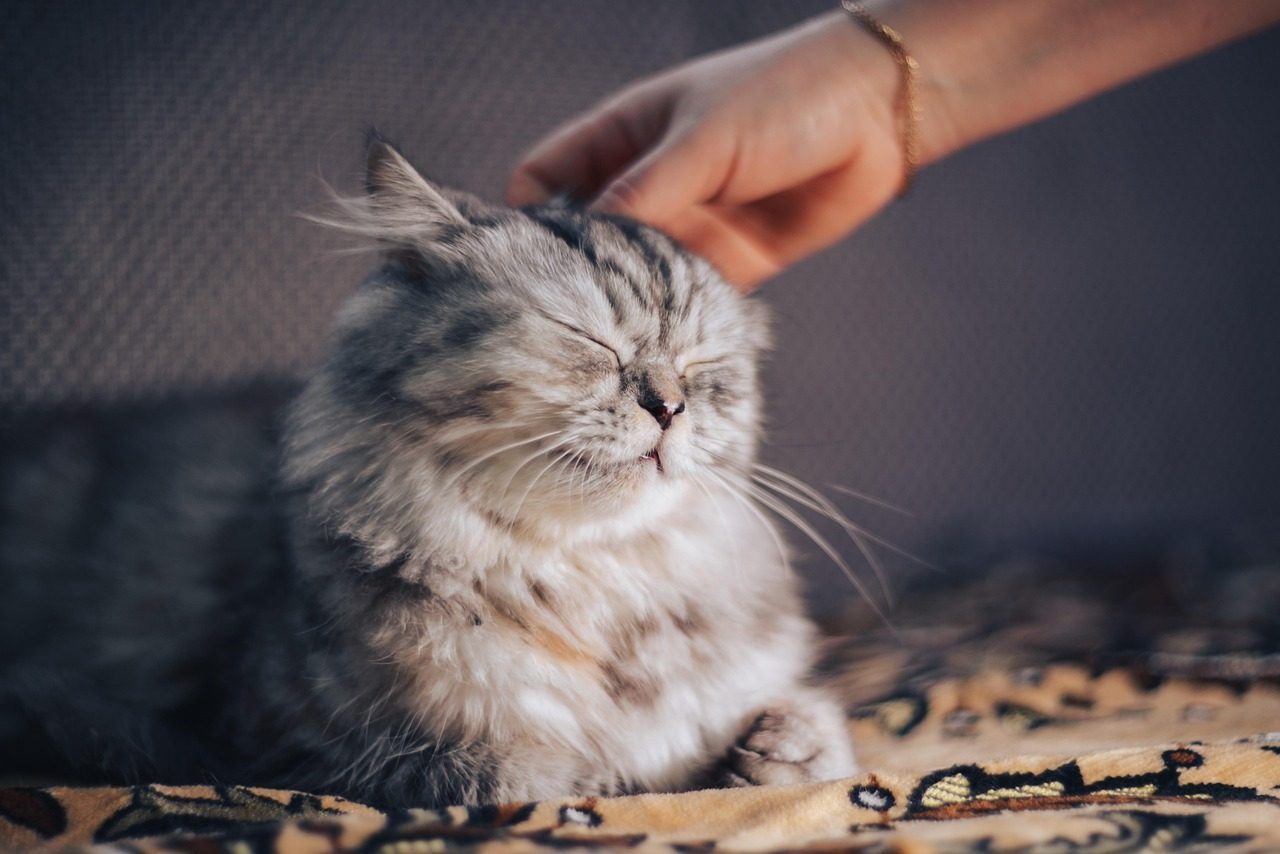
You know that voice you use when talking to your cat? That slightly higher pitch, slower tempo baby talk? There’s actually science behind why it works. Pet-directed speech tends to have higher pitch and slower tempo than adult human speech, compelling pets to focus on the speaker and pay attention.
Cats display marked preference for both visual and bimodal cues from non-familiar humans compared to vocal cues only, offering evidence for human-compatible socio-cognitive skills. Translation? Your cat pays more attention when you combine talking with gestures or eye contact. They’re reading your whole presentation, not just listening to the audio.
What Cats Don’t Understand
Let’s temper expectations a bit. There’s no scientific evidence that anything you say registers as meaningful unless you pair a word with a consequence. Your cat isn’t grasping the philosophical depths of your existential crisis at three in the morning. They’re pattern recognition machines.
Cats don’t actually grasp human language but learn through associative concept training, using positive reinforcement to connect sounds of certain words with specific activities. When your cat comes running at the sound of a can opener, they’re not understanding the concept of “dinner time” the way you do. They’ve just learned that particular sound means food appears.
Why Your Cat Seems Aloof About It All
Naturally independent cats typically react to the human voice as it suits them. This independent streak is hardwired into their evolutionary history. Unlike dogs, who were bred for thousands of years to be responsive and obedient to human commands, cats essentially domesticated themselves by hanging around human settlements to hunt rodents.
Cats respond to cat-directed speech similarly to how dogs respond to dog-directed speech, and they’re much more bonded with their humans than typically credited, actively seeking our voices. Your cat cares about what you’re saying. They’ve just got a reputation to maintain and can’t appear too eager.
Strengthening Communication With Your Feline
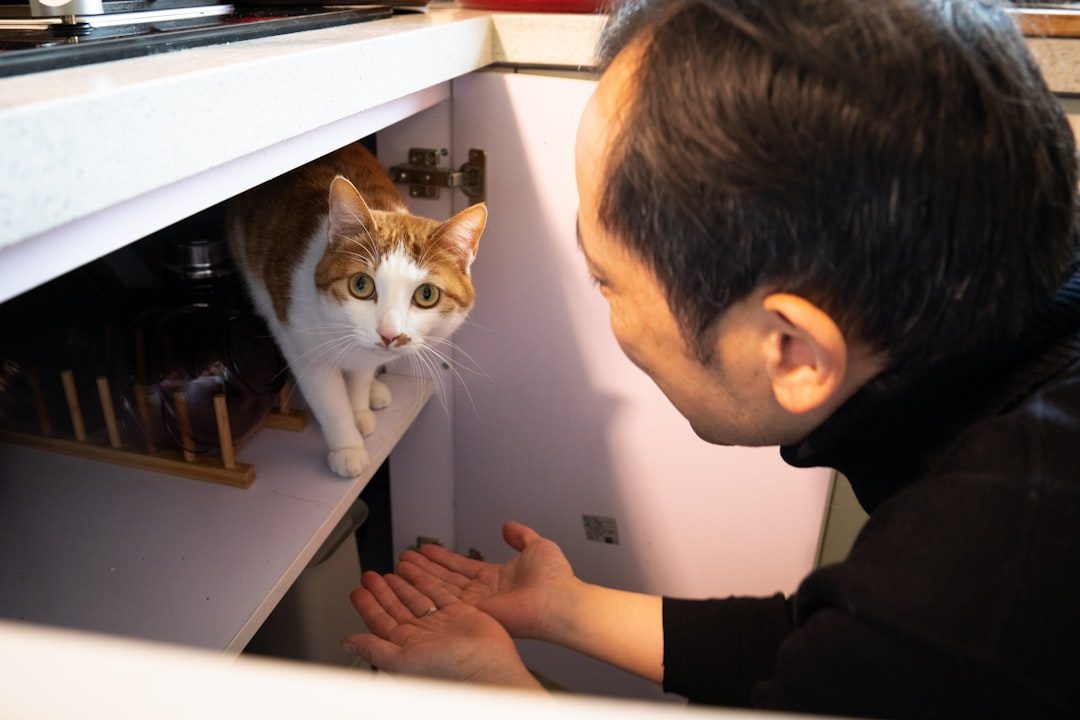
Want to improve your interspecies dialogue? Consistency is everything. Pairing specific words with positive experiences helps cats recognize and respond to those words in the future. Use the same words for the same activities. “Dinner” should always mean dinner, not sometimes treats or occasionally playtime.
Pay attention to your tone as well. Cats are more receptive to tone and rhythm than actual words, with soft gentle voices being comforting while loud or angry tones can be unsettling or frightening. Your emotional state bleeds through your voice whether you intend it to or not, and your cat picks up on those subtle cues.
The Bond This Creates
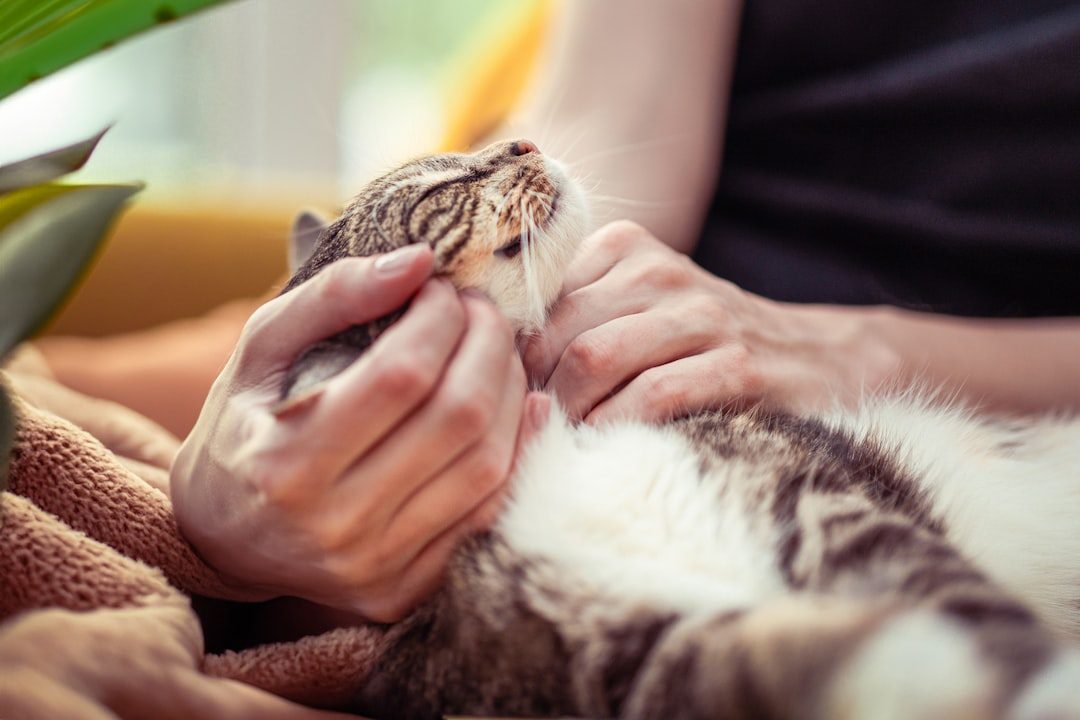
Research brings a new dimension to human-cat relationships, implying development of particular communication within human-cat dyads that relies upon experience. Every conversation you have with your cat, every silly question you ask them, every time you narrate your activities to their seemingly disinterested face – it all contributes to a unique communication system between the two of you.
Your cat might not understand every word, or even most words. They definitely don’t comprehend grammar or sentence structure. However, they’ve learned to read you in ways that matter to them. They know when you’re talking to them versus someone else. They recognize their name and probably yours. They’ve memorized which sounds lead to good outcomes and which ones mean a trip to the vet.
So the next time you find yourself explaining your work drama to your cat, remember they’re listening in their own way. They might not offer advice, but they’re processing your voice, your tone, and your attention directed at them. That’s understanding enough to make those conversations worthwhile. What do you think – does your cat have you figured out better than you have them figured out?