You’ve probably noticed it. That morning sound your cat makes when standing next to their empty bowl is nothing like the soft, almost musical tone they use when you walk through the front door at the end of the day. Something is clearly going on in that little furry head. Something deliberate, even calculated. Your cat isn’t just making random noise. They’re talking to you, and they have been perfecting the art of doing exactly that for thousands of years.
The idea that cats have developed a private vocal language aimed entirely at humans is both fascinating and, honestly, a little unsettling once you truly grasp what it means. It means your cat has been studying you, learning your reactions, and tuning their voice to get exactly what they want out of you. So let’s dive into what science and animal behavior have actually uncovered about the remarkable vocal code behind your cat’s meow.
The Meow Was Made for You, Not Other Cats

Here’s something that genuinely surprises most people. Unlike their wild counterparts such as panthers, lynx, or tigers, domestic cats have developed meowing specifically for interactions with humans. This special language is reserved just for us – they don’t even meow to communicate with other cats. Think about that for a second. The meow is, in every meaningful sense, a human-targeted tool.
Adult cats rarely meow to each other, and so adult meowing to human beings is likely to be a post-domestication extension of mewing by kittens. It’s like a childhood sound that never got retired because it kept working so brilliantly. Your cat essentially discovered that acting like a kitten gets results from you, and they never stopped.
How Domestication Shaped the Sound of a Meow
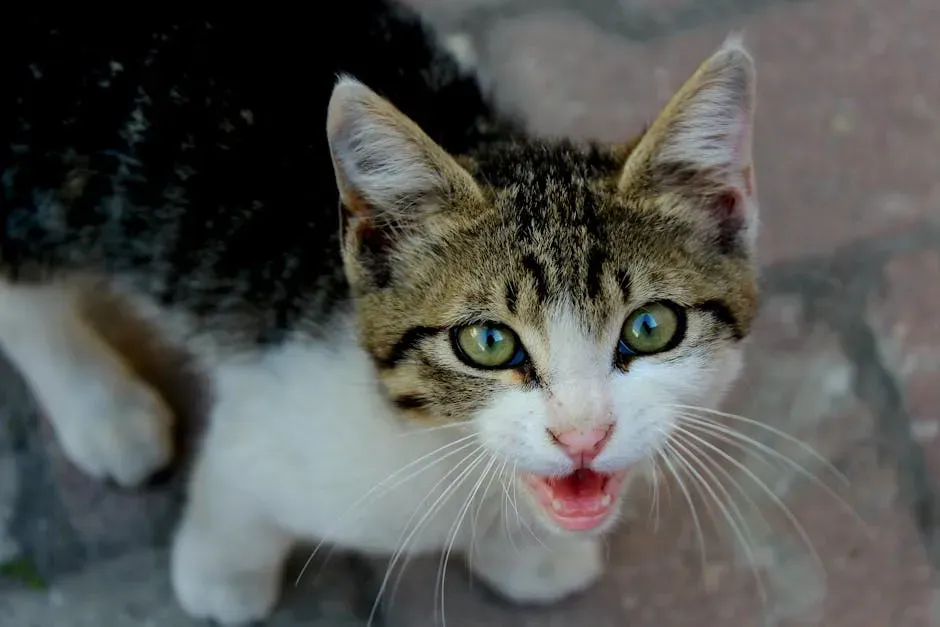
Researchers have discovered that the vocalizations of the domestic cat have changed to become more pleasant to the human ear. This is likely why felines evolved to meow almost exclusively to humans. Their meows are less threatening, more high-pitched, and kitten-like. People are more sensitive to this type of sound and more likely to respond positively, such as by providing care, much like we do when an infant cries.
Cat communication methods have been significantly altered by domestication. Studies have shown that domestic cats tend to meow much more than feral cats. In other words, the more time your cat spends around you, the more vocal they become. It’s a fascinating feedback loop between two species that have been shaping each other for millennia.
Yes, Your Cat Absolutely Changes Their Meow on Purpose

Let’s be real – you’ve suspected this all along, haven’t you? Cats can learn to modify the characteristics of their meows, such as their tone or duration, to let people know what they want, particularly when it comes to food. This isn’t just instinct. It’s learned, adaptive behavior.
A cat may experiment with different meowing sounds to determine which one tugs at your heartstrings more effectively. If your cat learns that a particular meow triggers you to shower them with affection or provide treats, they may adopt that meowing style more often. In this way, the cat’s meow becomes a tool for building a stronger bond with its human companions. By adjusting their meow’s pitch, tone, and intensity, cats can communicate their desires and emotions more effectively to humans.
The Science Behind Classifying Cat Sounds

Researchers have been studying cat vocalizations more seriously than most people realize. In 1944, Mildred Moelk published the first phonetic study of cat sounds and classified 16 different vocal patterns into three main classes: sounds produced with the mouth closed (murmurs like purring and trilling), sounds produced when the mouth is first opened and then gradually closed (meowing, howling, yowling), and sounds produced with the mouth held tensely open (growls, snarls, hisses, spits, chattering, and chirping).
She claimed that cats had six different forms of meows to represent friendliness, confidence, dissatisfaction, anger, fear, and pain. Traditionally, adult cats possess 12 different kinds of vocalizations, however, after reviewing the literature it seems that more vocalizations may have been identified, meaning cats can produce more vocalizations than the ones initially described. We’re not dealing with a simple creature here. Not even close.
What Different Meow Sounds Actually Mean
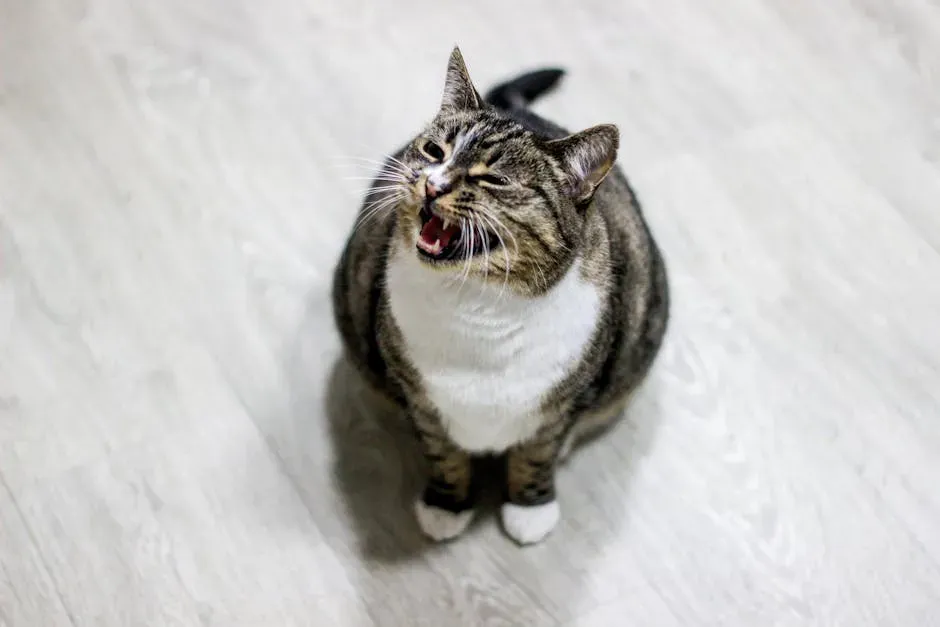
A meow can be assertive, plaintive, friendly, bold, welcoming, attention-soliciting, demanding, or complaining. Honestly, that list alone should make every cat owner feel slightly outmatched. Short, cheerful meows are typically used as friendly greetings. These brief vocalizations, often accompanied by an upright tail and forward-pointing ears, signal that your cat is happy to see you and wants to interact.
High-pitched or prolonged meows often communicate urgency or distress. These sounds might indicate pain, anxiety, or genuine need for immediate attention. It’s essential to investigate these vocalizations promptly, especially if they’re unusual for your cat. Think of it as the difference between a casual text message and a phone call at 3 a.m. Both are communication, but the stakes are very different.
The Hunger Meow: Your Cat’s Most Practiced Performance

Most cats like to eat, and they can be quite demanding around mealtimes. Some cats learn to meow whenever anyone enters the kitchen, just in case food might be forthcoming. Others meow to wake you up to serve them breakfast. Cats also learn to beg for human food by meowing. If you’ve ever been startled awake at the crack of dawn by a persistent, melodic wail, you already know exactly what this sounds like.
Hungry cats will try to get your attention with meows, sometimes trying to lead you to their bowl or food storage area. I think this is where the cat’s manipulative genius really shines. They’re not just asking. They’re guiding you, orchestrating the entire scene to achieve the desired outcome. It’s almost impressive if it weren’t so obvious.
Meowing for Attention and Loneliness

Cats enjoy social contact with people, and some will be quite vocal in their requests for attention. The cat may want to be stroked, played with, or simply talked to. Cats who are left alone for long periods of time each day may be more likely to meow for attention. This is more emotional than most people credit cats for being. They get lonely. They miss you.
Although it isn’t as common as dogs that bark when lonely, some cats will meow if they are lonely or feeling bored and want attention. Using trial and error, cats develop a set of meows they learn are effective to communicate with you in different circumstances. The cat and caregiver naturally train one another during this process. Yes, you read that right. Your cat has been training you just as much as you think you’ve been training them.
Yowling, Caterwauling, and the Dramatic Spectrum of Cat Vocals
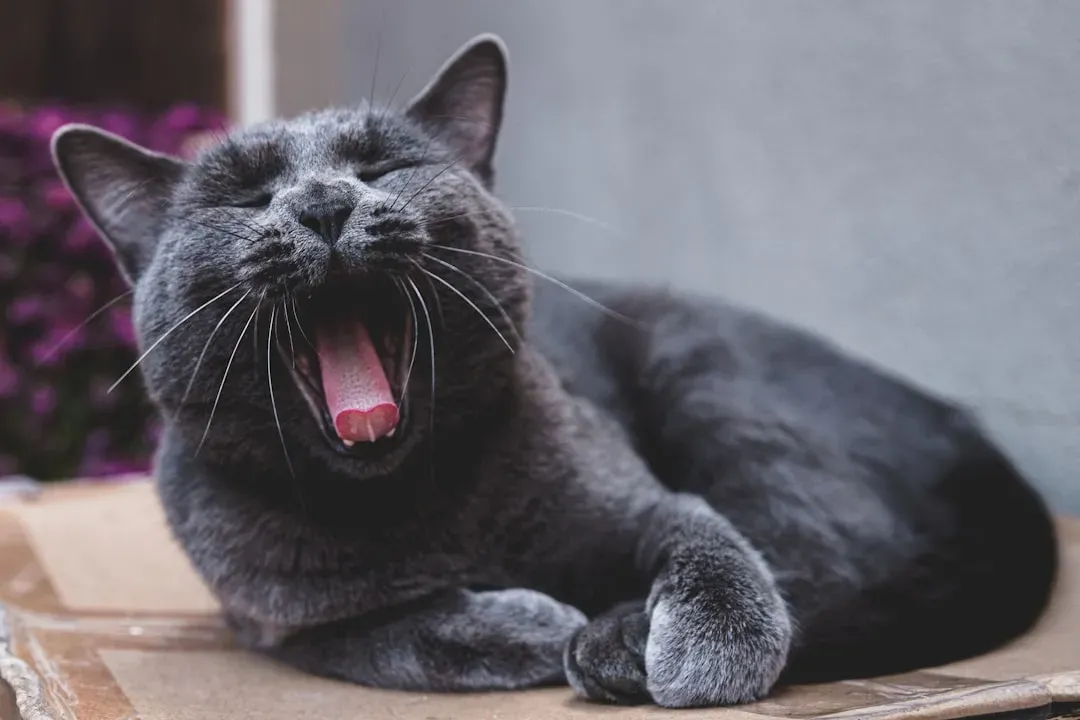
Often described as a louder, longer meow, a yowl is a drawn-out sound cats can make. A howl is similar to a yowl, but typically shorter in duration. Yowling and howling are signs that a cat is in distress. This may be physical distress from pain or illness, or emotional distress from worry, frustration, boredom, or confinement.
Caterwauling is hard to describe, but you know it when you hear it. This disturbing sound is a combination of a yowl, a howl, and a whine. It is melodic and melodramatic. It’s persistent. Cats often become anxious if new people or pets join the family or if the existing family moves into a new home. Cats may become frustrated if their human gets a job or goes to school and leaves them alone. Caterwauling may be them telling you they are insecure or unhappy with their new circumstances.
When Your Cat Talks Back to You
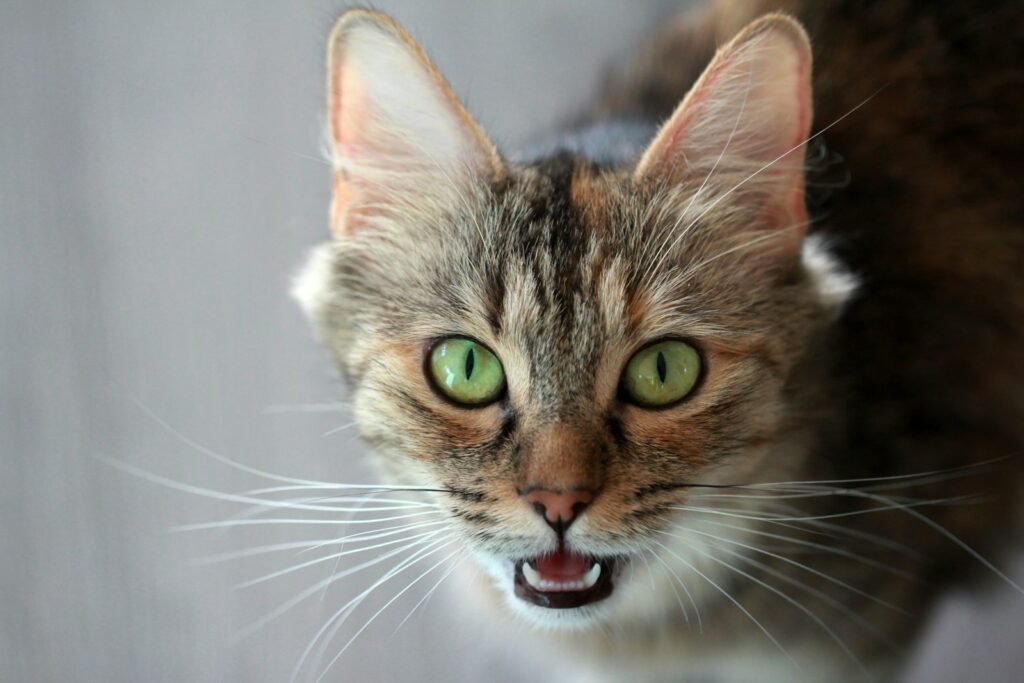
You speak to your cat. Your cat meows back. It feels like a real conversation – and in some meaningful way, it actually is. If you want to hear more from your cat, initiate a conversation. Cats speak more when they are spoken to, and like it better when you use positive words alongside their name rather than negative ones.
Cats can learn to modify the characteristics of their meows, such as their tone or duration, to let people know what they want, particularly when it comes to food. The same research shows cat owners are significantly better at understanding their cat’s vocalizations than non-cat owners. Your bond with your specific cat is not imagined. It’s scientifically real. The longer you’ve lived together, the more fluent you both become in each other’s language.
When a Changed Meow Is a Health Warning Sign
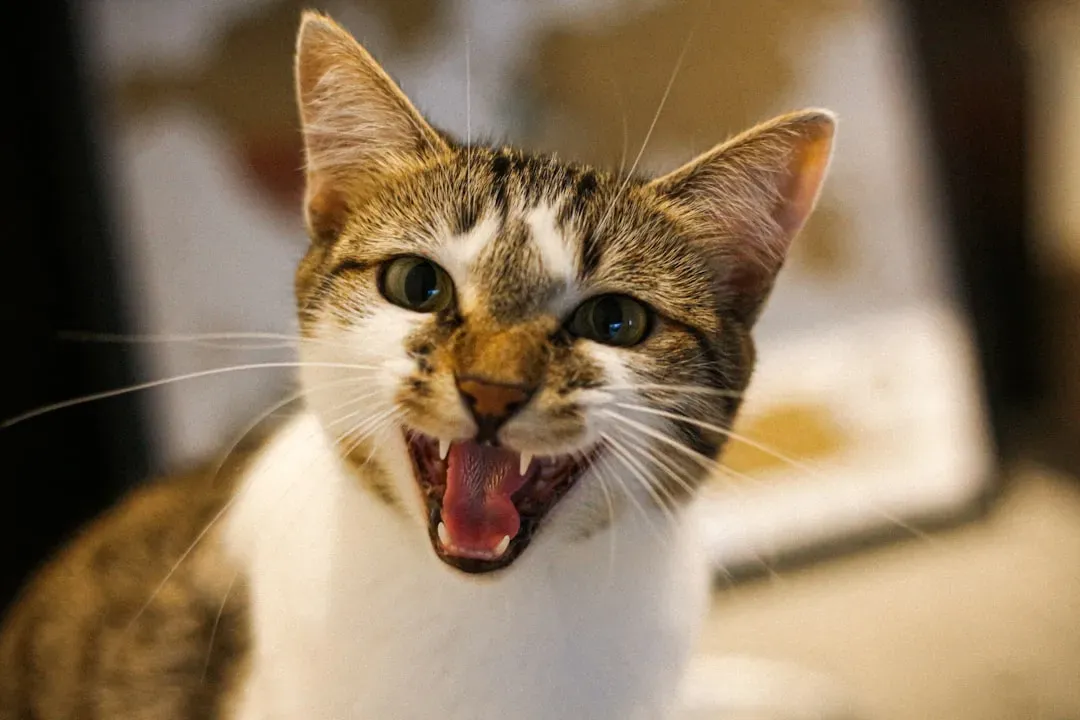
Not every vocal change is your cat asking for dinner or playtime. Sometimes it’s something you should take seriously. A cat who meows a lot should be checked thoroughly by a veterinarian to ensure a medical condition is not the cause of the cat’s distress. Numerous diseases can cause cats to feel unusually hungry, thirsty, restless, or irritable, any of which is likely to prompt meowing.
Changes in meow tone and increases or decreases in vocalization could indicate a medical problem. As cats age, they’re prone to developing an overactive thyroid and kidney disease, and either one may result in excessive meowing. So if your typically quiet cat suddenly becomes a chatterbox overnight, or your vocal one goes eerily silent, it’s worth a trip to the vet. Your cat’s voice is not just emotional communication. It’s a health barometer too.
Conclusion: Learning to Listen to the Code

Your cat has spent thousands of years crafting a vocal system designed with one primary audience in mind: you. Every pitch shift, every drawn-out yowl, every insistent morning meow is part of a living, evolving language. Most cat sounds are generally negative in nature, expressing hunger, pain, or longing, and cats almost never express positive emotions with a meow. Many researchers think meows are purely manipulative, and cats learn what to say to get what they want. This doesn’t mean they don’t love you, it just means that verbal communication is not their love language.
The more you pay attention, the more fluent you’ll become. You’ll start hearing the difference between the impatient breakfast meow and the welcoming chirp at the door. If you pay close attention to your cat’s vocalization, body language, and facial expressions, you’ll realize they’re trying to converse with you and convey vital information about their overall health and wellbeing. Honestly, that’s the most beautiful part of this whole thing. You and your cat are not just cohabitating. You are communicating across a species divide, slowly building a private vocabulary that belongs only to the two of you.
So next time your cat opens their mouth and looks right at you – really listen. What do you think they’re trying to say?