A self-described stubborn dog person encountered a turning point last summer when a scrawny stray cat entered their life. Dubbed Pawl, the feline arrived via the popular “Cat Distribution System” – a term pet enthusiasts use for animals that seem to choose their humans. The adopter, who had only ever owned dogs, soon shared a viral account of their transformation and the surprises that followed.
The Chance Meeting That Changed Everything
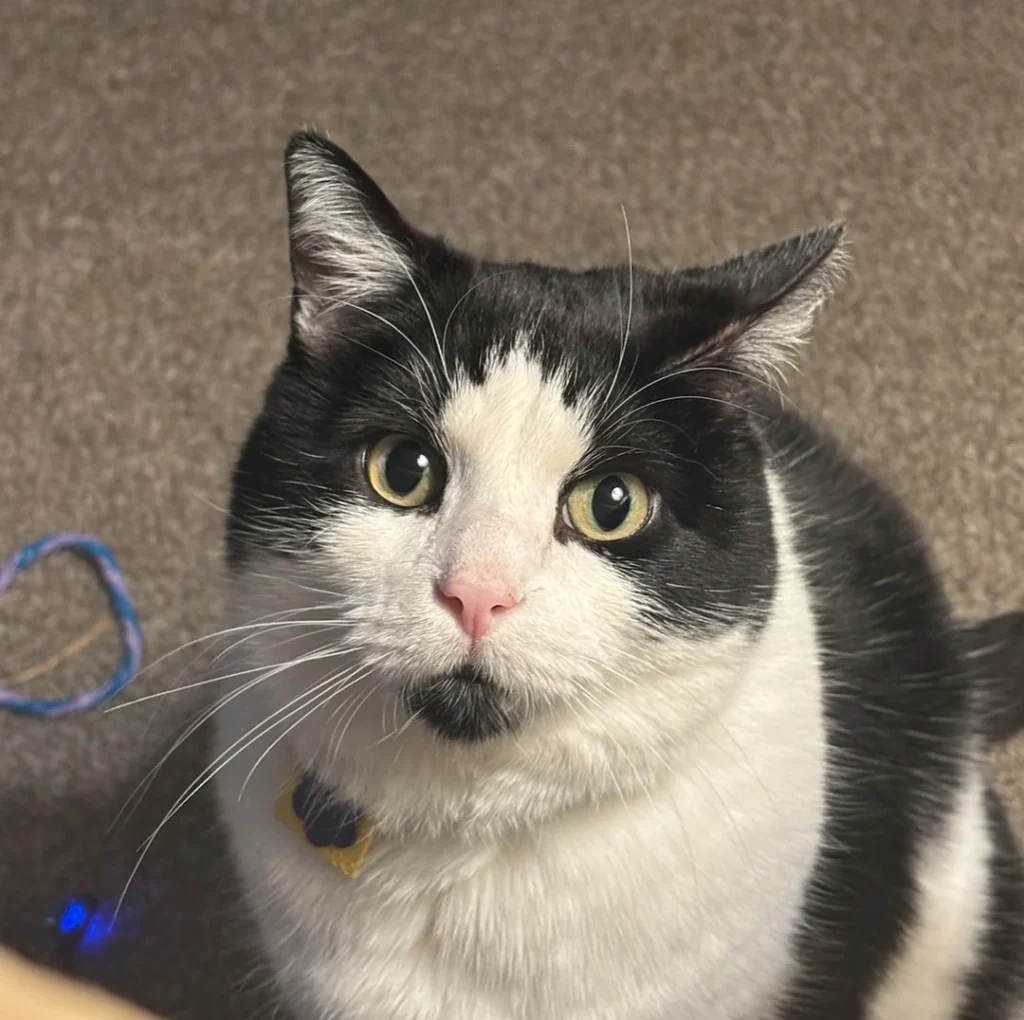
In July 2025, the Reddit user known as u/ILoveMeltyCheese spotted Pawl on a sidewalk near a park. The cat appeared malnourished with sparse fur from excessive licking caused by bug bites. The finder offered leftovers, which Pawl eagerly accepted.[1]
A trip to the veterinarian followed. The exam revealed no microchip or owner in the small town, and vets estimated Pawl’s age at seven or eight years. Unable to ignore the cat’s plight, the owner declared, “I can’t just watch a poor cat starve, so I’m keeping him.”[1] This marked the beginning of an unlikely companionship for someone who once viewed cats with skepticism.
Debunking Deep-Rooted Stereotypes
The new cat owner compiled a list of preconceptions shattered in the months after adoption. These revelations challenged assumptions held by many dog loyalists. The post detailed each myth alongside real experiences with Pawl.[1]
Among the insights:
- Cat-owning homes reek from the animals themselves – in truth, any odor stems from neglectful cleaning practices.
- Dogs outshine cats in affection – Pawl proved otherwise, earning the nickname “cat-dog” for his constant cuddles.
- A cat’s lick stings painfully – not the case at all.
- Cats demand as much maintenance as dogs – far simpler in practice.
- Litter boxes become foul quickly – regular scooping keeps everything fresh.
These points resonated widely, highlighting how firsthand interaction dispels outdated views.
Pawl’s Journey from Street Survivor to Home Companion
Pawl underwent a dramatic change under the new owner’s care. Medications addressed his skin issues, and proper nutrition transformed the skinny stray into a healthy, chunky black-and-white cat. Photos shared in the post captured this glow-up, showing a content pet lounging comfortably.[1]
The bond grew quickly. What started as a reluctant rescue evolved into mutual devotion. The owner marveled at Pawl’s personality, blending independence with surprising warmth. This shift underscored the adaptability of strays when given a chance.
A Viral Hit and Echoing Experiences
Posted to the r/cats subreddit on March 26, the story amassed over 72,000 upvotes. Commenters flooded in with similar tales of conversion. One shared how their family underestimated cats, only to be proven wrong.[1]
Others described voids – internet slang for black cats like Pawl – claiming homes and sparking multi-cat households. Praise flowed for felines’ subtle sweetness, delivered on their terms. Jokes abounded about cats arriving precisely to educate skeptical humans. The response affirmed a broader truth: many discover cat charms later in life.
This saga reminds us that pet preferences need not be rigid. One stray’s persistence opened a door to new understanding. What experiences have reshaped your views on cats versus dogs? Share in the comments.
Key Takeaways
- Strays often thrive with basic care, turning skeptics into advocates.
- Regular litter maintenance eliminates common complaints about cat ownership.
- Affection comes in many forms – cats deliver it uniquely and memorably.