If you’ve grown up around cats, you’ve probably heard all sorts of advice passed down from well-meaning relatives or friendly neighbors. “Give them a bowl of milk.” “Dry kibble keeps their teeth clean.” “Don’t bother bonding with them – cats are loners by nature.” Sounds familiar, right? The problem is, a lot of what we’ve accepted as common knowledge about cats is simply wrong, and clinging to those old beliefs can actually harm the animals we love.
For centuries, cats have captured human imagination, spawning countless myths and misconceptions that persist even today. These widespread beliefs about felines often influence how we care for them, sometimes to their real detriment. The good news is, science has been catching up fast. Let’s take a good, honest look at three outdated cat care tips you really need to leave in the past.
Tip #1 You’ve Been Told: “Dry Food Is the Best and Healthiest Option for Your Cat”
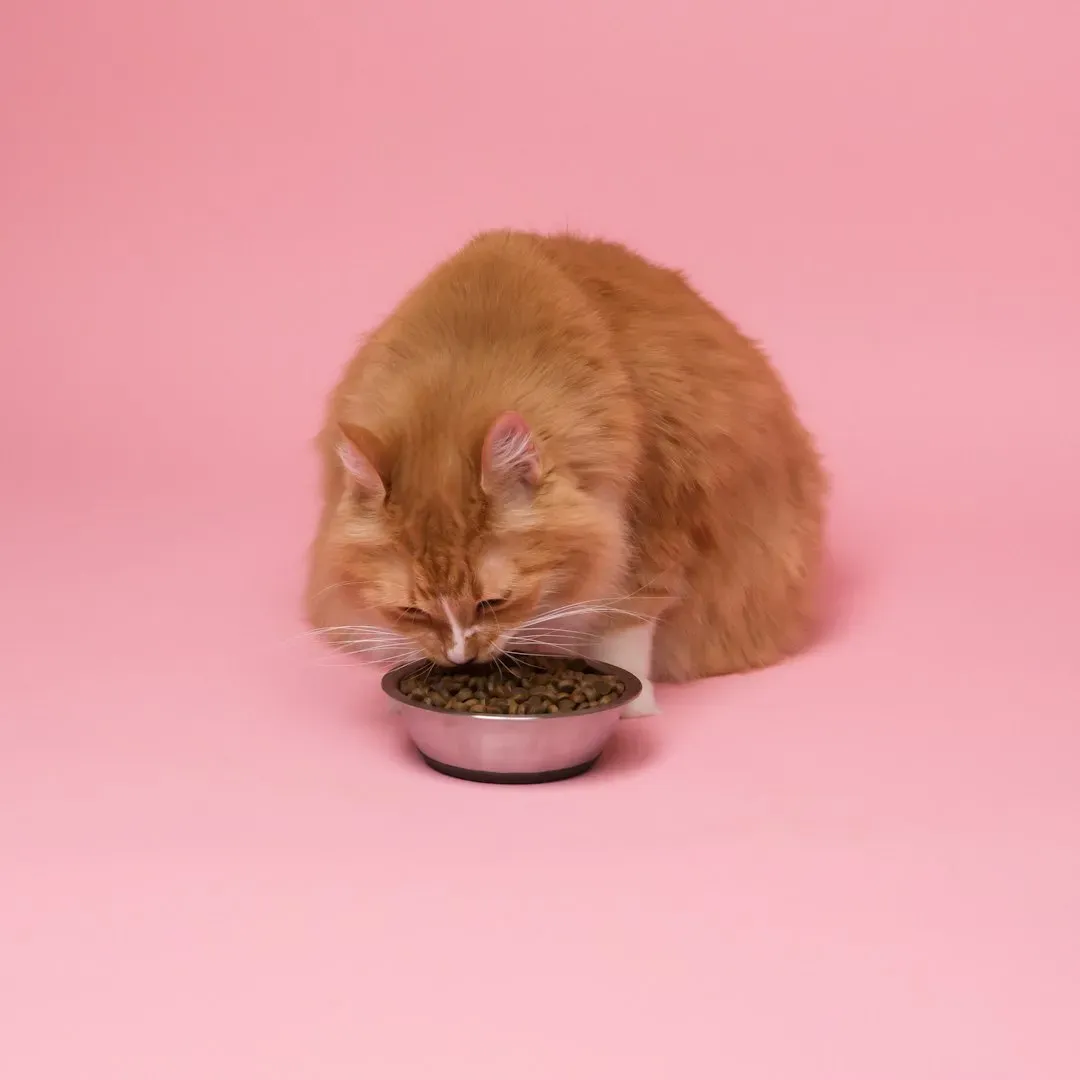
Here’s the thing – the idea that a bowl of dry kibble is all your cat needs to thrive is one of the most stubborn myths in pet ownership. You’ve probably heard it dressed up in different ways: dry food cleans their teeth, it’s nutritionally complete, it’s convenient, so why bother with anything else? And honestly, the convenience argument isn’t wrong. But convenience and optimal health aren’t the same thing.
Domestic cats have a lower thirst drive than many other animals. Instead, they’re used to getting moisture from their food and can become chronically dehydrated if they do not drink enough. Think about that for a second. Your cat is biologically wired to get most of their hydration through their prey – not through a water bowl sitting in the corner of your kitchen.
In the wild, cats gain most of their hydration through their prey. This is due to many wild cats, including the ancestor to house cats, being desert-dwelling animals. Cats tend not to drink water until they are very thirsty. Most dry food only contains roughly 6 to 8 percent water content, while wet food contains around 70 to 80 percent water content. That is a massive difference, and it matters more than most cat owners realize.
Contrary to a popular myth, dry food exerts no beneficial effect on dental health and has no scientific support for its use in preventing dental disease. It is often swallowed whole, but even if it is chewed, it is brittle and simply shatters. So the whole “kibble cleans teeth” argument? Basically a marketing story, not a medical fact.
You don’t have to choose between wet and dry food, as many cats do well eating a mixture. Wet food provides hydration and can aid in weight management, while dry food offers concentrated nutrients and convenient, easy cleanup. Together, they can complement one another and create a well-rounded diet. The key takeaway here: you’re not obligated to go all-in one way, but ignoring moisture content entirely is a real mistake.
Tip #2 You’ve Been Told: “Cats Are Independent and Don’t Need Much Social Interaction”
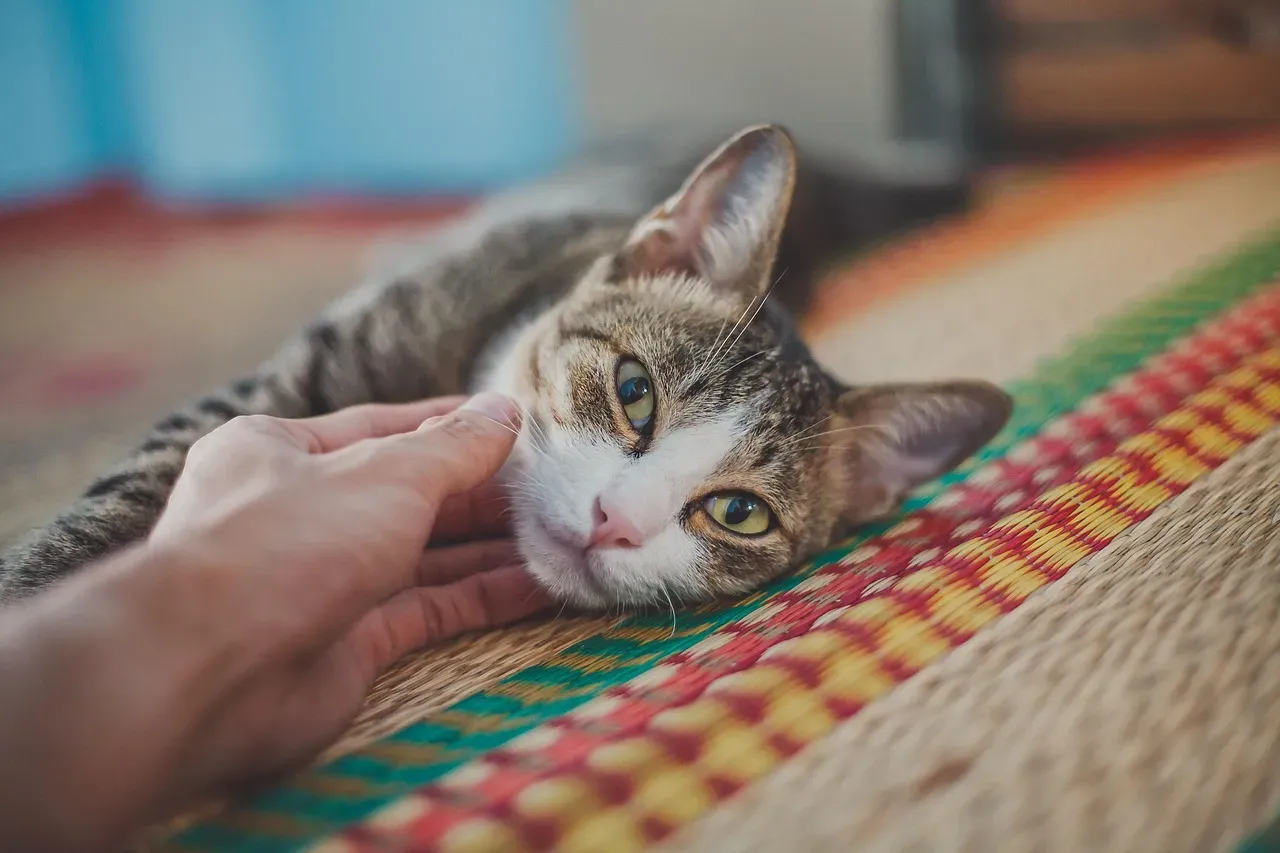
Let’s be real – the image of the aloof, self-sufficient cat who couldn’t care less whether you’re home or not is deeply ingrained in popular culture. It’s almost become a personality badge for cat owners: “Oh, my cat doesn’t need me. She does her own thing.” Sounds cool. Turns out it’s mostly false, and accepting it as truth can leave your cat genuinely understimulated and unhappy.
Cats have commonly been perceived as independent, solitary, and non-social animals, and these beliefs continue to be widely held today. In a study conducted with 547 cat guardians in the United States, researchers found that beliefs portraying cats as emotionally distant and socially indifferent were still present among respondents. When asked whether “cats are naturally aloof and independent,” many participants showed moderate agreement, indicating that this stereotype remains widespread.
The most pervasive misunderstanding of the domestic cat is that they are strictly solitary animals. While their ancestor, the African wildcat, is largely asocial, domestic cats have developed a flexible social structure. They are “facultatively social,” meaning they can live alone or in complex matrilineal groups depending on resource availability. In other words, your cat’s supposed aloofness isn’t hardwired. It’s situational.
The prevalence of secure attachment among cats and owners is nearly identical to that among humans. Research further documented cats’ craving for closeness in a study where shelter cats and pets were offered four options simultaneously: a toy, a treat, a scent, or human interaction. Fully half of all cats devoted most of their time to human company, favouring this possibility over all the others, including food. Yep – given the choice between you and a snack, roughly half of cats chose you. Think about that next time someone tells you cats don’t care.
Sadly, viewing cats as antisocial can harm them, as their caretakers are less likely to provide affection, exercise, hair brushing, toys, and veterinary care. This is arguably the most damaging part of the myth. When you believe your cat doesn’t need you, you stop engaging with them – and that neglect has real consequences for their wellbeing.
Tip #3 You’ve Been Told: “Declawing Is a Simple, Harmless Procedure”
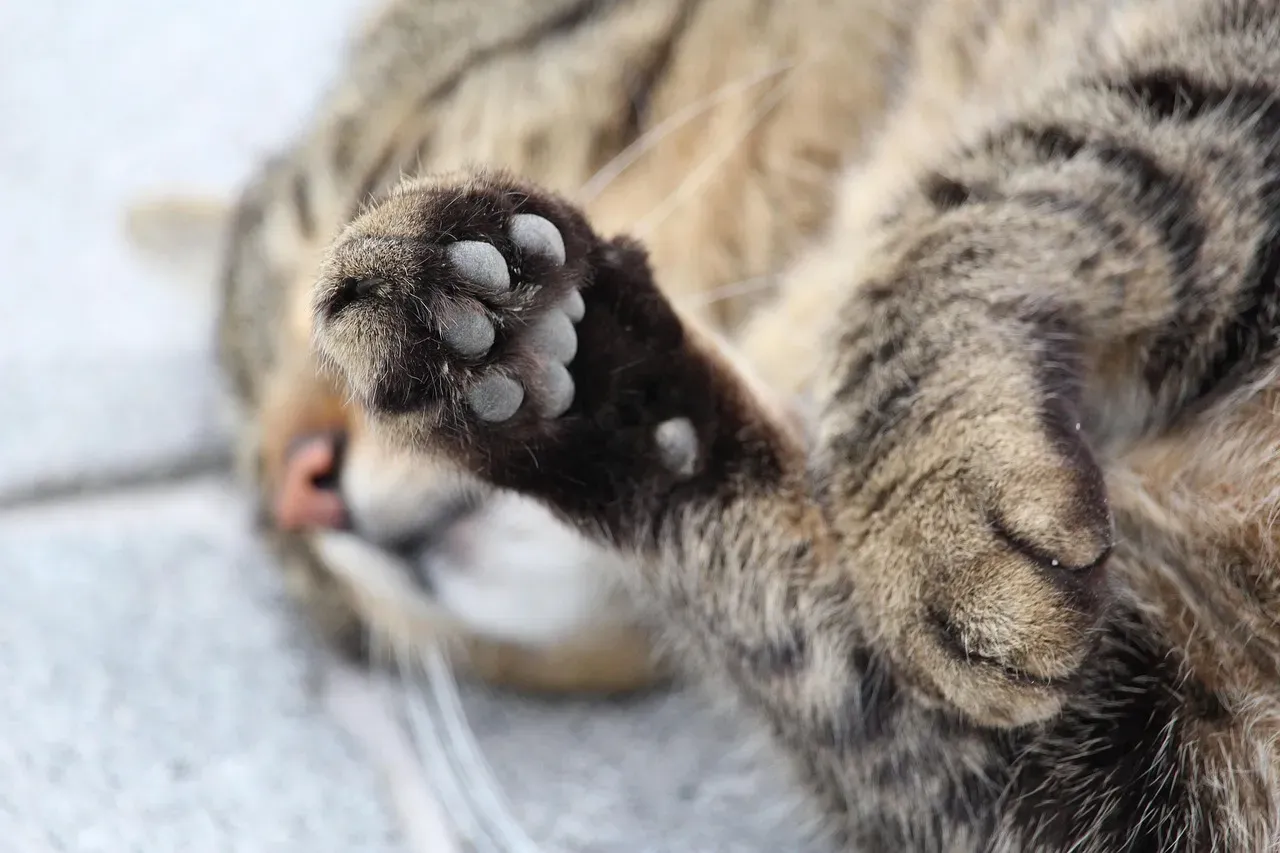
This one is shocking to most people when they learn the full truth. For decades, declawing was presented to cat owners as a routine, minor procedure – basically a fancier nail trim. Vets offered it as an add-on to spay and neuter surgeries. Many well-intentioned pet owners simply had no idea what was actually being done to their animals.
There’s a common misconception that declawing cats involves simply pulling out the nail and its root, but what actually takes place is an invasive surgical procedure. The veterinarian amputates the cat’s toes up to the first joint. For comparison, it’s the equivalent of cutting off the tips of all your fingers. That analogy tends to change things quickly for people. It’s not a nail trim. It’s an amputation.
Declawing is a painful, irreversible surgical procedure that amputates part of a cat’s toes. This often leads to chronic pain, behavioral issues, and long-term health problems. Many pet parents who’ve had this done in the past were unaware of the lasting harm it causes. I think this is one of those cases where the veterinary world let cat owners down for a long time – and thankfully, attitudes have shifted dramatically.
Although an estimated 1 in 4 cats in the U.S. have been declawed, the American Society for the Prevention of Cruelty to Animals (ASPCA) and the American Veterinary Medicine Association are opposed to and discourage this procedure as a means of stopping a cat’s natural scratching behavior. Major veterinary organizations now stand firmly against it. That’s a significant shift from even 20 years ago.
Most European countries, at least four U.S. states – New York, Maryland, Massachusetts, and Virginia – and many cities have now banned this procedure altogether. The legal landscape is changing fast. The good news is there are real, humane alternatives. Safer alternatives to declawing include scratching posts, regular nail trims, catnip toys, and calming sprays like Feliway. These options protect your furniture without permanently harming your cat.
What Does Modern Feline Science Actually Tell Us?

It’s worth stepping back and asking why these myths persisted so long. Honestly, it’s a mix of convenience, cultural habit, and a genuine lack of accessible scientific communication. Despite the growing preference for cats as companion animals, beliefs and misperceptions about them are still common. Cultural and sociodemographic aspects can influence society’s attitudes towards cats, affecting the way they are kept and cared for and, consequently, their welfare.
Although many people love cats, there is still a gap in knowledge about cats’ behaviors and needs, both in society in general and among guardians. Beliefs and misperceptions can influence how cats are perceived and treated, potentially impacting their welfare. The gap between loving your cat and truly understanding your cat is where so much unintentional harm occurs.
Modern feline research is fascinating and, in many ways, deeply reassuring. Your cat is not a cold, indifferent little machine. They have preferred social bonds, emotional needs, physical vulnerabilities tied directly to what you feed them, and a strong sense of their own identity – claws very much included. The science is there. We just have to be willing to update what we think we know.
How to Apply This Wisdom in Your Home Starting Today
Updating your cat care habits doesn’t need to be overwhelming. Start small. If your cat is currently on an all-dry diet, consider introducing wet food gradually – even a single wet meal per day dramatically increases their moisture intake. You can encourage cats to drink more by providing multiple, clean water stations throughout the home, trying an indoor drinking fountain specifically designed for cats, adding water to dry food, or feeding a food with a high moisture content.
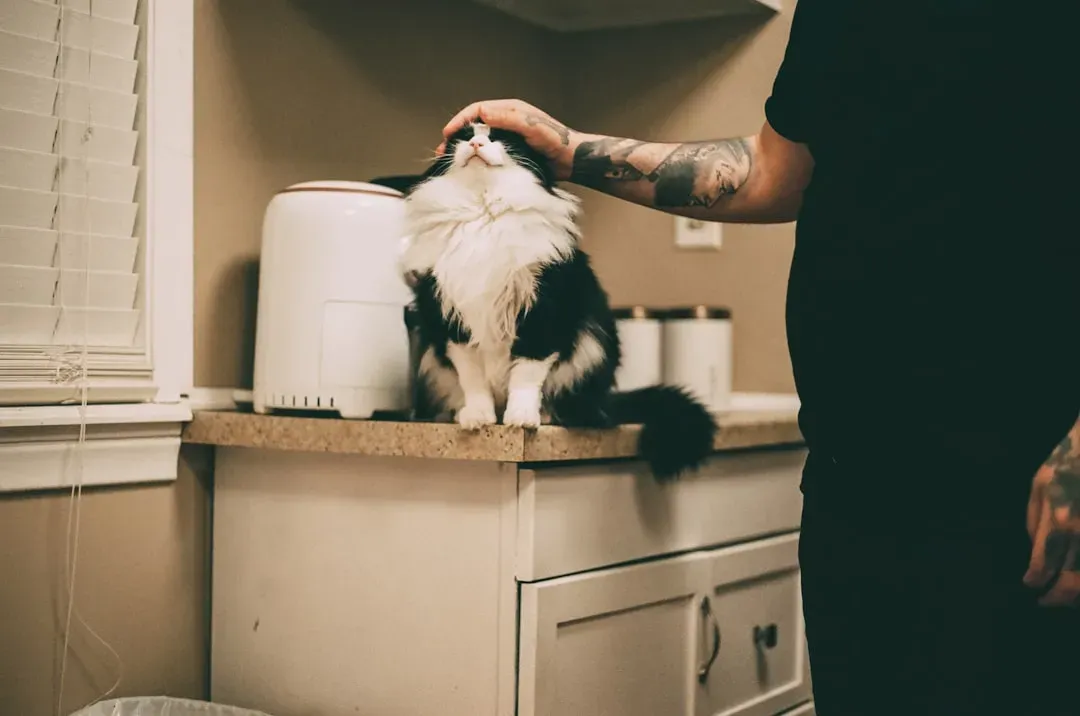
When it comes to social interaction, start paying attention to when your cat seeks you out. Research found that cats display a significantly higher orienting response – movement of ears and head – to their owner’s voice than to a stranger’s voice. Your cat absolutely knows who you are, responds to you specifically, and yes, they do care when you leave. Engaging with them daily through play, grooming, and simple presence matters more than most people think.
On the scratching front, invest in a quality scratching post before you ever consider anything more drastic. Scratching is normal cat behavior; it helps your cat stretch their muscles, shed the outer nail sheath from their claws, and mark territory. Redirecting that behavior is entirely possible with patience and the right tools. Your sofa doesn’t have to be a casualty, and your cat doesn’t have to suffer for it.
Conclusion: Your Cat Deserves Better Than Yesterday’s Advice
We owe it to our cats to keep learning. The old tips we’ve carried around for years – dry food only, cats don’t need companionship, declawing is fine – were not born from cruelty. They were born from ignorance, and that’s something every generation has the chance to fix. The research is clearer now than it’s ever been.
Your cat is a complex, emotionally intelligent, physically vulnerable creature who depends entirely on the choices you make for them. Hydrate them properly. Engage with them genuinely. Protect their bodies from unnecessary harm. That’s not complicated – it’s just informed love. And honestly, isn’t that what sharing your home with an animal should always be about?
What outdated cat care tip surprised you the most? Drop your thoughts in the comments – your experience might help another cat owner reconsider something they’ve always taken for granted.