You might think you know your cat pretty well. You’ve memorized their favorite napping spots, you recognize the sound of their footsteps on hardwood floors, and you can tell when they’re demanding dinner at precisely five o’clock. They seem content, healthy, and totally predictable.
Here’s the thing, though. Your feline companion is constantly sending signals you might be missing. Some of these messages are sweet little love notes, while others are urgent warnings that something isn’t quite right. Cats communicate in ways that are far more subtle than dogs, and they’re absolute experts at masking discomfort or illness. Let’s be real, if you’re not tuning into their unique language, you could be overlooking signs that deserve your attention.
That Slow Blink Isn’t Just Sleepiness
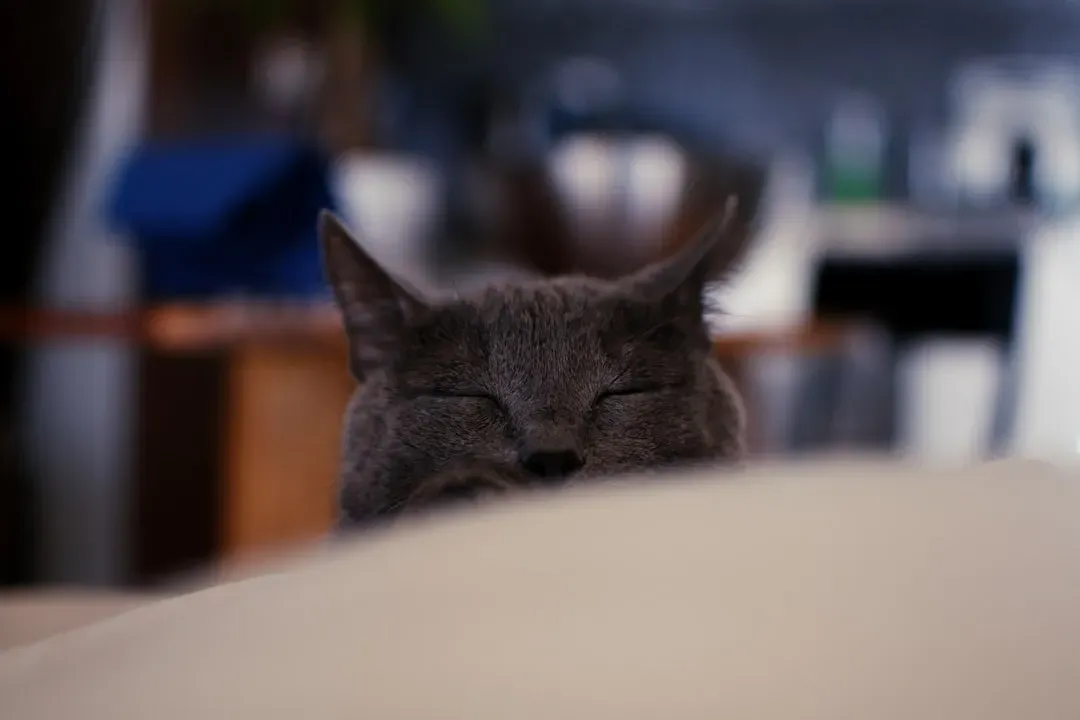
If your cat gives you slow, deliberate blinks, it’s their way of saying they trust you. Cats often slow-blink when they’re comfortable and feel safe in their environment. Think of it as a feline kiss. This simple gesture reveals volumes about how your cat perceives you and the bond you share.
Cats blink slowly to show affection and relaxation. If a cat blinks slowly at you, they are not threatened by you, in fact, they trust you. You can actually communicate back by returning this gesture. Try slowly blinking at your cat and watch what happens. It’s a beautiful, quiet conversation that strengthens your connection without a single word.
When Purring Doesn’t Mean Happiness
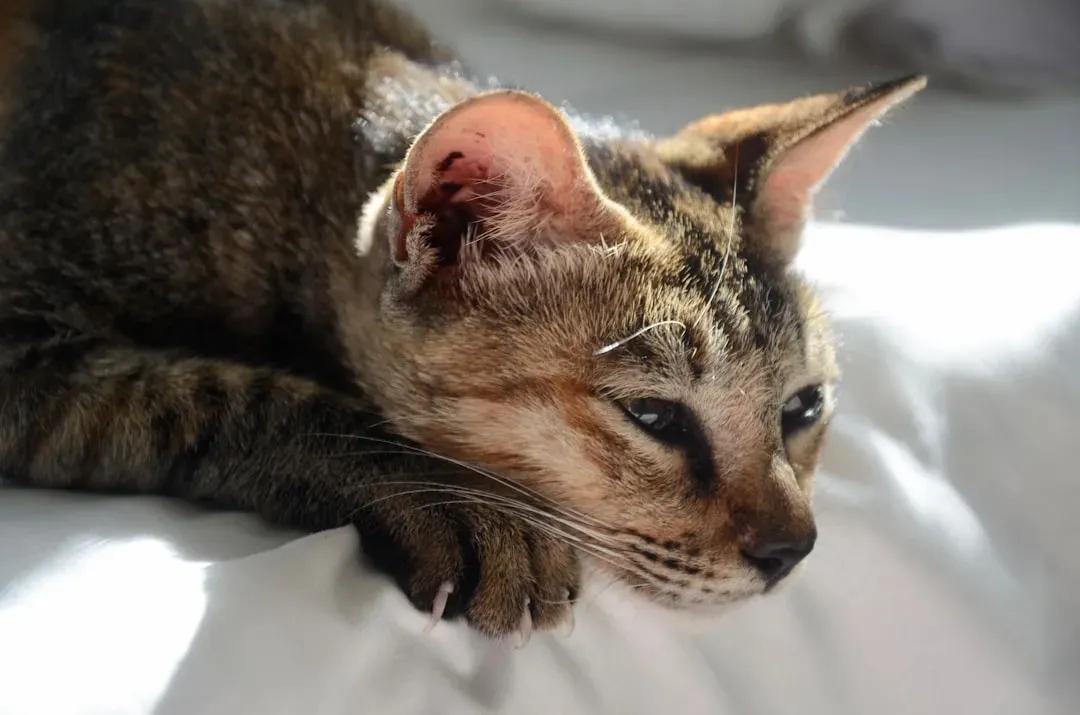
Most people assume a purring cat is a happy cat. Purring is generally a sign of contentment, but it can also indicate pain or stress. This is one of those contradictory signals that makes feline behavior so fascinating and sometimes frustrating to decode.
Cats also purr when they are frightened, such as during a vet visit or when exposed to an unfamiliar environment. This is a form of self-soothing. It’s hard to say for sure, but experts believe purring can act as a comfort mechanism when cats are anxious or even injured. Pay attention to the context and your cat’s overall body posture. If they’re purring while hiding, tensed up, or showing other signs of distress, something else is going on beneath the surface.
Airplane Ears Are a Warning Signal

Watch for “airplane ears,” when your cat’s ears go flat to the sides. This position got its nickname because the ears stick out horizontally, resembling airplane wings. It’s not cute, though. It’s a clear indication that your cat is stressed or anxious.
Flattened or backward ears can be a sign of fear, aggression, or discomfort. When you spot this ear position, take a step back and assess the situation. Your cat is telling you they need space or that something in their environment is making them uncomfortable. Ignoring this signal can escalate stress and potentially lead to defensive behavior.
Excessive Grooming or Lack of Grooming
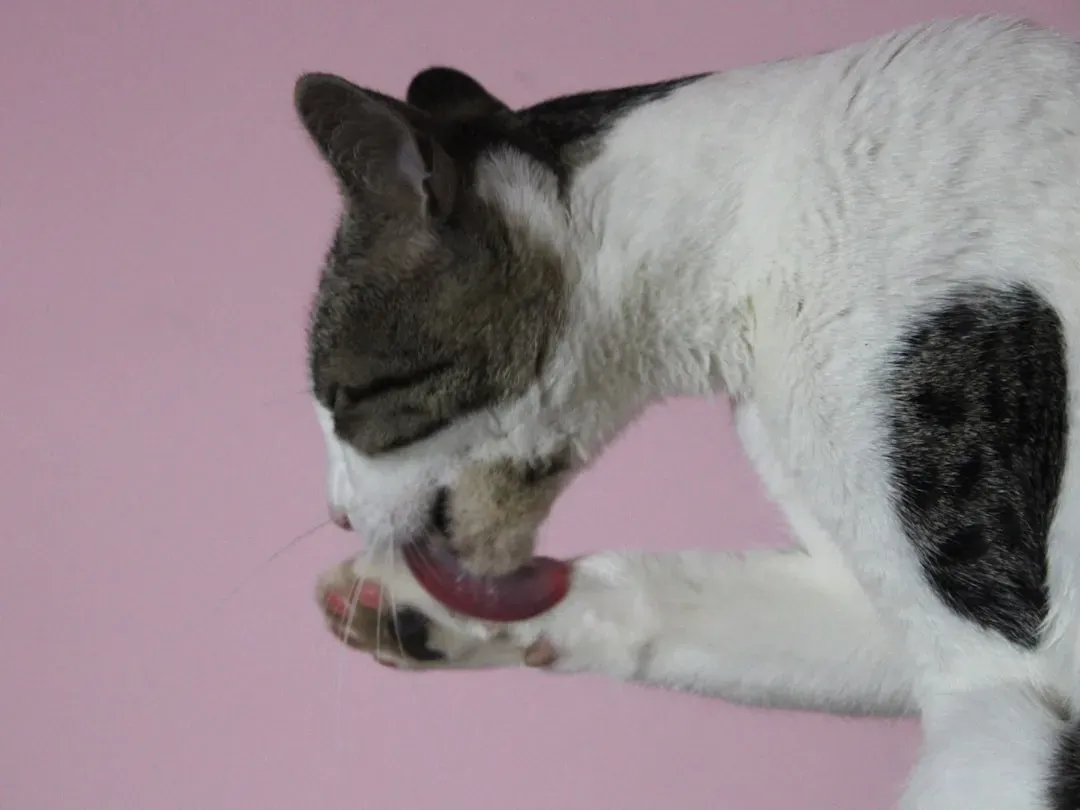
Over-grooming or hiding more often are also signs of anxiety. While cats are naturally fastidious creatures, obsessive licking can point to underlying stress or even skin problems. You might notice bald patches or reddened skin where they’ve been focusing their attention.
On the flip side, a decrease in grooming is equally concerning. Typically, cats are fastidious groomers. Patches of hair loss or a greasy or matted appearance can signal an underlying disease. If your cat’s coat suddenly looks dull, matted, or unkempt, it could indicate anything from arthritis making it painful to groom, to more serious illnesses affecting their overall wellbeing.
Changes in Litter Box Habits
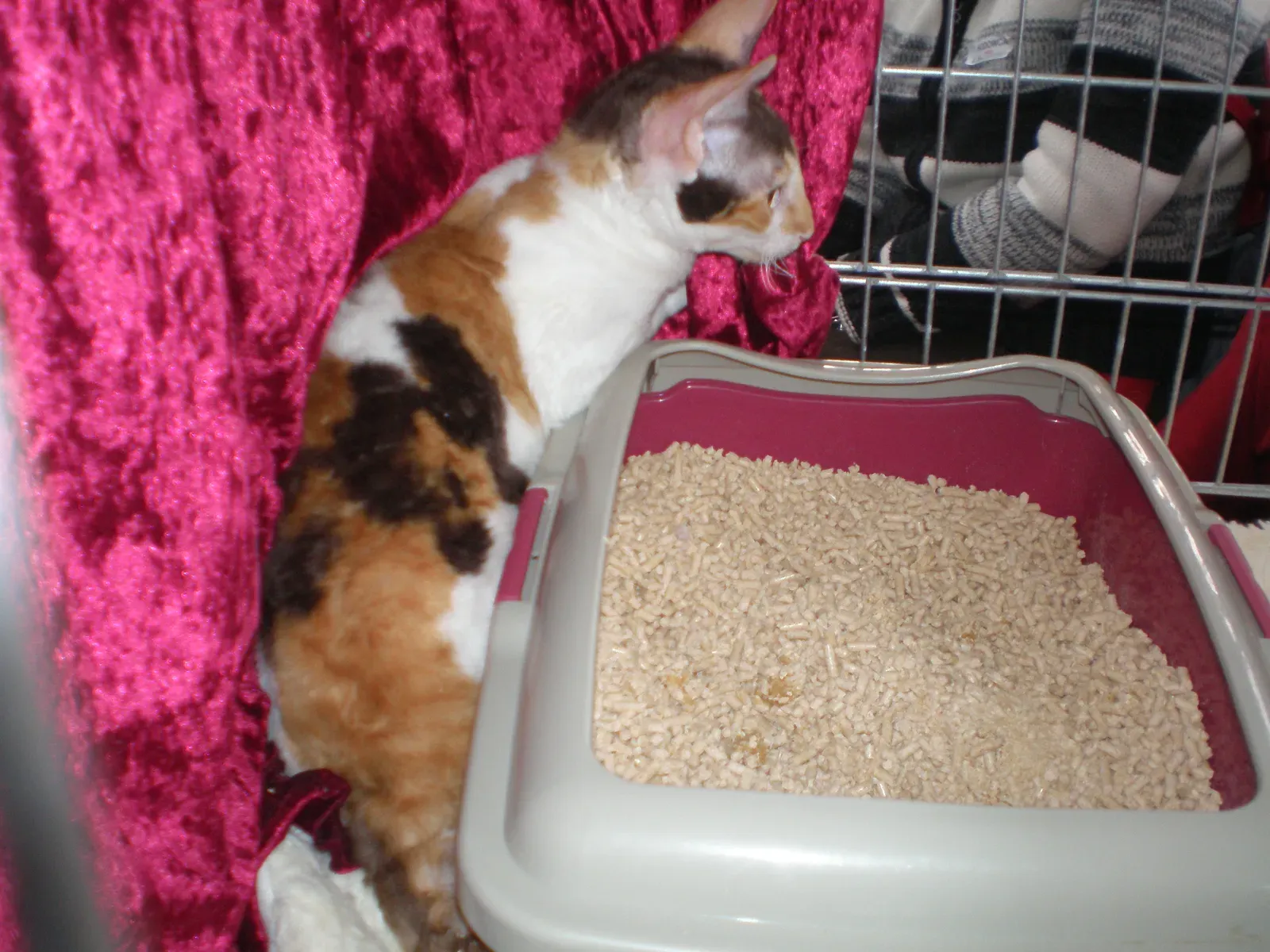
Inappropriate urination and defecation often accompany an underlying medical condition and do not occur “for spite.” A cat that is urinating inappropriately may have any number of conditions associated with the behavior, including lower urinary tract disease, kidney disease, urinary tract infection and diabetes mellitus. Honestly, this is one area where you absolutely cannot afford to ignore the signs.
Straining in the litter box, crying during elimination, or avoiding the box altogether are red flags. A cat who squats without peeing or only produces a small amount of pee, cries when in the litter box, or passes blood in their pee may have a urinary tract infection. Some of these conditions can become life-threatening emergencies if left untreated, so veterinary attention should never be delayed.
Subtle Changes in Appetite or Water Intake
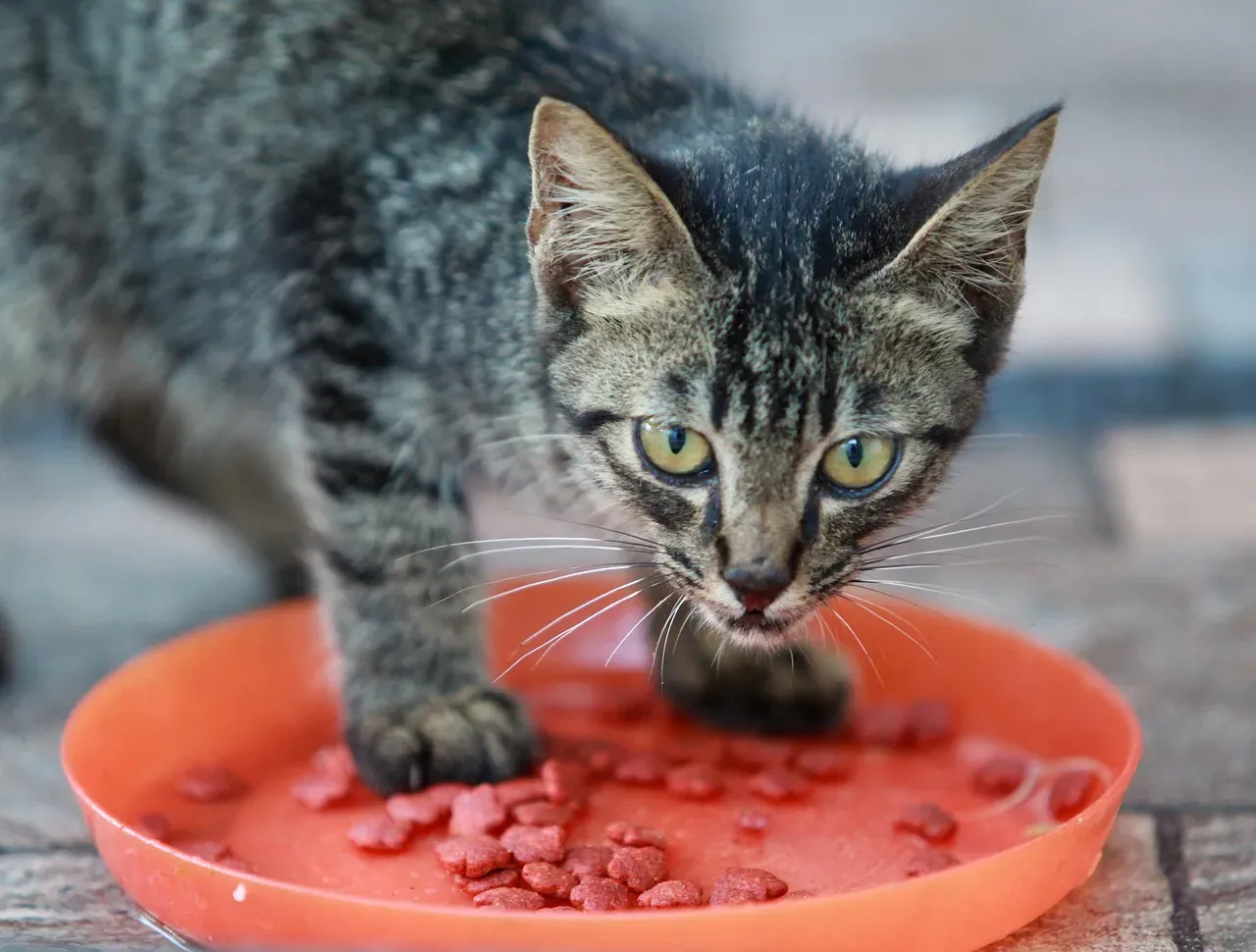
Decreased food intake can be a sign of a number of disorders, ranging from poor dental health to cancer or kidney disease. Maybe your cat is approaching their food bowl but backing away without eating. Perhaps they’re suddenly ravenous all the time despite maintaining or losing weight.
Increased water intake can be an early indicator of thyroid problems, kidney disease, diabetes, or other problems. This particular sign can be tricky to spot, especially if you have multiple pets or if your cat drinks from unconventional sources. Keep an eye on how often you’re refilling the water bowl. An increase that seems out of the ordinary deserves a conversation with your vet.
The Tail Tells the Tale
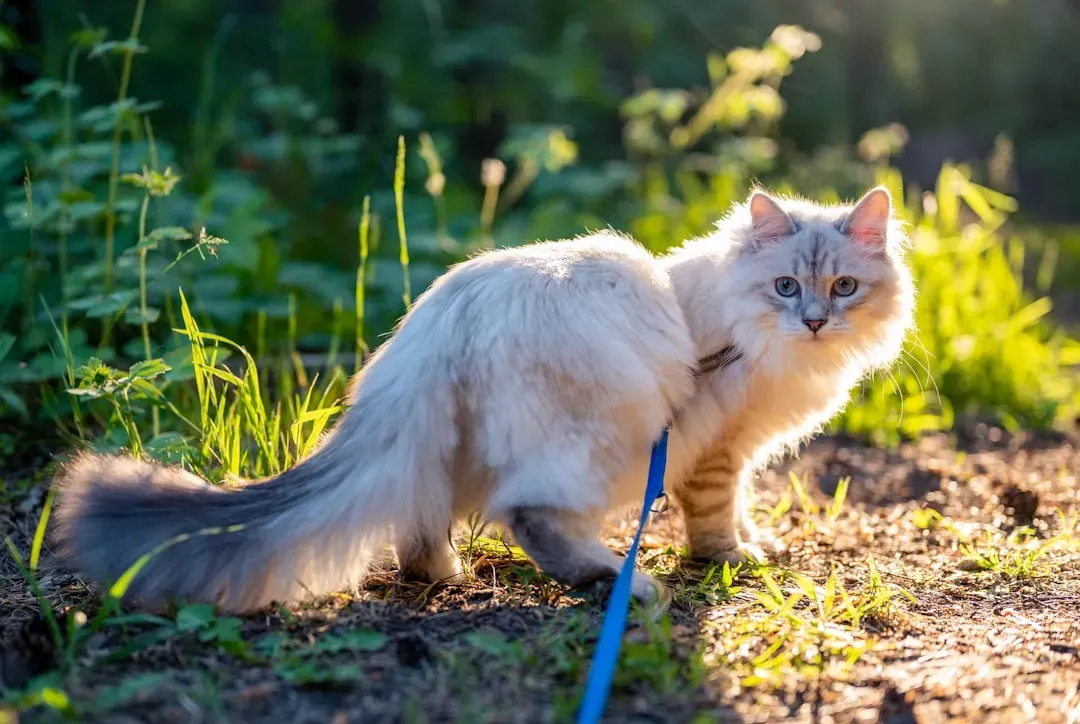
A cat’s tail is a powerful communication tool. From its position to its movements, your cat’s tail can reveal a lot about how they’re feeling. A tail held high usually signals confidence and friendliness, while a tail tucked low or wrapped around the body suggests fear or anxiety.
Cats who are engaged in hunting behaviors will often flick their tail from side to side as they watch whatever is captivating their attention. However, a flicking tail when the cat is not stalking something most likely means that the cat is annoyed. The context matters tremendously. A thrashing tail during petting time? Your cat is telling you they’ve had enough. Time to back off before you get a swat or a nip.
Hiding More Than Usual
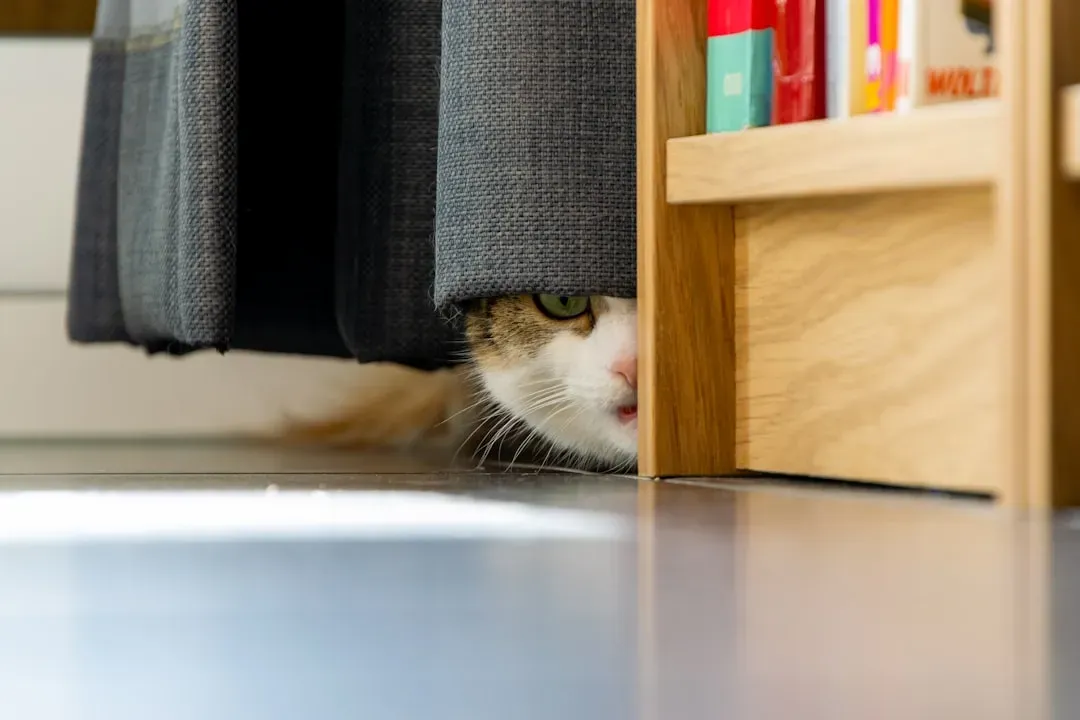
Sick cats usually become withdrawn and may hide, although this depends on the personality of the individual cat. Some cats become clingier or demand more attention, while others just become cranky. If your normally social cat suddenly starts spending hours under the bed or in the closet, something’s definitely up.
Cats instinctively hide when they are not feeling well, making it difficult for pet parents to detect certain health issues early. This survival instinct comes from their wild ancestors, who learned that showing weakness made them vulnerable to predators. Your domestic cat still carries those instincts, which means they’ll try to conceal illness until they simply can’t anymore.
Dilated Pupils in Normal Lighting
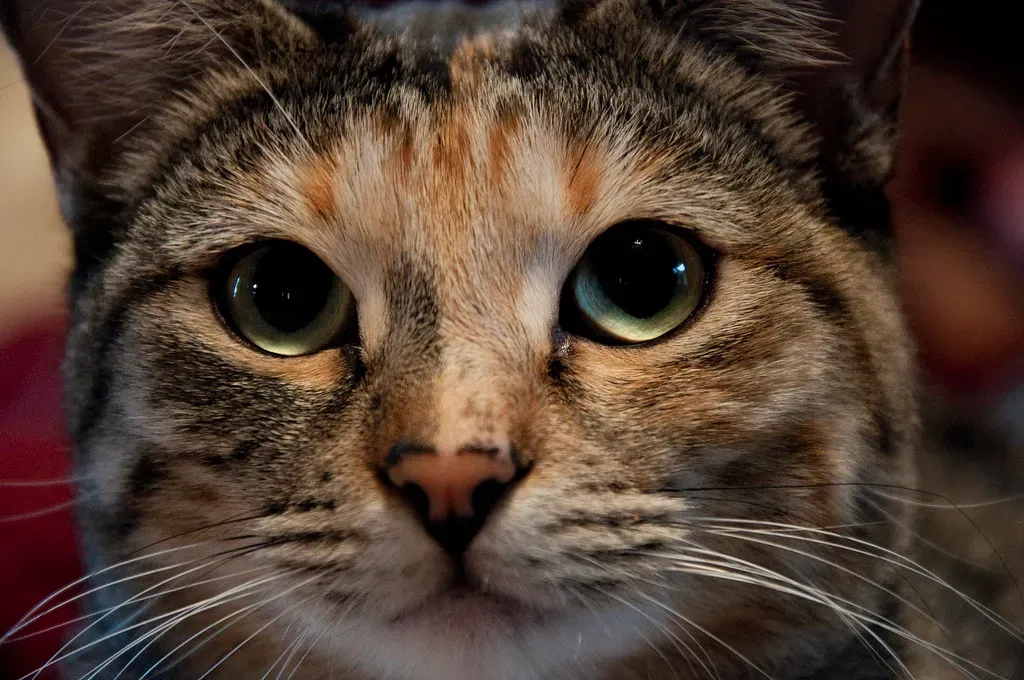
Dilated pupils can mean a variety of things. When your cat’s pupils suddenly enlarge, it could be because they’re feeling excited, playful, or even fearful. In dim lighting, dilated pupils are perfectly normal. During playtime, those big eyes signal that hunting mode has been activated.
However, persistently dilated pupils in normal lighting conditions can indicate stress, fear, or pain. Cats are extremely good at hiding illness, so small feline body language cues can be the first signs of trouble. A cat who’s feeling sick might hold their head low and squint their eyes or hold them shut. If your cat’s eyes look consistently different and you can’t pinpoint an obvious cause like play or excitement, it’s worth investigating further with a professional.
Conclusion: Trust Your Instincts
Your cat is communicating with you constantly, whether through deliberate slow blinks, the position of their tail, or changes in their daily routines. Some of these signals are expressions of trust and affection, while others are urgent pleas for help or signs that something is medically wrong. Cats are subtle and complicated in the way they communicate but taking time to learn their body language can help to strengthen the relationship with your cat. Learning the signs that they are happy, or when they just want to be left alone, can be a big help to you both.
Nobody knows your cat better than you do. If something feels off, even if you can’t quite put your finger on what it is, trust that instinct. Those subtle cues your cat is sending might seem insignificant at first glance, but they could be the difference between catching a health issue early and facing a serious crisis. What subtle sign has your cat been showing you lately? Have you been paying attention?