Picture a wildcat so secretive that most Texans have never seen one, and likely never will. It moves under the cover of darkness, slips through dense thornscrub like a ghost, and leaves almost no trace of its presence. Yet earlier this year, a trail camera at one of South Texas’s most important wildlife refuges caught this very animal on video – and the footage set the conservation world buzzing.
The animal in question is the ocelot, one of North America’s most beautiful and most endangered wildcats. Fewer than 100 ocelots remain in the United States, as their numbers have declined due to habitat destruction for farmland, urban growth, and hunting. With numbers that low, every confirmed sighting carries real weight. So let’s dive in.
A Rare Moment Captured on Camera
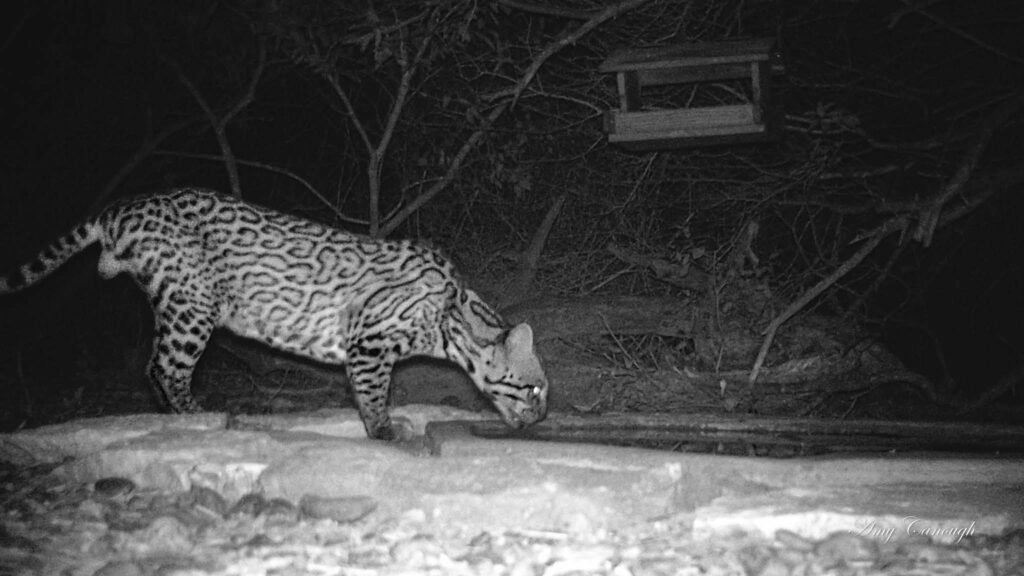
On January 19, a significant and rare moment occurred at the Laguna Atascosa National Wildlife Refuge in South Texas, when a male ocelot was caught drinking water near a bird feeding station. The footage was shared widely on social media and quickly captured the attention of wildlife enthusiasts across the country.
Amanda De Leon shared on social media that a park host at Laguna Atascosa National Wildlife Refuge had captured footage of a male ocelot drinking water near one of the Visitor Center’s bird feeding stations. Honestly, it’s the kind of moment that reminds you just how wild and wonderful the natural world still is, even right in someone’s backyard.
The image, captured by a park host, not only showcased the rare beauty of the ocelot but also highlighted the ongoing conservation efforts aimed at preserving this endangered species. For researchers who spend years in the field hoping for a single glimpse, footage like this is nothing short of extraordinary.
What Makes the Ocelot So Elusive
The ocelot has earned a well-deserved nickname among researchers in South Texas. The animal is nicknamed “the ghost cat” because of its secretive, nocturnal nature. Think of it like trying to find someone in a city of millions who only leaves their apartment after midnight and always takes back alleys. That’s what tracking an ocelot feels like.
The ocelot is an elusive and secretive wildcat that has been a subject of fascination for conservationists and wildlife enthusiasts. These nocturnal creatures are known for their distinctive coat patterns, which serve as a form of camouflage in their natural habitats. Their ability to blend seamlessly into dense vegetation makes them almost impossible to detect without the help of modern technology.
Ocelots inhabit the Tamaulipan thornscrub forest. They den in the cover of hollow trees, caves, and dense thickets, and prey on small mammals, birds, and reptiles. It’s a lifestyle perfectly designed for staying invisible, which is part of why even trained biologists rarely catch a glimpse of one in person.
A Population on the Brink
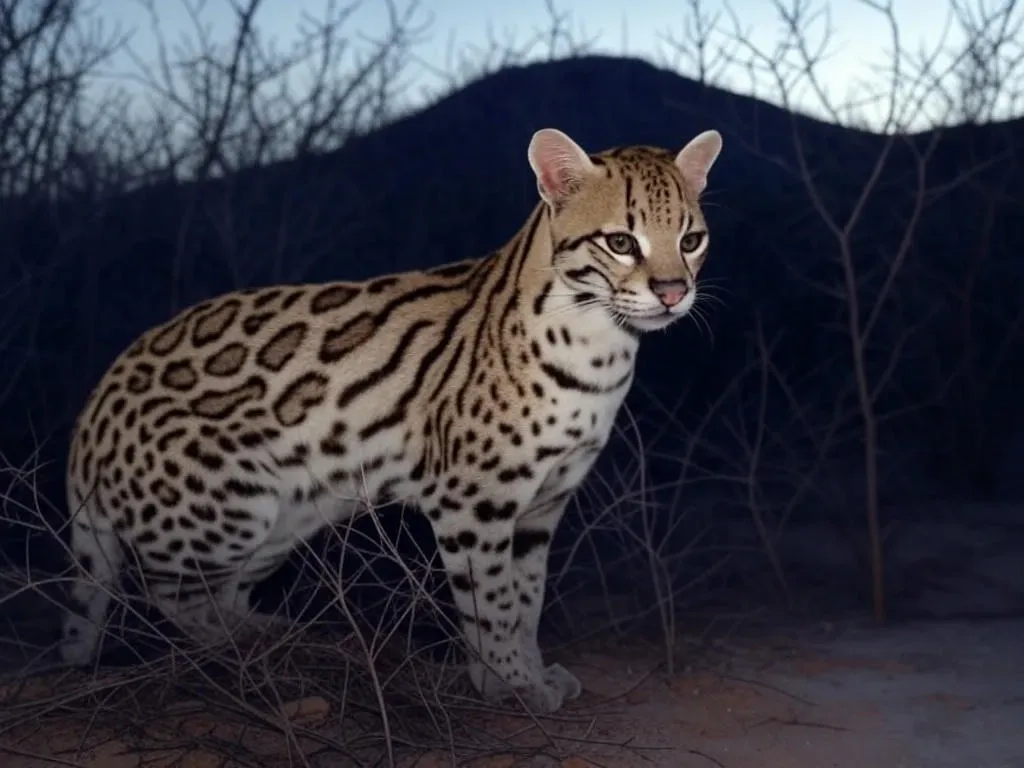
The fewer than 100 known ocelots in Texas primarily survive in two isolated breeding populations. The larger population, known as the Ranch Population, is located in Willacy, Kenedy, and Kleberg counties. The smaller Refuge Population lives in and around Laguna Atascosa National Wildlife Refuge in Cameron County.
Historically found across Texas, Louisiana and Arkansas, ocelots’ range and population have diminished due to hunting, trapping, poisoning, vehicle strikes, inbreeding and habitat loss. The story of how a wildcat that once roamed an entire region was pushed into a tiny corner of one state is a sobering one.
Despite the ongoing efforts to protect these wildcats, there are still many unknowns when it comes to the exact size and distribution of the ocelot population. The exact size and distribution of this population remain unknown due to lack of large-scale systematic surveys for ocelots on private property. That gap in data makes conservation planning far harder than it needs to be.
The Threats Driving Them Toward Extinction
Here’s the thing – ocelots aren’t struggling for one simple reason. It’s a combination of pressures piling on all at once. The biggest threat to the ocelot’s survival is the degradation and loss of habitat caused by industrial development, agricultural development and urbanization, and vehicular traffic.
Farmers and developers have cleared roughly nineteen-twentieths of their thornscrub habitat in the U.S., and thornscrub in the Rio Grande Valley – one of the cat’s last U.S. strongholds – is disappearing at an alarming rate. That kind of habitat loss doesn’t happen overnight, but once it’s gone, it’s incredibly difficult to restore.
The biggest threat to ocelots is the loss of habitat from expanding development. Roads present a particular hazard, as car strikes are the leading known cause of death of ocelots in Texas. Ocelots have suffered heavy mortality around Laguna Atascosa due to road collisions, and the two populations no longer exchange individuals. This lack of gene flow has dire implications: both populations appear to be becoming inbred.
Identifying Individual Ocelots and Record-Breaking Counts
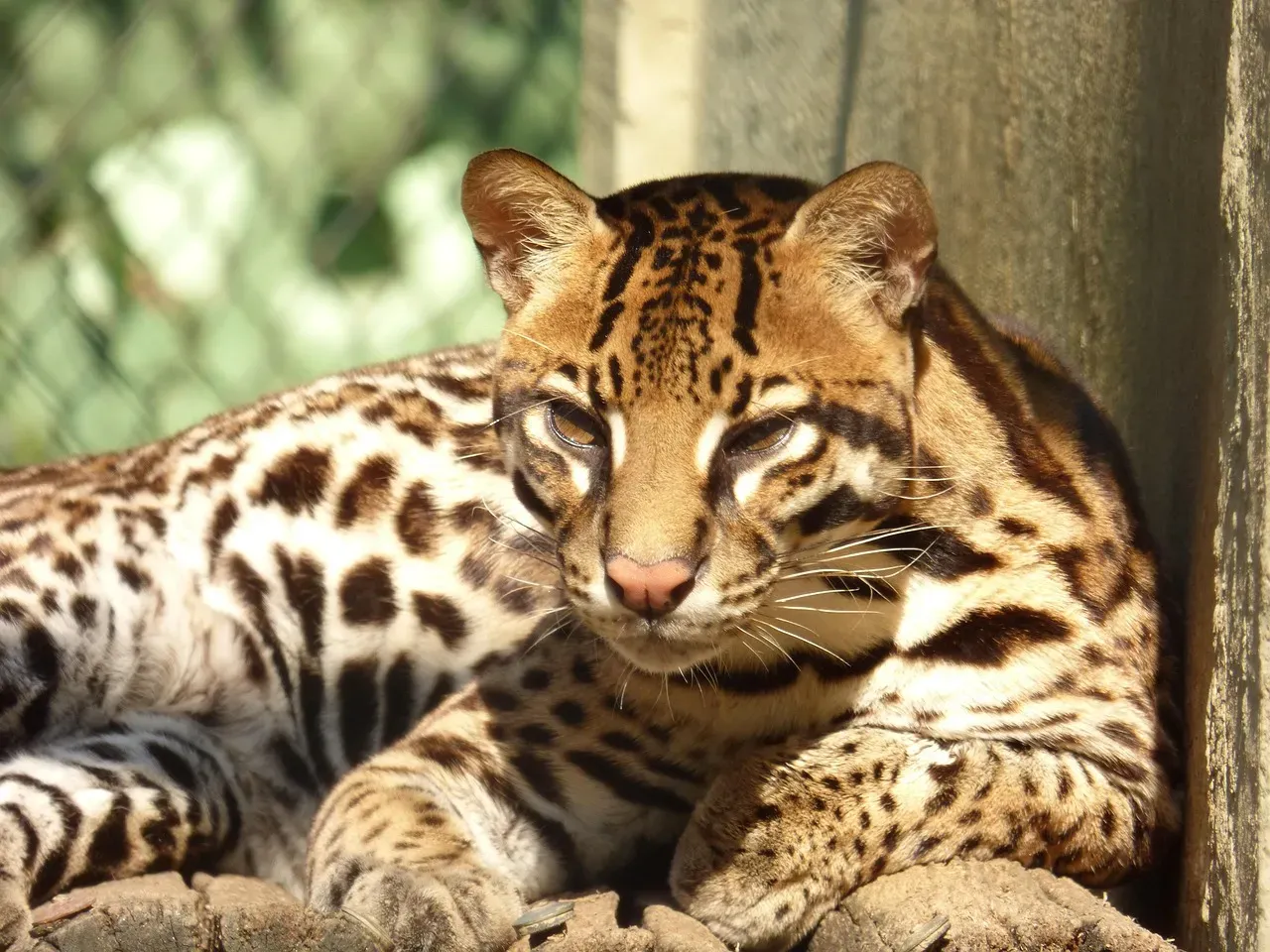
One of the most fascinating aspects of ocelot research is how scientists tell individuals apart. It sounds complicated, but the answer is surprisingly elegant. Each ocelot has a unique fur pattern, which can be used to identify individuals, much like human fingerprints.
In April, a record number of ocelots were documented at the Laguna Atascosa refuge. Researchers managed to capture footage of 22 ocelots, some of which were tagged with collars to track their movements. This surge in sightings has been attributed to better monitoring techniques, including the use of trail cameras at strategic locations.
Hunter Vasquez, an undergraduate at Texas A&M Kingsville, explained that it was relatively easy to distinguish the cats once he got a good look at them on camera traps he had set up at water guzzlers on the refuge. “Their spot patterns are almost like fingerprints,” he noted. “They are very unique from one another. So, it makes it pretty easy for me, at least, to identify and tell each of them apart.”
What Recovery Actually Requires
Let’s be real about the scale of the challenge here. Reaching a safe, self-sustaining population is not just a matter of protecting what’s left. For ocelots to achieve recovery, there needs to be at least 200 ocelots in the wild in Texas for a minimum of 10 years. The current count sits below half of that threshold.
With the partnership of the Laguna Atascosa National Wildlife Refuge, the USFWS, and the Lower Rio Grande Valley National Wildlife Refuge, they have preserved more than 200,000 acres of land, are growing new native plants to ensure ocelot habitat, and have installed trail cameras to monitor movement and growth. That collaborative effort represents years of sustained work and serious funding.
The U.S. Fish and Wildlife Service and the Texas Department of Transportation are also working together to try and reduce ocelot road mortality by installing ocelot underpasses under roads where ocelots are known to frequently cross. Meanwhile, the USFWS awarded the Caesar Kleberg Wildlife Research Institute a $12.2 million contract to operate a captive breeding program aimed at eventually reintroducing new individuals into the wild. These are not small gestures. They represent a genuine, multi-pronged commitment to pulling this species back from the edge.
The ocelot’s January appearance at Laguna Atascosa is more than just a beautiful wildlife moment shared on social media. It’s a reminder that some of the most extraordinary animals on the continent are still hanging on – barely – in a small sliver of South Texas. Every ocelot sighting in Texas is rare. Each one matters deeply to researchers, conservationists, and the future of the species.
The road to recovery is long, complicated by habitat loss, road deaths, inbreeding, and industrial pressures. As trail cameras start to capture more images of ocelots, it is likely they will be used to raise more funding to continue growing the local population, ultimately driving progress for this endangered species. That may be one of the most important reasons to celebrate footage like this – not just for the wonder of it, but for what it might inspire others to do.
A wildcat with fewer than 100 individuals left in an entire state is living on borrowed time. The question is whether human action will be enough, and whether it will come soon enough. What do you think – does footage like this change how people feel about protecting endangered wildlife? Tell us in the comments.