In the waters off the southeastern U.S. coast, researchers have spotted a promising uptick in North Atlantic right whale births during the early months of 2026.
A Welcome Surge in Newborns
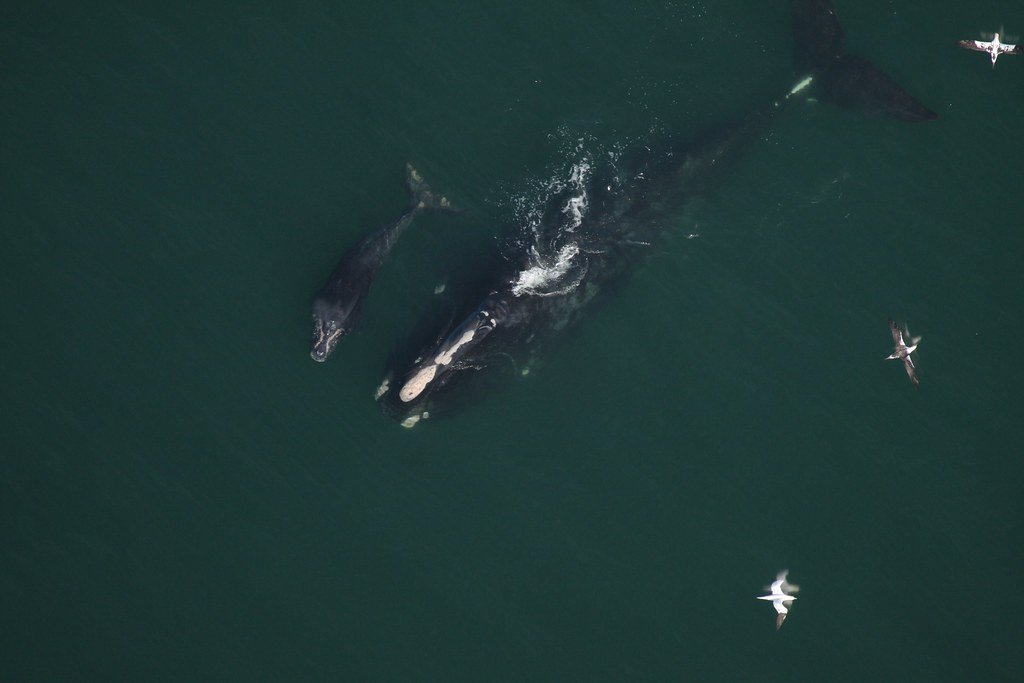
Biologists tracking the critically endangered species confirmed the sighting of 15 calves this winter, a figure that exceeds early counts from previous seasons. This development marks a positive shift for a population long teetering on the brink. Experts from organizations like the New England Aquarium described the increase as a rare bright spot amid years of decline.
The calves, often seen swimming closely with their mothers, represent new life in a group that has faced relentless pressures. Scientists noted several first-time mothers among the group, alongside females who calved at intervals shorter than the typical three years. Such patterns suggest improving conditions for reproduction, though the team emphasized that sustained monitoring remains essential.
These observations, gathered through aerial surveys and vessel-based efforts, highlight the dedication of conservationists working to document every individual. The higher birth rate could help bolster genetic diversity in the small population.
Population Growth Takes Root
By the end of 2024, the North Atlantic right whale numbered around 384 individuals, reflecting a modest 7% rise since 2020’s low of 358. This slow but steady climb continued into 2025, with experts attributing it to targeted interventions. For the first time in years, births outpaced deaths in recent tallies, offering a foundation for optimism.
Conservation groups, including the North Atlantic Right Whale Consortium, reported that the species had stabilized after a decade of losses. However, the total remains perilously low, with only about 70 breeding females capable of sustaining the group. Researchers stressed that while the growth is encouraging, it does not yet signal full recovery.
Factors Fueling the Uptick
Several elements appear to contribute to the increased calving. Warmer ocean temperatures in key foraging areas may have enhanced prey availability, supporting healthier females during gestation. Efforts to reduce entanglements in fishing gear have also played a role, allowing more whales to reach breeding age unscathed.
Regulatory measures, such as speed restrictions for vessels in whale habitats, have curtailed deadly collisions. Scientists observed that some mothers entered the breeding pool earlier than expected, possibly due to these protections. Still, the interplay of environmental and human factors requires ongoing study to predict future trends.
- Improved prey abundance in summer feeding grounds.
- Fewer entanglements from modified fishing practices.
- Reduced ship strikes through mandatory slow zones.
- Increased monitoring via satellite tags and drone technology.
- Collaborative international agreements on whale-safe shipping routes.
Persistent Threats Demand Action
Despite the birth increase, the North Atlantic right whale faces existential risks from human activities. Entanglements and vessel strikes continue to claim lives, with climate change exacerbating habitat shifts. Experts warned that without stronger enforcement, the population could plummet again by the 2030s.
Advocacy groups called for expanded gear modifications in fisheries and broader no-speed zones along migration paths. The 2025-2026 season’s success underscores the impact of current rules, but biologists urged immediate steps to address emerging pressures like offshore wind development. International cooperation remains crucial, as these whales migrate across U.S. and Canadian waters.
Key Takeaways
- The 15 confirmed calves signal a vital boost, but the population hovers at just 384 whales.
- Conservation efforts have driven a 7% growth since 2020, yet threats like entanglements persist.
- Sustained protections are essential to prevent extinction and ensure long-term recovery.
As these majestic creatures navigate uncertain seas, the recent calf sightings remind us of nature’s resilience when given a chance. Protecting the North Atlantic right whale demands collective vigilance to turn this glimmer of hope into a lasting revival. What steps do you believe are most urgent for their survival? Share your thoughts in the comments.