Cats are fascinating, complex little creatures. You can share a home with one for years and still wonder – is my cat actually happy? Honestly, it is a question more cat owners wrestle with than they would like to admit. Unlike dogs, who practically wear their emotions on a wagging tail, cats operate on a whole different frequency. Subtle, layered, and deeply personal.
While cats don’t express happiness as openly as dogs do, their subtler cues are just as meaningful – ranging from audible signals like purring to body language and playful behavior. The trick is learning how to read them.
Here is the thing: once you know what to look for, your cat’s emotional world suddenly opens up like a book you never knew was there. You will start noticing tiny signals you have been overlooking for years. Some of them will genuinely surprise you. Let’s dive in.
1. The Slow Blink – Your Cat’s Version of “I Love You”
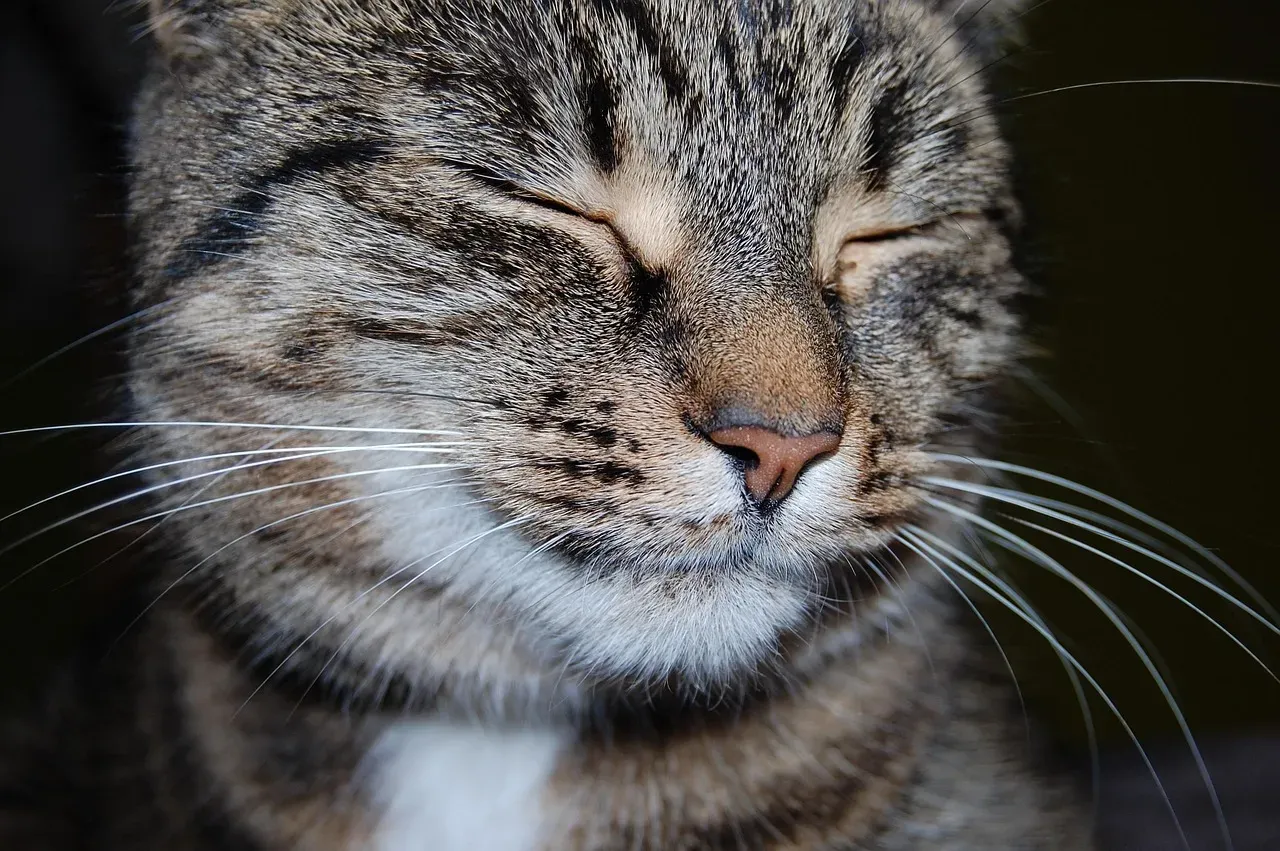
Let’s be real – when a cat locks eyes with you and slowly closes their lids, most people just think they look sleepy. What you are actually witnessing is one of the most meaningful acts of trust in the feline world. Slow blinking is a fascinating form of feline communication that essentially says, “I trust you, and I’m super relaxed right now.” It is like the feline version of a warm hug. When your cat slow-blinks at you, they are signaling that they feel safe and content in your presence.
Blinking may seem like the most common and mundane motion to us, but for cats, it is a sign that they trust you. When they are blinking, their guard is down, and that shows they are content and happy. Think of it this way: in the wild, closing your eyes is enormous vulnerability. Your cat is essentially telling you, “You are safe. I am safe. This moment is good.” A slow blink is a sign of a relaxed cat, and it is a great idea to slow blink right back. Try it tonight. You might just get one in return.
2. The Question Mark Tail – A Greeting Worth Recognizing
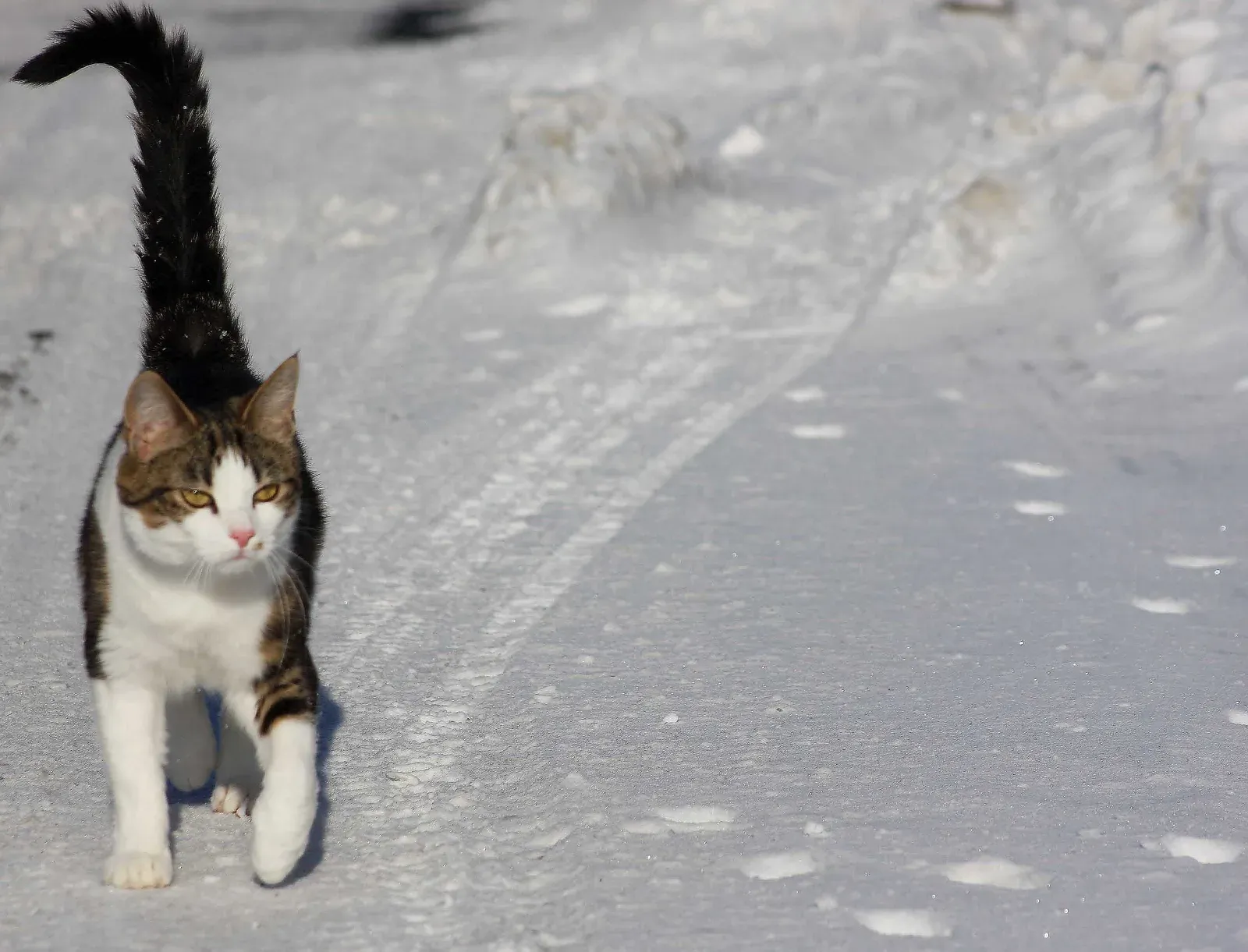
Your cat’s tail is a communication powerhouse. A tail held upright with a gentle curl at the tip signals confidence and friendliness. If they approach you this way, it is a clear “hello” from your kitty. It is one of the most overlooked happiness signals in the entire feline body language dictionary, and once you start noticing it, you will see it constantly.
When it comes to cat body language, your feline companion can show their mood through their tail. While they don’t wag it like dogs do, their tail forms into a hook-shaped or question mark shape, which signals that your cat is feeling good and happy. “When a cat comes at you with a question mark tail, they are telling you that they are up for an interaction,” according to veterinarians. “They’re curious about you, yet feel safe and content with you around.” That curled tip is basically a waving hand. Do not walk past it without acknowledging it.
3. Kneading, or as Cat People Say, “Making Biscuits”
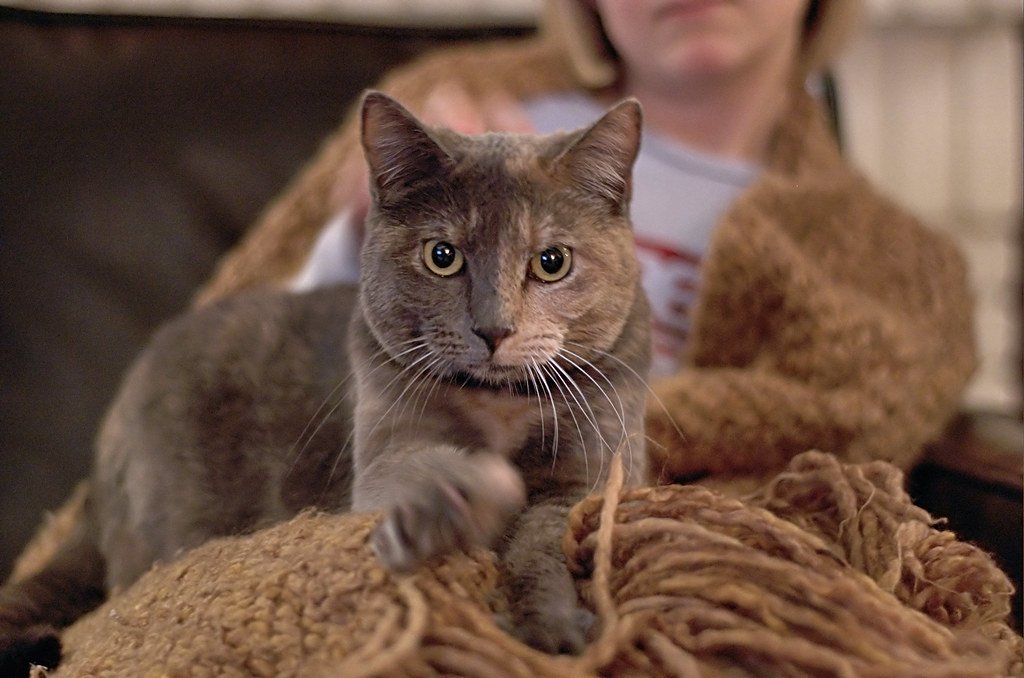
Kneading often accompanies purring. It is known by a variety of names, including “making biscuits,” because cats make the same motion with their paws as if they were kneading dough. Cats might knead a blanket, their favorite people, or something soft, and it is often the height of contentment. Thought to be a throwback to the security that kittens feel when kneading on their mother, kneading is a clear sign that a cat is extremely happy.
Kneading is also an instinctive skill rooted in early life. Kittens knead while nursing to increase the flow of their mother’s milk. The happy feelings cats associate with nursing – safety and nourishment – are believed to be connected with kneading during adulthood. So when your cat is rhythmically pressing their paws into your lap at ten o’clock on a Tuesday night, they are not being weird. They are, in the sweetest possible way, telling you that being near you feels like home.
4. Purring – That Gentle Motor Means More Than You Think
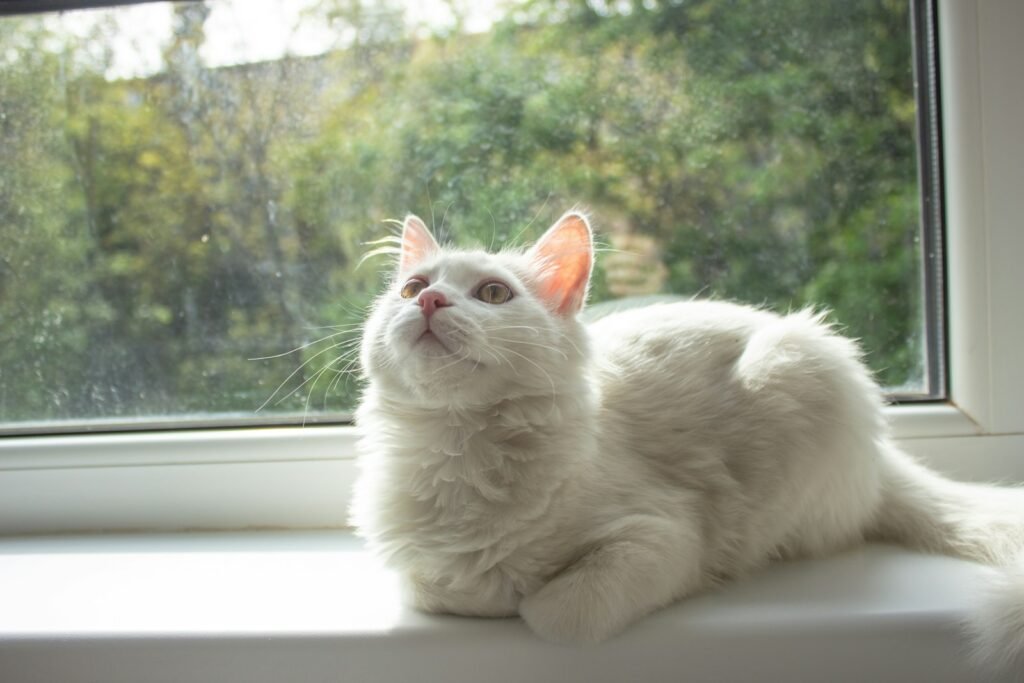
In many cases, soft, gentle purrs signal your cat’s satisfaction with the world, providing an audible sign of her contentment. But purring doesn’t always indicate happiness – some cats also purr when they are hungry or stressed. This is one of those nuances that separates casual cat observation from genuine feline understanding. Context is everything. Think of it like a human sigh – it can mean relief, exhaustion, or even joy, depending on the moment.
The key is to consider purring in context with other clues, like your cat’s body language and demeanor. As you get to know each other, you will learn to differentiate between your cat’s happy or hungry purrs, even if no one else can. When purring is paired with relaxed posture, it is usually a sign of feline bliss. If it is accompanied by biscuit making, that is a double whammy of joy. Trust your instincts here, you know your cat better than any article ever could.
5. Regular Self-Grooming – The Subtle Sign Most People Overlook
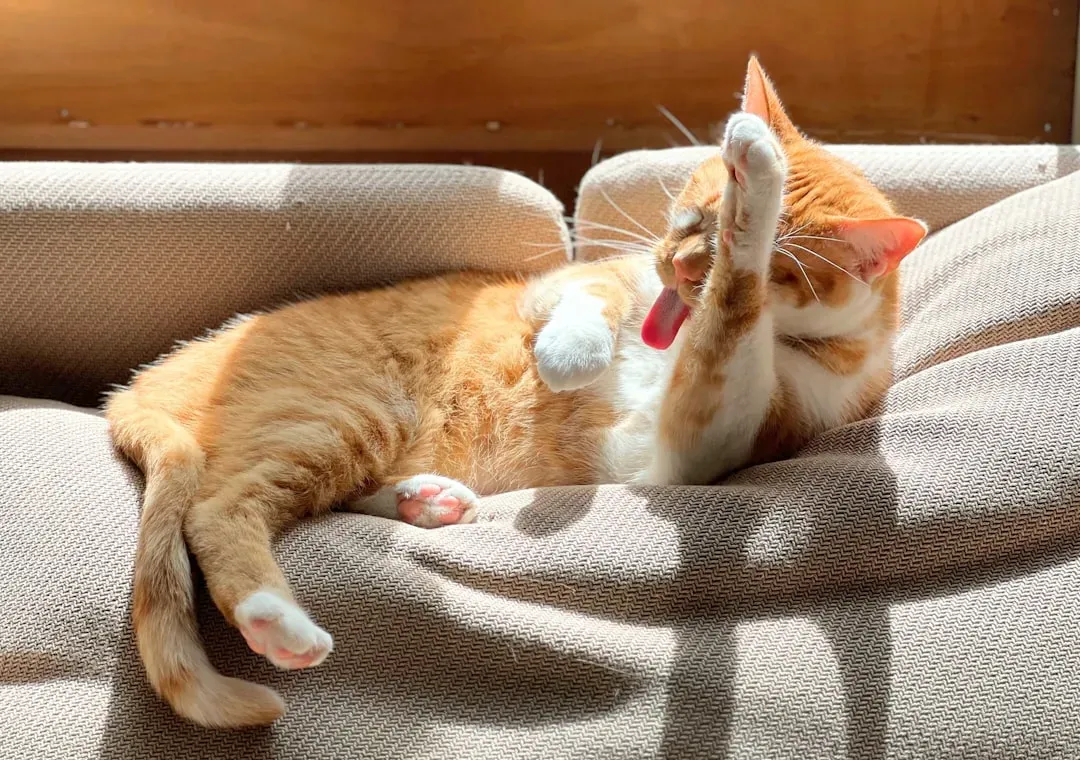
Cats are fastidious when it comes to their grooming, and a well-kept coat is a good sign that all is well in your kitty’s world. It seems almost too simple, right? But think about it: when you are stressed, anxious, or unwell, the last thing on your mind is personal appearance. Your cat is no different. Cats that are stressed or ill often neglect their grooming. A cat who regularly grooms is likely in good spirits.
Cats that groom regularly and in a calm manner are usually in a good mood. Grooming is a self-soothing behavior that releases endorphins, or “feel-good” hormones. There is also another layer to this worth knowing. A cheerful kitty will also groom other cats or even lick their owner – this also shows trust and a positive relationship. If your cat licks your arm or your hair, it is not about the taste. It is affection, pure and simple.
6. Playful Engagement With Their Environment
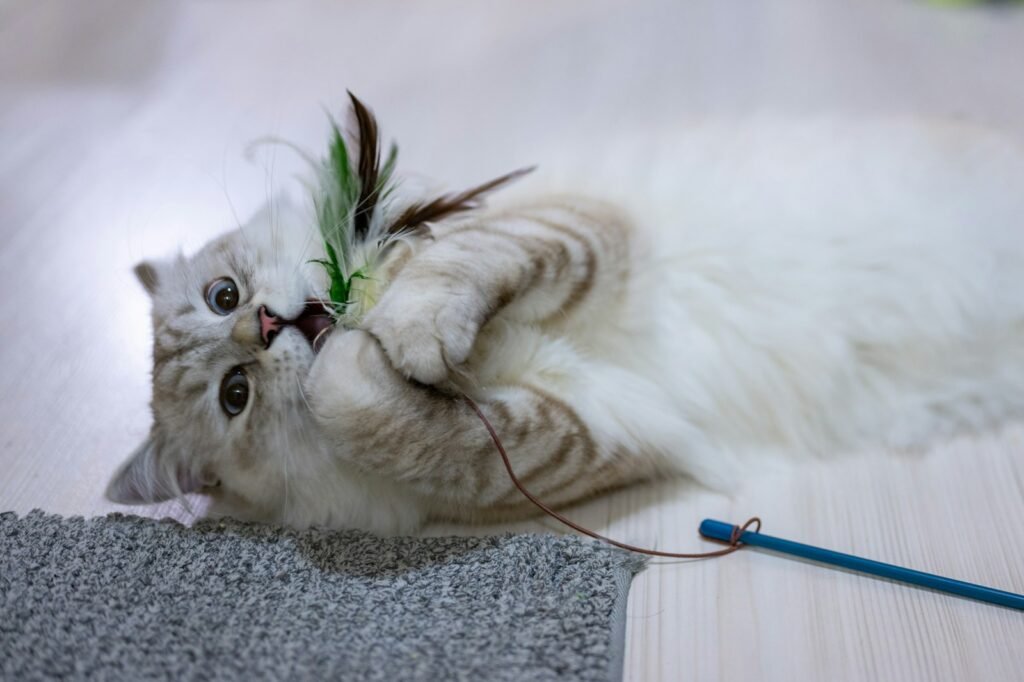
A playful cat is a happy cat. Playfulness indicates that your furry friend is not only in good physical health but also mentally stimulated and content, especially if they are playful with other pets. Think of play as your cat’s way of thriving rather than just surviving. When your cat chases a toy mouse down the hallway at full speed, they are not just burning energy. They are expressing joy, curiosity, and a deep sense of security in their space.
When cats are stressed or unwell, they are more likely to withdraw and avoid play. So, if your feline companion is eager to engage in a playful romp, take it as a glowing sign of their contentment. Whether it is scratching a post or watching birds outside, interaction with her environment often indicates a happy cat. Environmental engagement is the unsung hero of feline happiness. A cat who is curious about the world around them is a cat who feels safe enough to explore it.
Conclusion: Your Cat Is Talking – You Just Have to Listen
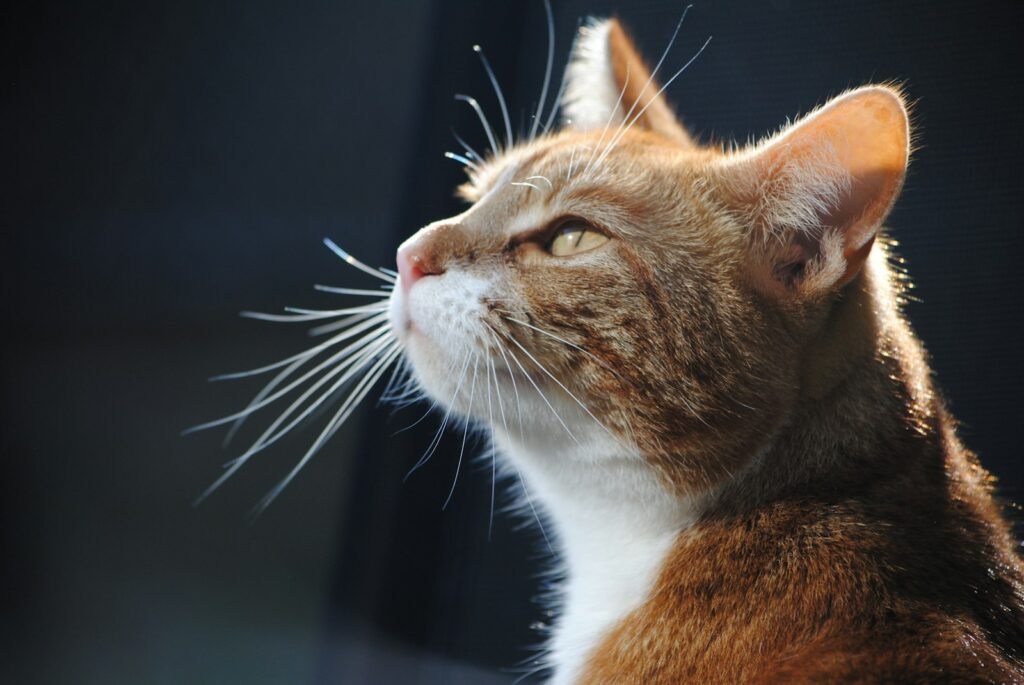
Here is what it all comes down to: your cat is communicating with you every single day. Slow blinks, biscuit-making, a tail shaped like a question mark, a soft purr on a quiet evening. These are not random behaviors. They are a language. Understanding these signs is key to creating a supportive and enriching environment for your feline companion, ultimately improving their quality of life and strengthening the bond you share.
Reading your cat’s mood can be a rewarding experience that strengthens the bond between you and your pet. Always trust your instincts and consult professionals when you feel something might be off. Your cat may never say “I’m happy” out loud. But with a little attention, they will show you every day.
The real question is not whether your cat is content – it is whether you have been paying close enough attention to notice. What signs have you been missing? Drop your thoughts in the comments below.