Have you ever felt your cat’s paws rhythmically pressing into your lap, alternating one paw after another, like a tiny baker working dough? You might smile through the slight discomfort as their claws dig in, wondering what on earth is going through your feline companion’s mind. This behavior, often called kneading or making biscuits, is far more meaningful than just a quirky habit your cat picked up somewhere along the way.
It’s actually a behavior that may be a communication of affection towards you as their human companion. Every time your cat settles into your lap and starts this gentle massage, they’re revealing something deeply personal about how they see you and the bond you’ve built together. So let’s dive in and explore what each push of those paws really means.
The Roots Go Back to Kittenhood
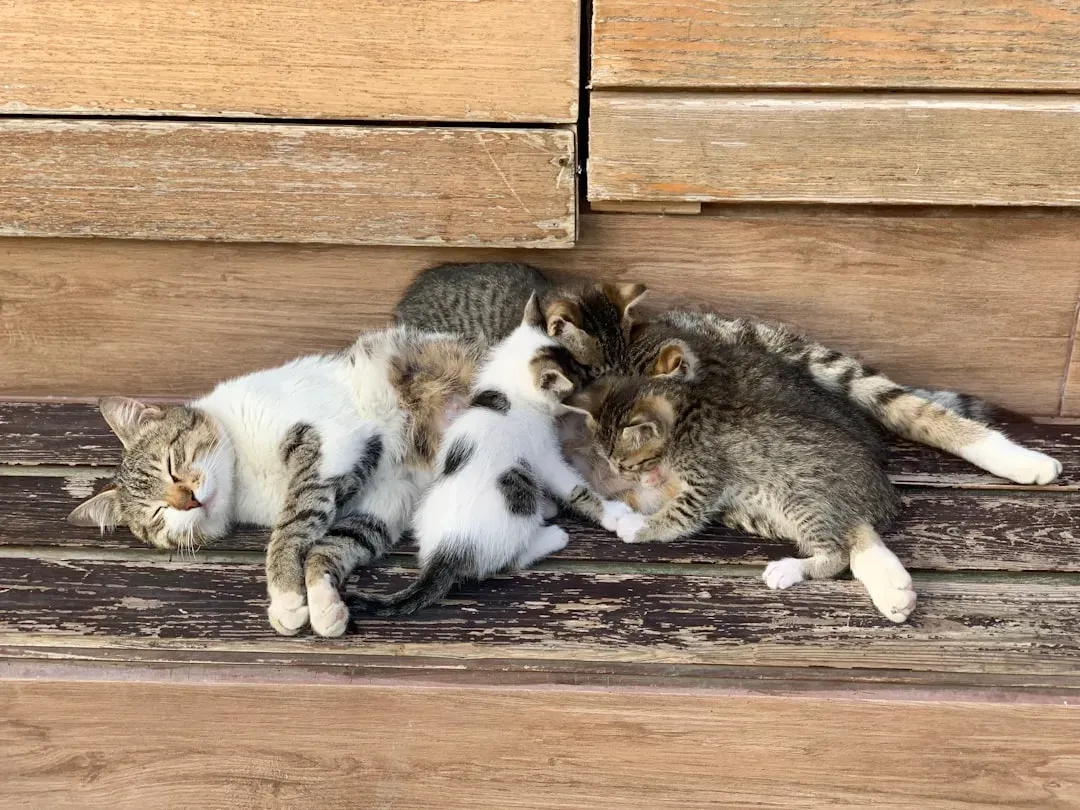
Kittens use a kneading action to stimulate milk production from their mother cat when nursing. Picture a tiny newborn kitten, blind and helpless, pressing against their mother’s belly to encourage milk flow. This instinctive motion helps them survive their earliest days, creating a powerful connection between kneading and the fundamental feelings of safety, warmth, and nourishment.
The kitten’s kneading stimulates milk flow and may also release oxytocin, a social bonding hormone, in the mother. This means kneading isn’t just about getting food. It’s about creating emotional bonds right from the start. Because nursing and being around a mother cat’s calming pheromones encourages a sense of contentment in young kittens, many cats will continue to knead into adulthood to create a similar sense of calm and relaxation.
You’ve Become Their Chosen Family
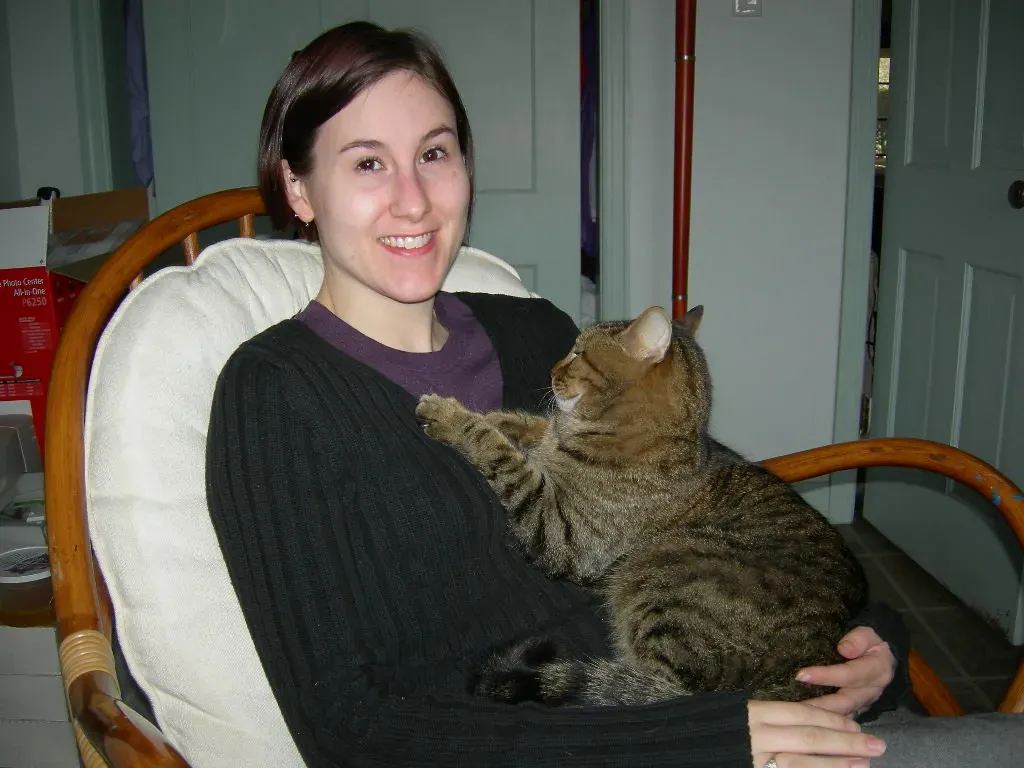
When your adult cat kneads on you, they’re not confused about who you are. Kneading on your lap is a cat’s way of saying “we’re affiliated” or “you’re in my social group”. Think about that for a moment. Your cat has essentially chosen you as their person, their safe space in a world that can sometimes feel overwhelming to them.
Adult cats’ connection with their earliest days might also help explain when and where they decide to knead, always on something soft and often on a favorite human or fellow pet in the household. Your cat doesn’t knead just anyone. They reserve this behavior for the people and places where they feel most secure. That’s honestly quite a compliment when you think about it.
They’re Marking You as Their Own
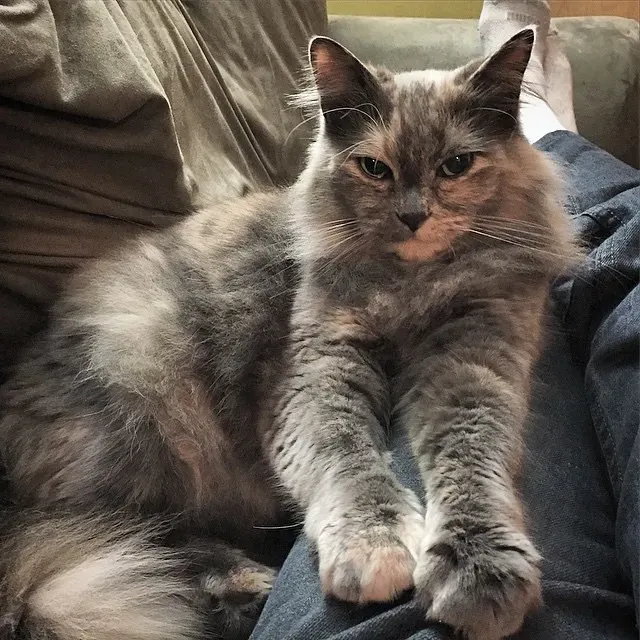
Here’s something you might not know. Cats have scent glands between their toes, and when they knead an object or a person, their scent is deposited onto that surface, allowing the cat to mark his territory. While we humans can’t detect these pheromones with our noses, other cats can pick up on them immediately.
When your cat kneads you, they may communicate to the other cats in the house that you belong to them, and you should be flattered because that is very high praise. Your cat is essentially putting their signature all over you, letting the world know you’re taken. It’s a possessive gesture, sure, but it comes from a place of love and attachment.
Kneading Releases Feel Good Chemicals in Their Brain
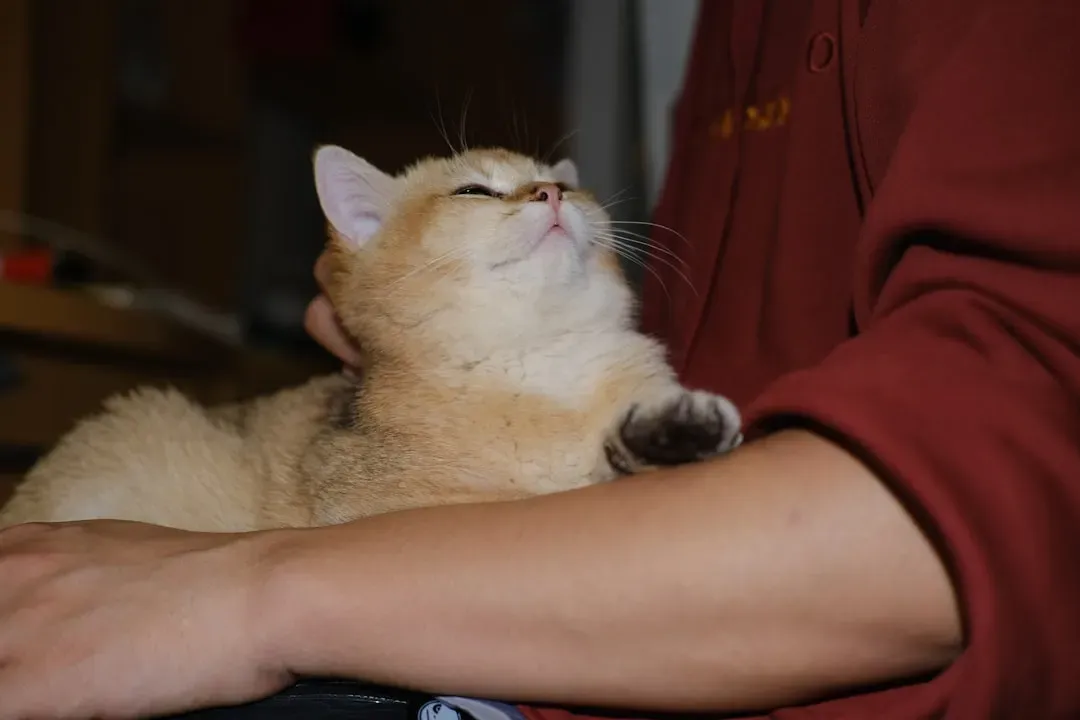
There’s a biological component to kneading that makes it almost addictive for cats. The action of kneading in cats causes the release of the pain-relieving, feel-good chemical dopamine in the brain. This explains why your cat seems to enter an almost trance like state when they’re really into their kneading session, purring loudly with half closed eyes.
Kneading not only marks territory or stretches muscles but also psychologically reinforces feelings of safety and affection through dopamine release. Your cat is literally giving themselves a natural high while they’re sitting on you. Let’s be real, that’s a pretty clear sign they associate you with positive feelings and contentment. Feline experts theorize that adult cats knead to recreate the feel good hormone release that occurs during nursing, and kneading brings them comfort and helps them release tension and relax.
It’s How They Prepare Their Resting Space
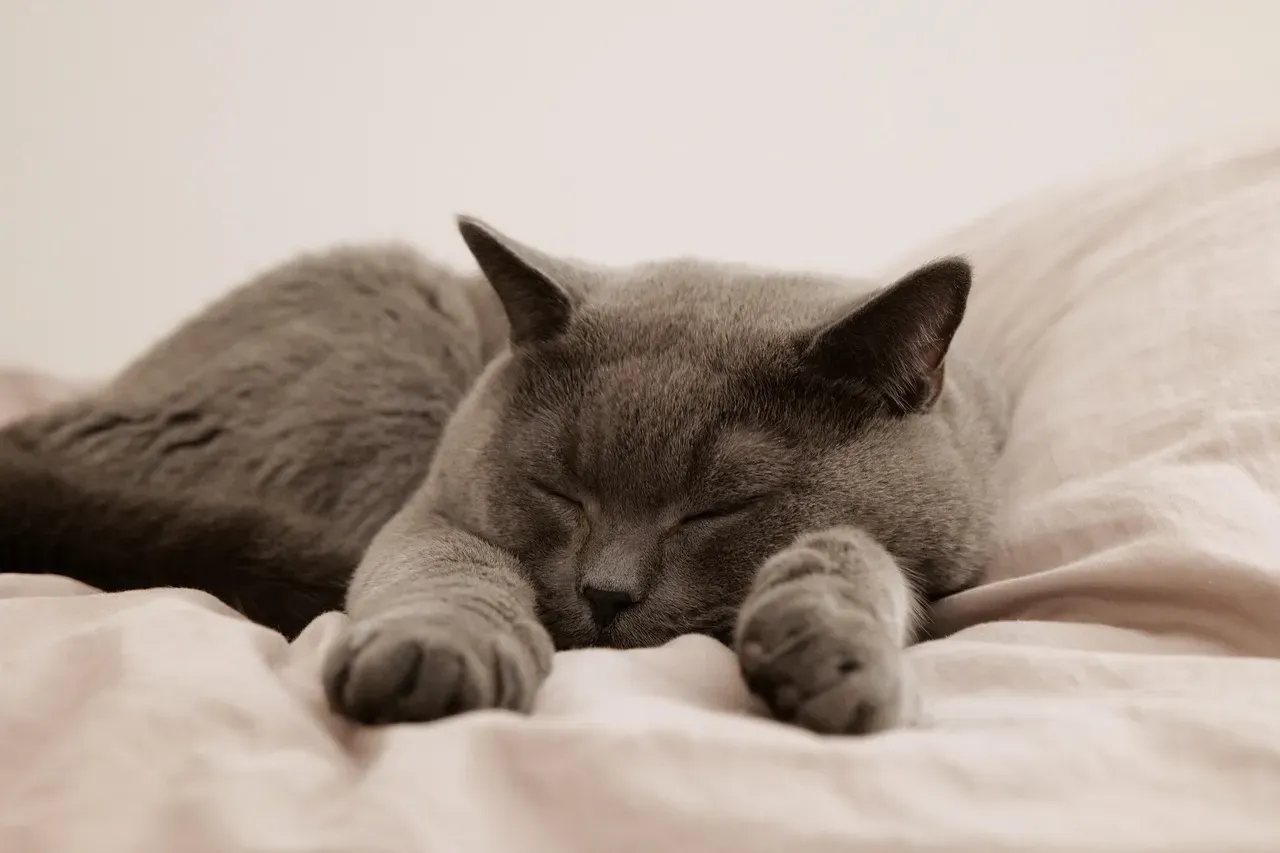
Wild cats have a practical reason for this behavior too. Kneading may have an origin going back to cats’ wild ancestors who had to tread down grass or foliage to make a temporary nest in which to rest. Your domestic cat has inherited this instinct from their feral cousins who lived outdoors and needed to create comfortable sleeping spots.
The behavior comes from their feral ancestors who would soften the grass before lying down to make a comfortable bed, and domestic cats put this behavior into practice when they knead their bedding before lying down. So when your cat kneads your lap for several minutes before curling up for a nap, they’re essentially fluffing their pillow. You just happen to be the pillow in this scenario.
Every Cat Kneads a Little Differently
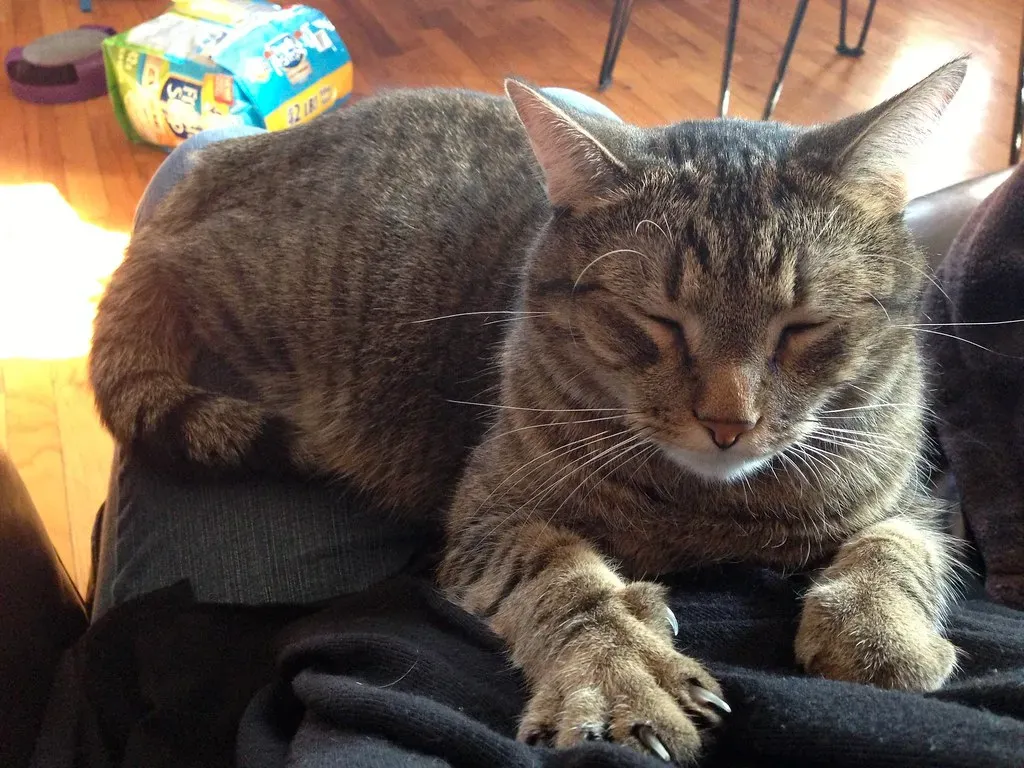
You might notice your cat has their own unique kneading style. Most cats will knead but not all will do it in the same way, where the motion of their paws usually remains the same, the accompanying actions may differ, some will purr really loudly where others may do it quietly. Some cats use only their front paws while others get all four paws involved in the action.
The intensity of kneading can vary, for example when they have been alone for a while, the cat may knead with more ferocity, especially their favorite person. If you’ve been away at work all day, don’t be surprised if your cat greets you with an especially enthusiastic kneading session. They’ve missed you and they’re making up for lost time.
When Claws Come Out It Still Means Love
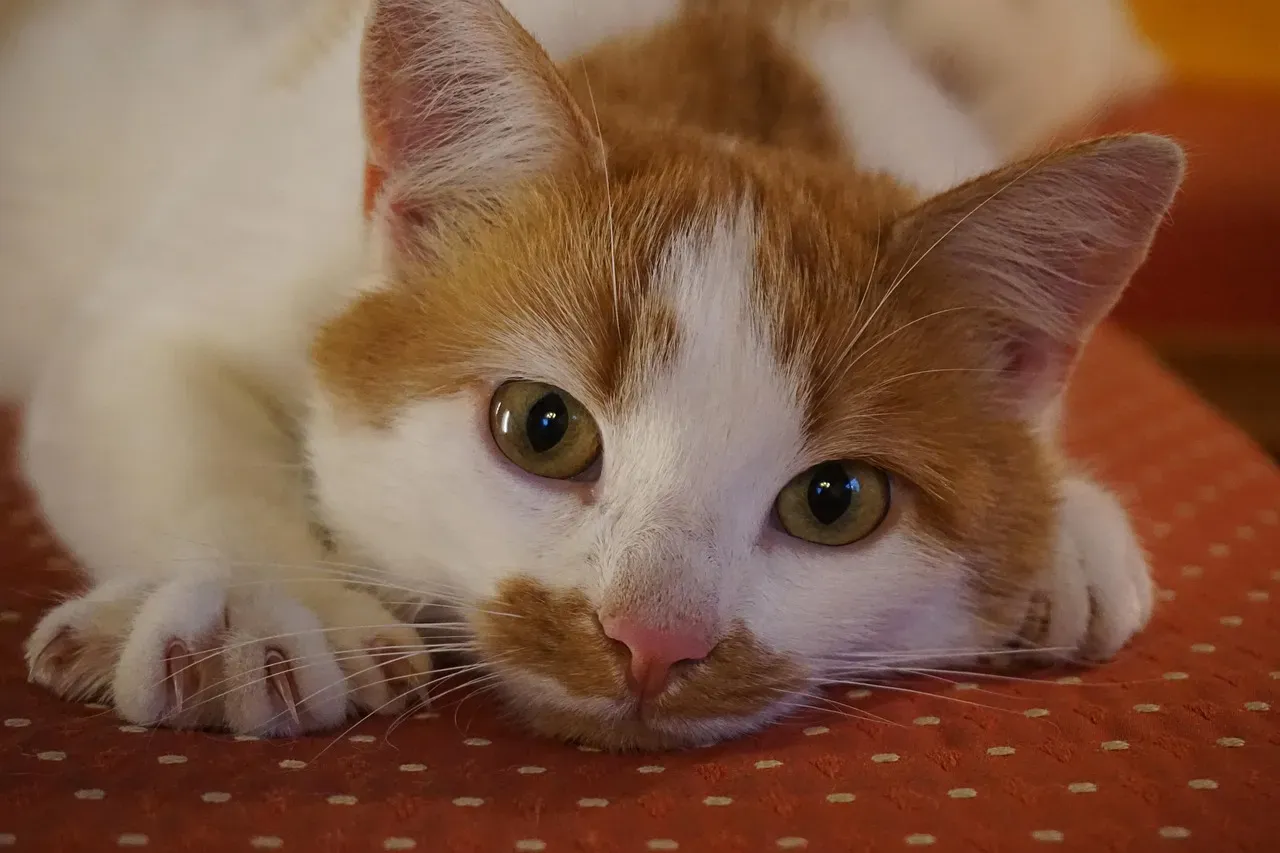
Let’s address the elephant in the room. Sometimes kneading hurts. They may do this while sitting on their owner’s lap, which may prove painful if the cat is large or strong or has sharp claws. Those tiny needles digging into your thighs can make you wince even as you’re trying to appreciate the affection behind the gesture.
Because of kneading’s positive associations and innate nature, experts say it’s important to avoid punishing the behavior even if your cat’s claws are occasionally painful, and instead you can strive to keep those claws trimmed. Your cat isn’t trying to hurt you. They’re just so relaxed and happy that they’ve forgotten to retract their claws. Consider keeping a thick blanket nearby to protect your lap during cuddle sessions.
Sometimes It Can Signal Stress or Discomfort
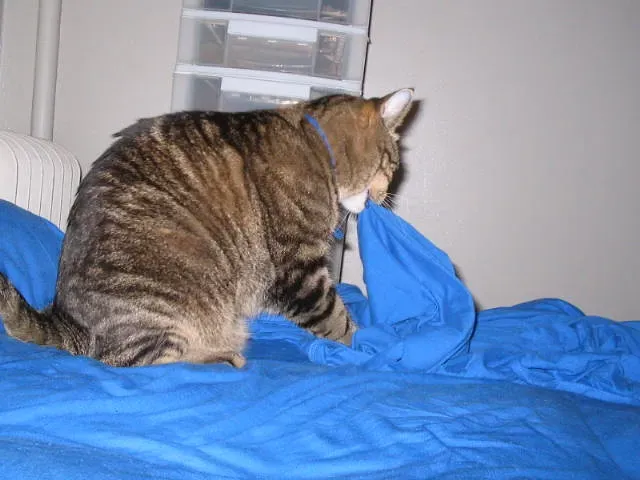
While kneading is usually a positive behavior, there are times when excessive kneading might indicate something else is going on. Increased or excessive kneading can be a sign that your cat is uncomfortable or anxious and his kneading could be an attempt to soothe himself, and this release of dopamine also motivates your cat to continue kneading to receive additional bursts of the hormone.
If your cat kneads excessively or suddenly kneads less than usual it could mean that they don’t feel well, because kneading is a comforting action and cats who feel stressed or are experiencing pain may knead to soothe themselves, so if you notice a significant change schedule a visit with your veterinarian. Pay attention to sudden changes in your cat’s kneading patterns. They might be trying to tell you something important about their wellbeing.
Not All Cats Knead But It Doesn’t Mean They Love You Less
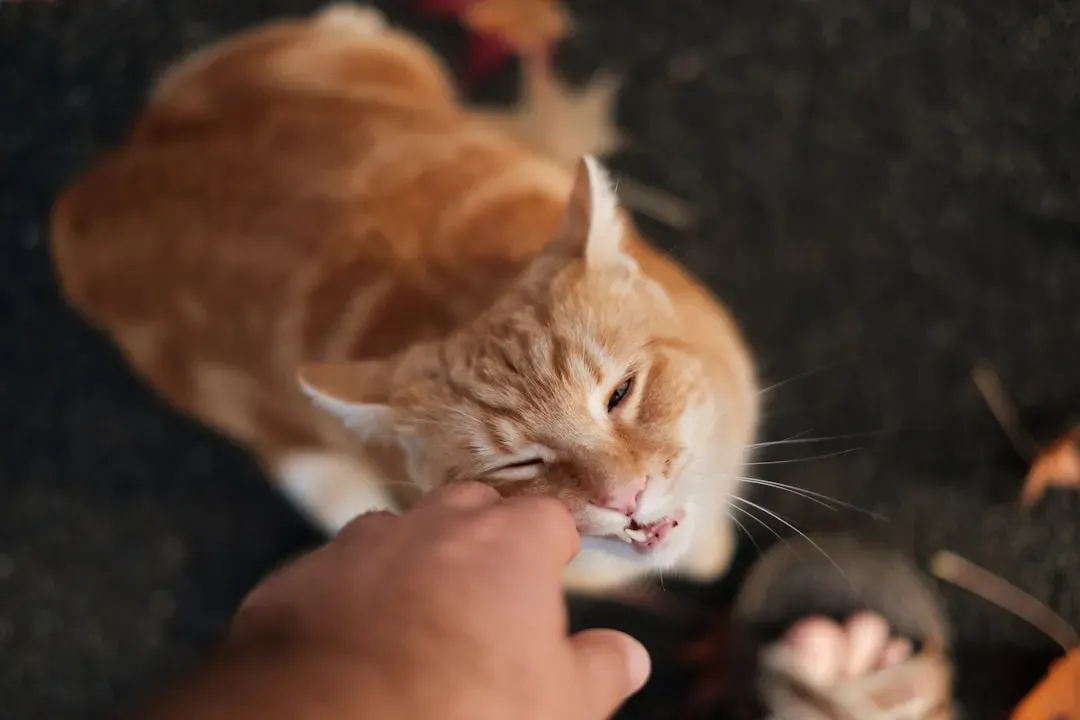
If your cat doesn’t knead, don’t worry. If your cat doesn’t knead that doesn’t mean it doesn’t have a bond with you, there are probably other affiliative behaviors they’re engaging in like purring or rubbing on you or even just sitting next to you. Every cat has their own personality and their own way of showing affection.
There are simply a lot of differences between individual cats, the need to knead or absence of doesn’t necessarily indicate how they feel about you although cats with early positive experiences with humans may be more likely to do this. Some cats are vocal and meow constantly while others barely make a sound. Some follow you everywhere while others prefer to observe from a distance. The absence of kneading doesn’t equal an absence of love. Your cat just expresses their feelings differently, and that’s perfectly fine.
Conclusion
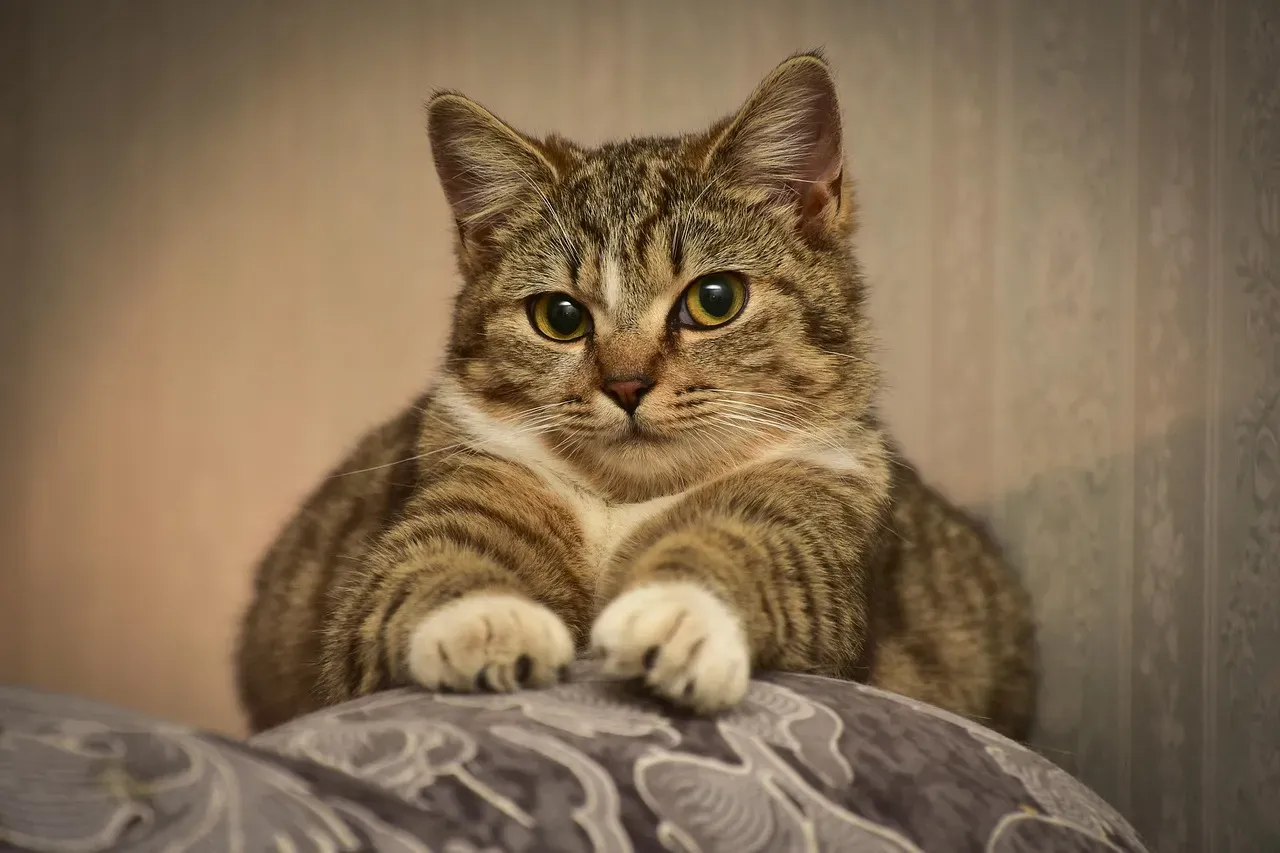
Scientists who study cat behavior call this distinctive paw action kneading and believe it to be a sign of a relaxed cat. The next time your feline friend settles onto your lap and begins their rhythmic paw pressing, take a moment to appreciate what’s really happening. They’re telling you that you make them feel safe, loved, and content. They’re recreating the comfort they felt as a tiny kitten nursing from their mother, and they’ve chosen you to share that vulnerable moment with.
Kneading is one of the most intimate behaviors cats share with us and it’s a combination of instinct, comfort, and love. Yes, it might be uncomfortable when those claws dig in. You might need to invest in some thicker blankets or trim those nails more regularly. Still, every knead is a small declaration of trust and affection from a creature who doesn’t give their heart easily. What more could we ask for from our mysterious, independent, wonderful cats?