You’ve probably sat across from your cat at some point, staring into those impossibly calm eyes, and wondered, “What on earth are you trying to tell me?” Cats have a reputation for being mysterious, and honestly, that reputation isn’t entirely unfair. Unlike dogs, who practically wave a flag every time they feel something, cats speak in whispers. Their language is layered, quiet, and surprisingly rich.
The thing is, once you learn to tune into it, the whole dynamic between you and your feline companion shifts. Suddenly, a glance becomes a conversation. A tail movement becomes a mood report. A soft sound becomes something far more meaningful than background noise. So let’s decode it all together, because your cat has been talking to you for years. Let’s dive in.
The Slow Blink: Your Cat’s Equivalent of “I Love You”
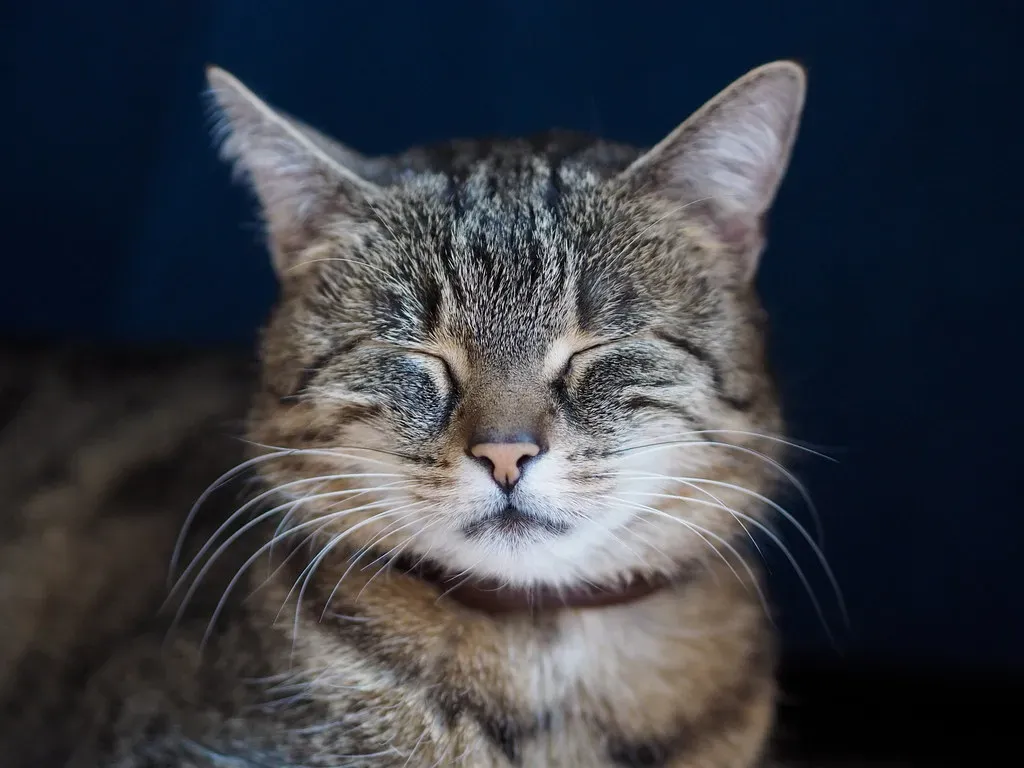
Here’s the thing most people genuinely don’t know: when your cat gazes at you and slowly closes their eyes, that’s not drowsiness. If your cat looks at you and gives a slow, deliberate blink, it’s the ultimate sign of trust and affection. By slowly closing their eyes in your presence, your cat is telling you they feel completely safe and comfortable with you. Think about how vulnerable that is, closing your eyes in front of another creature.
Cats only close their eyes around individuals they trust completely. In the wild, closing eyes near a potential threat would be dangerous. So when your cat does it with you, they’re essentially handing you the highest compliment in their vocabulary. Scientific research confirms slow blinking functions as positive emotional communication, and cats are more likely to approach humans who slow blink at them. You can return the gesture right back.
The Language of the Tail: A Full Emotional Report
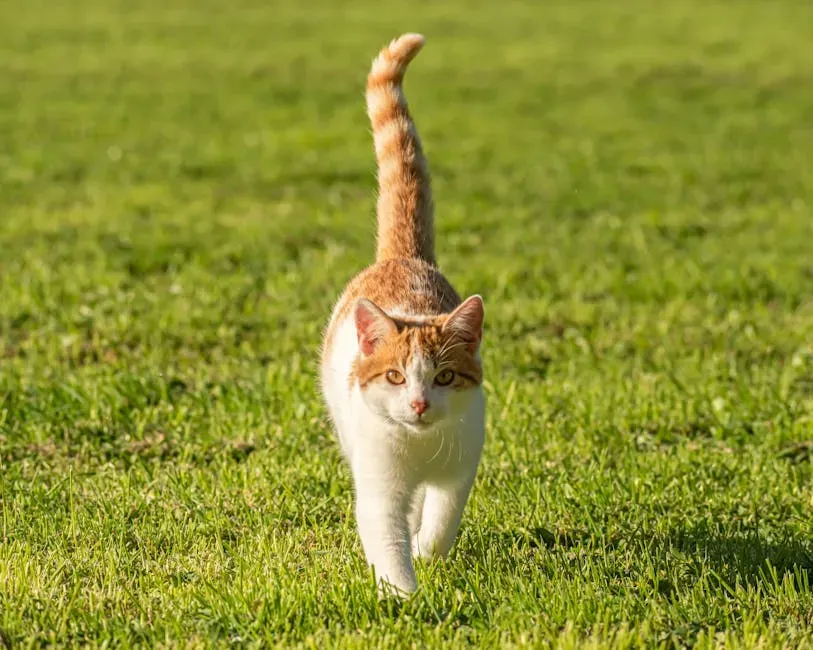
A cat’s tail is a powerful communication tool. From its position to its movements, your cat’s tail can reveal a lot about how they’re feeling. A high, upright tail when they trot toward you isn’t random posturing. Their tails are held high, often with a tiny curve at the very end, showing that they’re happy to see you or another cat. It’s the feline equivalent of a big, warm wave hello.
On the other end of the spectrum, things get more complex. A very fearful cat might not only keep its tail down, but tuck it between its legs; this is done to present a target that’s as small as possible to aggressors. Tail wagging can range from small irritated flicks which may express indecision, or in its most pronounced form, it can be the prelude to a fight. When you see rapid tail swishing during a petting session, consider that your early warning system to stop and give them space.
What Those Ears Are Broadcasting Right Now
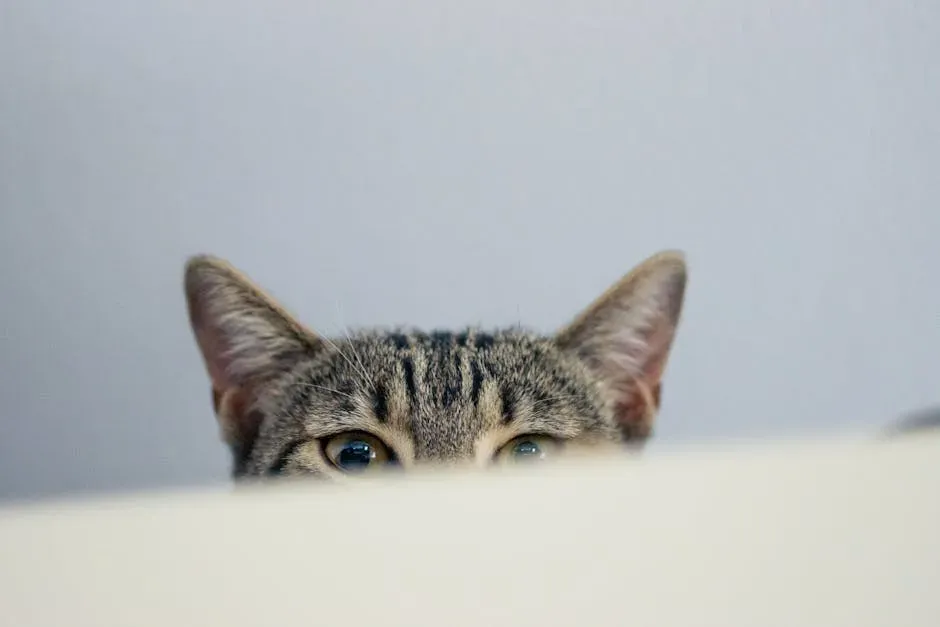
Your cat’s ears are among the most expressive parts of their body. Ears forward signal that your cat is alert, curious, and interested in what’s happening. Ears slightly relaxed mean comfortable and content. Ears swiveling suggest your cat is actively listening and gathering information. Honestly, it’s like watching a tiny satellite dish live-tracking every sound in your home.
When the emotional temperature rises, the ears tell you first. In cats who are experiencing an increasing level of fear, anxiety, or stress, their ears might be tucked back on their head or held low and rotated to the sides, known as airplane ears. Forward-pointing ears are used by confident, curious cats to listen for sounds in front of them. A cat that is hunting prey or playing will also keep its ears forward to collect as much auditory information as possible. If you can read the ears, you’re already ahead of most cat owners.
Purring: More Complicated Than You Think
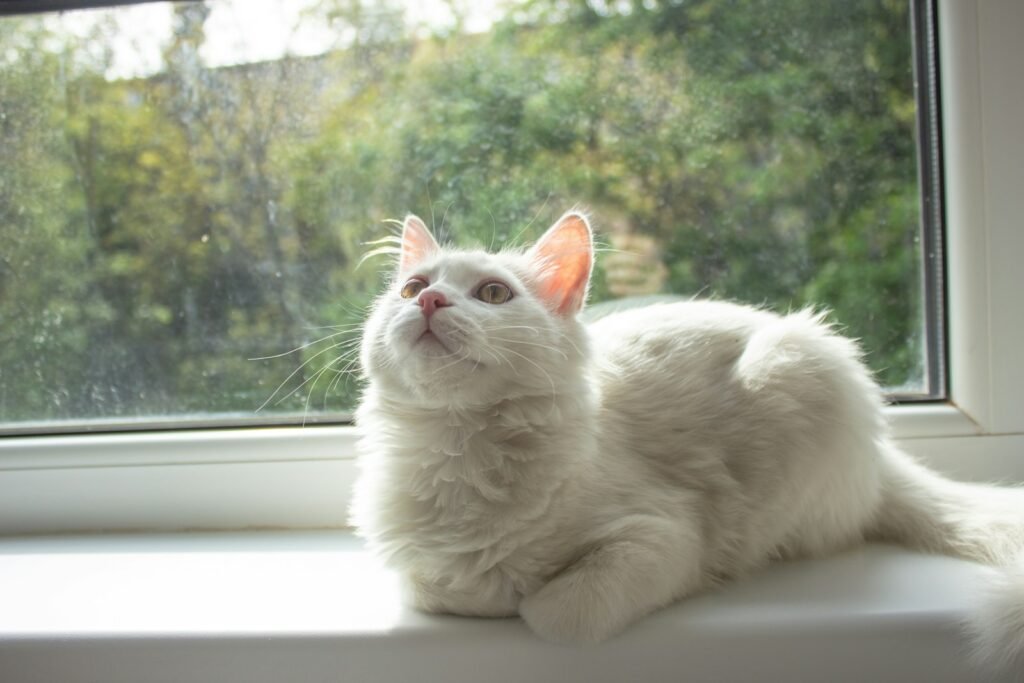
Let’s be real: most of us assume purring means happiness, full stop. While purring is generally associated with contentment, it’s not always as simple as it seems. Cats also purr when they are anxious, in pain, or even when they’re trying to comfort themselves. It’s a bit like humans humming nervously, the same sound carries different weight depending on the situation.
It is claimed that a cat can change the frequency of its purr to match the cry of a human child, which appeals to a human’s nurturing instinct. That’s almost impossibly clever, isn’t it? While purring is most often a sign of contentment, cats also purr to self-soothe when they are stressed, scared, or in pain. If your cat is purring but also hiding, has a tense posture, or is showing other signs of distress, it could be a sign that something is wrong. Context is everything when it comes to interpreting that rumble.
The Headbutt: You’ve Been Claimed, and That’s a Good Thing
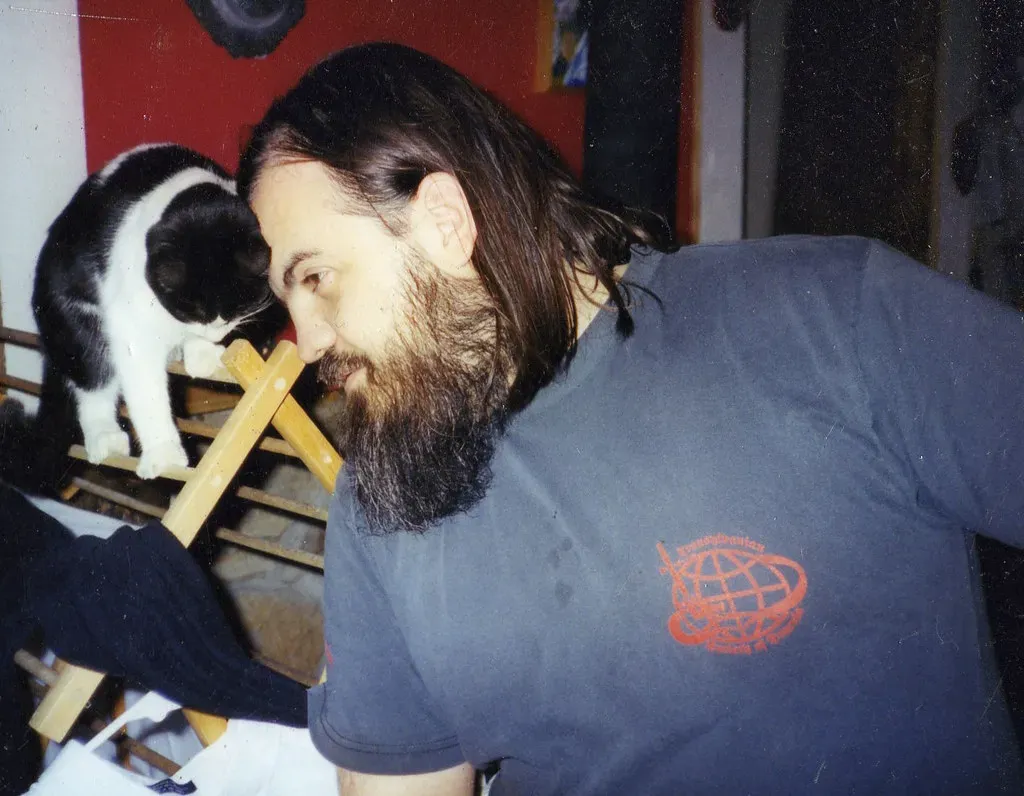
Cat headbutting is often a form of scent communication, where cats rub pheromones on familiar people or objects. Cats headbutt for many reasons, including for bonding, marking familiar surroundings, seeking attention, and self-soothing. The first time a cat does it to you, it can feel oddly aggressive. It isn’t. You’ve just been adopted.
Cats use specialized scent glands located on their faces, particularly around their cheeks, chin, and forehead. These glands release pheromones, chemical signals that are invisible to humans but carry important messages to other cats. One of the reasons cats head bunt is to share their scent and mark you as one of their feline family. It’s less a dominance activity that marks territory and is more a sign of acceptance. Wear that invisible scent badge with pride.
Kneading (“Making Biscuits”): A Window Into Kittenhood
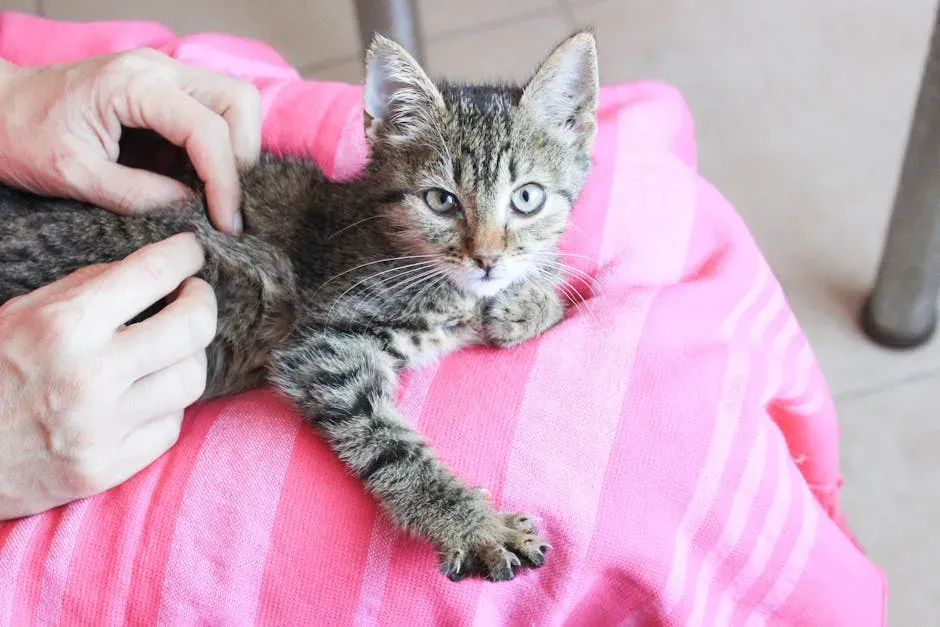
If your cat climbs onto your lap and starts rhythmically pressing their paws into you like tiny bread dough, that’s one of the most emotionally rich signals they can offer. Kneading originates from kittenhood, when kittens press their paws against their mother’s belly to stimulate milk flow. This comforting behaviour often persists into adulthood, associated with feelings of security and contentment. You have essentially become their safe place.
When your cat kneads you, it’s a sign they’re feeling relaxed and content. That’s why this behavior often appears in tandem with purring. I think this is one of the most deeply touching things a cat can do, because it means they’ve mentally transported themselves to a state of complete safety, and you’re the reason. Cats also have scent glands in their paw pads, and kneading can deposit these scents onto surfaces, marking their territory in a subtle, instinctive way. It’s love and ownership wrapped into one soft motion.
Dilated Pupils and Eye Signals: What’s Really Going On Behind Those Eyes
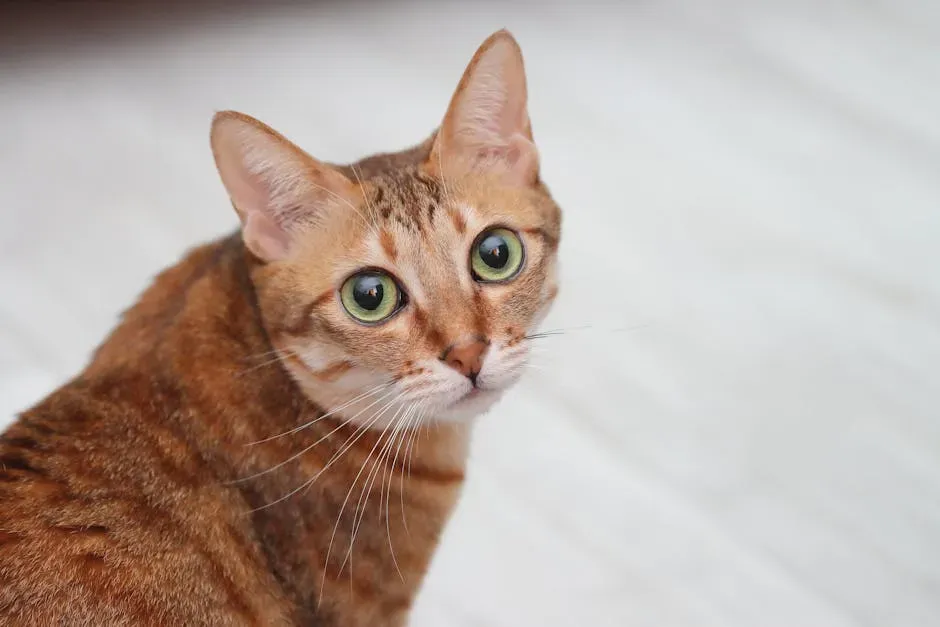
Dilated pupils can mean a variety of things. When your cat’s pupils suddenly enlarge, it could be because they’re feeling excited, playful, or even fearful. A cat in predator mode, watching a bird or toy, will often have dilated pupils. So that wide-eyed look during a play session is pure, focused hunter energy. Not alarm. Just instinct.
In a standoff situation, the defending cat’s pupils will be dilated to provide the cat with wider peripheral vision, an advantage in anticipating an attack. The aggressor’s pupils narrow to give better depth perception, an advantage in judging where to attack. A continuous stare has the opposite effect: it is threatening and unsettling and is used effectively by cats in managing territorial distances. It’s hard to say for sure what’s happening in every moment, but the eyes are almost always giving something away if you look closely enough.
Whiskers: The Tiny Mood Radar Most People Ignore
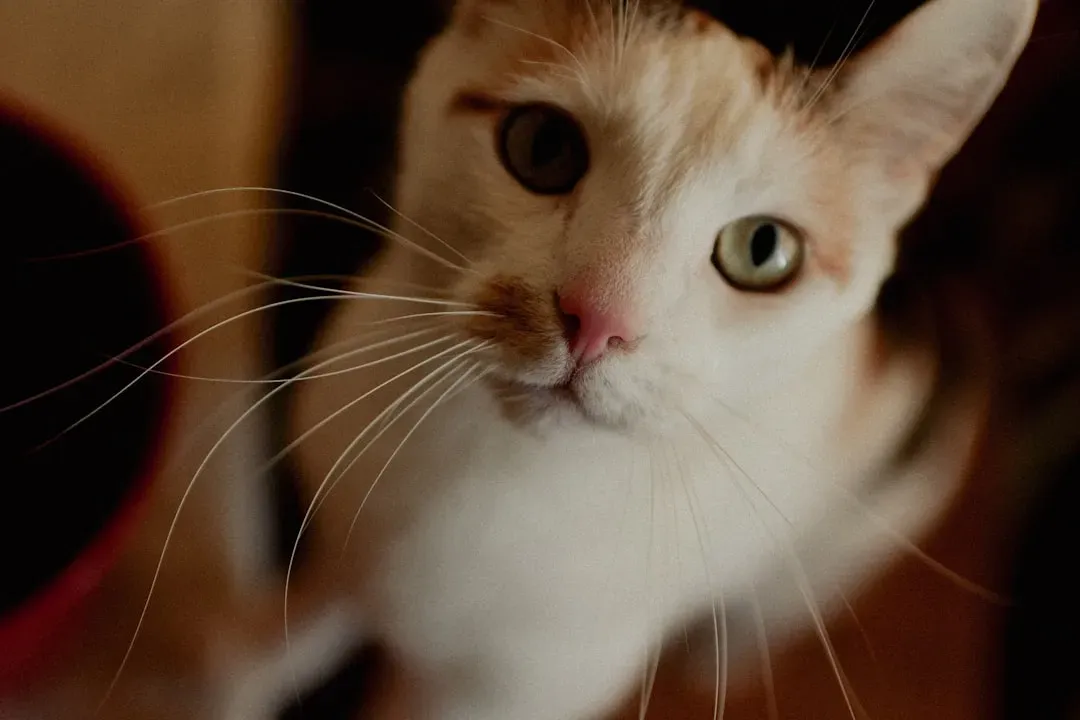
Whiskers are so much more than decoration. Whiskers are a key part of how cats sense the world and express themselves. When a cat’s whiskers are pushed forward, it often means they’re curious and interested in what’s in front of them. Spot a cat intensely watching something with whiskers spread wide and fanned forward? That’s pure curiosity at maximum output.
Forward-facing whiskers indicate curiosity and interest, often seen when a cat is engaged or hunting. Conversely, whiskers pulled back against the face can signal fear or discomfort. Confident cats, by contrast, might push their whiskers forward. Think of whiskers like a mood compass that resets itself every few seconds. Pair what you see there with ear position and tail movement, and you’ll get a surprisingly complete emotional picture of your cat in any given moment.
Reading the Whole Body: Why No Signal Stands Alone
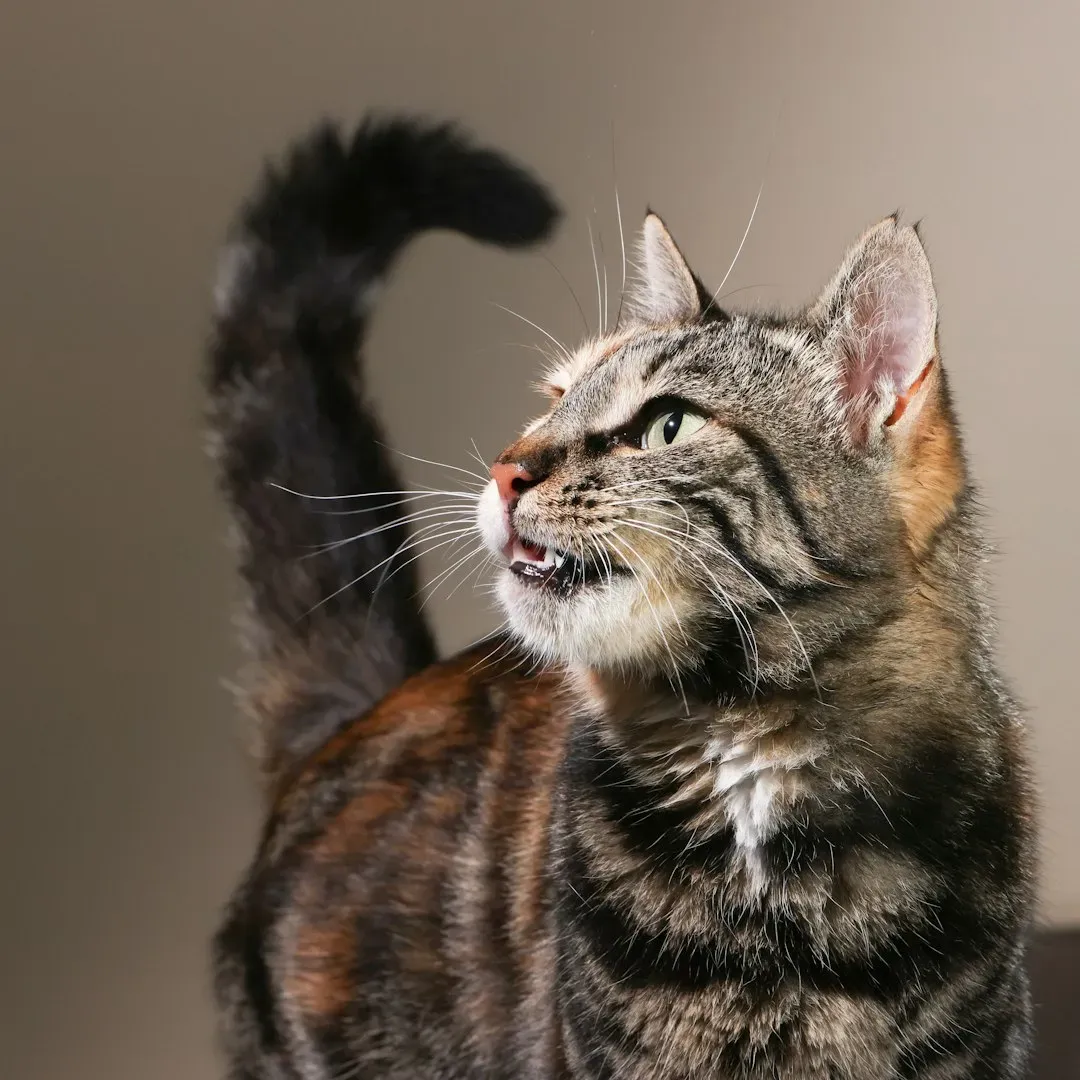
Here’s what most cat guides miss: single signals almost never tell the whole story. The main takeaway is that a cat’s body language and behaviors should be looked at as a part of a single big picture. A purring cat with a wagging tail isn’t necessarily happy. A cat showing its belly isn’t necessarily inviting a rub. The same signal can indicate different emotional states depending on context: an arched back during play differs entirely from one during confrontation.
Forward ears plus upright tail plus slow blink equals a relaxed, friendly cat. Pinned ears plus dilated pupils plus lashing tail equals agitation, and it’s time to give space. Cat body language is the primary way that felines communicate. Behavior is always contextual, so pay attention to the cat’s entire body and to what’s going on in the environment. Once you start reading your cat as a whole rather than in fragments, the conversations you’ve been missing will suddenly make perfect sense.
Conclusion
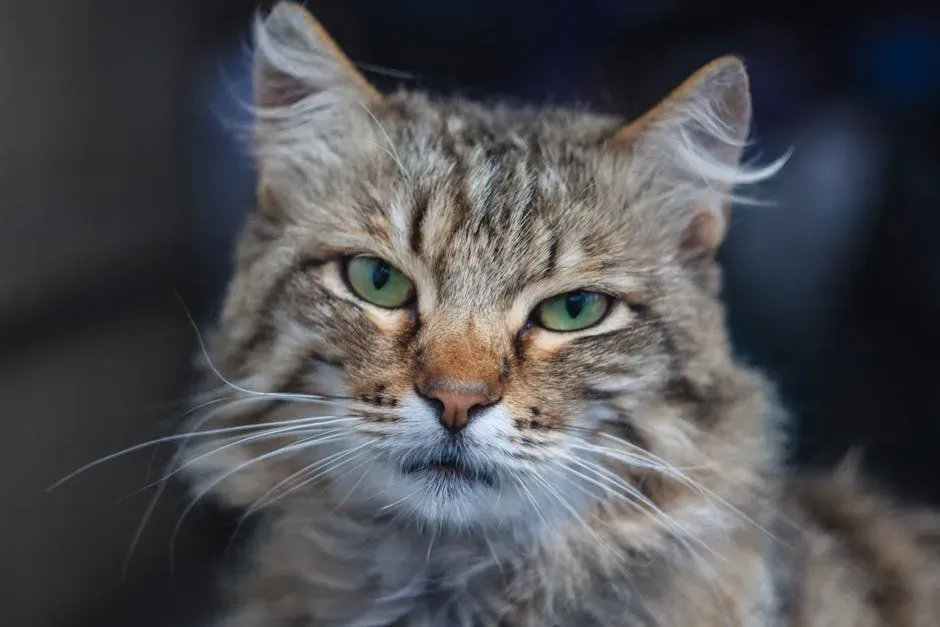
Your cat has never been silent. They’ve been communicating with you every single day through a language built not from words, but from posture, movement, sound, and subtle physical signals that most people simply never learn to read. The slow blink that says “I trust you completely.” The high tail that says “I’m thrilled you’re home.” The kneading that whispers “you feel like safety to me.” All of it, always there.
Once you start tuning in, your relationship with your cat transforms. You stop second-guessing them and start genuinely responding to what they need. By paying close attention to our cats’ body language, we can do a better job of attending to their needs and have even stronger, happier relationships with them. The language was never hidden. You just needed the key.
Now that you have it, how many signals do you think your cat has already been sending you? Drop a comment and let us know what surprised you most.