You’ve probably settled into the couch at the end of a long day, and your cat wanders over, curls up beside you, and starts that steady, vibrating hum. It feels like a reward. Simple, soft, unconditional. Most of us assume we know exactly what it means.
The truth, as it turns out, is a lot more layered. Cats purr for many reasons – not just happiness. Purring can signal contentment, stress, a desire for attention, or even illness, depending on the situation and your cat’s body language. Once you start decoding those sounds, the relationship you have with your cat changes in genuinely surprising ways.
The Mechanics Behind That Rumbling Sound
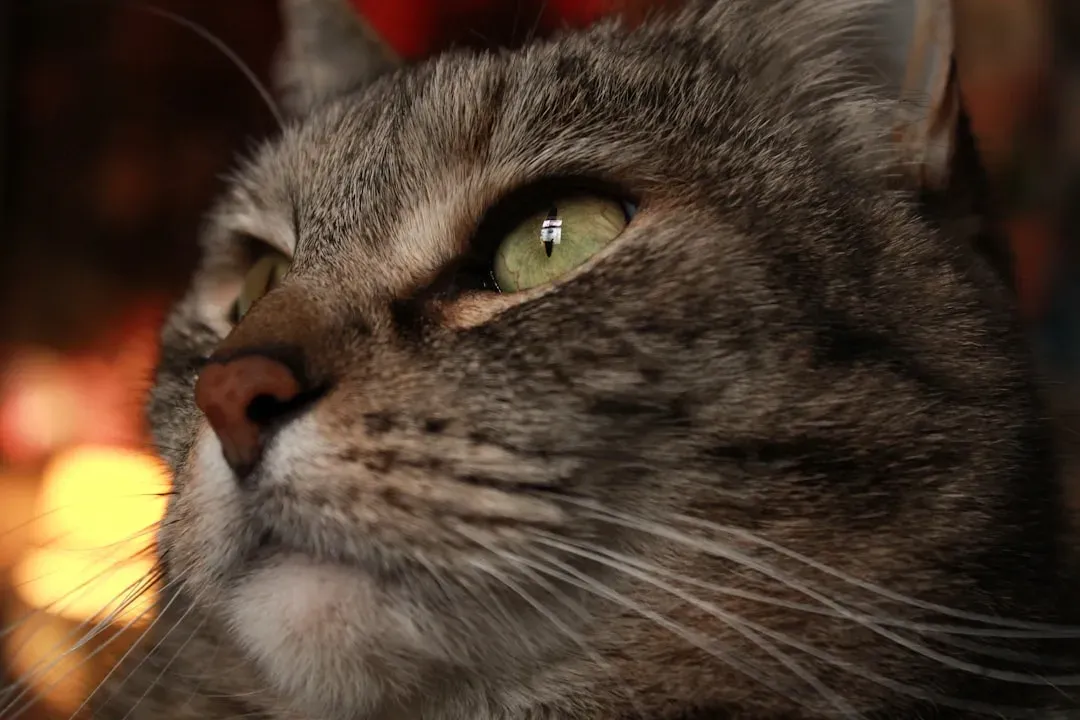
Before you can read the message, it helps to understand the medium. The purring sound is produced by rapid, rhythmic contractions of the laryngeal muscles combined with movement of the diaphragm. This motion causes a sudden separation of the vocal cords, which results in the signature vibrating hum that cats are known for.
Domestic cats possess “pads” embedded within their vocal cords, which add an extra layer of fatty tissue that allows them to vibrate at low frequencies. What’s more, the larynx of these animals doesn’t appear to need any input from the brain to produce such purring. That finding, published in the journal Current Biology, genuinely challenged what scientists had long assumed about how purring works. Cats purr during both inhalation and exhalation with a consistent pattern and frequency between 25 and 150 Hertz.
Your Cat’s Purr of Pure Contentment
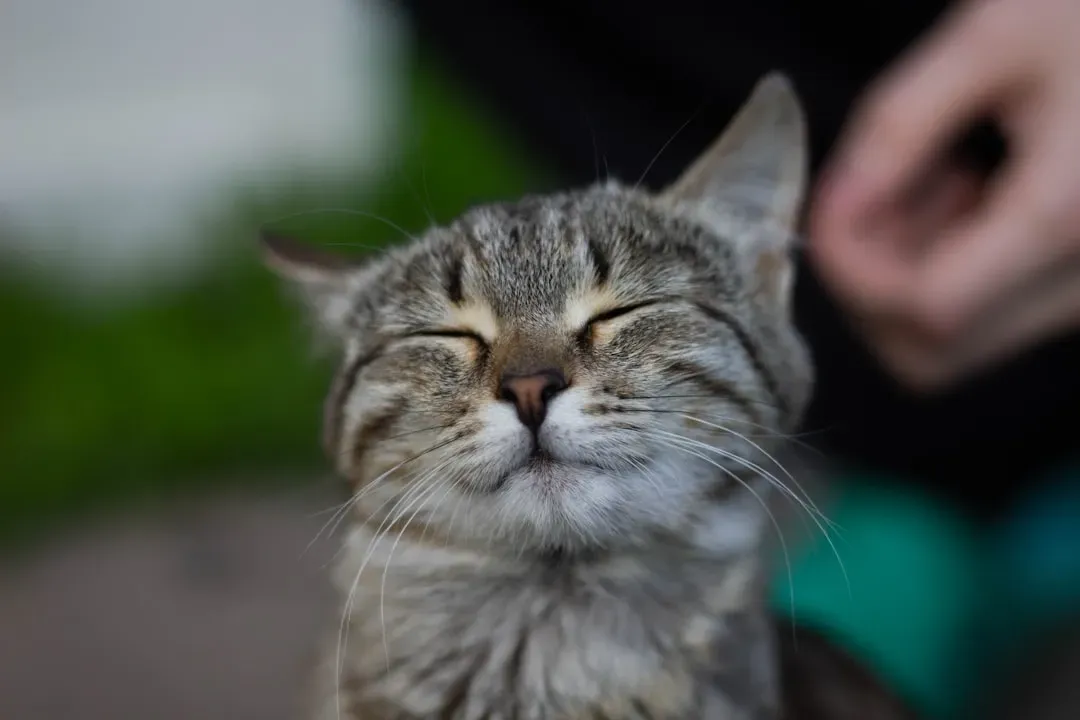
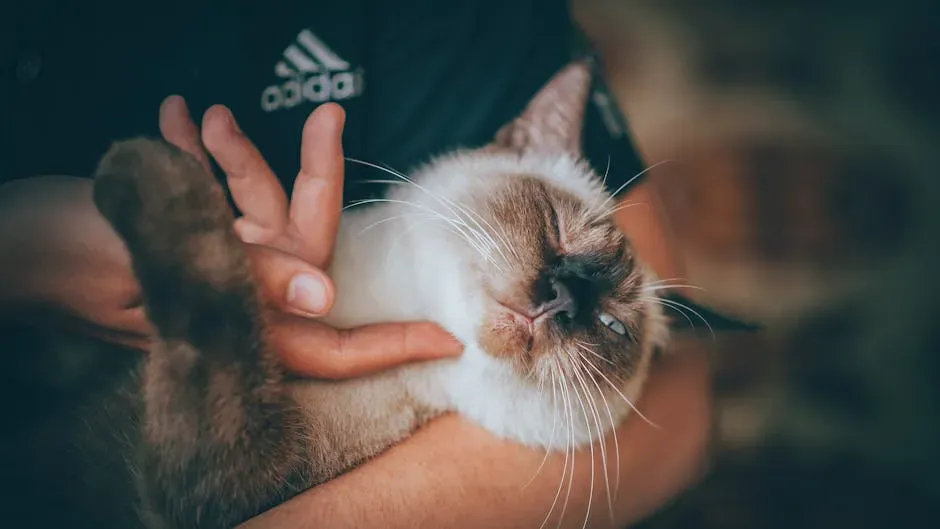
The most familiar purr is, thankfully, exactly what it sounds like. One of the most well-known reasons cats purr is to express contentment and comfort. When your cat curls up on your lap, closes their eyes, and begins to purr, they are clearly indicating that they feel safe, happy, and relaxed.
When a cat is purring with content, they have a relaxed facial expression and body language. You’ll notice soft, half-closed eyes, a loose body posture, and slow tail movement – or no movement at all. The rhythmic vibrations create a soothing environment, which in turn helps reinforce the bond between cats and their owners. This particular purr is the one most people picture, and it really is a small daily gift your cat is offering you.
When Your Cat Purrs to Self-Soothe
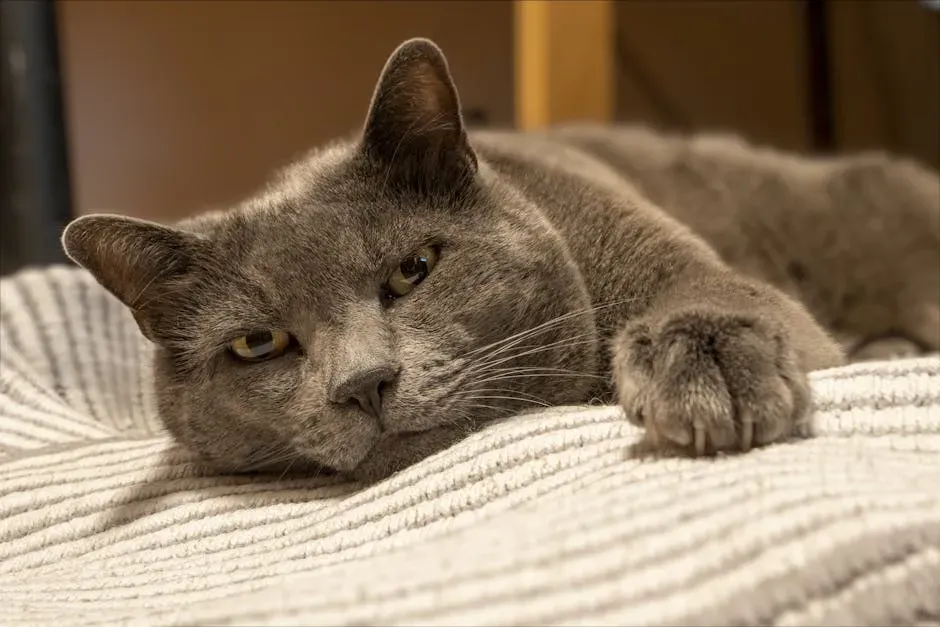
Here’s where things get more nuanced. Cats who are in particularly stressful situations sometimes purr to themselves, most likely as a way of self-soothing. This is not a happy purr – it’s a coping mechanism. Cats may purr when they are frightened, anxious, or in pain. This type of purring is believed to be a self-soothing mechanism. It’s not uncommon for a cat to purr while at the vet, after an injury, or during a stressful event.
Sometimes cats purr when experiencing a veterinary exam, but Fear Free certified professional veterinary technicians, nurses, and veterinarians recognize that when everything else about the cat’s body language suggests the cat is uncomfortable, if not downright fearful, then purring is a “natural drug” cats employ in an attempt to calm themselves. So if your cat is purring at the vet’s office with wide eyes and flattened ears, they’re not happy – they’re coping. The purr and the body tell two different stories, and you need both to understand the full picture.
The Solicitation Purr: Your Cat Is Working You
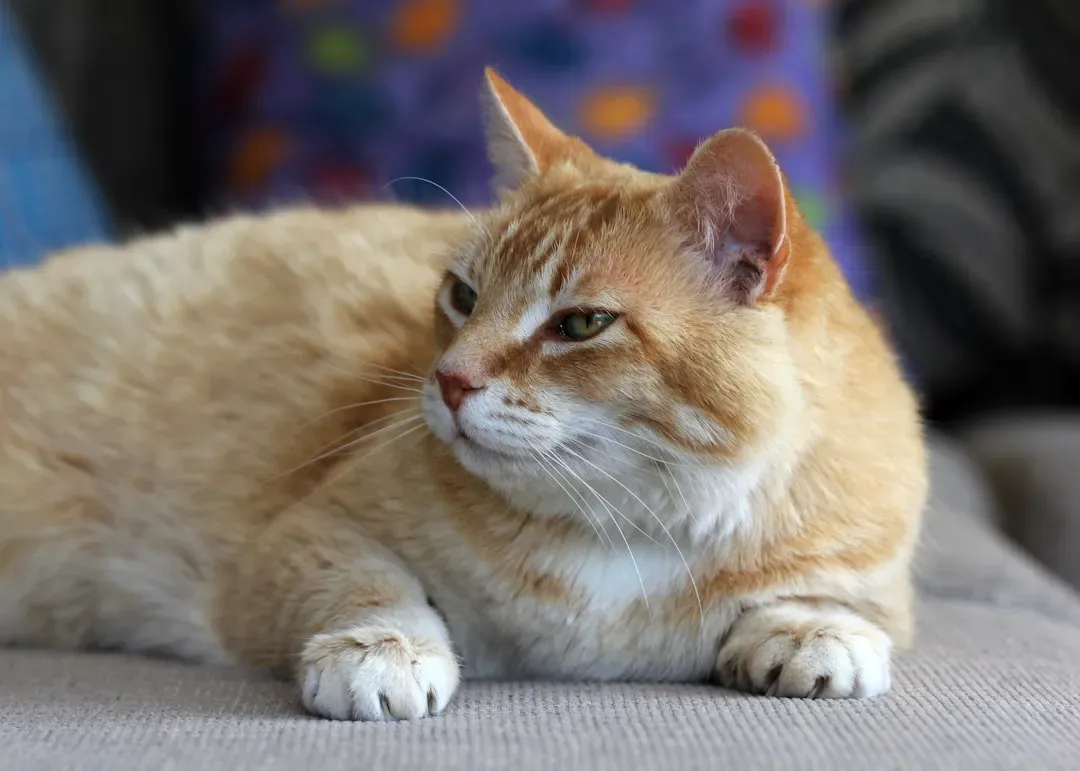
If you’ve ever been woken at dawn by a cat purring insistently in your ear, you’ve already met the solicitation purr. Researchers at the University of Sussex discovered that cats use a “soliciting purr” to overpower their owners and garner attention and food. Unlike regular purring, this sound incorporates a “cry”, with a similar frequency to a human baby’s. The team said cats have “tapped into” a human bias – producing a sound that humans find very difficult to ignore.
On the surface, the “solicitation purrs” are based on the same low-pitched sounds that contented cats make, but embedded within them is a high-pitched signal that sounds like a cry or a meow. Humans, even those who had never owned a cat, judged the purrs recorded while cats were actively seeking food – the purrs with an embedded, high-pitched cry – as more urgent and less pleasant than those made in other contexts. Your cat has essentially figured out how to speak directly to your parental instincts, and it works almost every time.
Purring as a First Language: The Kitten Bond
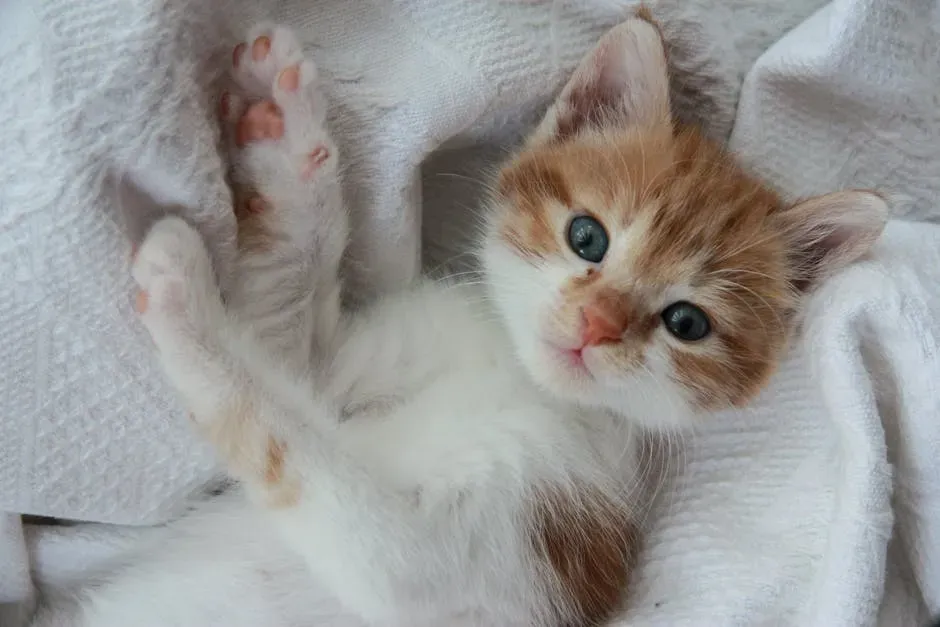
The story of purring starts much earlier than adulthood. Kittens can purr as young as 2 days of age. They purr when they are nursing from their mother and only stop long enough to swallow. For creatures born completely blind and deaf, that steady vibration is essentially their first conversation.
Purring also plays a crucial role in the early stages of a cat’s life. Kittens are born blind and deaf, so they rely heavily on their sense of touch and smell. Mother cats use soft vibrations to communicate with their kittens, signaling that it’s safe to come closer and nurse. Kittens, in turn, purr back to their mothers, creating a mutual sense of comfort and security. The fact that your adult cat still purrs with you isn’t accidental – in domestic cats, many signals that occur when interacting with humans seem to originate from when the animal was dependent on the mother.
When Purring Is a Distress Signal
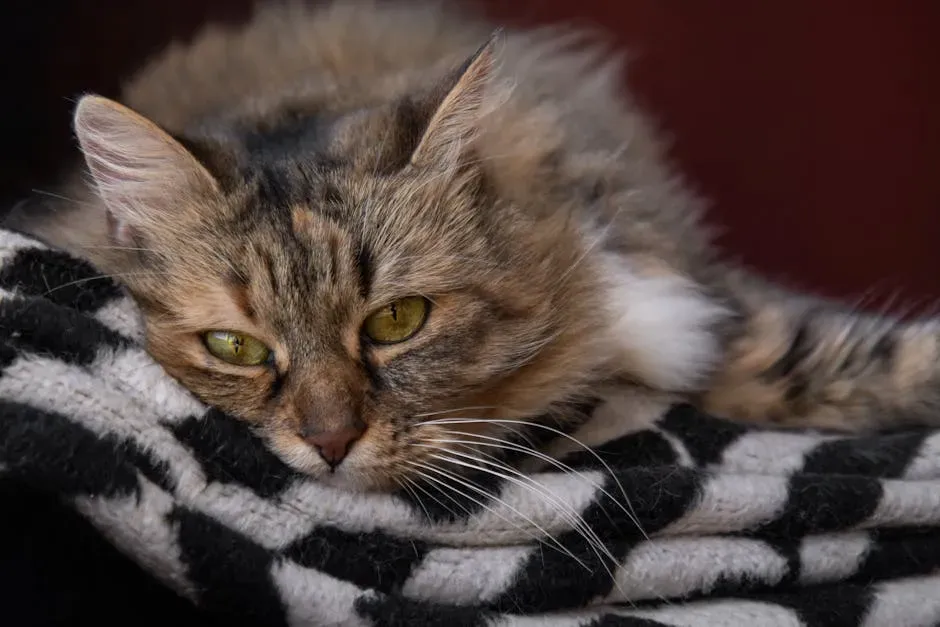
Perhaps the hardest thing for cat owners to accept is that a purring cat isn’t always a well cat. Cats can purr when they are healthy and feeling good, but cats can also purr when they are sick or in pain. By purring, the cat may be asking for care. This is why context matters so much when reading your cat’s messages.
If your cat is purring but also hiding, refusing to eat, or showing other unusual behaviors, it might be trying to comfort itself during discomfort. In these cases, the purr can be misleading. This type of purring is often accompanied by other signs of stress, like a tense body posture or dilated pupils. If your cat seems off – lethargic, withdrawn, or not eating – don’t let the purring reassure you into inaction. It may be a signal, not a sign of peace.
The Healing Frequency: A Purr That Repairs
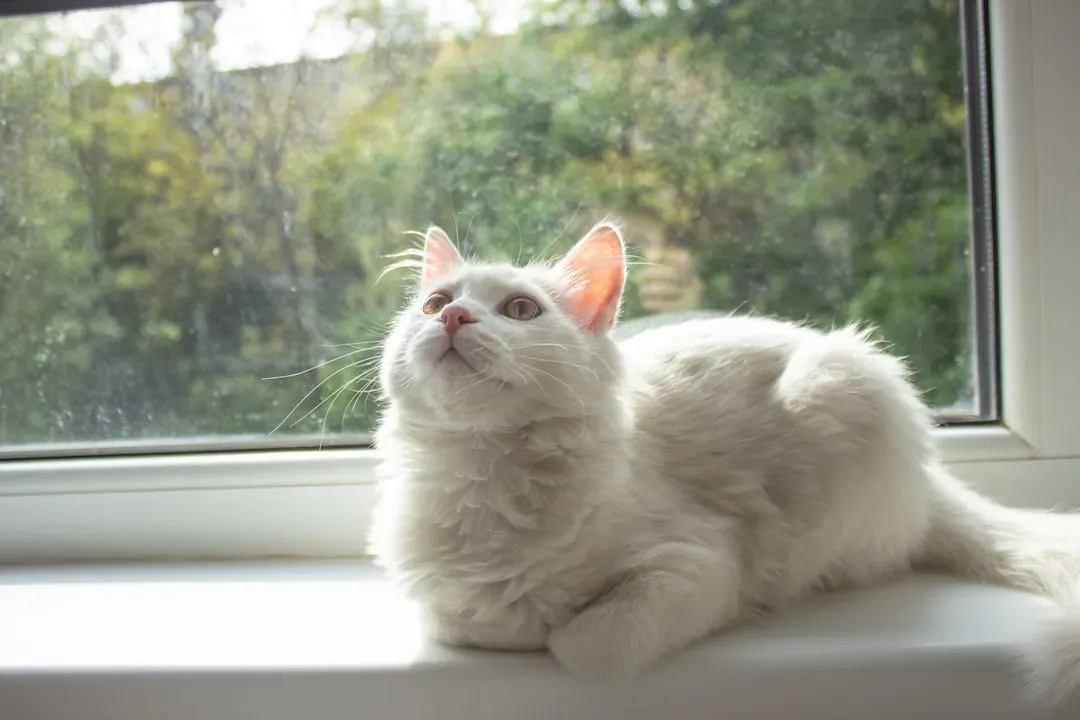
Here’s something genuinely fascinating: your cat’s purr may not just communicate emotion – it might actually facilitate physical repair. The vibrations produced during purring occur at a frequency of 25 to 150 Hertz, which has been shown to promote healing and tissue regeneration and is known to positively affect bone density and tendon and muscle repair.
According to researchers, beyond communication, purring may hold a secret power as well. Researchers found a low-frequency hum of purring at 25–50 Hertz could stimulate muscles and even promote bone healing. While cats purr when they’re feeling content, they sometimes do so as well when they’re not feeling so well or in pain. Cats’ gentle purrs may have the ability to help expedite the healing of burns and broken bones, and they may also provide a bit of pain relief. In other words, your cat may literally be running a self-repair system every time they purr.
How Purring Benefits You, Too
The vibrations don’t stop with your cat. They travel. Purring can lower cortisol levels – the stress hormone associated with high blood pressure – and can help alleviate pain, easing chronic discomfort. In addition to these physical benefits, the soothing vibrations of a cat’s purr can help regulate the autonomic nervous system, which controls involuntary bodily functions like heart rate and breathing. By lowering stress and triggering the body’s relaxation response, purring promotes a sense of calm, balance and emotional well-being.
Studies have shown that petting a cat while listening to its purr can boost oxytocin levels, a hormone associated with trust and emotional bonding. Studies demonstrate that the frequency and sound and feeling of the average purr has a positive impact on endorphins in humans and lowers levels of the stress hormone, cortisol. It’s a quiet, two-way exchange – your cat gets comfort from purring, and you absorb the physical benefits almost without realizing it.
Reading the Full Message: Body Language and Context
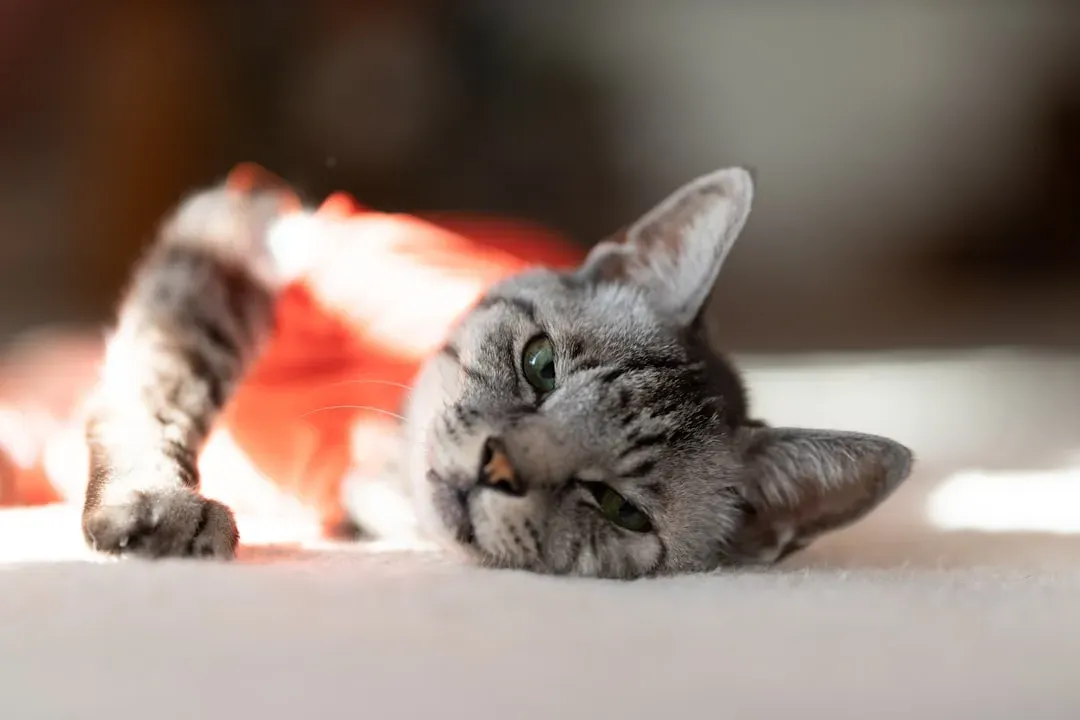
The purr is rarely the whole sentence. It’s more like the tone of voice – and to understand the words, you need to read the rest of your cat’s body. Cats can purr when they are calm but also when they are frightened, injured, or even near death. Therefore, interpreting purrs requires attention to context and accompanying body language.
Each cat’s purr is unique. Spending time with your cat and observing its purring in different contexts can help you understand the nuances of its communication. Notice when your cat purrs, what it’s doing at the time, and the environment around it. This can give you valuable insights into your cat’s emotional state. Each cat’s purr is as unique as our own fingerprints. Some cats offer higher pitched purrs and others emit a low baritone rumble. Over time, most cat owners develop an almost instinctive ability to distinguish the relaxed evening purr from the something’s-not-right purr – and that distinction matters more than most people realize.
Conclusion
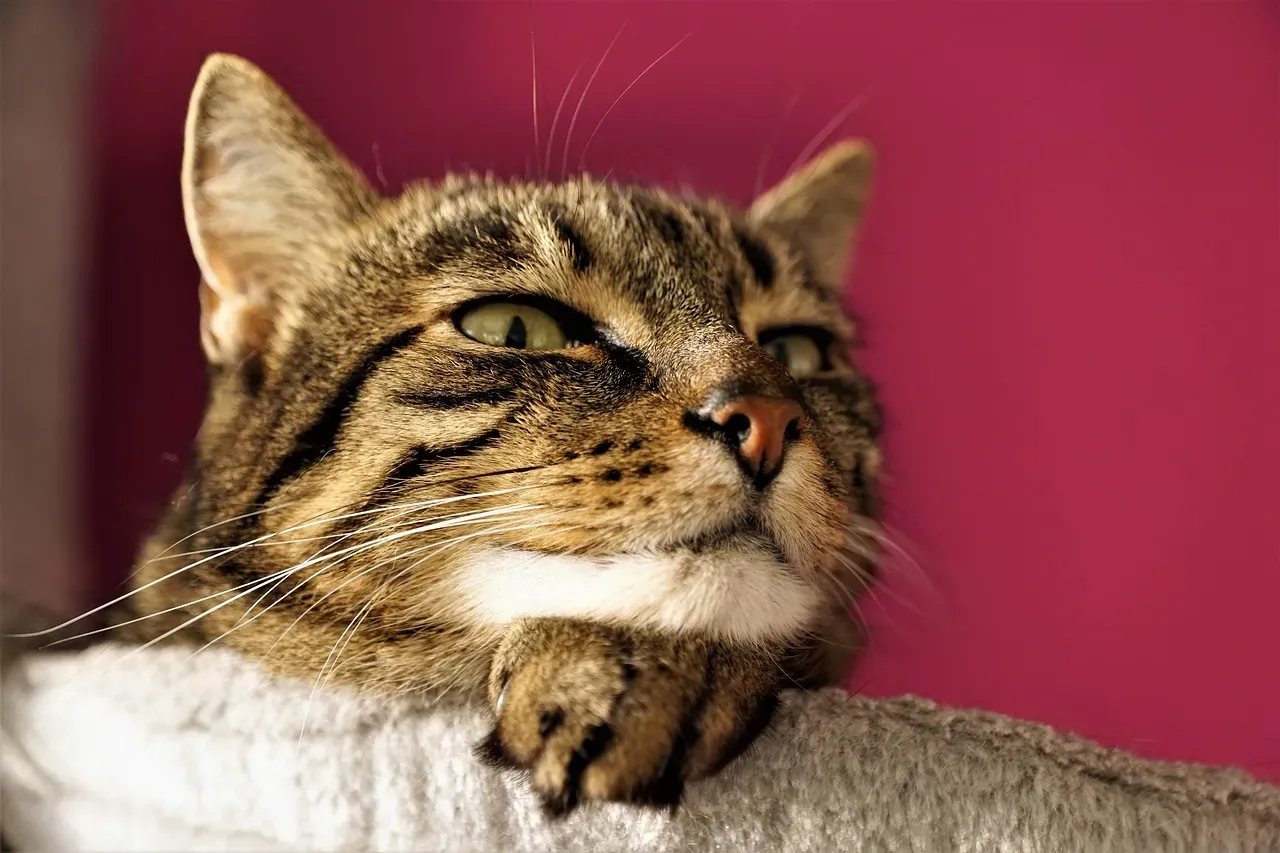
That steady hum your cat produces carries far more information than a simple signal of happiness. It spans frequencies linked to healing, carries hidden acoustic cries designed to trigger your nurturing instincts, serves as a first language between mothers and newborns, and functions as a built-in emotional regulator for a creature that otherwise keeps most of its inner world very private.
The next time your cat settles beside you and starts purring, it’s worth pausing to consider what the full message might be. Is this contentment? A quiet request? A moment of self-soothing? The answer is usually there in the posture, the context, and the subtle quality of the sound itself. Your cat has been talking to you all along – in a language that, with a little attention, is actually quite readable.