You think you know your cat. After all, you’ve lived together for years. You’ve watched those adorable ears twitch, observed those mysterious slow blinks, and maybe even caught a few moments of what looks like a genuine feline smile.
Still, there’s something elusive about cats. They’re masters of subtlety. Unlike dogs who wear their hearts on their furry sleeves, cats communicate through a much more nuanced language. One twitch of a whisker can tell a completely different story than you might expect. The truth is, your cat is constantly talking to you through facial expressions you might not even notice. Ready to finally decode what your feline friend has been trying to tell you all along?
The Science Behind Those Expressive Cat Faces
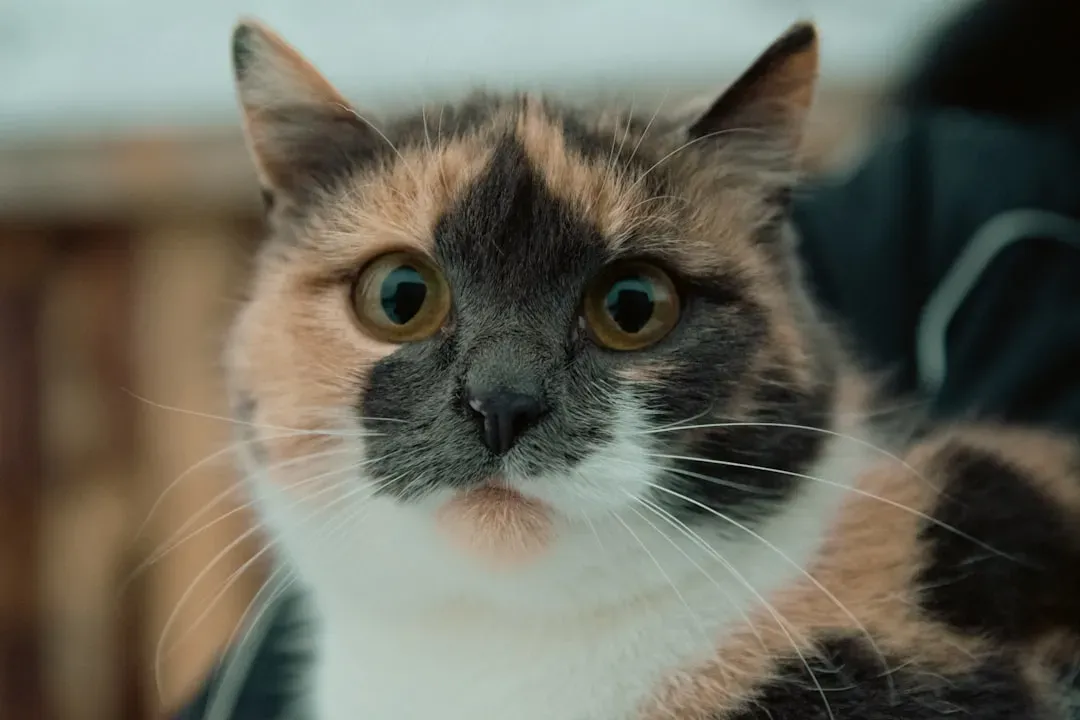
Here’s something that might surprise you. Cats can actually produce 276 different facial signals. Let that sink in for a moment. Nearly three hundred distinct ways to express themselves just through their faces alone. Researchers discovered 26 unique muscle movements that, in various combinations, created those 276 facial expressions.
This complexity rivals what we see in chimpanzees and far exceeds what most people assume about cats. A cat’s facial signals correspond to different social functions, a tactic which is likely influenced by domestication. When you really stop to consider it, this makes perfect sense. Over thousands of years living alongside humans, cats evolved increasingly sophisticated ways to communicate their needs and feelings to us.
Why Your Cat’s Slow Blink Means Everything
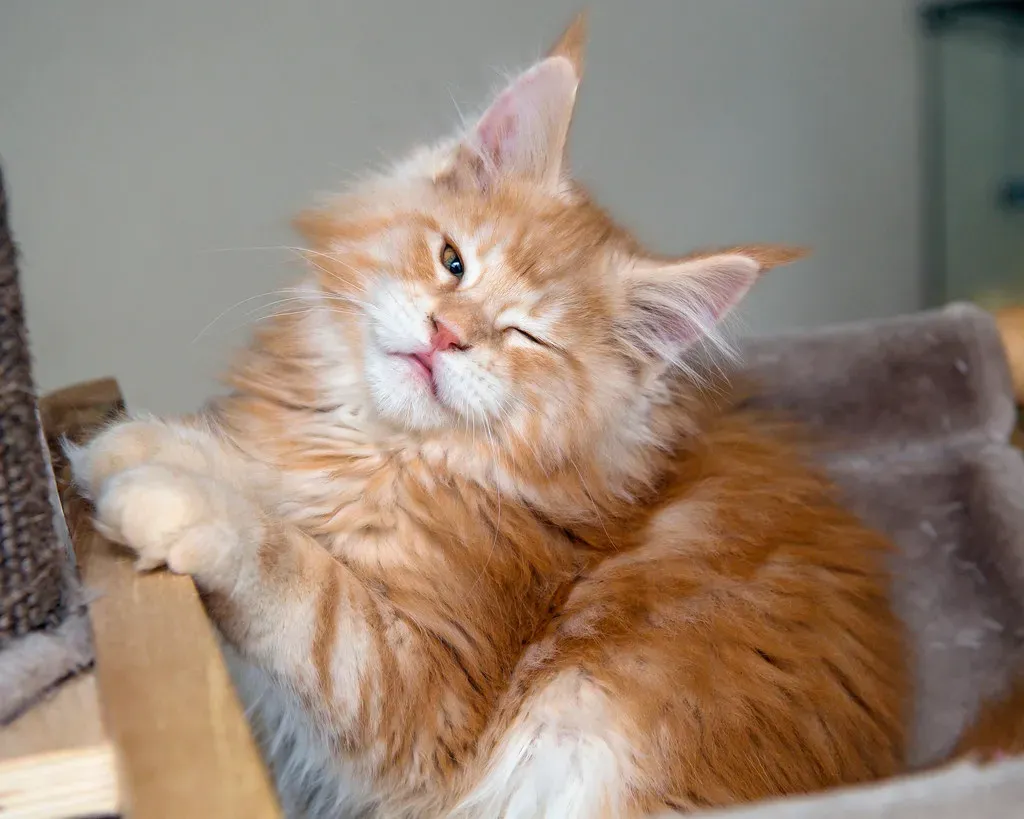
The cat slow blink is just one of the more subtle ways your kitty says “I love you”. Think about what it means from your cat’s perspective. In the wild, closing their eyes makes them vulnerable to predators or threats. When your cat’s eyes are closed, it can’t spot potential threats nearby. It’s at risk. Vulnerable. When you’re present and your cat makes himself vulnerable by closing his eyes, you have officially made it inside your pet’s circle of trust.
Cats are more likely to slow blink at their humans after their humans have slow blinked at them. This creates a beautiful feedback loop of affection between you and your feline companion. Cats are more likely to approach an unfamiliar person who slow-blinks at them than someone who keeps a neutral face. So next time your cat gives you that languid, dreamy blink, return the gesture. You’re speaking their language of trust and affection.
Reading the Radar: What Your Cat’s Ears Are Really Saying
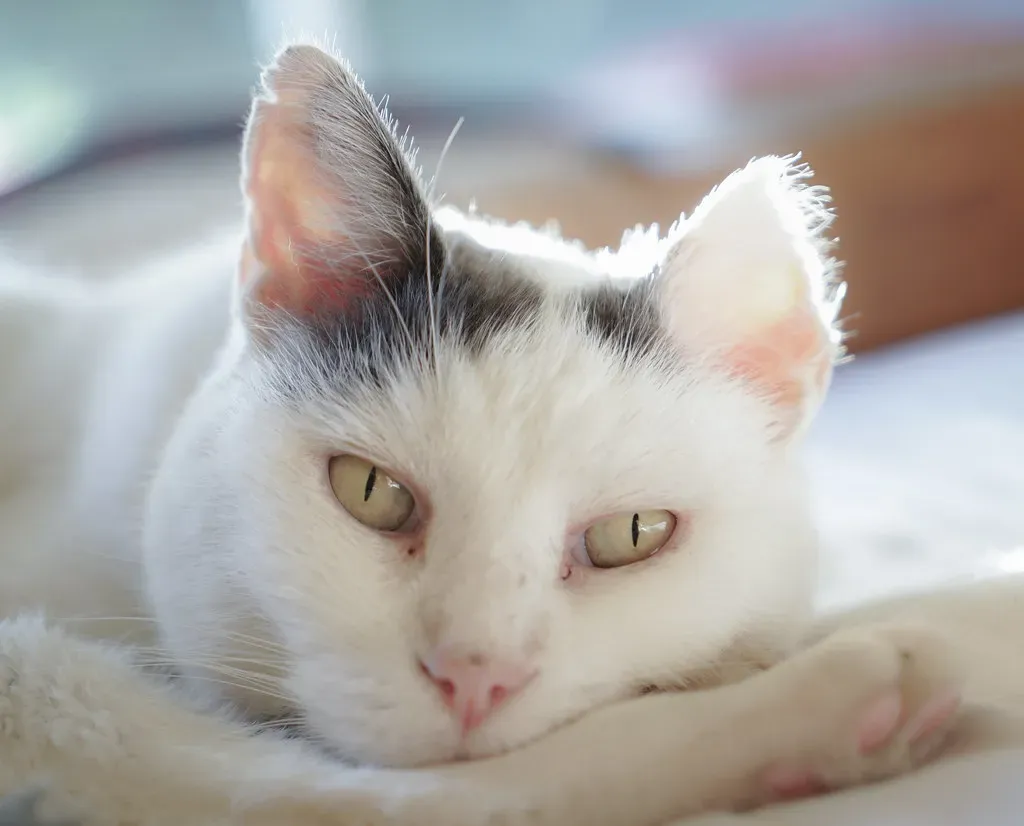
Cats have 32 muscles in each ear. Honestly, that’s remarkable when you think about how much control that gives them. These muscles help cats hear high-frequency sounds and enable them to swivel their ears through such a big angle, giving them a wide range of motion. Those ears can rotate nearly halfway around.
When a cat’s ears are facing forward in what’s called the neutral position, neutral ears indicate that a cat is feeling happy and relaxed. If your cat is holding their ears straight up, this position means that your cat is on high alert and is listening intently for someone or something. Pay attention when those ears flatten, though. If your cat’s ears are flattened against their head in “airplane mode,” it means that they’re frightened or nervous, and it could lead to aggressive behavior. That’s your cue to give them space.
Those Mysterious Whisker Movements Hold Hidden Messages
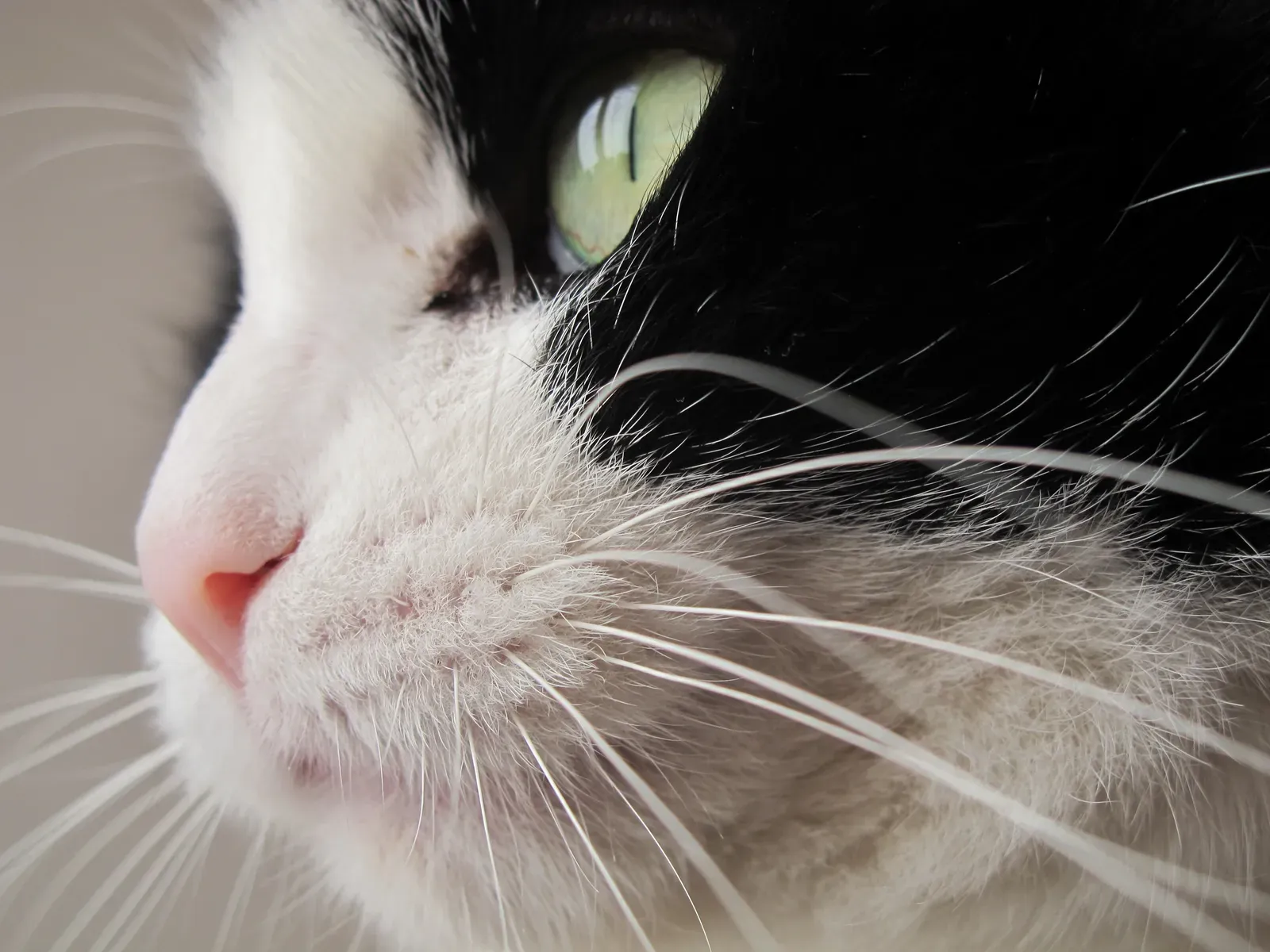
Whiskers aren’t just adorable facial accessories. Whiskers, or “vibrissae,” are so vital to a cat that they are the first hairs to develop in the womb. They are longer and thicker than normal hairs and are embedded three times deeper into the skin. Each whisker connects directly to a sensitive nerve bundle that sends information straight to your cat’s brain.
In a happy, contented, or relaxed cat, whiskers are in a neutral position slightly to the side. When a cat’s interest is engaged, whiskers pull forward and fan out. Watch carefully during different situations. As fear, anxiety, and stress increase, whiskers begin to move slightly back. If stress escalates, whiskers pull back further as ears move further to the side. Learning to read these whisker signals gives you another window into your cat’s emotional state.
The Eyes Have It: Pupil Size and What It Reveals
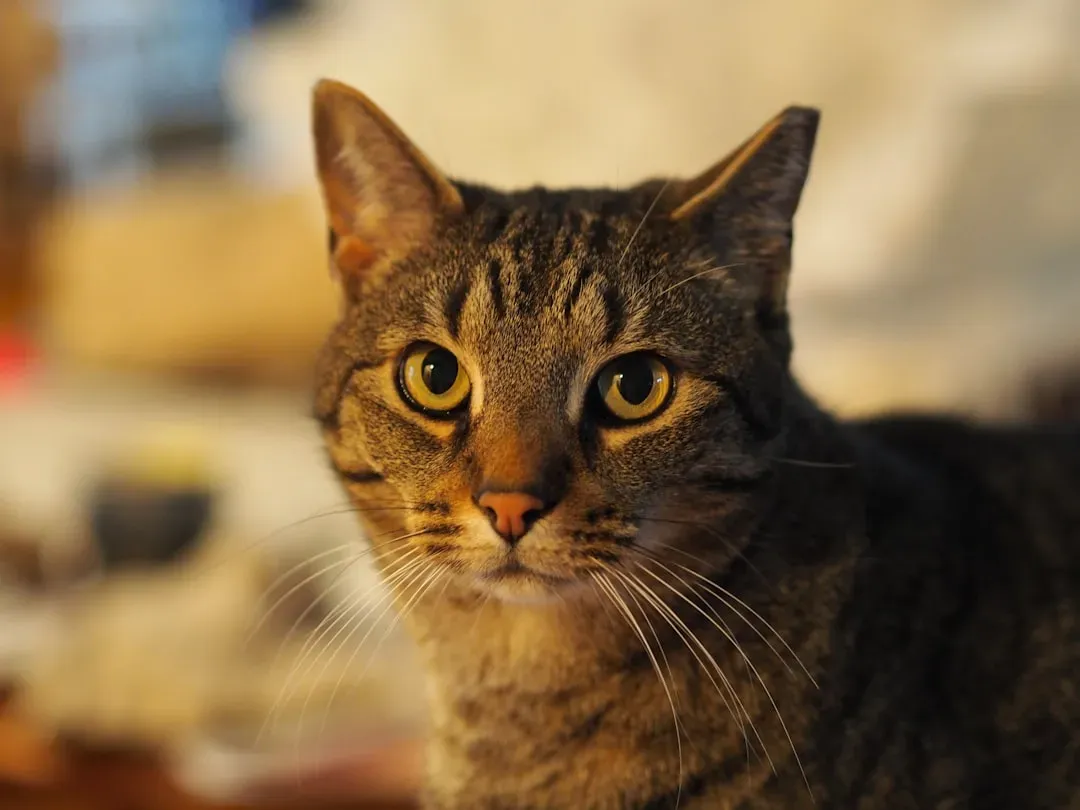
Your cat’s pupils are constantly adjusting, and not just in response to light. When a cat’s pupils are large and dilated, that means it’s stimulated. Stimulation is not necessarily good or bad. A cat that’s feeling playful will often have dilated pupils. However, dilated pupils can also indicate fear, excitement, or anger. Context matters enormously here.
A fearful cat’s eyes widen, and their pupils dilate due to the effects of the fight-or-flight response. Meanwhile, during aggressive encounters, pupils might constrict instead. Relaxed eyes usually belong on a cat that’s feeling comfortable. The key is looking at the entire picture your cat is painting with their face, not just isolating one feature.
Understanding Offensive Versus Defensive Facial Expressions

The vast majority of the cats’ expressions were either distinctly friendly (45%) or distinctly aggressive (37%). Knowing which is which can literally save you from scratches. An offensive cat might have a direct hard stare, ears upright and rotated forward, and constricted pupils. These signal a cat who is confident and moving into the conflict.
Defensive expressions look quite different. A defensive cat shows a crouched position, ears flattened, whiskers back, tail between legs or wrapped around body, and dilated pupils. If cats feel anxious or stressed, they will have dilated pupils with their ears flattened and head lowered. A defensive cat isn’t necessarily less dangerous, though. They’re simply scared rather than confrontational, which means they might lash out if they feel cornered.
The Play Face: When Your Cat Wants to Have Fun
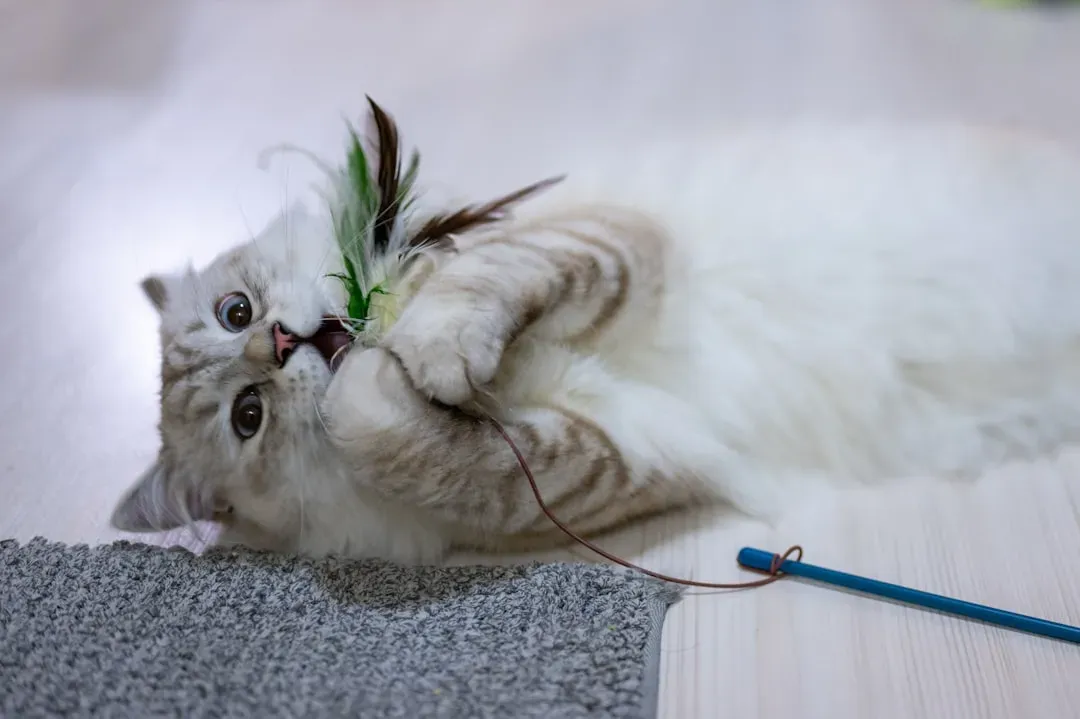
Some of the friendly interactions recorded in the study involved cats playing with each other, and that led to an exciting finding: cats have a specific facial expression related to play, known as play face. This has previously been found in other mammals like dogs, humans, monkeys, apes, and sun bears. It’s actually been scientifically documented now.
A playful cat typically has ears forward, tail up, whiskers forward, and pupils somewhat dilated. You might also notice their eyes getting really wide with excitement. Playful cats might appear to be aggressive when they’re simply playing because play mimics hunting behaviors. Playful cats’ pupils might dilate, and their eyes might get really wide. Learning to recognize play face helps you engage appropriately with your cat during these energetic moments.
How to Tell if Your Cat Is Stressed or Anxious
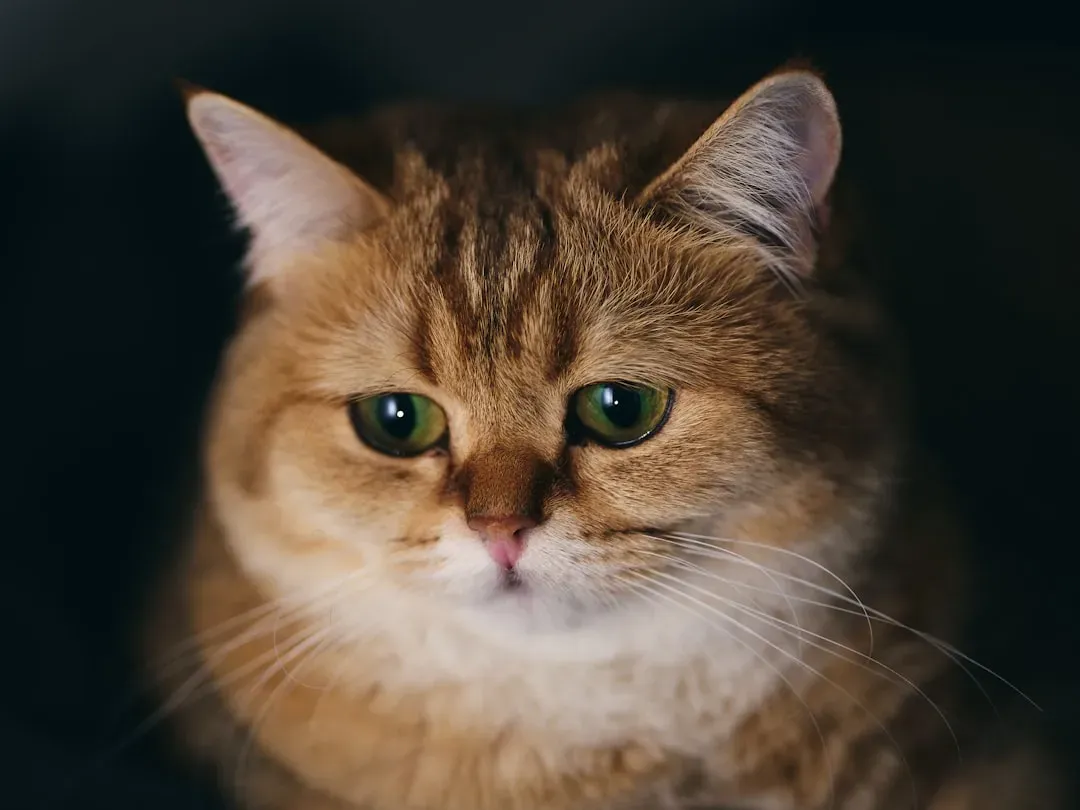
When a cat is feeling stressed, they may have a stiff and tense body held low to the ground. The cat may also engage in displacement behaviors, meaning normal behaviors that are performed out of context, to cope with underlying stress. These displacement behaviors might include excessive grooming, yawning, or lip licking at odd times.
A cat who’s mildly stressed might blink rapidly, turn their ears outward or back, and turn their head away. The cat’s pupils also might be dilated, and their whiskers might be held farther forward than normal. Notice how multiple facial features work together. Looking at just one element in isolation might give you an incomplete or even incorrect interpretation.
Pain and Discomfort: The Facial Signals You Need to Know
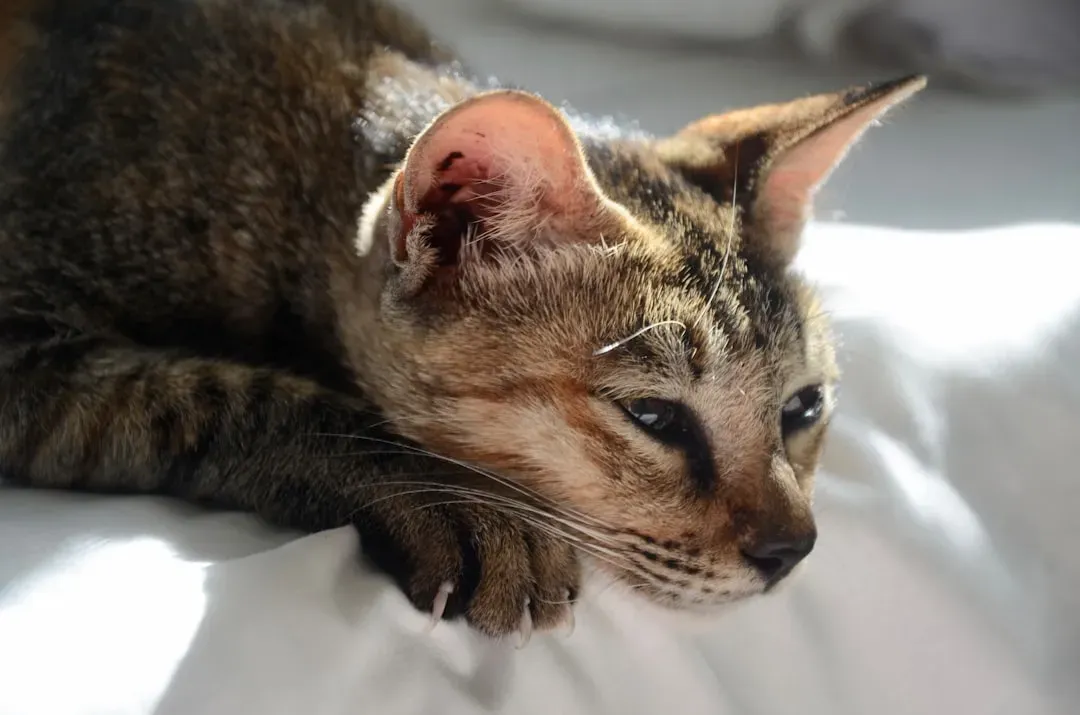
Cats are skilled at hiding their pain; it’s a natural instinct that was essential for the survival of their wild ancestors who wanted to avoid appearing vulnerable to predators. This makes it even more critical to learn the subtle facial cues that indicate something’s wrong. A cat who’s feeling sick might hold their head low and squint their eyes or hold them shut. Their ears might sit low or rotated outward, and their whiskers might be pointing downward.
What looks like a slow blink might actually be a squint. What looks like a slow blink is actually a squint, which generally means your pet is experiencing pain, discomfort, or injury. Behavioral changes can also indicate that your cat is in pain. If your cat’s facial expressions seem off or unusual, that’s a good reason to schedule a vet appointment.
The Power of Context: Putting All the Pieces Together
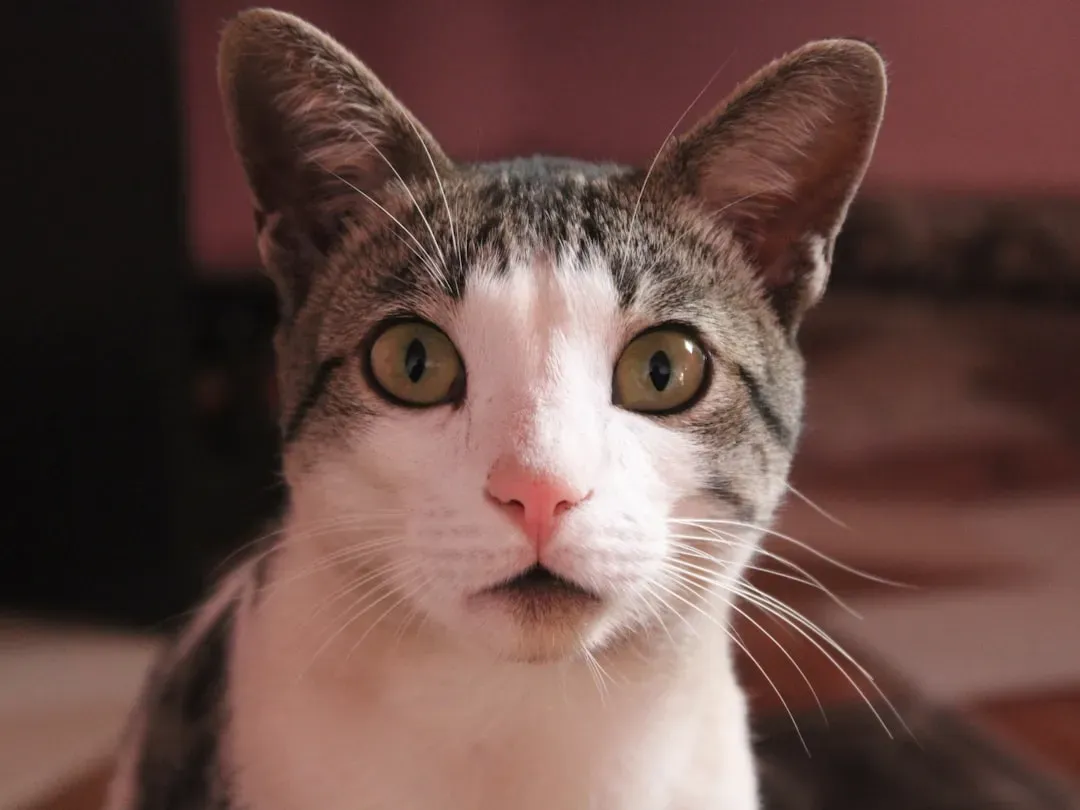
A cat’s body language and behaviors should be looked at as part of a single big picture. By using the context of the entire situation, trying to see the situation from the cat’s point of view, and looking for subtle cues in body language, you’ll have an excellent chance at understanding your feline friends. Let’s be real, you can’t just look at ears or eyes alone.
It is crucial to interpret both postural and facial expressions together. A cat with forward ears might be alert and interested or might be showing offensive aggression depending on what the rest of their face and body is doing. When interpreting cat body language, consider everything that’s going on around the cat. Put yourself in the cat’s paws and ask how the situation and environment might make them feel. This empathetic approach transforms you from someone who merely observes their cat to someone who truly understands them.
Building Stronger Bonds Through Facial Communication
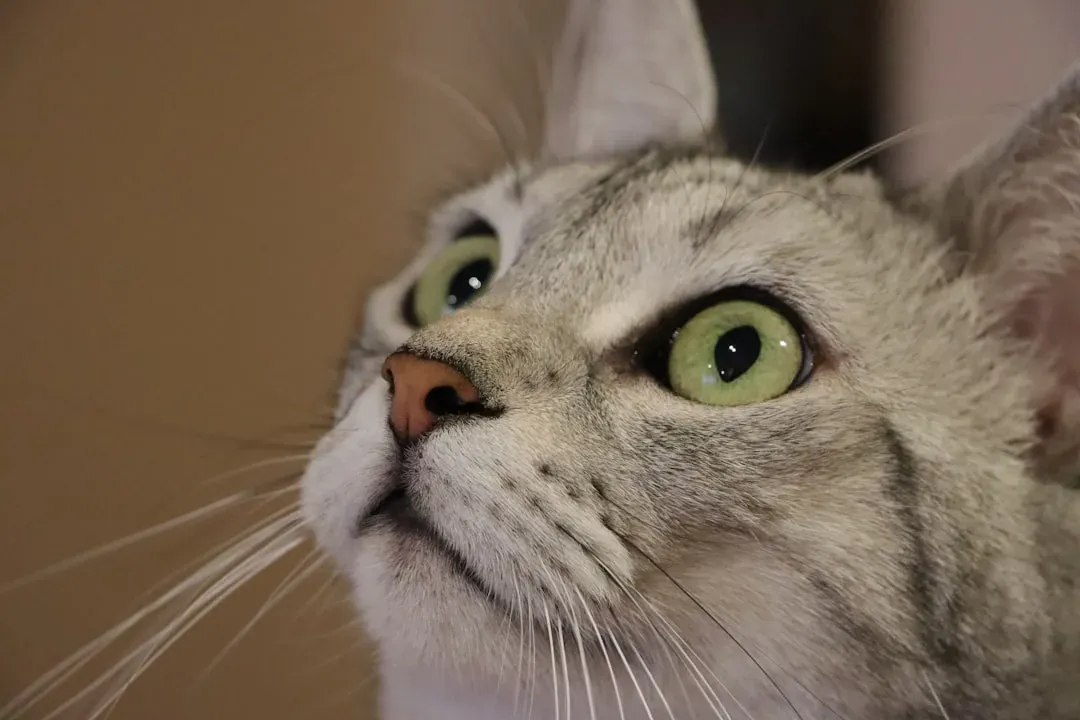
The good news is that it seems the more time you spend with cats, the better you are at reading them. This is genuinely encouraging. You don’t need to be a cat behaviorist to develop this skill. Our felines are signaling subtly through facial expressions every moment they are with us, and the more we observe the more we see. The rich emotional lives that cats lead can be shared. By watching them more closely you can improve how you read those inner states.
Recognizing and reciprocating your cat’s slow blink can help to strengthen the bond between you and your pet, leading to a more trusting and affectionate relationship. Understanding your cat’s slow blink as a form of communication can help you to better interpret their emotions and needs. Every small gesture of understanding builds trust. Every moment you respond appropriately to their facial signals tells your cat that you see them, you understand them, and you care.
What surprises you most about what your cat has been telling you this whole time? Next time you catch your feline companion gazing at you with those inscrutable eyes, take a moment to really look. Check those ears, observe those whiskers, notice those pupils. Your cat is speaking to you in a language more complex than most people ever realize. Now you have the tools to listen.