There is something quietly extraordinary about being chosen by a cat. Not just tolerated. Not merely fed-adjacent. Actually chosen – as the one person a cat will seek out, curl up beside, and follow from room to room like a small, opinionated shadow. Anyone who has experienced it knows it feels oddly significant, like passing a secret test you didn’t know you were taking.
Cats have a well-worn reputation for being indifferent and aloof, yet millions of cat owners worldwide will tell you a very different story. The science behind feline loyalty is far more fascinating, and more emotionally layered, than most people expect. So let’s dive in – because what you are about to discover about your cat’s inner world might genuinely surprise you.
The Science of Feline Attachment: More Than You Think
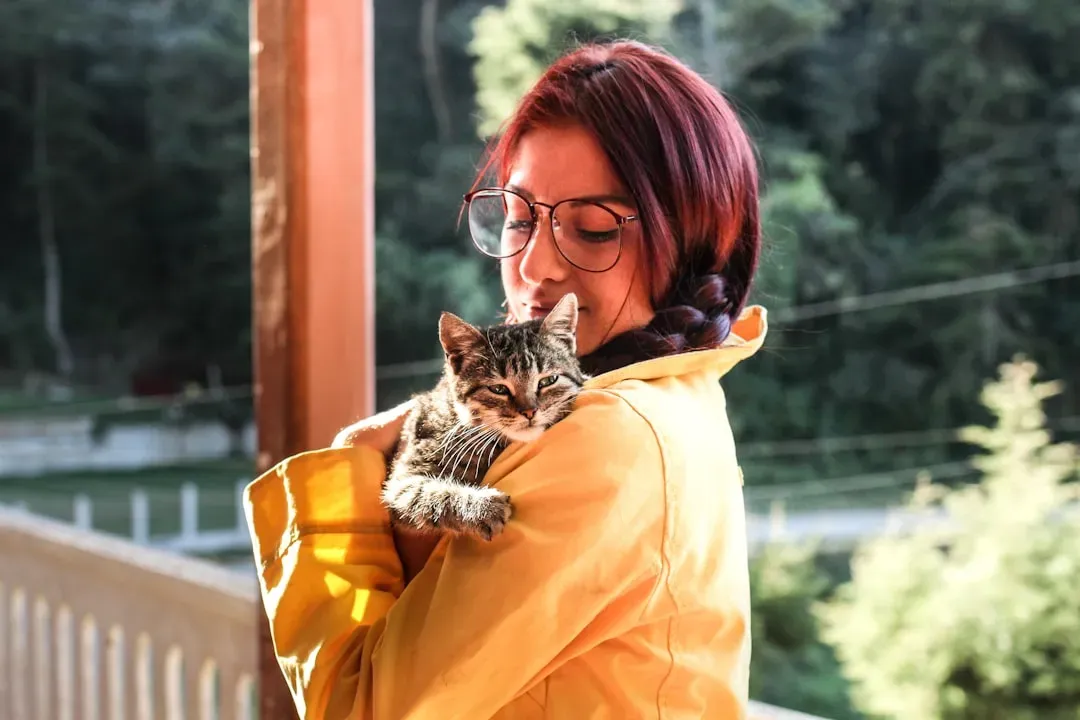
For a long time, people assumed cats were simply too independent to form meaningful emotional bonds. Honestly, the stereotype persisted for decades. That perception has now been thoroughly challenged by research.
Research published in the journal Current Biology found that, much like children and dogs, pet cats form secure and insecure bonds with their human caretakers. Researcher Kristyn Vitale of Oregon State University noted that cats “display social flexibility in regard to their attachments with humans” and that the majority of cats use their chosen person as a source of security in a novel environment.
Of the 70 kittens studied, nearly two thirds were categorized as securely attached, while just over a third were categorized as insecurely attached. Perhaps most striking, once an attachment style has been established between a cat and its caregiver, it appears to remain relatively stable over time, even after a training and socialization intervention.
Early Socialization: The Window That Changes Everything
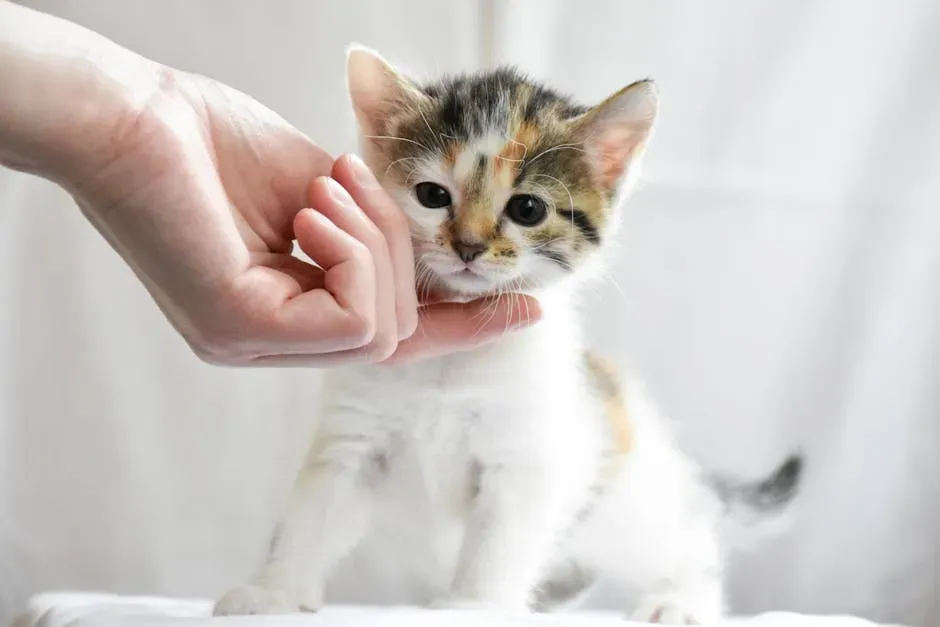
Think of early kittenhood as wet cement. Whatever impressions are made during that window tend to harden and last. The moments you might overlook as insignificant are, to a developing kitten, absolutely formative.
Kittens go through a crucial window of socialization between two and nine weeks old. During this time, their interactions with people and other animals shape their lifelong attitudes. If a kitten experiences gentle handling by just one person, they often develop a preference for that individual. A cat’s early experiences with humans can greatly influence its future relationships – kittens exposed to gentle and positive human interaction from a young age tend to be more social and trusting as adults, while cats that have had limited or negative experiences may become more reserved or wary.
An inability to find comfort and security in a person “may be an outcome of life experiences,” as well as a particular cat’s predisposition. Both nature and nurture matter, and even well-meaning people may not appreciate just how sensitive cats can be. It is a little humbling when you think about it – you may have been shaping your cat’s lifelong emotional world without even realizing it.
Personality Compatibility: It Is Basically a Matchmaking Process
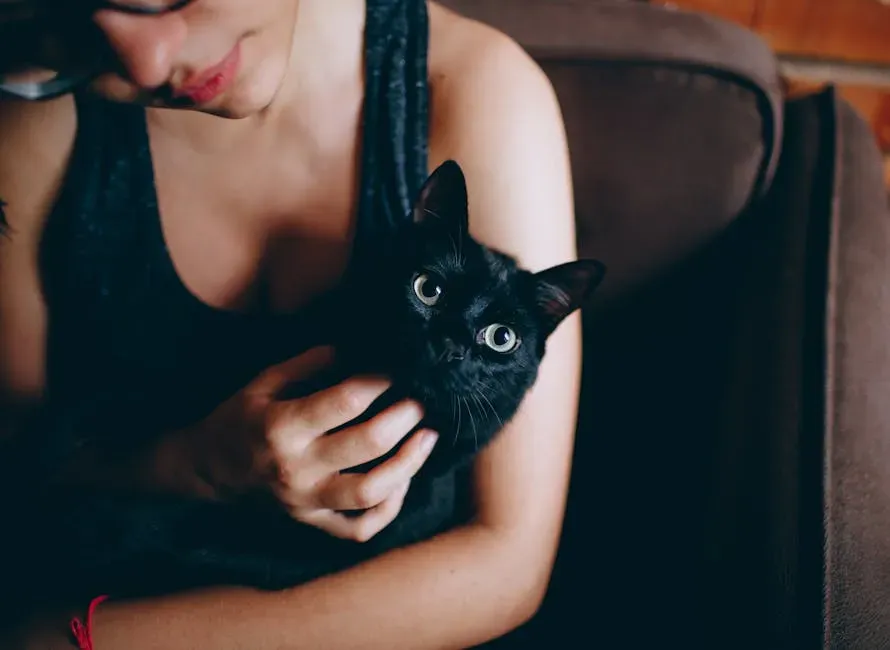
Let’s be real – not every person is the right fit for every cat, and cats seem to understand this far better than we do. The bond often forms not by accident but through a kind of quiet personality alignment that happens naturally over time.
Just like humans, cats have distinct personalities. Some are outgoing and playful, while others are shy and reserved. A cat’s personality can significantly influence its choice of human companions, as cats often gravitate towards individuals whose personalities complement their own. For instance, a calm and patient person might attract a more timid cat, while an energetic individual might be favored by a playful feline.
Another reason behind a cat’s preference is the cat’s breed or personality. If your cat is the sort who just wants to be chill and relax, they will probably go for the family member who is calm and quiet. Playful, energetic cats who love to stay active will likely choose a friend who gives them exercise and attention. It is almost like a dating app – except the algorithm runs entirely in the cat’s head, and you never get to see your compatibility score.
The Effort Factor: Who Works Hardest Wins the Heart
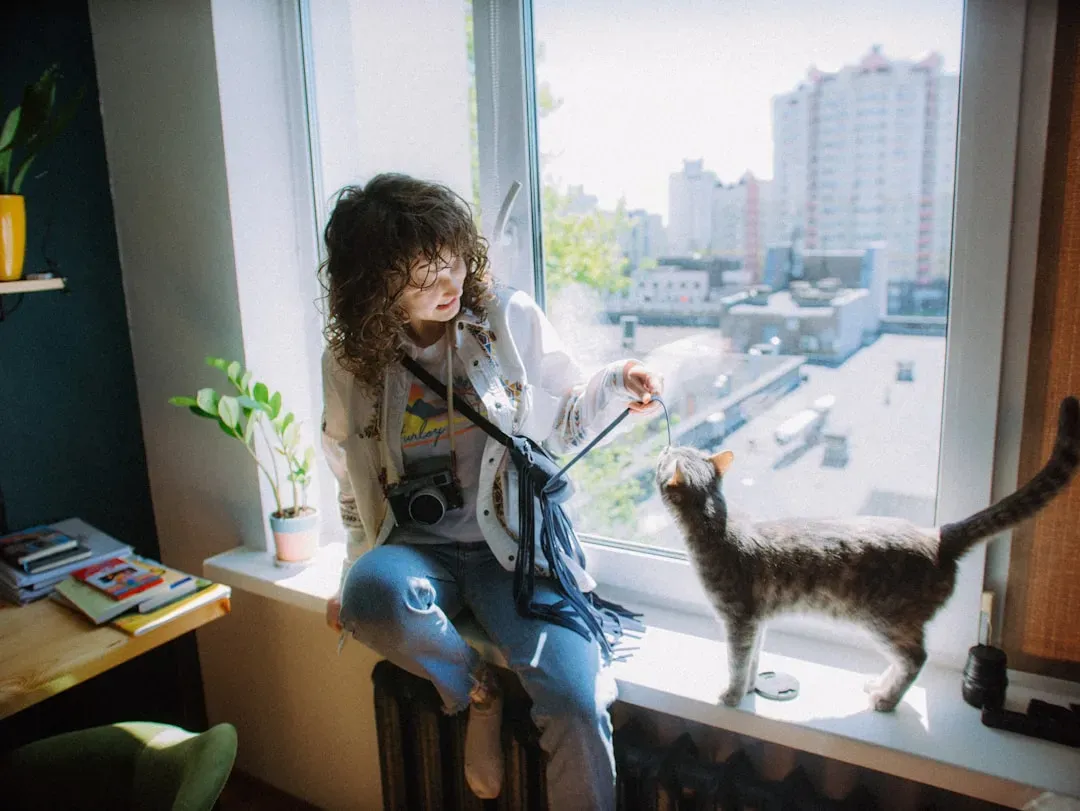
Here is the thing: cats are not passive in how they choose their people. They are watching, assessing, and taking careful note of who puts in the real effort. A cat’s loyalty, it turns out, is something that must be genuinely earned.
In a multi-human household, cats tend to choose one family member they want to spend more time with. According to a study by the nutrition company Canadae, they discovered that the person who makes the most effort is the favorite. People who communicate with their cat by getting to know their cues and motives are more attractive to their cat companions.
Whether it is clicker training, teaching tricks, or simply playing interactive games, these shared experiences build trust and communication. The person who invests time in teaching and encouraging their cat becomes more than just a caregiver – they become a partner. Positive reinforcement used during training strengthens the association between the person and good feelings. Over time, that investment compounds, like interest in a very adorable emotional bank account.
Reading the Room: How Cats Communicate Their Choice
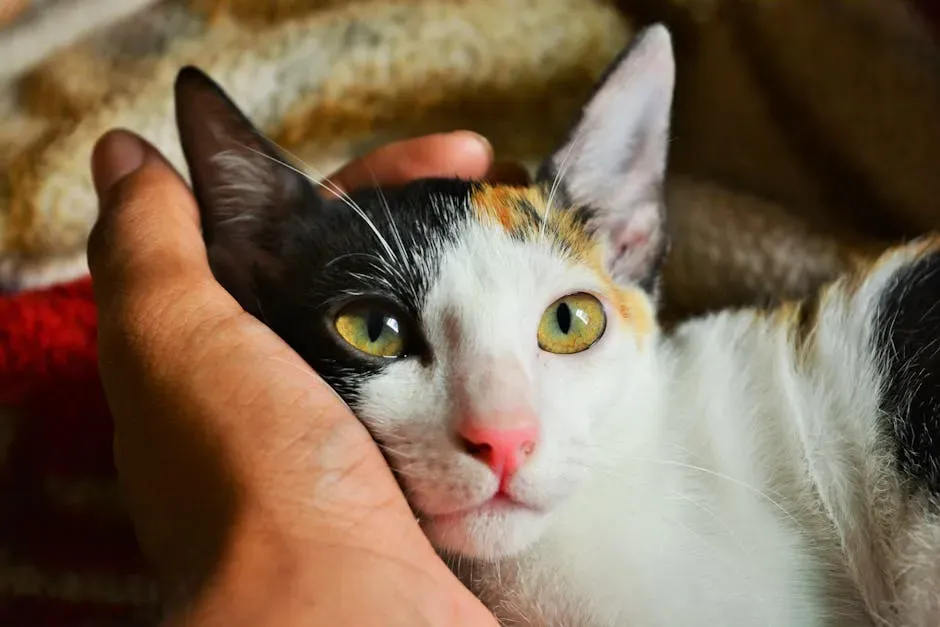
Once a cat has decided on their person, they do not exactly send a text message. The signals they use are subtle, layered, and deeply intentional – if you know how to look. Missing them is easy. Understanding them, once you learn the language, is genuinely moving.
Slow blinking is one of the clearest signs your cat feels relaxed and safe around you. When a cat slowly closes and opens their eyes in your presence, it is a signal of trust. If you slow blink back and your cat returns the gesture, that is a shared moment of affection. In the animal world, closing your eyes in front of someone is a vulnerable act. A slow blink is a way of saying, “I feel safe with you.”
Cats have an incredibly keen sense of smell, which they use to navigate their environment and identify familiar faces. When a cat rubs against you, it is marking you with its scent, signaling that you belong to its social group. Humans who have a scent that cats find familiar or comforting are more likely to become their favorites. Clear signs of a deep attachment also include following you from room to room, sleeping next to or on you, greeting you at the door when you return, and directing slow blinks at you – a feline sign of trust and affection.
The Role of Routine and Consistency
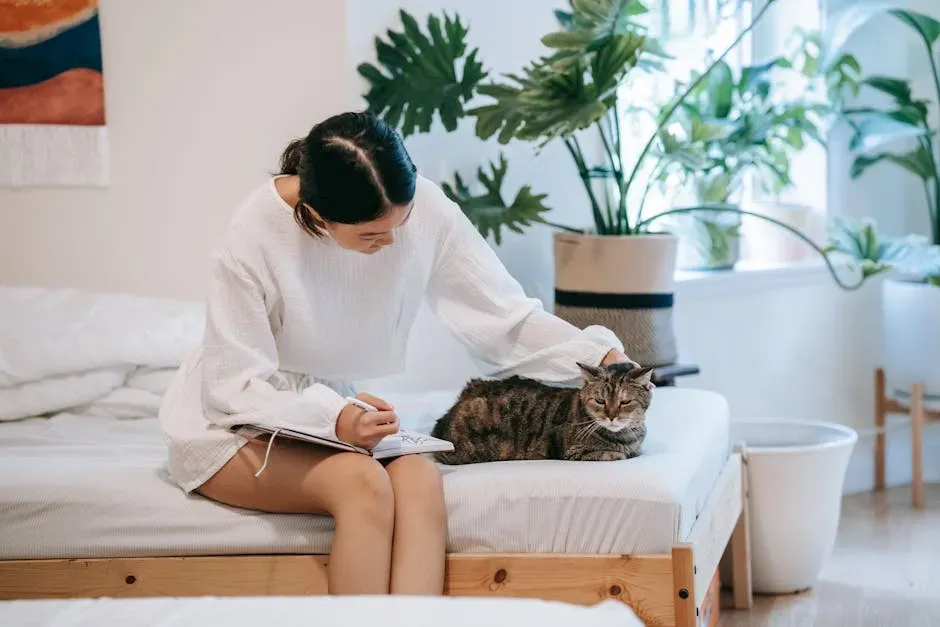
Cats are creatures of habit in a way that makes most humans look spontaneous. Disrupt the schedule and you will feel the displeasure. Honor it faithfully, and you quietly climb the ranks of feline favoritism without even trying.
Cats live for routine. They like to be fed the same meal at the same time each day. In theory, this will make a primary owner a cat’s favorite person, although external circumstances can sometimes complicate this. Cats are anecdotally drawn to people with predictable schedules. Those who wake up at the same time every day are often tapped as favorites. The bond will probably be quite strong if that person starts feeding the cat or regularly engaging in some kind of fun activity along with a regular schedule.
People who stick to a routine and respond to the cat’s needs help establish a secure bond. Think of it this way – your cat is not being controlling when it stares at you for breakfast at precisely 7 a.m. It is practicing relationship maintenance. There is a difference. Probably.
Breed Tendencies: Some Cats Are Wired for Exclusive Loyalty
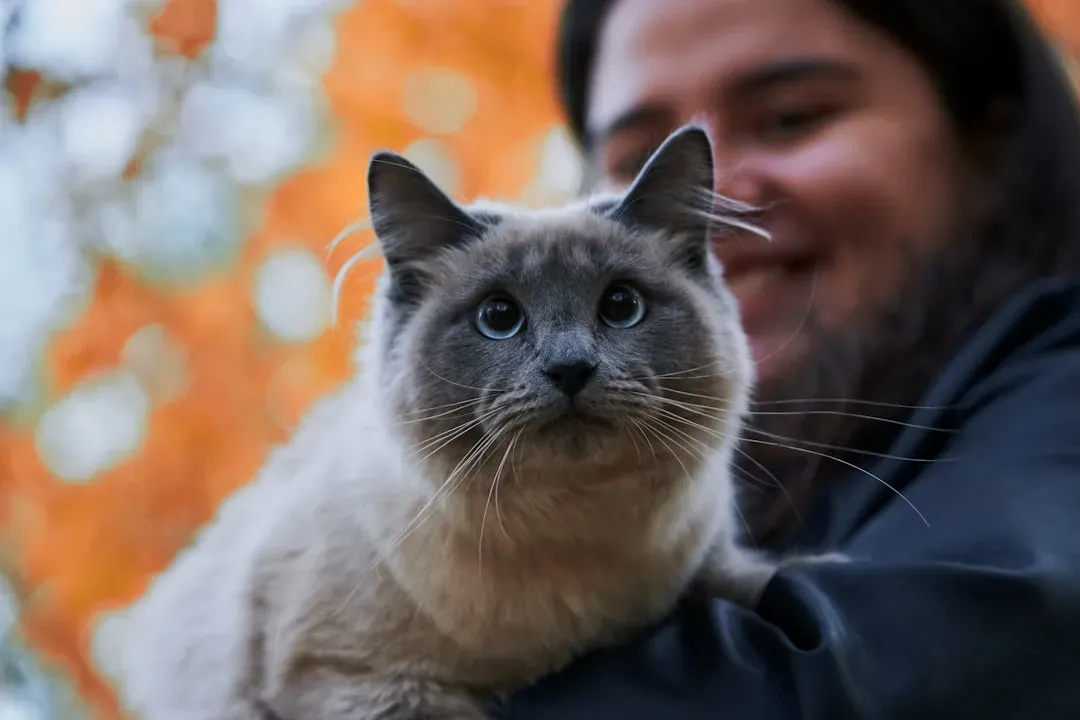
While individual personality always plays a role, certain breeds come pre-wired with a stronger pull toward picking one human and sticking with them. It is not a rule, but it is a very real and well-documented pattern worth knowing.
When it comes to one-person bonding, the Siamese stands out for its intense loyalty. These cats often choose a single human and devote themselves fully, shadowing them from room to room and insisting on constant involvement in daily routines. Their intelligence deepens this bond, as they quickly learn habits, schedules, and even moods. Russian Blue cats can be shy at first, but they are playful and loving once they feel comfortable. While they are happy living with families and even other pets, Russian Blue cats tend to form a deep connection with only one person. Once they bond with someone, they will be very sensitive to their pet parent’s emotions.
Despite a friendly, sociable reputation, the Maine Coon is known for quietly choosing one special person as its emotional anchor. Once bonded, Maine Coons become constant companions, trailing their chosen human from room to room like a calm shadow. The way cats express their affection is unique and can vary widely from one cat to another, depending on their temperament and breed. So if you have a Russian Blue who ignores everyone at the party except you, consider it a compliment of the highest order.
When Feline Fidelity Tips Into Separation Anxiety
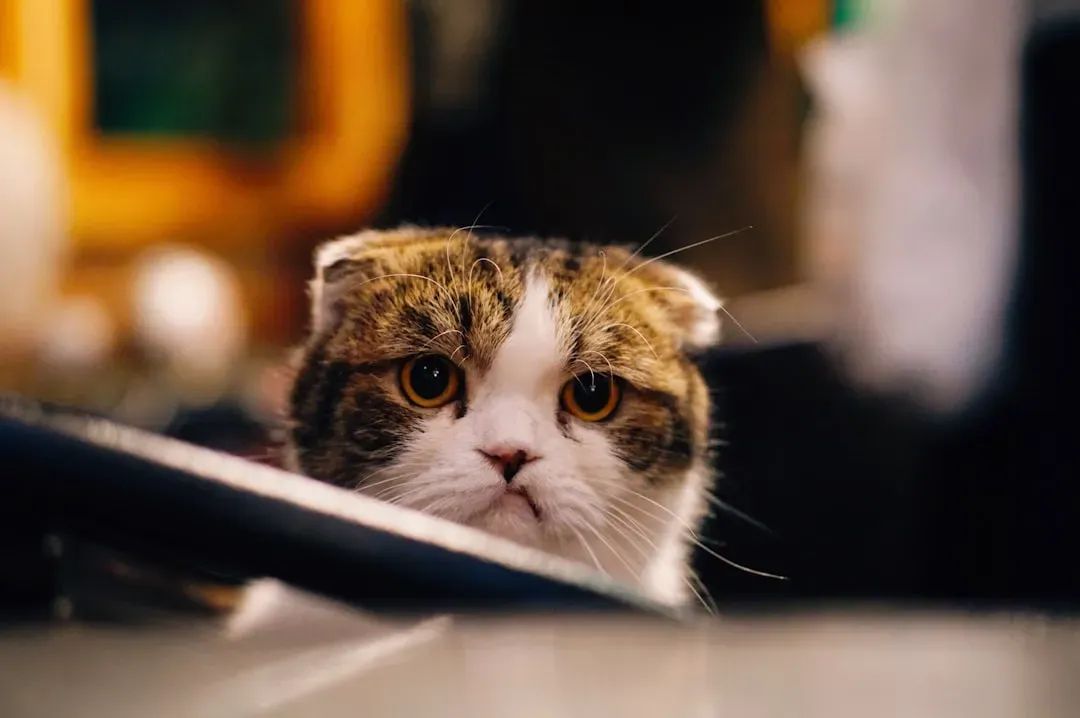
There is a shadow side to being deeply loved by a cat. The stronger the bond, the more some cats struggle when their chosen human is absent. It is a reminder that what looks like independence on the surface can mask some surprisingly profound emotional depths.
There can be a dark side to cats imprinting upon a favorite person. Separation anxiety is the most common of these. A cat with separation anxiety will grow increasingly distressed when apart from a treasured human. According to the Journal of the American Veterinary Medical Association, inappropriate elimination is the biggest warning sign of feline separation anxiety. If you often return home to soiled bedsheets, you will need to act.
Cats can also display surprising signs of jealousy when their favorite person pays attention to others. They might interrupt conversations, insert themselves between their human and another pet, or even act out by knocking things over. This possessiveness is a sign of how much they value their relationship, and while it may seem amusing, it is also a reminder of the emotional intensity underlying the bond. It is hard not to find that both touching and slightly alarming at the same time.
How to Become Your Cat’s Chosen Person
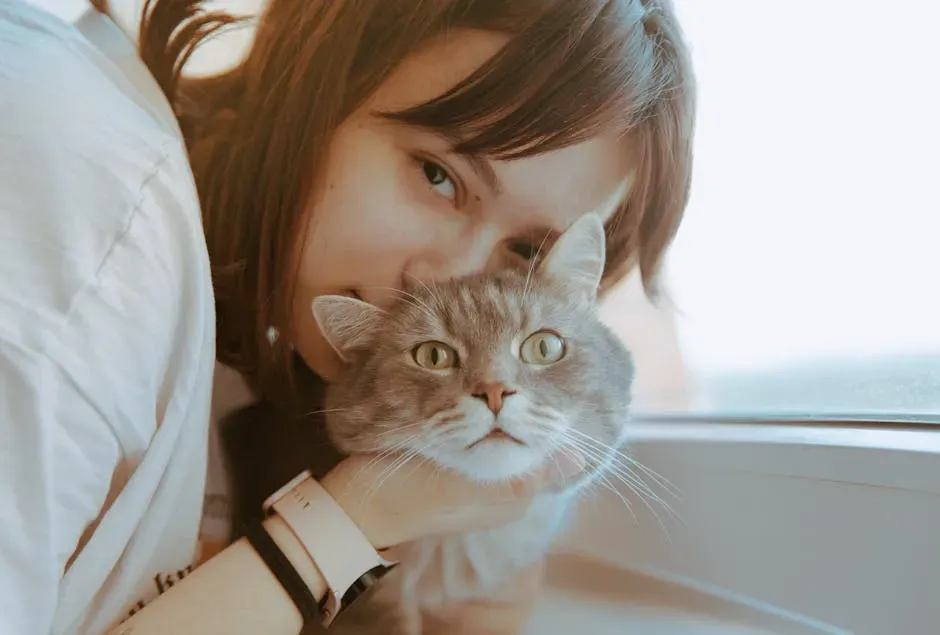
So what if you are not yet your cat’s top pick? The good news is that feline loyalty is not always locked in permanently. With the right approach, patience, and genuine effort, you can genuinely shift the dynamic – even with a cat that started out cautious or bonded to someone else.
You can gain your cat’s trust by respecting its preferences and personal space. Do not force your kitty to interact with you – rather, let them be the one to take the initiative. Some cats have a limited tolerance for time together, so do not overstep the boundaries. Keep the interaction time short and sweet, and most of all, be patient so that they learn to trust you.
Every cat has their own way of communicating, whether through vocalizations, body language, or subtle gestures. The person who learns to “speak cat” and responds appropriately is more likely to win the cat’s trust. Simple actions like mimicking the cat’s slow blinks or respecting their boundaries go a long way. Understanding these cues creates a shared language that deepens the bond. It is hard to say for sure how long it will take – but the moment a cautious cat chooses to sit in your lap entirely of its own accord feels, honestly, like winning something genuinely worth winning.
Conclusion
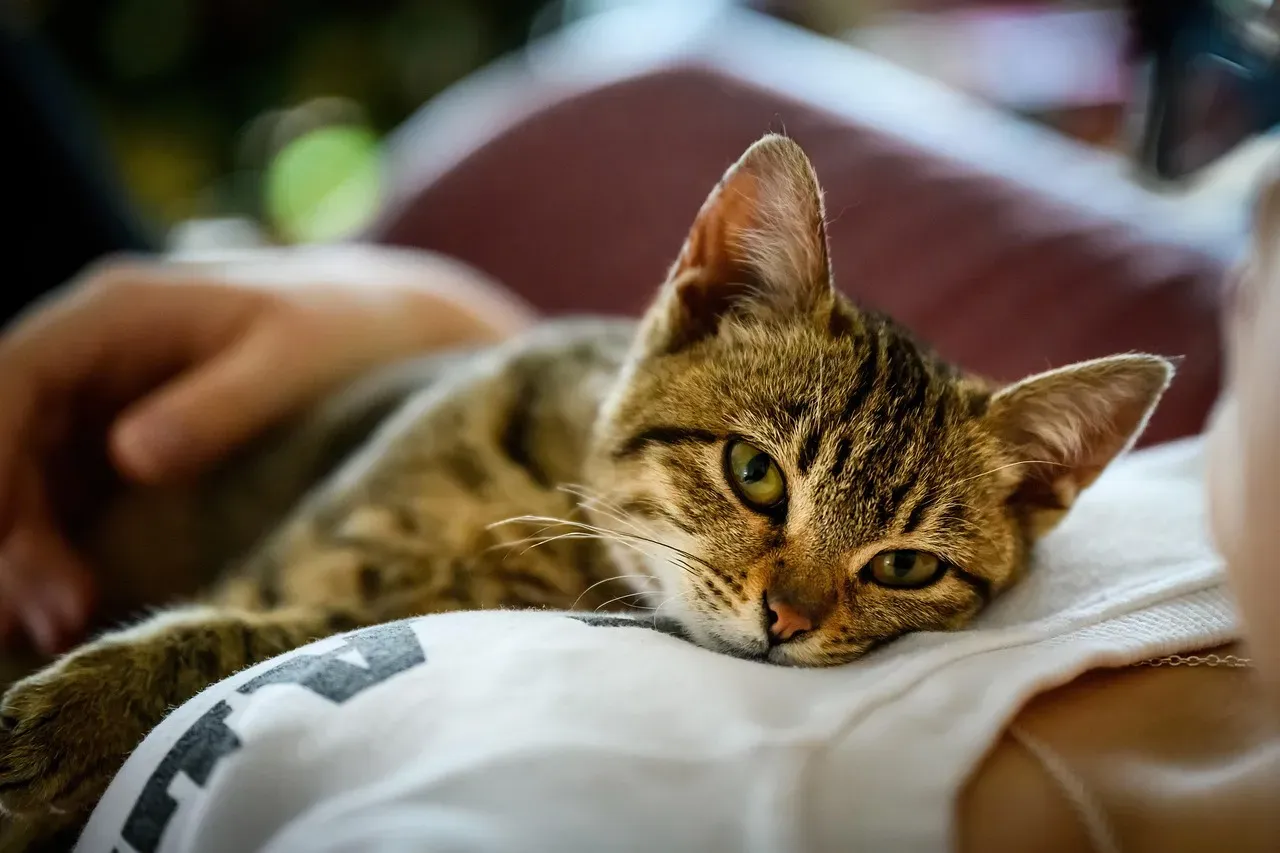
Feline loyalty is not a myth, a lucky accident, or a simple case of who feeds them first. It is a layered, emotionally intelligent process shaped by early experience, personality alignment, consistent care, and the kind of patient attention that tells a cat: you are safe with me.
When researchers presented cats with a choice of how to spend their time – investigating an interesting scent, playing with a toy, interacting with a person, or eating – social interaction was the most-preferred stimulus category overall for the majority of cats. That says everything, really. Beneath the independence and the sometimes theatrical indifference, your cat is choosing connection – and when they choose you specifically, that choice carries real weight.
Being a cat’s favorite person is not about grand gestures or expensive treats. It is about showing up, being consistent, learning their language, and earning their trust slowly, the way anything truly worthwhile is earned. The cat staring at you from across the room right now? They are paying attention. Are you?
What do you think – does your cat have a chosen person in your household? Share your experience in the comments below.