Have you ever wondered what your cat is really saying when they rub their face against your leg? Or why they seem obsessed with scratching that one particular corner of the couch? The truth is, your feline companion is constantly communicating with you and the world around them, but not in ways you might expect. Cats speak a language we humans often overlook: the language of scent. While we rely heavily on words and visual cues to navigate social situations, your cat is living in an entirely different sensory universe. Their world is layered with invisible chemical messages that reveal territories, emotions, relationships, and intentions. Let’s dive in and discover what your cat has been trying to tell you all along.
Your Cat’s Supercharged Sense of Smell
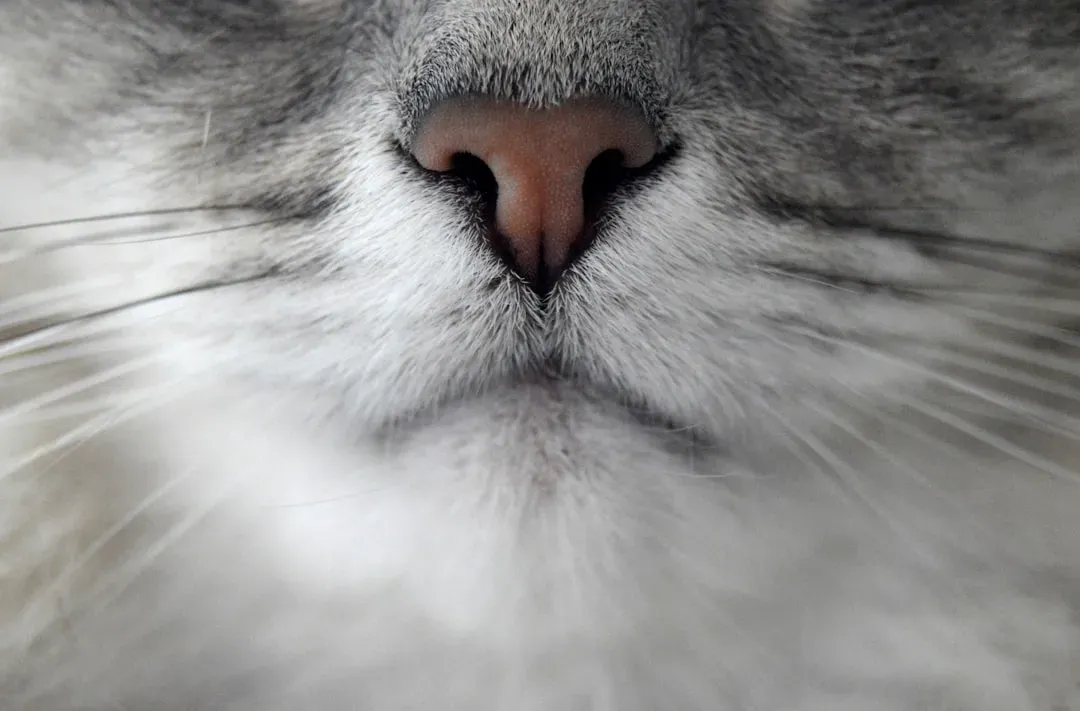
Your cat possesses about 200 million scent receptors in its nose compared to our mere 5 million. That’s a staggering difference that fundamentally shapes how your feline friend experiences reality. Think about walking into a room and noticing the furniture, the lighting, maybe a faint smell of coffee. Your cat walks into that same space and reads an entire novel of information through their nose alone.
This heightened ability allows them to detect and interpret an incredible range of odours, making scent one of their primary means of communication. Every surface, every person, every corner tells a story to your cat. They can identify who was in the room hours ago, whether another animal passed through, and even pick up on emotional states through chemical signals we can’t begin to perceive.
The Vomeronasal Organ: A Secret Scent Weapon
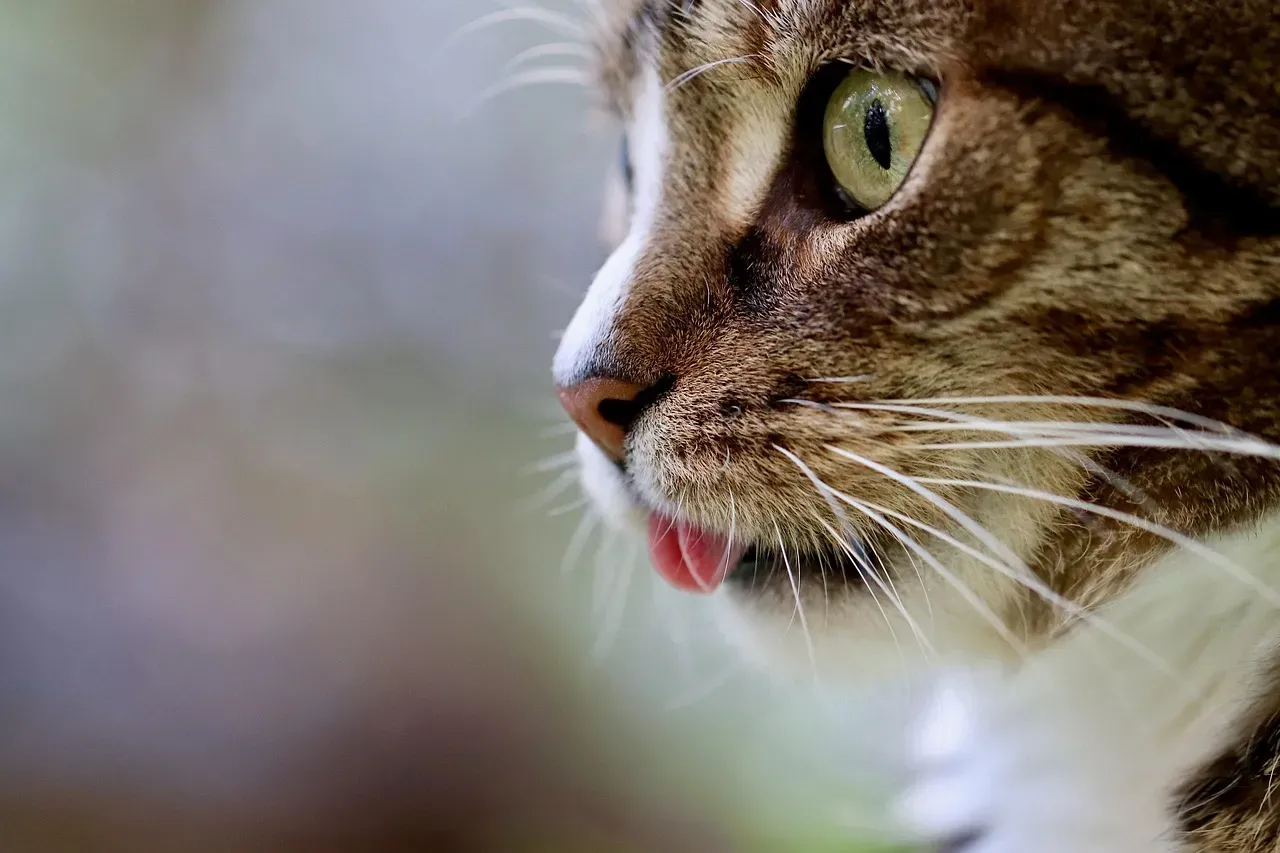
Here’s the thing: your cat doesn’t just have a powerful nose. They have a secondary scent organ called the vomeronasal organ (VNO), or Jacobson’s organ, located in the roof of their mouth. This specialized structure is like having a second language that only cats can understand. When your cat opens their mouth slightly and pulls back their lips in what looks like a grimace, they’re not being rude or smelling something unpleasant.
This organ allows them to detect pheromones – chemicals secreted in different areas of the body by all cats for communication between the species. It’s honestly fascinating when you think about it. Your cat is essentially tasting the air to decode complex chemical messages that are completely invisible to us. This ability plays a crucial role in recognizing other cats, identifying potential mates, and assessing whether a situation is safe or threatening.
Scent Glands Scattered Throughout Your Cat’s Body
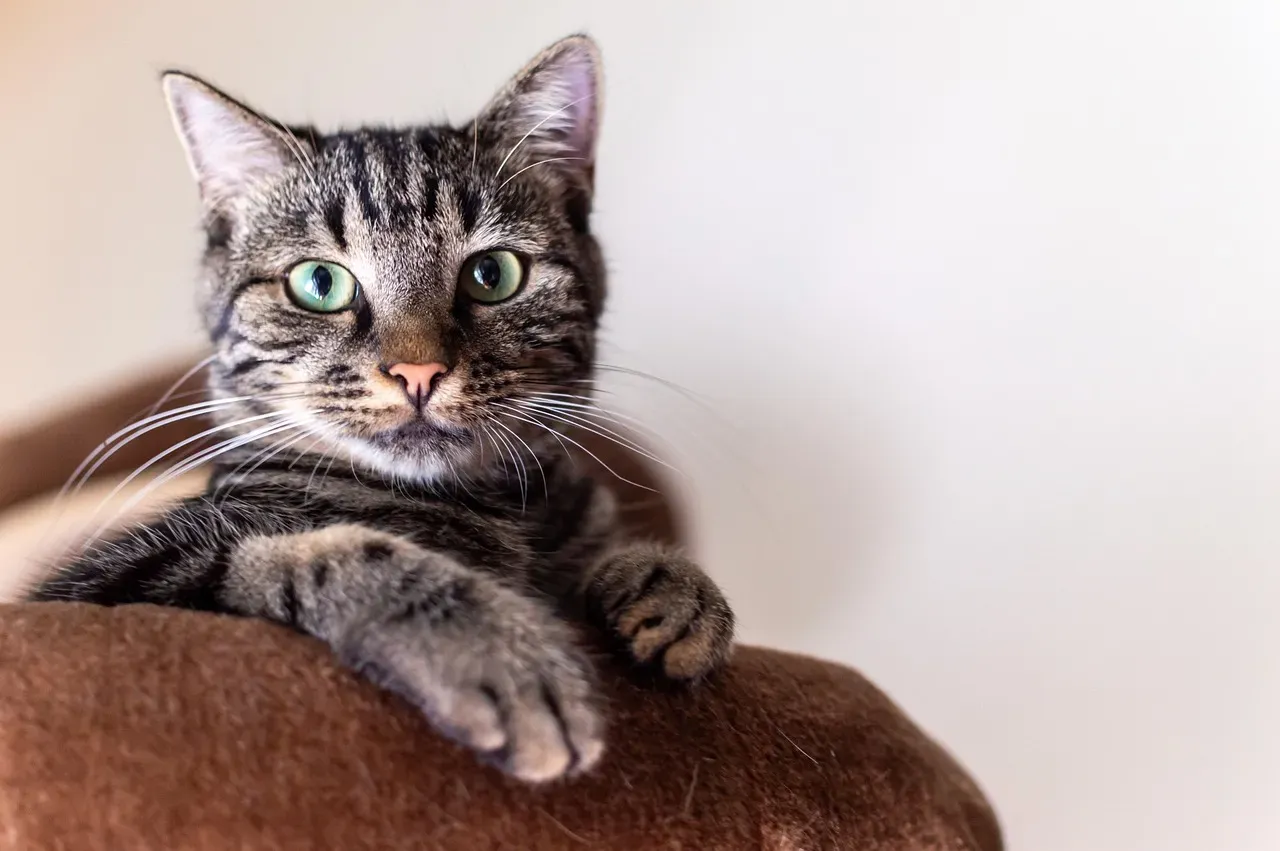
A cat has scent glands in various locations on their body, including the face, forehead, paws, tail, and anus. Each location serves a distinct purpose in your cat’s communication toolkit. The facial glands, found around the cheeks, chin, lips, and forehead, are particularly important for social bonding and creating feelings of security.
Cats activate these glands by rubbing up against people or things, scratching, or urinating. When your cat weaves between your ankles or rubs their head against your hand, they’re depositing their unique chemical signature onto you. The scent glands in their paw pads get activated during scratching, leaving both visual and olfactory markers. It’s a dual communication system that ensures their message is received loud and clear by other cats in the area.
Head Bunting: More Than Just Affection

The scent glands around the face are identified as friendly or low-intensity, and head bunting is a behavior cats engage in toward another cat, dog, or human with whom they have a friendly relationship. So yes, when your cat headbutts you at three in the morning, it’s definitely a sign of affection. They’re not just being cute though.
Head bunting is not displayed toward inanimate objects; it’s a behavior reserved as a bonding gesture, and some people assume head bunting is the way cats use scent to mark you as their property, but the behavior is not that simplistic. It’s actually a complex social interaction that blends affection with scent exchange. Your cat is essentially saying “you’re part of my family” while simultaneously sharing their scent profile with you. Honestly, it’s one of the highest compliments a cat can offer.
Scratching: Territory Marking in Action
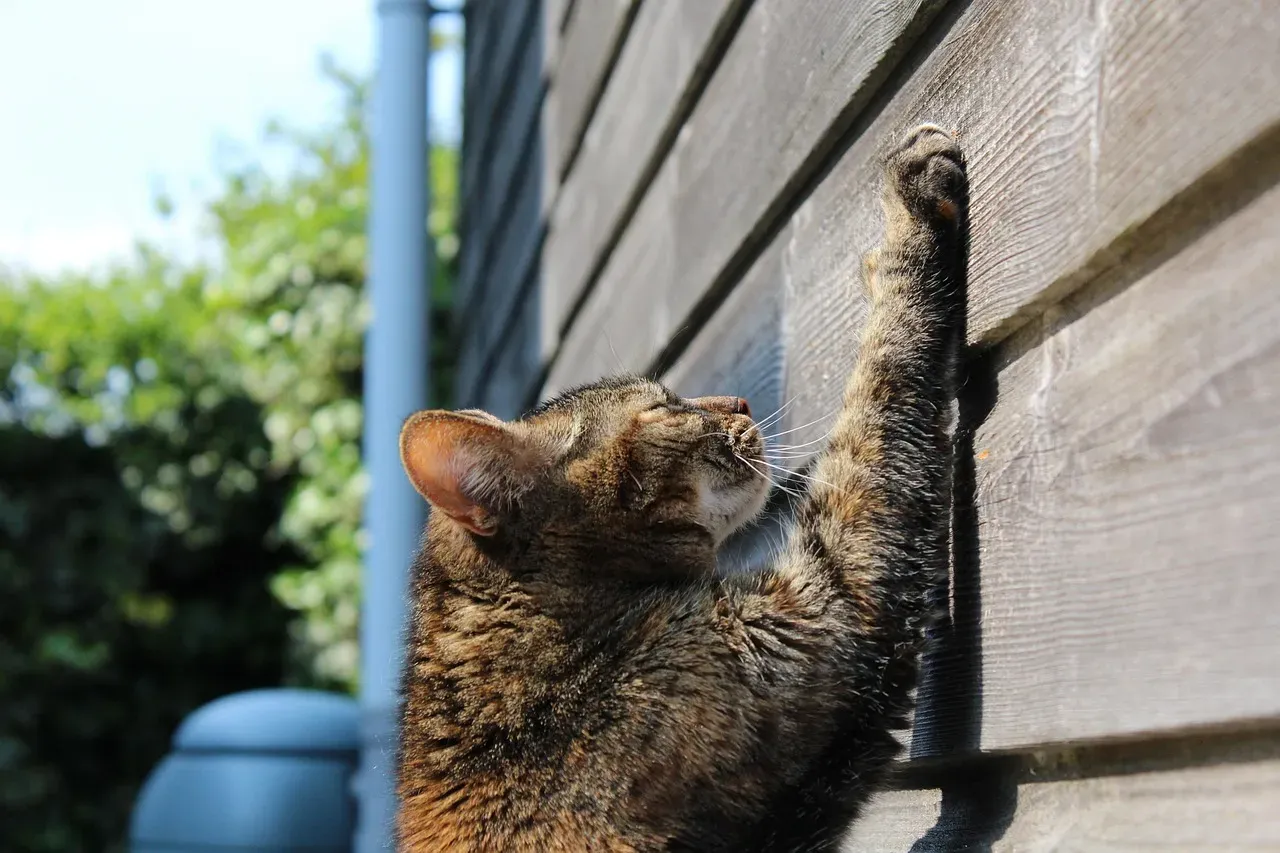
Let’s be real: you probably get frustrated when your cat scratches your furniture. The scent glands in the cat’s paw pads get used when scratching on objects for marking, and in addition to leaving a visual mark from the claws, a cat leaves an olfactory mark through the scent glands. Your cat isn’t trying to destroy your belongings out of spite. They’re communicating in the only way they know how.
Having both a visual and olfactory mark is important for safety, as the visual mark allows other cats to see the scratch marks from a distance so they will know they’re entering another cat’s area, and if they choose to come closer, they will then be able to identify the olfactory marks. It’s a warning system designed to prevent conflicts. Think of it as your cat posting a friendly “occupied” sign that other cats can read from afar.
Urine Spraying: High-Intensity Communication
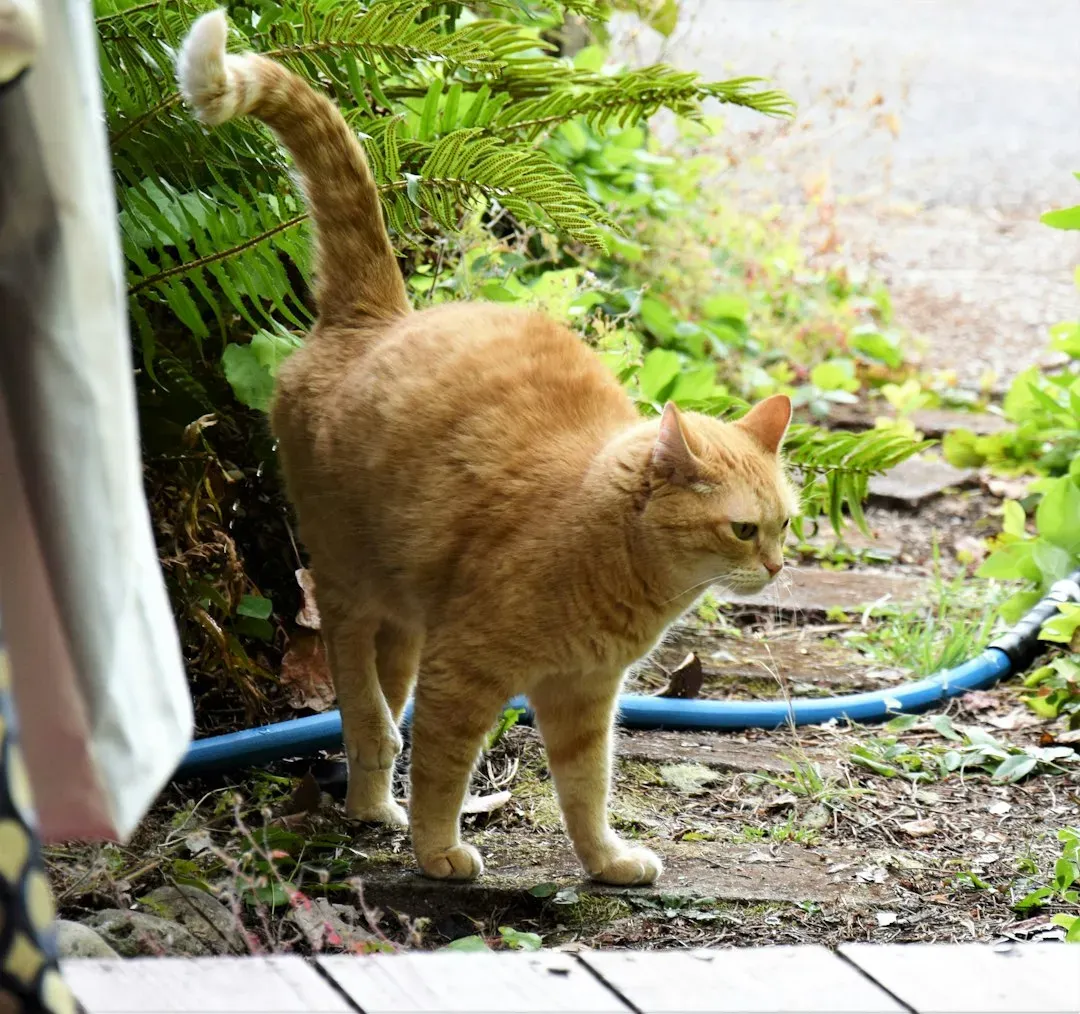
The pheromones associated with the back end of the cat, such as the ones released during urine-marking are high-intensity, and there’s nothing calm about those pheromones – when a cat sprays it’s done under stressful or exciting circumstances. Unlike the gentle facial pheromones your cat deposits when rubbing against you, urine marking sends a powerful message that can’t be ignored.
Both male and female cats urine mark – these marks communicate a lot of information to other cats including health and reproductive status, location, and emotional state. If your indoor cat suddenly starts spraying, it’s not random behavior. They’re responding to stress, territorial threats, or changes in their environment. It’s their way of trying to regain control and establish safety in their space.
Creating a Communal Scent Profile
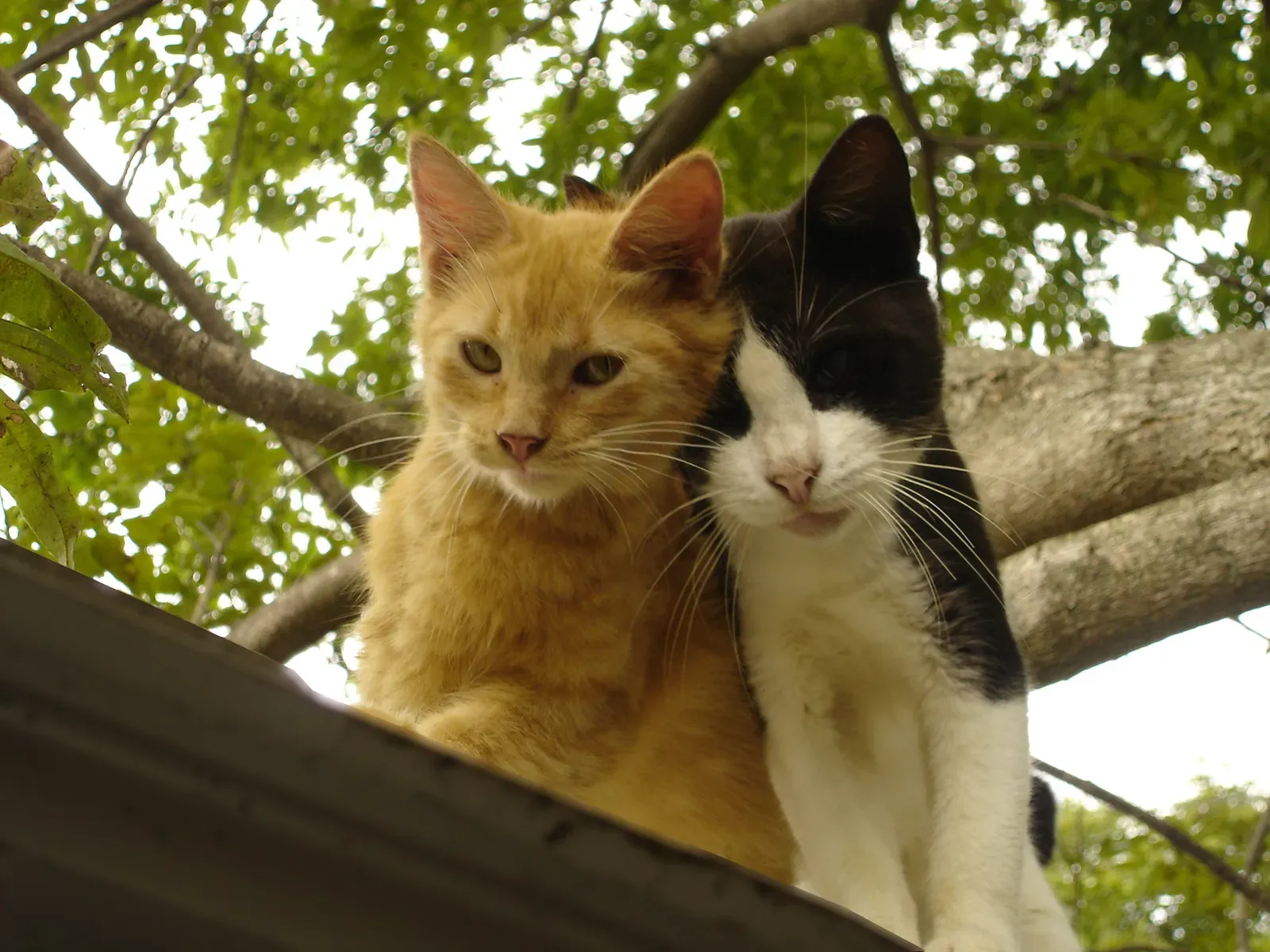
Cats that live together often develop a communal scent, which helps them recognise and bond with each other, and this is why cats that are close companions will frequently rub against one another or engage in mutual grooming. This shared scent creates a family identity that all members of the household recognize. It’s incredibly important for maintaining peace in multi-cat homes.
This is why when a housemate leaves for a veterinary appointment and comes back smelling of the hospital and not the “group,” conflicts can occur. Your cat isn’t being mean to their companion who just returned from the vet. They’re genuinely confused and potentially threatened by the unfamiliar smell. The familiar family member suddenly smells like a stranger, which can trigger defensive or aggressive responses until the communal scent is re-established.
Distinguishing Between Known and Unknown Scents
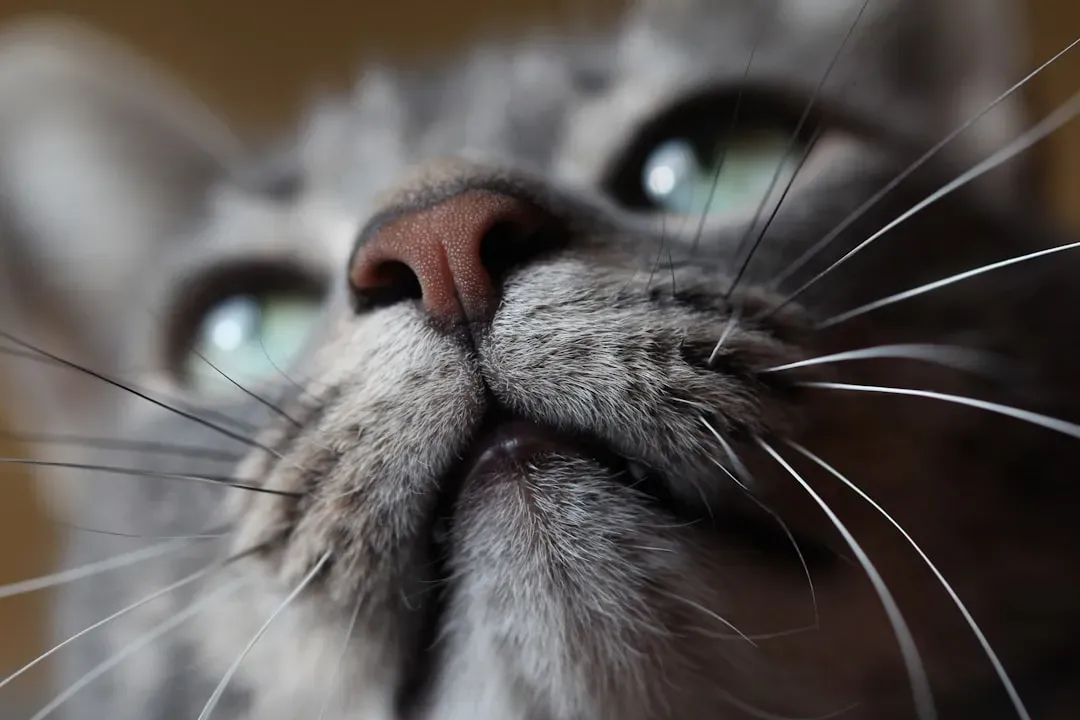
Recent research has revealed fascinating insights into how cats process different odors. It was observed that cats spent a substantially longer time sniffing the odor of an unknown person than that of a known person. This demonstrates that your cat actively uses their sense of smell to distinguish between familiar and unfamiliar humans, processing this information to make decisions about safety and social interactions.
While responding to odor stimuli from unknown humans, the cats displayed marked lateralization in the use of one nostril or another. Cats preferentially use their right nostril when encountering novel or potentially threatening odors. This lateralization suggests that different parts of their brain process familiar versus unfamiliar scents, with the right hemisphere handling new and potentially alarming stimuli.
The Role of Olfactory Communication in Territory Management
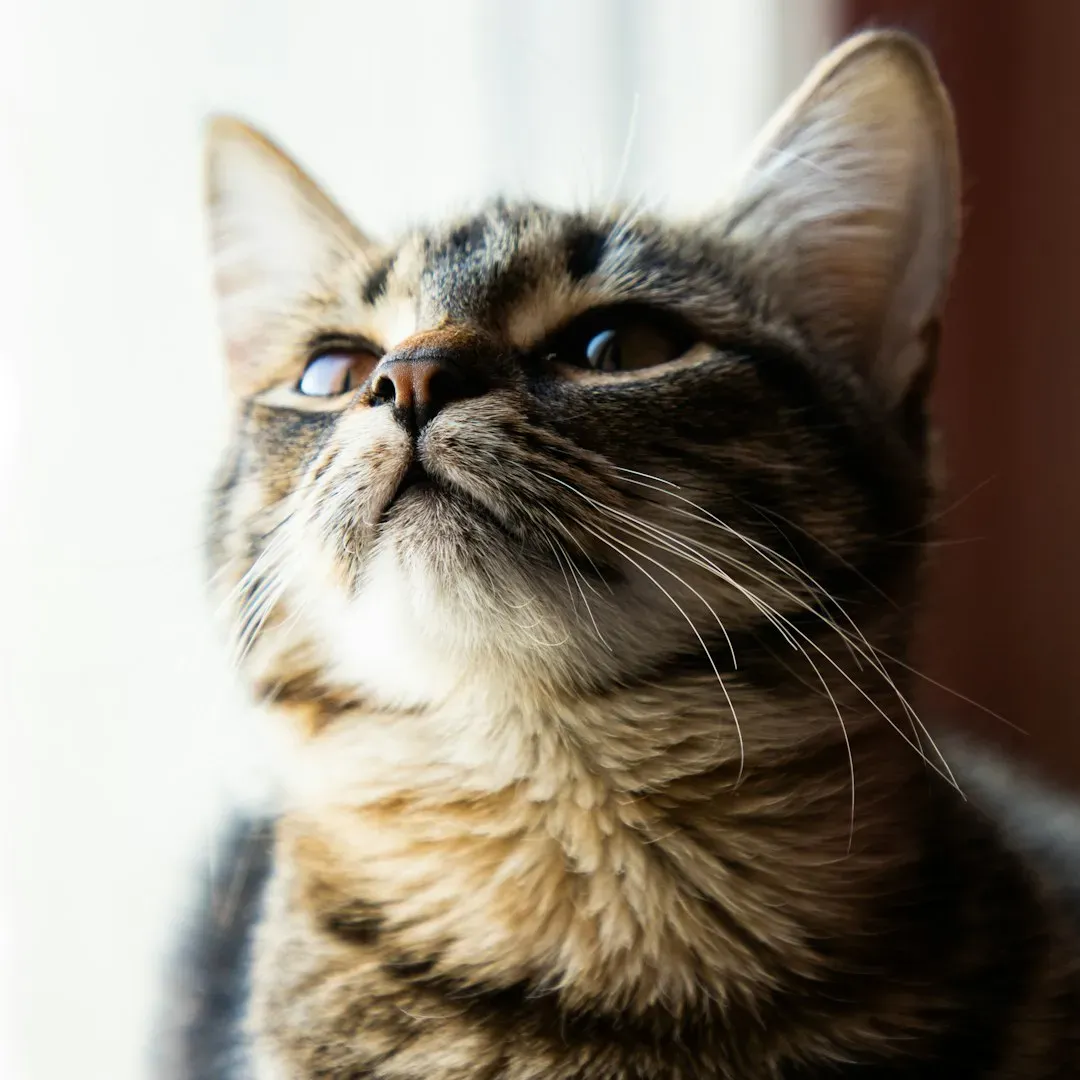
Cats are highly territorial animals, and scent marking is one of the primary ways they establish boundaries. In outdoor environments, this communication system is vital for survival because it allows cats to avoid dangerous confrontations. Rather than constantly fighting over territory, cats can leave scent markers that inform other felines about boundaries, status, and occupancy.
In an outdoor setting, scent communication is vital because it reveals information about one cat to another without the risk of a physical confrontation, and for an outdoor cat this is a very important survival tool – the fewer physical altercations that occur, the greater the chances kitty will live unscathed to see another day. Indoor cats retain these same instincts even when there’s no actual threat present. Understanding this helps explain why your solo indoor cat still feels compelled to mark their territory through scratching and rubbing.
Understanding Your Cat’s Olfactory World
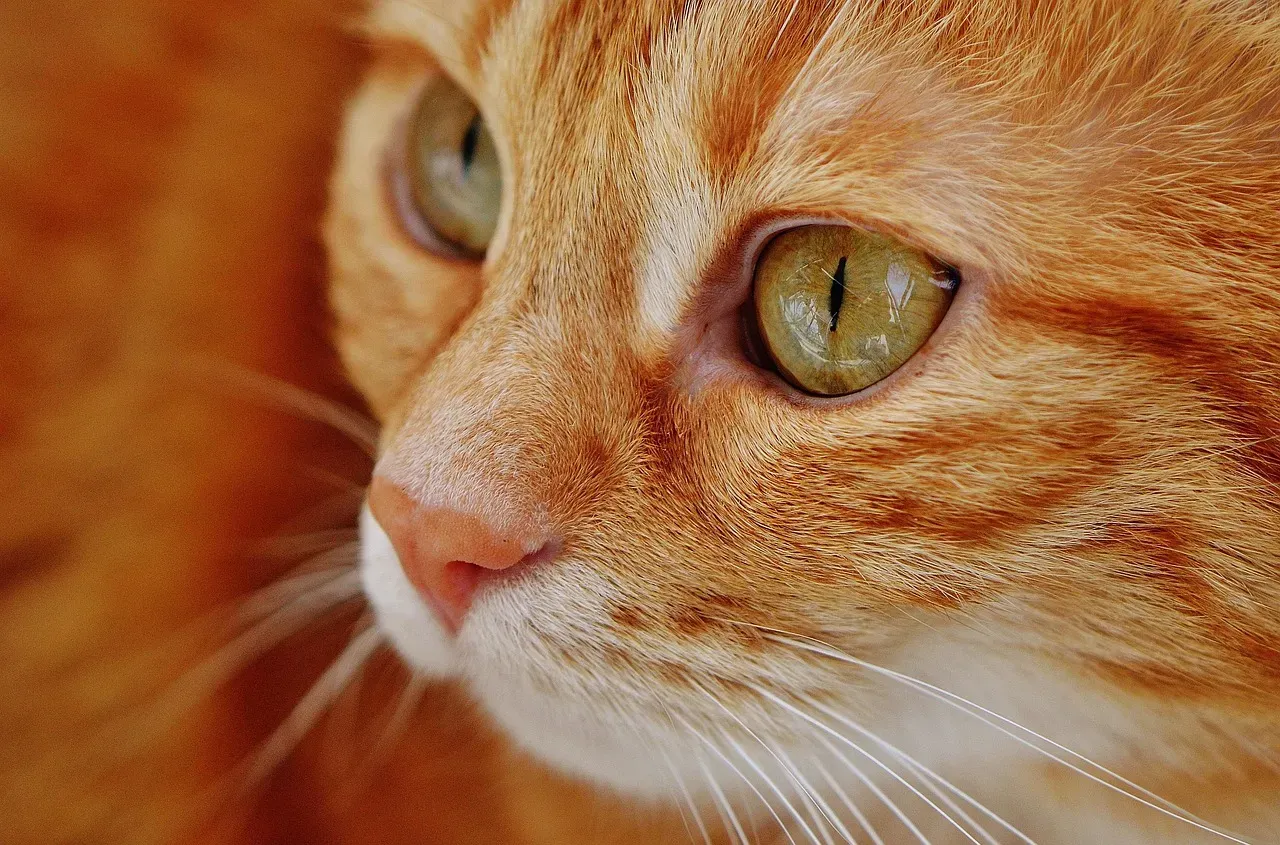
Cats are extremely olfactory-orientated animals, making use of odor cues in intra- and inter-specific communication, hunting, feeding and the maintenance of social-cohesion, and detection of scent, in particular, that of the cat’s household communal odor often conveys messages of identity, familiarity and security. This means that maintaining familiar scents in your home is crucial for your cat’s emotional wellbeing. When you deep clean and eliminate all the scent markers your cat has carefully placed, you’re essentially erasing their security blanket.
Cats are soothed by the presence of their own pheromones. This is why synthetic pheromone products can sometimes help with behavioral issues. They mimic the calming facial pheromones cats naturally produce, helping anxious cats feel more secure in stressful situations like moving to a new home or visiting the veterinarian. It’s hard to say for sure, but many cat owners report noticeable improvements when using these products strategically.
Your cat’s olfactory communication system is far more sophisticated than most people realize. Every rub, scratch, and spray carries meaning in a complex chemical language that shapes how they experience and navigate their world. For your cat, scent is a vital communication tool. By understanding and respecting this invisible form of communication, you can create a more comfortable and harmonious environment that meets your cat’s natural needs. The next time your feline friend rubs their face against you or scratches their favorite post, remember they’re not just being quirky – they’re speaking volumes in a language you’re only beginning to understand. What messages do you think your cat is trying to send you? Tell us in the comments.