Have you ever watched your cat meticulously lick their paws, only to wonder if there’s more to this behavior than just keeping tidy? You might be surprised to learn that this seemingly simple act plays a fascinating role in your feline companion’s emotional health. Cats don’t just groom for vanity or hygiene – it’s actually a complex ritual deeply woven into their stress management toolkit.
While we often think of cleanliness as the primary purpose behind all that licking and preening, the truth is considerably more intriguing. Your cat’s grooming sessions are actually multitasking moments that serve as everything from temperature control to emotional therapy. Think of it as their version of meditation or a spa day rolled into one instinctive behavior. In the sections ahead, you’ll discover how these grooming rituals function as nature’s built-in stress relief system and why understanding this can help you better care for your feline friend.
The Hidden Emotional Purpose Behind Every Lick
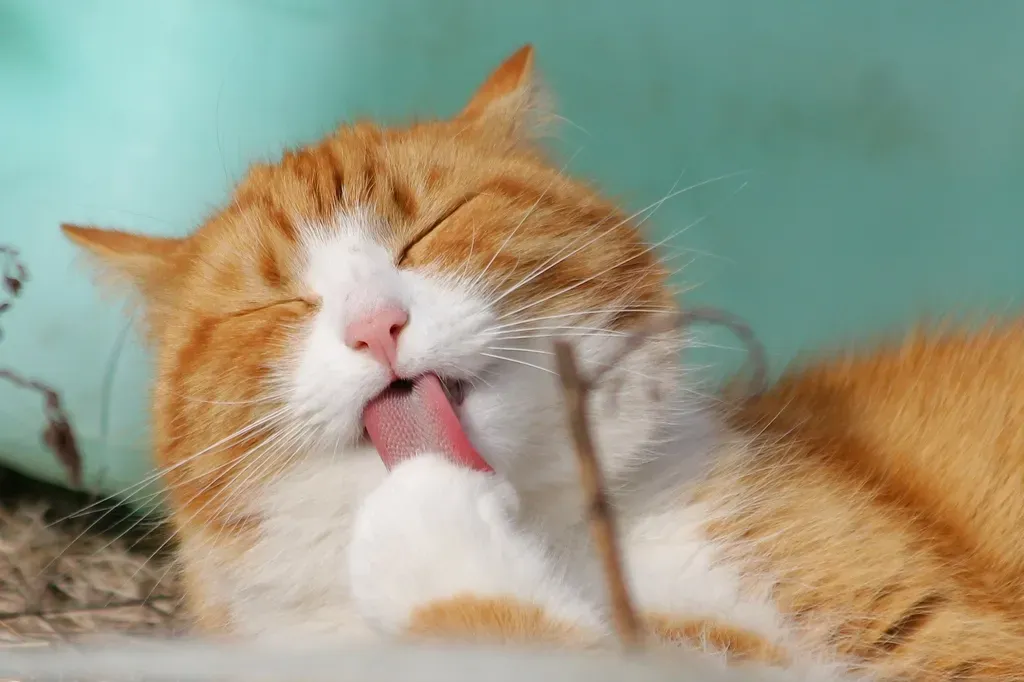
The repetitive ritual of self-grooming stimulates endorphins, making it an easy way for cats to unwind, relieve stress, and calm themselves down. Let’s be real, this is pretty remarkable when you think about it. Your cat essentially has a biological coping mechanism built right into their daily routine.
Cats use grooming to make themselves feel better emotionally and to serve as a self-calming mechanism. When faced with uncertain situations or conflict, cats will often pause mid-action to groom themselves. When a cat is in a conflict or stressful situation, it may appear ready to react but instead suddenly stops and performs an act that is out of context with the situation at hand, such as licking a paw and rubbing it across its face. Presumably, this behavior reduces anxiety. It’s like hitting the reset button before things escalate. Honestly, I think we could learn something from that approach – imagine if we could just pause for a quick self-soothing routine when life gets overwhelming.
When Self-Care Becomes the Ultimate Relaxation Tool
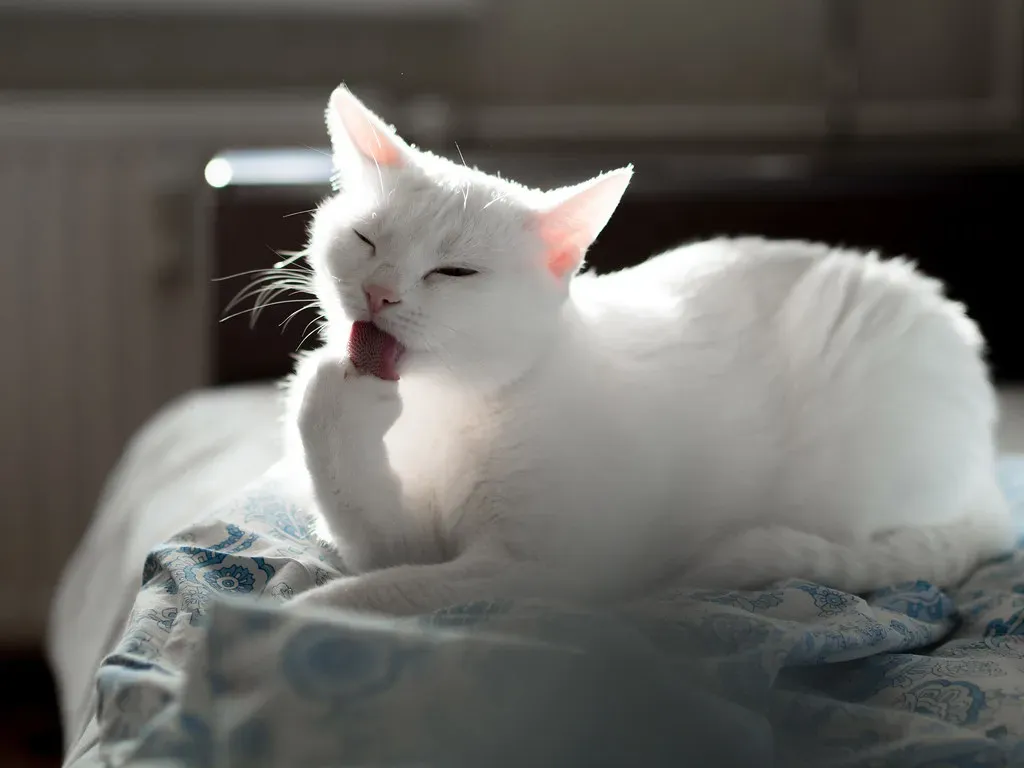
Cats often groom to soothe themselves when stressed or anxious. The rhythmic action of licking provides a calming effect, akin to a meditative practice that helps cats cope with various situations, from changes in their environment to moments of tension. Picture it this way: grooming serves as your cat’s personal yoga session, minus the mat and the trendy leggings.
When a feline is relaxed and at ease, they’re more likely to engage in extended grooming sessions. The act of grooming releases endorphins, the “feel-good” hormones, which contribute to their overall sense of happiness and well-being. There’s something almost poetic about watching a content cat methodically work through their grooming routine. They’re not just cleaning – they’re actively creating their own sense of peace. Additionally, grooming releases endorphins in cats, making it a self-soothing activity. By choosing to perform this relaxing ritual while on you, your cat is associating you with positive feelings and comfort.
Social Grooming: Building Bonds Through Mutual Care
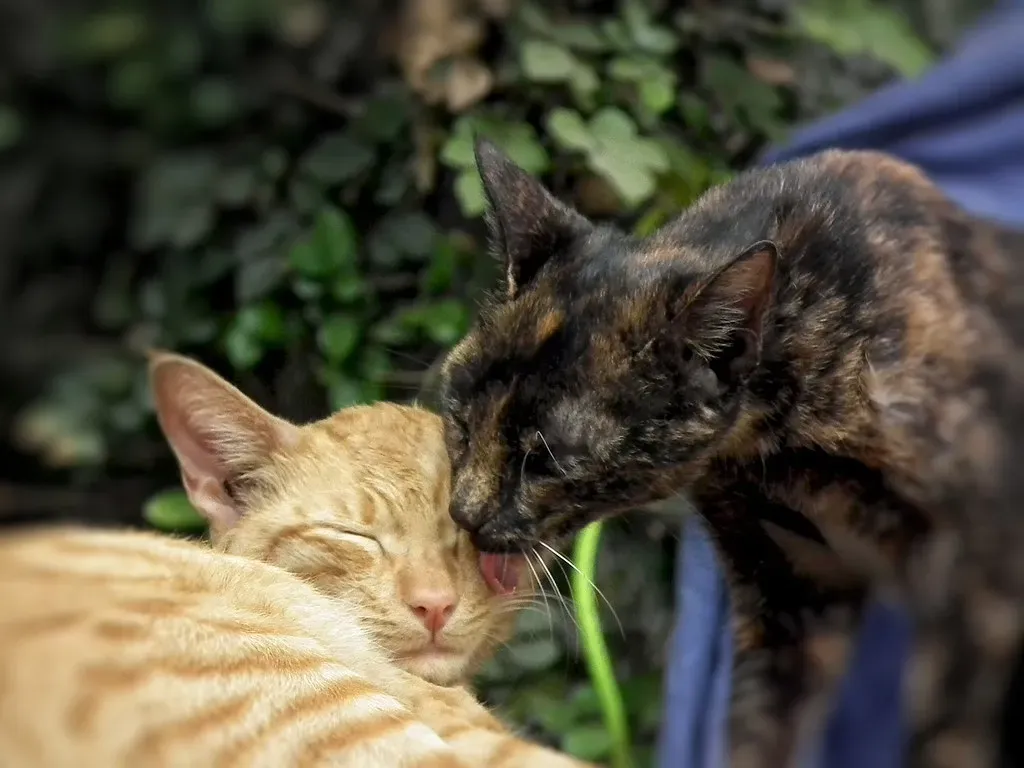
Mutual grooming also helps reduce stress. When cats groom, they release feel-good hormones. This makes them feel calm and happy, creating a peaceful group atmosphere. When you see two cats grooming each other, you’re witnessing something far deeper than a simple cleaning session. It’s actually a trust exercise in action.
The act of grooming releases endorphins, which are natural mood enhancers. This helps cats relax and reduces stress, promoting a calm environment. Grooming also helps cats relax and feel safe. When a cat is groomed by another, it releases endorphins that create a sense of calm. This reduces tension and prevents conflicts within the group. Here’s the thing: cats living together essentially create their own support system through these grooming sessions. They’re helping each other destress, which, when you think about it, is a pretty sophisticated social behavior for animals we sometimes dismiss as aloof.
The Anatomy of Stress-Busting Grooming Sessions
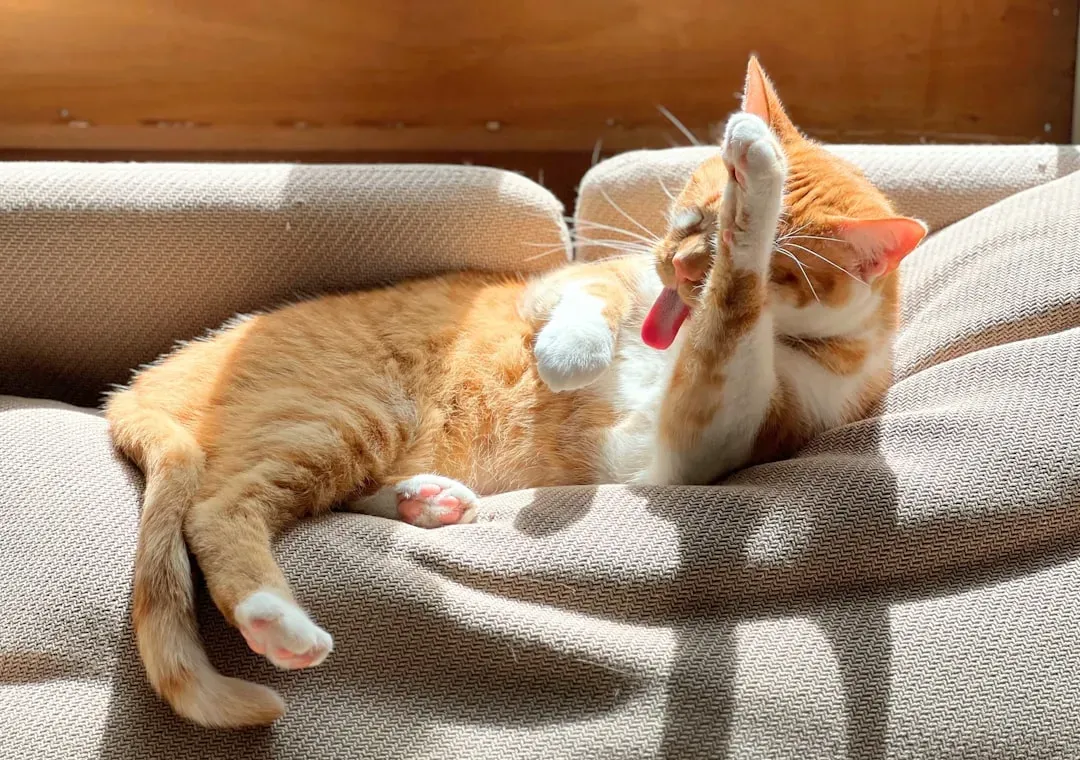
Adult cats spend an average of 30-50% of the day grooming themselves. That’s a substantial chunk of their waking hours dedicated to this behavior. It’s not obsessive – it’s purposeful. Even when healthy, cats spend as much as two to five hours every day grooming themselves. Grooming helps clean their coat, remove loose hairs, regulate body temperature through evaporative cooling as saliva dries on the fur, and distributes oils evenly throughout the coat.
As the cat matures, grooming becomes increasingly significant, until up to 50% of the awake time, or 15% of a 24-hour period, is spent performing some type of this behavior. This isn’t wasted time – far from it. Every stroke of that rough tongue serves multiple functions. Grooming also can serve as a cooling mechanism on hot days. Cats can sweat but only through their paw pads; the evaporation of saliva after grooming can aid in cooling. In addition, well-groomed hair will fluff up and allow air circulation against the skin.
Displacement Behavior: When Embarrassment Triggers Grooming
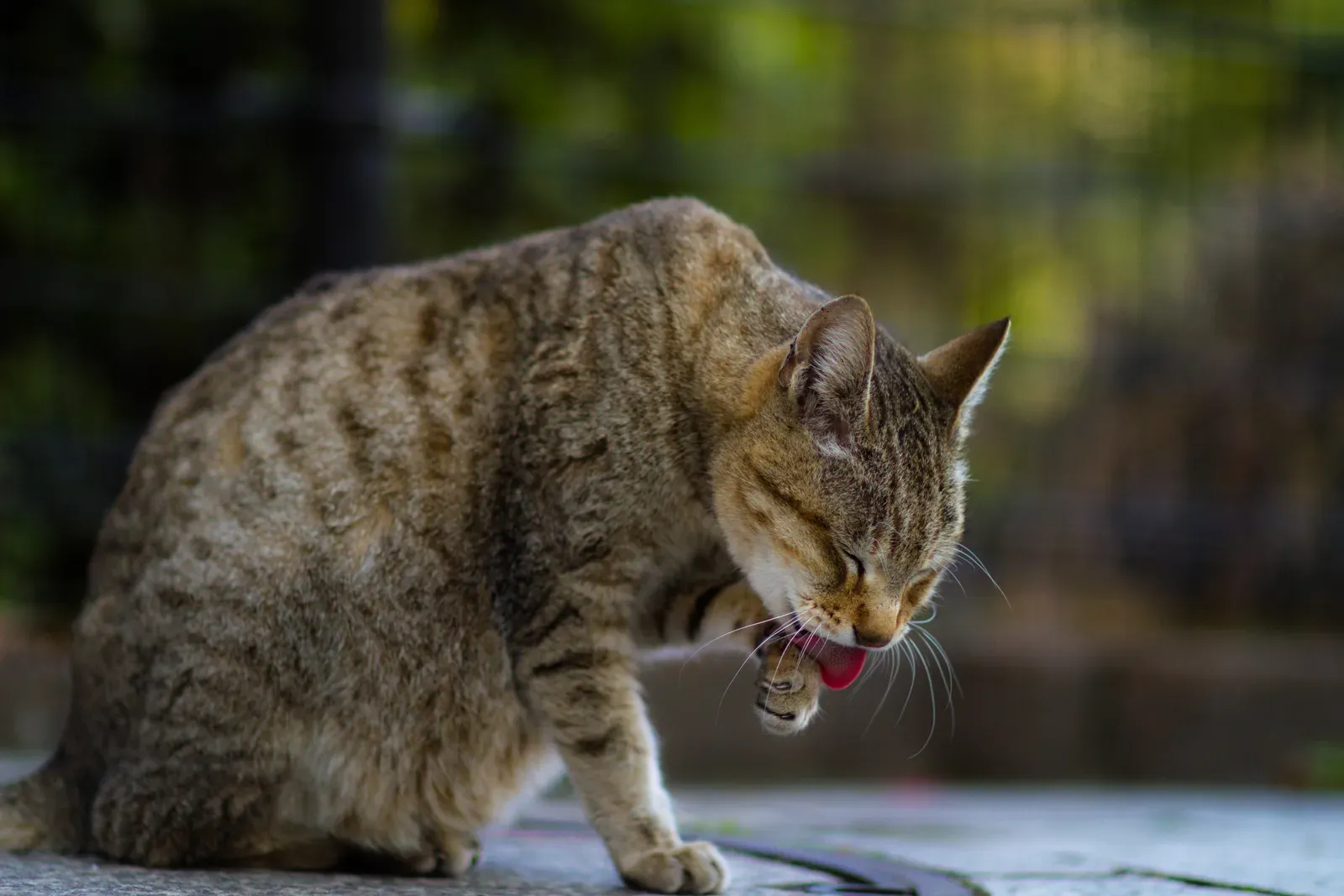
Have you ever seen your cat miss a jump or slip off furniture, then immediately start grooming as if nothing happened? You’re not imagining things. If your cat feels embarrassed, anxious, or as though she’s in a conflict, she may lick to calm herself. It’s hard to say for sure, but it really does look like they’re saving face.
If reprimanded for some behavior, a cat will often react by walking a distance away, then grooming. Cats that roll over and accidentally slide off a table or chair also respond with a grooming session, usually after glancing around the room. I know it sounds crazy, but watch closely next time – that quick scan of the room followed by urgent self-grooming is basically the feline equivalent of pretending you meant to do that. It’s their way of processing awkward moments and regaining composure. Some behaviorists feel this may be a displacement behavior that helps a cat deal with conflict; cats may experience a direct calming effect on the brain and neurologic impulses produced by the touch sensation.
Understanding When Grooming Crosses Into Anxiety Territory
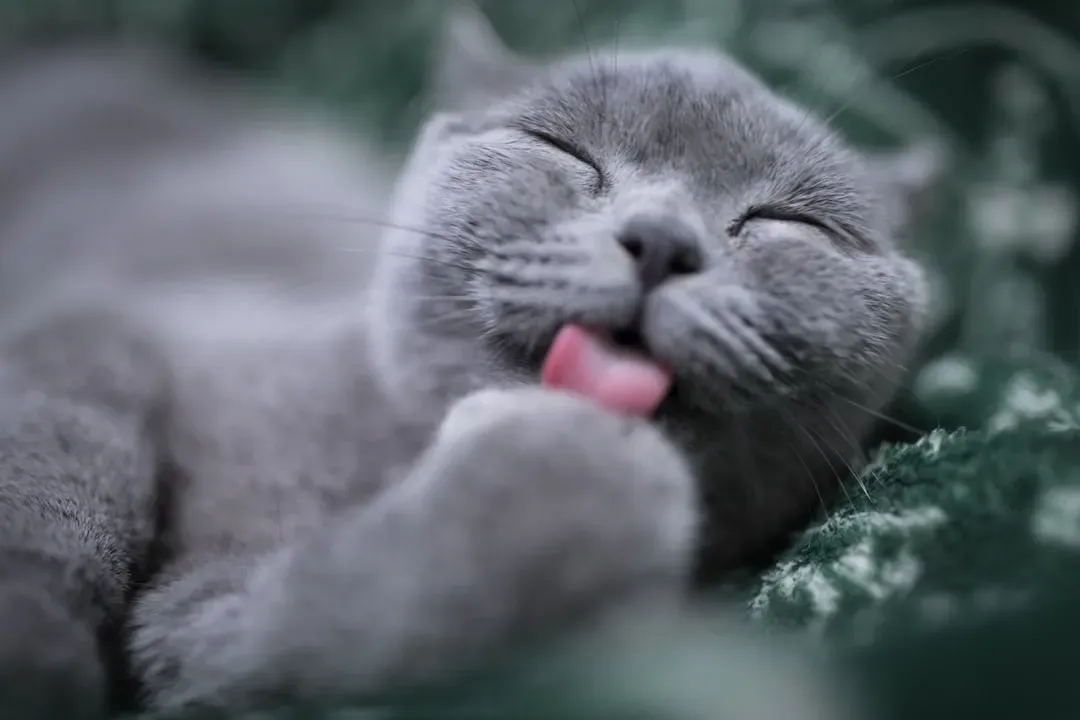
The major behavioral reason for over-grooming is stress, usually due to change of some kind. Cats favor routine, and disrupting that routine can be a strain on their emotional health. Common sources of stress include moving to a new house, the addition or loss of a family member or pet, home remodeling, and changes in schedule. While grooming is beneficial, there’s definitely a point where it becomes problematic rather than therapeutic.
Normal grooming occupies approximately 30-50% of waking hours distributed throughout the day. Excessive grooming creates visible hair loss, skin redness, lesions, or focuses obsessively on specific body areas. If you notice bald patches, constant licking sounds, or your cat interrupting activities to groom, consult your veterinarian. Because self-grooming soothes and calms your cat, she will want to do it every time she’s faced with a conflict. If the behavior is not addressed, it can result in self-inflicted injury. The key is recognizing when your cat’s stress-relief mechanism has transformed into a compulsive behavior that needs attention.
The Science Behind Feel-Good Grooming Chemistry
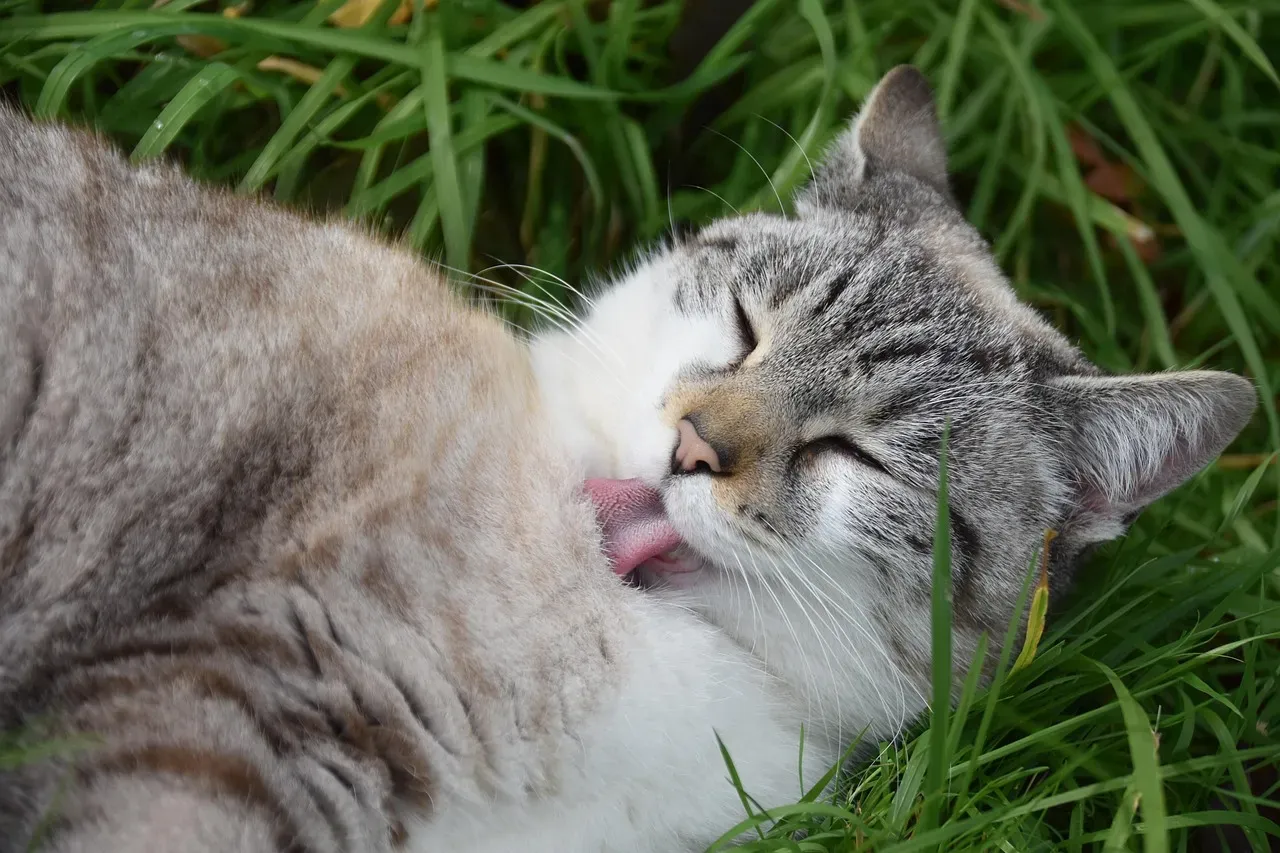
Studies show that self-grooming activates endorphins – natural feel-good chemicals – that help reduce anxiety and promote relaxation. This isn’t just behavioral observation – there’s actual brain chemistry involved. Your cat’s body rewards them with a chemical mood boost every time they groom.
Cats can react to life changes such as moving, construction, new family members, and new routines by grooming themselves more, which helps soothe feelings of stress and anxiety by releasing endorphins (mood-boosting hormones) into the bloodstream. Social grooming also releases oxytocin in both the groomer and recipient – a hormone linked to bonding and affection in mammals including humans. Think of it this way: grooming is essentially your cat’s natural pharmacy, dispensing calming chemicals on demand. Pretty sophisticated for what looks like simple hygiene, right?
Creating Safe Spaces: How Environment Affects Grooming Behavior
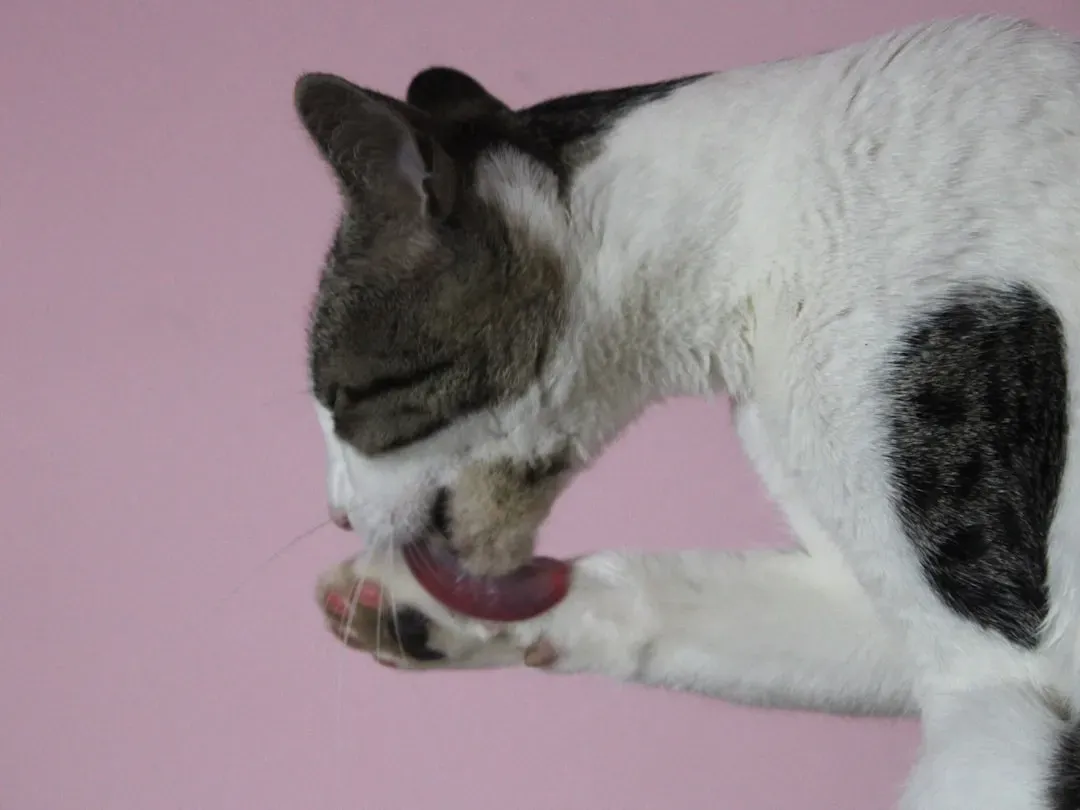
When a cat feels safe enough to groom on you, it’s a significant compliment. This vulnerable position requires complete trust, as cats typically only groom when they feel secure in their environment. Your presence actually enhances their feeling of safety and comfort. The environment plays a massive role in whether your cat can relax enough to engage in proper self-care.
Indoor cats with poor enrichment are more likely to develop obesity, stress-related disease, and behavior problems such as inappropriate elimination and overgrooming. Establishing a set routine will help – when cats know what to expect, it helps keep their stress levels low. Cats thrive on predictability. When their world feels chaotic or unstable, that grooming behavior might shift from calming to compulsive. Providing consistent routines, safe hiding spots, and environmental enrichment gives your cat the security they need to use grooming as intended – as relaxation rather than desperation.
Recognizing the Warning Signs of Stress-Induced Overgrooming
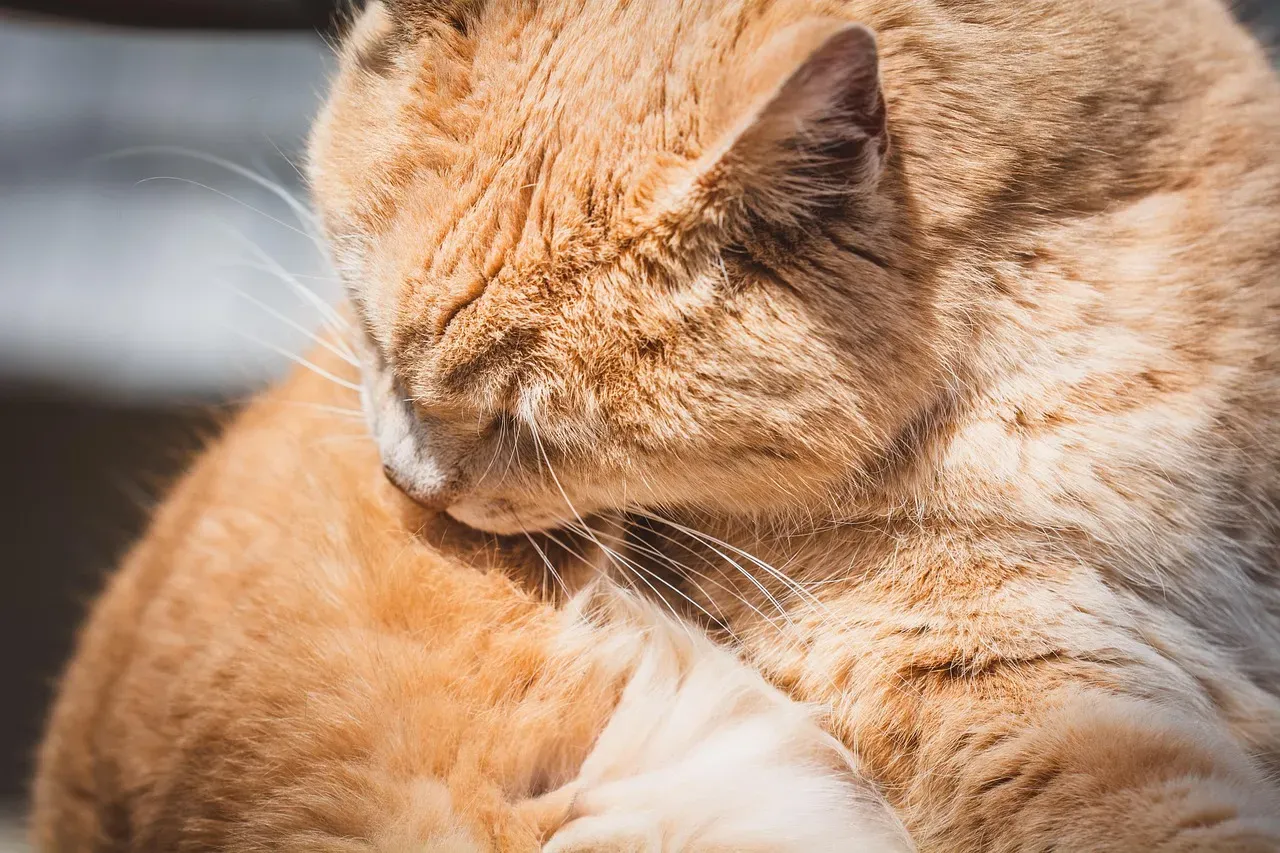
Psychogenic alopecia – purely stress-induced hair loss – occurs in approximately 15-20% of excessive grooming cases after medical causes are excluded. Common triggers include household changes, new pets, schedule disruptions, or insufficient environmental enrichment. Not all excessive grooming stems from medical issues. Sometimes the cause is entirely emotional.
Behavioral overgrooming, or ‘psychogenic alopecia,’ is a form of stress relief for many cats. It is a stress-related disorder. It is an obsessive-compulsive behavior where the cats suddenly cannot stop licking or chewing at themselves. Studies show that approximately 10-15% of cats develop compulsive grooming behaviors at some point in their lives, often triggered by stress, medical conditions, or environmental changes. What starts as self-soothing can morph into something more serious if the underlying stressors aren’t addressed. The tricky part? Cats often groom excessively when you’re not around, making it harder to spot the problem early.
Supporting Your Cat’s Emotional Wellness Through Grooming Awareness
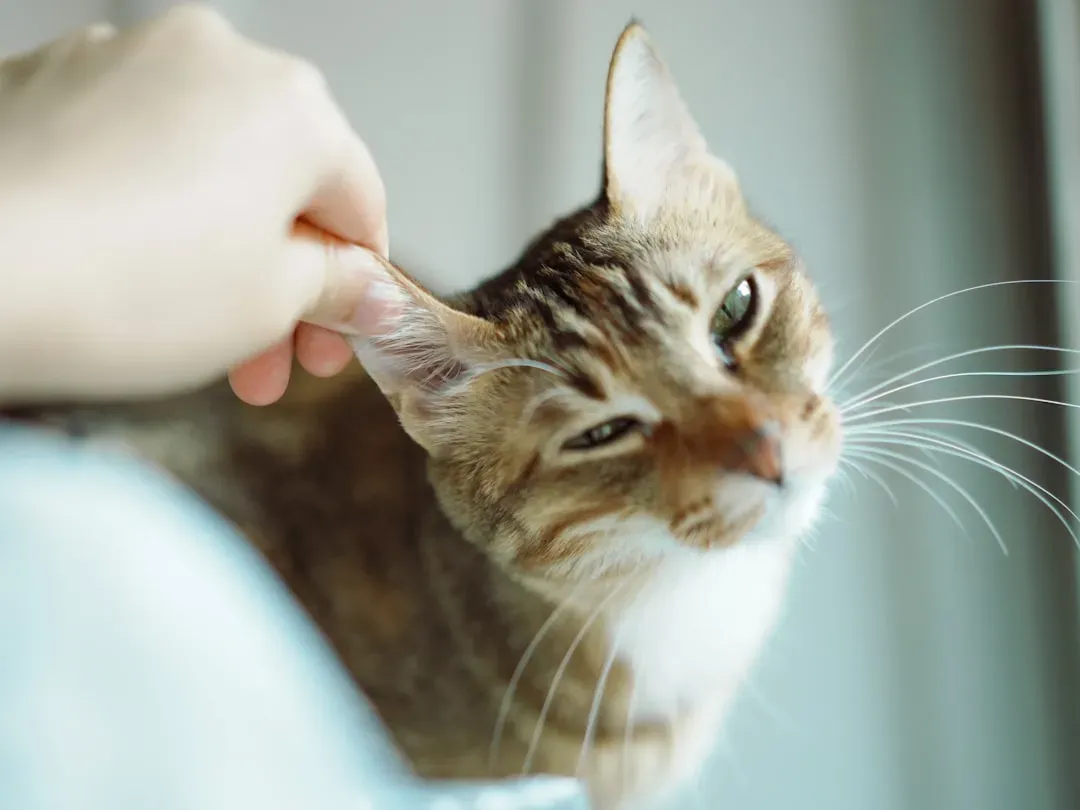
Cats with persistent anxiety may benefit from anti-anxiety medications and/or supplements. Talk to your veterinarian to see what cat-friendly calming products they recommend, like Feliway plug-in diffusers or sprays, or a supplement like Purina Pro Plan Calming Care. Supporting your cat means understanding when to intervene and when to let nature take its course.
Mental and physical enrichment can help with overgrooming because it gives your cat a distraction from the grooming behavior. It’s also a healthy way to release the endorphins your cat may be seeking through grooming. Provide environmental enrichment for your cat with cat trees, different types of toys, and scratching posts. You should also give your cat frequent opportunities for play – at least two 10- to 15-minute play sessions with your cat are recommended. If you see your cat licking excessively, don’t punish them or try to interfere – this will only add to your cat’s stress and make their overgrooming problem worse. After seeking help from your vet, it may take a month or so for an overgrooming behavior to resolve, and even longer for your cat’s fur to grow back. Patience is crucial here. Quick fixes rarely work when dealing with behavioral issues rooted in stress.
Conclusion: Appreciating the Deeper Meaning of Grooming

Your cat’s grooming rituals are far more sophisticated than they first appear. What looks like simple maintenance is actually a complex emotional regulation system that helps them navigate stress, build social bonds, and maintain psychological balance. By understanding that each lick serves a purpose beyond cleanliness, you can better support your feline companion’s mental and physical health.
Pay attention to changes in your cat’s grooming patterns, provide enriching environments, and maintain consistent routines. Remember that roughly one in ten cats may struggle with stress-related grooming issues at some point, so early recognition matters. When you notice your cat settling in for a grooming session, you’re witnessing their innate wisdom at work – a built-in stress management system millions of years in the making. What’s your take on your cat’s grooming habits? Have you noticed patterns that align with stressful events in your household?