You’ve probably heard the stereotype that cats are aloof, forgetful creatures who barely acknowledge your existence. Maybe you even believe that your feline companion forgets you the second you step out the door. Let’s be real, that assumption couldn’t be further from the truth.
Cats possess memory capabilities that would surprise most people. Their brains work in fascinating ways, storing information that matters to them and retrieving it when needed. Think about how your cat knows exactly when dinner time rolls around or how they remember that one time you accidentally stepped on their tail three years ago. Yeah, they don’t forget that easily.
Your Cat’s Brain Works More Like Yours Than You Think

The feline brain contains around 250 million neurons in the cerebral cortex, which handles complex processing tasks. That’s actually quite impressive when you consider the relatively small size of a cat’s brain. Memory originates from an area of a cat’s brain called the hippocampus, the same region where humans process and store memories.
What makes this even more intriguing is that cats display neuroplasticity, allowing their brains to reorganize based on experiences. This means your cat’s brain literally adapts and changes depending on what happens in their life. The neural pathways strengthen with repeated experiences, making certain memories more vivid and accessible than others.
Short-Term Memory Isn’t as Short as You’d Expect

Here’s where things get interesting. Research shows that 50 cats could remember which bowl contained food even after the cats were removed from the area for 15 minutes. That might not sound like much, yet it demonstrates something crucial about how cats process immediate information.
In a 2017 study in Japan, after cats were removed from a room for 15 minutes and then reintroduced, the cats didn’t hesitate to go straight to the bowls they hadn’t yet touched, showing that their memory is quite sharp when it comes to these aspects. Their ability to remember spatial details about food sources is directly tied to their survival instincts. Food matters to cats, so their brains prioritize those memories. The same mechanism applies when your cat remembers where you keep the treats or which cabinet contains their favorite toys.
Long-Term Memory Can Last Years or Even a Lifetime

Cats possess impressive long-term memory capabilities, retaining recollections of events and locations for a decade or longer, with these memories often intertwined with emotions. I think that’s absolutely remarkable when you consider how selective their memory actually is.
It’s thought that cats hold on to memories for their lifetime, up to 15 to 20 years in some cases. This explains why senior cats can still remember traumatic experiences from their kittenhood or why they recognize people they haven’t seen in years. In 2015, Kunkush the cat and his family fled Iraq and boarded a boat to Europe as war refugees, became separated in Greece and were not reunited for months, but when Kunkush heard his family for the first time on a Skype call, he clearly recognized their voices. Stories like this aren’t just touching anecdotes; they’re evidence of how powerful feline memory truly is.
Episodic Memory Means Cats Remember Specific Events

Episodic memory is a form of long-term memory where cats remember specific events in detail, allowing cats to recall both the what and the where when investigating scenarios, especially surrounding food. This type of memory is actually quite sophisticated because it requires cats to encode contextual details about their experiences.
Researchers report that cats are able to recall the details of when and where, and suggest that it might be possible that cats are able to recall such memories on demand, perhaps as a form of amusement, similar to how humans daydream. Imagine that for a second. Your cat might actually replay memories in their mind just like you reminisce about your favorite vacation. Whether they’re reliving that perfect afternoon nap in the sunbeam or remembering the hunt that got away, their brains are capable of complex recall.
Spatial Memory Is One of Their Greatest Strengths

Cats have spatial memory, as proven by their ability to remember what cups they had already eaten from when other half-eaten cups from other cats were present as well. This ability isn’t just about food, though that’s certainly a primary motivator for our feline friends.
Cats have an incredible ability to recall specific locations, whether it’s their food dish, litter box, or even the exact spot where they like to nap, and this spatial memory is crucial for finding their way back home, even after long periods of separation. Think about cats who travel miles to return home after being lost. That’s not random wandering; it’s their spatial memory combined with other navigational abilities working together. Honestly, it’s hard to say for sure exactly how they do it, but their memory of landmarks and territories plays a massive role.
They Recognize You Through Multiple Sensory Channels

Studies have shown that cats can recognize their owners, even after they’ve been apart from an extended period of time, but the way they recognize us is more likely to involve smell and sound. Facial recognition? Not so much. Your cat sees you as a blurry, grey shape most of the time.
Cats recognize and remember their owners and other significant people primarily through scent and sound, rather than visual cues, and can remember these individuals for years, even after long separations. So when your cat sniffs your hand or rubs against your leg, they’re actively confirming your identity. Instead of facial recognition, cats may use other cues like our scent, the way we feel, or the sound of our voices to identify us, and researchers from Tokyo University found that cats do recognize their owners’ voices. Your voice is like a unique fingerprint to your cat, one they won’t easily forget.
Emotional Memories Pack the Strongest Punch
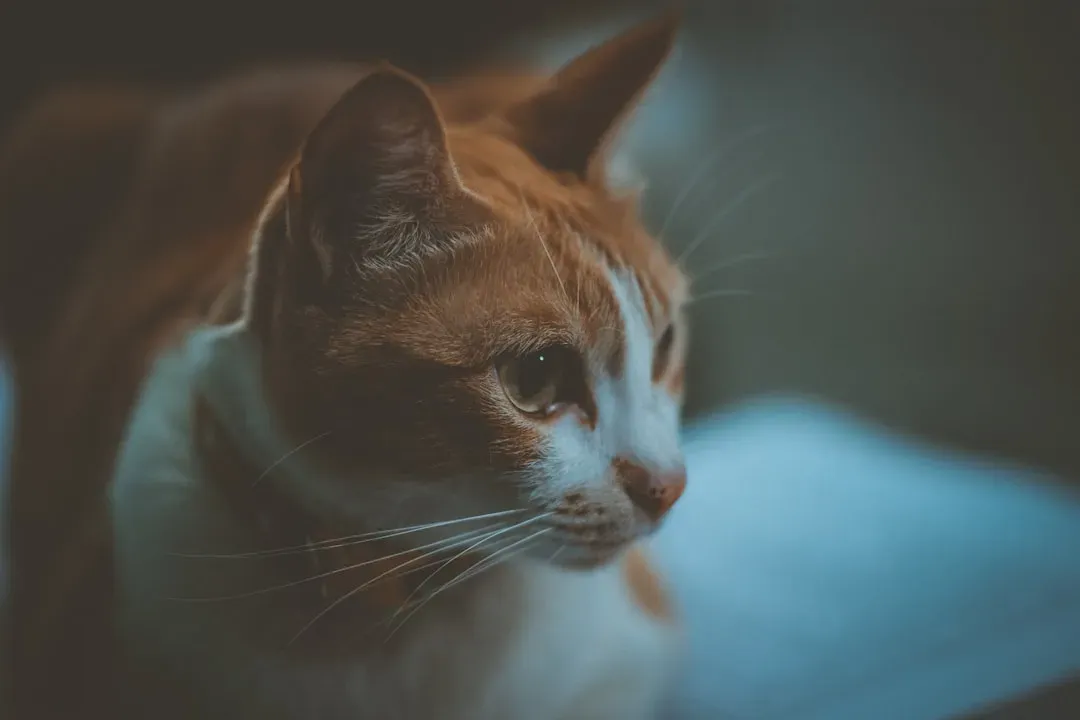
Cats are more likely to remember things associated with strong emotions, and the closer the bond you build with your cat, and the more positive the associated memories, the more likely they are to remember you for longer. This works both ways, unfortunately. Positive experiences create lasting bonds, while negative ones can create equally persistent aversions.
Cats can remember negative experiences for a long time, and according to experts, a cat’s memory can last a few weeks to several years, up to 10 to 15 years depending on the severity of the experience, due to cats’ strong associative memory. This is why rescue cats who experienced trauma may take years to fully trust humans again. Their memories of fear and pain don’t simply vanish. On the flip side, cats who grow up in loving homes carry those positive associations throughout their lives, making them more confident and affectionate.
Cats Outperform Dogs in Certain Memory Tasks

Young, healthy cats have surprisingly excellent memories, and their short-term memory is proven to be much better than most animals, including dogs, who may forget an event less than two minutes after it happens. Let that sink in for a moment. The common perception is that dogs are smarter and more capable, yet cats actually excel in specific cognitive areas.
Studies found that the average short-term memory span for animals is 27 seconds, although dogs have about two minutes, studies have found that the short-term memory of cats is around 16 hours. That’s a massive difference when you really think about it. Cats retain information about their immediate environment far longer than most people realize. Their ability to track multiple variables simultaneously, like which hunting spots they’ve already checked or which bowls contained food, demonstrates sophisticated working memory.
Memory Declines with Age But Remains Functional

Stress and inflammation lead to lower measures of cognitive ability in cats according to a 2025 publication from Morris Animal Foundation-funded research. Age-related cognitive decline affects cats just like it does humans and other mammals. As cats age, there’s an increase in feline cognitive dysfunction syndrome, commonly known as cat dementia, which results in gradual loss of nerve cells within the brain, causing behavioral changes, memory loss and an inability to process information and make decisions.
However, it’s worth noting that cats’ abilities to find food using their memory does not seem to decline as much with age compared to other animals such as dogs. Still, senior cats benefit enormously from consistent routines and familiar environments that support their changing cognitive needs. Recognizing early signs of memory problems allows for interventions that can improve their quality of life significantly.
What This Means for You and Your Cat
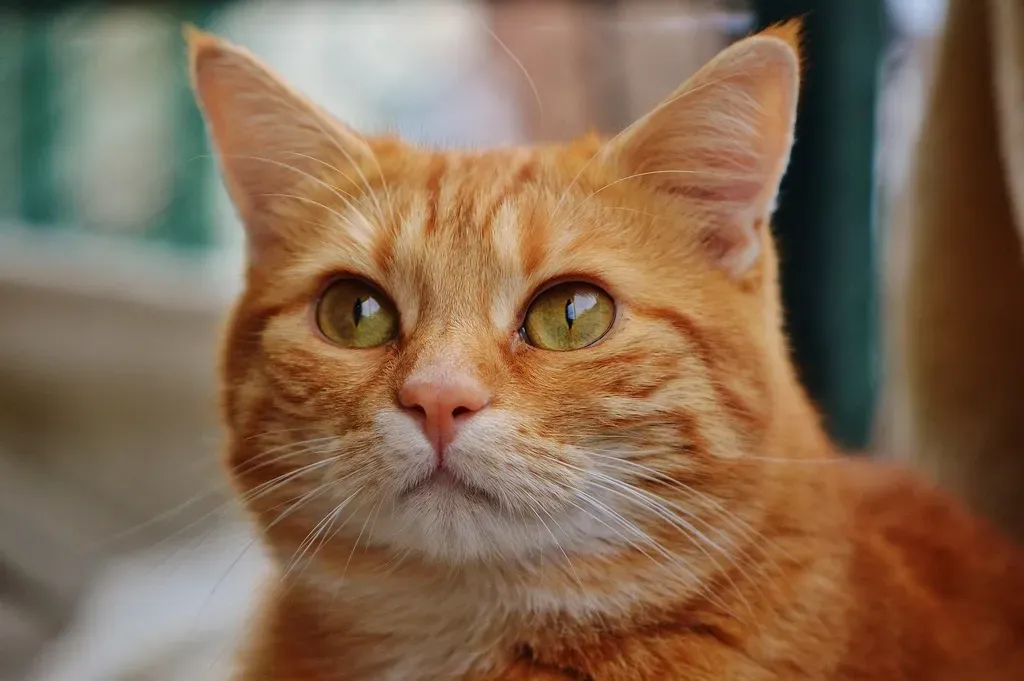
Understanding feline memory changes everything about how you interact with your cat. They’re not forgetting you when you leave for work. They’re not incapable of learning or adapting. Cats and dogs were reported to remember a variety of events, with only about one fifth of owners reporting that their pet had never remembered an event, and the reported events were often temporally specific and were remembered when commonalities occurred between the current environment and the remembered event.
Your cat remembers that time you rescued them from the shelter. They remember the person who was unkind to them years ago. They remember where the sunny spot moves throughout the day and which family member is most likely to sneak them treats. Their memory shapes their personality, their preferences, and their relationship with you. Next time your cat seems to hold a grudge or shows unexpected enthusiasm, remember that their brain is actively processing and storing experiences in ways that would make most people reconsider just how simple cats really are. What do you think about your cat’s memory now? Does it change how you see their behavior?