On Boxing Day along England’s scenic Norfolk Broads, a routine fishing trip turned into an extraordinary wildlife rescue. A fisherman navigating the River Bure expected only to reel in ordinary river fish. Instead, he ended up netting something far more unexpected: a young gray seal pup that had ventured more than 20 miles inland from the sea. What began as an unusual encounter over a shared fish ended with the seal being rescued and placed into expert care, capturing global attention for its rarity and charm.
A Holiday Surprise on the River Bure
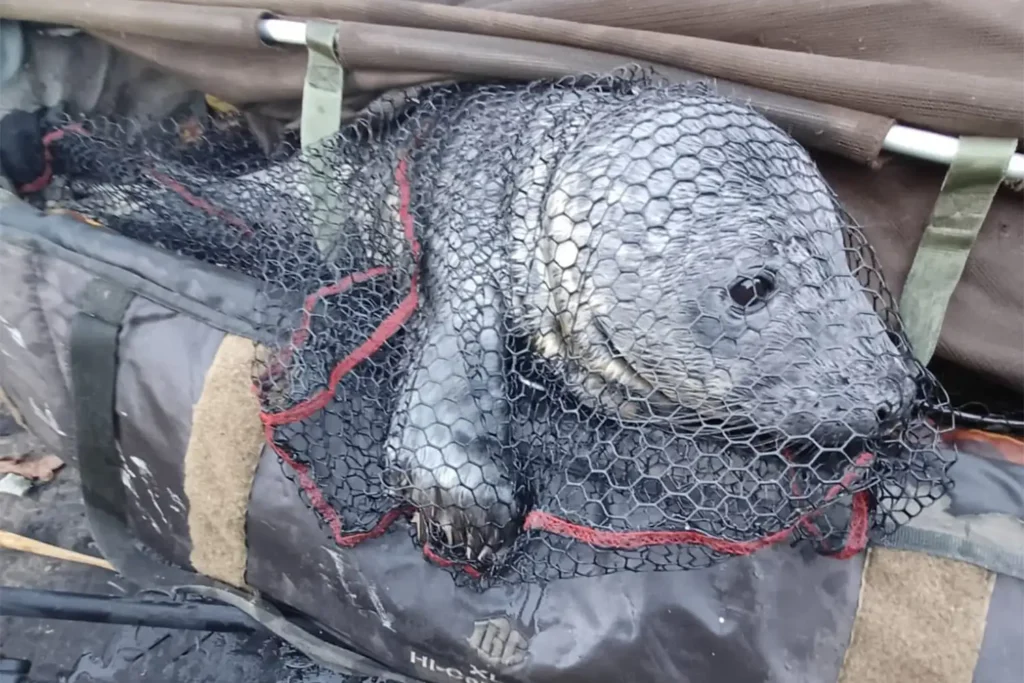
The unusual event unfolded on December 26, commonly known in the UK as Boxing Day. A local angler was quietly fishing from his small rowing boat on the River Bure near the village of Horning, a picturesque community known for its waterways and wildlife. As he brought in his daily catch, a fish he had hooked began to struggle in his keep net — but he was in for a bigger surprise than usual aquatic resistance.
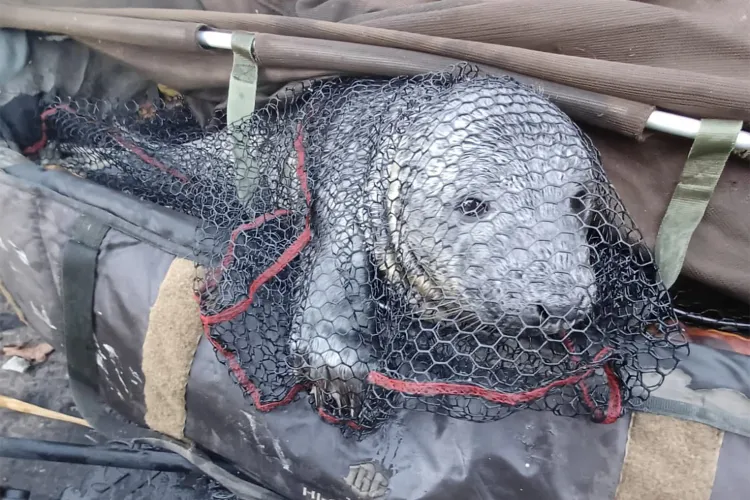
Suddenly, a seal pup surfaced beside his boat and lunged for the same fish. In the swirl of movement, both the fish and the young seal ended up in his net together. Stunned and unsure how to proceed, the fisherman quickly called a local wildlife rescue number for help.
How Far from Home Had the Seal Traveled?
Rescue teams from the local charity Friends of Horsey Seals believe the pup did not arrive on land and walk to the river. Instead, the seal likely made an astonishing swim from the North Sea, entering the River Bure at Great Yarmouth and continuing upstream over an estimated 32 kilometers (roughly 20 miles) to Horning.
While seals are known to explore brackish waters and even travel upriver, it is extremely uncommon for one — especially such a young pup — to venture this far from its coastal habitat. This remarkable inland excursion added to the surprise and interest surrounding the incident.
The Seal Pup’s Condition: Underweight but Resilient
When rescuers arrived on the scene, they discovered the pup was significantly underweight for its age. Weighing in at just under 26 pounds (around 12 kilograms), the young gray seal fell well below the typical healthy weight range for a pup, which is usually between approximately 30 and 45 kilograms (66 to 99 pounds).
Such low weight can indicate the pup had been struggling to find sufficient food or had become separated from its mother prematurely. These factors likely contributed to its unusual journey inland as it searched for food and safety. Once extracted from the net, the seal was carefully transported for further evaluation and care.
Sunshine: A New Name and a Fresh Start
The rescued seal pup has since been given the name “Sunshine” by the dedicated team at RSPCA East Winch Wildlife Centre, where it was transported for medical care and rehabilitation. This centre is experienced in caring for vulnerable wildlife, offering a controlled environment where Sunshine can regain strength and prepare for eventual release.
To help restore its health, Sunshine is being fed a specially prepared nutrient-rich fish soup designed to address its underweight condition and encourage proper feeding habits. The attentive care will continue as long as needed to give the pup the best chance at thriving.
Insights from the Rescue Teams
Volunteers from Friends of Horsey Seals described the rescue as one of the most unusual of the year, underscoring just how rare it is for a seal pup to be found so far from its natural coastal habitat. With thousands of gray seal pups born each season along the nearby Norfolk coast, this time of year is especially busy for rescue teams, who often respond to reports of pups that are lost, malnourished, or in need of assistance.
Sally Butler, a volunteer who took the rescue call that morning, told reporters the moment stood out both for the distance the seal had traveled and for how the encounter unfolded. She also expressed cautious optimism about the pup’s prospects, noting that if Sunshine begins to feed on its own and regains weight, it has a strong chance of recovery.
The Bigger Picture: Marine Mammals and Human Encounters
While this particular rescue captured public attention because of its quirkiness, encounters between humans and stranded marine mammals on inland waterways are not unheard of. Factors such as storms, navigational errors, or early separation from mothers can lead young animals to explore unfamiliar environments. Wildlife organizations stress the importance of contacting trained responders when such situations occur, ensuring that both humans and animals stay safe.
Proper handling by trained wildlife rehabilitators ensures that animals like Sunshine receive appropriate medical evaluation and care, and that they are released back into suitable habitats when ready. Public awareness and cooperation play a key role in successful outcomes for rescued wildlife.
From River Surprise to Hopeful Recovery
The Boxing Day incident on the River Bure will likely remain a memorable story in Norfolk’s wildlife chronicles — a rare moment where an angler’s routine outing led to an unexpected rescue. Sunshine’s journey from a river catch to a wildlife rehabilitation centre highlights both the curious nature of young animals and the vital work of rescue charities.
As Sunshine continues on the path to recovery, the story serves as a reminder of the delicate balance between human activity and wildlife habitats, and of the compassion shown by everyday people and volunteers when the unexpected occurs.