There’s a long-running joke that cats simply tolerate us – that they see their owners as large, clumsy staff members who occasionally deliver food. Honestly, that stereotype has been around so long it almost feels like fact. But here’s the thing: science, animal behaviorists, and millions of devoted cat owners worldwide would firmly disagree.
Cats are known for their independent, sometimes mysterious nature, which can make their emotions seem elusive. Beneath that aloof exterior, though, cats are capable of forming deep bonds and expressing affection in ways unique to their species. The trick is that their love language looks nothing like a dog’s – and that has confused humans for centuries. So if you’ve ever wondered whether your cat actually cares about you, get ready to be surprised. Let’s dive in.
The Science of the Bond: Your Cat’s Brain on Love
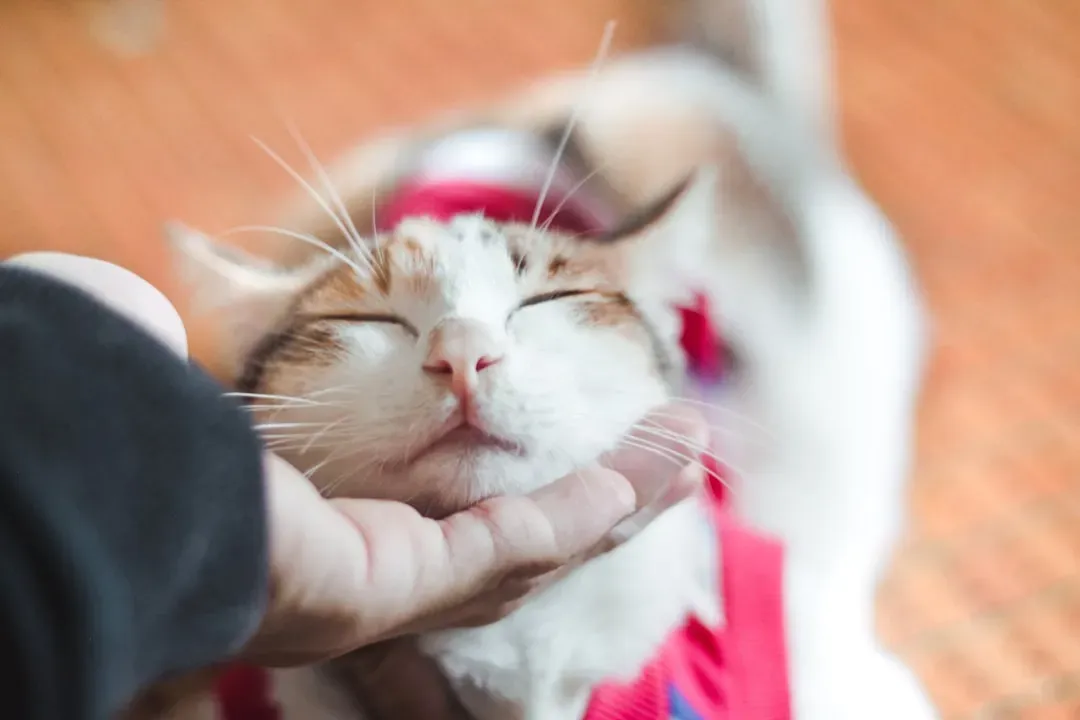
The main chemical involved in bonding between cats and humans is oxytocin, often called the love hormone. It’s the same neurochemical that surges when a mother cradles her baby or when friends hug, fostering trust and affection. For years, scientists assumed this chemical loop existed primarily between humans and dogs. Cats, apparently, got left out of the conversation.
A February 2025 study found that when you engage in relaxed petting, cuddling, or cradling of your cat, your oxytocin tends to rise – and so does your cat’s, if the interaction is not forced. Researchers monitored oxytocin in cats during fifteen minutes of play and cuddling at home with their owner. Securely attached cats who initiated contact such as lap-sitting or nudging showed an oxytocin surge. The more time they spent close to their humans, the greater the boost. Think of it as a biological high-five that happens every time you and your cat choose each other. That’s not indifference. That’s a two-way emotional exchange.
The Slow Blink: Your Cat’s Most Eloquent Love Letter
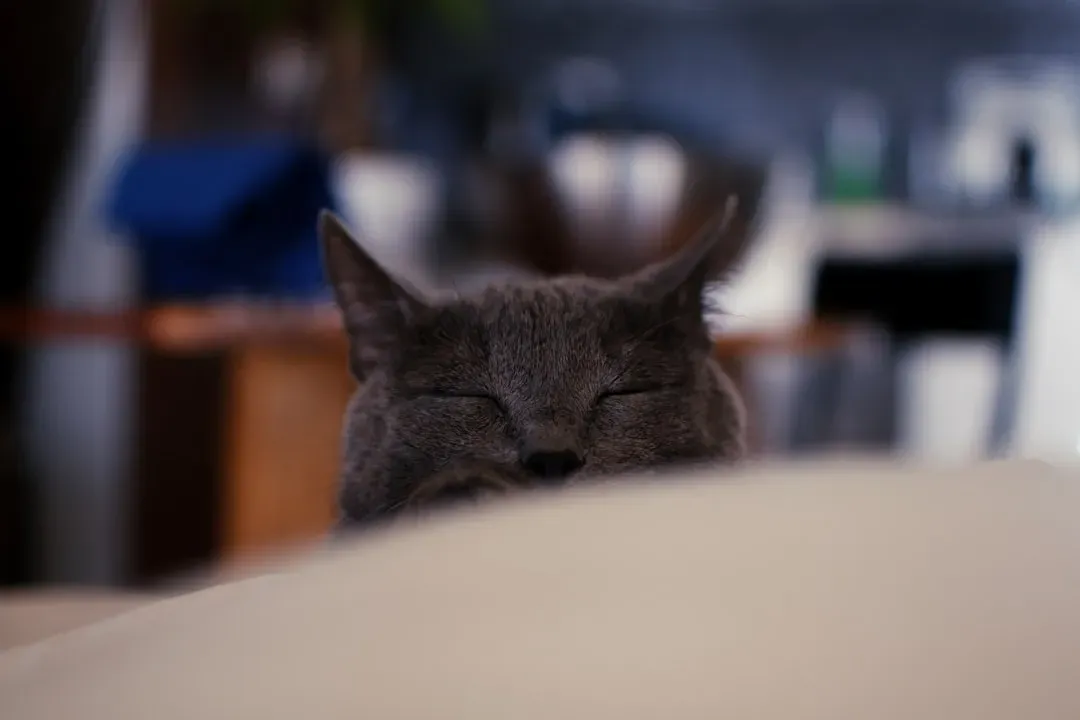
If you’ve ever noticed your cat staring at you from across the room, slowly closing and opening their eyes, you’ve received one of the most tender gestures in the animal kingdom. The key to bonding with your cat is understanding how they communicate. Unlike dogs, cats don’t rely on prolonged eye contact to bond. Instead, they use more understated signals. The most well known is the slow blink – it’s a feline smile, signaling safety and trust.
Slow blinking is essentially cat language for “I trust you and feel safe with you.” When your cat feels secure with you as their owner or caregiver, they perform these slow, deliberate blinks, signaling a deep sense of comfort. Pet behaviorists say that returning a slow blink to your cat can strengthen that bond even further. So next time your cat does it, slow blink right back. You’re having a conversation that goes far deeper than words.
Head Bumps and Scent Marking: Being Claimed as Family
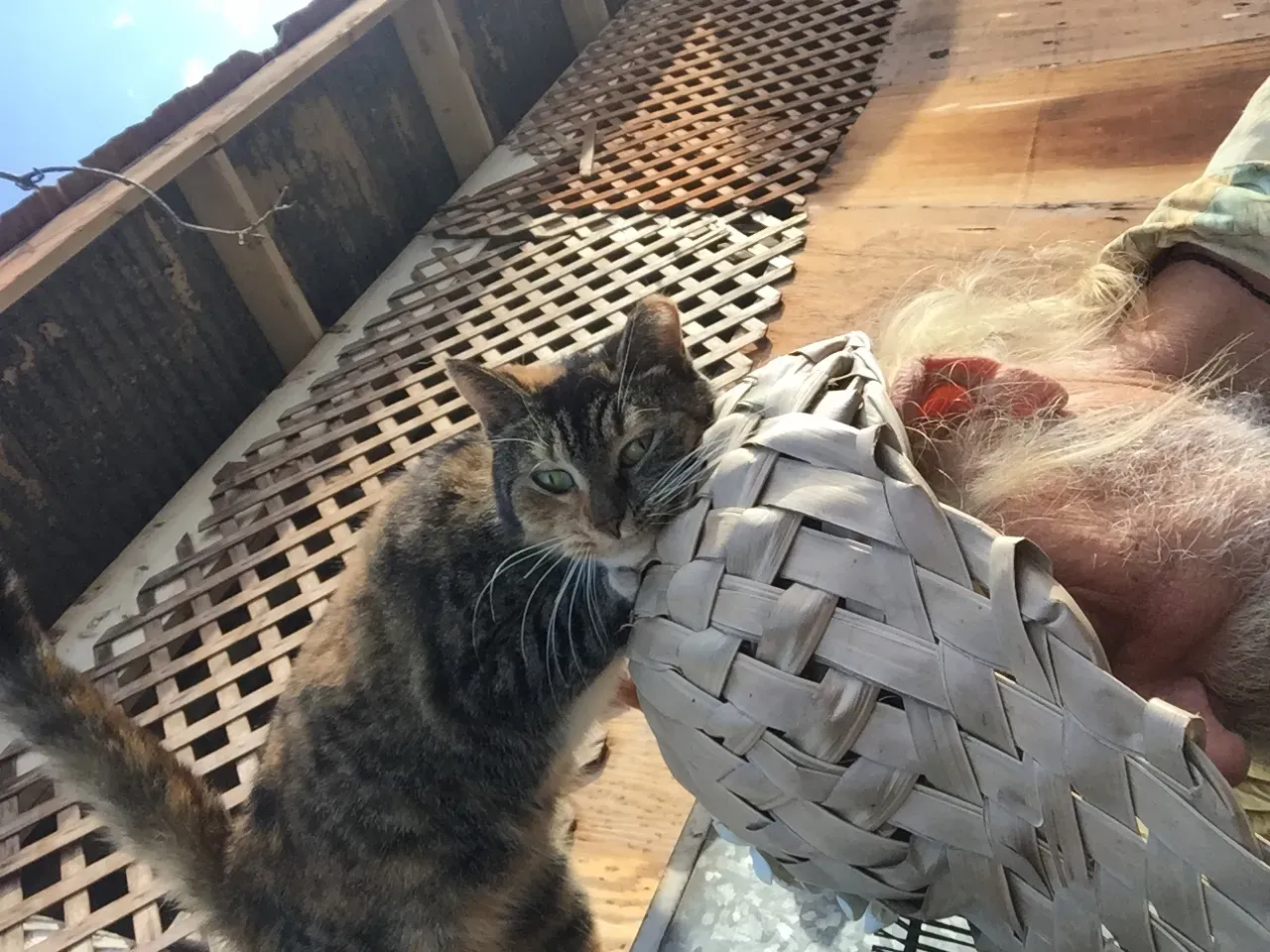
When your cat bumps their head against you or rubs their cheeks on your hand or leg, they’re doing more than being cute. This behavior deposits scent from glands on their face, marking you as familiar and safe. In cat language, that’s a sign of social bonding. Let’s be real – being marked by your cat’s scent glands is about the most exclusive membership card in existence.
One powerful way your cat shows they consider you part of their world is through head rubbing. Head rubbing is a way cats show love and mark you as part of their family using scent glands. When your cat combines head rubbing with purring, it’s an especially bonded signal, demonstrating that they view you as a trusted and safe companion. You’re not just a person in their space. You’re their person.
The Purr: More Than Just Contentment
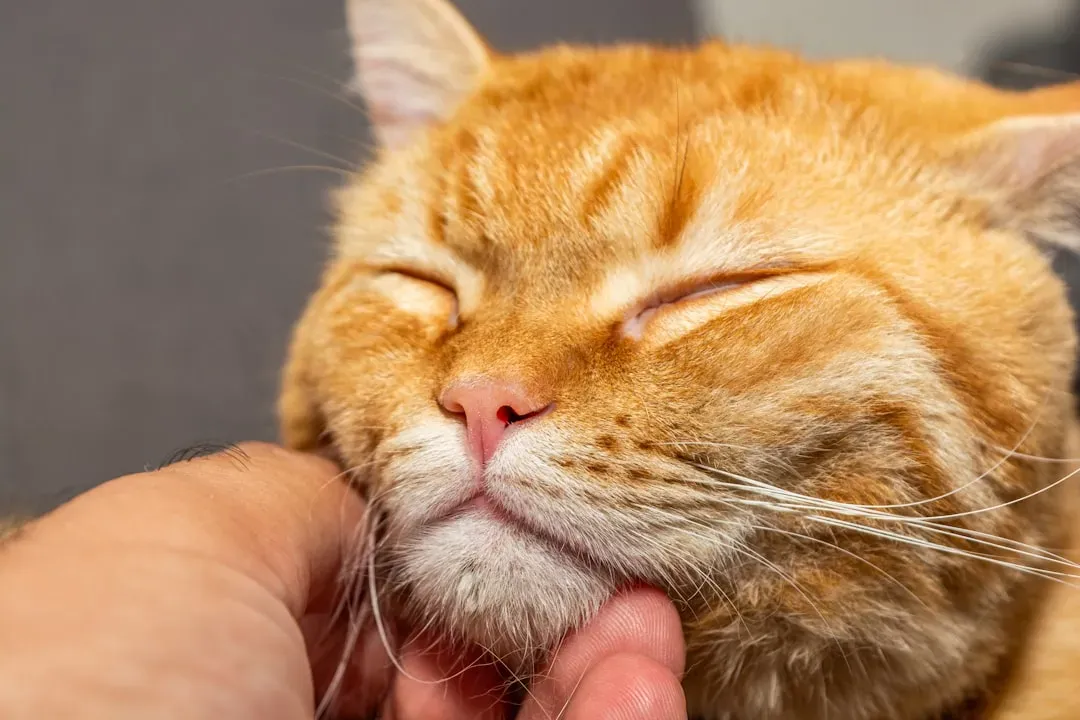
Purring is the one cat behavior almost everyone recognizes as a sign of happiness. Feline behaviorists have found that cats purr for a variety of reasons, but they believe that purring first starts as a form of communication and bonding mechanism between kittens and their mothers. It’s also a common indicator of comfort and ease. If your cat purrs contentedly when they are around you, there’s a good chance they feel bonded with you and are relaxed in your presence.
Many people find petting a purring cat is soothing, and research indicates it’s not just because of the soft fur. The act of petting and even the sound of purring can trigger oxytocin release in your brain. So the next time your cat curls up and starts that rhythmic rumble on your lap, know that their body and yours are chemically syncing in a mutual loop of calm and connection. It’s practically meditative – for both of you.
Kneading, Grooming, and the Language of Touch
You’ve probably experienced those tiny paws rhythmically pressing into your thighs like your cat is making bread dough – affectionately called “making biscuits.” Kneading is often associated with kittens nursing, but adult cats may knead when they feel relaxed and content. If your cat kneads you, a blanket, or a pillow beside you, it’s often linked to comfort and positive association. It’s essentially your cat returning to their earliest sense of safety and bringing you along for the ride.
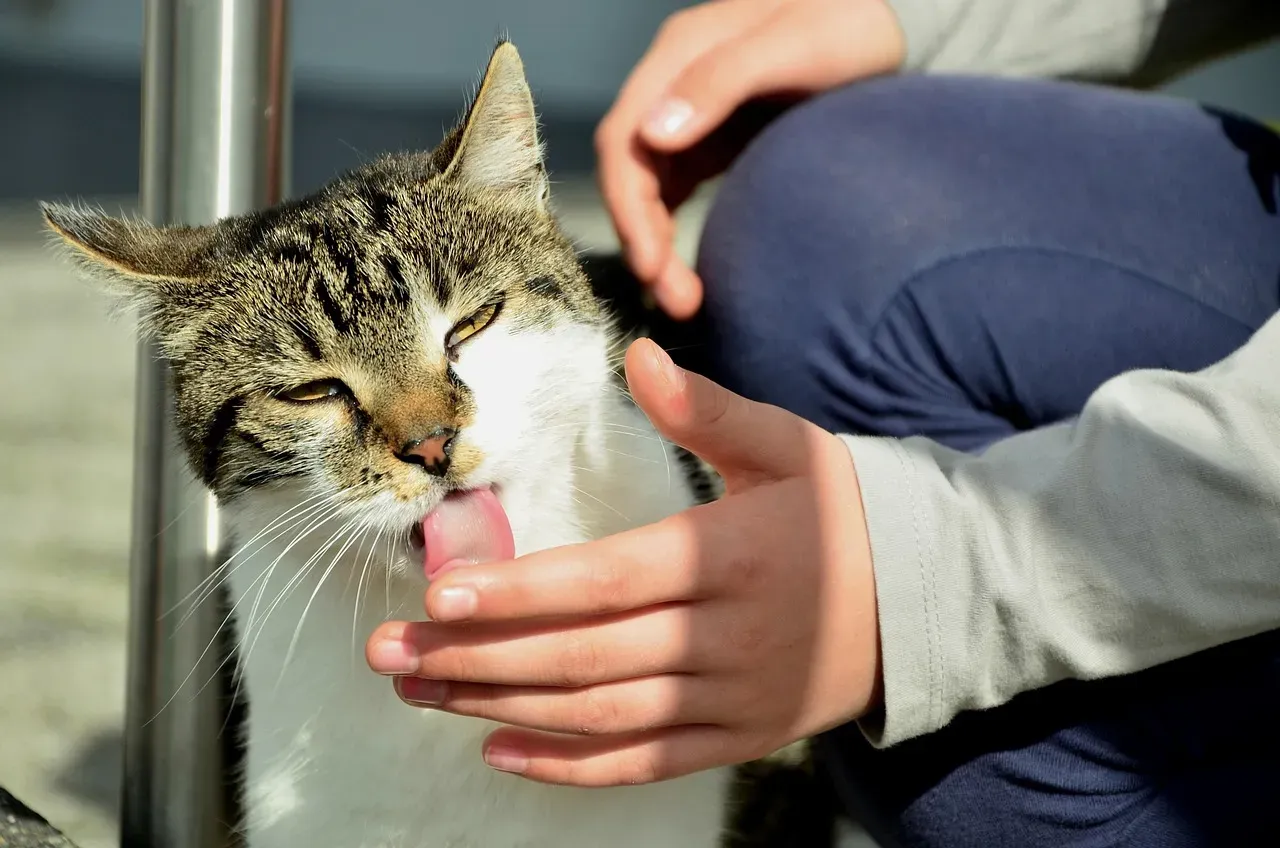
Cats groom each other as a bonding ritual, so when they lick your hair, hands, or face, it means your cat considers you part of their tribe. It’s a way cats show attachment to their owner. A cat licking or grooming you is a form of affection – this grooming behavior mirrors how cats in the wild establish social groups and bond. I know it sounds a little odd, but receiving a sandpaper-tongued lick on the forehead might just be the sincerest compliment your cat can offer.
Attachment Styles: Not Every Cat Loves the Same Way
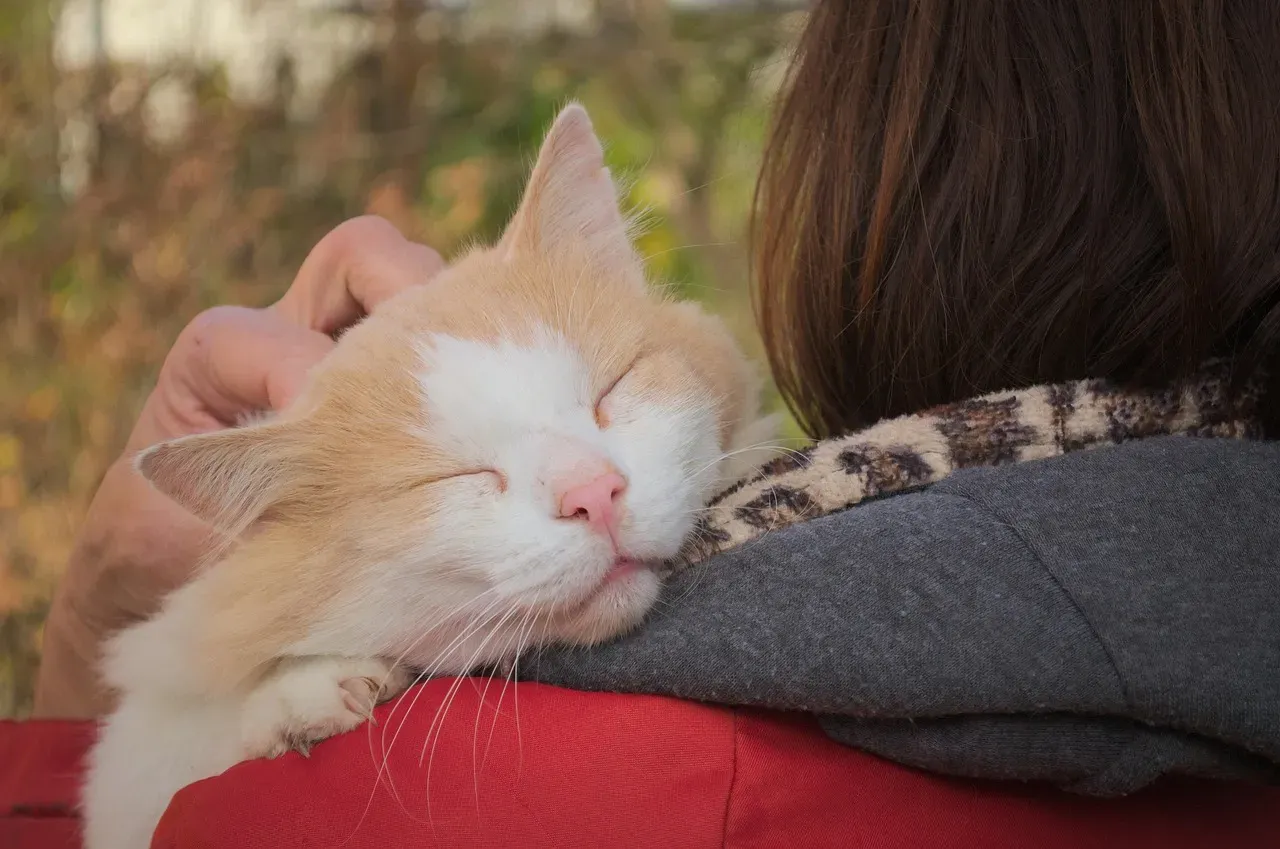
Here’s something that might blow your mind – cats have attachment styles, much like people. Research classified participant cats into three attachment styles: secure, insecure-anxious, and insecure-avoidant, with roughly similar proportions found across groups. So if your cat doesn’t leap into your lap the moment you sit down, it doesn’t mean they don’t love you. They might just have a more reserved way of showing it.
The same 2025 study noted different patterns in cats with more anxious or aloof attachment styles. Avoidant cats showed no significant oxytocin change, while anxious cats had high oxytocin to begin with. Oxytocin of avoidant and anxious cats was found to drop after a forced cuddle. When interactions respect your cat’s comfort, the oxytocin flows – but when a cat feels cornered, the bonding hormone is elusive. Honestly, this mirrors human relationships more than we’d like to admit. Forcing closeness rarely builds it.
Sleeping Near You: The Ultimate Act of Vulnerability
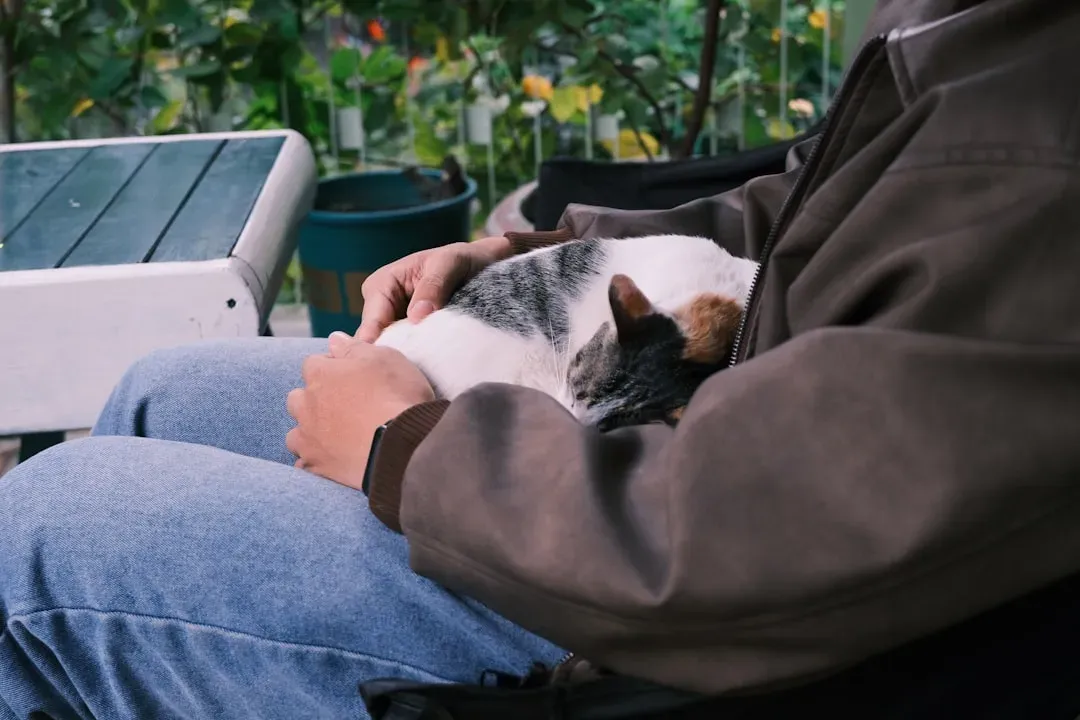
Sleep is a vulnerable state for cats. Choosing to nap next to you – or even in the same room – is a strong indicator of trust. Some cats may sleep at your feet or nearby rather than directly on you, but that close proximity still counts as a sign of love. Think about it from your cat’s perspective: in the wild, a sleeping animal is a vulnerable one. Choosing to be near you while completely letting their guard down is extraordinary trust.
Bedtime is a vulnerable time for cats, and choosing to sleep near their owner is a clear sign of deep attachment. Choosing to sleep on or near you is a strong indicator of trust and safety. So if your cat has claimed the foot of your bed as their permanent territory, they’re not just hogging blankets. They’re telling you, in no uncertain terms, that you are their safe place in the world.
Following You Around and Staying in Your Orbit
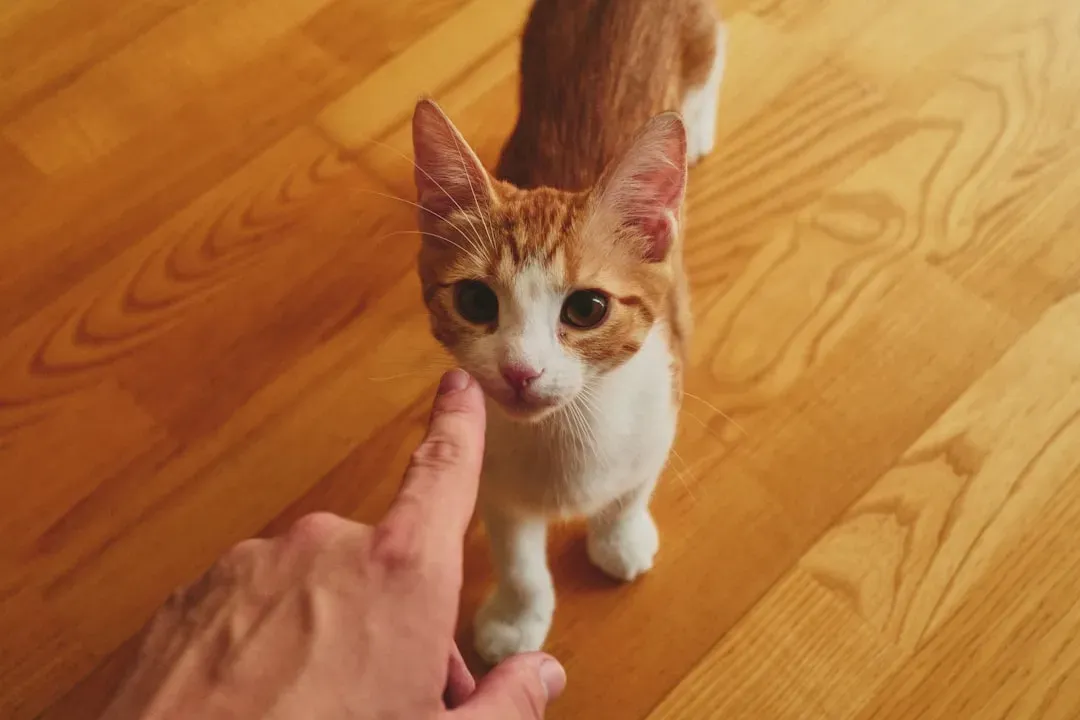
If your cat hangs around at all, they likely enjoy being near you – they just have a more subtle way of letting you know. You might notice your cat materializing wherever you are – in the bathroom, the kitchen, the home office. It can feel clingy, occasionally annoying, but it’s wildly meaningful.
Subtle signs of deep feline affection include following you around, slow blinking, gentle head bumps, purring when near you, and choosing to spend time in your presence. These behaviors indicate trust and affection. Because of your cat’s independence, their affection isn’t about dependence – it’s about preference. When your cat interacts with you, it’s because they want to, not because they need to. Cats tend to form close bonds with a small number of individuals rather than spreading affection widely. If your cat shows you specific behaviors they don’t offer to others, that’s often a sign you are one of their chosen few. Being chosen by a cat – truly chosen – is something special.
How to Deepen Your Bond: Speaking Your Cat’s Language
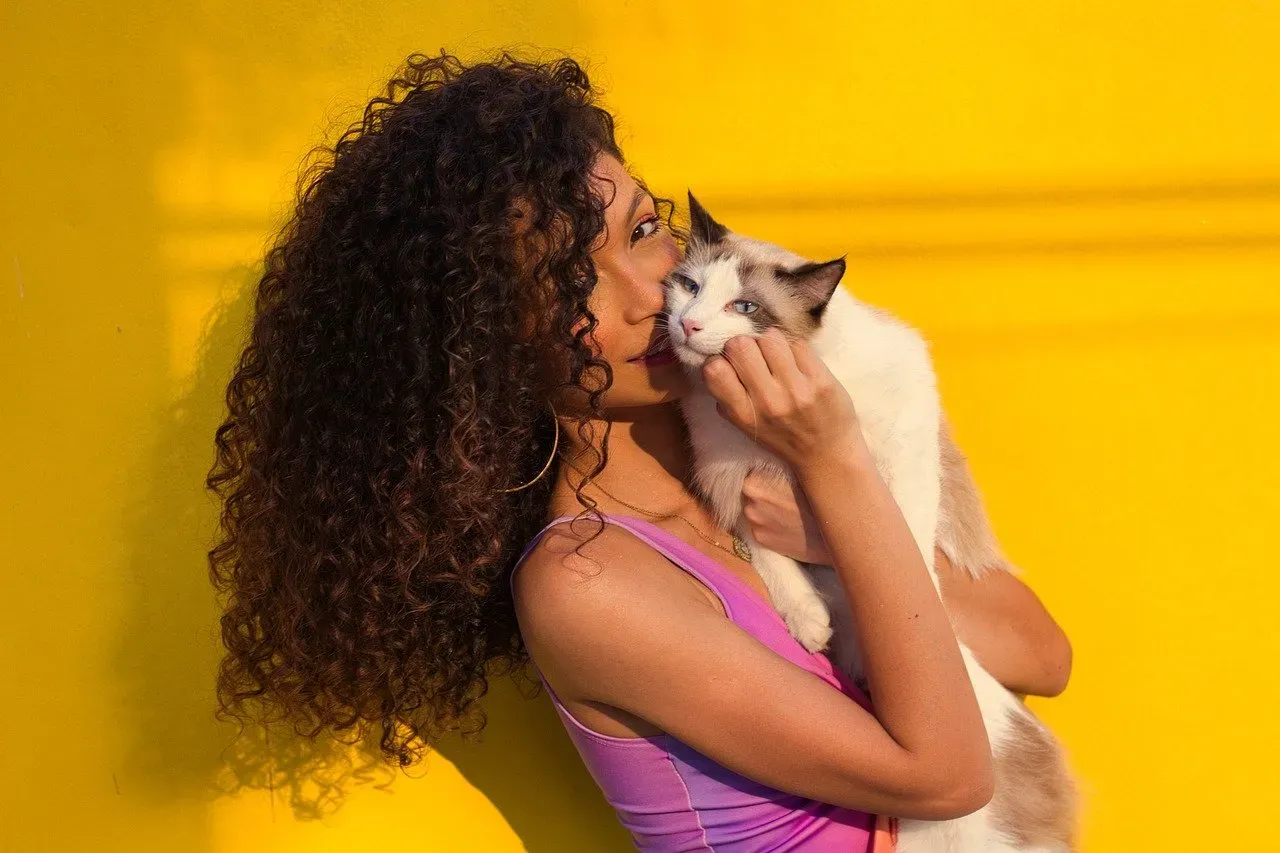
Cats are much more subtle in showing their love, though that doesn’t mean that the shared bond between cats and humans is any less than with dogs. It just means that you’ll need to work harder to understand your cat’s love language and boundaries to build trust. The good news? Learning that language is one of the most rewarding things you can do as a cat owner.
Consistent feeding times, play sessions, and rest periods create stability. Cats often bond through reliability, and shared routines help reinforce your role as a source of comfort. Interactive play supports both physical health and emotional connection. Play mimics natural hunting behavior and strengthens your bond through shared activity. Cats are sensitive to energy and may bond more easily with people who are calm, relaxed, and gentle. It’s less about grand gestures and more about showing up, consistently and quietly, in the way your cat actually needs.
Conclusion: Your Cat Has Been Saying “I Love You” All Along
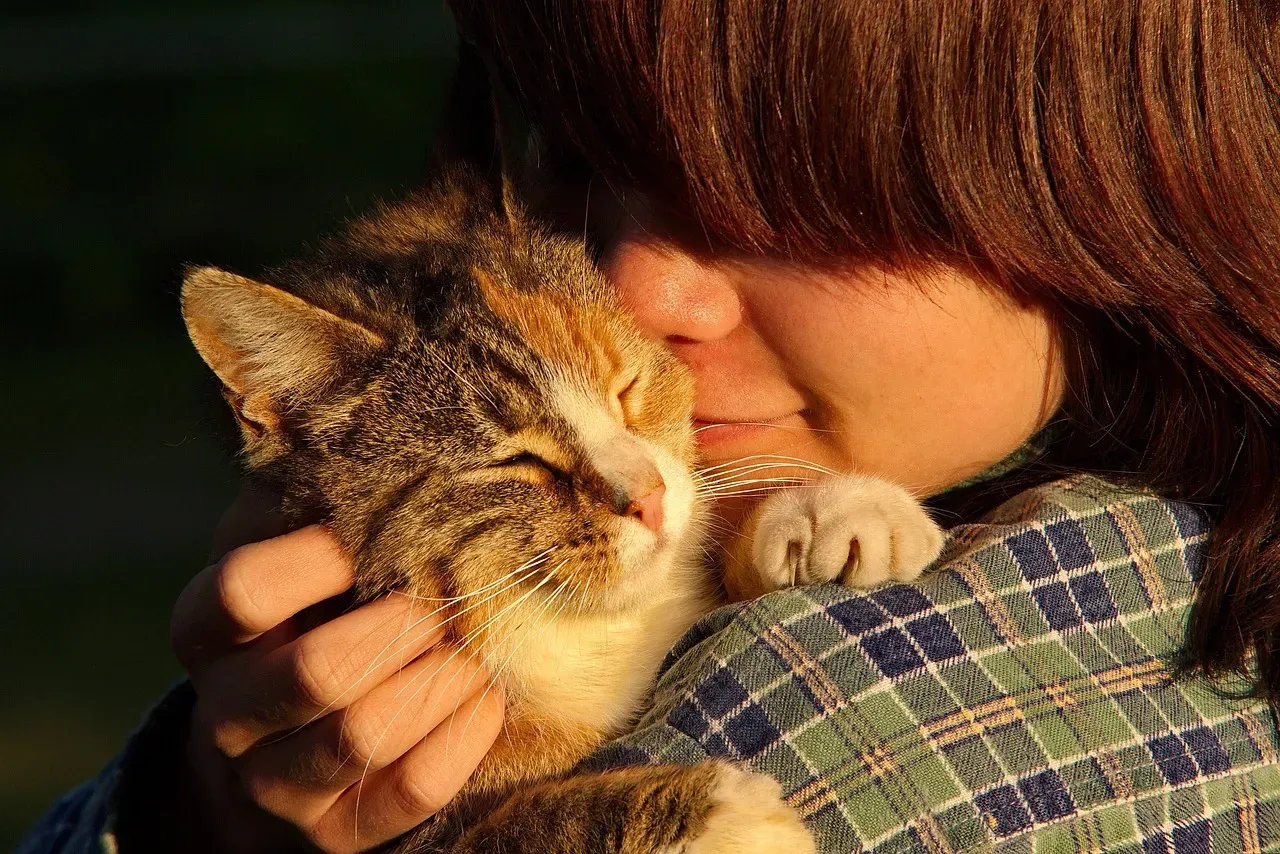
The “aloof cat” narrative is, honestly, one of the most persistent and unfair myths in the world of pets. Cats may not express emotions like humans, but that doesn’t mean they lack sentiment. Research shows that cats form strong attachments to their owners and can display affection through distinct behaviors. Their love might not be as overt as a dog’s tail wag, but it’s real and meaningful.
Like dogs and human babies, most cats demonstrate strong attachment: casting glances back at their caregiver for reassurance, acting stressed when their caregiver exits the room, then relaxing again when reunited. Researchers concluded that cats, like dogs, form an attachment bond with their human owners just like that seen between a human parent and child. Your cat hasn’t been cold or distant all these years. They’ve been speaking a quiet, layered, deeply intentional language of love – and now you know how to hear it.
Every slow blink, every head bump, every 3am paw on your face – it all means something. The question isn’t whether your cat loves you. The real question is: how many of these signs have you been missing all along?