You’ve probably been there. Your cat wanders into the room, glances at you with those half-lidded eyes, does a slow stretch, and then strolls right back out without so much as a meow. Your first instinct? Slight rejection. Maybe even a little dramatic “my cat doesn’t love me” spiral. Honestly, we’ve all been there.
Here’s the thing though – you’ve been reading the situation completely wrong this whole time. What looks like indifference from your feline companion is actually something far more sophisticated, and arguably even more touching. Your cat’s independence isn’t a wall. It’s a window into just how deeply you’ve earned their trust. So let’s dive in, because what you’re about to discover about your cat might just change everything.
The “Aloof Cat” Myth Is Way Bigger Than You Think
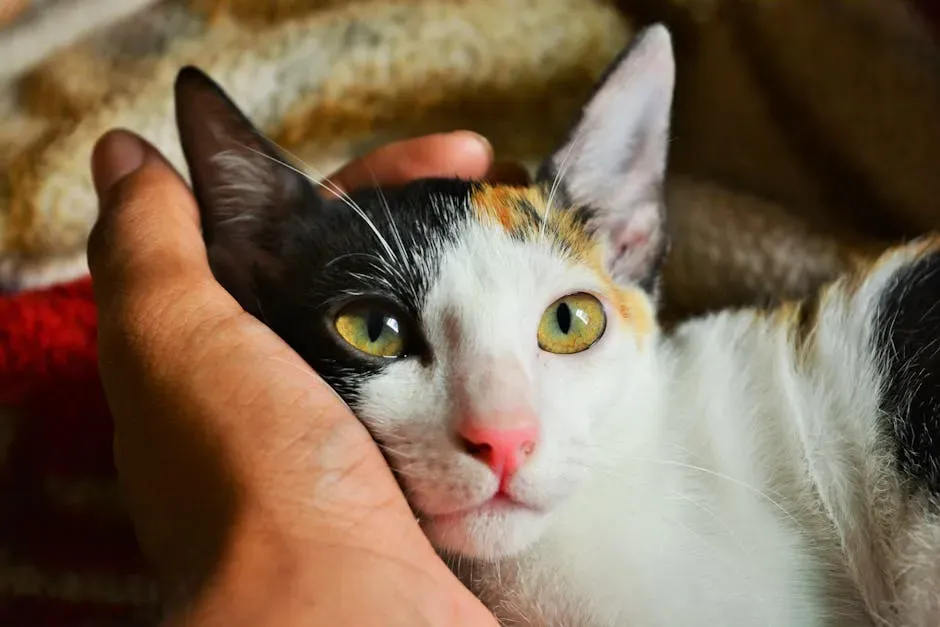
Cats are constantly called solitary creatures – and that’s simply not accurate. They have a social structure built around the availability of resources. Yet somehow, the aloof cat stereotype has stuck around for decades, doing a real disservice to millions of cats and their confused owners. Think of it like judging someone as unfriendly because they don’t wave at every stranger on the street. That’s not coldness. That’s just a different social style.
A common myth is that cats are naturally untrusting and indifferent. In truth, cats are simply more reserved. They have evolved to survive in varied environments, so their cautious approach is more about self-preservation than a lack of affection. Once you make that mental shift, everything changes. You stop feeling rejected and start feeling something much closer to honored.
Their Independence Has Deep Evolutionary Roots
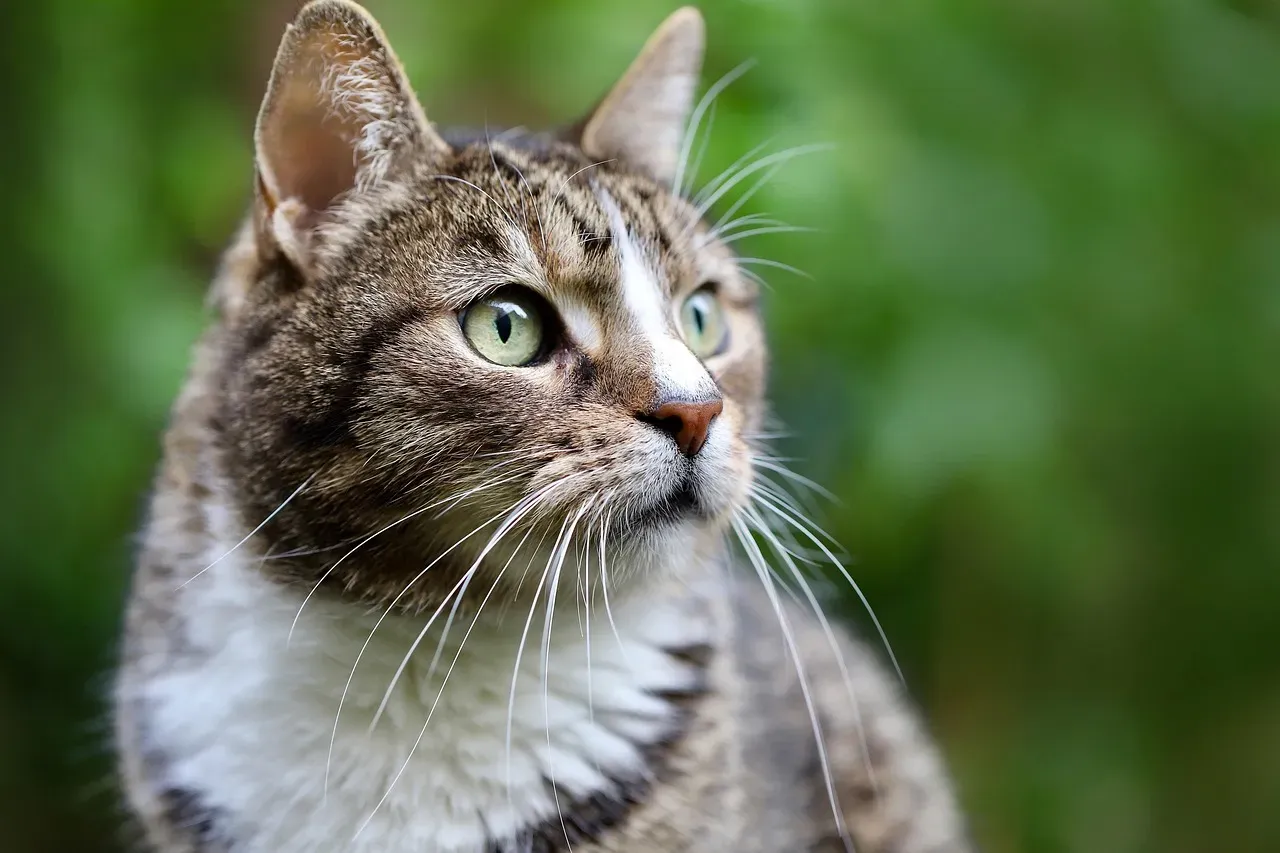
The notion that cats are independent has persisted for centuries. Perhaps this is because cats are solitary predators, unlike dogs who hunt within the pack. Dogs are team players, and their survival depends on it. The cat must hunt alone – feline hunting methods of stalking, hiding, and pouncing would not be successful if performed as a group tactic. So your cat’s self-sufficiency isn’t a personality flaw. It’s a masterpiece of evolutionary engineering.
Cats are unique in that they sort of domesticate themselves. Millennia ago, ancient humans noticed that wild cats liked to hang around grain stores to hunt. This voluntary, strategic proximity to humans is still baked into your cat’s DNA. They didn’t need us back then. The fact that they choose to stay now? That means something real.
Science Confirms Your Cat Trusts You More Than You Realize
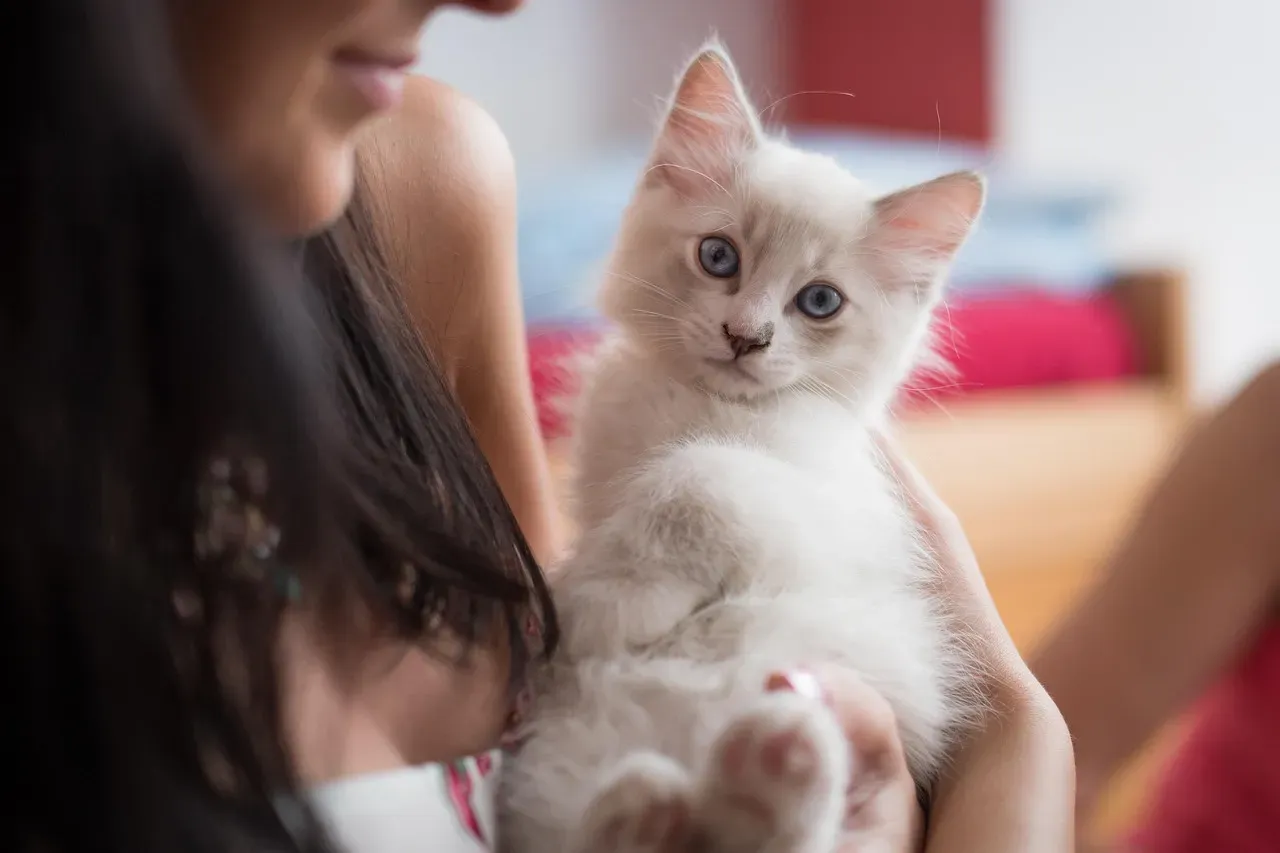
In a groundbreaking study by Oregon State University in 2019, researchers found that over 64% of cats exhibit a secure attachment style similar to human infants and dogs. When their owners leave, securely attached cats may show mild distress but quickly calm down upon their return, a clear indicator of trust and emotional bonding. These behaviors – following you from room to room, rubbing against your legs, or vocalizing softly – are profound demonstrations of loyalty and comfort-seeking.
While it is increasingly recognized that cats are more social and more capable of shared relationships than traditionally thought, research shows that adult cats appear to be more autonomous, even in their social relationships, and not necessarily dependent on others to provide a sense of protection. In other words, your cat doesn’t need you to feel safe. They choose you anyway. That is the very definition of trust.
The Slow Blink: Your Cat’s Most Intimate Love Letter
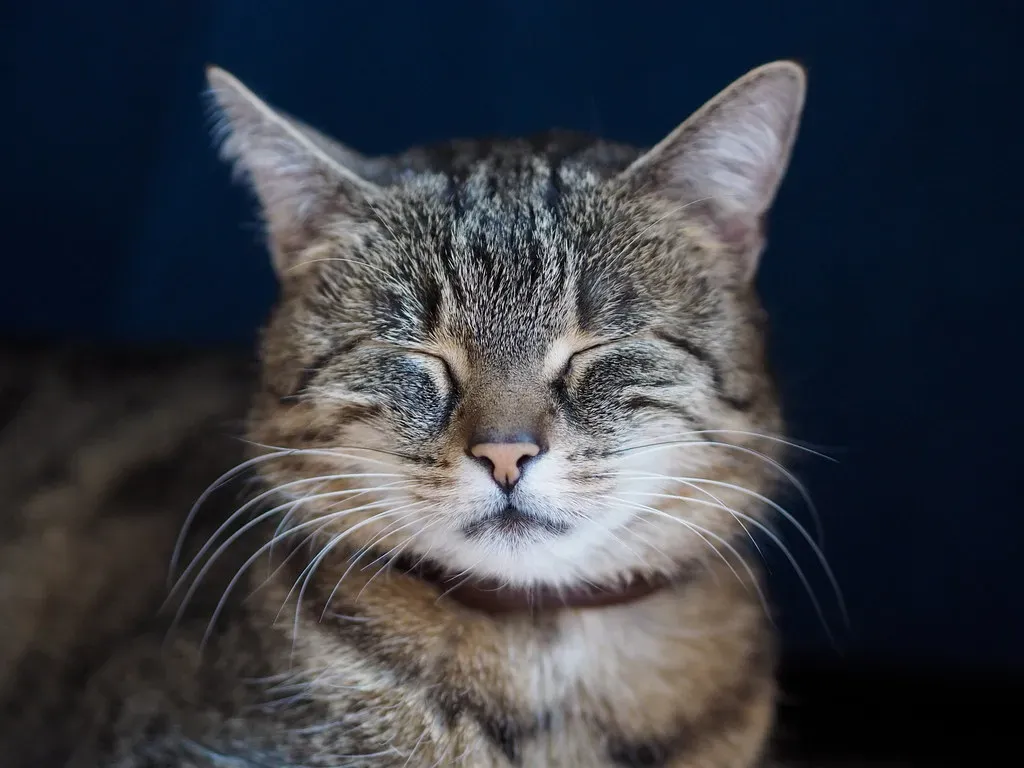
When your cat looks at you and slowly blinks, they’re offering what many call a “cat kiss.” Cats are naturally wary of their surroundings, so closing their eyes, even briefly, is a vulnerable act. This behavior is a significant sign of trust. When they blink slowly at you, it’s their way of saying, “I feel safe with you.” You can return the sentiment by slowly blinking back, which helps reinforce the bond between you and your cat.
Cats observe their environment with great precision. Their eyes are still able to perceive dangers even in twilight. They only shut their eyes to sleep or when they feel very safe. So you can take a small but emphatic blink in their direction as a sign of trust and affection. Next time your cat gives you that long, slow blink from across the room, blink back. You’re literally speaking their language of love.
Head Bunting and Scent Marking: You’ve Been Claimed (In the Best Way)
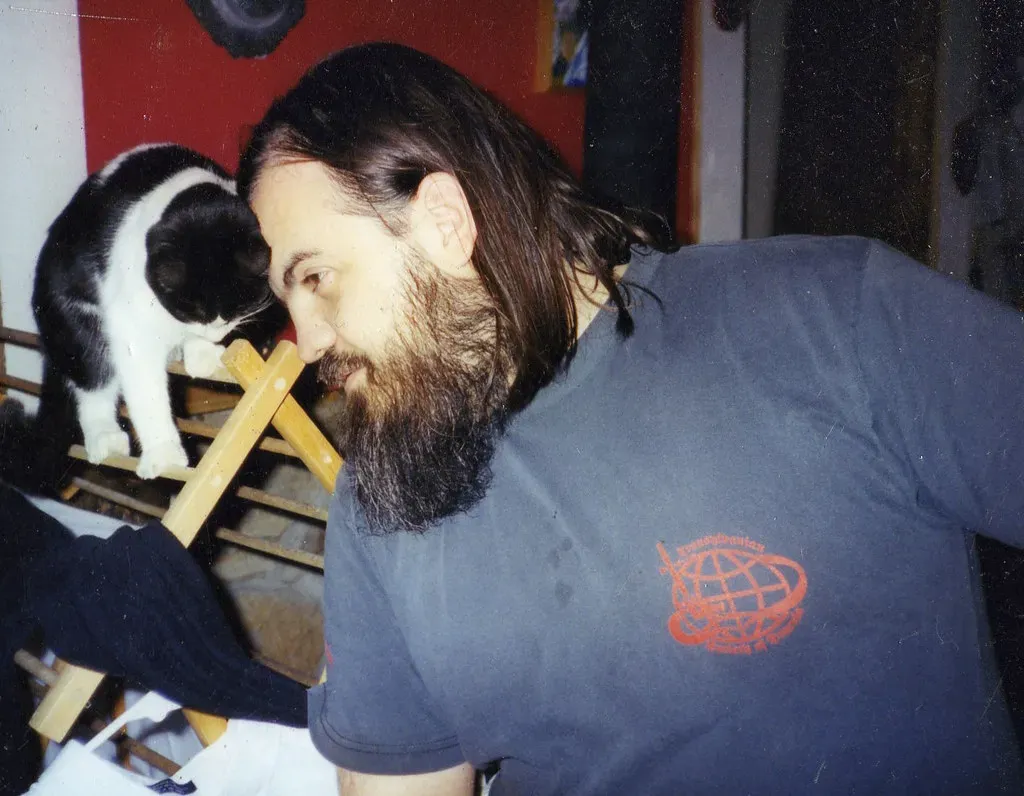
A gentle nudge with their head, known as bunting, is more than just a friendly gesture. Cats have scent glands in their cheeks and forehead, and when they press their head against you, they’re marking you with their scent. This act signifies inclusion in their trusted circle. It’s their way of saying, “You belong with me.” Honestly, being claimed by a cat feels a little bit like being knighted. You didn’t ask for it. You just somehow earned it.
Rubbing against you is a behavior cats have to spread pheromones. Pheromones act in cat colonies as a “tag” to mark other members as safe. If a cat is rubbing against you with their head, their mouth, or their tail, they are marking you as safe. This is the ultimate sign of trust. So the next time your cat rubs against your ankle before wandering off to do their own thing, understand that they’ve just told the entire feline universe that you are one of their people.
The Belly Expose: A Vulnerable Move That Means Everything
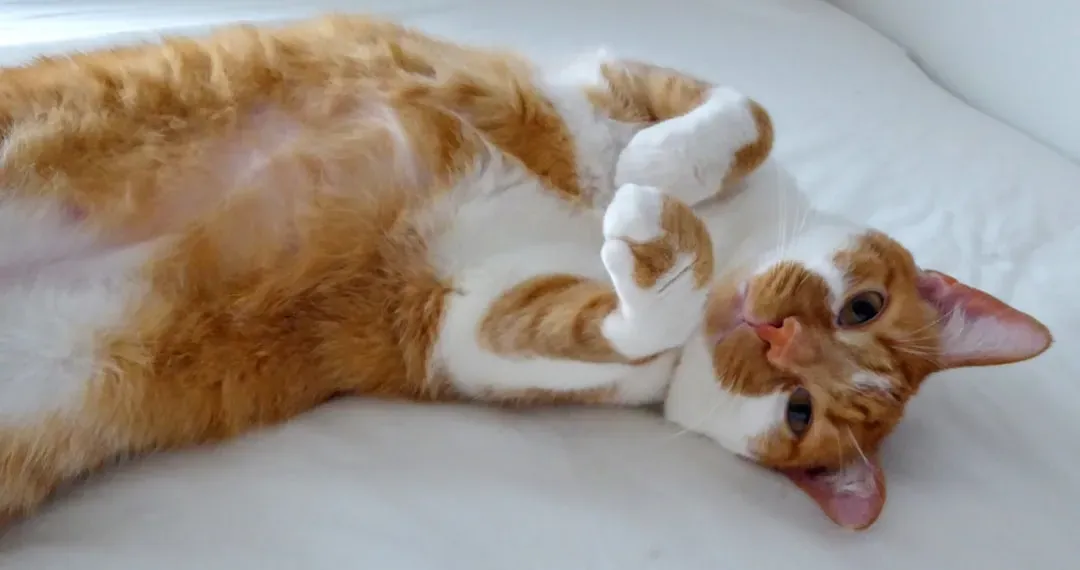
When your cat rolls onto their back and shows you their belly, it’s a vulnerable gesture that speaks volumes. The belly is one of the most sensitive areas of a cat’s body, and exposing it means they trust you implicitly. While this might seem like an invitation to pet their tummy, it’s not always the case – some cats prefer this moment to remain a visual display of trust rather than physical interaction. Respect their boundaries and appreciate the significance of this act.
In nature, cats are both prey and predator to small critters. Evolutionarily, as prey, they learned to protect themselves and their vital organs, such as the belly area, from those they mistrust. Think of the belly-show as your cat handing you something precious and irreplaceable – not necessarily asking you to touch it, but letting you see it. That distinction matters enormously. It’s a display of emotional openness, and that’s something to honor.
Kneading and Purring: Childhood Comfort Transferred to You
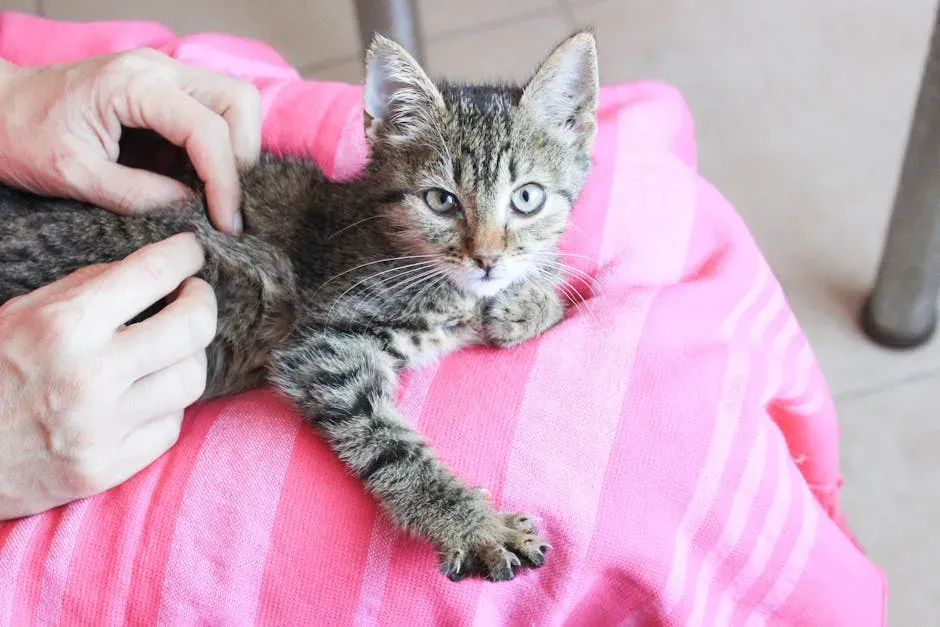
Cats remember growing up feeling protected in the presence of their mother, especially when they feel completely secure. You can recognize your cat’s nostalgic moments in the way it kneads a cushion or perhaps even your stomach with its paws in your presence. Cats would do this to stimulate milk flow from their mother. By doing so with humans, adult cats are therefore showing them unlimited trust. It’s almost heartbreaking how tender that is, when you really stop to think about it.
A cat’s purr is one of the most soothing sounds in the world, and it’s also a significant indicator of trust. Cats purr for various reasons, including relaxation and contentment. When your cat purrs in your presence, it’s a sign that they feel comfortable and happy. This behavior often accompanies other trust signals, like kneading or curling up beside you. If your cat curls up on your lap, kneading and purring simultaneously, you’ve essentially hit the feline jackpot. Congratulations. You passed.
Respecting Your Cat’s Space Is What Actually Builds the Bond
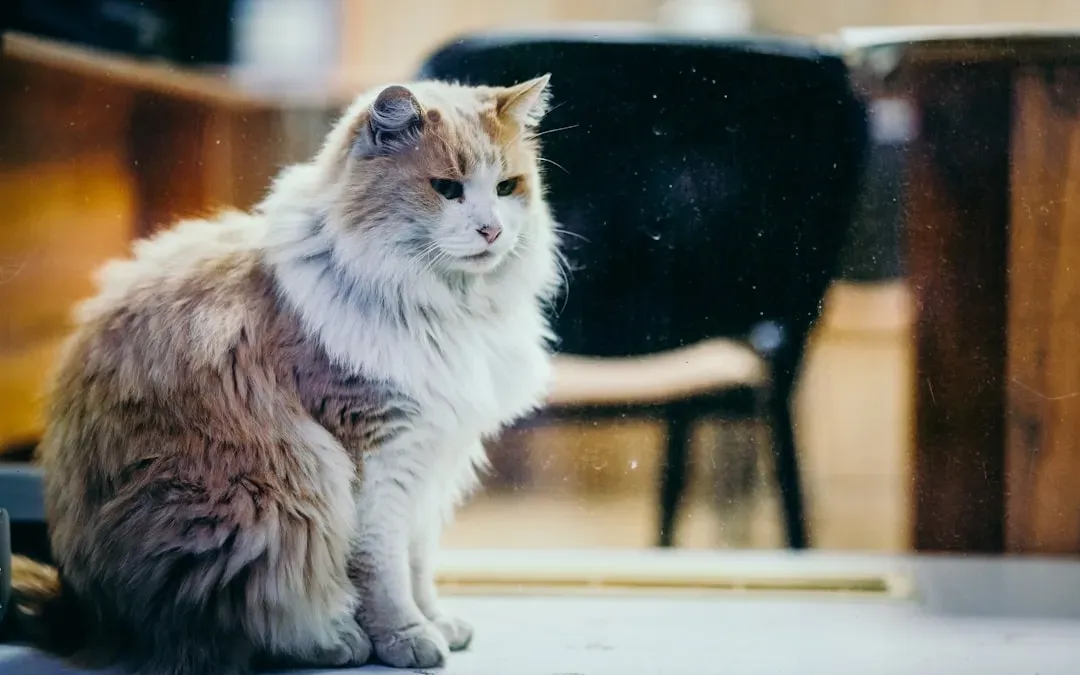
Give your cat choices and respect the choice they end up making. Whether it’s a place to nap or perch, or an opportunity to play or not, letting your cat decide what they want to do will build their confidence and help them learn that you are not going to force them to do anything. Cats become stressed when they have no control over their environment and enjoy having choices about when, what, where, how, and who to interact with. I think this is something a lot of cat owners genuinely struggle with at first – the urge to keep picking them up, to force interaction. It backfires every time.
When they come closer, even if it’s within reach, don’t break the trust and don’t try to touch them – that could break the trust you’ve built. The first contact with a cat should always be initiated by the cat. It sounds counterintuitive, but playing hard to get with your cat is genuinely one of the most effective bonding strategies there is. Give them the room to come to you. When they do, it will mean so much more.
How You Can Deepen the Trust Your Cat Already Has in You
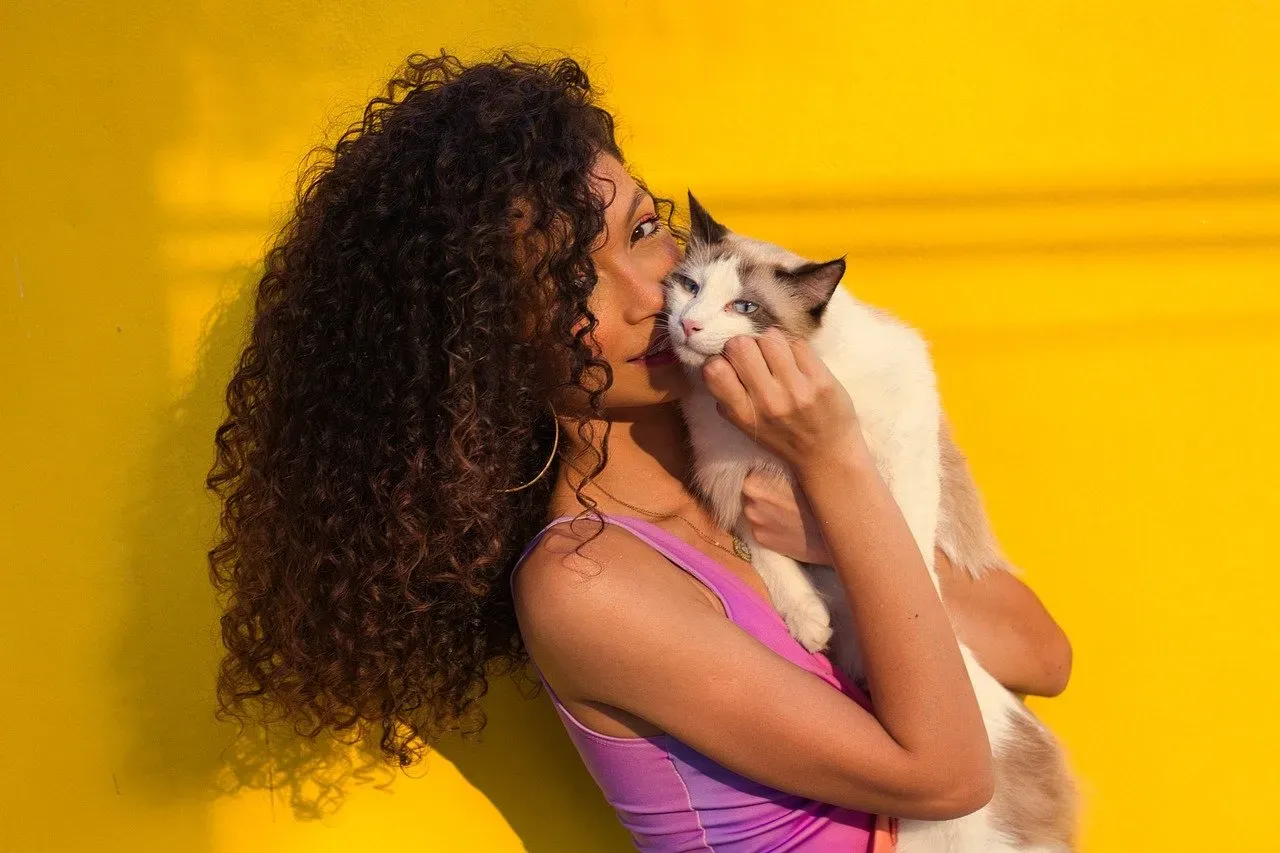
Use positive reinforcement to reward positive interactions. You can use treats, a soothing voice, play, or even petting (if they like it) to reward any good behavior. Further, you can use any of these things to encourage your kitty to do something, like coming out of a hiding spot, for example, but respect their decision not to do something as well. Trust is a two-way street, even with cats. They’re watching you carefully to see if you’ll honor the agreement.
Your cat spends a great deal of effort getting to know you as a companion, so if you do the same, you increase your chances of having the relationship you’ve always wanted with your feline family member. Cats are marvelous communicators and your own kitty tells you so much through body language. Pay attention to your cat’s signals and you’ll help create a stronger, more trusting bond. It’s less about grand gestures and more about consistent, quiet attention. Learn their language. Show up the same way every day. That’s the whole secret, really.
Conclusion: Independence Isn’t Distance – It’s Devotion on Their Own Terms
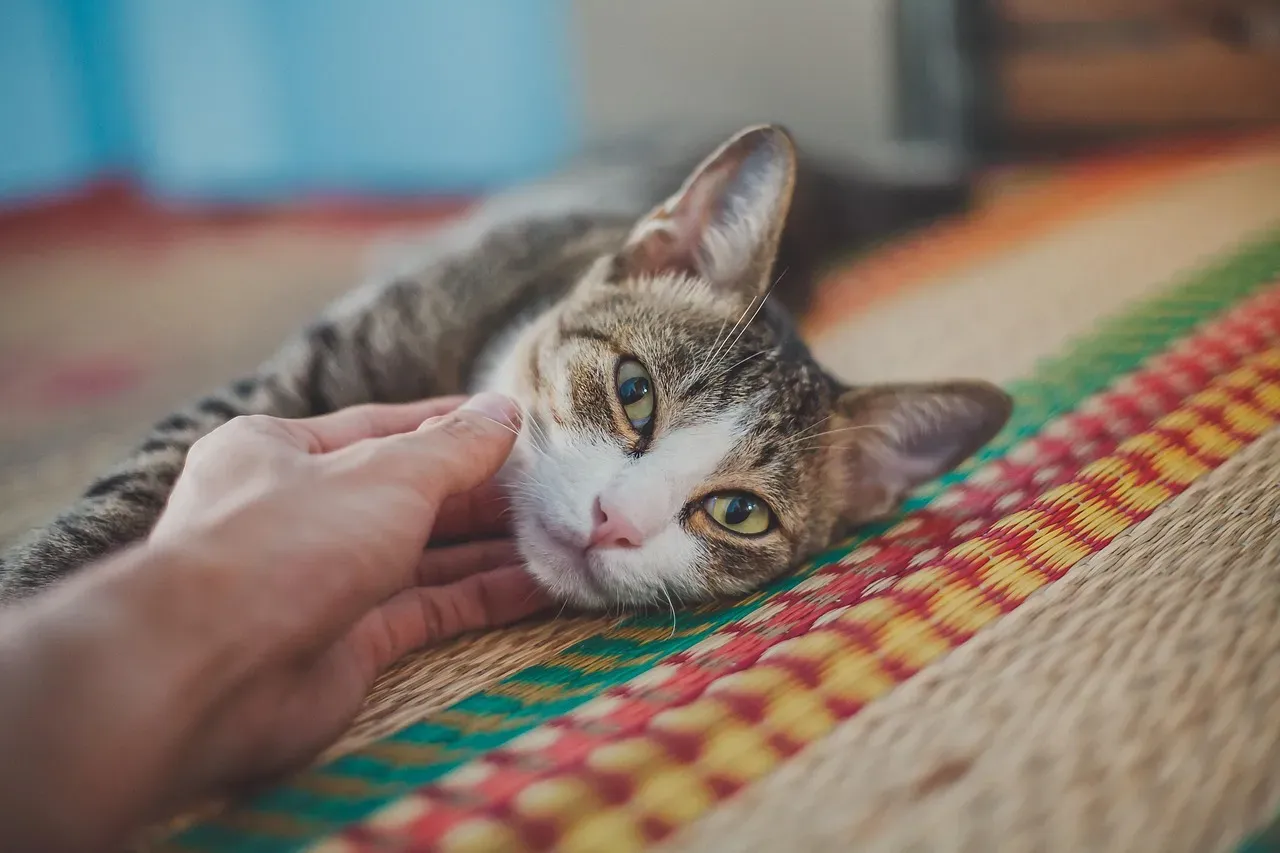
Here’s what it all comes down to: your cat doesn’t need you. They are the product of millions of years of self-sufficient evolution, perfectly equipped to navigate the world without a human in sight. Perhaps they’re simply exhibiting their natural independence, which doesn’t negate the deep, underlying trust they may have in you. That’s not rejection. That’s freedom offered to an equal.
Despite their aloof reputations, cats can be very loyal, affectionate, and loving. However, cat communication is very different from humans – they can’t tell us they love us, after all. So they show it in the only ways they know how – a slow blink here, a quiet purr there, a warm weight settled on your lap after a long day. When a creature that doesn’t need you chooses to stay, that’s not indifference. That’s the purest form of trust there is.
The next time your cat curls up nearby, just slightly out of reach, doing their own magnificent thing – resist the urge to feel dismissed. Instead, feel what that moment actually is: a wild, ancient, perfectly independent little soul choosing, freely and deliberately, to share their world with you. What could be more meaningful than that? Share your own cat trust moments in the comments – we’d love to hear how your feline shows you they care.