There is a persistent image of the cat as the ultimate loner: door-scratching at will, indifferent to your moods, and wholly unimpressed by your presence. It’s an idea so deeply embedded in popular culture that even many cat owners accept it as simple fact. The cat, the story goes, tolerates you at best.
Science has been quietly dismantling this idea for years. What researchers have found when they actually study cats in structured settings is surprising, and in some cases, genuinely moving. Your cat may be far more invested in you than you’ve ever been led to believe.
The “Solitary Animal” Label Was Always Misleading
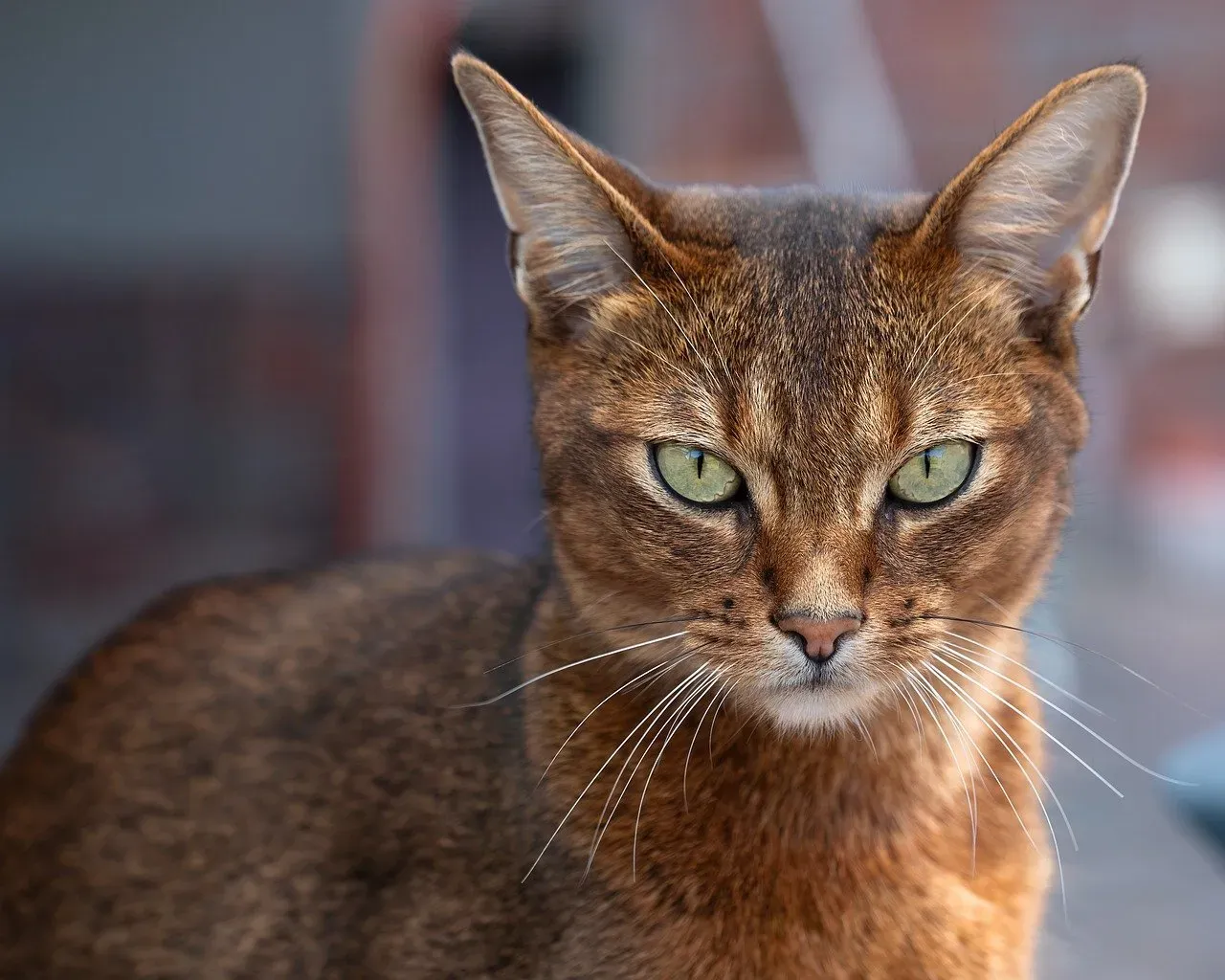
When people call cats solitary animals, they are borrowing a description that was never fully accurate to begin with. Cats are solitary hunters, but that does not make them solitary animals. The distinction matters enormously, and collapsing the two has led to decades of misunderstanding.
Cats are what scientists describe as “facultatively social,” which is a way of saying that their approach to sociability is highly flexible. In the wild, they may live solitarily or happily as members of a large colony. That flexibility is a strength, not a sign of emotional emptiness. It means you can’t slap a single label on every cat and call it a day.
How Domestication Actually Shaped Your Cat
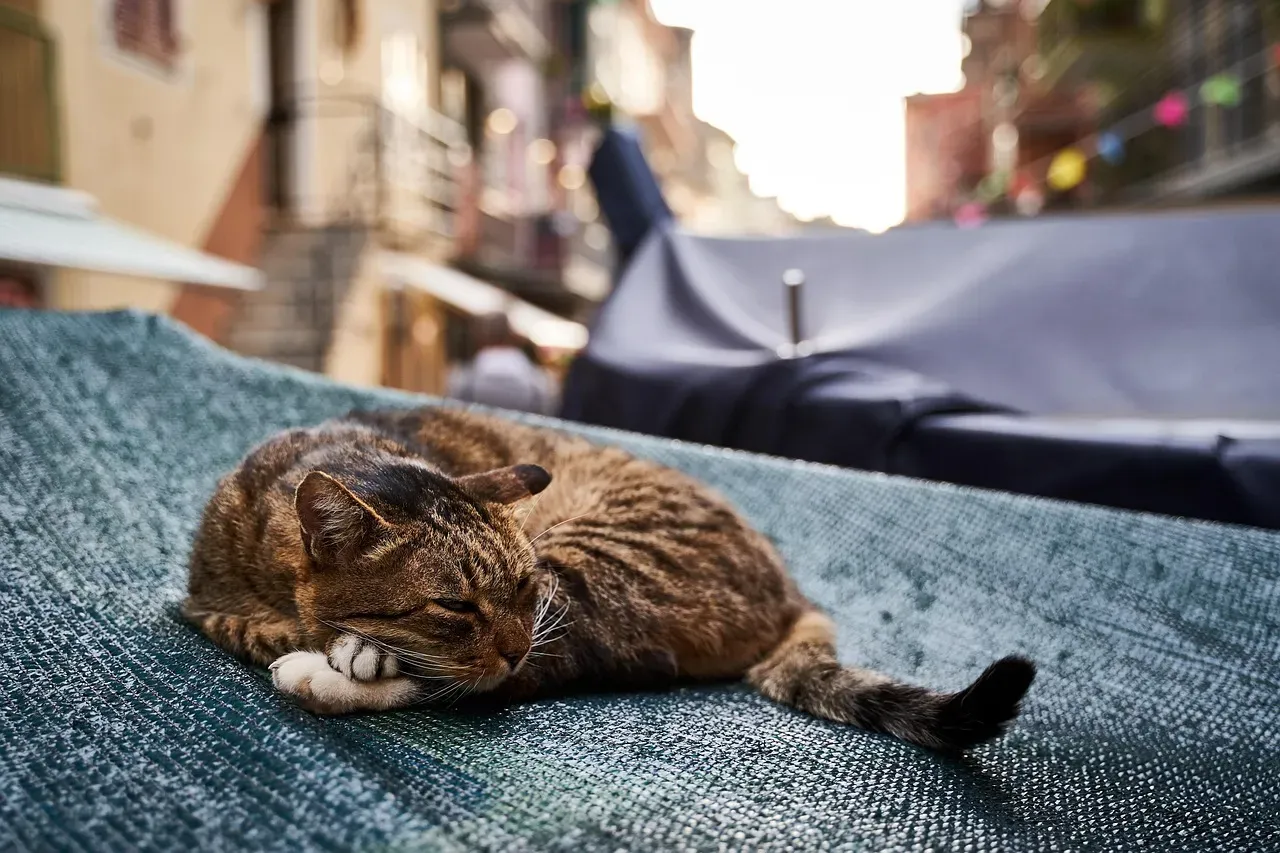
Unlike dogs, who evolved alongside humans as pack animals, cats began their relationship with humans as solitary hunters. The domestic cat’s ancestor, the African wildcat, was primarily a solitary creature that came into contact with human settlements while hunting rodents around grain storage areas. This unique domestication history sets cats apart from other pets.
While dogs were actively domesticated and bred for specific working purposes, cats essentially domesticated themselves by choosing to live near humans for mutual benefit. This self-directed domestication process has left an indelible mark on modern cats’ behavioral patterns. In other words, your cat chose this arrangement. That’s not the behavior of an animal with no interest in human company.
Your Cat Likely Has a Secure Attachment to You
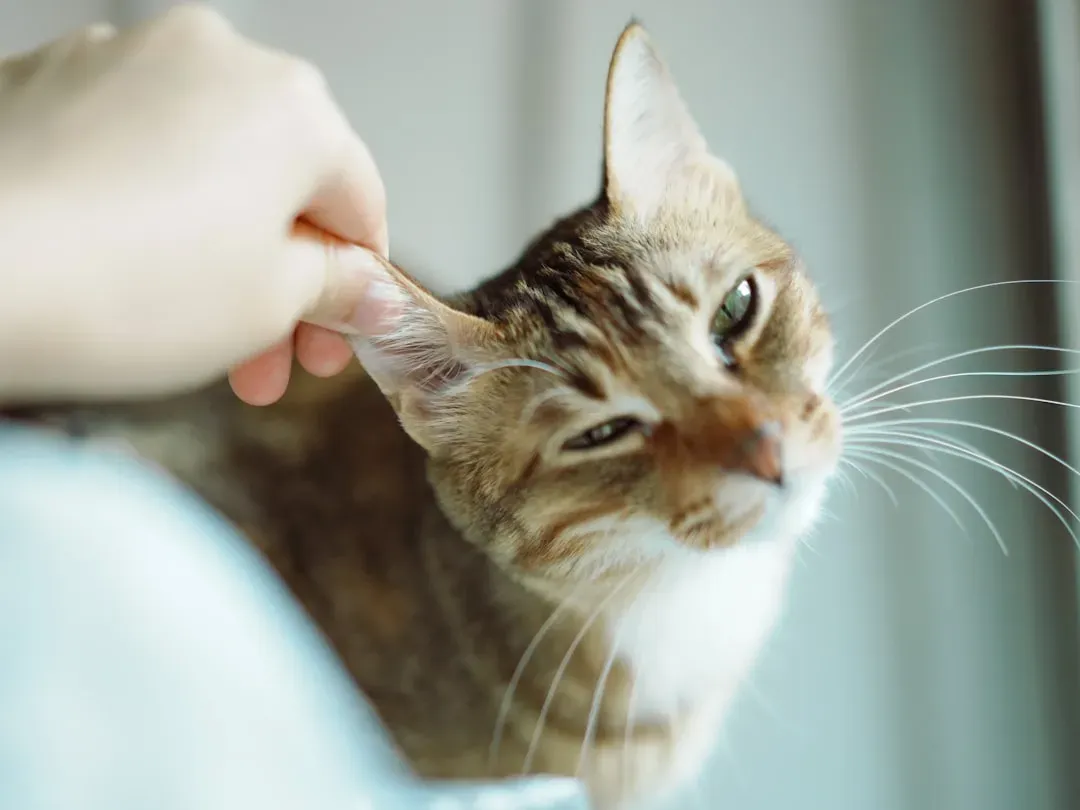
One of the most striking findings in recent feline research comes from Oregon State University. A study of the way domestic cats respond to their caregivers suggests that their socio-cognitive abilities and the depth of their human attachments have been underestimated. The findings show that, much like children and dogs, pet cats form secure and insecure bonds with their human caretakers.
Distinct attachment styles were evident in adult cats, with a distribution similar to the kitten population, with roughly two thirds classified as securely attached. Evidence that cats share social traits once attributed to dogs and humans alone suggests that broader non-canine-specific mechanisms may be needed to explain cross-species attachment and socio-cognitive abilities. If you’ve been telling yourself your cat doesn’t need you, these numbers tell a different story.
What “Secure Attachment” Actually Looks Like in a Cat
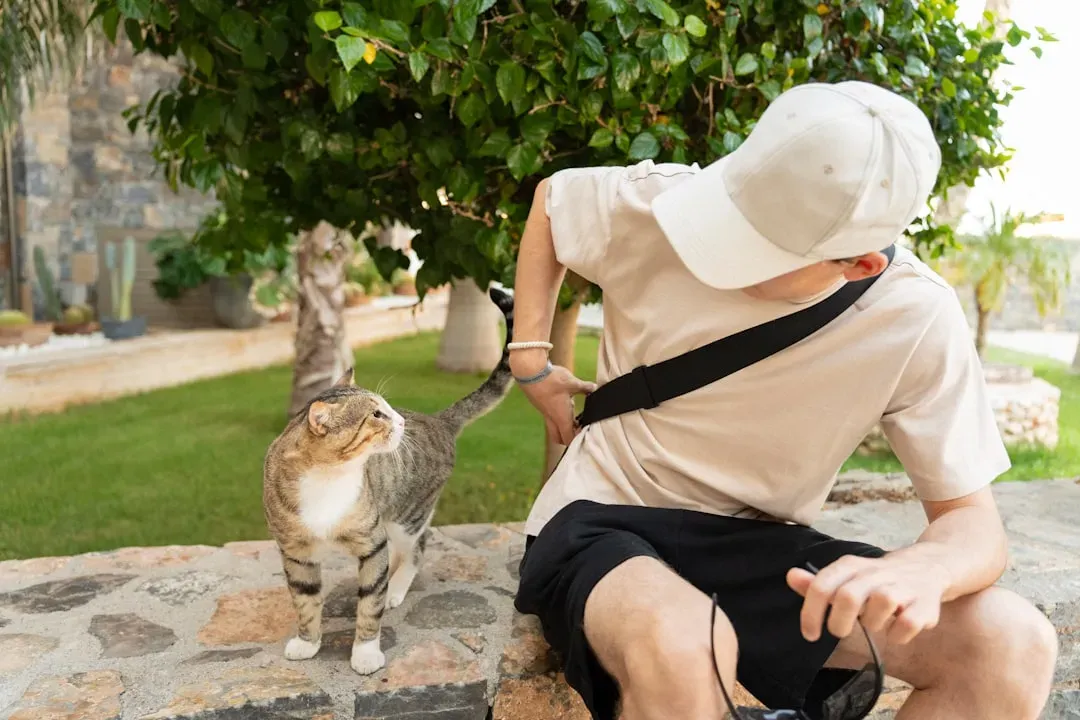
Upon the caregiver’s return from a brief absence, cats with secure attachment are less stressed and balance their attention between the person and their surroundings, even continuing to explore the room. On the other hand, cats with an insecure attachment show signs of stress such as twitching their tail and licking their lips, and either stay away from the person or cling to them without moving.
Securely attached cats displayed a reduced stress response and curiously explored the room while checking in periodically with their owners for attention. Cats with an insecure attachment remained stressed after their owner returned and displayed behaviors such as clinging to their owner, avoiding their owner, or switching between clingy and avoidance behaviors. If your cat calmly goes back to exploring after you return home, that is genuinely a good sign about the health of your relationship.
Cats Can Read Your Face and Your Mood
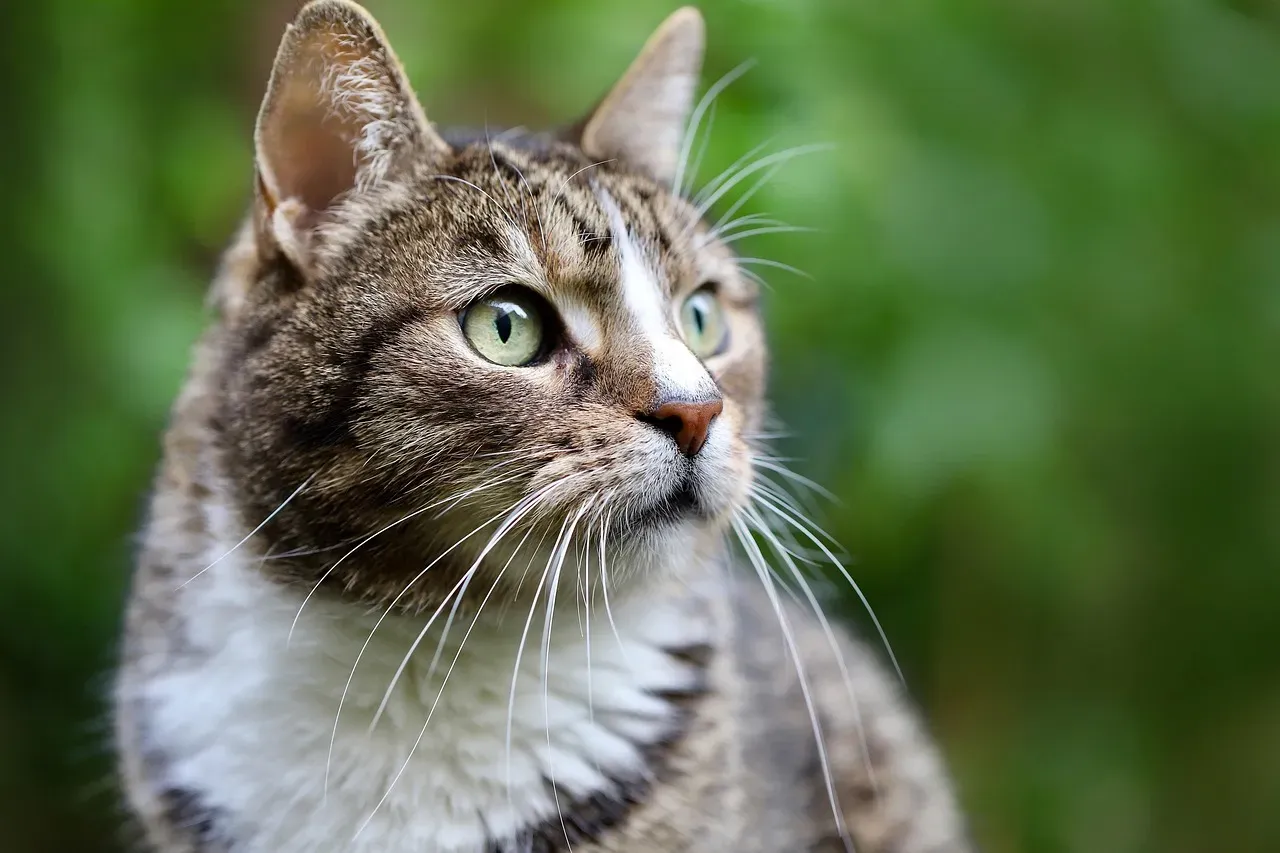
Research demonstrates that cats integrate visual and auditory signals to recognize human and conspecific emotions, and they appear to modulate their behavior according to the emotional state they perceive. Understanding cats’ socio-cognitive abilities to perceive their close partners’ emotions is crucial for improving the quality of human-cat relationships and cat welfare in the domestic environment.
During one study, researchers observed that cats exhibited more frequent positive behaviors, including purring, rubbing, and spending more time with their owner, when their owner was smiling. Frowns seemed to produce the opposite effect. All of this suggests that cats can learn how to read owner-specific facial expressions over time. Your cat isn’t staring blankly at you; it’s reading you.
The Myth That Cats Prefer to Be Alone
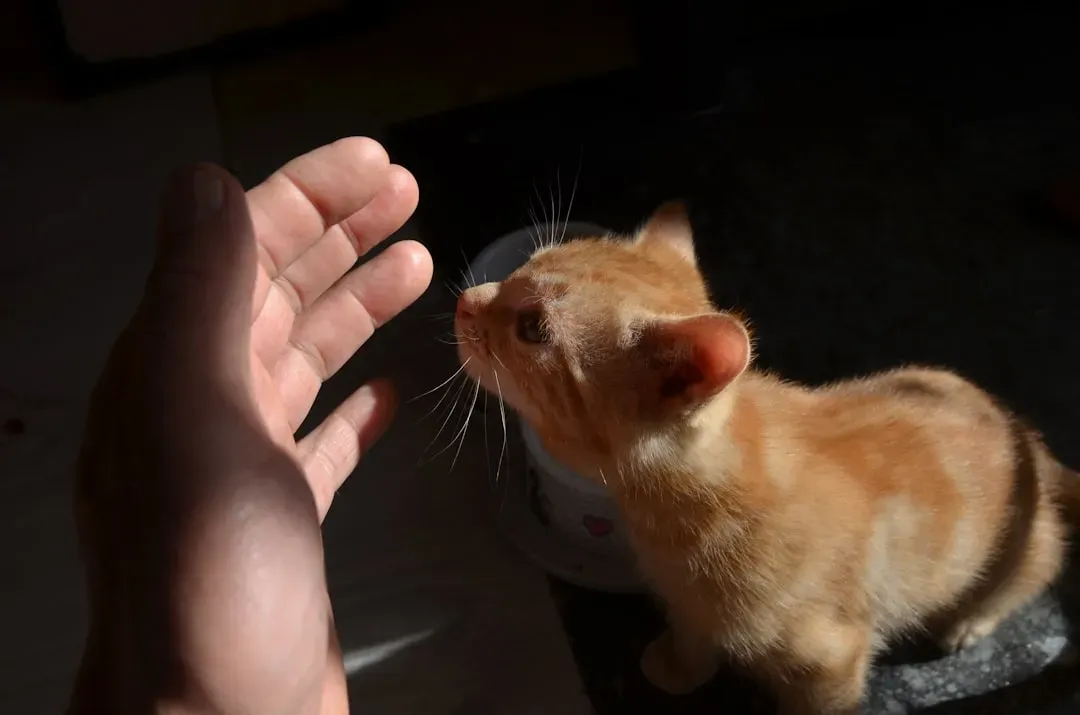
When given options that included human interaction, food, toys, or scent, most cats in one study chose interaction with humans. Food was the runner-up. That result consistently catches people off guard, because it runs directly counter to the popular image of the detached, self-sufficient cat.
While it’s true that cats can generally be kept at home alone for longer periods than dogs, they are still dependent on humans and are not low-maintenance companions. The misconception that cats are independent and require little or no care causes many of them to suffer needlessly, both physically and emotionally. That suffering is real, and it starts with the myth.
Yes, Cats Can Experience Separation Anxiety
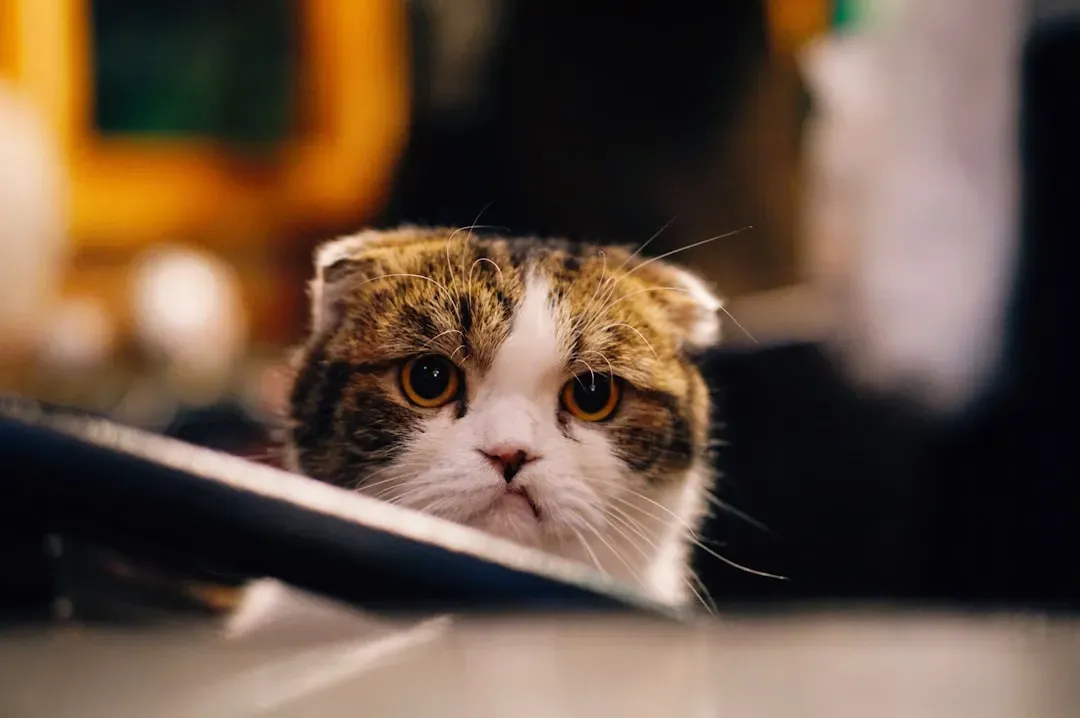
The idea that your cat is fine with you being gone for days is one of the more harmful assumptions in feline care. Separation anxiety in cats is an emotional response of stress, fear, and sadness when they are away from the person or other animal with whom they feel safe, secure, and loved. Separation anxiety can range from mild to severe and be harder to spot in cats.
Cats can experience stress, agitation, and even depression-like symptoms when their primary caregiver is away, often referred to as separation anxiety. While not all cats develop separation anxiety, those that do may genuinely struggle with being alone. It goes beyond just missing their owner; the cat may experience real distress. The incessant meowing, yowling, or crying can continue even when you’re not home, sometimes causing your cat to appear exhausted or even hoarse when you return.
Feral Colonies Reveal the True Social Nature of Cats
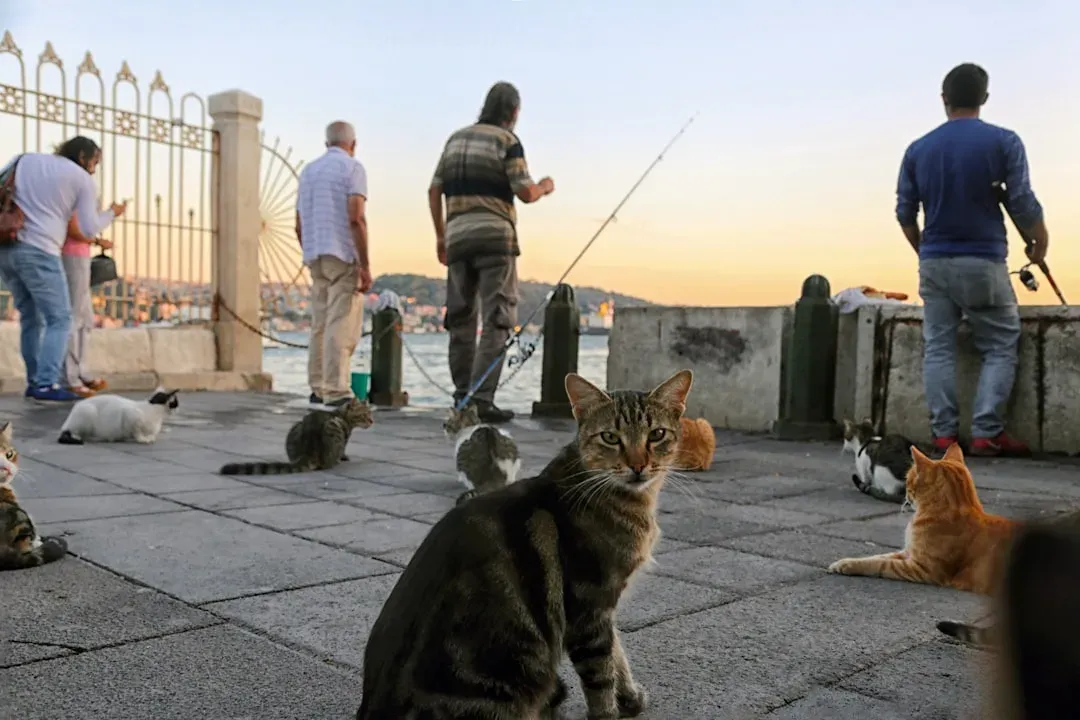
When observing feral cat communities, a structured social hierarchy becomes apparent. These colonies, often formed around abundant food sources, can exhibit complex social behaviors. This is worth sitting with, because it directly challenges the image of every cat as a lone wanderer with no ties to any group.
Cats that bond will often groom each other, a behavior termed “allogrooming.” It’s not just about cleanliness but also about establishing social bonds and hierarchies. Cats tend to coexist peaceably with other cats so long as there are enough resources to go around, like food, shelter, and territory. Social cooperation, negotiated quietly through proximity and grooming, is not so different from what humans do at their best.
Early Socialization Shapes Everything
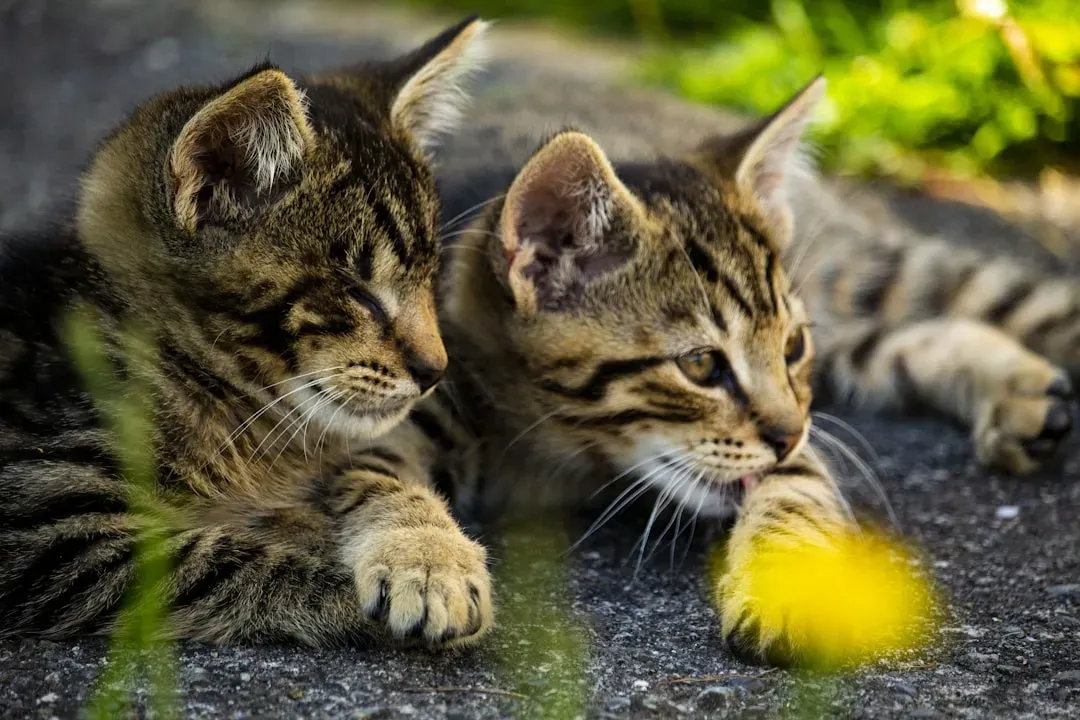
Cats who receive appropriate socialization during their critical development period, which falls between approximately two and seven weeks of age, often show more balanced independence, being confident enough to explore on their own while maintaining healthy social bonds. Miss that window, and you’re not dealing with an “independent” cat so much as an undersocialized one.
Although evolved from a solitary ancestor, domestic cats show a spectrum of sociality toward humans and other cats. In this regard they are facultatively social, meaning that their social behavior is highly flexible and influenced by their early life development and later life learning. The personality you see in your adult cat is not fixed nature. It was shaped, in part, by what happened before you even met them.
What This Means for How You Care for Your Cat
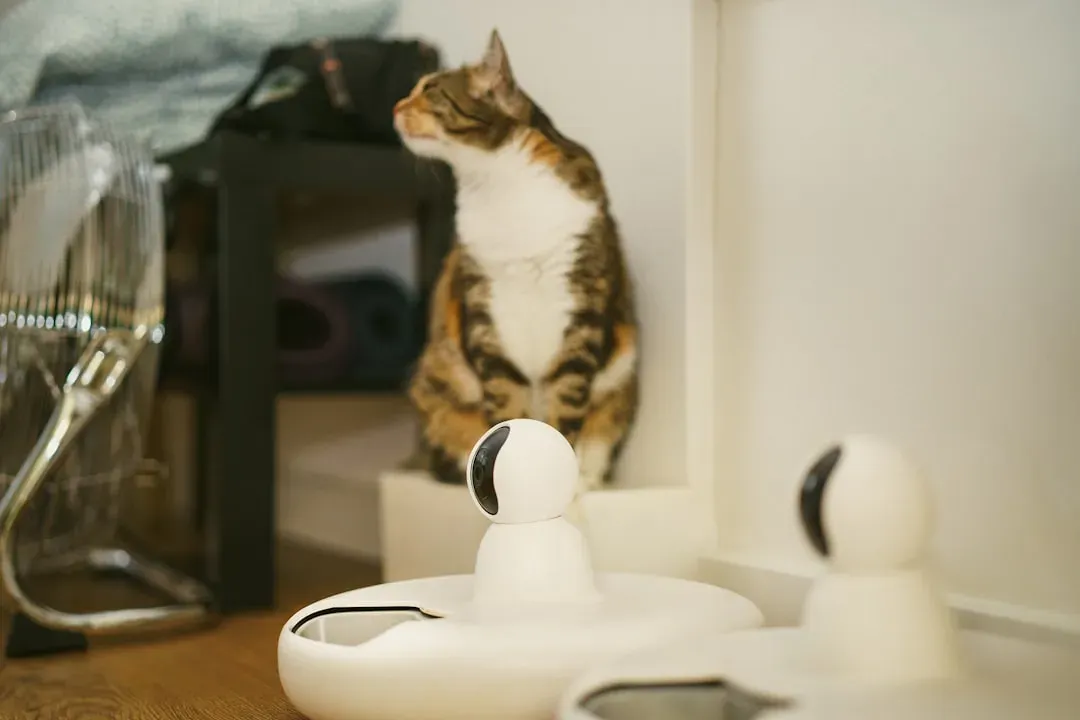
Enriching your cat’s environment is essential. Ensuring your cat has all the resources it requires means it can exhibit natural behavior and feel fulfilled. Cats need items like toys, vertical perches, and scratching posts to relieve stress. Without any way to express these instincts, a cat can get anxious and begin avoiding human contact altogether.
While cats maintain many self-sufficient behaviors, they rely on humans for food, shelter, and emotional well-being in domestic settings. All cats require social interaction and environmental enrichment to maintain optimal physical and mental health. Playing with your cat not only allows them to use excess energy but also builds your bond and keeps them in good shape, reducing health risks over time. Caring actively for your cat isn’t coddling. It’s simply meeting the actual needs of the animal in front of you.
Conclusion: The Independent Cat Was Always a Projection
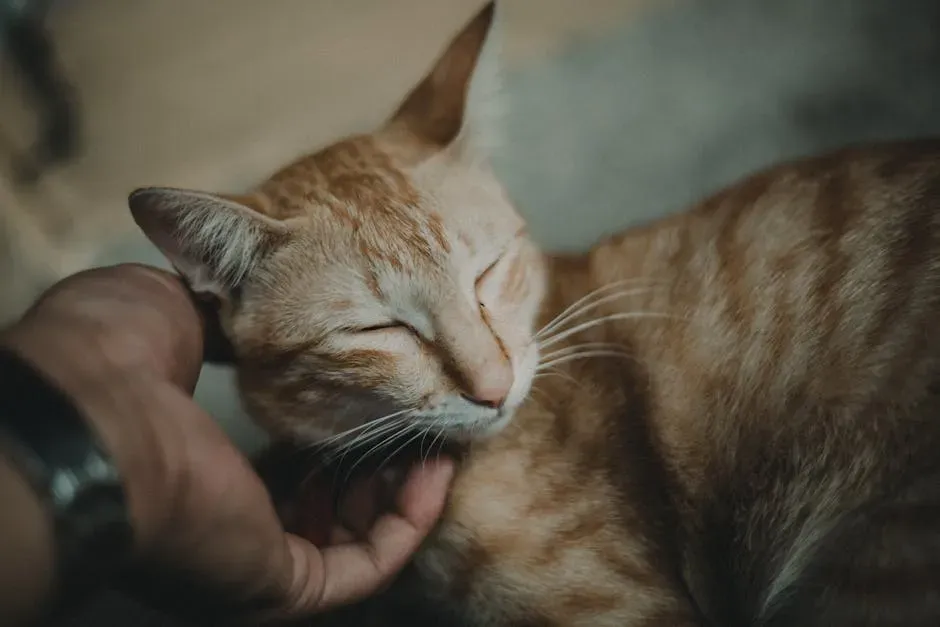
The stubborn myth of the wholly self-reliant cat says more about human assumptions than it does about actual feline behavior. The perception of cats as independent and non-social animals, incapable of forming emotional bonds with their guardians, is one of the most widespread beliefs in general society. Although widespread, many of these beliefs lack empirical support.
Identifying and fostering critical reflection on such beliefs can contribute to deconstructing them, improving the guardian-cat relationship and enhancing the welfare of both cats and humans. The science is clear enough now: your cat has a rich inner life, reads your emotional state, forms lasting bonds, and can suffer meaningfully when those bonds are disrupted.
Understanding this doesn’t make the cat less fascinating. If anything, it makes them more so. A creature that chooses connection while preserving its own sense of self is not cold. It’s just doing things on its own terms, which, when you think about it, is something most of us quietly aspire to as well.