You’ve heard it a thousand times. Cats are mysterious loners who barely tolerate your existence. They’ll stare at you with those cool, calculating eyes, wander off mid-pet, and make you question whether they even know you’re there half the time.
Honestly, that couldn’t be further from the truth. The research is painting a wildly different picture these days, one that might just change how you see your feline friend. Your cat isn’t as aloof as you’ve been told. They’re not just tolerating you for the food and the occasional warm lap. Something deeper is happening between you two, and it’s time you knew what that really means.
The Science Behind the Bond You Share

Recent studies reveal that roughly two thirds of cats form secure attachments to their human caregivers, displaying patterns remarkably similar to those seen in human infants and dogs. Studies demonstrate that cats not only have the capacity to form strong social bonds with humans, with 68% of cats studied being securely attached to their owners, but they also show impressive social sensitivity. Think about that for a moment.
Your cat isn’t simply hanging around because you feed them. While cats can survive in a solitary state, social groups with internal structure form whenever there are sufficient food resources to support them. This means when your cat chooses to be near you, it’s an active social decision. Research shows cats display significantly higher orienting responses to their owner than to a stranger, and their blood pressure and heart rate increase significantly when presented with a bonded human compared with a stranger.
Why Your Cat’s Social Life Matters More Than You Think
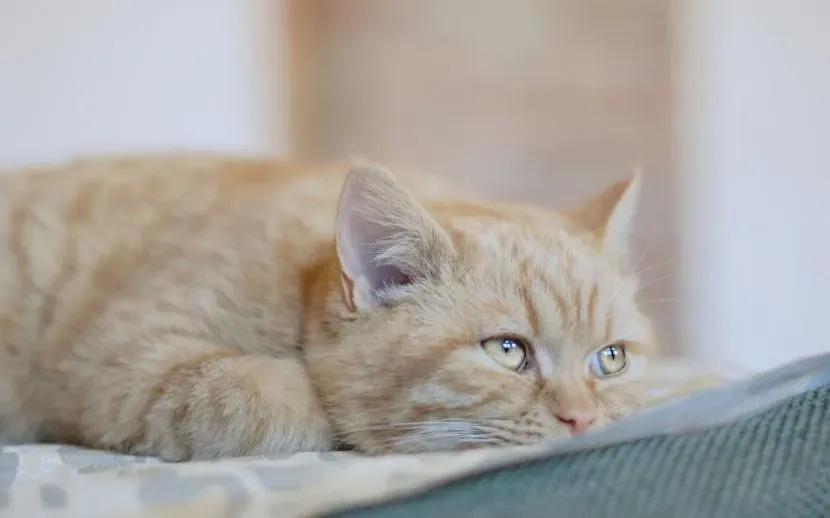
Domestic cats display great flexibility in their social behavior, with the ability to live solitarily, in extremely gregarious colonies, and socially in homes with humans and various other species. This adaptability is fascinating, but it also means your cat’s social needs are complex. Cats adopted as kittens and kept in one-cat households for extended periods miss important learning and social bonding experiences, and while the species as a whole is not asocial, such individual cats may be.
Let’s be real here. Most people don’t think twice about leaving their cat alone for hours on end, assuming they’re perfectly content napping in sunbeams. Research shows that relationship quality is related to factors such as lifestyle, breed, time spent alone, type of housing, behavioral problems and the number of cats living together. The amount of alone time directly impacts how your cat feels about your relationship.
Reading the Signals They’re Desperately Sending
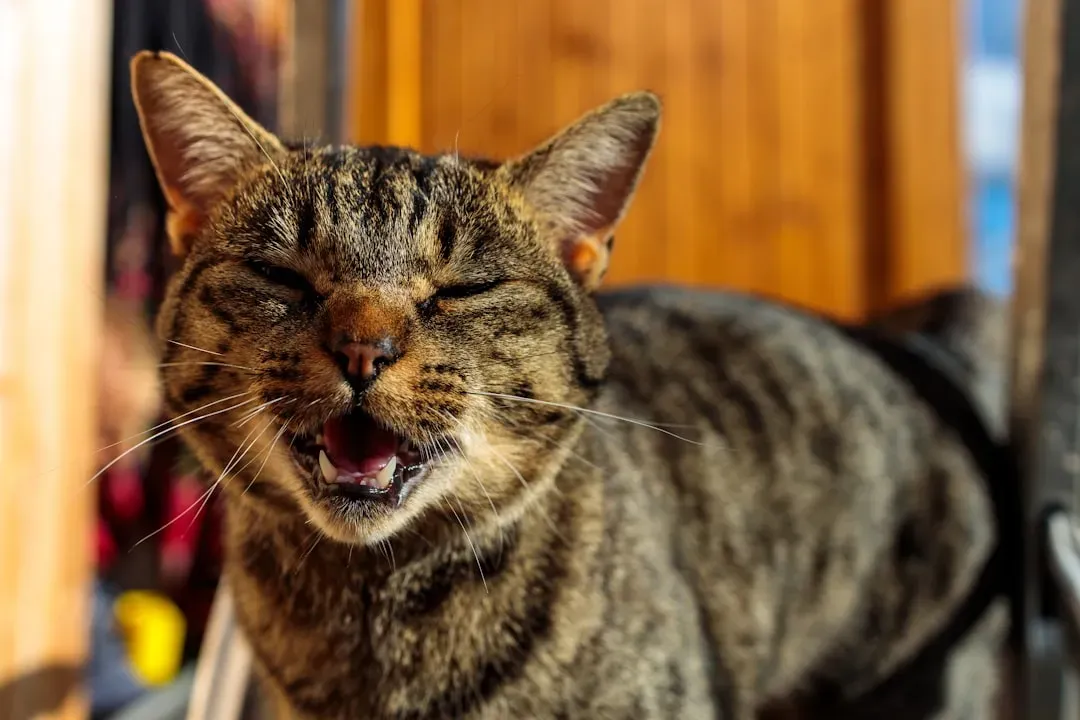
Cats can use a range of communication methods, including vocal, visual, tactile and olfactory communication, with up to 21 different cat vocalizations observed. Research shows cats adjust their body language and vocalizations when interacting with humans, using more eye contact and meows than they do with other cats. This is huge. Your cat has literally developed a specialized language just for communicating with you.
A cat who slowly blinks or lowers their eyelids is showing trust and affection, often referred to as a ‘cat kiss,’ which is a way for cats to communicate safety and comfort. When greeting their owners, cats often hold their tails straight up with a quivering motion that indicates extreme happiness. These aren’t random behaviors. They’re deliberate attempts to connect with you.
When Attachment Goes Beyond the Ordinary
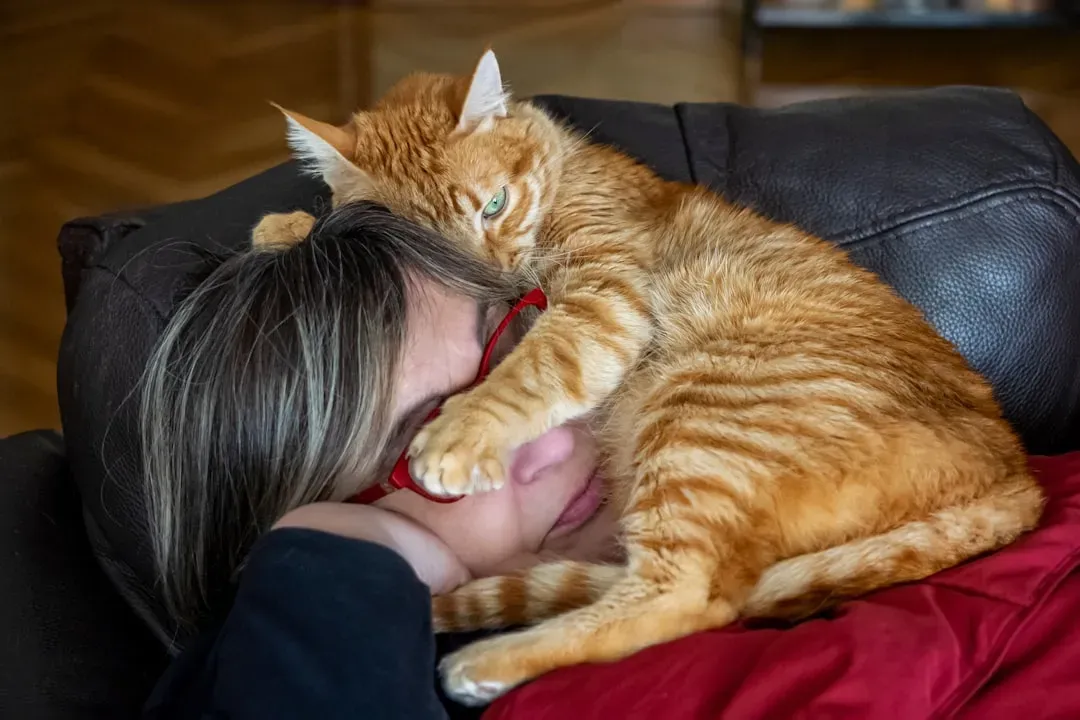
A February 2025 study found that when owners engaged in relaxed petting, cuddling or cradling of their cats, the owners’ oxytocin tended to rise, and so did the cats’ if the interaction was not forced on the animal. Securely attached cats who initiated contact such as lap-sitting or nudging showed an oxytocin surge, with more time spent close to their humans producing greater boosts. This is the same bonding hormone that connects mothers to babies.
Here’s the thing. Cats with avoidant attachment showed no significant oxytocin change, while anxious cats had high oxytocin to begin with, and oxytocin of both avoidant and anxious cats was found to drop after a forced cuddle. Your cat’s attachment style matters, and forcing affection when they’re not ready can actually harm your bond.
The Hidden Struggle of Separation Anxiety
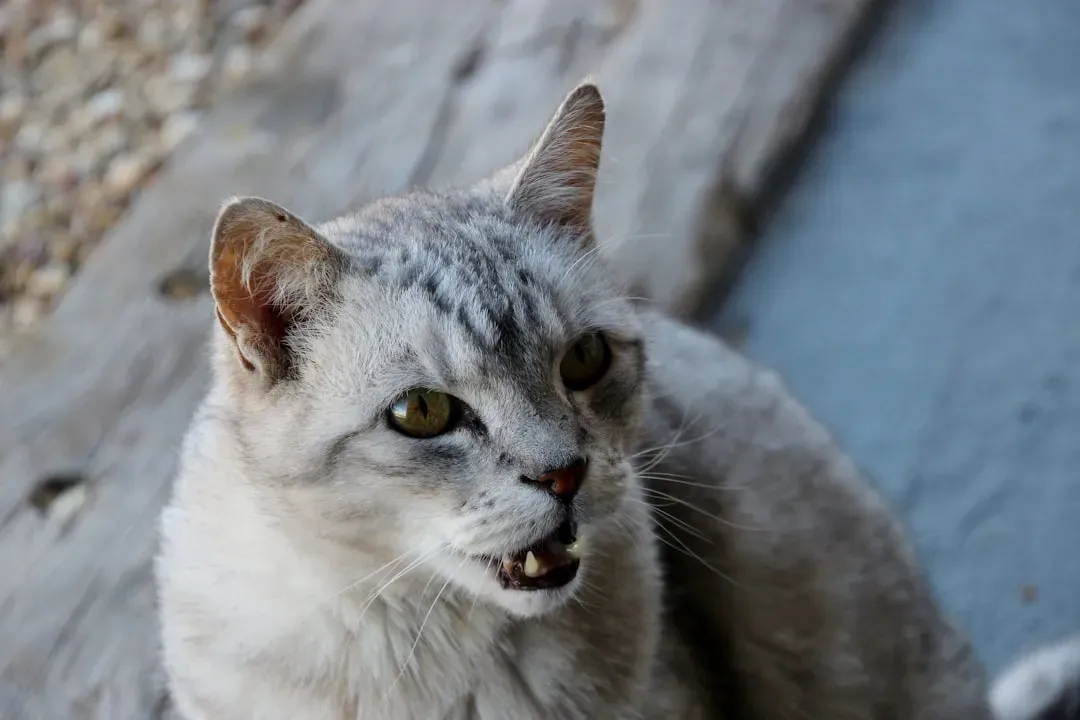
Research supports the fact that cats can develop separation anxiety syndrome, and they show many of the same signs that are seen in dogs. Cats can feel fearful, anxious, frustrated, bored or even depressed, all emotions that cause stress. This isn’t just occasional loneliness. For some cats, your absence triggers genuine distress.
Separation anxiety in cats is an emotional response of stress, fear and sadness when they are away from the person or other animal with whom they are bonded and feel safe, secure and loved. Cats who experience separation anxiety often show signs of stress such as vocalization, excessive meowing, inappropriate elimination, and excessive grooming. If your cat is acting out when you’re gone, they’re not being spiteful. They’re genuinely struggling.
How Early Experience Shapes Your Cat Forever
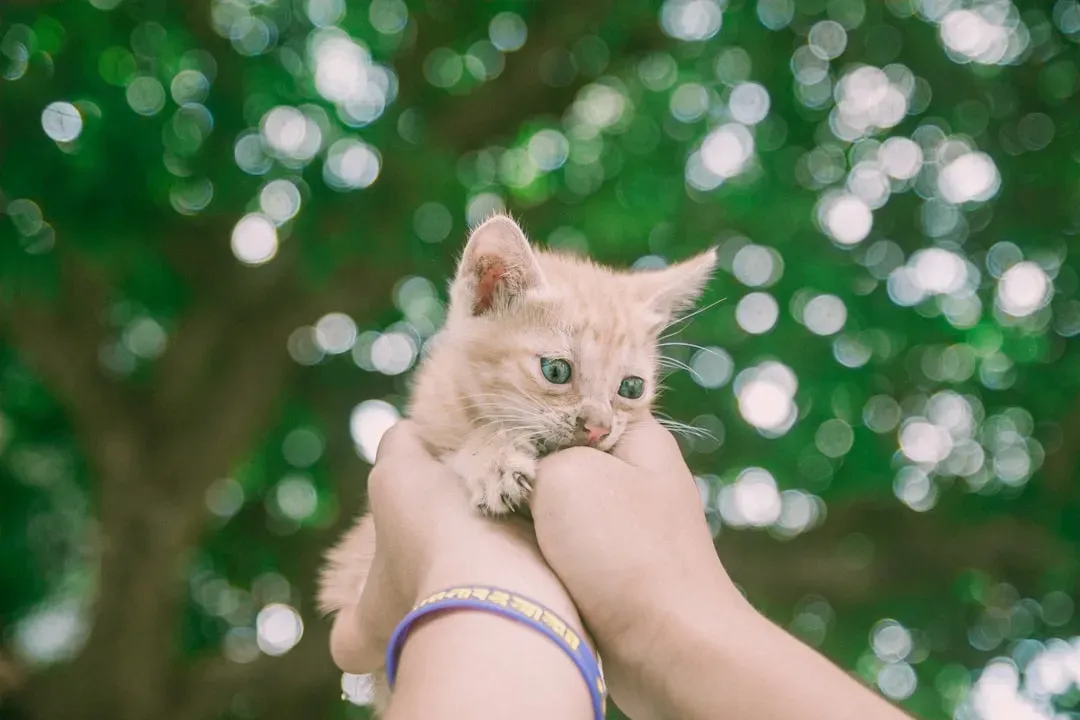
Kittens handled frequently by humans during their second to mid-seventh week of age become friendly and trusting of people and remain so throughout their later lives. If a cat does not receive social experiences with humans, especially early on during a sensitive period between 4 and 8 weeks old, it may be extremely difficult for them to bond to a human, or they may never be able to do so.
This explains so much about why some cats seem naturally affectionate while others remain distant. Premature separation from the mother, bottle-feeding, or early traumas can predispose cats to attachment issues later in life, while certain breeds like Siamese are more prone to strong attachments. Your cat’s puppyhood shaped the relationship you have today.
The Emotional Intelligence Hiding Behind Those Eyes
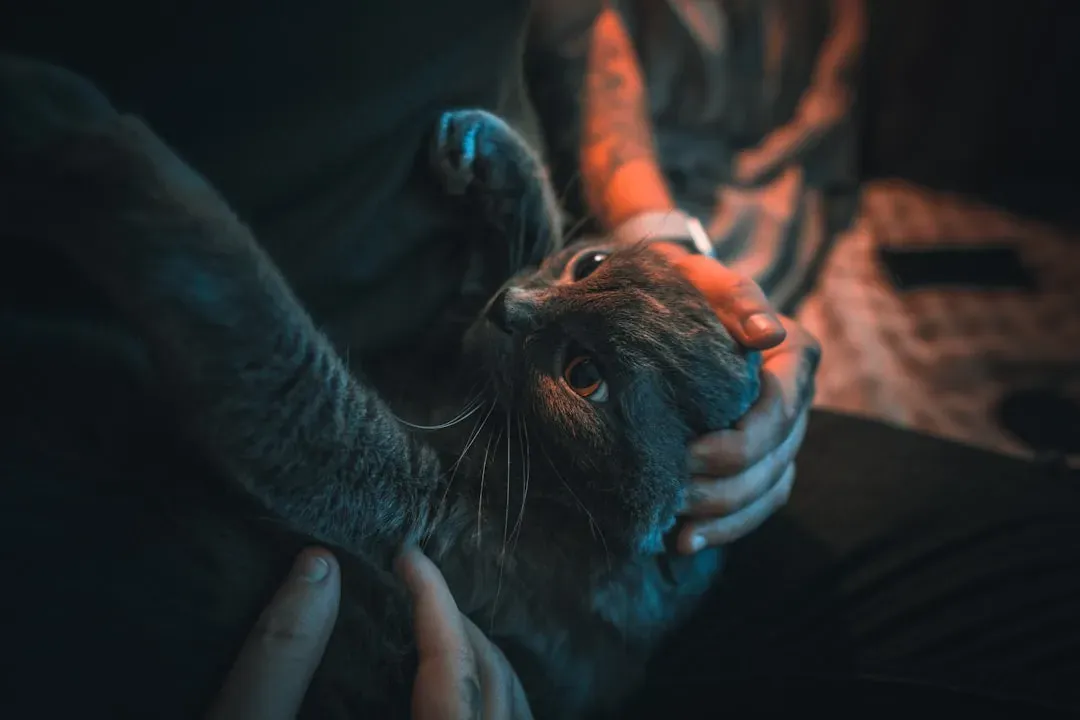
Studies found that when presented with an unfamiliar stimulus with their owner exhibiting negative or positive emotional messages, cats discriminated between the human’s behavior, engaged in more allorubbing toward a human in a depressive mood, approached humans feeling agitated or extroverted more frequently, and cats can detect human emotional state and mood. Your cat is reading your emotions constantly.
Cats are more socially intelligent than previously thought, can understand human emotions and cues, and even recognize their owners’ voices. I know it sounds crazy, but your cat probably knows when you’ve had a rough day before you even tell them. Cats can affect human moods and human mood differences have been shown to affect the behavior of the cats. It’s a two-way street.
Building Connection Through Understanding Preferences
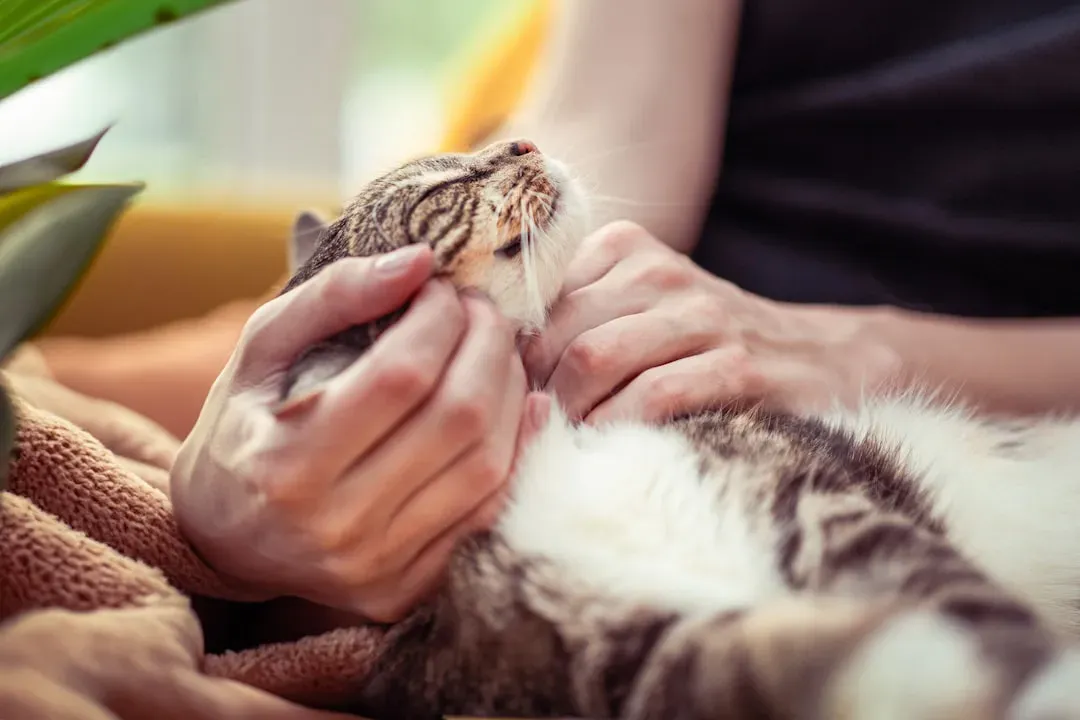
Research found that when presented with several categories of stimuli including human social interaction, food, toys, and scent, 50 percent of cats preferred interaction with humans, followed by food at 37 percent, with large individual variability indicating each cat may have its own preference profile. Half of cats value your company more than food. Let that sink in.
Cats have been shown to have preferred associates based on observations that some individuals spend more time with one another than would be expected by chance, demonstrating behaviors such as allorubbing and grooming, touching while sleeping, nose touching, and signaling with a ‘tail up’ posture. Your cat chooses who they want to spend time with, and if they’re choosing you, that’s meaningful.
What Your Cat Really Needs From You Daily
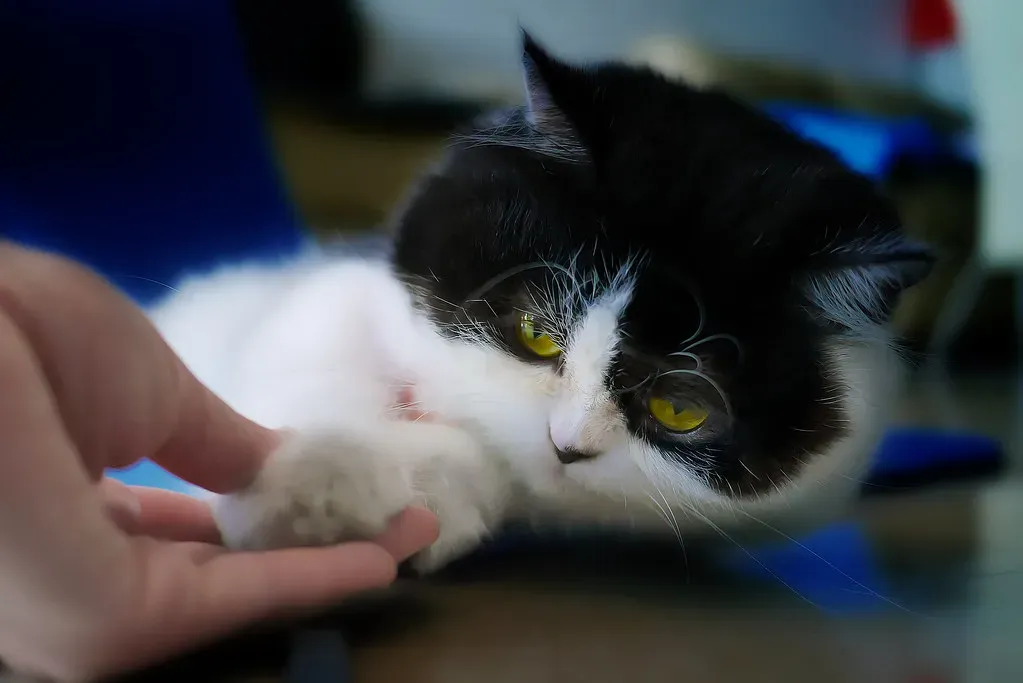
Some potential interactions with humans that cats enjoy include being talked to, petted, played with, fed, and trained, and clicker training can provide mental enrichment and build the human-cat bond. A predictable and consistent routine is important, and an inconsistent routine can be a source of chronic stress for cats, which can have detrimental effects on their physical health over time and induce cats to show more sickness behaviors and house soiling.
Cats are creatures of habit and routine, find sudden changes stressful, and keeping to a regular routine of feeding times, playtimes, rest times can help them feel more relaxed. It’s not about grand gestures. Your cat needs consistency and presence far more than expensive toys or gourmet treats.
Rewriting the Story of Cat Independence
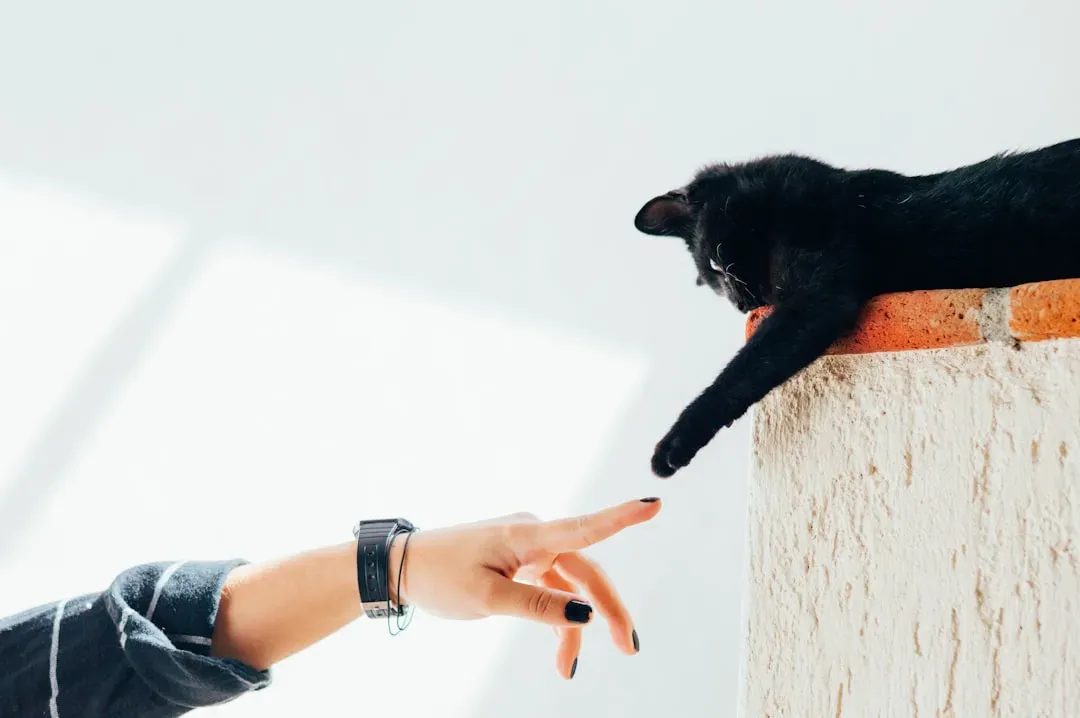
It’s a myth that cats are essentially independent, and felines, especially those highly bonded to their people, may become stressed when left alone, especially for long periods of time. Research highlights that pet attachment may be associated with social support in young adults, potentially fostering greater empathy as well as better emotion regulation strategy, and cat ownership may positively impact social support and mental health, serving as a coping strategy to address psychological needs.
The relationship goes both ways. Your cat isn’t just benefiting from your presence. You’re benefiting from theirs in ways that science is only beginning to understand. Awareness of specific communication techniques, such as slow blinking to facilitate smoother interaction, or the ability to accurately discern indicators of fear, stress, anxiety, pain or discomfort would assist owners in comprehending their cats’ emotional states and behaviors. Understanding your cat better makes both of your lives richer.
The independent cat stereotype has done both of you a disservice. Your cat isn’t tolerating you. They’re actively building a relationship with you, communicating in ways they’ve adapted specifically for human interaction, and experiencing genuine emotional responses to your presence and absence. The connection between you runs deeper than most people ever realize, and recognizing that changes everything about how you approach your daily interactions. So the next time your cat slow blinks at you from across the room or follows you from room to room, remember they’re not just being cats. They’re being your cat, and that distinction matters more than you might think. What do you notice about your cat’s attachment style now?