There’s a quiet revolution happening on sofas, windowsills, and kitchen counters across the world. People are starting to look at their cats differently. Not just as low-maintenance roommates who occasionally knock things off tables, but as genuinely complex, emotionally aware, cognitively impressive beings who have chosen to share their lives with you. Chosen. That distinction matters more than most people realize.
Honestly, cats have been wildly misunderstood for centuries. Dismissed as aloof, selfish, or indifferent, they’ve spent millennia quietly demonstrating intelligence, forming deep bonds, and reading human emotions with remarkable precision. Science is finally catching up to what every devoted cat owner already suspected deep down. Let’s dive in.
The Remarkable Brain Inside That Fluffy Head
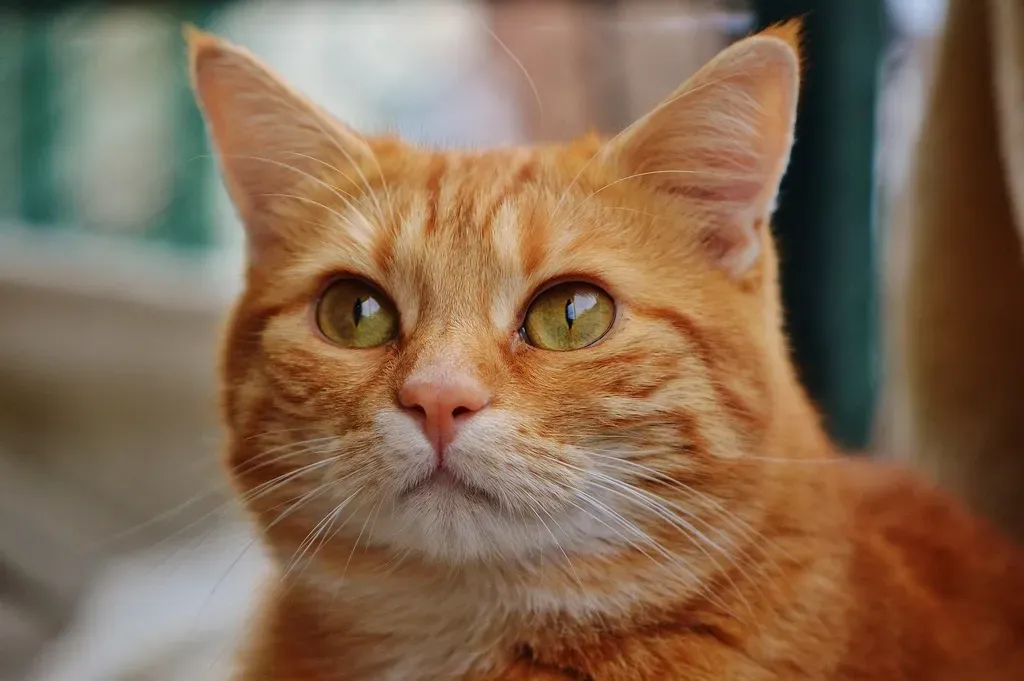
Here’s the thing about feline intelligence: it doesn’t look like dog intelligence, so people assume it’s lesser. That’s like saying a chess grandmaster isn’t smart because they don’t play soccer. For cats, intelligence isn’t necessarily expressed through fetching or obeying commands, but rather in independent decision-making, adaptability, and subtle social signaling. That’s a fundamentally different kind of smart, and it deserves to be recognized as such.
Anatomically, a cat’s brain is surprisingly sophisticated. Though smaller in absolute size than a human’s or dog’s, a cat’s brain accounts for about 0.9% of its body mass, which is comparable to the ratio found in humans. Even more striking, cats have roughly 300 million neurons in their cerebral cortex, the region responsible for decision-making and problem-solving, while dogs have about 160 million. The structure of a cat’s brain is also around 90% similar to that of humans, with many analogous folds and regions. That’s not a small, simple brain. That’s a miniature thinking machine.
Your Cat Reads Your Emotions More Than You Think
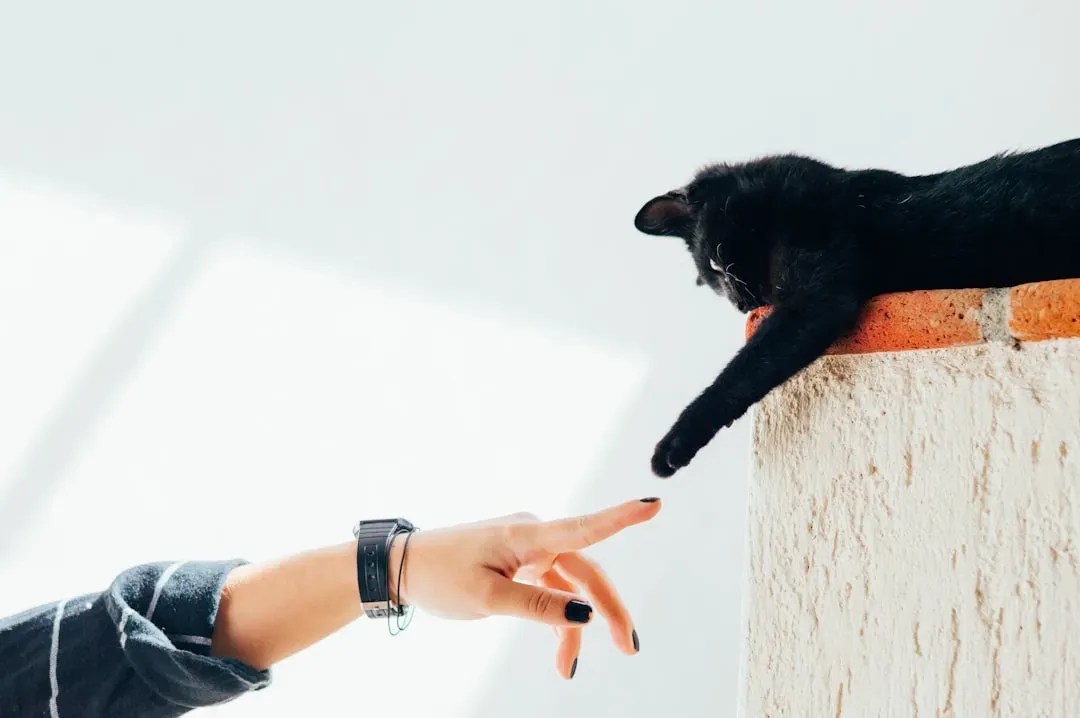
If you’ve ever noticed your cat quietly appearing at your side when you’re having a rough day, that’s not coincidence. Research has shown that cats have remarkable social cognitive abilities. They can follow human pointing and gazing cues, and they can discriminate human emotional expressions and attentional states. Think about that for a second. Your cat is watching your face and body language constantly, processing information the way a highly tuned social creature does.
Research found that cats were sensitive to emotions as indicated by human postural and vocal cues, particularly when displayed by their owner. So when you’re hunched over in distress versus sitting tall and relaxed, your cat perceives the difference. Research indicates that cats can understand human emotions and perceived dangers, further demonstrating their social awareness. Your cat isn’t ignoring you. Your cat is studying you.
The Science of the Cat-Human Bond
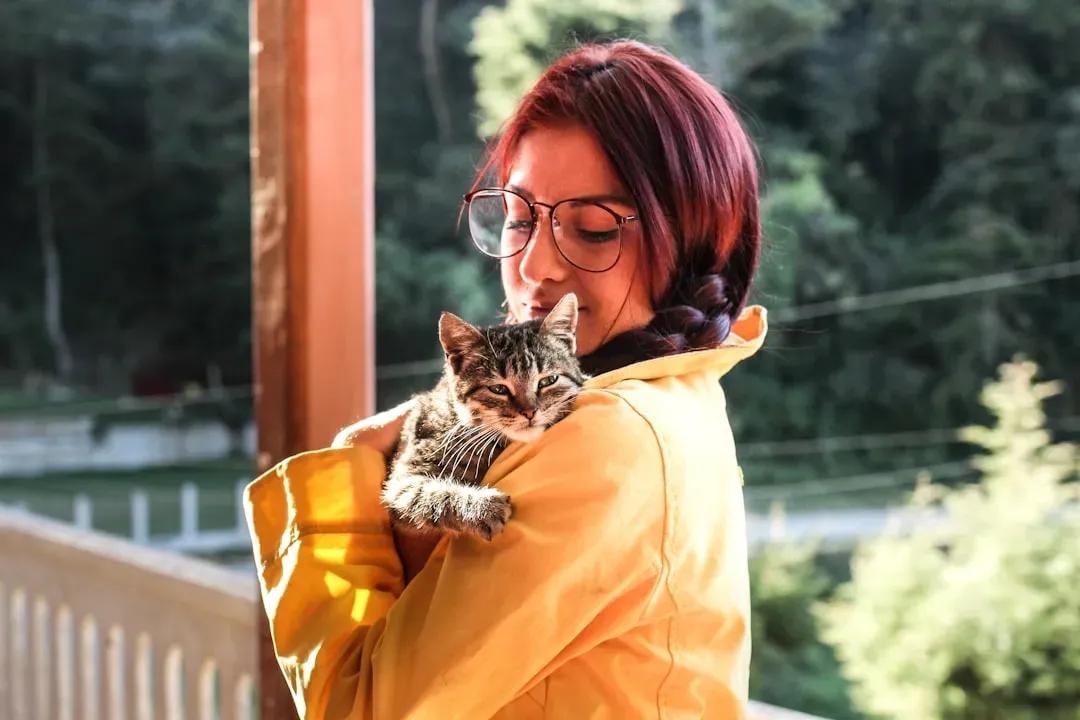
Let’s be real, the “cats don’t care about you” narrative has been around forever, and it’s simply wrong. Research shows cats recognize their owners by voice, and cats form attachment-like bonds with the humans who care for them. That’s not neighborly tolerance. That’s an actual emotional relationship. Cats and humans have a long history of co-existence that spans back nearly 10,000 years. Research indicates that domestic cats display socio-cognitive abilities, such as responsiveness to human behavior and gestures, that help them engage in social relationships.
Research suggests cats respond differently toward their owners when compared with unfamiliar humans. A study examining vocal recognition found cats display a significantly higher orienting response, including movement of ears and head, to their owner than to a stranger. They know your voice. They know your face. They prefer you to others. If that’s not love, it’s at least something beautifully close to it. Most owners who participated in research surveys regarded cats as family members with developed socio-cognitive skills.
Problem Solvers With a Wild Streak
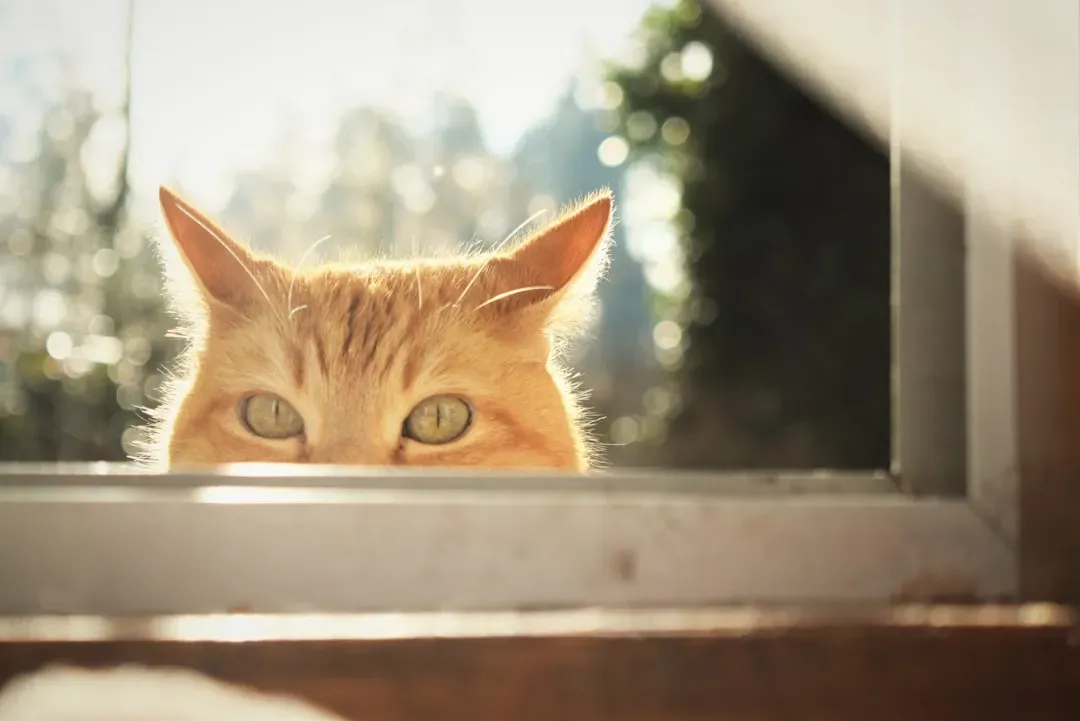
Watching your cat figure out how to open a cabinet, spring a latch, or jimmy a drawer open isn’t just entertaining. It’s a window into their genuine problem-solving capabilities. Cats are adept at overcoming challenges, as evidenced by their ability to open doors or locate hidden treats. Studies have shown that adult cats possess object permanence, similar to what is seen in human infants, indicating they can remember the presence of objects even when they are out of sight. That’s a cognitive milestone many people don’t even associate with cats.
Research found that more socialized cats were more likely to solve food acquisition tasks than less socialized cats, and solve them faster. In other words, the more time your cat spends around you and interacting with humans, the sharper their problem-solving abilities actually become. Tool use is often seen as a hallmark of high intelligence. While not common, cats have been observed using basic tools, such as pulling objects to reach food or manipulating items to interact with their environment, showing they are capable of cause-and-effect reasoning. That’s a level of cognitive sophistication that commands genuine respect.
Your Cat’s Hunter Soul Lives Indoors With You
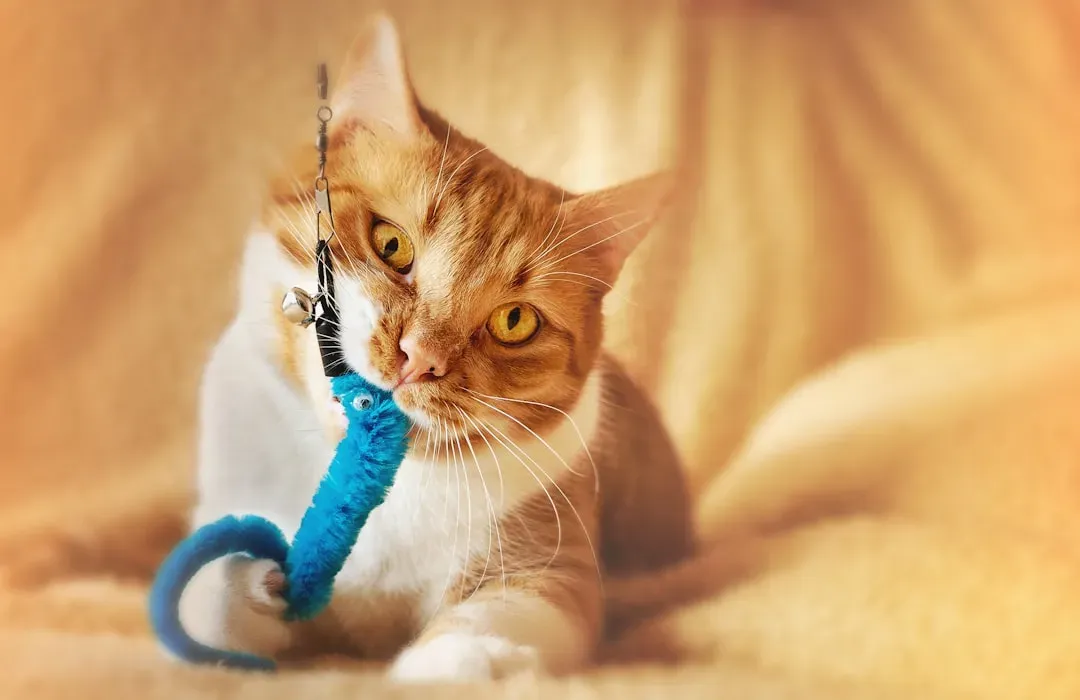
Indoor cats are fascinating creatures that carry within them the same powerful hunting instincts as their wild ancestors. Despite being removed from the natural environment where these behaviors evolved, domestic cats retain an intense prey drive that demands fulfillment. This isn’t a character flaw. It’s a biological truth. Ignoring it would be like telling a marathon runner they can never leave the couch.
Cats have a strong natural instinct to hunt and engage in predatory behaviors for both mental stimulation and physical activity. These behaviors take up a majority of their daily routines and consist of predatory sequences such as locating, capturing, stalking, chasing, pouncing, and killing prey. Cats that are indoor and well-fed still need to engage in these natural behaviors. So when you play with your cat using a wand toy, you’re not just entertaining them. You’re providing enrichment, which means providing mental and physical stimulation to keep your cat’s brain engaged and their body active. Enrichment isn’t just a luxury; it’s a fundamental part of their well-being. It’s about feeding their natural need to hunt, stalk, and capture.
What Happens When a Cat Gets Bored
I know it sounds obvious, but under-stimulation in cats is a genuine welfare concern that most owners seriously underestimate. As obligate carnivores and born predators, cats possess an innate need to hunt that goes far beyond simple hunger. When these natural instincts aren’t properly channeled through appropriate activities and enrichment, indoor cats can develop boredom, stress, and destructive behaviors that impact both their wellbeing and household harmony.
Without natural stimulation in their daily life, cats may become obese and frustrated. This pent-up energy can result in destructive behaviors or stress expressions such as overgrooming, anxiety, inflammatory diseases, and misdirected aggression. The scratched furniture and knocked-over glasses aren’t your cat acting out of spite. They’re symptoms of a mind that needs to be engaged. Understanding feline intelligence has practical benefits because mentally stimulated cats are less likely to develop behavioral issues and more likely to thrive.
Your Cat Is Good for Your Health (No, Really)
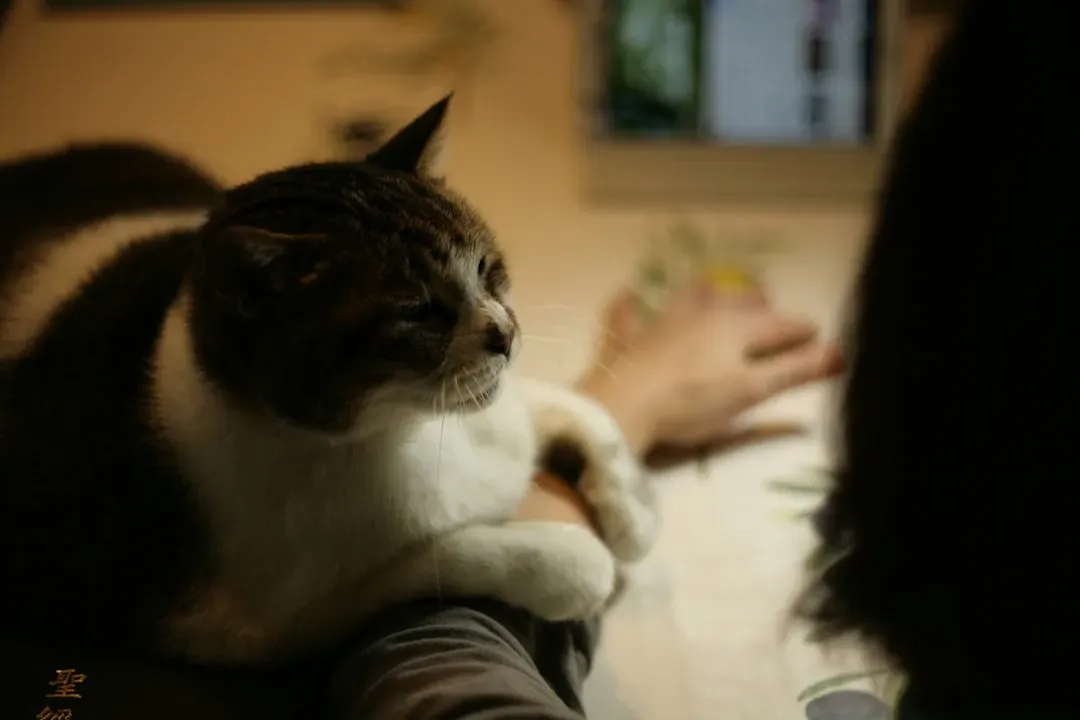
This is where things get surprisingly compelling. There’s scientific evidence behind the calming effect cats have on our hearts. Cats have been proven to reduce the risk of cardiovascular diseases by lowering heart rate and blood pressure. Your cat lounging on your lap isn’t a passive activity. It’s practically therapeutic. Petting a cat triggers the release of oxytocin, commonly known as the “love hormone,” which plays a crucial role in reducing anxiety and stress, fostering feelings of trust and empathy. Studies have shown that cat owners have lower levels of cortisol, a hormone associated with stress.
Among pet owners surveyed, a strong majority said their pets have a mostly positive impact on their mental health. Dog owners and cat owners were equally likely to say so. Perhaps most fascinatingly, cat owners were actually more likely than dog owners to say their pets offer companionship, provide a calming presence, and help reduce stress and anxiety. Your cat, in other words, may be the most quietly effective stress management tool in your entire home. Studies have even confirmed that purring falls between 25 and 240 Hz, which happens to be the frequency known to speed up the healing process of wounds, broken bones, and tendon and joint injuries.
How to Enrich Your Cat’s Everyday Life
So if your cat is this sophisticated, they deserve an environment that reflects it. Cats enjoy climbing and perching high above to survey their surroundings. Think of a mountain lion perched on a cliff. Your small “wild cat” loves cat trees, shelves, and window perches that allow them to climb and observe their surroundings from a high vantage point. Vertical space is not a luxury. It’s a psychological necessity for a species hardwired to scan their territory from above.
In the wild, cats eat several small meals throughout the day, catching and consuming their prey as they go. You can replicate this by feeding your cat multiple small portions throughout the day, rather than one or two large meals. This keeps their hunting instincts engaged and their metabolism humming. Puzzle feeders and interactive toys take this even further. Enrichment activities such as puzzle feeders or scavenger hunts challenge your cat’s problem-solving skills and mental acuity. These activities should be in addition to, not a replacement for, regular interactive play sessions with you, which are crucial for bonding and physical exercise.
The Future of Understanding Our Feline Companions
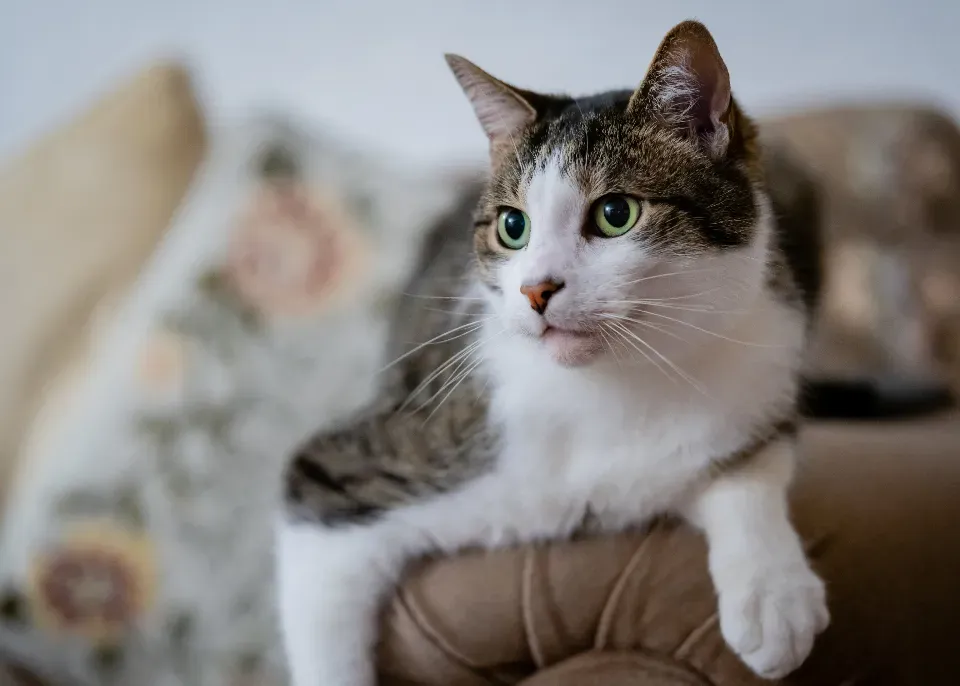
Science is still catching up to cats in a big way. Interest in cat cognition is growing, but there is still a long way to go until there is an inclusive body of research on the subject. Future research on cat cognition could have an important influence on the management and welfare of pet and free-roaming cats, leading to improved human-cat interactions. We are, in many ways, only at the beginning of truly understanding what goes on inside the feline mind.
Technology is lending a hand too. AI-powered health monitors now provide continuous tracking of vital signs and behavior, enabling early detection of illnesses. Meanwhile, advanced cameras and AI-powered systems can monitor subtle changes in a pet’s activity levels, emotional states, and health indicators. The tools we’re developing to care for and understand cats are becoming as sophisticated as the animals themselves. It’s a partnership that has lasted nearly 10,000 years, and in 2026, it’s only getting richer.
Conclusion
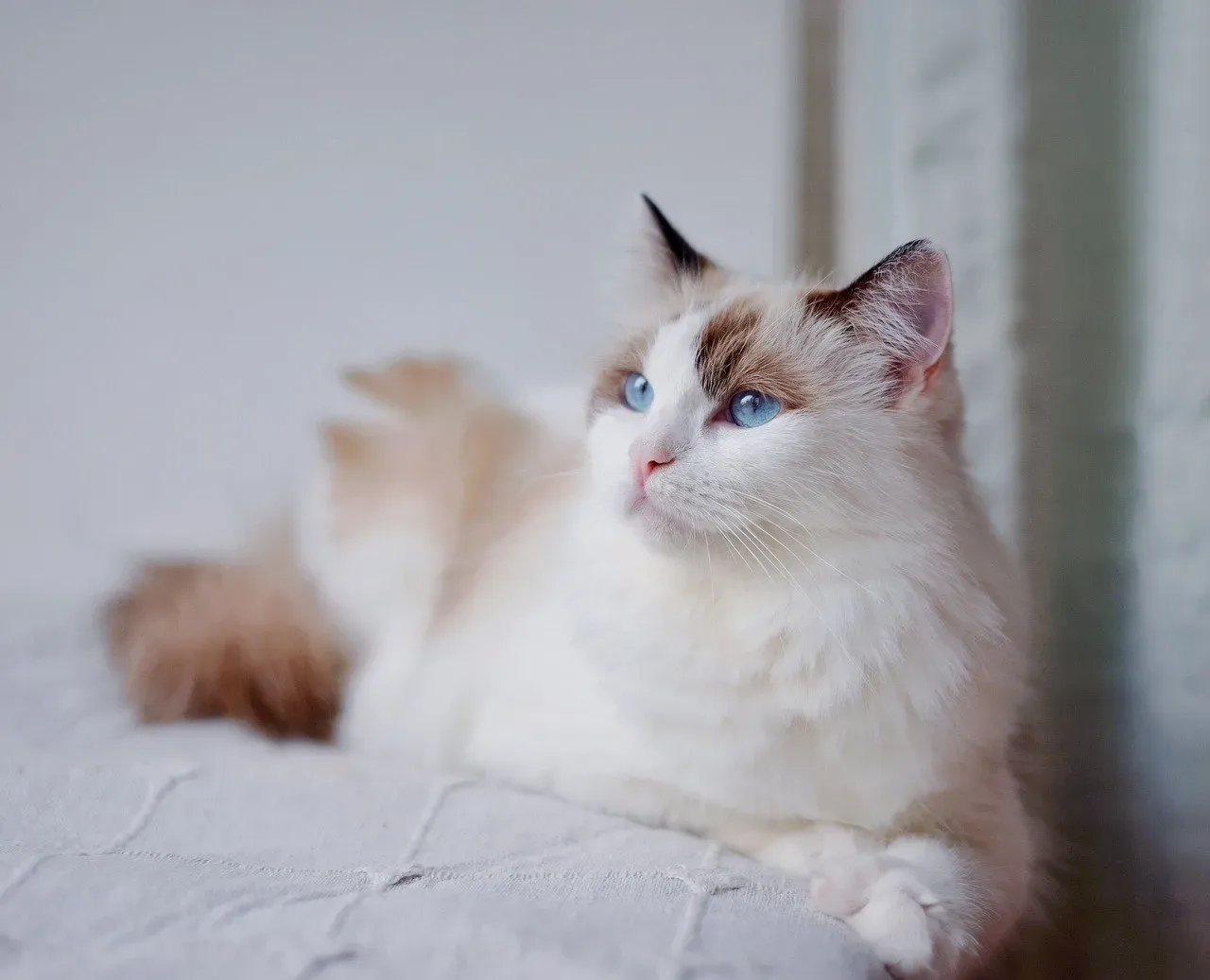
There’s something quietly profound about realizing that the creature napping on your couch is also capable of reading your face, solving puzzles, forming real emotional attachments, and actively contributing to your physical and mental wellbeing. Your cat is not “just a pet.” Your cat is a nuanced, emotionally intelligent, cognitively complex companion who happens to share your home and, in the most fascinating ways, your life.
The label “just a pet” was never accurate. It was just the story we told before we looked closely enough. Now that we are looking, the truth is far more interesting. Your cat has been watching you all along. Maybe it’s time you truly watched them back. What do you think, have you ever underestimated just how remarkable your cat really is?