There’s something extraordinary about watching a rescue cat transform from a frightened stranger into a beloved companion. You’ve opened your home and heart, yet those first days can feel uncertain. Is your new feline friend warming up to you, or are they still trapped in survival mode?
Understanding the subtle signals your rescue cat sends can make all the difference. These aren’t always obvious declarations of affection or comfort. Sometimes they’re whispered through a shift in posture, a change in routine, or the tiniest spark of curiosity. Let’s explore the telltale signs that your once-wary rescue is finally finding peace in their new sanctuary.
Your Cat Ventures Beyond Their Hiding Spot
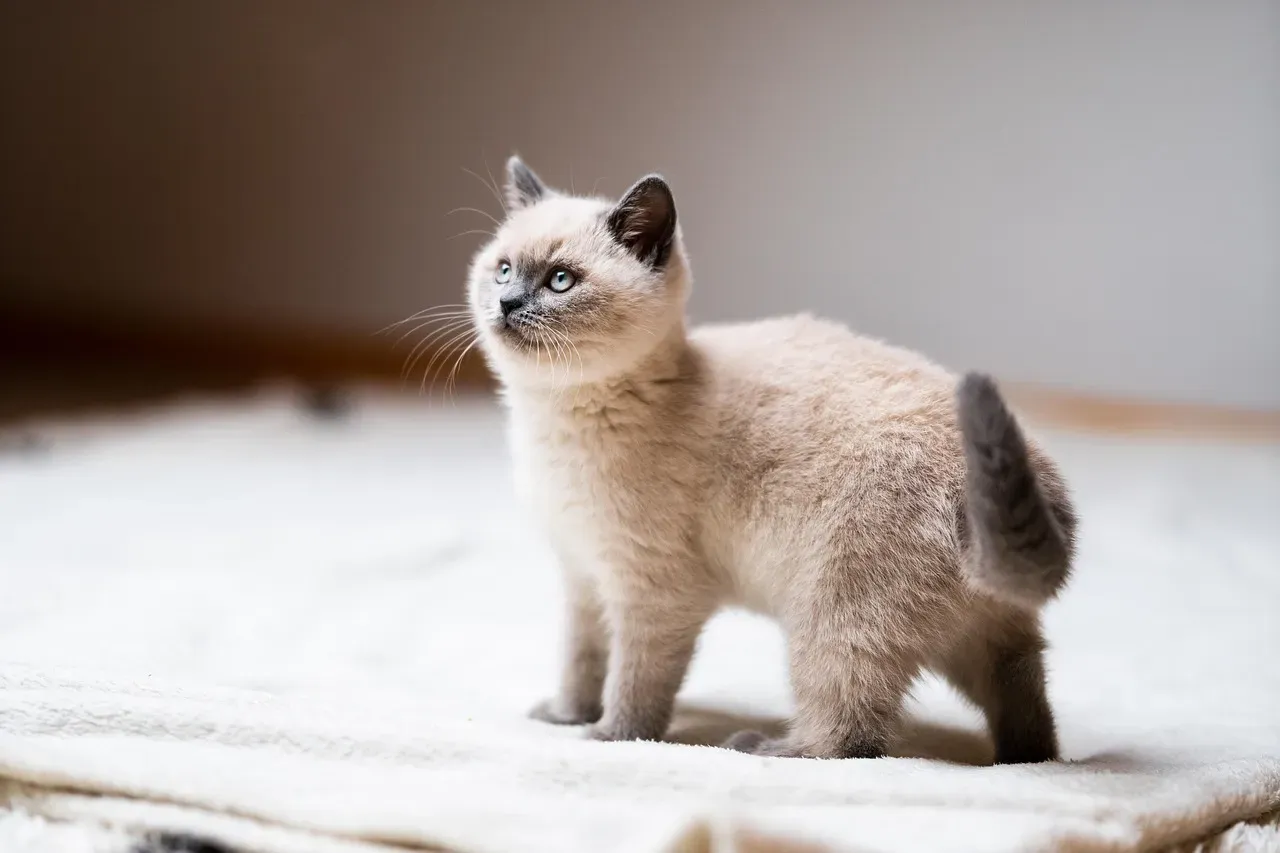
One of the first signs that your cat is settling in is their willingness and curiosity to explore their new home, as they become more comfortable and start to decompress and cautiously venture out. Initially, your rescue might have claimed a spot under the bed or behind the couch, refusing to budge even for the most tempting treats. That’s completely normal for a cat adjusting to unfamiliar territory.
You’ll notice them slinking around with a low belly to the ground investigating different rooms, sniffing around furniture, and generally showing curiosity about their new surroundings. This exploratory behavior signals that fear is giving way to curiosity. Even if they move cautiously at first, the fact that they’re willing to leave their safe haven shows growing confidence in you and their environment.
They’re Eating and Drinking Regularly Again
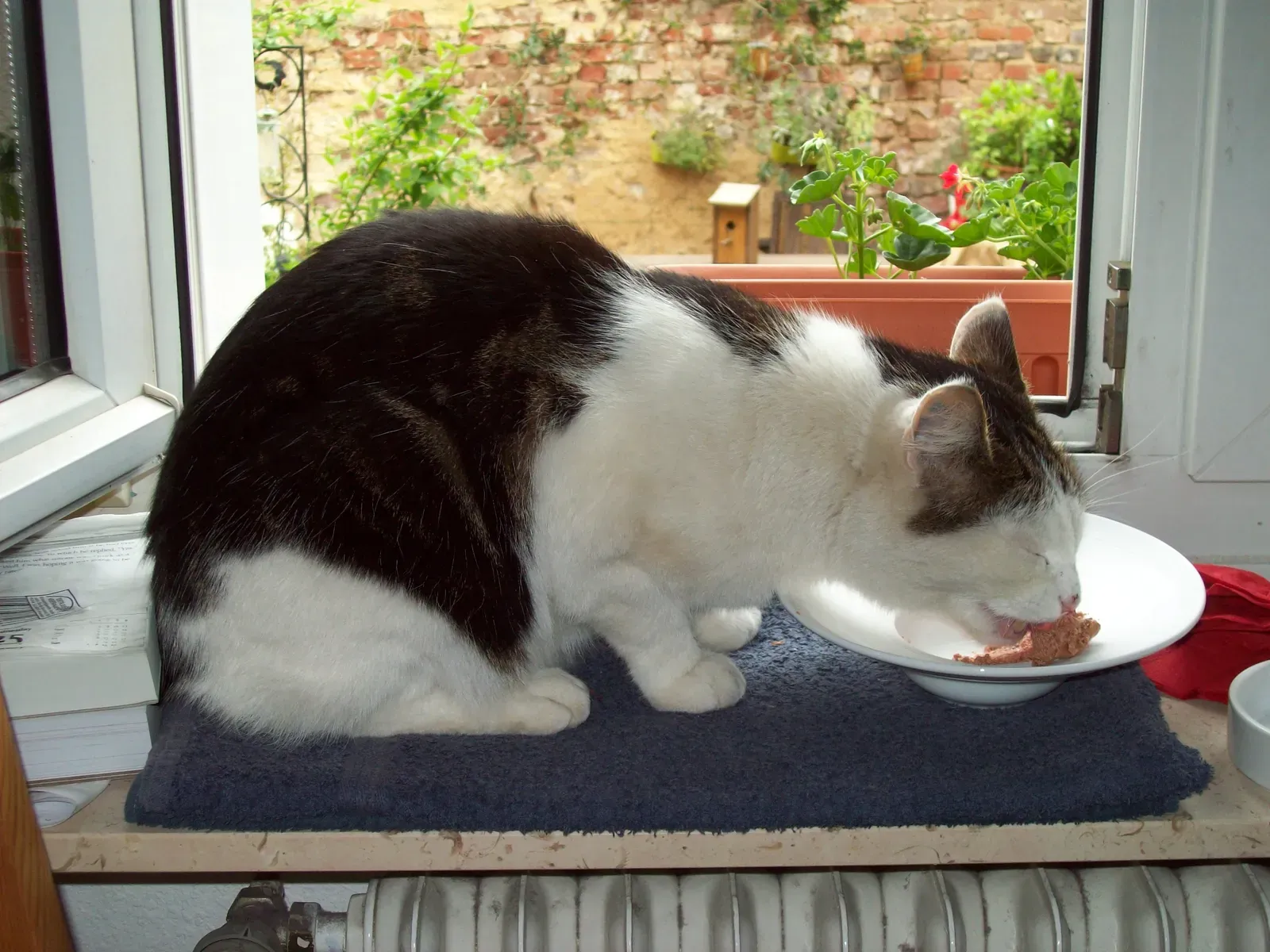
A cat’s eating and drinking habits can be a clear indicator of their comfort level, as in the initial few days, a new cat might eat less or even skip meals due to stress, but as they adjust, their appetite will normalize. Let’s be real, when you’re terrified, eating is probably the last thing on your mind. The same goes for your rescue cat.
Regular eating and drinking patterns suggest that your cat feels safe and less anxious, as whilst they concentrate on eating and drinking, they are vulnerable to predators so until they understand your new home is safe they might resist mealtimes entirely. Watch for consistent trips to the food bowl and water dish. When your cat starts showing interest in their meals without coaxing, you’ll know they’re beginning to trust that this new place isn’t a threat.
Grooming Becomes Part of Their Daily Routine

Cats are fastidious groomers, and their grooming habits are a good barometer of your cat’s stress levels, as a new cat might groom excessively or neglect grooming due to anxiety, but as your cat becomes more settled and confident, you will see a return to normal meticulous grooming behavior, with regular grooming indicating that your cat is feeling more at ease. Think about it this way: when you’re stressed out, self-care often takes a backseat.
Cats operate similarly. A neglected coat or frantic over-grooming both signal distress. When you catch your rescue lounging in a sunny spot, methodically cleaning their paws and face, that’s a beautiful moment. It means they feel secure enough to engage in this vulnerable activity. Grooming isn’t just hygiene for cats. It’s a ritual of comfort and control over their world.
Social Interaction Becomes More Frequent
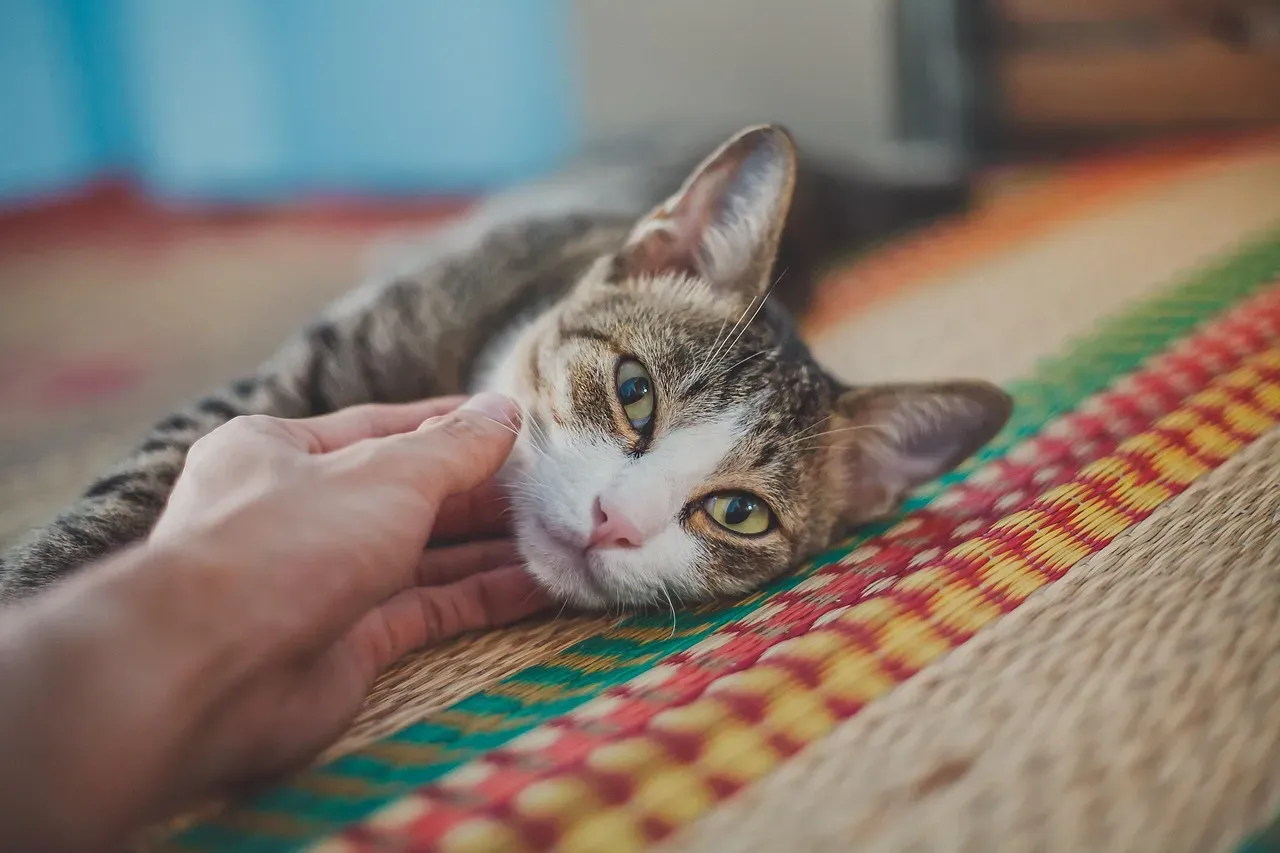
When a cat starts to seek out social interaction, it is a positive sign of adjustment, including approaching you for petting, rubbing against your legs, or even playing with you, with any increase in social behavior indicating they are starting to trust you and feel secure. Here’s the thing: rescue cats often come from backgrounds where humans weren’t exactly trustworthy. Breaking through that barrier takes time.
You might notice your cat following you from room to room, or positioning themselves nearby while you work or watch television. Purring and head rubbing or bunting you are other signs that your kitty enjoys your presence, and many cat owners cherish the ‘slow blink,’ during which a cat stares at you and slowly squints or closes her eyes, as a sign of affection. These small gestures speak volumes about the bond you’re building.
Litter Box Habits Become Consistent
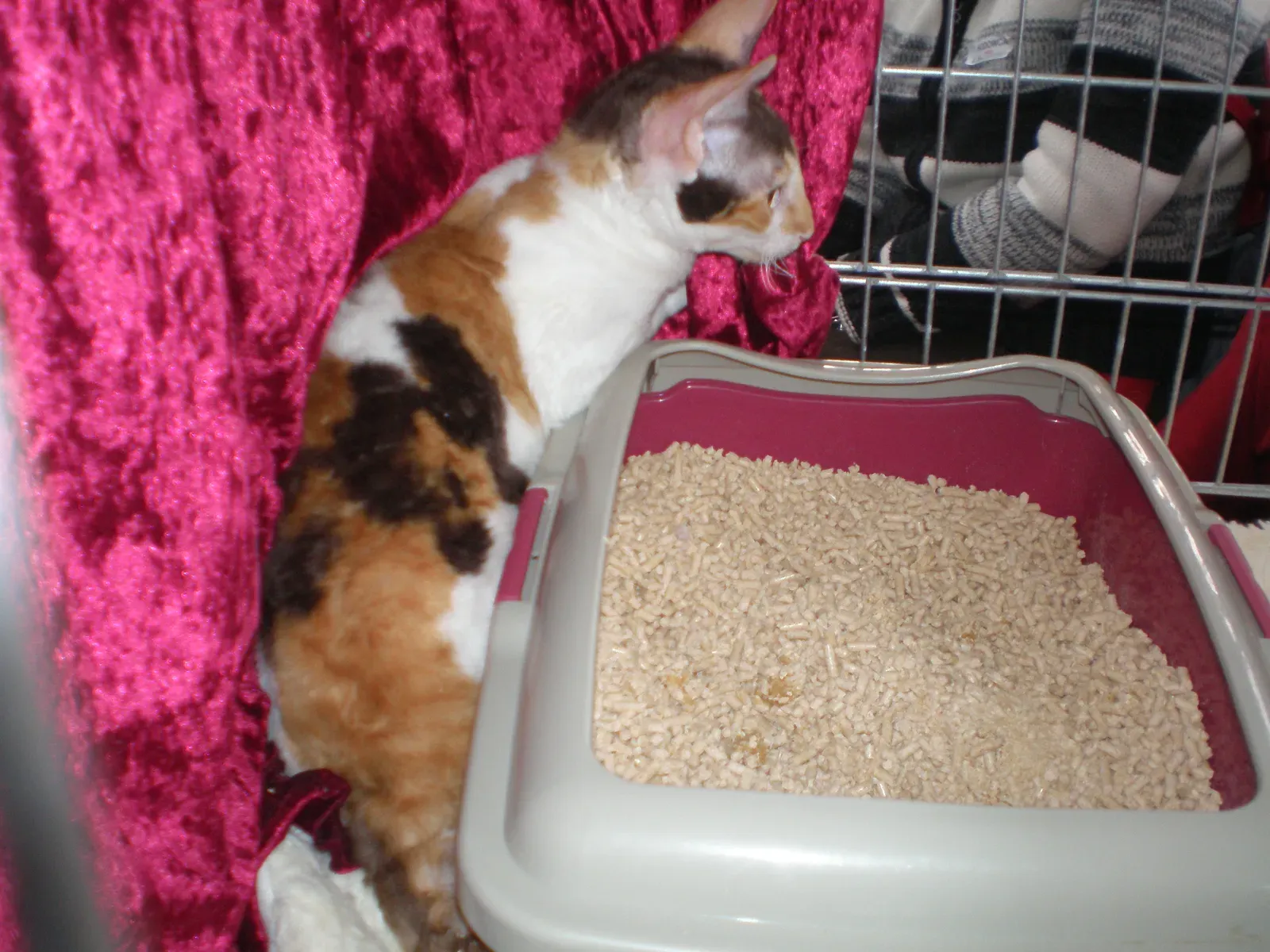
Consistent use of the litter box is another critical sign that your cat is adjusting well, as stress can cause a cat to defecate or urinate outside of the litter box, and if your cat is using their litter box regularly, it means they are beginning to feel more comfortable and are establishing their routines. I know, not the most glamorous indicator, but it’s genuinely important.
A cat who’s anxious might avoid the litter box entirely or have accidents throughout the house. When you see regular, appropriate litter box use, it demonstrates that your rescue understands this is their home now. They’re comfortable enough to establish bathroom routines, which is surprisingly telling. This consistency also makes your life easier and strengthens the trust between you both.
Body Language Shows Relaxation
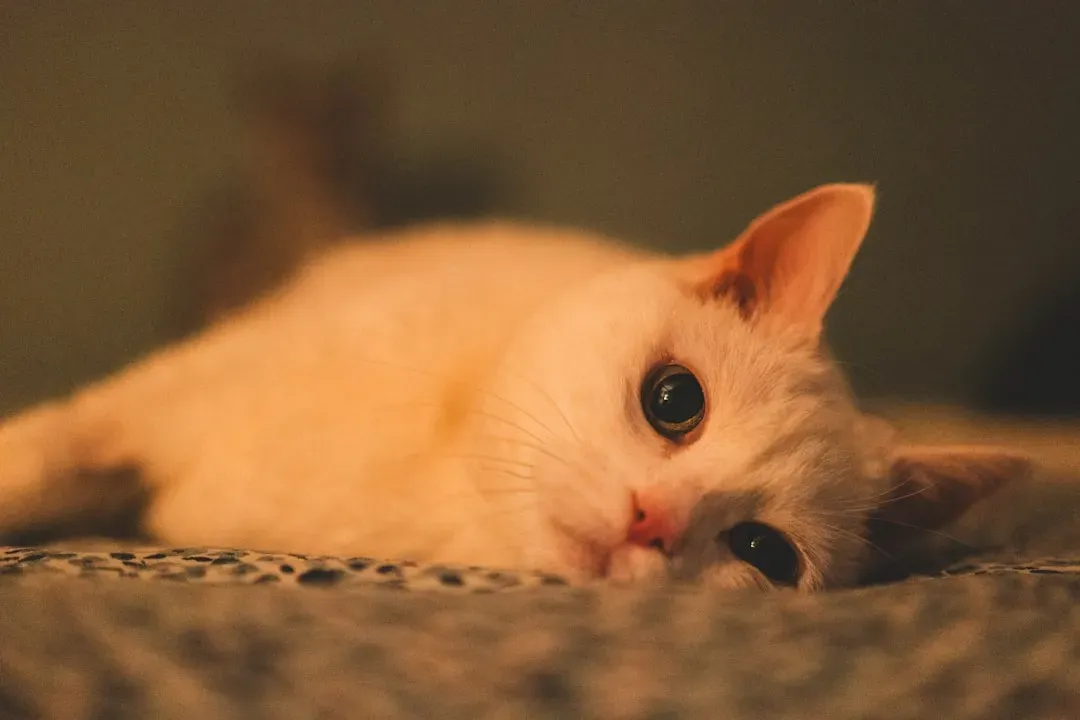
Look for signs such as an upright stance, quizzical rhythmic tail swish, relaxed ears, no muzzle tension and relaxed whiskers and eyes appearing alert and interested, with an overall general lack of tension in their body. Cats communicate everything through their bodies, and once you learn their language, it’s like unlocking a secret code.
When a cat stretches out or lies on their back, exposing their belly, you know they feel comfortable in their surroundings. Watch for those long, luxurious stretches after a nap, or when your cat sprawls out in the middle of the floor rather than staying tucked into corners. Relaxed whiskers, half-closed eyes, and a gently curved tail all broadcast contentment. Your rescue is telling you they finally feel at home.
Playfulness Makes an Appearance
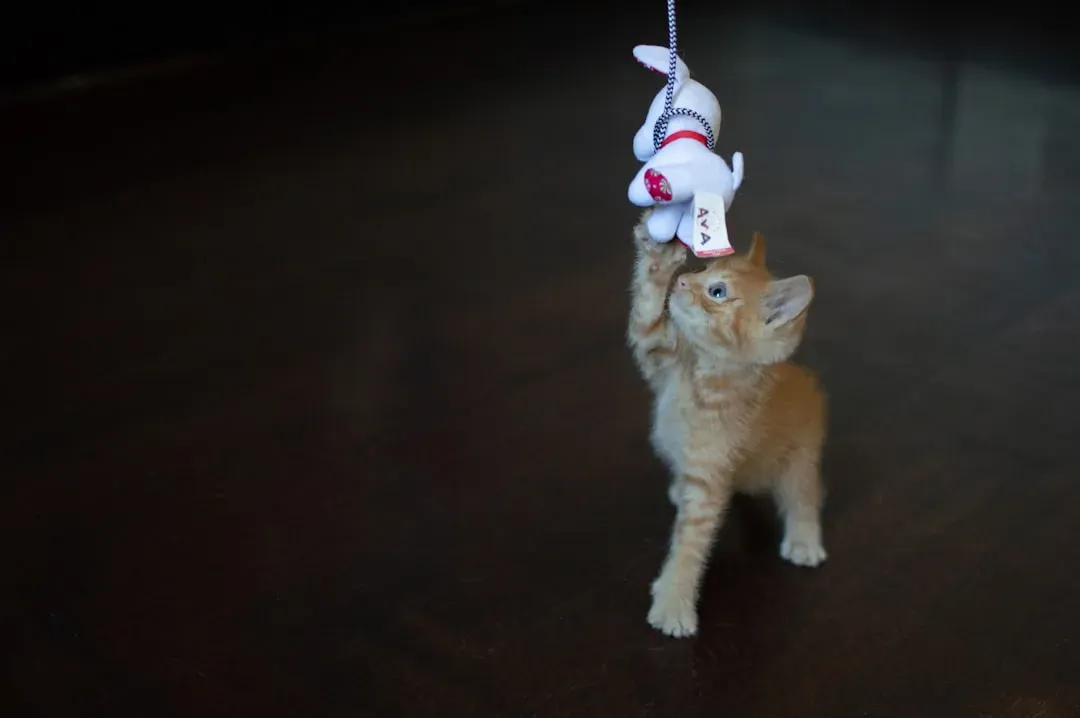
A playful kitten is often a happy kitten, as when kittens are playing with toys, they are essentially learning how to hunt, and when a kitten feels confident enough to pounce on a toy mouse or attack a catnip kicker, it’s a clear sign they are feeling safe in their surroundings. This applies to adult cats too. Play is a luxury behavior that stressed animals simply don’t engage in.
When your rescue starts batting at a toy mouse, chasing a feather wand, or even just investigating a crumpled piece of paper, celebrate it. Play indicates emotional wellness and security. It means your cat has moved beyond mere survival and is now enjoying life. That transition from wary survivor to playful companion is one of the most rewarding experiences in rescue cat ownership.
Conclusion
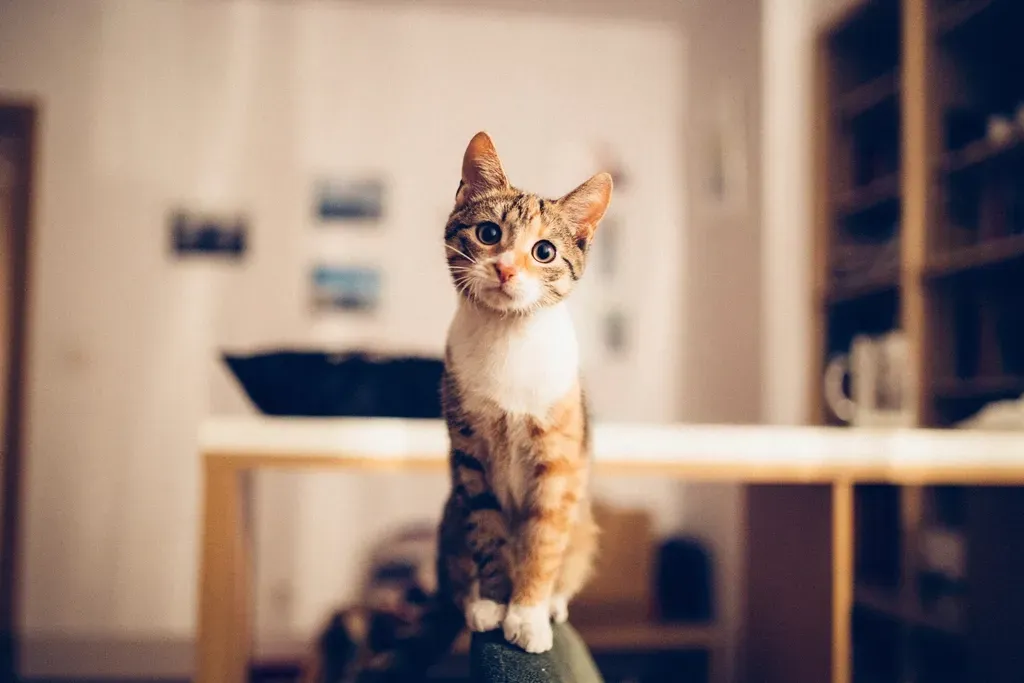
Adjusting to a new home is a significant change for a cat, but with patience and the right approach, you can help your new cat settle in comfortably, and by recognizing both the negative and positive signs of adjustment and providing a supportive environment, you pave the way for a happy and harmonious relationship with your new cat, as each cat is unique, and their adjustment period will vary.
Watching your rescue cat blossom from frightened to confident is a journey worth every moment of patience. Each small sign of comfort represents a victory in trust-building. Remember, there’s no universal timeline for this transformation. Some cats adjust within days, while others need months. What matters most is your consistency, understanding, and willingness to let them set the pace. What signs have you noticed in your rescue cat’s journey?