Have you ever wondered what your cat is really trying to tell you when that fluffy tail starts moving? Let’s be real, cats are mysterious creatures. They can be lounging peacefully one moment and then suddenly their tail is whipping like a metronome gone wild.
Here’s the thing, though. Your cat isn’t just randomly swishing that tail around for fun. Cats use their tail movements, along with their eyes, ears, and body postures, to communicate. Think of it as their secret language, one that you’ve probably been overlooking this whole time. Once you crack the code, you’ll understand whether your feline friend wants a cuddle session, needs some space, or is about to pounce on that unsuspecting toy mouse. Ready to become fluent in tail talk?
The Confident Sky-High Salute
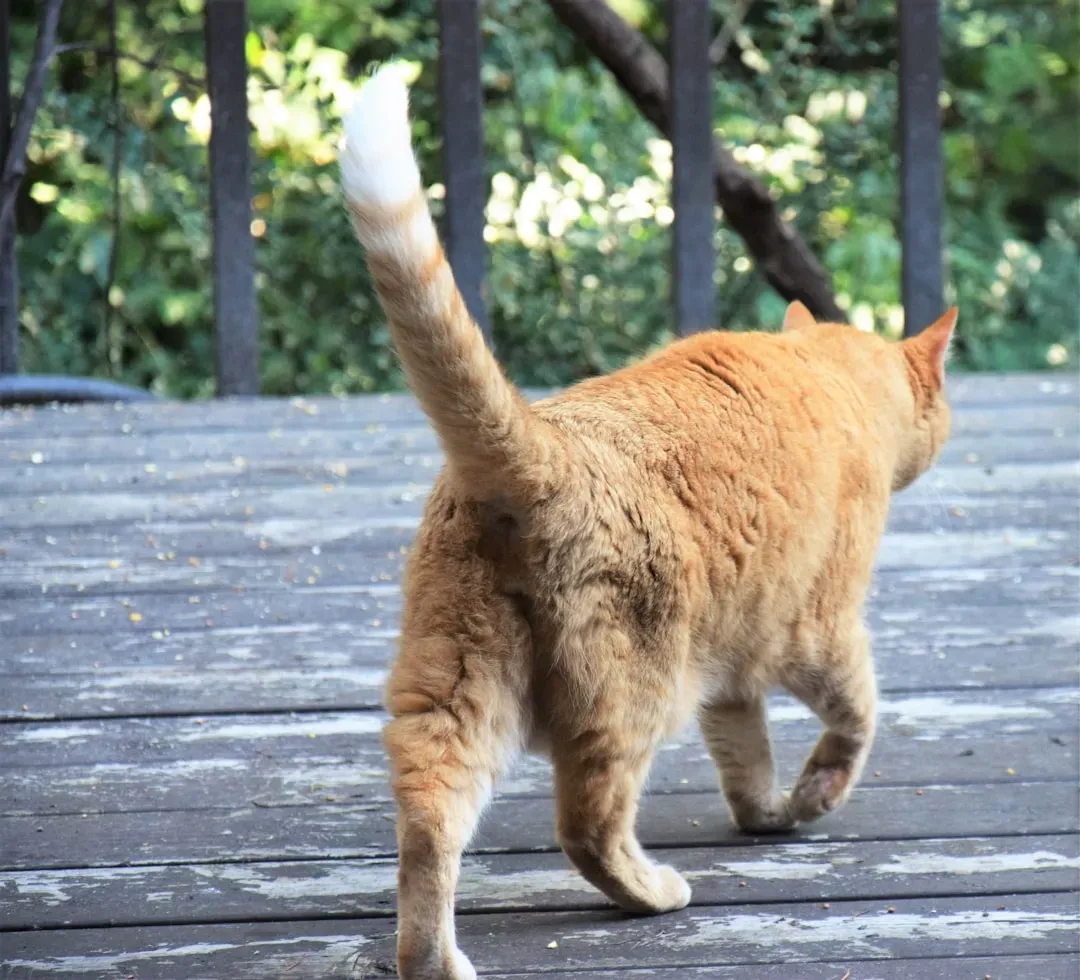
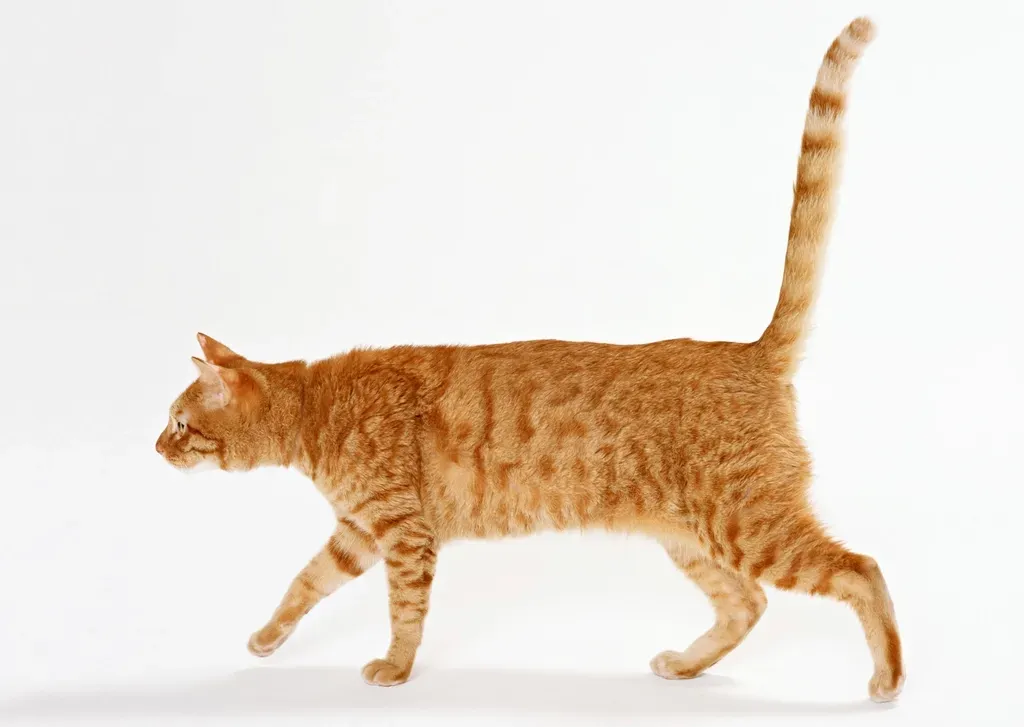
When your cat struts toward you with their tail pointing straight up like a flagpole, consider it a genuine compliment. When your cat holds their tail high in the air as they move about their territory, they’re expressing confidence and contentment. A tail that sticks straight up signals happiness and a willingness to be friendly. This is basically your cat’s version of walking into a room with their head held high.
I think this is one of the easiest tail positions to interpret because it’s so unmistakable. When a cat’s tail is upright, they are feeling social and confident, and are approaching in a friendly manner. You might notice this when you come home from work or when they’re anticipating dinner. It’s your cat saying they’re open for business and ready to interact with you on friendly terms.
The Playful Question Mark Curve
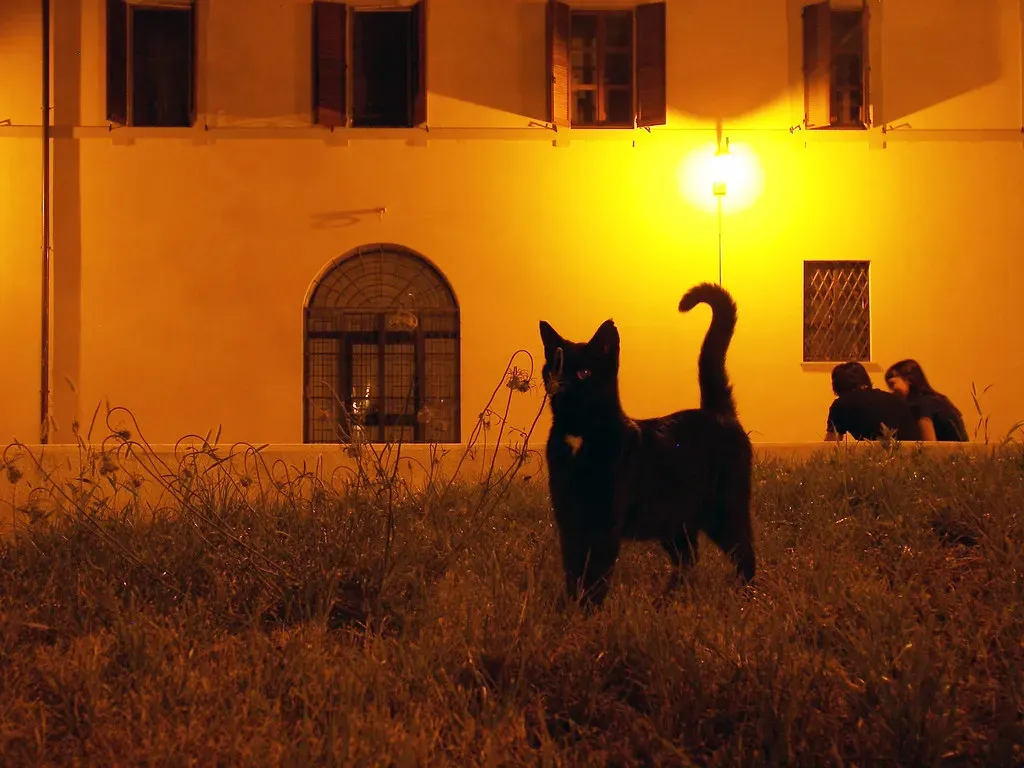
Ever seen your cat approach with their tail forming what looks like a question mark? You may notice that sometimes your cat’s tail looks like a question mark – it stands upright but curls at the end. Again, this cat tail language indicates that your cat is happy and approaching amicably. When your cat’s tail is in this position, it means it’s an invitation to interact with your cat. Honestly, it’s one of the most adorable positions you’ll see.
This curved tip is essentially your cat asking if you want to hang out. When a cat bends its tail in the shape of a question mark, this is good news, especially if you have a few minutes to spare and some cat toys at the ready. That’s because the question mark-shaped tail position is a cat’s way of asking you, Would you like to play? Next time you spot this position, grab their favorite toy. Your cat is literally inviting you to a play session, and who could refuse that?
The Gentle Swaying of Focus
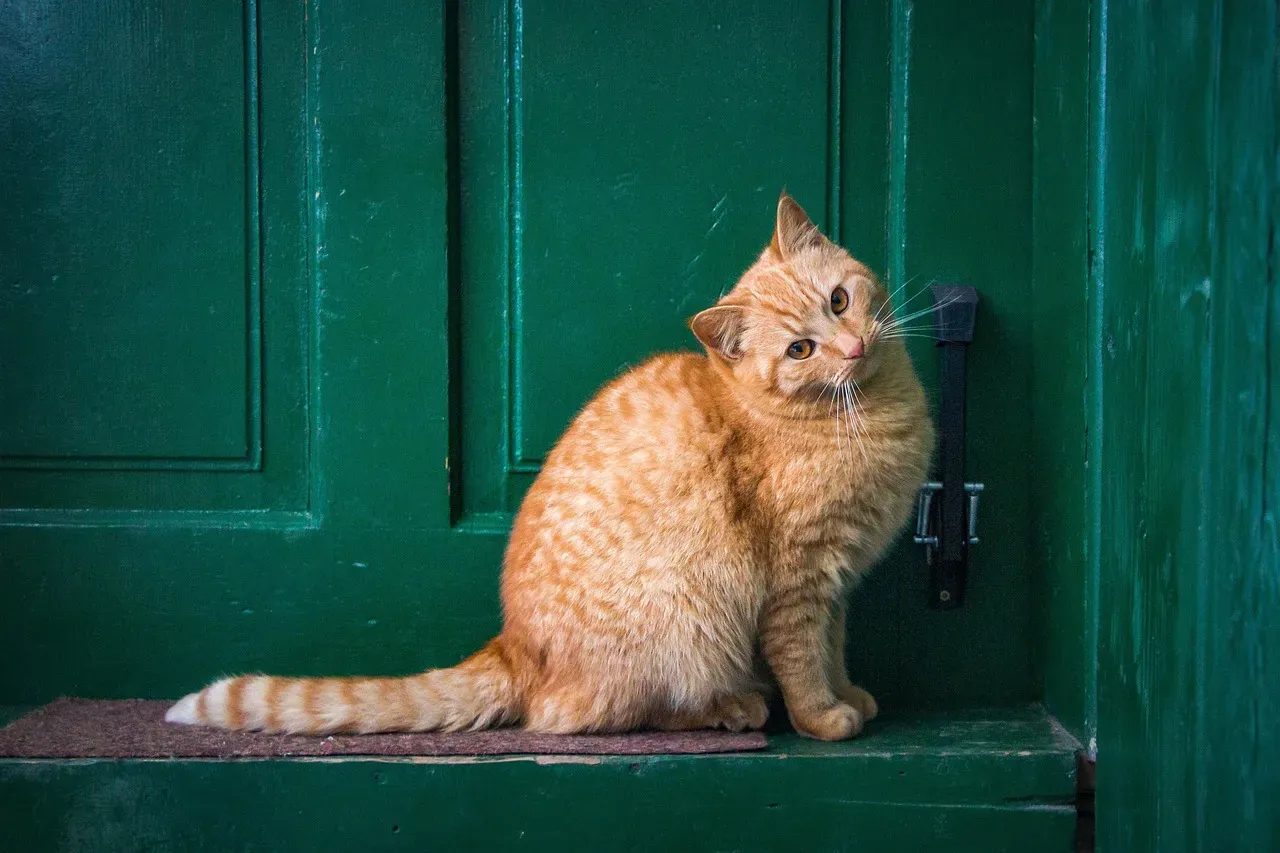
You’ve probably caught your cat staring intently at something with their tail slowly swaying from side to side. A tail that sways slowly from side to side usually means your cat is focused on an object. You might see this tail position right before your cat pounces on a toy or a kibble of cat food that’s tumbled outside the food bowl. Think of it as their concentration mode kicking in.
This tail movement does, in fact, mean a cat is in the zone and has zeroed all their attention on a target of interest but is likely feeling playful. It’s similar to how you might bite your lip when you’re really focused on something tricky. Your cat is sizing up their prey, whether that’s a bug on the wall or a feather toy you’re dangling. The slow sway means they’re calculating the perfect moment to strike.
The Rapid Thrashing Warning Sign
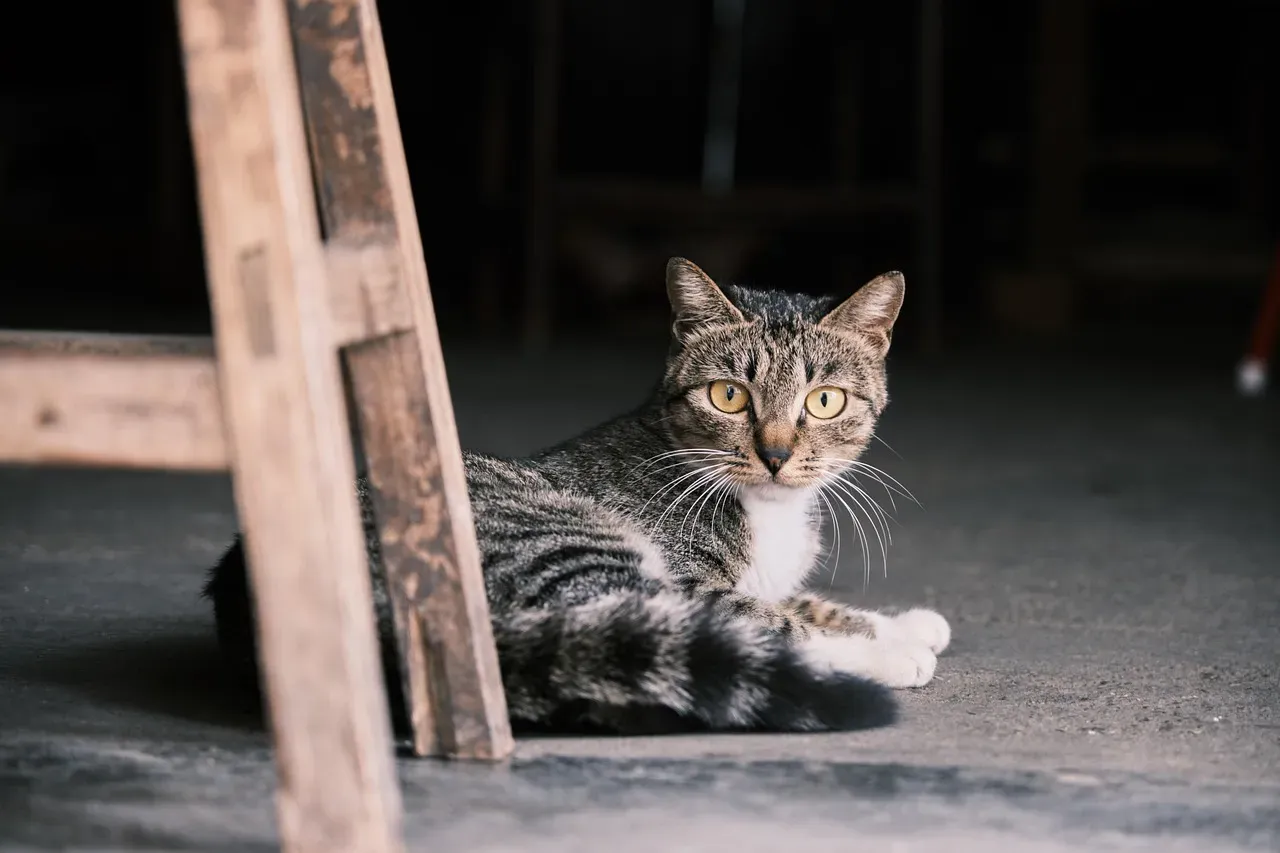
Here’s where things get serious. When your cat thrashes their tail back and forth, you’ve got an annoyed and/or angry cat on your hands, and it may be about to become aggressive. This is drastically different from that gentle swaying we just talked about. The speed and intensity matter here.
If you’re petting your cat and suddenly notice their tail start thrashing or thumping against the ground, stop immediately. When your cat thrashes their tail or is thumping it on the ground, they are irritated, annoyed, or angry. Your cat has reached their limit. Maybe you’ve been petting them too long, or maybe something in the environment is bothering them. Either way, they’re sending you a clear message to back off before things escalate.
The Quivering Tail of Excitement
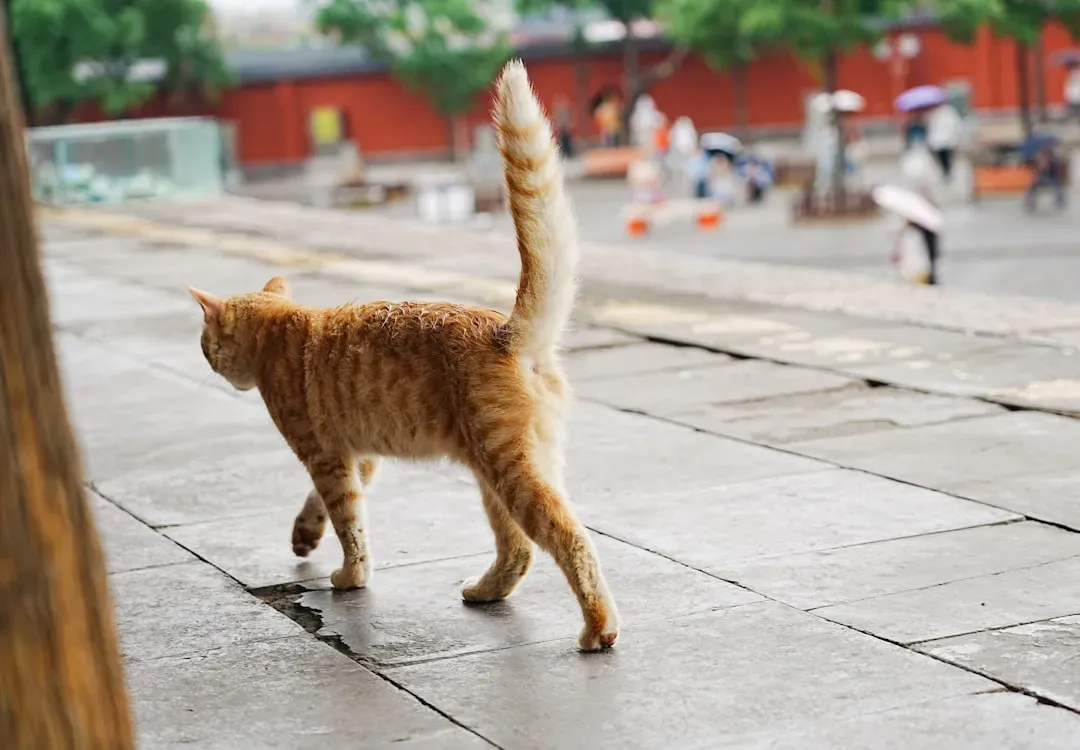
Sometimes you’ll see your cat’s tail standing upright but vibrating or quivering rapidly. A tail that points up accompanied with a quiver at the base of the tail is often an indication your cat is especially excited to see you or to be getting a tasty bowl of cat food. It can look almost like they’re shivering, even though they’re perfectly warm.
This is probably one of the most endearing tail movements your cat can make. This might indicate excitement, happiness, and anticipation. Your cat may want to cuddle, play, or better yet – a treat. It’s hard to say for sure, but this quivering tail is generally your cat’s way of expressing pure joy. You might see it when you walk through the door after being away or right before mealtime.
The Puffed-Up Bottle Brush
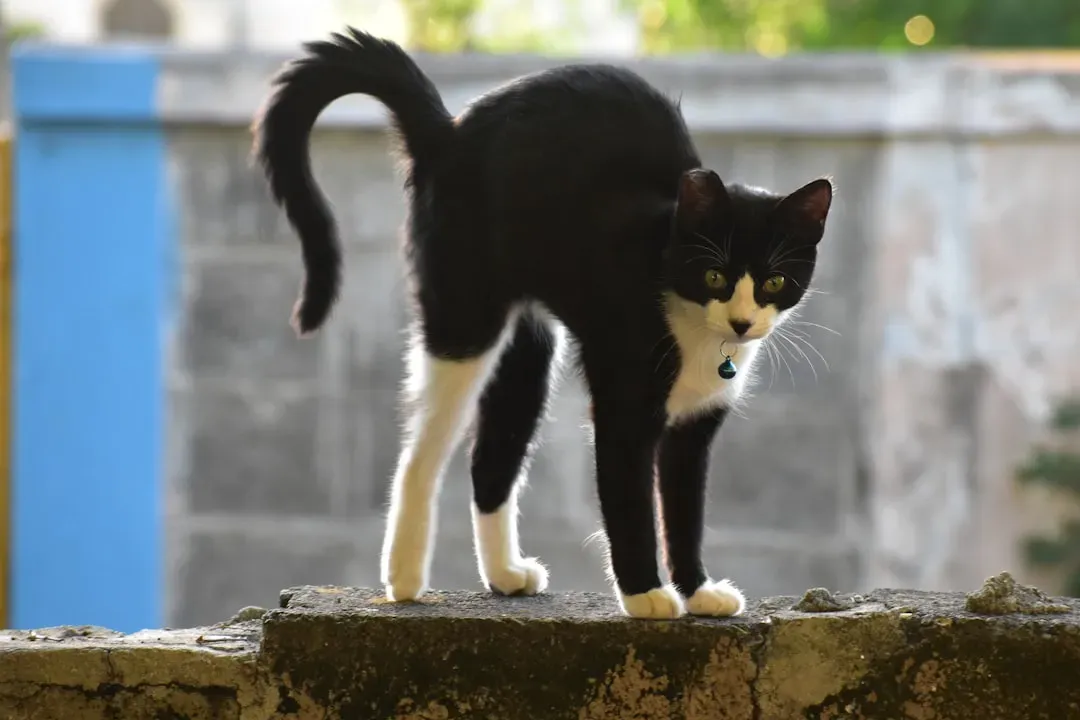
Nothing quite compares to the dramatic flair of a cat with a fully puffed tail. If your cat assumes the quintessential Halloween-cat posture with a puffed tail and arched back, then they are startled or frightened by a sudden, severe threat. Your cat’s hair stands on end (piloerection) so they can appear to be larger. This is a defensive reaction indicating that your cat wishes to be left alone.
This isn’t your cat trying to look cute or playful. A puffed-up tail typically signals feelings of fear or aggression. Your cat may feel threatened or startled and is attempting to appear larger to ward off perceived danger. Whether it’s a strange dog, a sudden loud noise, or an unfamiliar visitor, your cat is genuinely scared. Give them space and remove whatever is causing the fear if possible. Approaching them in this state could result in defensive scratching or biting.
The Low-Hanging Tail of Anxiety
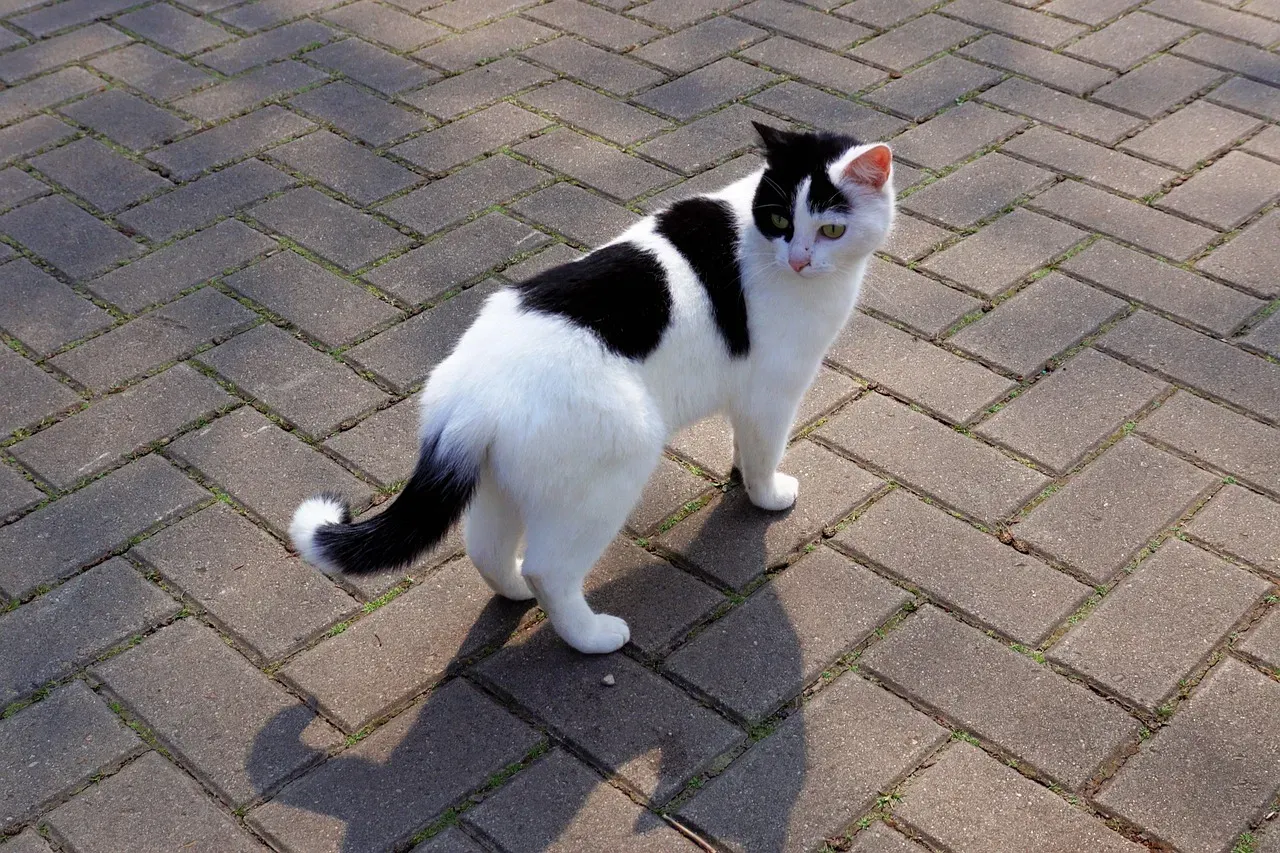
When your cat’s tail drops below the level of their back or hangs low, it’s time to pay attention. A cat may lower their tail below the level of their back if they are frightened or anxious. If your cat’s tail is tucked between their legs, then they are really scared or may be experiencing pain. This position is basically the feline equivalent of slumping shoulders.
A tucked tail is particularly concerning. A cat who has tucked the tail between the hindlegs is very frightened. This is a submissive posture where the cat is trying to appear small and non-threatening. Your cat might also be in physical pain, so if you notice this position frequently, a vet visit is warranted. Context matters here, so look at the overall situation to determine what’s causing your cat’s distress.
The Wrapped-Around-Body Position
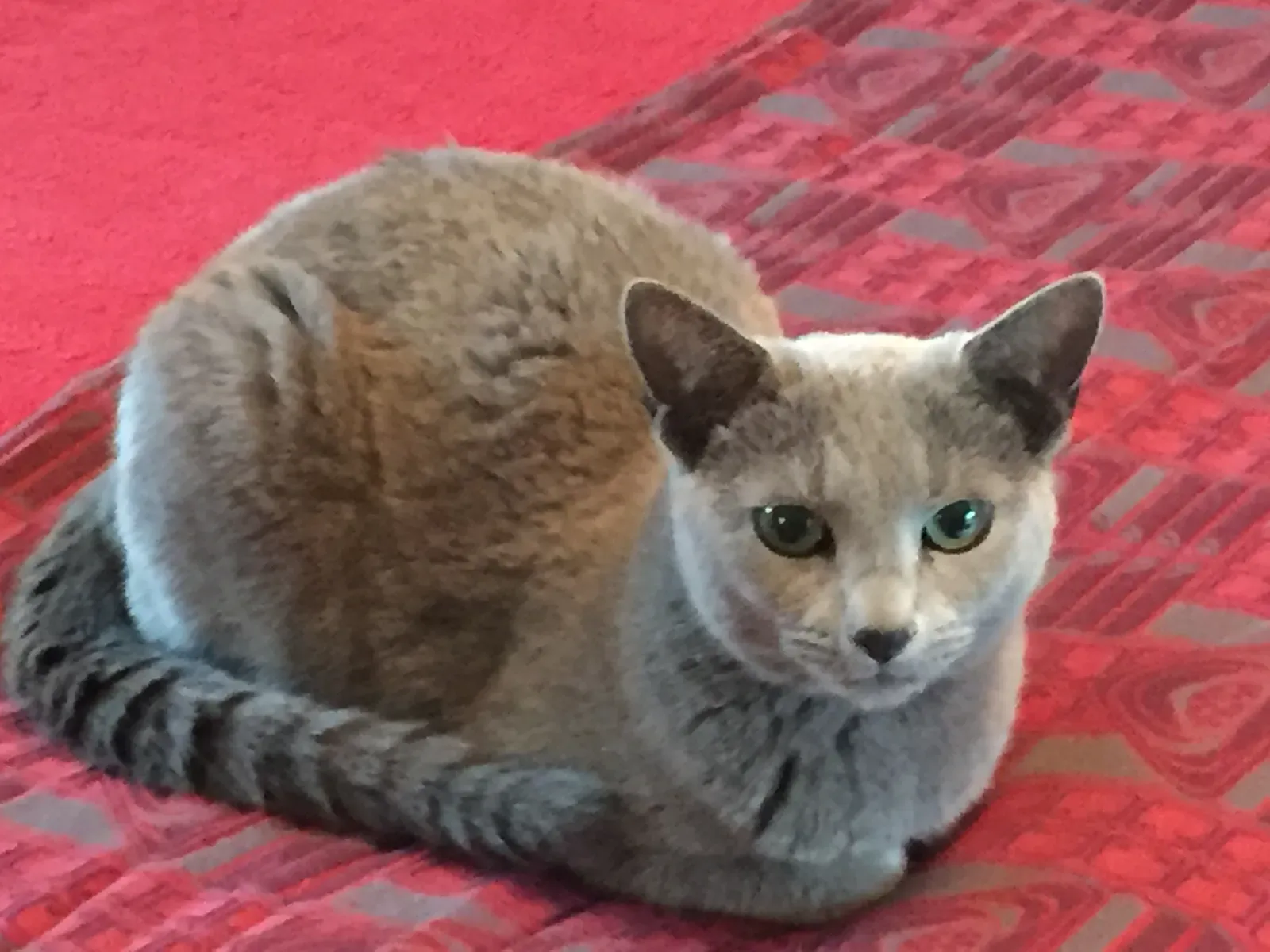
If your cat is sitting or lying down with their tail wrapped around their body, then they are frightened, defensive, in pain, or feeling unwell. When you see this, end your interaction with your cat and ensure that your cat’s environment is free of stressors. It’s kind of like when humans cross their arms defensively.
However, there’s a caveat here that’s important to remember. A cat sitting on your lap may curl their tail around themselves for warmth or because it’s just a comfortable thing to do. In that context, you don’t need to worry. This is where reading the whole situation becomes crucial. Is your cat relaxed and purring with their tail wrapped around them? Probably just cozy. Are they tense with flattened ears? They’re stressed and need space.
The Tail-Tip Twitch
Sometimes only the very tip of your cat’s tail will flick back and forth while the rest remains still. A mildly irritated cat will thump his tail or twitch the end of his tail. This subtle movement is easy to miss if you’re not paying attention, yet it carries meaning.
Cats twitch the end of their tails when they are hunting and playing, as well as when they are mildly irritated and frustrated. In this case, read the scene and look for other clues to their mood. If they’re not playing or stalking something, then the twitching tail movement probably means that they are annoyed. Your cat might be getting overstimulated during petting or frustrated by something they can’t reach. The tip twitch is like a yellow warning light before the red alert of full tail thrashing.
The Affectionate Tail Wrap
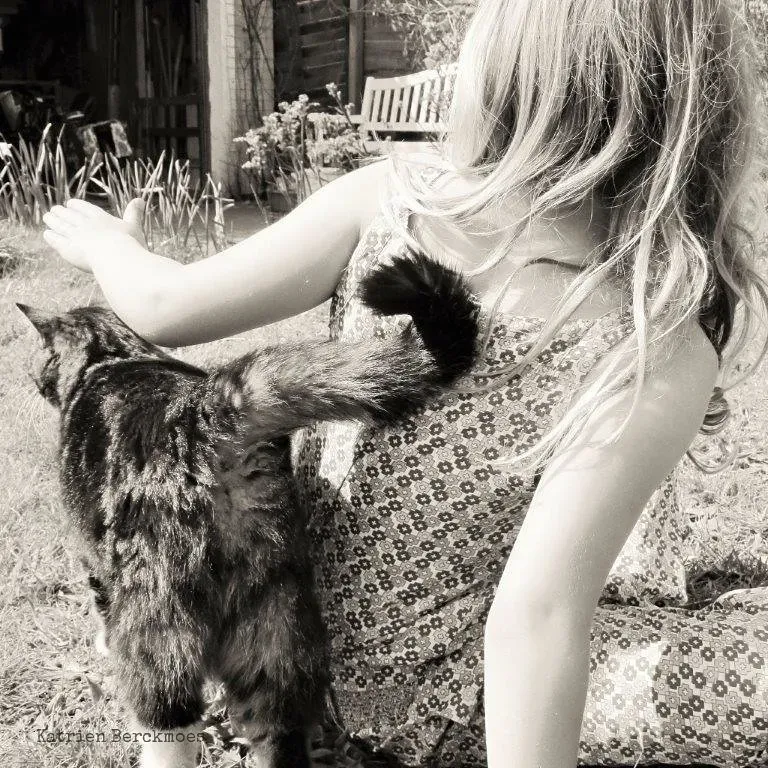
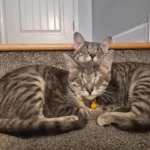
One of the sweetest tail behaviors is when your cat wraps their tail around you or another cat. Just as we greet one another with handshakes or hugs, cats may greet by curling their tails around people and by intertwining their tails with other cats. Tail wrapping is an affiliative behavior that demonstrates a willingness to interact. Think of it as your cat giving you a gentle hug.
If you’ve ever seen cats cuddling curled with their tails around each other, you know how adorable this cat behavior is. It’s also a very pro-social tail behavior. In other words, this is one of the ways cats bond and socialize with each other. It’s a way of marking each other with their scent and signaling who their friends are. If your cat snuggles up next to you with their tail curled around you, it means you’re part of their in-crowd – they like you a lot! When your cat wraps their tail around your leg or arm, you’ve been officially accepted into their inner circle.
Understanding Your Cat’s Complete Body Language
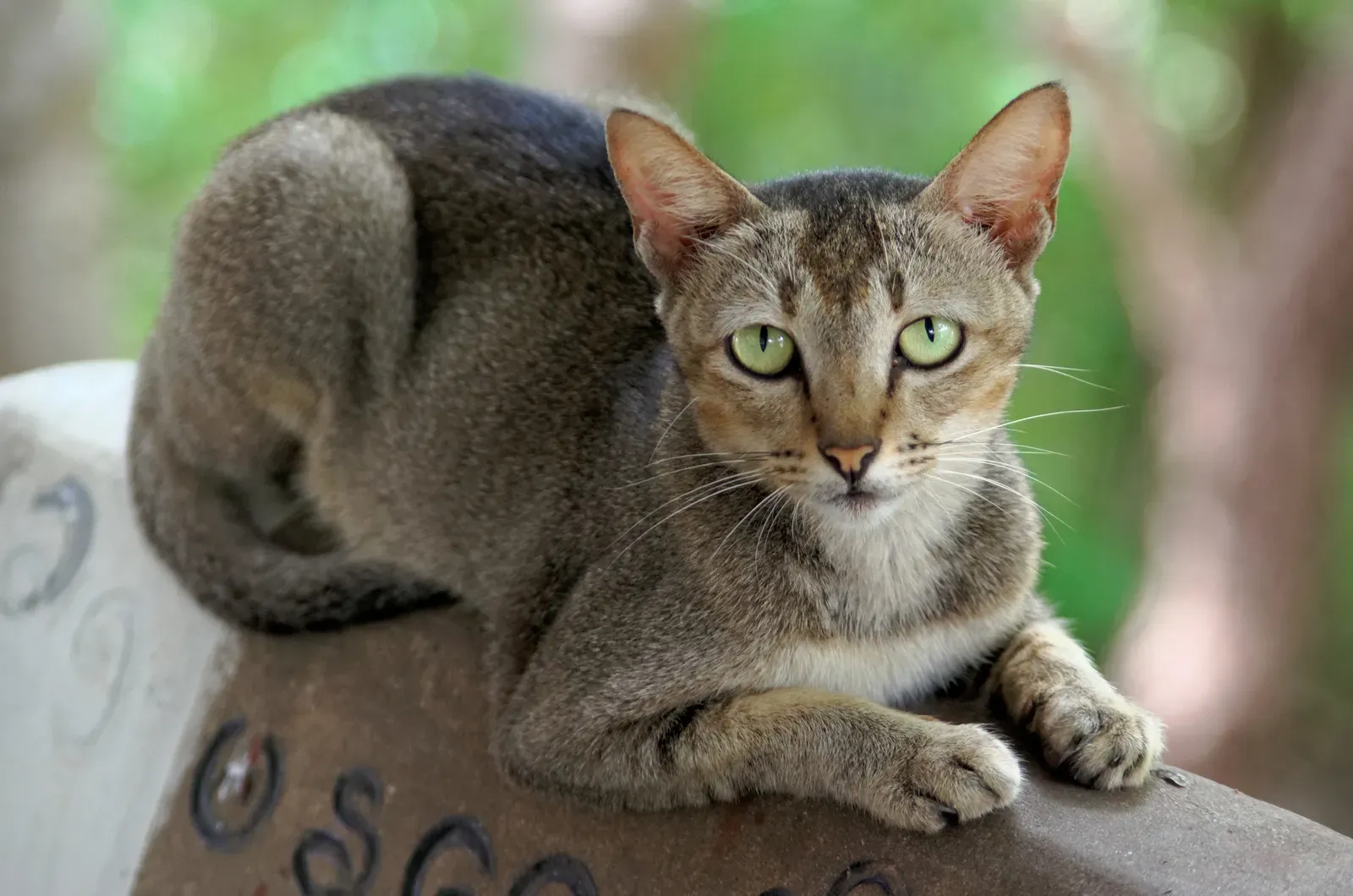
While the tail is incredibly expressive, it’s just one piece of the puzzle. Although you should look at more than just their tail movements, to fully understand your cat’s emotional state, the tail may be the most expressive part of a cat’s body language. Better understanding your cat’s body language will surely improve your bond with your cat. You need to look at the whole picture to truly understand what your cat is communicating.
Pay attention to things like ear position, back, and full body posture to get a better idea of your cat’s current behavior and mood. Eyes are also important. A cat with an upright tail, forward-facing ears, and relaxed whiskers is in a completely different mood than a cat with an upright tail, flattened ears, and dilated pupils. The tail gives you valuable information, yet combining it with other signals creates a complete picture of your cat’s emotional state. What do you think about your cat’s unique tail language? Have you noticed any patterns we covered here? Understanding these signals truly transforms how you interact with your feline companion.